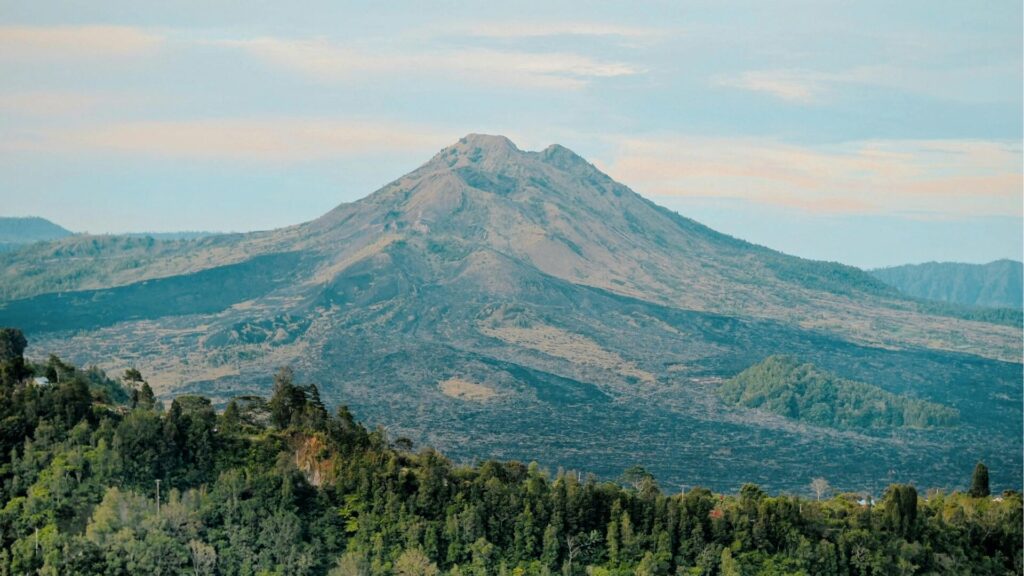
Mount Akagi and Initial D: Why This Mountain Became a Global Icon
Mount Akagi — known as Akagi-yama (赤城山) in Japanese — is one of the most famous mountains in the world of JDM car culture. Thanks to the legendary manga and anime series Initial D, created by Shuichi Shigeno, Mount Akagi became synonymous with touge racing, drifting, and the raw thrill of downhill battles. For tens of millions of fans worldwide, Mount Akagi is not merely a geographic landmark in Gunma Prefecture; it is hallowed ground where the art of the touge was immortalized.
In Initial D, Mount Akagi serves as the home course of the Akagi RedSuns, led by the charismatic Ryosuke Takahashi and his younger brother Keisuke Takahashi. The winding roads of Akagi are depicted as a proving ground where skill, car setup, and mental fortitude determine victory. For anyone visiting Japan with a passion for JDM culture, understanding the significance of Mount Akagi Initial D is essential — and visiting the real mountain is a pilgrimage that every fan should make at least once.
-

-
JDM Culture: The Definitive Guide to Experiencing Japan’s Car Scene at Daikoku PA
JDM culture is more than fast cars and late‑night meets—it’s a uniquely Japanese blend of craftsmanship, hospitality, and respect for the road. In this guide, you’ll learn what JDM culture really means, why Daikoku Parking Area (Daikoku PA) is its most iconic gathering spot, and how overseas visitors can experience it smoothly and responsibly. What Is JDM Culture? “JDM” stands for “Japanese Domestic Market,” originally describing vehicles and parts built for sale inside Japan. Over time, the term evolved into a global lifestyle: a shared language of engineering, tuning, and community centered on Japanese cars and the people who love ...
続きを見る

Where Is Mount Akagi? Location and Access from Tokyo
Mount Akagi is located in Gunma Prefecture, approximately 130 kilometers (80 miles) northwest of Tokyo. Gunma Prefecture plays a central role in Initial D — not only is Akagi located here, but so are other iconic touge mountains like Haruna (the real-life inspiration for Mount Akina, the protagonist Takumi Fujiwara's home course) and Myogi.
How to Get to Mount Akagi from Tokyo
- By car: Take the Kan-Etsu Expressway from Tokyo toward Maebashi or Shibukawa. The drive takes roughly 2–2.5 hours depending on traffic. From Shibukawa IC, follow the prefectural roads up the mountain to the summit area (Akagi-san). Driving is the recommended method — after all, this is a touge pilgrimage.
- By train and bus: Take the JR Joetsu Shinkansen from Tokyo Station to Takasaki Station, then transfer to the JR Ryomo Line to Maebashi Station. From Maebashi, seasonal buses run to Lake Onuma at the summit of Mount Akagi. Journey time is approximately 3 hours total.
- By organized tour: The most convenient option for overseas visitors is to join a guided JDM tour that covers Mount Akagi alongside other iconic car culture spots. This eliminates the stress of navigating unfamiliar mountain roads and ensures you don't miss any key locations.
Since Mount Akagi is in the greater Gunma area, it can be combined with visits to other Initial D mountains and even nearby onsen (hot spring) towns like Ikaho, making it an ideal day trip or weekend getaway from Tokyo.
-
-
Tokyo to Ikaho Onsen by Car — Complete Self‑Drive Guide (2025)
Ikaho Onsen in Gunma Prefecture is one of the easiest hot spring towns to reach from Tokyo by car. This guide covers the fastest route, realistic drive times, parking, seasonal tips, and a 1–2 day itinerary—everything overseas visitors need for a smooth, scenic self‑drive. Why Drive from Tokyo to Ikaho Onsen? Driving lets you stop at viewpoints around Mt. Haruna and Lake Haruna, bring luggage comfortably, and combine Ikaho with other onsen towns in northern Kanto (e.g., Kusatsu or Kinugawa) without juggling train/bus schedules. It’s a straightforward expressway run with plentiful Service Areas (SA) for breaks. Fastest Route Overview (Kan‑Etsu ...
続きを見る
The Role of Mount Akagi in Initial D: Story and Significance
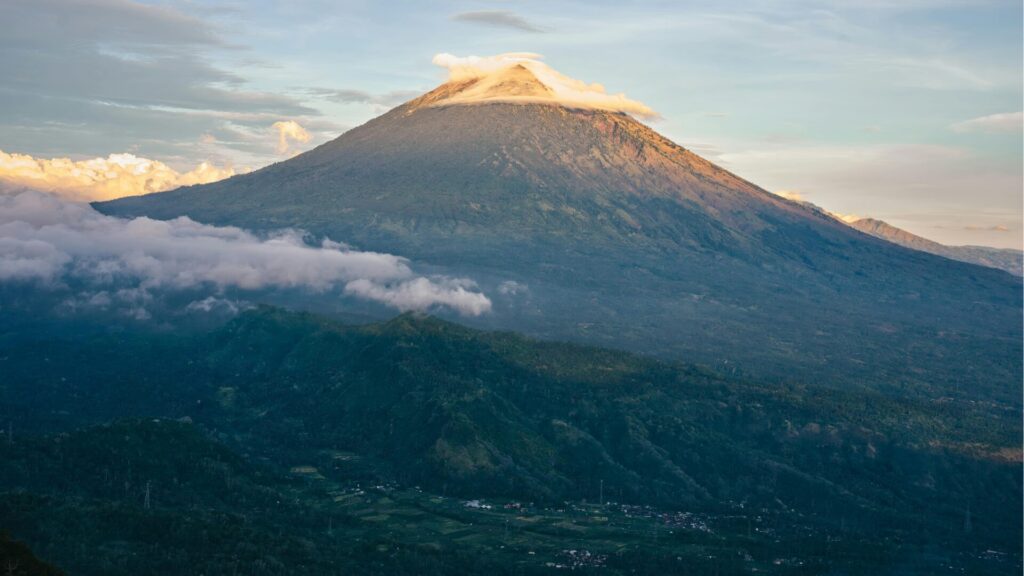
To truly appreciate a visit to Mount Akagi, it helps to understand its narrative significance within the Initial D universe. The series, which ran from 1995 to 2013 in the manga and spawned multiple anime seasons, films, and video games, revolves around illegal street racing on mountain passes — a practice known as touge (峠) in Japanese.
The Akagi RedSuns
The Akagi RedSuns are one of the most elite racing teams in Initial D. Led by Ryosuke Takahashi, who drives a white Mazda FC3S RX-7, and his brother Keisuke Takahashi in a yellow Mazda FD3S RX-7, the RedSuns are portrayed as the gold standard of touge racing in the Gunma region. Mount Akagi is their home turf — the course they know intimately and dominate.
Ryosuke Takahashi is depicted as a calculating genius who uses data analysis and physics to master every corner. His "fastest line" theory and his ability to read the road conditions on Akagi are legendary within the series. Keisuke, on the other hand, relies on raw talent and aggressive driving to conquer opponents.
Key Races on Mount Akagi
Several pivotal battles in Initial D take place on Mount Akagi's roads:
- Takumi Fujiwara vs. Keisuke Takahashi: One of the earliest and most iconic races in the series. Takumi, driving his father's Toyota AE86 Sprinter Trueno (also known as the "Hachi-Roku"), shocks the racing world by defeating Keisuke on Akina's downhill. This sets the stage for subsequent confrontations on Akagi.
- Ryosuke Takahashi's battles: Throughout the series, Ryosuke defends Akagi's honor against rival teams from other prefectures, reinforcing the mountain's status as a fortress of skill.
- Project D expeditions: In later arcs, Ryosuke forms Project D — a racing team featuring Takumi and Keisuke — that travels to other prefectures to challenge the fastest drivers. Mount Akagi serves as their training ground and spiritual home base.
Why Mount Akagi Captivates Fans
What makes Mount Akagi special in Initial D is its representation of the touge ideal. The roads are technically demanding, with a mix of high-speed sections and tight hairpin turns. The series portrays Akagi as a mountain where only the truly skilled can survive — and this perception has cemented the mountain's legendary status among car enthusiasts globally.
-
-
JDM Drift: The Definitive Guide for Visitors (Daikoku PA Edition)
JDM drift is more than smoking tires and counter‑steer angles—it’s a living subculture that blends engineering, aesthetics, and community. If you’re planning a car‑centric trip to Tokyo or Yokohama and want to experience Japan’s drift scene correctly (and legally), use this guide to plan a night that delivers authentic cars, epic photos, and zero hassles—centered around Daikoku Parking Area (Daikoku PA), the capital’s most famous highway car‑meet hub. What Is JDM Drift? JDM (Japan Domestic Market) drift is the Japanese-born driving style that emphasizes controlled oversteer, precision throttle modulation, and smooth transitions through a corner. It grew from mountain‑pass (touge) ...
続きを見る

Driving Mount Akagi: What the Real Touge Roads Are Like
The real Mount Akagi lives up to its anime reputation in many ways. The mountain features a network of winding roads that ascend from the plains around Maebashi city to the caldera lake (Lake Onuma) at the summit, roughly 1,828 meters above sea level.
The South Face Route (Prefectural Route 4)
The most famous touge route on Mount Akagi is the south face route, which climbs from the base near Fujimi village to the summit. This is widely believed to be the primary inspiration for the Akagi course depicted in Initial D. The road features:
- Long, sweeping corners with good visibility
- Technical hairpin sections that demand precise steering and throttle control
- Elevation changes that test both car and driver
- Forested sections that create dramatic canopy tunnels
The road surface is generally well-maintained, but conditions can vary depending on the season. In autumn, fallen leaves can reduce grip. In winter, the upper sections can be icy or snow-covered, requiring chains or winter tires.
Important Safety and Legal Considerations
It must be emphasized that illegal street racing is strictly prohibited in Japan. The touge racing depicted in Initial D is fiction, and attempting to replicate it on public roads is both dangerous and illegal. Japanese police actively patrol mountain roads, especially those with reputations from anime and manga. Penalties for reckless driving in Japan can include fines, license suspension, and even imprisonment.
That said, driving Mount Akagi at a safe, legal speed is still an incredibly rewarding experience. The scenery is breathtaking, the road engineering is impressive, and the simple knowledge that you are driving the same roads that inspired one of the greatest automotive stories ever told is profoundly satisfying.
The Cars of Mount Akagi: Iconic JDM Machines from Initial D

No discussion of Mount Akagi Initial D is complete without talking about the cars. The vehicles featured on Akagi's roads are some of the most celebrated JDM machines ever produced.
Mazda RX-7 FC3S (Ryosuke Takahashi)
Ryosuke's white FC3S RX-7 is arguably the most iconic car associated with Mount Akagi. Powered by a turbocharged 13B rotary engine, the FC3S is depicted as a perfectly balanced machine that Ryosuke has tuned to extract every last tenth of a second. The car's rear-wheel-drive layout and lightweight construction make it ideal for touge driving.
Mazda RX-7 FD3S (Keisuke Takahashi)
Keisuke's yellow FD3S represents the next generation of RX-7. With its sequential twin-turbo 13B-REW engine and advanced suspension geometry, the FD3S is faster and more technologically advanced than its predecessor. In the series, Keisuke's progression as a driver mirrors the evolution of his car.
Toyota AE86 Sprinter Trueno (Takumi Fujiwara)
Although Takumi's home course is Mount Akina (based on Mount Haruna), his AE86 has raced extensively on Akagi as well. The AE86 — with its naturally aspirated 4A-GE engine producing modest horsepower — is the ultimate underdog car, and its victories on mountains like Akagi demonstrate that driver skill can overcome raw power.
If you want to experience driving some of these legendary JDM machines during your trip to Japan, rental options are available for vehicles like the Nissan GT-R and Mazda RX-7.
-
-
RX-7 Rental in Japan: How to Drive a Mazda RX-7 (FD/FC) in Tokyo—and Visit Daikoku PA the Smart Way
Searching for “RX7 rental Japan” usually means one thing: you want to experience a legendary rotary sports car on Japanese roads—ideally in Tokyo/Yokohama with a stop at Daikoku Parking Area (Daikoku PA), Japan’s most famous car-meet spot. That dream is absolutely possible, but there are important realities first-time visitors often miss: RX-7 rentals are specialty rentals (not normal rental counters), documentation rules are strict, and Daikoku PA access is uniquely tricky because it sits inside an expressway junction. This guide explains exactly how RX-7 rental works in Japan, how to avoid common mistakes, and why a Daikoku PA JDM tour ...
続きを見る
What to See and Do at Mount Akagi
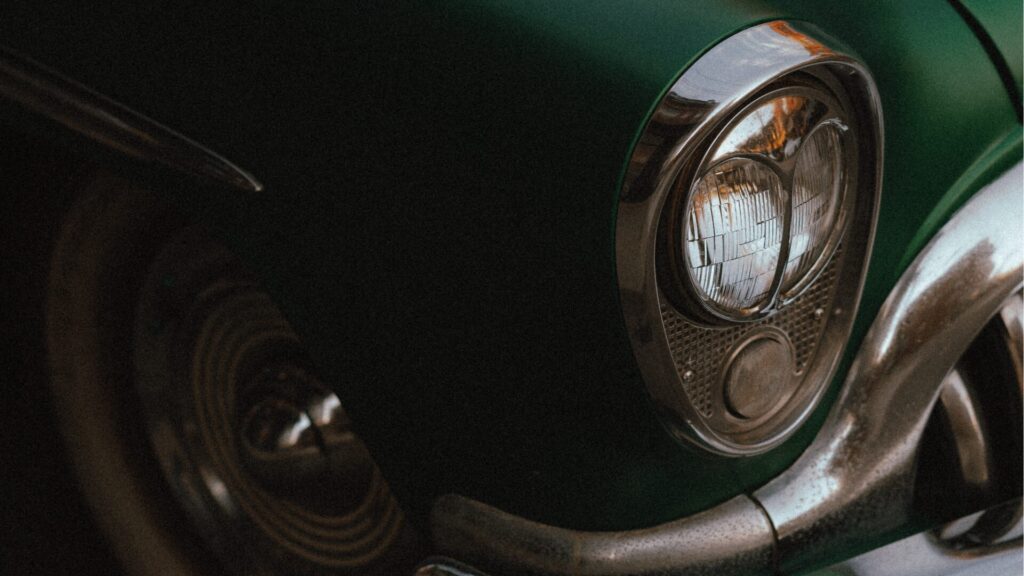
Mount Akagi offers far more than just touge roads. Whether you are an Initial D devotee or a general traveler with an interest in Japanese nature and culture, there is plenty to enjoy.
Lake Onuma (大沼)
The caldera lake at the summit of Mount Akagi is a scenic gem. Surrounded by forest and mountain ridges, Lake Onuma offers walking trails, fishing (especially for wakasagi ice fishing in winter), and seasonal boat rentals. The area around the lake is peaceful and provides a stark contrast to the adrenaline of the touge roads below.
Lake Konuma (小沼)
A smaller crater lake located slightly south of Lake Onuma, Konuma is quieter and less visited. It offers a more secluded hiking experience and beautiful reflections of the surrounding peaks.
Akagi Shrine (赤城神社)
Located on the shores of Lake Onuma, Akagi Shrine is a beautiful Shinto shrine with a striking red bridge extending over the water. It is dedicated to the deity of Mount Akagi and is a popular spot for visitors seeking blessings for safe travel — fitting for a touge pilgrimage.
Autumn Foliage
Mount Akagi is one of Gunma Prefecture's premier autumn foliage destinations. From mid-October to early November, the mountain transforms into a kaleidoscope of red, orange, and gold. Driving the touge roads during this season is an unforgettable visual experience.
Gunma Flower Park (Gunma Flower Highland)
Located on the southern slopes of Mount Akagi, this botanical park features seasonal flowers across a vast area with panoramic views of the Kanto Plain. It's a pleasant stop to combine with your mountain drive.
Mount Akagi vs. Mount Haruna vs. Mount Myogi: The Gunma Touge Trinity
Initial D features three principal mountains in Gunma Prefecture, and understanding how they compare helps you plan the ultimate pilgrimage.
Mount Akagi (Akagi RedSuns)
- Elevation: 1,828 m
- Character: Technical, varied terrain with both high-speed and tight sections
- Initial D team: Akagi RedSuns (Ryosuke and Keisuke Takahashi)
- Real name in anime: Mount Akagi (same as real life)
Mount Haruna (Mount Akina in Initial D)
- Elevation: 1,449 m
- Character: Tight, technical downhill with many hairpins — the most famous touge in Initial D
- Initial D team: Akina Speed Stars; home course of Takumi Fujiwara
- Real name in anime: Mount Akina
Mount Myogi (Mount Myogi in Initial D)
- Elevation: 1,104 m
- Character: Dramatic, rocky landscape; narrow, winding roads
- Initial D team: Myogi NightKids (Takeshi Nakazato in his Nissan BNR32 GT-R)
- Real name in anime: Mount Myogi (same as real life)
All three mountains are within driving distance of each other, making it entirely feasible to visit all three in a single day. Many JDM fans plan a "Gunma Initial D Grand Tour" that covers Akagi, Haruna, and Myogi in sequence — an experience that is nothing short of extraordinary for any fan of the series.
Planning Your Mount Akagi Initial D Pilgrimage from Tokyo

If you are visiting Japan and want to experience Mount Akagi firsthand, careful planning will ensure you get the most out of your trip.
Best Time to Visit
- Spring (April–May): Pleasant temperatures, cherry blossoms at lower elevations, fresh green foliage on the mountain.
- Summer (June–August): The summit area is cooler than Tokyo, making it a popular escape from the heat. Roads can be busy on weekends.
- Autumn (October–November): The best season for many visitors. The autumn colors on Mount Akagi are spectacular, and driving the touge roads surrounded by fiery foliage is an experience of a lifetime.
- Winter (December–March): Snow and ice can affect road conditions, especially near the summit. Winter tires or chains may be required. Lake Onuma freezes, enabling ice fishing.
Recommended Itinerary: One-Day JDM Gunma Tour
- Morning: Depart Tokyo early. Drive via the Kan-Etsu Expressway to Mount Haruna (Mount Akina). Drive the famous hairpins and visit Lake Haruna.
- Midday: Head to Mount Akagi. Drive the south face route, visit Lake Onuma and Akagi Shrine. Have lunch at a local restaurant near the lake.
- Afternoon: Drive to Mount Myogi. Enjoy the dramatic scenery and drive the winding roads.
- Evening: Return to Tokyo, or stop at Ikaho Onsen for a relaxing hot spring bath before heading back.
Combining Mount Akagi with Daikoku PA
For the ultimate JDM experience in Japan, combine your Mount Akagi pilgrimage with a visit to Daikoku Parking Area (Daikoku PA) — Japan's most famous car meet spot. Located in Yokohama, Daikoku PA is where hundreds of modified JDM cars gather on weekend nights. You can drive Mount Akagi during the day and attend the Daikoku PA car meet in the evening for an unrivaled day of Japanese car culture.
-
-
Daikoku Parking Area (Daikoku PA): The Ultimate Visitor Guide to Japan’s Legendary JDM Meet
Daikoku Parking Area—often written as Daikoku PA or Daikokufutō—is the most famous place in Japan to spot tuned cars gathering organically. It’s a real expressway parking/service area in Yokohama, not a ticketed tourist attraction and not an officially organized event. That “unofficial” nature is exactly why Daikoku feels special: the lineup is never the same twice, and the culture is authentic. At the same time, Daikoku is one of the easiest places for first-time visitors to misunderstand. It’s located inside the Shuto Expressway network and cannot be accessed from ordinary roads or on foot, which is why so many travelers ...
続きを見る
Mount Akagi Initial D: Separating Fact from Fiction
While Initial D is based on real locations, it is important to understand where the anime diverges from reality.
What Is Accurate
- The general layout and character of the Akagi touge roads are faithfully represented.
- The car culture surrounding touge driving in Gunma Prefecture during the 1990s was real — illegal street racing on mountain passes was a genuine phenomenon.
- The cars depicted (AE86, RX-7, GT-R, etc.) are real JDM vehicles with accurate specifications.
- The geography of Gunma — with Akagi, Haruna, and Myogi forming a triangle — is accurate.
What Is Fictional
- The specific race scenarios, team structures, and character storylines are fictional.
- The driving techniques depicted (gutter runs, blind attacks at extreme speed) are dramatized and should never be attempted in real life.
- Modern-day Mount Akagi is a peaceful, well-regulated mountain road — not a racing circuit.
Understanding these distinctions enhances the pilgrimage experience. You can appreciate the real mountain's beauty and driving character while enjoying the layer of storytelling that Initial D adds to the landscape.
Other Initial D Locations Worth Visiting in Japan
If your Mount Akagi visit sparks a desire to explore more Initial D locations, Japan offers plenty of additional pilgrimage destinations.
- Hakone Turnpike: A toll road in Kanagawa Prefecture that appears in later stages of Initial D. Stunning ocean and mountain views.
- Irohazaka (Nikko): A dramatic series of switchbacks in Tochigi Prefecture featured in the anime. The autumn foliage here rivals Mount Akagi.
- Usui Pass: Located between Gunma and Nagano prefectures, this pass appears in Initial D and offers beautiful mountain scenery.
- Tsuchisaka Pass: Another Gunma-area pass featured in the series.
For car enthusiasts, Japan's mountains offer an endless array of driving experiences, each with its own character and history.
Why Daikoku PA Is the Perfect Complement to a Mount Akagi Trip
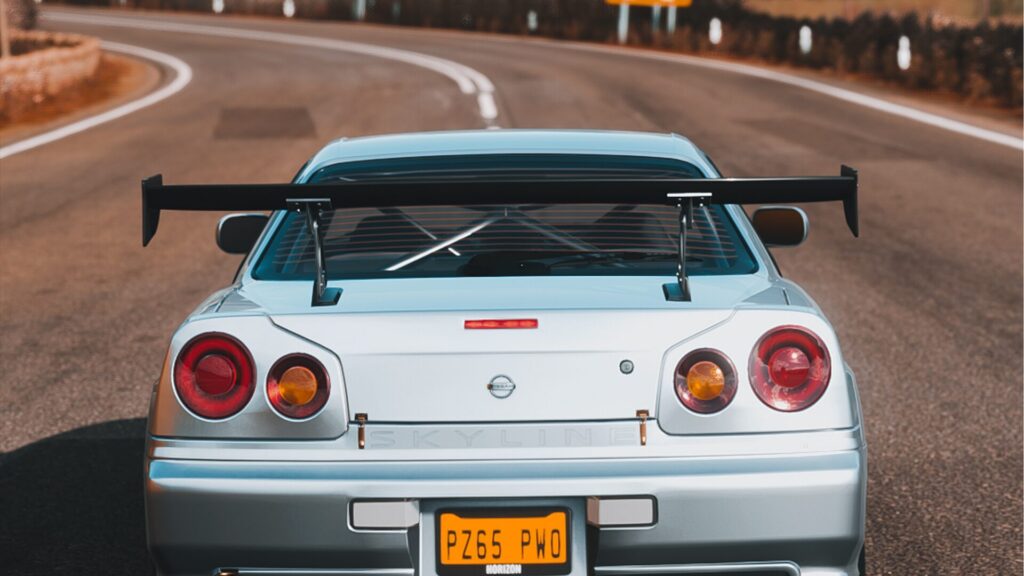
After spending the day exploring the touge roads that inspired Initial D, there is no better way to cap off your JDM experience than attending a car meet at Daikoku Parking Area. Daikoku PA is located on the Daikoku Junction of the Bayshore Route expressway in Yokohama, making it accessible on the return drive from Gunma to Tokyo.
At Daikoku PA, you will find the very cars that Initial D made famous — AE86s, RX-7s, GT-Rs, Silvias, and countless other modified JDM machines — gathered in a real-world setting. The atmosphere is electric, with enthusiasts from all over Japan and international visitors sharing their passion for cars. It is the living, breathing embodiment of the JDM culture that Initial D introduced to the world.
Our guided Daikoku PA tours provide hotel pickup from Tokyo, English-speaking guides who are deeply knowledgeable about JDM culture, and guaranteed access to the car meet scene. Whether you are visiting Japan for the first time or returning for another JDM pilgrimage, our tours ensure you experience the best of Japanese car culture without any of the logistical challenges.
-

-
Daikoku Car Meet Time Table: Best Times, Schedule & Access
Searching for “car meet up Tokyo time table”, “Daikoku PA car meet schedule”, or “Daikoku car meet how to get there” usually means you want one practical thing: When should you go, and how do you get in and out of Daikoku PA without problems? This page is a fast, traveler-friendly hub. It gives you the realistic “typical” time windows (because there’s no official timetable), the safest ways to reach Daikoku, what’s considered illegal behavior, and what to do if the parking area is quiet. Daikoku car meet schedule: is there an official timetable? No. Daikoku Parking Area (Daikoku PA ...
続きを見る
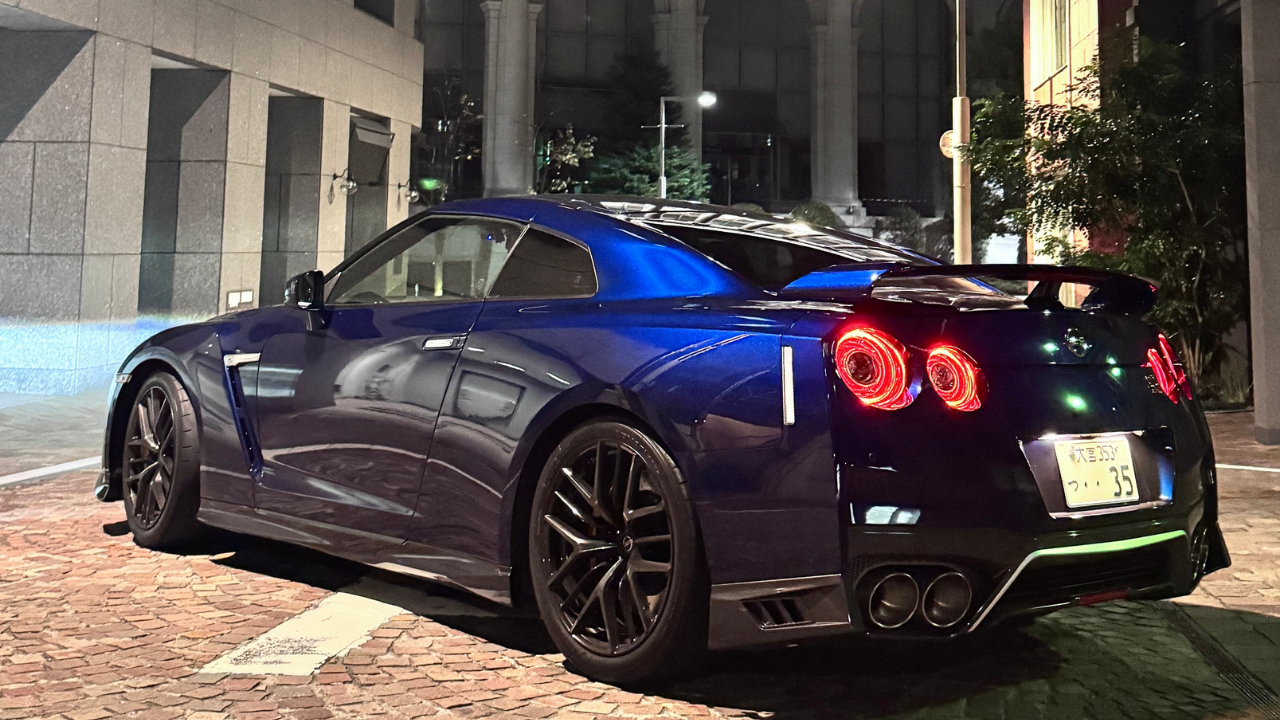
If you're going to Daikoku PA, leave it to us

Experience an unforgettable JDM tour — ride in a legendary Japanese sports car and drive from Tokyo to Daikoku Parking Area, cruising Tokyo’s iconic roads along the way. Choose from favorites like the GT-R (R35 / R34 / R32), RX-7, Supra, and more.
We offer one of the highest-quality JDM driving experiences in the industry, at a fair and reasonable price.
Want to know more details or check availability?
Message us on WhatsApp for quick replies and easy booking.
Spots often sell out, so we recommend booking early.
Duration: about 3 hours
Meeting Point: Shibuya Station
Language: Beginner-level English & Japanese
Customer Reviews
Daikoku PA Video: What It’s Really Like
Important Information
- This is a drive tour where you drive your rental car, and our guide navigates from the seat.
- This is a self-drive tour where you drive your rental car, and our guide navigates from the passenger seat.
- The tour begins and ends at the same location (Shibuya).
- If the Daikoku Parking Area is closed, we will instead guide you to another car meet further away.
- The consultant is a cultural expert and navigator, not a taxi service.
