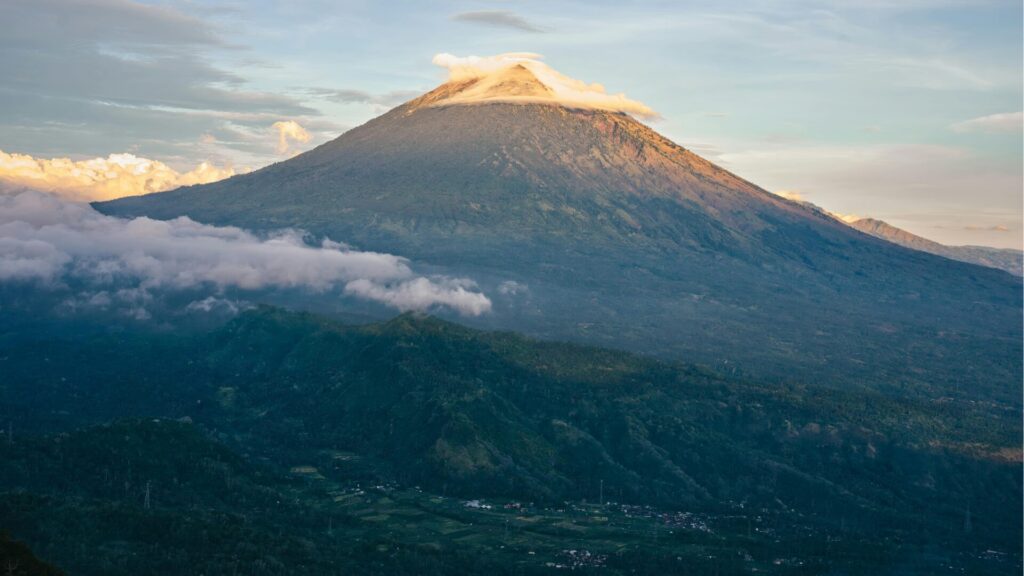
Why Mount Akagi in Winter Is a Must-Visit for Car Enthusiasts
Mount Akagi (赤城山) in Gunma Prefecture transforms into a breathtaking winter wonderland from December through March, drawing car enthusiasts, hikers, and anime pilgrims alike. For fans of Initial D, this is the legendary home turf of Takumi Fujiwara and his AE86 — and experiencing the mountain's snow-covered touge roads in winter adds an entirely new dimension to the pilgrimage.
But visiting Mount Akagi in winter is not without its challenges. Icy roads, heavy snowfall, and limited public transport options mean that proper planning is essential. This comprehensive guide covers everything you need to know about driving to Mount Akagi in winter, road conditions, what to see and do, and how to combine the trip with Japan's best JDM car culture experiences.
-

-
Mount Akagi (Mt. Akagi) Travel Guide: Best Views, Access, and Things to Do
Mount Akagi — The Sacred Mountain of JDM Culture and Initial D Mount Akagi (赤城山, Akagi-yama) is one of the most iconic landmarks in Japanese car culture. Rising to 1,828 meters in Gunma Prefecture, this dormant volcano is far more than a scenic hiking destination — it is a place of pilgrimage for JDM enthusiasts, drift fans, and anyone who grew up watching or reading Initial D. The winding touge (mountain pass) roads of Mount Akagi served as the home course of protagonist Takumi Fujiwara, making it arguably the most famous driving road in all of anime and manga history. ...
続きを見る
Mount Akagi Winter Road Conditions and Snow Season
Understanding winter road conditions on Mount Akagi is critical for anyone planning a driving trip. The mountain sits at an elevation of approximately 1,828 meters at its highest peak (Mount Kurobi), and snow begins accumulating on the upper slopes as early as late November.
When Does Snow Season Begin and End?
The typical snow season on Mount Akagi runs from early December through late March, though conditions vary year to year. The heaviest snowfall usually occurs in January and February. By mid-April, most roads are clear, though patches of ice can linger in shaded areas at higher elevations.
- December: First significant snowfall on upper slopes; lower routes may still be passable without chains.
- January–February: Peak winter conditions with heavy snow cover. Snow tires or chains are mandatory on most routes.
- March: Snow begins to melt at lower elevations, but summit areas remain covered. Freeze-thaw cycles create black ice hazards.
Winter Tire and Chain Requirements
Japanese law does not universally mandate winter tires, but Gunma Prefecture — and Mount Akagi specifically — frequently requires tire chains or studless snow tires during winter months. Prefectural road signs will indicate when chain regulations are in effect. If you are renting a car, make sure to request a vehicle equipped with studless winter tires at minimum. Carrying tire chains as a backup is strongly recommended.
Road Closures on Mount Akagi
Certain roads on Mount Akagi are subject to seasonal closures during heavy snowfall or dangerous ice conditions. The road to the summit area around Lake Onuma may be closed temporarily after blizzards. Always check the Gunma Prefecture Road Information website or local traffic advisories before departing. The famous touge routes — the ones immortalized in Initial D — can become treacherous in winter and are not recommended for spirited driving during icy conditions.
Driving to Mount Akagi in Winter from Tokyo
Mount Akagi is located approximately 130 kilometers north of central Tokyo, making it a feasible day trip or overnight excursion by car. The drive typically takes between 2 to 2.5 hours under normal conditions, but winter weather can extend travel time significantly.
Recommended Route from Tokyo
- Step 1: Take the Kanetsu Expressway (関越自動車道) northbound from Nerima IC in Tokyo.
- Step 2: Exit at Maebashi IC or Akagi IC in Gunma Prefecture.
- Step 3: Follow Route 353 or the Akagi Road (県道4号) up the mountain toward Lake Onuma.
The expressway portion of the drive is generally well-maintained even in winter, with snowplows operating regularly. However, once you exit the expressway and begin ascending the mountain roads, conditions change dramatically. Expect narrow, winding roads with potential ice patches, especially in the early morning or after sunset.
Alternative: Public Transport + Taxi
If driving in winter conditions feels too risky, you can take the JR Joetsu Shinkansen from Tokyo Station to Takasaki Station (approximately 50 minutes), then transfer to the JR Ryomo Line to Maebashi Station. From there, seasonal buses operated by Kanto Bus run to the Mount Akagi area, though winter service is reduced. A taxi from Maebashi Station to Lake Onuma costs roughly ¥8,000–¥12,000 one way.
The Initial D Connection: Mount Akagi Touge in Snow
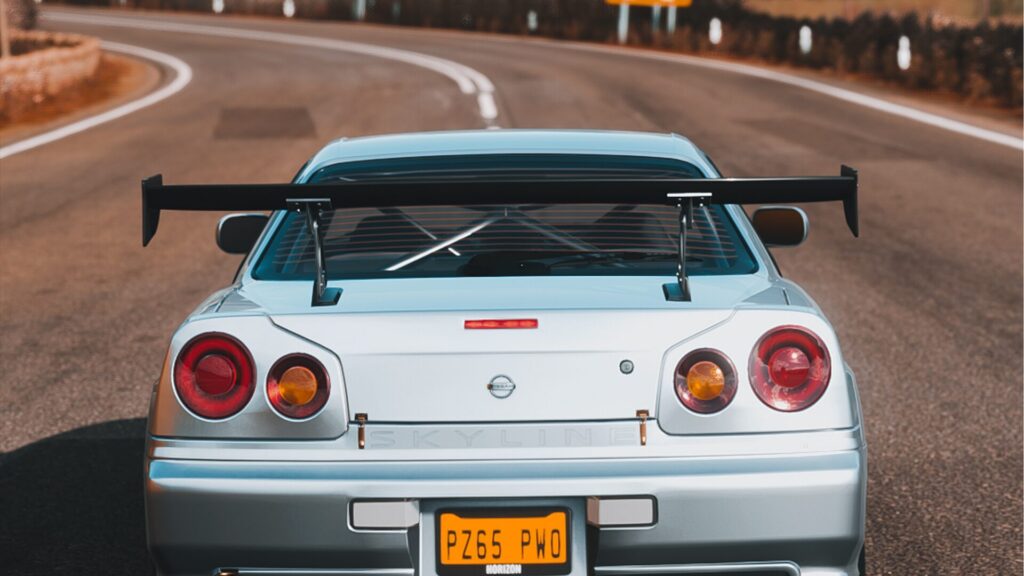
For Initial D fans, Mount Akagi holds almost sacred significance. This is the home mountain of the Akagi RedSuns, led by Ryosuke and Keisuke Takahashi in the manga and anime series. The winding downhill passes that Takumi Fujiwara conquered in his Toyota AE86 Sprinter Trueno are real roads that you can drive yourself.
In winter, these roads take on an entirely different character. The hairpin turns that define the Akagi downhill become significantly more technical — and more dangerous — when covered in snow and ice. While we absolutely do not recommend attempting to replicate any racing on public roads (especially in winter), simply driving these iconic routes at a safe, slow pace while the mountain is blanketed in white is an unforgettable experience for any JDM car enthusiast.
-
-
Mount Akagi in Initial D: The Real-Life Akagi Touge Explained
Mount Akagi and Initial D: Why This Mountain Became a Global Icon Mount Akagi — known as Akagi-yama (赤城山) in Japanese — is one of the most famous mountains in the world of JDM car culture. Thanks to the legendary manga and anime series Initial D, created by Shuichi Shigeno, Mount Akagi became synonymous with touge racing, drifting, and the raw thrill of downhill battles. For tens of millions of fans worldwide, Mount Akagi is not merely a geographic landmark in Gunma Prefecture; it is hallowed ground where the art of the touge was immortalized. In Initial D, Mount Akagi ...
続きを見る
Key Initial D Landmarks to Visit in Winter
- Lake Onuma (大沼): The lake near the summit freezes over in winter and becomes a popular spot for ice fishing (wakasagi). This area serves as a key gathering point in the Initial D storyline.
- The Akagi Downhill Course: The prefectural road descending from the summit area is the real-life touge course featured in the series. Drive it carefully and appreciate the hairpin bends from behind the wheel.
- Akagi Shrine (赤城神社): Located on the shore of Lake Onuma, this stunning shrine is particularly picturesque when surrounded by snow. It is one of the oldest shrines in the Kanto region.
Winter Activities on Mount Akagi Beyond Driving
While the touge roads are the primary draw for car enthusiasts, Mount Akagi offers a surprising range of winter activities that make the trip worthwhile even for non-drivers in your group.
Ice Fishing on Lake Onuma
From January through March, Lake Onuma freezes solid enough to support ice fishing. Locals and visitors drill holes in the ice to catch wakasagi (Japanese smelt), which are then deep-fried and eaten on the spot. Several rental shops around the lake provide all necessary equipment, including heated tents, for approximately ¥1,500–¥2,000 per person.
Snowshoeing and Winter Hiking
Mount Akagi offers several winter hiking trails ranging from beginner-friendly lakeside walks to more challenging summit routes. Snowshoeing around Lake Onuma is a popular option that requires minimal experience. The panoramic views from the summit ridgeline on a clear winter day extend all the way to Mount Fuji.
-
-
Mount Akagi Hike Guide: Best Trails, Difficulty, Time, and Seasonal Tips
Why Mount Akagi Is One of Gunma's Best Hiking Destinations Mount Akagi (赤城山, Akagi-san) is one of the "Three Famous Mountains of Jōmō" in Gunma Prefecture, standing at 1,828 meters above sea level at its highest peak, Kurobi. Unlike a single summit, Mount Akagi is actually a volcanic complex made up of multiple peaks surrounding a scenic caldera lake — Lake Ōnuma. This unique topography makes it one of the most rewarding hiking destinations within easy reach of Tokyo, offering routes suitable for beginners and experienced trekkers alike. For international visitors, Mount Akagi holds a special cultural allure. Anime and ...
続きを見る
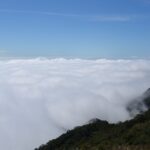
Akagi Onsen (Hot Springs)
After a cold day on the mountain, warming up in one of the local onsen facilities is the perfect way to end the trip. Several ryokan and day-use onsen facilities are located around the base and mid-slopes of Mount Akagi. The nearby city of Maebashi also offers multiple onsen options.
Nearby Onsen Destinations to Combine with Mount Akagi

Gunma Prefecture is one of Japan's most famous hot spring regions, and a winter trip to Mount Akagi pairs perfectly with visits to nearby onsen towns. Here are the best options for a multi-day driving itinerary:
- Ikaho Onsen: Located just 30 minutes southwest of Mount Akagi, Ikaho is famous for its stone staircase (ishidan-gai) and iron-rich "golden" waters. It is one of the most accessible onsen towns from Akagi.
- Kusatsu Onsen: About 90 minutes northwest of Akagi, Kusatsu is consistently ranked as one of Japan's top three onsen. The iconic Yubatake (hot water field) in the town center is spectacular in winter snow.
- Minakami Onsen: Roughly 75 minutes north of Akagi, Minakami sits along the Tone River gorge and offers a quieter, more rustic onsen experience with dramatic winter scenery.
-
-
Tokyo to Ikaho Onsen by Car — Complete Self‑Drive Guide (2025)
Ikaho Onsen in Gunma Prefecture is one of the easiest hot spring towns to reach from Tokyo by car. This guide covers the fastest route, realistic drive times, parking, seasonal tips, and a 1–2 day itinerary—everything overseas visitors need for a smooth, scenic self‑drive. Why Drive from Tokyo to Ikaho Onsen? Driving lets you stop at viewpoints around Mt. Haruna and Lake Haruna, bring luggage comfortably, and combine Ikaho with other onsen towns in northern Kanto (e.g., Kusatsu or Kinugawa) without juggling train/bus schedules. It’s a straightforward expressway run with plentiful Service Areas (SA) for breaks. Fastest Route Overview (Kan‑Etsu ...
続きを見る
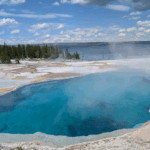
Combining Mount Akagi with Daikoku PA for the Ultimate JDM Trip
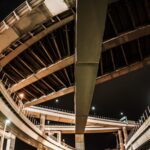
For international visitors who want the complete JDM experience in Japan, combining a Mount Akagi winter pilgrimage with a late-night visit to Daikoku Parking Area (大黒PA) near Yokohama is the ultimate itinerary. Daikoku PA is Japan's most famous car meet spot, where hundreds of modified JDM cars — from GT-Rs and RX-7s to Silvias, Supras, and kei trucks — gather every weekend.
The logistics work perfectly: spend the daytime driving the Mount Akagi touge roads and enjoying the winter scenery in Gunma, then head south on the Kanetsu Expressway back toward the Greater Tokyo area. By the time you arrive near Yokohama in the late evening, Daikoku PA will be coming alive with Japan's most passionate car culture community.
-
-
Daikoku Parking Area (Daikoku PA): The Ultimate Visitor Guide to Japan’s Legendary JDM Meet
Daikoku Parking Area—often written as Daikoku PA or Daikokufutō—is the most famous place in Japan to spot tuned cars gathering organically. It’s a real expressway parking/service area in Yokohama, not a ticketed tourist attraction and not an officially organized event. That “unofficial” nature is exactly why Daikoku feels special: the lineup is never the same twice, and the culture is authentic. At the same time, Daikoku is one of the easiest places for first-time visitors to misunderstand. It’s located inside the Shuto Expressway network and cannot be accessed from ordinary roads or on foot, which is why so many travelers ...
続きを見る
Why Join a Guided Tour to Daikoku PA?
While you can technically visit Daikoku PA on your own, navigating the Japanese expressway system, understanding toll costs, and finding the right timing for the best car meets can be overwhelming — especially for first-time visitors. Our guided JDM tours handle all the logistics, including hotel pickup in Tokyo, expressway tolls, and expert guidance on car meet etiquette. We provide English-speaking guides who are deeply embedded in Japan's car culture scene and can introduce you to car owners, translate conversations, and ensure you experience the real, unfiltered JDM community.
Whether you are an Initial D pilgrim visiting Mount Akagi in winter or a JDM enthusiast looking for the best car meets in Japan, our tours are designed to deliver an authentic, hassle-free experience.
Essential Tips for Visiting Mount Akagi in Winter
- Check road conditions daily: Winter weather on Mount Akagi changes rapidly. Monitor the Gunma Prefecture road information system before departing.
- Carry emergency supplies: Blankets, water, snacks, a flashlight, and a fully charged phone are essential when driving mountain roads in winter.
- Start early: Roads are generally in better condition during mid-morning after snowplows have made their rounds. Avoid driving after dark when black ice is most dangerous.
- Fill up on gas before ascending: There are no gas stations on the upper slopes of Mount Akagi. Fuel up in Maebashi or Shibukawa before heading up the mountain.
- Dress in layers: Temperatures at the summit can drop well below -10°C in January and February. Wind chill makes it feel even colder. Thermal underwear, waterproof outer layers, and insulated boots are essential.
- Respect the mountain: Never attempt to drift or race on Mount Akagi's public roads, especially in winter conditions. These are active public roads with real traffic, and reckless driving endangers lives.
Mount Akagi Winter FAQ

Can I drive to Mount Akagi in winter without snow tires?
It is strongly advised against. From December through March, snow and ice cover the mountain roads regularly. Studless winter tires are the minimum requirement, and carrying chains is recommended. Rental car companies in the Kanto region typically offer winter tire packages during the cold months.
Is Mount Akagi crowded in winter?
Mount Akagi sees significantly fewer visitors in winter compared to autumn (koyo season) or summer. This makes it an excellent time to enjoy the mountain's touge roads and natural scenery without heavy traffic. Weekday visits are particularly quiet.
Can I see the Initial D touge course in winter?
Yes, the roads are open year-round in most conditions, though temporary closures may occur during heavy snowfall. Driving the course in winter adds a unique, atmospheric layer to the Initial D pilgrimage — just remember to drive slowly and safely.
Is there accommodation on Mount Akagi?
There are a few lodges and minshuku (guesthouses) near Lake Onuma, though options are limited in winter. Most visitors stay in Maebashi, Shibukawa, or nearby Ikaho Onsen and drive up for day trips.
If you're going to Daikoku PA, leave it to us

Experience an unforgettable JDM tour — ride in a legendary Japanese sports car and drive from Tokyo to Daikoku Parking Area, cruising Tokyo’s iconic roads along the way. Choose from favorites like the GT-R (R35 / R34 / R32), RX-7, Supra, and more.
We offer one of the highest-quality JDM driving experiences in the industry, at a fair and reasonable price.
Want to know more details or check availability?
Message us on WhatsApp for quick replies and easy booking.
Spots often sell out, so we recommend booking early.
Duration: about 3 hours
Meeting Point: Shibuya Station
Language: Beginner-level English & Japanese
Customer Reviews
Daikoku PA Video: What It’s Really Like
Important Information
- This is a drive tour where you drive your rental car, and our guide navigates from the seat.
- This is a self-drive tour where you drive your rental car, and our guide navigates from the passenger seat.
- The tour begins and ends at the same location (Shibuya).
- If the Daikoku Parking Area is closed, we will instead guide you to another car meet further away.
- The consultant is a cultural expert and navigator, not a taxi service.
