Why Mount Akina Drifting Became a Global Obsession
Mount Akina drifting is arguably the most iconic concept in Japanese car culture. The moment Takumi Fujiwara sent his AE86 Sprinter Trueno sideways through the hairpin corners of Mount Akina in the anime and manga series Initial D, a worldwide obsession with touge drifting was born. Decades later, car enthusiasts from every corner of the globe still dream of driving the same roads where those legendary downhill battles took place.
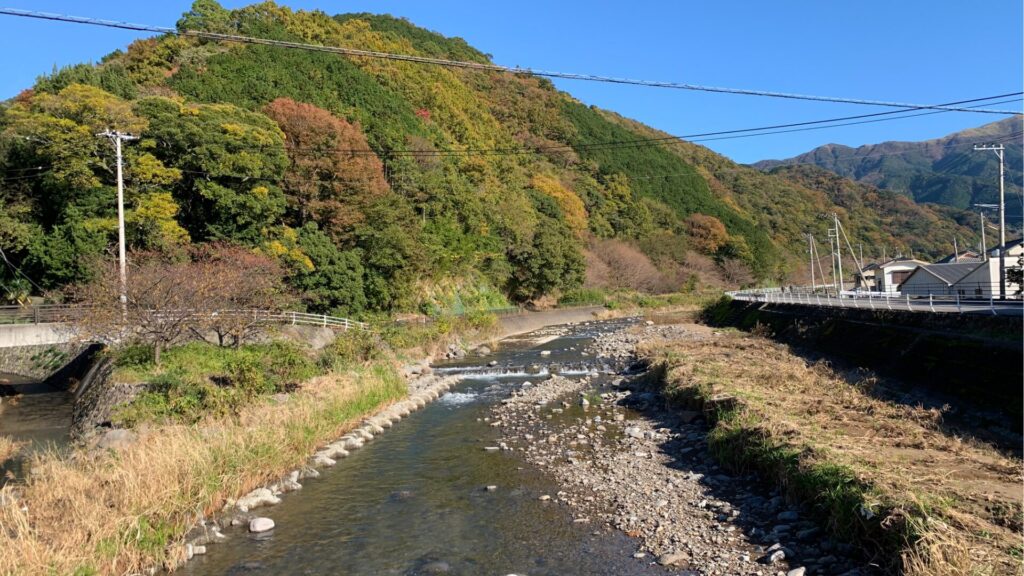
But Mount Akina is not a real mountain — at least not by that name. The fictional Mount Akina is based on Mount Haruna (Haruna-san) in Gunma Prefecture, Japan. The winding roads that Shuichi Shigeno drew for his manga are modeled on the actual Haruna mountain passes, and driving them today remains one of the most thrilling experiences in JDM car culture.
-

-
Mount Akina: The Real Initial D Mountain Pass in Gunma, Japan
What Is Mount Akina? The Fictional Name Behind a Real Japanese Mountain Mount Akina is one of the most iconic locations in anime and automotive history, serving as the home mountain of Takumi Fujiwara in the legendary manga and anime series Initial D. However, Mount Akina does not exist on any official map of Japan. It is a fictional name created by manga artist Shuichi Shigeno to represent a very real place: Mount Haruna (榛名山), located in Gunma Prefecture, approximately 150 kilometers northwest of Tokyo. For fans of JDM culture, touge driving, and the iconic AE86 Sprinter Trueno, Mount Akina ...
続きを見る
The Real Roads Behind Mount Akina's Drift Scenes
Mount Haruna's touge roads served as the blueprint for every memorable drift scene in Initial D. The routes that Takumi raced against the RedSuns, Night Kids, and other rival teams are real stretches of tarmac that you can drive today. Understanding the geography helps you appreciate why these roads became synonymous with drifting.
The Downhill Route (Akina Downhill)
The famous downhill course runs from the shores of Lake Haruna down the mountain's eastern slope toward the town of Ikaho. This is the route that Takumi mastered during years of early-morning tofu deliveries. The road features a series of tight hairpin turns, long sweeping bends, and elevation changes that test even the most skilled driver. In the anime, the "five consecutive hairpins" near the bottom of the course are the most frequently depicted — and on the real road, you can identify the exact corners that inspired them.
The Uphill Route
While the downhill gets most of the glory in Initial D, the uphill route is equally impressive. Climbing from the base of Mount Haruna toward Lake Haruna, the road gains significant elevation quickly, with blind crests and off-camber turns that demand precision. Many of the rival battles in the series involved competitors strong on the uphill, and driving this route yourself makes it clear why power-to-weight ratio and turbo lag management are critical on such terrain.
Road Surface and Conditions
The real roads on Mount Haruna are well-maintained public roads. The surface is generally smooth asphalt, though certain sections show wear from weather and winter conditions. The roads are narrower than they appear in anime adaptations, with limited runoff areas, guardrails on many hairpin corners, and steep drop-offs in places. During autumn, fallen leaves can reduce grip significantly. In winter, ice and snow make the roads extremely dangerous — a reality that should discourage any reckless behavior.
Mount Akina Drifting Culture: From Fiction to Phenomenon
The drifting culture surrounding Mount Akina did not emerge in a vacuum. Japan's touge drift scene was already thriving in the 1980s and 1990s before Initial D premiered in 1995. Street racers in Gunma Prefecture were already pushing their cars through the mountain passes of Haruna, Akagi, and Myogi late at night. What Initial D did was document and romanticize a subculture that already existed — and in doing so, amplified it to a global scale.
During the peak years of touge culture, drivers would gather at the base or summit of Mount Haruna after midnight. They would run the downhill or uphill in improvised time attacks or head-to-head battles, using techniques like the inertia drift, feint drift, and gutter drop that Initial D later made famous. The AE86, Nissan Silvia S13/S14, Mazda RX-7 FC and FD, and Subaru Impreza were all common sights on these mountain roads.
-
-
JDM Drift: The Definitive Guide for Visitors (Daikoku PA Edition)
JDM drift is more than smoking tires and counter‑steer angles—it’s a living subculture that blends engineering, aesthetics, and community. If you’re planning a car‑centric trip to Tokyo or Yokohama and want to experience Japan’s drift scene correctly (and legally), use this guide to plan a night that delivers authentic cars, epic photos, and zero hassles—centered around Daikoku Parking Area (Daikoku PA), the capital’s most famous highway car‑meet hub. What Is JDM Drift? JDM (Japan Domestic Market) drift is the Japanese-born driving style that emphasizes controlled oversteer, precision throttle modulation, and smooth transitions through a corner. It grew from mountain‑pass (touge) ...
続きを見る

The Decline of Illegal Touge Racing
Japanese authorities cracked down on illegal touge racing during the late 1990s and 2000s following several serious accidents and fatalities. Speed bumps, additional guardrails, and increased police patrols were implemented on many famous touge routes, including Mount Haruna. Today, illegal street drifting on Mount Akina's roads is rare and strongly discouraged. Penalties for dangerous driving in Japan are severe, including heavy fines, license suspension, and criminal charges.
Despite the end of the wild touge era, the roads themselves remain. Enthusiasts can still drive them legally and safely, appreciating the corners, elevation changes, and scenery that made them legendary. The experience of cruising these routes at legal speeds — especially in a JDM car — is deeply rewarding for any Initial D fan.
How to Experience Mount Akina Drifting Safely and Legally
If you are traveling to Japan and want to experience the thrill of Mount Akina's roads, there are several responsible ways to do so. Illegal drifting is not only dangerous but carries serious legal consequences in Japan. Here is how to enjoy the experience the right way.
Drive the Roads in a Rental JDM Car
Renting a JDM car in Japan and driving the touge roads of Mount Haruna at legal speeds is the most authentic way to experience the setting of Initial D. Choose a car with heritage — an AE86 if you can find one, or a Nissan GT-R, Mazda RX-7, or Subaru WRX. The feeling of navigating the real corners that inspired the anime, with a manual transmission in hand and a turbocharged engine responding to every throttle input, is unforgettable.
-
-
JDM Car Rental in Japan: The Complete Guide for Overseas Enthusiasts
Japan is the spiritual home of JDM—where iconic nameplates like Skyline, Supra, RX‑7, and Silvia were born and bred. If you’re visiting and want to experience authentic Japanese roads behind the wheel of a well‑maintained, street‑legal performance car, renting locally is the most practical and legal way to do it. This guide explains how to rent a JDM car in Japan, what to expect on the road, and the best routes and meet‑ups to plan around your trip. Why Rent a JDM Car in Japan? Renting in Japan gives you access to cars in their natural environment—tight city streets, spotless ...
続きを見る
Drift at Licensed Circuits and Events
Japan has several professional and amateur drift circuits where you can legally push a car sideways. Ebisu Circuit in Fukushima Prefecture is the most famous dedicated drift facility in the world, offering multiple courses and drift taxi experiences. Tsukuba Circuit and Fuji Speedway also host drift events. If your primary goal is to experience actual drifting, these controlled environments are where you should do it.
Visit the Key Landmarks
A trip to Mount Haruna is not complete without visiting the landmarks that appear in Initial D. Lake Haruna at the summit is the "Lake Akina" from the series. The Ikaho Onsen town at the mountain's base is where Takumi lived and worked. The gas station where the characters gathered (modeled on a real location) adds another layer of pilgrimage significance. Combine a drive on the touge roads with stops at these landmarks for the complete Mount Akina experience.
Planning a Mount Akina Road Trip from Tokyo
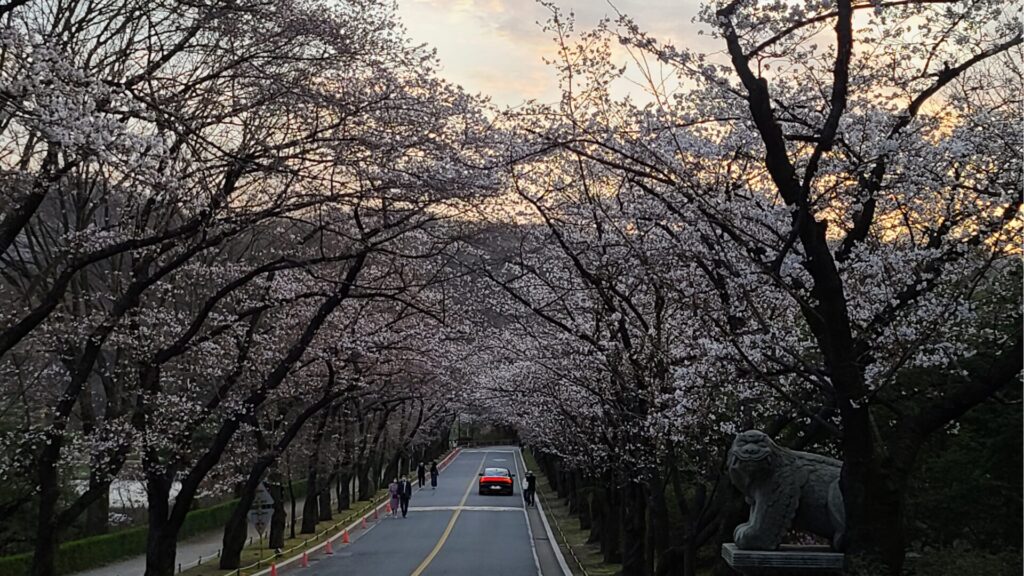
Mount Haruna is located in Gunma Prefecture, approximately 150 kilometers northwest of Tokyo. By car, the drive takes roughly two to two and a half hours via the Kan-etsu Expressway, making it an ideal day trip or overnight excursion from the capital.
Recommended Route
From Tokyo, take the Kan-etsu Expressway northward and exit at the Shibukawa-Ikaho interchange. From there, Route 33 leads directly up to the Mount Haruna touge roads. The approach itself is scenic, winding through the foothills of the Gunma mountains. For the return trip, consider taking a slightly different route through neighboring Mount Akagi — another famous Initial D location — to experience even more legendary touge driving.
-
-
Mount Akagi (Mt. Akagi) Travel Guide: Best Views, Access, and Things to Do
Mount Akagi — The Sacred Mountain of JDM Culture and Initial D Mount Akagi (赤城山, Akagi-yama) is one of the most iconic landmarks in Japanese car culture. Rising to 1,828 meters in Gunma Prefecture, this dormant volcano is far more than a scenic hiking destination — it is a place of pilgrimage for JDM enthusiasts, drift fans, and anyone who grew up watching or reading Initial D. The winding touge (mountain pass) roads of Mount Akagi served as the home course of protagonist Takumi Fujiwara, making it arguably the most famous driving road in all of anime and manga history. ...
続きを見る
Combine with Ikaho Onsen
Ikaho Onsen sits at the base of Mount Haruna and is one of Gunma Prefecture's most beloved hot spring towns. After a day of driving the mountain roads, soaking in a traditional onsen is the perfect way to unwind. Ikaho is known for its stone staircase street, iron-rich "golden" hot spring water, and charming ryokan inns. Combining a Mount Akina road trip with an overnight stay at Ikaho Onsen elevates the experience from a car pilgrimage to a complete Japanese travel experience.
-
-
Tokyo to Ikaho Onsen by Car — Complete Self‑Drive Guide (2025)
Ikaho Onsen in Gunma Prefecture is one of the easiest hot spring towns to reach from Tokyo by car. This guide covers the fastest route, realistic drive times, parking, seasonal tips, and a 1–2 day itinerary—everything overseas visitors need for a smooth, scenic self‑drive. Why Drive from Tokyo to Ikaho Onsen? Driving lets you stop at viewpoints around Mt. Haruna and Lake Haruna, bring luggage comfortably, and combine Ikaho with other onsen towns in northern Kanto (e.g., Kusatsu or Kinugawa) without juggling train/bus schedules. It’s a straightforward expressway run with plentiful Service Areas (SA) for breaks. Fastest Route Overview (Kan‑Etsu ...
続きを見る
Best Season to Visit
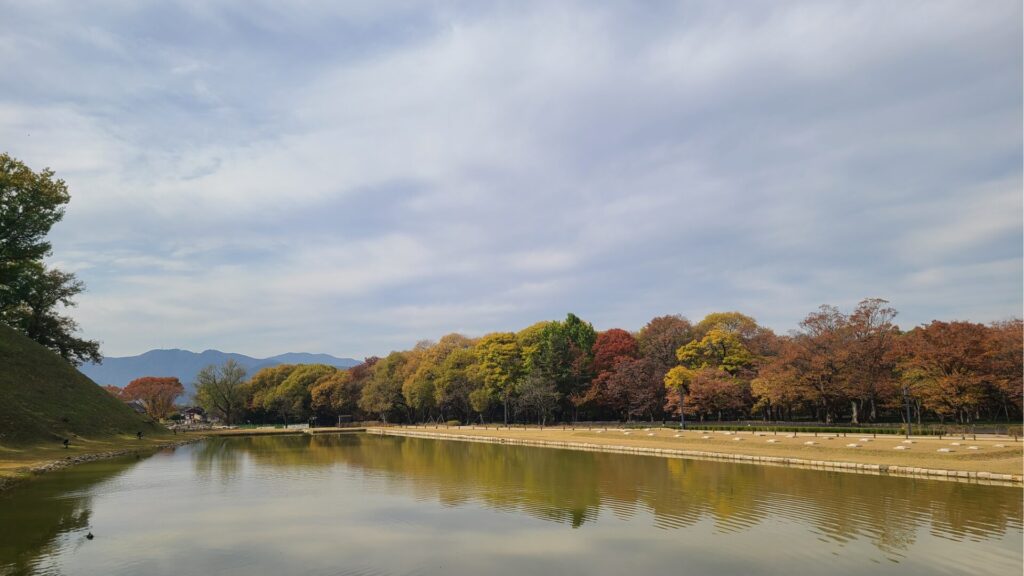
Spring (April–May) and autumn (October–November) are the best seasons for a Mount Akina road trip. Spring brings cherry blossoms to the foothills and pleasant driving conditions. Autumn transforms the mountain into a canvas of red, orange, and gold foliage, making every corner a photo opportunity. Summer is also viable, though the roads can be busy with general tourists. Winter should be avoided unless you have experience driving on icy mountain roads and proper winter tires — Mount Haruna receives significant snowfall.
Mount Akina Drifting in Sim Racing and Pop Culture
Even if you cannot make it to Japan, Mount Akina drifting lives on in the digital world. The mountain's roads have been faithfully recreated in numerous racing simulators and video games, allowing fans to practice their touge skills virtually.
Assetto Corsa features one of the most accurate community-made recreations of the Mount Akina downhill and uphill courses. BeamNG.drive offers a physics-heavy interpretation where crashes feel painfully realistic. Forza Horizon 5 has inspired modders to recreate the Japanese touge experience within its open-world framework. These digital versions allow drivers worldwide to study the corners, practice drift techniques, and experience the thrill of Mount Akina — all from the safety of a racing cockpit.
The cultural impact of Mount Akina drifting extends far beyond gaming. It influenced real-world motorsport (Formula Drift, D1 Grand Prix), shaped the global aftermarket car parts industry, and inspired films like The Fast and the Furious: Tokyo Drift. The mountain and its fictional name have become shorthand for the entire Japanese drift and touge movement.
Connecting Your Mount Akina Trip with Tokyo's JDM Scene
A road trip to Mount Akina pairs naturally with exploring Tokyo's vibrant JDM car culture. Before or after your mountain adventure, consider visiting Daikoku Parking Area — Japan's most famous car meet spot — where hundreds of modified JDM cars gather on weekend nights. From classic AE86s to wild Liberty Walk widebody builds, Daikoku PA delivers the same energy that Mount Akina represents, but in an urban setting.
-
-
Daikoku Parking Area (Daikoku PA): The Ultimate Visitor Guide to Japan’s Legendary JDM Meet
Daikoku Parking Area—often written as Daikoku PA or Daikokufutō—is the most famous place in Japan to spot tuned cars gathering organically. It’s a real expressway parking/service area in Yokohama, not a ticketed tourist attraction and not an officially organized event. That “unofficial” nature is exactly why Daikoku feels special: the lineup is never the same twice, and the culture is authentic. At the same time, Daikoku is one of the easiest places for first-time visitors to misunderstand. It’s located inside the Shuto Expressway network and cannot be accessed from ordinary roads or on foot, which is why so many travelers ...
続きを見る
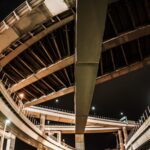
Whether you start your journey at Daikoku PA and drive north to Gunma, or end your Mount Akina pilgrimage with a night at Tokyo's legendary car meets, combining these experiences creates the ultimate JDM road trip through Japan. The story of Mount Akina drifting is, at its core, the story of Japanese car culture itself — passion, precision, and an unending love affair with the road.
If you're going to Daikoku PA, leave it to us

Experience an unforgettable JDM tour — ride in a legendary Japanese sports car and drive from Tokyo to Daikoku Parking Area, cruising Tokyo’s iconic roads along the way. Choose from favorites like the GT-R (R35 / R34 / R32), RX-7, Supra, and more.
We offer one of the highest-quality JDM driving experiences in the industry, at a fair and reasonable price.
Want to know more details or check availability?
Message us on WhatsApp for quick replies and easy booking.
Spots often sell out, so we recommend booking early.
Duration: about 3 hours
Meeting Point: Shibuya Station
Language: Beginner-level English & Japanese
Customer Reviews
Daikoku PA Video: What It’s Really Like
Important Information
- This is a drive tour where you drive your rental car, and our guide navigates from the seat.
- This is a self-drive tour where you drive your rental car, and our guide navigates from the passenger seat.
- The tour begins and ends at the same location (Shibuya).
- If the Daikoku Parking Area is closed, we will instead guide you to another car meet further away.
- The consultant is a cultural expert and navigator, not a taxi service.
