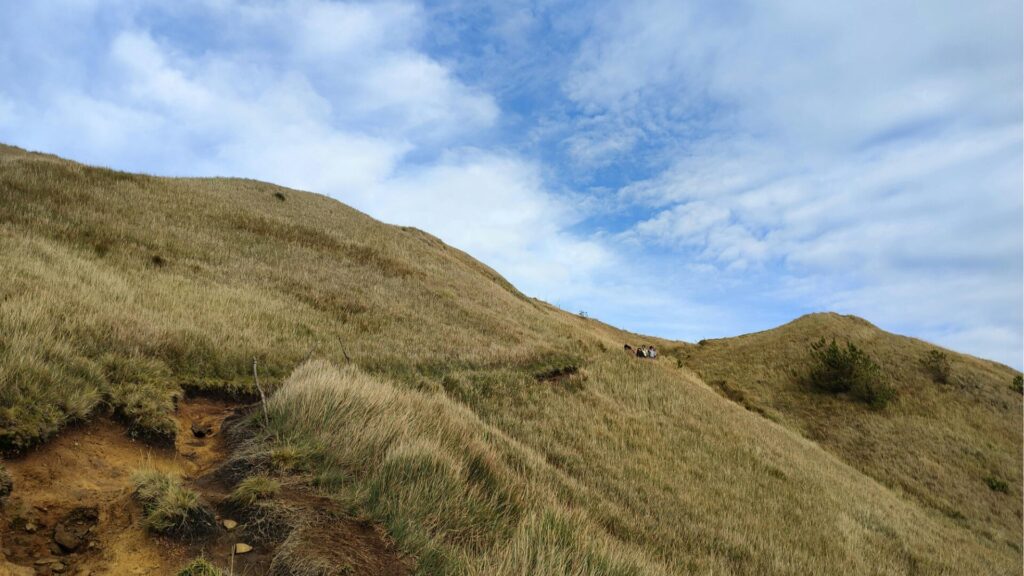
Mount Haruna Location: Gunma Prefecture, Central Japan
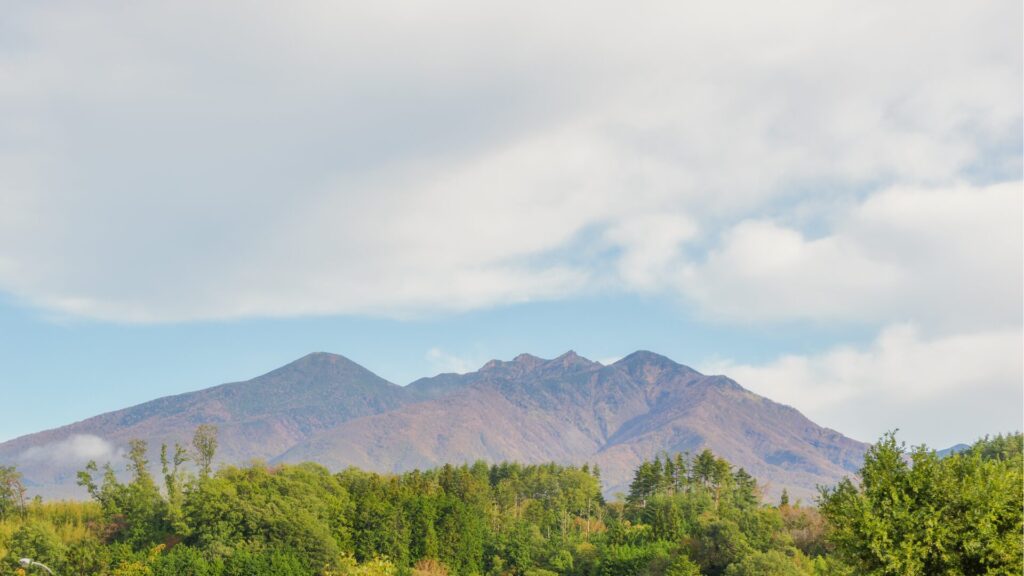
Mount Haruna (榛名山, Haruna-san) is located in the central part of Gunma Prefecture, approximately 150 kilometers northwest of Tokyo. Its exact coordinates are roughly 36.4767°N latitude and 138.8525°E longitude. The mountain sits within the boundaries of Takasaki City, though it is often associated with neighboring Shibukawa City and the broader Gunma highlands region. Rising to an elevation of 1,449 meters at its highest peak (Mount Kakuman), Haruna is one of the three famous mountains of Jōmō (上毛三山), alongside Mount Akagi and Mount Myōgi.
For fans of Initial D, Mount Haruna is the real-world inspiration behind the fictional "Mount Akina" — the legendary downhill course where protagonist Takumi Fujiwara honed his tofu-delivery drifting skills. This connection has turned the mountain into one of the most iconic pilgrimage sites for JDM car enthusiasts from around the world.
-

-
Mount Haruna Japan: The Real Initial D Mountain and Ultimate Touge Driving Guide
What Is Mount Haruna in Japan? Mount Haruna (榛名山, Haruna-san) is a dormant stratovolcano located in the western part of Gunma Prefecture, Japan. Standing at 1,449 meters above sea level, it is one of the three famous mountains of Jōmō (上毛三山), alongside Mount Akagi and Mount Myōgi. While it has long been revered as a sacred peak with a beautiful caldera lake at its summit, Mount Haruna gained global fame for an entirely different reason — it is the real-life inspiration for "Mount Akina" from the legendary anime and manga series Initial D. For automotive enthusiasts visiting Japan, Mount Haruna ...
続きを見る
Understanding the Geography of Mount Haruna
Mount Haruna is a dormant stratovolcano that last erupted in the 6th century. The mountain is not a single peak but rather a volcanic complex with a caldera lake — Lake Haruna (榛名湖) — nestled near the summit. This caldera lake sits at an elevation of approximately 1,084 meters and is surrounded by several peaks, with Mount Kakuman (掃部ヶ岳) being the tallest at 1,449 meters and the distinctive cone-shaped Mount Haruna-Fuji (榛名富士, 1,390 meters) being the most recognizable.
Key Geographic Features
- Lake Haruna: A caldera lake at approximately 1,084 meters elevation, popular for boating, fishing, and lakeside walks
- Mount Haruna-Fuji: A symmetrical volcanic cone (1,390 m) accessible via ropeway, offering panoramic views of the Kantō Plain
- Mount Kakuman: The highest peak (1,449 m) in the Haruna volcanic complex
- Haruna Shrine: A historically significant Shinto shrine located on the mountain's eastern slope
- The Touge Road: The winding mountain road (Gunma Prefectural Route 33) made famous by Initial D
The mountain's volcanic origins have also blessed the surrounding area with numerous hot spring resorts. Ikaho Onsen, one of Japan's oldest and most famous hot spring towns, is located on the eastern slope of Mount Haruna, making the area a dual attraction for both car culture fans and onsen lovers.
-
-
Tokyo to Ikaho Onsen by Car — Complete Self‑Drive Guide (2025)
Ikaho Onsen in Gunma Prefecture is one of the easiest hot spring towns to reach from Tokyo by car. This guide covers the fastest route, realistic drive times, parking, seasonal tips, and a 1–2 day itinerary—everything overseas visitors need for a smooth, scenic self‑drive. Why Drive from Tokyo to Ikaho Onsen? Driving lets you stop at viewpoints around Mt. Haruna and Lake Haruna, bring luggage comfortably, and combine Ikaho with other onsen towns in northern Kanto (e.g., Kusatsu or Kinugawa) without juggling train/bus schedules. It’s a straightforward expressway run with plentiful Service Areas (SA) for breaks. Fastest Route Overview (Kan‑Etsu ...
続きを見る
How to Get to Mount Haruna from Tokyo by Car
Driving from Tokyo to Mount Haruna is the preferred method for car enthusiasts, and for good reason — the journey itself is part of the experience. The total distance is roughly 150 to 170 kilometers depending on your route, and the drive typically takes between 2 to 2.5 hours under normal traffic conditions.
Recommended Driving Route
- Step 1: Take the Kan-etsu Expressway (関越自動車道) northbound from Nerima IC in Tokyo
- Step 2: Exit at Shibukawa-Ikaho IC (渋川伊香保IC) — approximately 130 km from Tokyo
- Step 3: Follow Gunma Prefectural Route 33 westward toward Lake Haruna — this is the famous touge road
- Step 4: The winding ascent to Lake Haruna takes approximately 30–40 minutes from the IC exit
Tolls on the Kan-etsu Expressway from central Tokyo to Shibukawa-Ikaho IC cost approximately ¥3,500–¥4,500 one way for a standard vehicle, depending on your starting IC and whether you use an ETC card (which provides a discount).
Alternative Route via Takasaki
Some drivers prefer to exit the expressway at Takasaki IC and approach Mount Haruna from the south via Route 406. This route is slightly longer but passes through scenic rural landscapes and the town of Harunako-machi. It also avoids some of the steeper hairpin turns on the eastern approach.
Getting to Mount Haruna by Public Transport
While driving is ideal, it is possible to reach the Mount Haruna area using public transportation. However, be prepared for limited bus frequencies, especially outside peak tourist seasons.
Train and Bus Combination
- From Tokyo Station: Take the JR Jōetsu Shinkansen to Takasaki Station (approximately 50 minutes, around ¥4,500 for a reserved seat)
- From Takasaki Station: Transfer to the JR Agatsuma Line or a local bus heading to Shibukawa Station (approximately 25 minutes)
- From Shibukawa Station: Take the Gunma Bus (群馬バス) bound for Lake Haruna (榛名湖行き) — the ride takes approximately 80 minutes and costs around ¥1,200
Bus services to Lake Haruna run only a few times per day, so it is essential to check the latest timetable before your trip. During winter months, some services may be reduced or suspended entirely.
The Famous Touge Road: Why JDM Fans Visit Mount Haruna

The primary reason most car enthusiasts seek out Mount Haruna's location is to drive — or at least witness — the legendary touge road that inspired Initial D. Gunma Prefectural Route 33 climbs from the flatlands near Ikaho up to Lake Haruna through a series of tight hairpin bends, elevation changes, and sweeping corners that closely match the fictional Mount Akina course from the anime and manga.
The road features five consecutive hairpin switchbacks in its steepest section, which Initial D fans will immediately recognize. The surface is well-maintained asphalt, and the road is open to public traffic year-round (weather permitting). However, it is crucial to note that street racing is illegal in Japan, and police enforcement in the area has increased significantly in recent years. The road should be enjoyed at safe, legal speeds.
-
-
Mount Akina: The Real Initial D Mountain Pass in Gunma, Japan
What Is Mount Akina? The Fictional Name Behind a Real Japanese Mountain Mount Akina is one of the most iconic locations in anime and automotive history, serving as the home mountain of Takumi Fujiwara in the legendary manga and anime series Initial D. However, Mount Akina does not exist on any official map of Japan. It is a fictional name created by manga artist Shuichi Shigeno to represent a very real place: Mount Haruna (榛名山), located in Gunma Prefecture, approximately 150 kilometers northwest of Tokyo. For fans of JDM culture, touge driving, and the iconic AE86 Sprinter Trueno, Mount Akina ...
続きを見る
For those who want to experience the thrill of driving a JDM car on Mount Haruna's roads legally and safely, renting an iconic Japanese sports car is the best option. Several rental services in the Tokyo and Gunma area offer vehicles like the Toyota AE86, Nissan Skyline GT-R, and Mazda RX-7 — the very machines that made these mountain roads legendary.
-
-
Mount Haruna Car Rental: How to Drive the Initial D Touge Roads Yourself
Why Rent a Car to Drive Mount Haruna? Mount Haruna — known worldwide as the real-life inspiration for Mount Akina in the legendary anime Initial D — is one of the most iconic touge roads in Japan. While visiting the mountain by bus or taxi is possible, renting a car is the only way to truly experience the hairpin-laden roads that made Takumi Fujiwara a household name among automotive enthusiasts. A Mount Haruna car rental lets you drive the exact same switchbacks at your own pace, stopping wherever you want for photos, scenic overlooks, and Initial D pilgrimage spots. Located ...
続きを見る
Nearby Attractions and Things to Do Around Mount Haruna
Mount Haruna's location places it at the heart of a region rich in both natural beauty and cultural attractions. Combining a visit to the mountain with nearby destinations makes for an unforgettable road trip from Tokyo.
Ikaho Onsen
Located on Mount Haruna's eastern slope, Ikaho Onsen is one of Japan's most historic hot spring towns. Its iconic stone staircase street (Ishidan-gai) is lined with traditional ryokan, souvenir shops, and foot baths. The iron-rich "kogane no yu" (golden waters) are said to improve circulation and are especially popular during the colder months. Soaking in an outdoor onsen after a day of driving the mountain roads is the perfect way to end your Mount Haruna pilgrimage.
Mount Akagi
Just 30 kilometers to the east, Mount Akagi is another Initial D-famous mountain that served as the home base of the RedSuns racing team in the series. Driving both Mount Haruna and Mount Akagi in a single trip is a popular route for anime fans and touge enthusiasts alike. The two mountains offer distinctly different driving experiences — Haruna is tighter and more technical, while Akagi features longer, faster sweeping bends.
-
-
Mount Akagi (Mt. Akagi) Travel Guide: Best Views, Access, and Things to Do
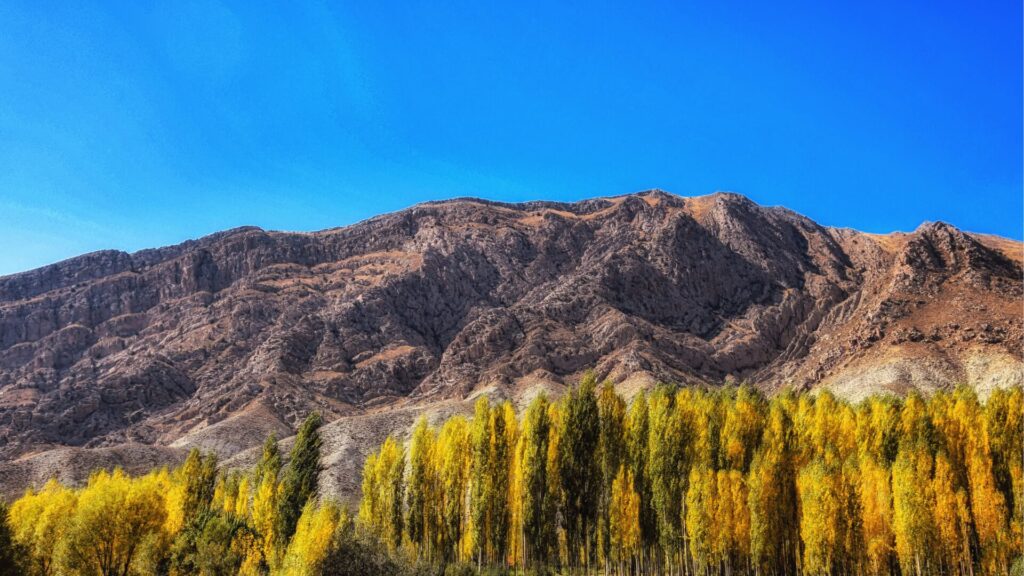
Mount Akagi — The Sacred Mountain of JDM Culture and Initial D Mount Akagi (赤城山, Akagi-yama) is one of the most iconic landmarks in Japanese car culture. Rising to 1,828 meters in Gunma Prefecture, this dormant volcano is far more than a scenic hiking destination — it is a place of pilgrimage for JDM enthusiasts, drift fans, and anyone who grew up watching or reading Initial D. The winding touge (mountain pass) roads of Mount Akagi served as the home course of protagonist Takumi Fujiwara, making it arguably the most famous driving road in all of anime and manga history. ...
続きを見る
Kusatsu Onsen
If you are willing to extend your trip, Kusatsu Onsen is located approximately 70 kilometers northwest of Mount Haruna. Consistently ranked as one of Japan's top hot spring destinations, Kusatsu is famous for its Yubatake (hot water field) in the center of town and its strongly acidic, therapeutic waters.
Best Seasons to Visit Mount Haruna
The experience of visiting Mount Haruna changes dramatically with the seasons, and the best time to go depends on what you are looking for.
- Spring (April–May): Cherry blossoms bloom around Lake Haruna in late April to early May, later than in Tokyo due to the higher elevation. The roads are clear and traffic is moderate.
- Summer (June–August): Lake Haruna becomes a popular escape from Tokyo's heat. Temperatures at the summit area hover around 20–25°C, making it ideal for lakeside activities and comfortable driving.
- Autumn (October–November): This is arguably the most spectacular season. The mountain's slopes are blanketed in vivid red, orange, and gold foliage, creating a breathtaking backdrop for driving. Peak autumn colors typically occur in late October.
- Winter (December–March): Snow and ice cover the roads, and some sections may require chains or winter tires. Lake Haruna freezes over and becomes a venue for ice fishing. The touge road can be treacherous, so winter driving requires caution and preparation.
Practical Tips for Visiting Mount Haruna
Planning ahead will make your Mount Haruna visit smoother and more enjoyable. Here are essential tips for first-time visitors.
- Parking: Free parking is available at several lots around Lake Haruna. The largest lot is near the ropeway station and can accommodate approximately 300 vehicles.
- Fuel: Fill up your tank before ascending the mountain. There are no gas stations on the mountain itself, and the nearest ones are in Ikaho or Shibukawa.
- Navigation: Set your GPS to "榛名湖" (Lake Haruna) or use the coordinates 36.4767°N, 138.8525°E for the lake area. Google Maps works reliably in the area.
- Road conditions: Check road closure information during winter. The Gunma Prefecture road information website provides real-time updates.
- Driving etiquette: Pull over at designated turnouts to let faster traffic pass. Do not stop on the road for photos — use parking areas and viewpoints instead.
- Cell service: Mobile coverage is generally good around Lake Haruna and on the main roads, though some hiking trails in the forest may have weak signals.
Combining Mount Haruna with a JDM Car Tour from Tokyo
For international visitors who want the ultimate JDM experience in Japan, combining a visit to Mount Haruna with a car culture tour from Tokyo is the way to go. Our guided JDM tours can take you from the neon-lit car meets of Daikoku PA in Yokohama to the legendary mountain passes of Gunma Prefecture, giving you the complete spectrum of Japanese car culture in a single trip.
Whether you want to see hundreds of modified JDM cars gathered under the highway overpasses at Daikoku PA or feel the hairpin turns of Mount Haruna beneath your wheels, a professionally organized tour eliminates the stress of navigating unfamiliar roads, dealing with Japanese-language toll systems, and finding the best spots that only locals know about.
If you're going to Daikoku PA, leave it to us

Experience an unforgettable JDM tour — ride in a legendary Japanese sports car and drive from Tokyo to Daikoku Parking Area, cruising Tokyo’s iconic roads along the way. Choose from favorites like the GT-R (R35 / R34 / R32), RX-7, Supra, and more.
We offer one of the highest-quality JDM driving experiences in the industry, at a fair and reasonable price.
Want to know more details or check availability?
Message us on WhatsApp for quick replies and easy booking.
Spots often sell out, so we recommend booking early.
Duration: about 3 hours
Meeting Point: Shibuya Station
Language: Beginner-level English & Japanese
Customer Reviews
Daikoku PA Video: What It’s Really Like
Important Information
- This is a drive tour where you drive your rental car, and our guide navigates from the seat.
- This is a self-drive tour where you drive your rental car, and our guide navigates from the passenger seat.
- The tour begins and ends at the same location (Shibuya).
- If the Daikoku Parking Area is closed, we will instead guide you to another car meet further away.
- The consultant is a cultural expert and navigator, not a taxi service.
