
What Does Umihotaru Mean in Japanese?
If you have ever searched for scenic road trip stops in Japan, you have likely come across the name Umihotaru. But what does it actually mean? The word "umihotaru" (海ほたる) is a compound of two Japanese words: umi (海), meaning "sea" or "ocean," and hotaru (ほたる / 蛍), meaning "firefly." Put together, umihotaru translates to "sea firefly."
The name refers to a real bioluminescent marine organism — Vargula hilgendorfii — a tiny crustacean found in the shallow coastal waters of Japan. When disturbed, these creatures emit an ethereal blue glow that has captivated people for centuries. The parking area built in the middle of Tokyo Bay was named after this enchanting sea creature, perfectly reflecting the facility's unique position surrounded by dark ocean waters that shimmer under moonlight.
The Bioluminescent Sea Firefly: A Living Wonder of Japan
The sea firefly, or umihotaru, is an ostracod crustacean roughly 3 millimeters long. Despite its tiny size, it produces one of the most vivid bioluminescent displays in the marine world. When threatened or agitated, the sea firefly ejects a mixture of the protein luciferin and the enzyme luciferase into the surrounding water, creating a brilliant blue luminescence that can last for several minutes.
Sea fireflies are found along the coastlines of the Japanese archipelago, particularly in the Seto Inland Sea and various bays around Honshu. Historically, Japanese fishermen used dried sea fireflies as a natural light source. During World War II, the Japanese military reportedly collected sea fireflies so soldiers could read maps at night without revealing their position.
Today, sea firefly observation tours are a niche but popular ecotourism experience in certain coastal towns. The creature's cultural significance made it a natural and evocative namesake for the remarkable structure built atop Tokyo Bay.
Umihotaru Parking Area: Where the Name Comes to Life
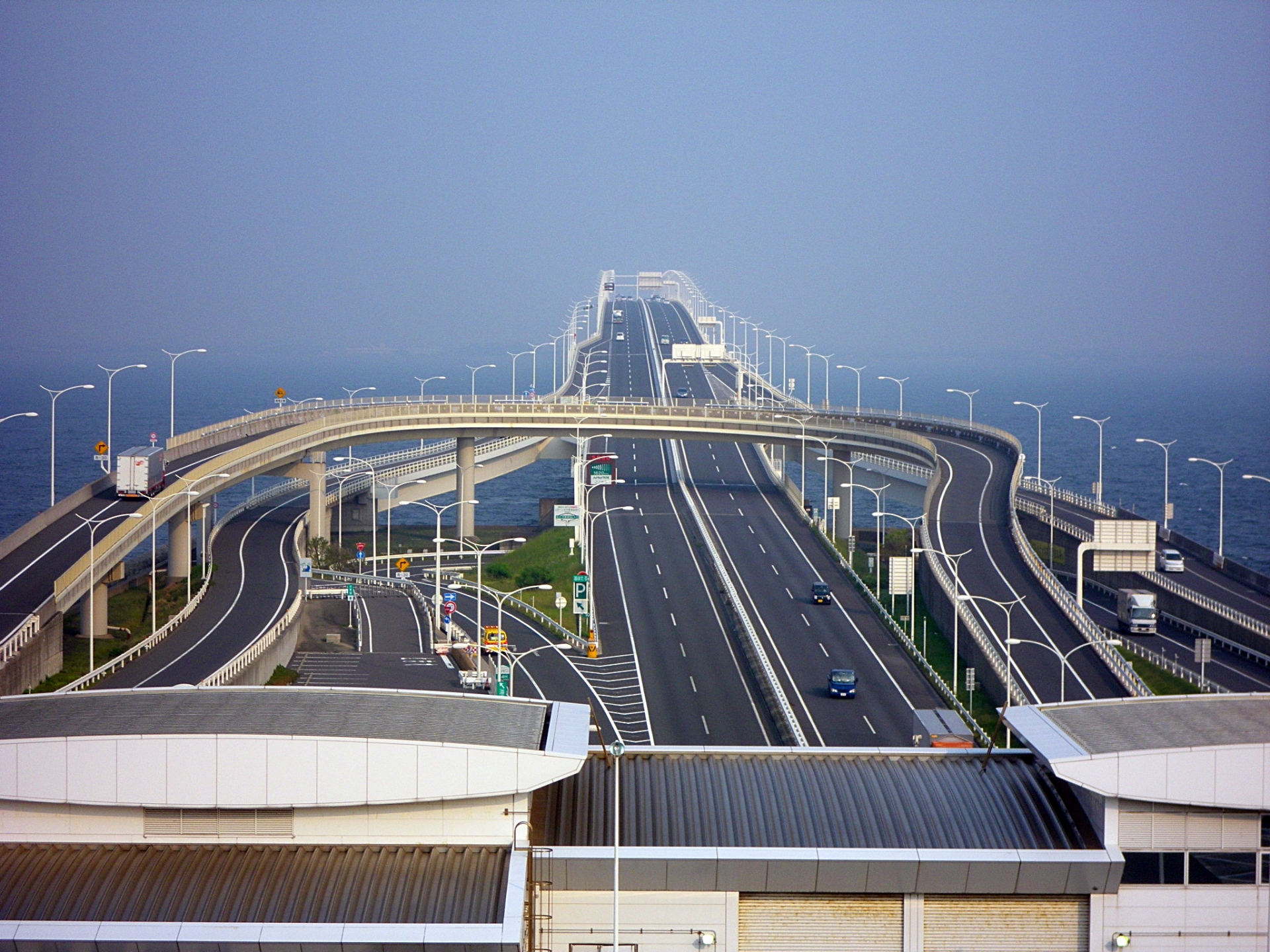
Umihotaru Parking Area (海ほたるパーキングエリア) is a man-made rest stop located on a reclaimed island roughly in the center of Tokyo Bay, along the Tokyo Bay Aqua-Line expressway. Opened in 1997, it connects Kawasaki in Kanagawa Prefecture with Kisarazu in Chiba Prefecture. The facility sits at the precise point where the underwater tunnel section of the Aqua-Line transitions into the bridge section, making it an engineering marvel in its own right.
The naming committee chose "Umihotaru" to evoke the image of a glowing beacon surrounded by the dark sea — much like the bioluminescent creature itself. At night, the multi-story facility illuminated above Tokyo Bay genuinely resembles a sea firefly glowing in the water, making the name not just poetic but visually accurate.
-

-
Umihotaru Parking Area (Umi Hotaru PA): The Complete 2026 Guide to Tokyo Bay’s Floating Rest Stop
Umihotaru Parking Area—often written as Umi Hotaru PA or Umi-hotaru—is one of the most unusual “highway rest stops” in the world: a multi‑story facility built on an artificial island in the middle of Tokyo Bay. Even if you’re not driving to Chiba, many visitors plan a dedicated trip just to experience the ocean views, grab a meal, and take photos with the Aqua-Line bridge and skyline. This guide covers everything you need to know about Umihotaru Parking Area: what it is, how to get there, costs and tolls, what to do once you arrive, and practical travel tips (including the ...
続きを見る
The Cultural Significance of the Name Umihotaru
Japanese place names frequently draw from nature, and the naming of Umihotaru follows a deeply rooted cultural tradition. In Japanese aesthetics, there is a concept called mono no aware (物の哀れ) — a sensitivity to the ephemeral beauty of things. Fireflies, both terrestrial and marine, have long symbolized this transience in Japanese poetry and literature. Their brief, flickering light is associated with summer evenings, fleeting beauty, and the impermanence of life.
By naming the parking area Umihotaru, the creators imbued an expressway rest stop with layers of cultural meaning. It transforms a utilitarian highway facility into something that resonates emotionally with Japanese visitors. For international travelers, understanding this background adds depth to what might otherwise seem like just another highway stop.
Umihotaru in Japanese Poetry and Literature
Fireflies appear extensively in classical Japanese literature, from the Tale of Genji to haiku by Kobayashi Issa. While sea fireflies are less celebrated in poetry than their airborne cousins, the marine variant carries the same symbolic weight — a fragile, luminous existence within the vast darkness of the ocean. The parking area's name is a modern extension of this literary tradition, bridging ancient Japanese aesthetics with contemporary infrastructure.
Why the Name Matters to JDM Car Enthusiasts
For JDM car culture fans visiting Japan, Umihotaru has become more than a scenic rest stop. Its dramatic location in the middle of Tokyo Bay makes it an extraordinary backdrop for car photography, and informal car meets sometimes take place in the late-night hours when the facility's upper decks offer panoramic views of the illuminated bay.
Understanding the umihotaru meaning enriches the experience. When you park your car — or admire someone else's tuned GT-R or RX-7 — against the glow of the facility and the dark waters below, you are essentially recreating the image the name evokes: machines gleaming like sea fireflies above the bay.
-

-
Umihotaru Car Meet Tour Guide: Routes, Timing, and the Smarter Daikoku PA Alternative
What is Umihotaru PA? Umihotaru PA is a floating service area perched on the Tokyo Bay Aqua-Line, roughly midway between Kawasaki and Kisarazu. It’s famous for its 360° ocean views, wind-swept decks, and nightscape photo spots. Because it’s a convenient midway stop with large parking areas, enthusiasts occasionally pause here on their way to or from other hot spots. Why enthusiasts search for an “Umihotaru car meet tour” Travelers often hope to catch a pop-up car meet at Umihotaru. While it does happen, Umihotaru is primarily a rest stop, not a dedicated meet hub—so appearances are inconsistent and short-lived. If ...
続きを見る
How to Experience Umihotaru at Night
The most atmospheric time to visit Umihotaru is after dark, when the facility's lights create a striking contrast against the black waters of Tokyo Bay. Here is what makes a nighttime visit special:
- Observation Decks: The rooftop and west-facing observation areas provide unobstructed views of the bay, the Aqua-Line bridge stretching toward Chiba, and the distant skyline of Kawasaki and Yokohama.
- Illuminated Architecture: The facility itself is beautifully lit at night, reinforcing the "sea firefly" imagery that inspired its name.
- Quiet Atmosphere: Late-night visits offer a contemplative, almost surreal experience — standing on a man-made island in the middle of the bay with only the sound of the ocean.
- Car Photography: The combination of dramatic lighting, ocean backdrop, and futuristic architecture makes Umihotaru one of the most photogenic locations for car enthusiasts in the entire Tokyo region.
-
-
Umihotaru Symbol Tower: The Iconic Landmark of Tokyo Bay Aqua-Line You Need to See
What Is the Umihotaru Symbol Tower? The Umihotaru Symbol Tower is the most recognizable structure at Umihotaru Parking Area, the man-made island rest stop located in the middle of Tokyo Bay along the Tokyo Bay Aqua-Line. Rising prominently from the rooftop observation deck of the facility, this tower serves as both a navigational landmark and a beloved photo spot for millions of visitors each year. Its sleek, modern design symbolizes the engineering marvel of the Aqua-Line itself — a 15.1-kilometer highway that connects Kawasaki in Kanagawa Prefecture with Kisarazu in Chiba Prefecture. For JDM car enthusiasts visiting Japan, the Umihotaru ...
続きを見る

Umihotaru vs. Hotaru: Understanding the Distinction
English speakers sometimes confuse umihotaru (sea firefly) with the more common hotaru (firefly). While both creatures produce bioluminescence, they are biologically unrelated. Terrestrial fireflies are beetles belonging to the family Lampyridae, while sea fireflies are tiny marine crustaceans. In Japanese, the prefix "umi" (sea) clearly differentiates the two.
This distinction is important for travelers researching their trip. Hotaru-viewing (蛍狩り, hotaru-gari) is a beloved summer tradition in rural Japan involving freshwater fireflies along rivers and streams. Umihotaru, on the other hand, refers specifically to the marine organism — and by extension, to the iconic parking area in Tokyo Bay.
Combining Umihotaru with a JDM Car Tour
For visitors who want to experience both the meaning and the magic of Umihotaru firsthand, combining a visit with a JDM car tour is the ideal approach. Our guided tours depart from central Tokyo and can include a stop at Umihotaru Parking Area as part of a broader Tokyo Bay car culture experience. Crossing the Aqua-Line in a JDM vehicle, with the tunnel giving way to the open bridge and the glowing island rest stop ahead, is a drive you will not soon forget.
Many of our guests also combine Umihotaru with a visit to Daikoku Parking Area, Japan's most famous car meet spot, creating a comprehensive night tour of Tokyo Bay's automotive hotspots.
-
-
Daikoku Parking Area (Daikoku PA): The Ultimate Visitor Guide to Japan’s Legendary JDM Meet
Daikoku Parking Area—often written as Daikoku PA or Daikokufutō—is the most famous place in Japan to spot tuned cars gathering organically. It’s a real expressway parking/service area in Yokohama, not a ticketed tourist attraction and not an officially organized event. That “unofficial” nature is exactly why Daikoku feels special: the lineup is never the same twice, and the culture is authentic. At the same time, Daikoku is one of the easiest places for first-time visitors to misunderstand. It’s located inside the Shuto Expressway network and cannot be accessed from ordinary roads or on foot, which is why so many travelers ...
続きを見る

Frequently Asked Questions About Umihotaru Meaning
Is "umihotaru" one word or two?
In Japanese, it is written as one compound word: 海ほたる (umihotaru). In English transliteration, it is typically written as a single word without a space or hyphen.
Can you actually see real sea fireflies at Umihotaru PA?
The parking area itself is not a sea firefly observation point. Real sea fireflies are typically found in shallower, undisturbed coastal waters. However, the facility's nighttime illumination over the dark bay poetically echoes the creature's bioluminescent glow.
Why was the parking area named after a marine creature?
The name was selected to capture the romantic image of a glowing structure floating above the dark ocean — mirroring how the bioluminescent sea firefly appears in coastal waters. It reflects the Japanese tradition of connecting infrastructure with the natural world through evocative naming.
How do you pronounce umihotaru?
It is pronounced "oo-mee-hoh-tah-roo," with roughly equal stress on each syllable. The "u" at the end is slightly softened in natural Japanese speech.
If you're going to Daikoku PA, leave it to us

Experience an unforgettable JDM tour — ride in a legendary Japanese sports car and drive from Tokyo to Daikoku Parking Area, cruising Tokyo’s iconic roads along the way. Choose from favorites like the GT-R (R35 / R34 / R32), RX-7, Supra, and more.
We offer one of the highest-quality JDM driving experiences in the industry, at a fair and reasonable price.
Want to know more details or check availability?
Message us on WhatsApp for quick replies and easy booking.
Spots often sell out, so we recommend booking early.
Duration: about 3 hours
Meeting Point: Shibuya Station
Language: Beginner-level English & Japanese
Customer Reviews
Daikoku PA Video: What It’s Really Like
Important Information
- This is a drive tour where you drive your rental car, and our guide navigates from the seat.
- This is a self-drive tour where you drive your rental car, and our guide navigates from the passenger seat.
- The tour begins and ends at the same location (Shibuya).
- If the Daikoku Parking Area is closed, we will instead guide you to another car meet further away.
- The consultant is a cultural expert and navigator, not a taxi service.
