What Are the 5 Lakes of Mt Fuji?
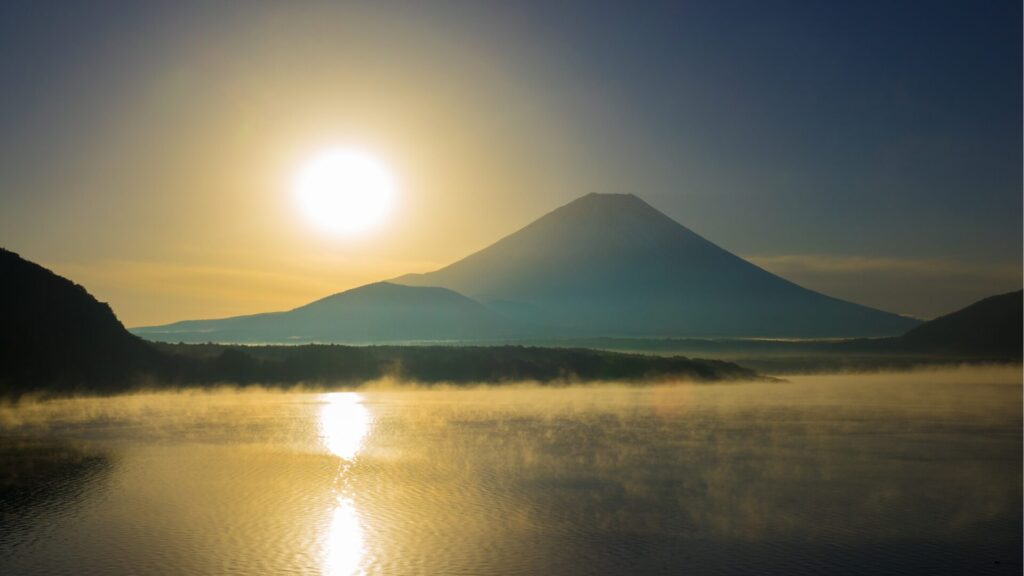
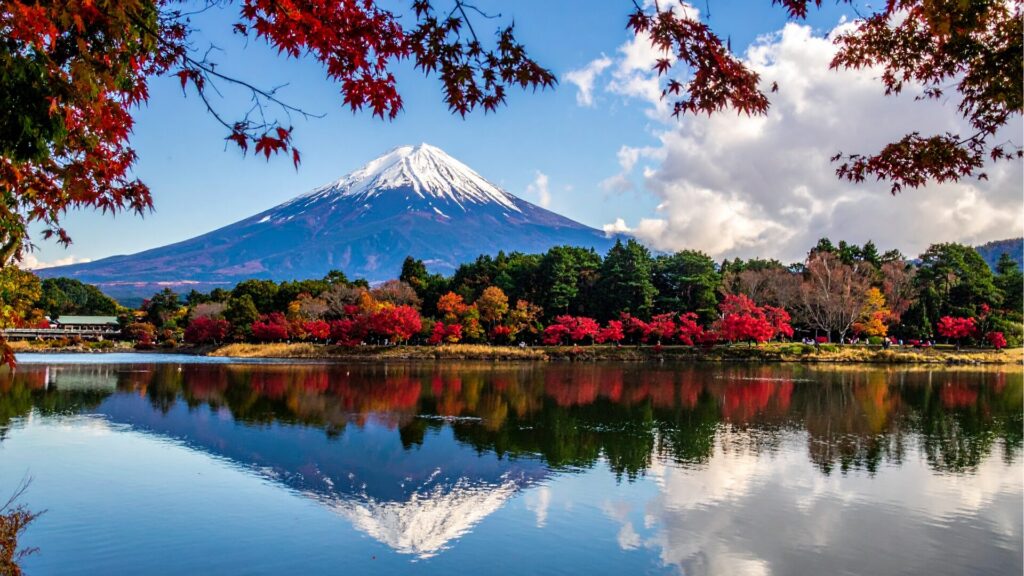
The Fuji Five Lakes — known as Fujigoko (富士五湖) in Japanese — are a group of five lakes situated at the northern base of Mt Fuji in Yamanashi Prefecture. Formed by ancient lava flows from Mt Fuji's eruptions that dammed natural river valleys, these lakes have been a cornerstone of Japanese landscape appreciation for centuries. Together, they form one of the most scenic regions in all of Japan and serve as the primary vantage point for iconic views of the mountain.
The five lakes are Lake Kawaguchiko, Lake Yamanakako, Lake Saiko, Lake Shojiko, and Lake Motosuko. Each lake possesses a distinct character, ranging from bustling tourist hubs to serene, nearly untouched wilderness. The entire Fuji Five Lakes area is part of the Fuji-Hakone-Izu National Park and was inscribed as a UNESCO World Heritage Site component in 2013.
-

-
Mt Fuji: The Ultimate 2026 Guide to Japan's Iconic Mountain
Why Mt Fuji Captivates Millions of Visitors Every Year Mt Fuji — or Fujisan (富士山) as it is known in ...
続きを見る
Lake Kawaguchiko — The Most Popular of the Five Lakes
Lake Kawaguchiko is the most accessible and developed of the Fuji Five Lakes, making it the de facto gateway for the majority of visitors. Located roughly 100 kilometers west of central Tokyo, it offers arguably the most famous reflected view of Mt Fuji across its calm waters. The lake's circumference stretches approximately 19 kilometers, and its northern shore is lined with hotels, museums, restaurants, and souvenir shops.
Key Attractions at Lake Kawaguchiko
- Kawaguchiko Music Forest Museum: A European-style garden and museum featuring antique music boxes and automated instruments, set against a stunning Mt Fuji backdrop.
- Kachi Kachi Ropeway: An aerial tramway ascending Mt Tenjo, providing panoramic views of Lake Kawaguchiko and Mt Fuji from an observation deck at 1,075 meters.
- Oishi Park: A lakefront park famous for its lavender fields in early summer and herb gardens, directly facing Mt Fuji across the water.
- Kawaguchiko Ohashi Bridge: A popular photography spot where the bridge frames Mt Fuji perfectly during clear weather.
Lake Kawaguchiko is also the primary hub for onsen (hot spring) resorts in the region. Visitors seeking a luxurious soak with a Fuji view will find numerous options along the lake's eastern and northern shores.
-
-
Drive from Tokyo to Kawaguchiko Onsen: The Ultimate Self-Drive Guide for Overseas Visitors
Planning to drive from Tokyo to Kawaguchiko onsen? This in‑depth guide covers routes, permits, parki ...
続きを見る
Lake Yamanakako — The Largest of the Fuji Five Lakes
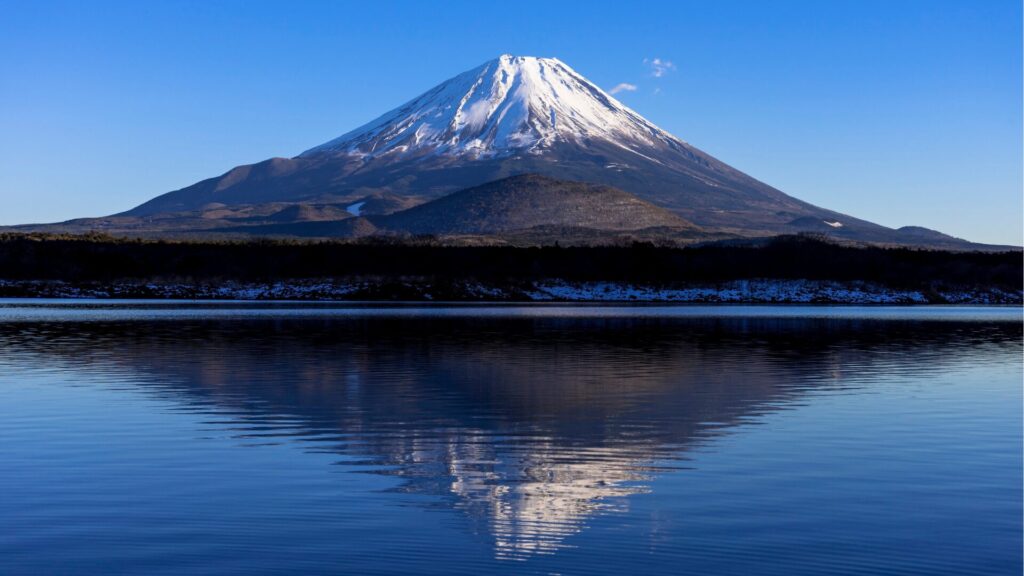
Lake Yamanakako is the largest of the five lakes by surface area (approximately 6.57 square kilometers) and sits at the highest elevation of the group at around 982 meters above sea level. Located on the eastern side of Mt Fuji, it is the closest of the five lakes to the Subashiri Trail, one of the four official Mt Fuji climbing routes.
Yamanakako is a favorite destination for outdoor sports enthusiasts. Wakeboarding, windsurfing, fishing, and canoeing are all popular during the warmer months. In winter, the lake's surroundings offer a tranquil atmosphere with fewer tourists compared to Kawaguchiko.
Notable Features
- Panorama Dai: A hillside observation point offering sweeping views of the lake and Mt Fuji.
- Yamanakako Hana no Miyako Park: A flower-themed park that blooms beautifully from spring through autumn.
- Diamond Fuji: In late October and mid-February, the sun aligns with the peak of Mt Fuji as seen from Yamanakako, creating the famous "Diamond Fuji" phenomenon highly sought after by photographers.
Lake Saiko — A Quieter Retreat with Aokigahara Forest
Lake Saiko offers a more subdued atmosphere compared to its eastern neighbors. With a perimeter of about 9.85 kilometers, it is bordered on its southern shore by the dense Aokigahara Forest (also known as the Sea of Trees). The lake is known for excellent fishing, particularly himemasu (landlocked kokanee salmon), and attracts campers and nature lovers seeking solitude.
Nearby Natural Wonders
- Saiko Bat Cave (Koumori Ana): A lava tube cave formed by Mt Fuji's eruptions, home to a colony of bats and open for guided exploration.
- Ryugu Cave and Fugaku Wind Cave: Additional lava tube caves in the vicinity, showcasing naturally formed ice pillars and geological formations.
- Saiko Iyashi no Sato Nenba: A reconstructed traditional thatched-roof village that was originally destroyed by a typhoon in 1966, now serving as an open-air museum and cultural experience center.
Lake Saiko's western end provides unobstructed views of Mt Fuji that are far less crowded than those at Kawaguchiko, making it an excellent spot for reflective photography during early morning hours.
Lake Shojiko — The Smallest and Most Secluded
Lake Shojiko is the smallest of the Fuji Five Lakes, covering just 0.5 square kilometers. Despite its modest size, it is regarded by many as the most atmospheric of the five. The lake is surrounded by thick forest and has very limited commercial development, preserving a pristine natural environment that feels remarkably remote given its proximity to Tokyo.
Shojiko is connected underground to nearby Lake Motosuko, as they share the same water level — a geological quirk resulting from the porous lava substrate. Fishing is a primary draw here, with bass and trout being commonly caught. The western shoreline of Lake Shojiko offers a perspective of Mt Fuji that, while partially obstructed by ridgelines, is hauntingly beautiful at dawn.
Lake Motosuko — Home to the View on the 1,000-Yen Note
Lake Motosuko is the westernmost and deepest of the Fuji Five Lakes, reaching a maximum depth of 121.6 meters. Its crystal-clear waters maintain a deep cobalt blue color year-round, making it one of the most photogenic lakes in the region. Perhaps most famously, the view of Mt Fuji from the northern shore of Lake Motosuko is the image depicted on the back of Japan's 1,000-yen banknote — a fact that draws photographers and tourists alike.
Must-Do Experiences at Lake Motosuko
- Nakanoura Campground Area: The exact vantage point of the 1,000-yen note photograph, taken by photographer Koyo Okada in the 1930s.
- Motosu Shibazakura Festival: Held from mid-April to late May, this festival showcases approximately 500,000 moss phlox (shibazakura) flowers in vivid pink, white, and purple, with Mt Fuji towering in the background.
- Water Sports: Kayaking, canoeing, and diving are popular due to the lake's exceptional water clarity.
Because Lake Motosuko never freezes even in winter (thanks to its depth), it offers year-round access for fishing and boating enthusiasts.
Best Time to Visit the Fuji Five Lakes in 2026
The Fuji Five Lakes region is a year-round destination, but each season offers a dramatically different experience:
- Spring (April–May): Cherry blossoms around Lake Kawaguchiko typically peak in mid-April, roughly one to two weeks after Tokyo's peak. The Shibazakura Festival at Lake Motosuko is another major spring highlight.
- Summer (June–August): The official Mt Fuji climbing season runs from early July through mid-September, making summer the busiest period. Lavender blooms at Oishi Park in mid-to-late June add seasonal color.
- Autumn (October–November): Fall foliage transforms the lakeshores into a tapestry of red, orange, and gold. The Kawaguchiko Autumn Leaves Festival (Momiji Matsuri) is typically held along the northern shore in November.
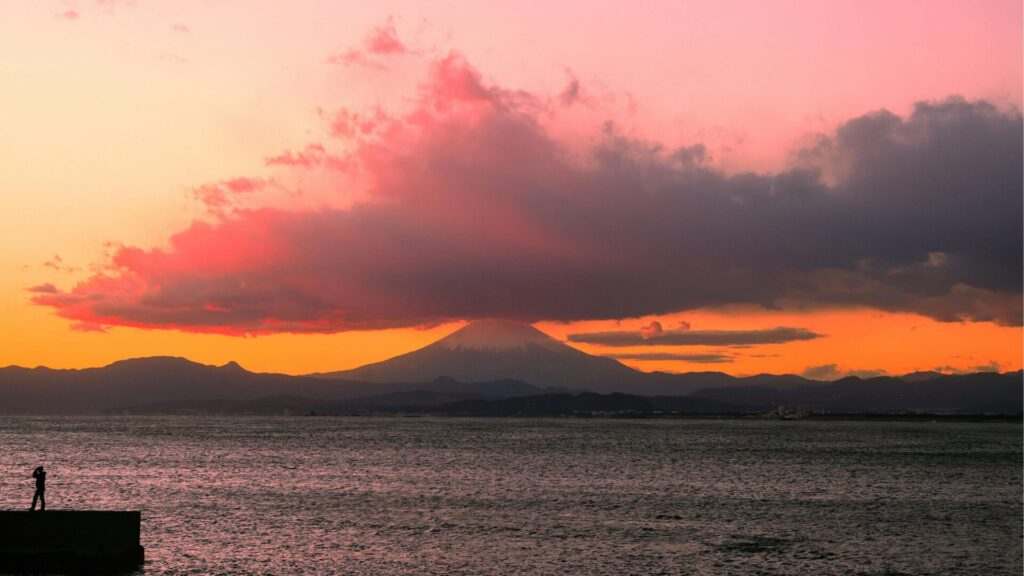
- Winter (December–February): Clear skies make winter the optimal season for unobstructed Mt Fuji photography. The air is crisp, crowds are minimal, and the snow-capped volcano is at its most majestic.
For the best balance of pleasant weather, manageable crowds, and scenic beauty, late April through May and mid-October through mid-November are generally considered the ideal windows.
How to Get to the Fuji Five Lakes from Tokyo
The Fuji Five Lakes area is surprisingly accessible from central Tokyo, with multiple transportation options available depending on your preferences and itinerary.
By Train and Bus
The most common public transit route is to take the JR Chuo Line from Shinjuku Station to Otsuki Station (approximately 70 minutes by limited express), then transfer to the Fujikyu Railway for the scenic 50-minute ride to Kawaguchiko Station. Alternatively, direct highway buses depart from Shinjuku Bus Terminal (Busta Shinjuku) and reach Kawaguchiko in about two hours, often at a lower cost than rail.
By Car
Driving from Tokyo to the Fuji Five Lakes takes approximately 90 minutes to two hours via the Chuo Expressway, depending on traffic. A car provides maximum flexibility to visit all five lakes at your own pace, especially the more secluded western lakes (Saiko, Shojiko, and Motosuko), which are not easily reached by public transportation. The freedom to stop at roadside viewpoints and explore side roads adds immeasurably to the experience of touring the region.
-
-
Tokyo to Mt Fuji: Every Way to Get There in 2026 (Train, Bus, Car & Tours)
How Far Is Mt Fuji from Tokyo? Mt Fuji sits roughly 100 km (62 miles) southwest of central Tokyo. De ...
続きを見る
Comparing the Fuji Five Lakes at a Glance
The following summary helps you decide which lakes to prioritize based on your interests:
- Lake Kawaguchiko: Best for first-time visitors, onsen, museums, and all-around convenience.
- Lake Yamanakako: Best for water sports, outdoor activities, and Diamond Fuji photography.
- Lake Saiko: Best for nature walks, lava caves, and cultural heritage experiences.
- Lake Shojiko: Best for solitude, fishing, and an untouched natural atmosphere.
- Lake Motosuko: Best for the iconic 1,000-yen note view, deep-water activities, and the Shibazakura Festival.
Many visitors focus exclusively on Kawaguchiko, but exploring all five lakes — or at minimum adding Motosuko and Saiko to your itinerary — reveals layers of beauty and character that a single-lake visit cannot provide.
Practical Tips for Visiting the Fuji Five Lakes in 2026
Accommodation
The majority of hotels, ryokan (traditional Japanese inns), and guesthouses are concentrated around Lake Kawaguchiko. For a more immersive experience, consider staying at a lakeside campground at Motosuko or a pension near Saiko. Booking well in advance is essential during peak seasons, particularly Golden Week (late April to early May) and the autumn foliage period.
Weather and Visibility
Mt Fuji is notoriously shy — cloud cover can obscure the mountain for days at a time, especially during summer months. Winter and early spring offer the highest probability of clear views. Checking webcam feeds before your trip can help set expectations.
-
-
Mt Fuji Weather: Monthly Conditions, Forecasts & Best Time to Visit in 2026
Understanding Mt Fuji Weather Before You Go Mt Fuji weather is notoriously unpredictable and dramati ...
続きを見る
Getting Around Between the Lakes
A retro-style sightseeing bus (the "Red Line" and "Green Line" operated by Fujikyu) connects the main attractions around Kawaguchiko and Saiko. However, service to Shojiko and Motosuko is more limited. If you plan to visit all five lakes in a single trip, having your own vehicle is strongly recommended.
Currency and Payments
While larger establishments at Kawaguchiko accept credit cards and IC cards, smaller shops, campgrounds, and attractions around the western lakes may be cash-only. Carrying sufficient yen is advisable.
Cultural Significance of the Fuji Five Lakes
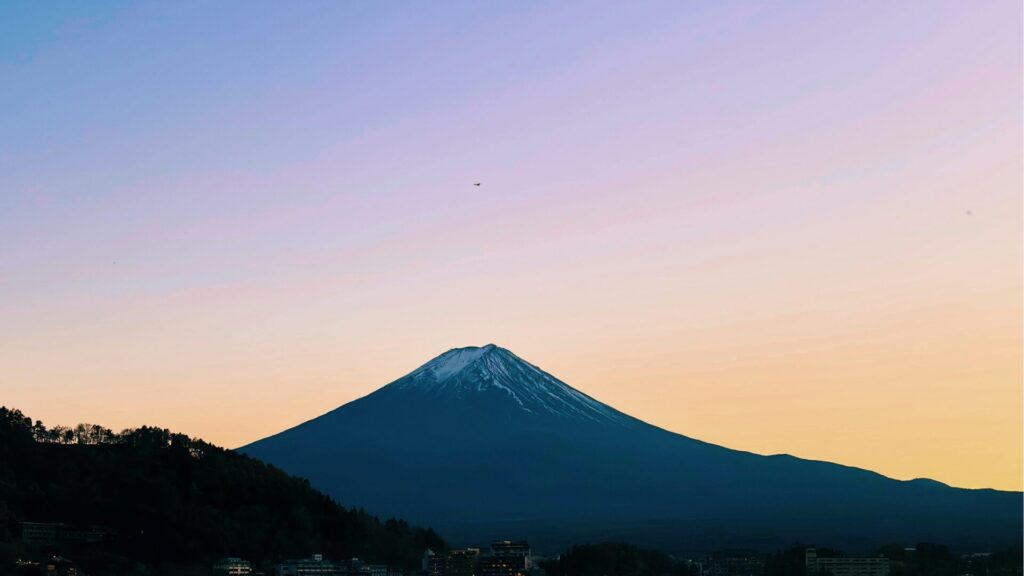
The relationship between the five lakes and Mt Fuji extends far beyond tourism. These lakes have been sacred sites in Shinto and Buddhist traditions for centuries. Pilgrims historically used the lakeside routes to approach Mt Fuji before ascending, and several shrines around the lakes — including the Fuji Omuro Sengen Shrine near Kawaguchiko — remain active places of worship.
The lakes also played a pivotal role in the artistic tradition of depicting Mt Fuji. Katsushika Hokusai's celebrated woodblock print series Thirty-six Views of Mount Fuji includes perspectives from the Fuji Five Lakes area, and the view from Lake Motosuko inspired the modern banknote design that millions of people handle daily. Visiting the five lakes is, in many ways, walking through the living history of Japan's most revered natural landmark.
Experience Japan’s Finest JDM Adventures
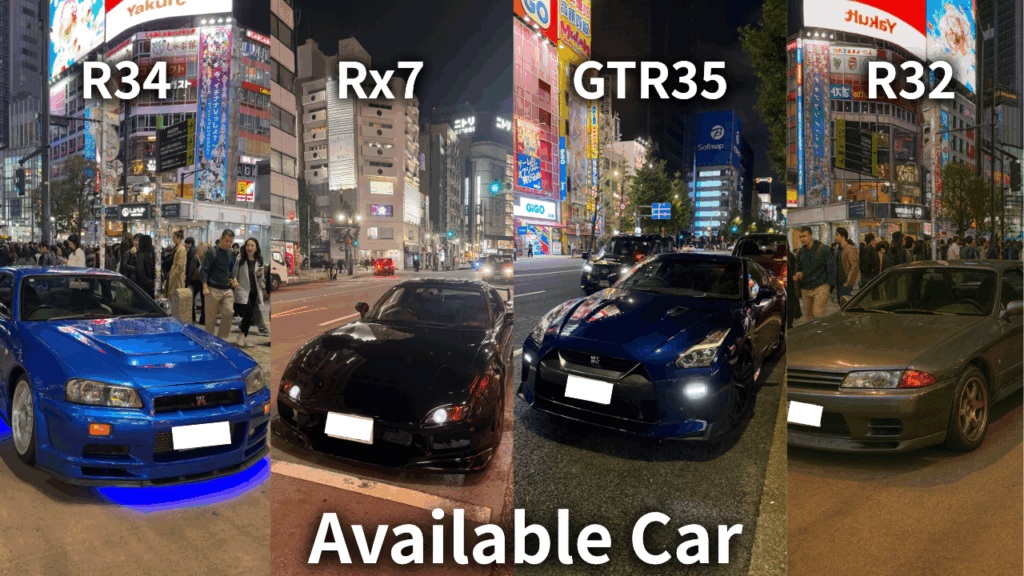
From Daikoku PA tours to JDM sports car rentals and drift experiences, we offer premium driving adventures for visitors who want more than ordinary sightseeing.
Get behind the wheel of iconic machines such as the GT-R, RX-7, and Supra, and experience Japan’s legendary car culture in the most unforgettable way. Whether you want a scenic Tokyo car experience or something more thrilling and immersive, we can guide you to the right plan.
Not sure which experience suits you best? No problem. Message us on WhatsApp and we’ll help you choose the ideal option based on your travel plans, interests, and driving experience.
Popular dates sell out quickly, so we recommend contacting us early.
Customer Reviews
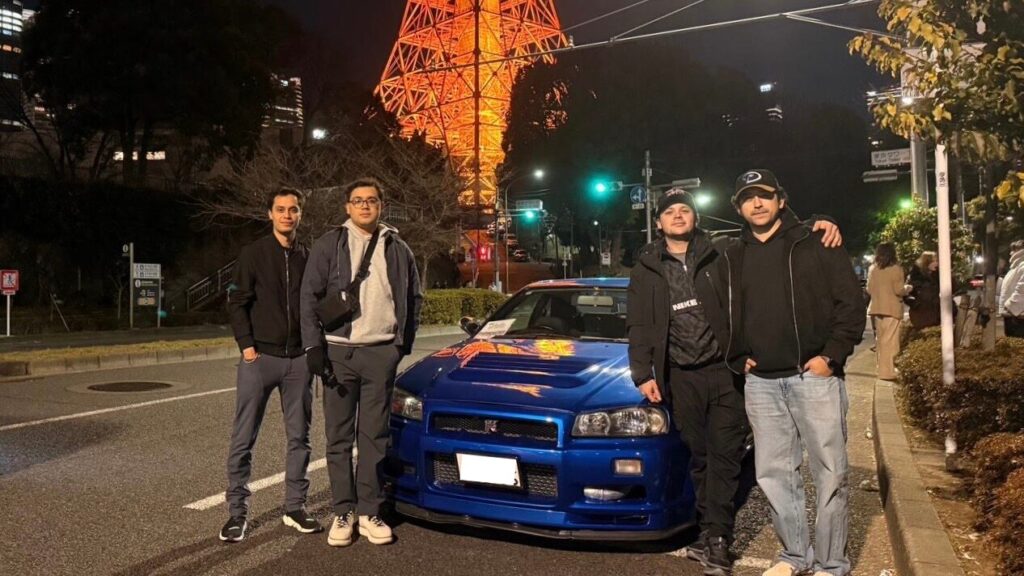
Important Information
- This is a drive tour where you drive your rental car, and our guide navigates from the seat.
- This is a self-drive tour where you drive your rental car, and our guide navigates from the passenger seat.
- The tour begins and ends at the same location (Shibuya).
- If the Daikoku Parking Area is closed, we will instead guide you to another car meet further away.
- The consultant is a cultural expert and navigator, not a taxi service.
