Why the Lawson Mt Fuji Photo Spot Became World-Famous
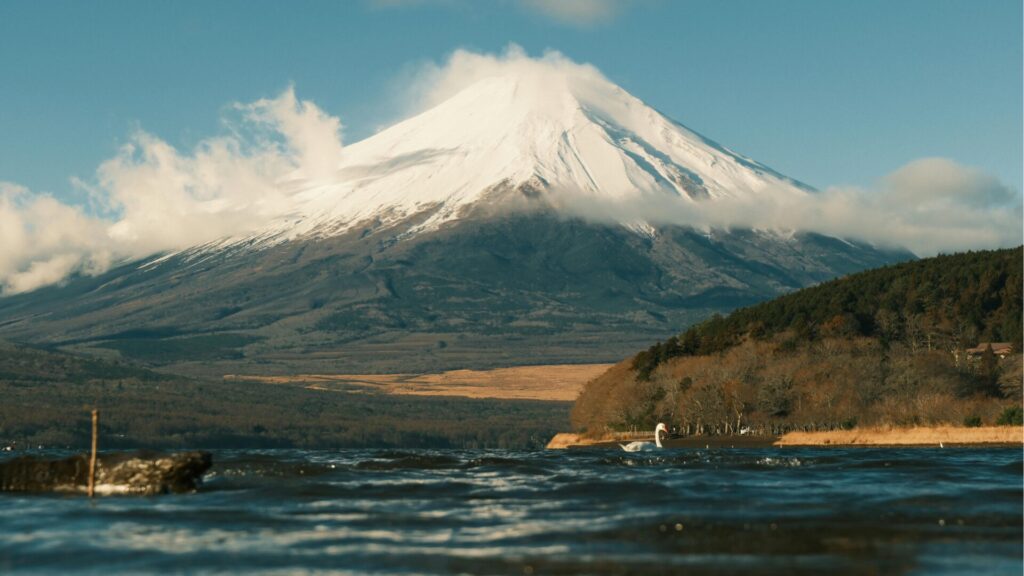
Few convenience stores on Earth have achieved the level of global fame that the Lawson branch in Fujikawaguchiko now enjoys. Located on the main street of this quiet lakeside town, the store's unassuming blue-and-white signage is perfectly framed against the towering silhouette of Mount Fuji rising behind it. The image — a quintessentially Japanese convenience store dwarfed by the nation's most sacred peak — became a viral sensation on social media platforms worldwide, drawing millions of visitors to a spot that was never designed to be a tourist attraction.
The specific Lawson branch most commonly associated with this phenomenon is the Lawson Fujikawaguchiko Ekimae store (ローソン 富士河口湖駅前店), situated near Fujikawaguchiko Station. The combination of the mundane and the majestic — everyday Japanese retail culture against the backdrop of an iconic UNESCO World Heritage site — captured something that resonated deeply with travelers searching for authentic, photogenic moments in Japan.
-

-
Mt Fuji: The Ultimate 2026 Guide to Japan's Iconic Mountain
Why Mt Fuji Captivates Millions of Visitors Every Year Mt Fuji — or Fujisan (富士山) as it is known in Japanese — stands at 3,776 meters (12,389 feet), making it the tallest peak in Japan. Its near-perfect symmetrical cone, capped with snow for much of the year, has been a symbol of Japan for centuries. In 2013, UNESCO designated Mt Fuji as a World Cultural Heritage Site, recognizing not just its geological significance but its deep influence on Japanese art, literature, and spirituality. Whether you want to climb to the summit, photograph the mountain from a picturesque lake, soak in ...
続きを見る
The Overtourism Controversy and the Black Screen Barrier
By mid-2024, the Lawson Mt Fuji location had become a textbook case of overtourism. Hordes of visitors began clogging the narrow sidewalk in front of the store, spilling into traffic lanes, blocking driveways of nearby residential properties, and leaving behind significant amounts of litter. Local residents and business owners expressed growing frustration as the daily influx of photo-seekers disrupted their routines and posed genuine safety concerns.
In response, the Fujikawaguchiko town authorities installed a large black mesh screen along the sidewalk directly across from the Lawson store in May 2024. The barrier, approximately 2.5 meters tall and 20 meters wide, was designed to physically block the view of Mount Fuji from the most popular photography angle. The move generated international headlines and sparked heated debate about balancing tourism revenue with quality of life for local communities.
Did the Black Screen Work?
The short answer is: partially. The black screen successfully reduced crowding at that specific spot for several weeks after installation. However, visitors quickly discovered alternative angles — standing on nearby elevated areas, using longer focal-length lenses, or simply moving a few dozen meters down the street. Some tourists even cut holes in the mesh barrier, prompting repairs and increased local frustration. As of 2026, the screen remains in place, though the town has shifted its strategy toward broader crowd management and signage rather than relying solely on the physical barrier.
Current Situation at the Lawson Mt Fuji Spot in 2026
Fujikawaguchiko's approach to managing the Lawson Mt Fuji phenomenon has matured considerably by 2026. The town has implemented a more comprehensive set of measures that aim to balance visitor access with residential peace.
- Multilingual signage: Clear signs in Japanese, English, Chinese, and Korean now request visitors to refrain from blocking sidewalks, crossing against traffic signals, and entering private property.
- Designated photography zones: Marked areas on the sidewalk indicate where visitors can safely stand to take photos without impeding pedestrian flow or vehicle traffic.
- Security personnel: During peak tourism seasons (spring cherry blossom and autumn foliage periods), town-appointed guides and security staff are stationed at the location to manage crowds.
- No-parking enforcement: Stricter enforcement of no-parking zones in the immediate vicinity has reduced the number of visitors who previously double-parked rental cars and tour buses nearby.
The black screen barrier still stands as of early 2026, though local officials have discussed its eventual removal if visitor behavior continues to improve. The Lawson store itself continues to operate normally, and its staff have become accustomed to the unusual level of attention their workplace receives.
How to Visit the Lawson Mt Fuji Location Respectfully
If visiting the famous Lawson Mt Fuji spot is on your itinerary, a respectful approach will ensure a positive experience for both you and the local community. Here are practical guidelines for 2026 visitors.
Best Time to Visit
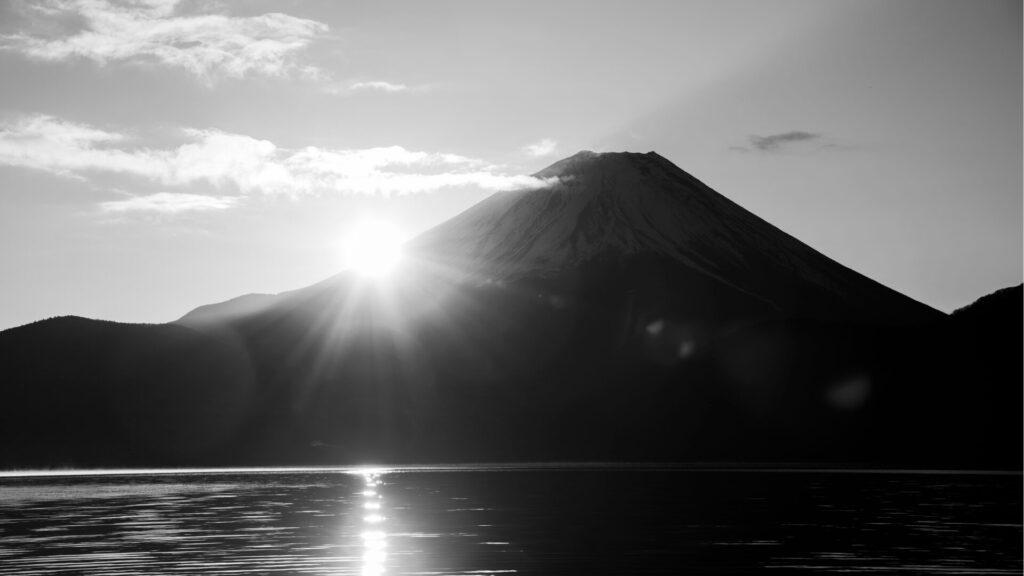
Early morning — between 6:00 AM and 8:00 AM — offers the best combination of fewer crowds, softer light for photography, and clearer mountain visibility. Mount Fuji is notoriously shy and frequently obscured by clouds, particularly in the afternoon. Winter months (December through February) offer the highest probability of clear skies and a snow-capped peak, while summer often brings hazy conditions that diminish the view.
Etiquette and Rules
- Stay on the sidewalk and within designated photography areas at all times.
- Do not block driveways, doorways, or fire lanes.
- Do not cross the street against red signals, even when traffic appears light.
- Keep noise levels low, especially early in the morning, as the area is residential.
- Dispose of all trash properly — use the bins inside the Lawson store if needed.
- Do not climb walls, fences, or the black screen barrier.
- If purchasing something from the Lawson store as a courtesy, that small gesture of goodwill is appreciated but never required.
Getting There
The Lawson branch is located within a two-minute walk from Fujikawaguchiko Station, which is the terminus of the Fuji Kyuko Line. From Tokyo's Shinjuku Station, the direct JR limited express takes approximately 1 hour and 50 minutes. Highway buses from Shinjuku's Busta terminal are another affordable option, taking around 2 hours depending on traffic. For those exploring the Fuji Five Lakes area by car, the store is easily accessible from the Kawaguchiko IC exit off the Chuo Expressway.
-
-
Tokyo to Mt Fuji: Every Way to Get There in 2026 (Train, Bus, Car & Tours)
How Far Is Mt Fuji from Tokyo? Mt Fuji sits roughly 100 km (62 miles) southwest of central Tokyo. Despite the modest distance on a map, actual travel time varies considerably depending on your transport mode, departure point, and destination on the Fuji side. Whether you are heading to the Fuji Five Lakes area (Kawaguchiko), the Subashiri 5th Station for climbing, or simply a scenic viewpoint, the journey from Tokyo to Mt Fuji typically takes between 1.5 and 3 hours one way. Understanding the geography is helpful: the Chuo Expressway and Route 138 cut through the mountains west of Tokyo, ...
続きを見る
Alternative Mt Fuji Photo Spots Near Kawaguchiko
While the Lawson Mt Fuji view is undeniably iconic, the Fujikawaguchiko area offers numerous other spectacular — and far less congested — vantage points for photographing Japan's most famous mountain. Diversifying your photography stops also helps distribute tourist traffic away from the beleaguered convenience store.
Chureito Pagoda
Perhaps the most famous alternative, Chureito Pagoda at Arakurayama Sengen Park offers a stunning composition of a five-story pagoda, cherry blossoms or autumn leaves (depending on season), and Mount Fuji in the background. The 398-step climb to the pagoda is well worth the effort. Arrive before 7:00 AM during peak seasons to secure a spot.
Lake Kawaguchiko Northern Shore
The northern shore of Lake Kawaguchiko provides wide, unobstructed views of Mount Fuji reflected in the lake's surface. The Oishi Park area along this shore is particularly beautiful during the lavender season (June–July) and features a free lakeside promenade.
Ubuyagasaki Peninsula
This small cape jutting into Lake Kawaguchiko is one of the most reliable spots for capturing Mount Fuji's reflection in the water. It is especially rewarding at dawn when the lake surface is calm and the peak catches the first rays of sunlight.
Panoramic Ropeway (Kachi Kachi Yama)
The Kawaguchiko Panoramic Ropeway whisks visitors up to an observation deck at 1,075 meters elevation, offering sweeping views of Mount Fuji, Lake Kawaguchiko, and the surrounding mountains. The ride takes about three minutes, and the upper station features a well-maintained viewing terrace.
-
-
Fuji Five Lakes: The Complete 2026 Guide to the 5 Lakes of Mt Fuji
What Are the 5 Lakes of Mt Fuji? The Fuji Five Lakes — known as Fujigoko (富士五湖) in Japanese — are a group of five lakes situated at the northern base of Mt Fuji in Yamanashi Prefecture. Formed by ancient lava flows from Mt Fuji's eruptions that dammed natural river valleys, these lakes have been a cornerstone of Japanese landscape appreciation for centuries. Together, they form one of the most scenic regions in all of Japan and serve as the primary vantage point for iconic views of the mountain. The five lakes are Lake Kawaguchiko, Lake Yamanakako, Lake Saiko, Lake ...
続きを見る
The Bigger Picture: Overtourism at Mt Fuji Locations
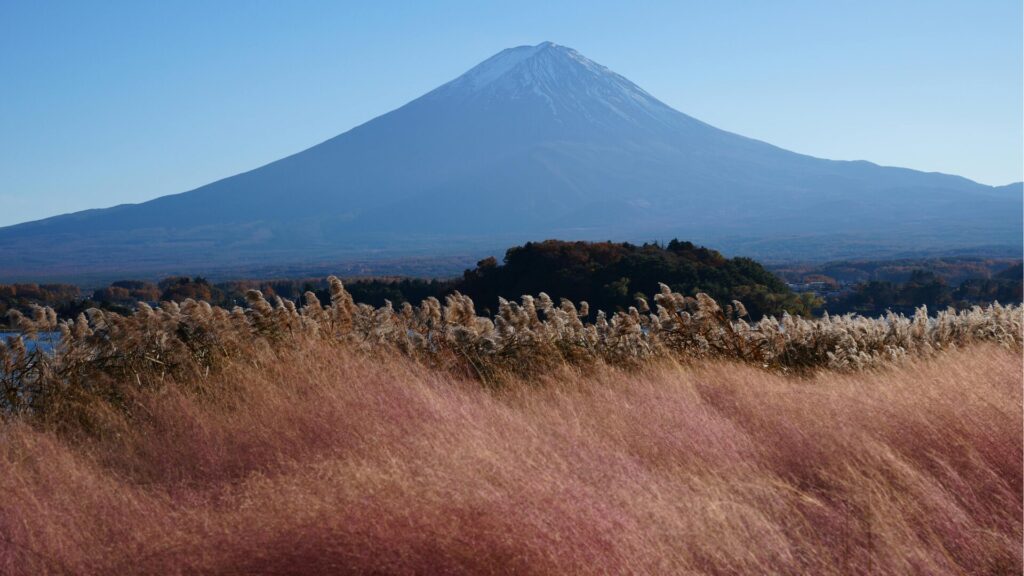
The Lawson Mt Fuji controversy is part of a broader reckoning that Japan is having with overtourism at its most beloved natural and cultural landmarks. Mount Fuji itself introduced a daily climbing cap and a ¥2,000 entry fee starting in 2024 for the Yoshida Trail, measures that have continued and expanded into 2026. The Fuji Five Lakes region has similarly grappled with infrastructure strain caused by a sharp post-pandemic rebound in international tourism.
This situation is not unique to Fujikawaguchiko. Kyoto's geisha district of Gion, Kamakura's Great Buddha approach, and Tokyo's Shibuya Crossing have all implemented various crowd-management strategies in recent years. The Lawson incident, however, stands out because it highlights how social media can transform an utterly ordinary location into an overnight sensation — and how unprepared most communities are for that kind of sudden attention.
What Travelers Can Do
Responsible tourism around Mount Fuji means more than just following the rules at a single convenience store. It means visiting during off-peak hours, staying overnight in local accommodations to support the regional economy, patronizing small businesses, and choosing lesser-known viewpoints that distribute the economic benefits of tourism more evenly. Exploring the wider Fuji Five Lakes region by car allows visitors to access remote viewpoints and hidden communities that benefit greatly from visitor spending but rarely see it.
-
-
Drive from Tokyo to Kawaguchiko Onsen: The Ultimate Self-Drive Guide for Overseas Visitors
Planning to drive from Tokyo to Kawaguchiko onsen? This in‑depth guide covers routes, permits, parking, tolls, itineraries, and seasonal tips—everything you need to enjoy Lake Kawaguchiko and Mt. Fuji hot springs by rental car. Why Drive from Tokyo to Kawaguchiko Onsen? Driving gives you freedom to stop at scenic viewpoints, lesser‑known onsen ryokan, and cafés around the Fuji Five Lakes. Compared with trains and buses, a car lets you combine multiple sights in one day, travel early or late to avoid crowds, and carry luggage with ease. Quick Facts Distance & time: ~110–140 km from central Tokyo; 2–2.5 hours in ...
続きを見る
Is the Lawson Mt Fuji Spot Still Worth Visiting?
Absolutely — with the right expectations. The Lawson Mt Fuji view remains a genuinely striking composition, and experiencing it in person carries a charm that smartphone screens cannot fully convey. The key is to approach it as one element of a broader Fujikawaguchiko itinerary rather than as a standalone destination. Pair it with a lakeside walk, a ropeway ride, a visit to a local onsen, and a meal at one of the region's excellent houtou noodle restaurants, and you will come away with a far richer experience than a single photo could ever provide.
The story of the Lawson Mt Fuji spot is ultimately a story about how we travel in the age of social media — about the tension between sharing beauty with the world and preserving the places that make that beauty possible. In 2026, visiting this unassuming convenience store with awareness, respect, and a broader sense of curiosity is the best way to honor both the view and the community that lives beneath it.
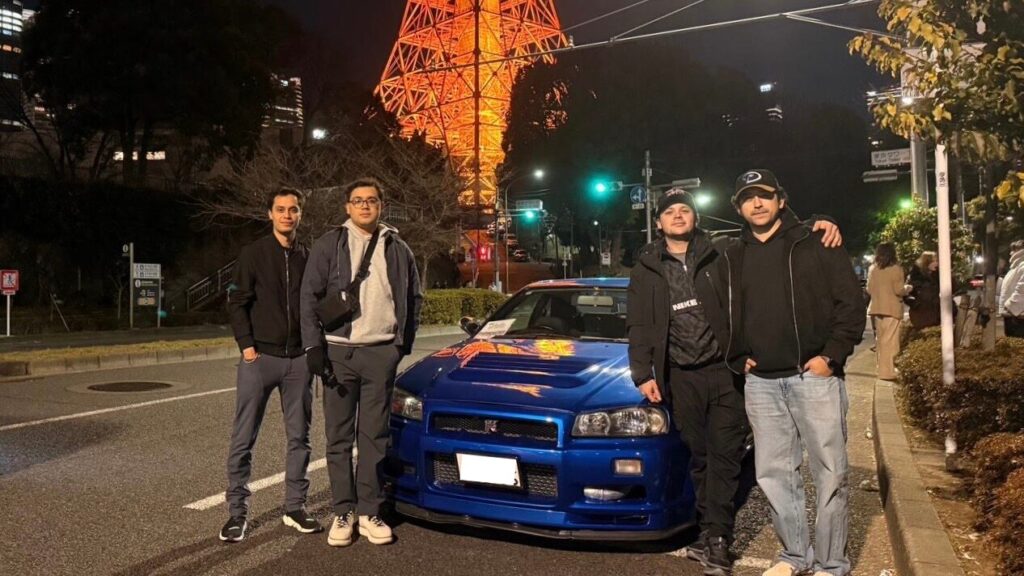
Experience Japan’s Finest JDM Adventures
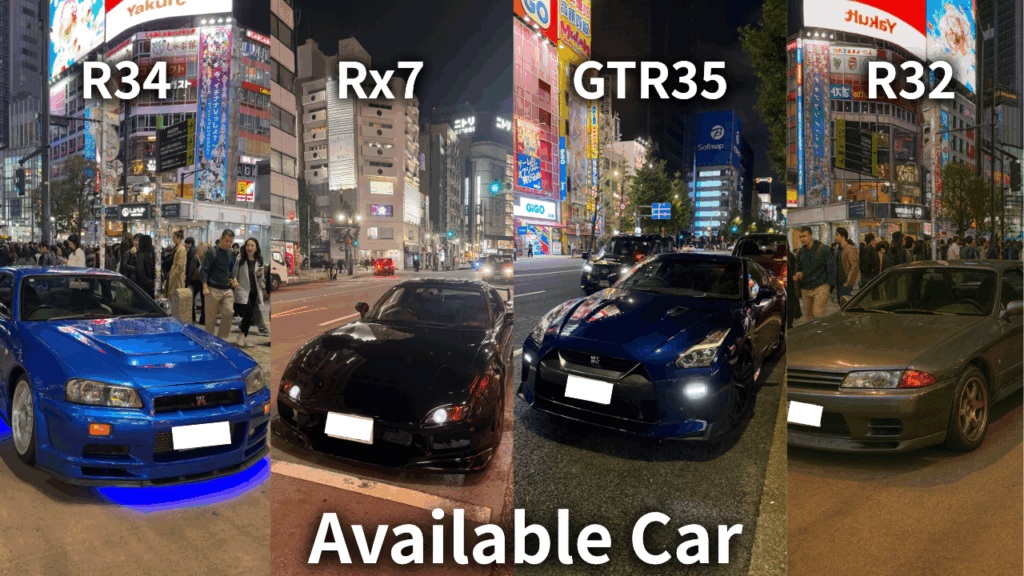
From Daikoku PA tours to JDM sports car rentals and drift experiences, we offer premium driving adventures for visitors who want more than ordinary sightseeing.
Get behind the wheel of iconic machines such as the GT-R, RX-7, and Supra, and experience Japan’s legendary car culture in the most unforgettable way. Whether you want a scenic Tokyo car experience or something more thrilling and immersive, we can guide you to the right plan.
Not sure which experience suits you best? No problem. Message us on WhatsApp and we’ll help you choose the ideal option based on your travel plans, interests, and driving experience.
Popular dates sell out quickly, so we recommend contacting us early.
Customer Reviews
Important Information
- This is a drive tour where you drive your rental car, and our guide navigates from the seat.
- This is a self-drive tour where you drive your rental car, and our guide navigates from the passenger seat.
- The tour begins and ends at the same location (Shibuya).
- If the Daikoku Parking Area is closed, we will instead guide you to another car meet further away.
- The consultant is a cultural expert and navigator, not a taxi service.
