
Why Mount Nokogiri Is One of Tokyo's Best Day Trips
Mount Nokogiri (鋸山) sits on the southern tip of the Boso Peninsula in Chiba Prefecture, overlooking Tokyo Bay. Despite feeling worlds away from the urban sprawl of the capital, this 329-meter peak is remarkably accessible — most travelers can reach the trailhead in under two hours from central Tokyo. The mountain is famous for its colossal stone Buddha, the vertigo-inducing Jigoku Nozoki (Hell Peek) cliff, and hundreds of carved stone statues scattered across the hillside. For visitors based in Tokyo in 2026, Mount Nokogiri offers the rare combination of dramatic scenery, cultural depth, and a manageable half-day or full-day itinerary.
-

-
Mount Nokogiri: Complete Visitor Guide to Chiba's Stunning Sawtooth Mountain in 2026
What Is Mount Nokogiri? Mount Nokogiri (鋸山, Nokogiriyama) is a 329-meter peak located on the souther ...
続きを見る

Getting to Mount Nokogiri from Tokyo by Train
The train is the most popular way to reach Mount Nokogiri from Tokyo, and the route is straightforward even for first-time visitors to Japan.
Via JR Uchibo Line to Hamakanaya Station
The nearest station to Mount Nokogiri is Hamakanaya Station on the JR Uchibo Line. From Tokyo Station, take the JR Sobu Line Rapid service (sometimes labeled the Sobu-Yokosuka Line) to Chiba Station, then transfer to the JR Uchibo Line bound for Tateyama or Kisarazu. Hamakanaya is roughly two hours from Tokyo Station with the transfer, and the fare is approximately ¥1,980 one way.
From Hamakanaya Station, the ropeway lower station and the hiking trailheads are within a 5 to 10-minute walk. This is the most convenient rail-based approach.
Using the JR Limited Express "Sazanami"
On weekends and holidays, JR East sometimes operates limited express services toward the southern Boso Peninsula. If available, the Sazanami express can shave around 30 minutes off the journey compared to local trains. Check the JR East timetable for 2026 schedules, as frequency varies seasonally. A reserved-seat surcharge of about ¥1,500 applies in addition to the base fare.
Tips for the Train Journey
- A Suica or Pasmo IC card works for the entire route — no paper tickets needed.
- Sit on the left side of the train from Chiba onward for scenic views of Tokyo Bay.
- Trains on the Uchibo Line run roughly once every 30 to 60 minutes, so plan your return trip in advance to avoid a long wait.
Getting to Mount Nokogiri from Tokyo by Car

Driving offers more flexibility, especially if you want to combine Mount Nokogiri with other Boso Peninsula destinations such as the Tateyama coastline or Kamogawa Sea World.
Driving Route and Distances
From central Tokyo, the fastest route takes the Tokyo Bay Aqua-Line (東京湾アクアライン) — the famous bridge-tunnel expressway that crosses Tokyo Bay. After exiting the Aqua-Line at Kisarazu, follow the Tateyama Expressway (Route 127) south toward Hamakanaya. The total distance is approximately 90 km, and driving time is around 1 hour 20 minutes with normal traffic.
An alternative route avoids the Aqua-Line entirely by taking the Keiyo Expressway along the eastern shore of Tokyo Bay, passing through Chiba city and following the coast south. This route is about 120 km and takes closer to two hours, but you avoid the Aqua-Line toll.
Tolls and Parking
The Tokyo Bay Aqua-Line toll is approximately ¥800 for standard vehicles equipped with an ETC card (electronic toll collection). Without ETC, the toll jumps to around ¥3,140, making an ETC card essentially mandatory for budget-conscious drivers. The Tateyama Expressway adds modest additional tolls depending on your exit.
At Mount Nokogiri, free and paid parking lots are available near both the ropeway station and the hiking trailheads. The main lot near the ropeway typically accommodates about 40 vehicles. During peak seasons — especially autumn foliage in November and spring weekends — arrive before 9:00 AM to secure a spot.
Driving via the Aqua-Line and Umihotaru
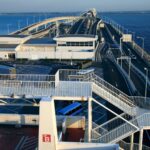
One of the highlights of driving to Mount Nokogiri is the opportunity to stop at Umihotaru, the famous rest area situated in the middle of Tokyo Bay on the Aqua-Line. It offers panoramic ocean views, excellent food courts, and souvenir shops. Many travelers make Umihotaru a planned stop on the outbound or return journey.
-
-
Umihotaru Parking Area (Umi Hotaru PA): The Complete 2026 Guide to Tokyo Bay’s Floating Rest Stop
Umihotaru Parking Area—often written as Umi Hotaru PA or Umi-hotaru—is one of the most unusual “high ...
続きを見る
Getting to Mount Nokogiri from Tokyo by Ferry
For a more scenic and leisurely approach, you can cross Tokyo Bay by ferry from Kanagawa Prefecture.
Tokyo Bay Ferry: Kurihama to Kanaya
The Tokyo Bay Ferry operates between Kurihama Port (Yokosuka, Kanagawa) and Kanaya Port (Futtsu, Chiba). The crossing takes approximately 40 minutes and drops you off just minutes from the Mount Nokogiri ropeway station. Ferry departures run roughly every 60 to 90 minutes throughout the day.
Fares in 2026 are approximately ¥800 per adult one way (foot passenger). If bringing a vehicle, the car fare varies by size but typically starts around ¥3,000 to ¥4,000 for a standard car (driver included).
To reach Kurihama Port from Tokyo, take the Keikyu Line from Shinagawa Station to Keikyu Kurihama Station (about 60 minutes, ¥640). From Keikyu Kurihama, a Keikyu bus connects to the ferry terminal in about 10 minutes.
Why Choose the Ferry?
- Unique experience of crossing Tokyo Bay with potential views of Mount Fuji on clear days
- Avoids expressway traffic and tolls
- Combines well with a visit to Yokosuka or the Miura Peninsula
- The ferry terminal at Kanaya is the closest transport hub to the ropeway entrance
Getting to Mount Nokogiri by Highway Bus

Several highway bus services connect Tokyo and Chiba with destinations along the southern Boso Peninsula. While there is no direct bus to the Mount Nokogiri trailhead, buses running from Tokyo Station or Shinjuku Expressway Bus Terminal to Kisarazu or Tateyama can get you close. From Kisarazu, you would transfer to the JR Uchibo Line for the final stretch to Hamakanaya.
This option is generally slower than train or car, but highway buses are often cheaper (around ¥1,500–¥2,500 one way to Kisarazu) and are worth considering during holiday periods when trains are crowded.
Comparison of Access Methods from Tokyo
Choosing the right transport depends on your priorities — speed, cost, scenery, or flexibility. Here is a quick comparison:
- Train (JR): ~2 hours, ¥1,980 one way. Best for solo travelers and those without a license.
- Car (via Aqua-Line): ~1.5 hours, ¥800+ in tolls (ETC). Best for groups, families, and multi-stop itineraries.
- Ferry (Kurihama–Kanaya): ~2 hours total from Shinagawa including transit to port. Best for the experience and scenic value.
- Highway Bus + Train: ~2.5–3 hours. Budget-friendly but least direct.
For groups of three or more, driving is often the most economical choice when tolls and fuel are split. The Aqua-Line crossing adds a memorable element to the journey, and having a car lets you explore the wider Boso Peninsula at your own pace — visiting coastal onsen towns, seafood markets, and scenic coastal roads that are difficult to reach by public transport.
Best Time to Visit Mount Nokogiri from Tokyo
Mount Nokogiri is a year-round destination, but certain seasons offer distinct advantages:
- Spring (March–May): Mild temperatures, cherry blossoms at lower elevations, and clear views across the bay. The trails are comfortable and crowds are moderate.
- Autumn (October–November): The mountain's most popular season. The foliage around the temple grounds and stone carvings is spectacular, but expect heavier crowds on weekends.
- Summer (June–August): Hot and humid. Start early in the morning to beat the heat. The ropeway offers a shortcut if the climb feels too strenuous.
- Winter (December–February): Cool, crisp air and the clearest views — Mount Fuji is often visible across the bay. Trails can be slippery after rain, but crowds are minimal.
Suggested Day Trip Itinerary from Tokyo
Here is a sample full-day schedule for visiting Mount Nokogiri from Tokyo in 2026:
- 7:30 AM — Depart Tokyo Station via JR Sobu Rapid Line (or depart by car via the Aqua-Line)
- 9:30 AM — Arrive at Hamakanaya Station or the parking area
- 9:45 AM — Take the ropeway up or begin the hiking trail from the base
- 10:30 AM – 1:00 PM — Explore Nihon-ji Temple, the Great Buddha, Jigoku Nozoki, and the 1,500 Rakan stone carvings
- 1:00 PM — Descend and enjoy a seafood lunch at one of the local restaurants near Kanaya Port
- 2:30 PM — Begin the return journey (optional stop at Umihotaru if driving)
- 4:30 PM — Arrive back in Tokyo
-
-
Mount Nokogiri Trailhead Guide: Access Points, Parking, and Starting Your Hike in 2026
Understanding the Mount Nokogiri Trailhead Options Mount Nokogiri (Nokogiriyama) in Chiba Prefecture ...
続きを見る

Practical Tips for the Journey
What to Bring
- Sturdy walking shoes — the stone steps inside Nihon-ji Temple are steep and can be slippery
- At least 1 liter of water per person, especially in warmer months
- Cash — some smaller shops and the temple admission (¥700) may not accept cards
- A light jacket, even in summer, as the ropeway summit can be breezy
Ropeway Information
The Nokogiriyama Ropeway operates year-round (subject to weather closures) with a round-trip fare of approximately ¥1,200 for adults. The ride takes about 4 minutes and covers the steepest section of the ascent. It is an excellent option for those who want to save energy for exploring the temple grounds at the top.
Combining with Other Boso Destinations
If you are driving, consider pairing Mount Nokogiri with nearby attractions along the Boso Peninsula: the Kamogawa Sea World, the flower-filled Tateyama coastline, or the Hota fishing port for some of the freshest sashimi in the greater Tokyo area. This kind of flexible itinerary is where having a car truly shines.
-
-
The Giant Buddha of Mount Nokogiri: Japan's Largest Stone Daibutsu in 2026
Introduction to the Mount Nokogiri Buddha Hidden within the ancient quarry walls of Mount Nokogiri i ...
続きを見る

Frequently Asked Questions
Can I do Mount Nokogiri as a half-day trip from Tokyo?
Yes. If you take an early train or drive, you can reach the mountain by 9:30 AM, explore the main highlights in about two hours, and be back in Tokyo by early afternoon. A half-day trip works best if you take the ropeway up and focus on Jigoku Nozoki and the Great Buddha.
Is a Japan Rail Pass useful for this trip?
If you already have a JR Pass for nationwide travel, it covers the JR trains to Hamakanaya Station, making this an essentially free side trip. However, purchasing a JR Pass solely for this day trip is not cost-effective.
Is Mount Nokogiri suitable for children?
Older children (roughly age 6 and above) who are comfortable with stairs can enjoy the main trail. The ropeway makes the ascent easy, but the steep stone steps within Nihon-ji Temple require caution. The mountain is not stroller-friendly.
Can I visit Mount Nokogiri and Umihotaru on the same day?
Absolutely — this is one of the most popular pairings for drivers heading to the Boso Peninsula from Tokyo. Stop at Umihotaru on the way out or back, and allocate about 30 to 45 minutes for the rest area.
Experience Japan’s Finest JDM Adventures
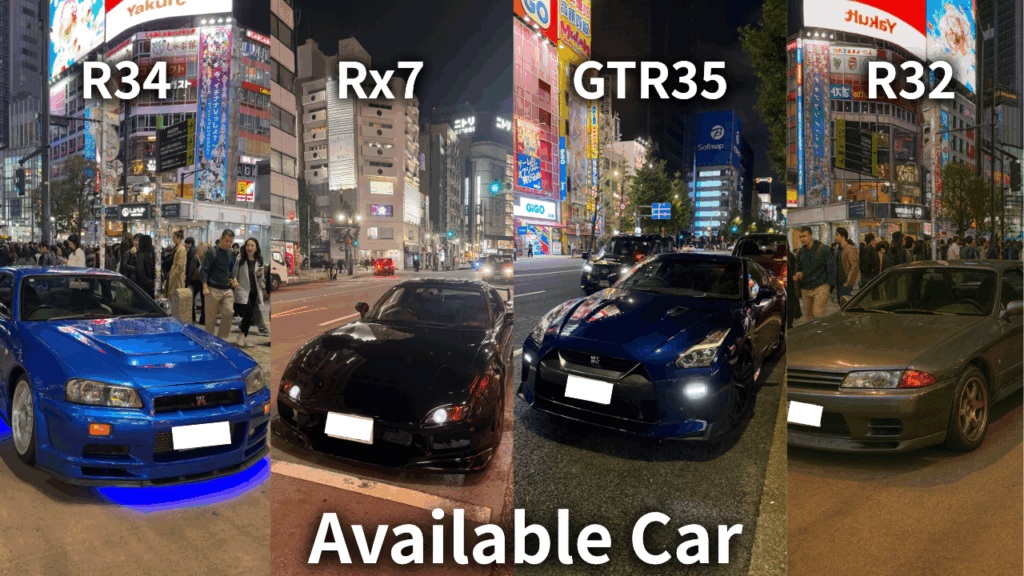
From Daikoku PA tours to JDM sports car rentals and drift experiences, we offer premium driving adventures for visitors who want more than ordinary sightseeing.
Get behind the wheel of iconic machines such as the GT-R, RX-7, and Supra, and experience Japan’s legendary car culture in the most unforgettable way. Whether you want a scenic Tokyo car experience or something more thrilling and immersive, we can guide you to the right plan.
Not sure which experience suits you best? No problem. Message us on WhatsApp and we’ll help you choose the ideal option based on your travel plans, interests, and driving experience.
Popular dates sell out quickly, so we recommend contacting us early.
Customer Reviews
Important Information
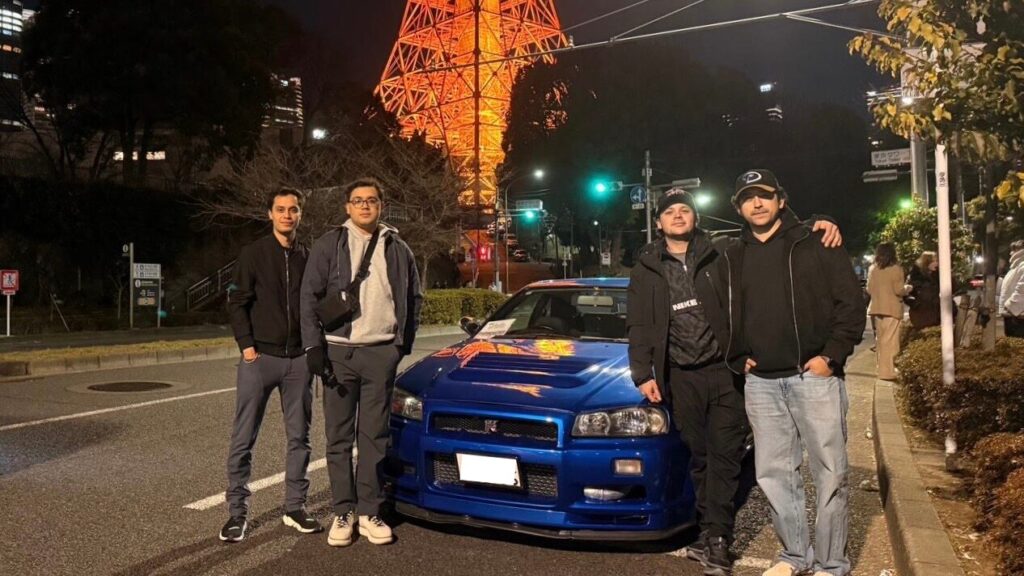
- This is a drive tour where you drive your rental car, and our guide navigates from the seat.
- This is a self-drive tour where you drive your rental car, and our guide navigates from the passenger seat.
- The tour begins and ends at the same location (Shibuya).
- If the Daikoku Parking Area is closed, we will instead guide you to another car meet further away.
- The consultant is a cultural expert and navigator, not a taxi service.
