
Where Exactly Is Fuji Speedway Located?
Fuji Speedway is located in the town of Oyama, Sunto District, Shizuoka Prefecture, Japan. Its official address is 694 Nakahinata, Oyama, Sunto-gun, Shizuoka 410-1307. The circuit sits at the southeastern foot of Mount Fuji, nestled into the rolling hills that separate the Kanto and Chubu regions. At an elevation of roughly 550 to 620 meters above sea level, the track enjoys cooler temperatures than coastal cities and — on clear days — provides breathtaking views of Japan's most iconic peak directly behind the main grandstand.
In geographic coordinates, Fuji Speedway is positioned at approximately 35.3726° N, 138.9275° E. This places it in a somewhat rural corridor of western Shizuoka Prefecture, just a few kilometers from the Kanagawa Prefecture border. Despite its countryside setting, the circuit is remarkably accessible from both Tokyo and the wider Kanto area, which is one of the main reasons it has remained one of Japan's premier motorsport venues for over six decades.
-

-
Fuji Speedway: The Complete 2026 Guide to Japan's Legendary Racing Circuit
What Is Fuji Speedway? Fuji Speedway is one of Japan's most iconic motorsport circuits, located at t ...
続きを見る

Fuji Speedway's Position Relative to Tokyo and Nearby Landmarks
One of the most frequently asked questions about the Fuji Speedway location is how far it is from Tokyo. The circuit sits approximately 100 kilometers southwest of central Tokyo (Shinjuku) — a distance that translates to roughly 90 minutes by car under normal traffic conditions, or just under two hours via public transport. This proximity to the capital makes it one of the most conveniently located international-grade racing circuits in the world.
Key Distance References
- Tokyo (Shinjuku): ~100 km / 90–120 minutes by car
- Yokohama: ~85 km / 75–100 minutes by car
- Gotemba city center: ~12 km / 20 minutes by car
- Gotemba Premium Outlets: ~8 km / 15 minutes by car
- Hakone: ~25 km / 40 minutes by car
- Lake Kawaguchiko: ~40 km / 50 minutes by car
- Mount Fuji 5th Station (Subashiri route): ~25 km / 45 minutes by car
The circuit's location essentially places it at a crossroads of popular tourist destinations. Visitors heading to Fuji Speedway can easily combine their trip with stops at Hakone's hot springs, the Fuji Five Lakes region, Gotemba Premium Outlets, or even a Mount Fuji sightseeing excursion.
-
-
Where Is Mt Fuji? Exact Location, Prefectures & How to Get There in 2026
Where Is Mt Fuji Located in Japan? Mt Fuji — Japan's tallest peak at 3,776 meters (12,389 feet) — st ...
続きを見る
How to Get to Fuji Speedway from Tokyo by Car
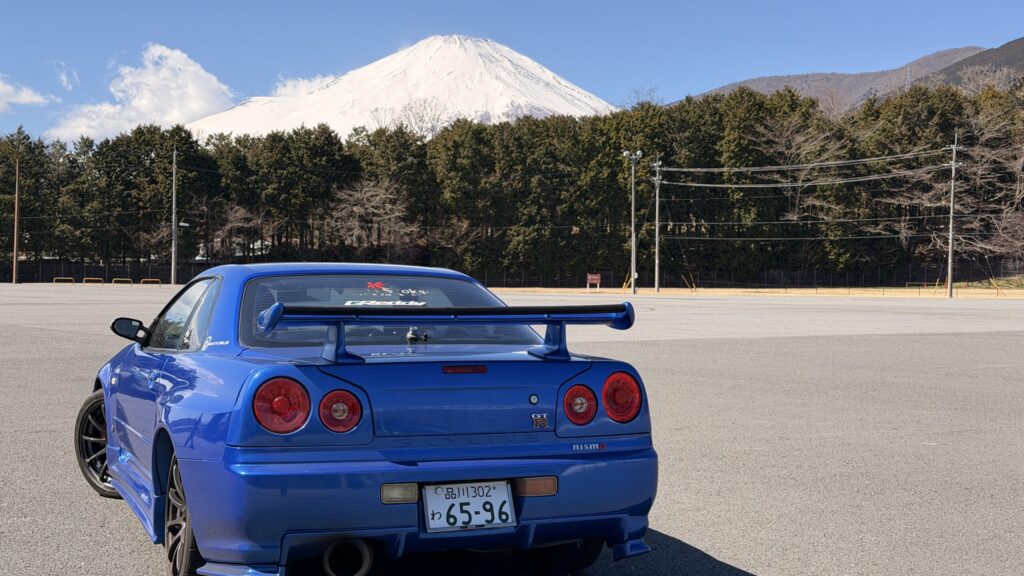
Driving is the most popular and practical way to reach Fuji Speedway, especially on event days when you want the flexibility to arrive early and leave on your own schedule. The standard route from central Tokyo is straightforward:
Recommended Driving Route
- Depart Tokyo via the Tomei Expressway (東名高速道路).
- Continue southwest past Yokohama and Atsugi.
- Exit at the Gotemba IC (御殿場インターチェンジ).
- From Gotemba IC, follow Route 246 and local road signs toward Fuji Speedway — the circuit is approximately 12 km (about 20 minutes) from the interchange.
Alternatively, you can take the Shin-Tomei Expressway for a slightly newer, less congested road surface on parts of the journey. The total toll cost from Tokyo via the Tomei Expressway typically ranges from ¥2,500 to ¥3,500 one way for a standard vehicle, depending on your exact entry point and whether you use an ETC card (which provides discounts).
Parking at Fuji Speedway
Fuji Speedway has multiple large parking areas that can accommodate thousands of vehicles. During major events like Super GT, SUPER FORMULA, or the World Endurance Championship (WEC), parking is generally included in the admission ticket or available for a modest fee (typically ¥1,000–¥2,000). On non-event days or for driving experiences, free parking is usually available near the main gate.
For automotive enthusiasts visiting Japan, driving to Fuji Speedway in a JDM car adds an extra dimension of excitement. Taking the Tomei Expressway in a Skyline GT-R or Supra — the same roads these cars were originally built for — is an experience that many car fans describe as unforgettable.
How to Get to Fuji Speedway by Train and Bus
If driving is not an option, Fuji Speedway is still accessible by public transportation, though it requires a combination of train and bus or taxi.
Step-by-Step Public Transport Route
- Step 1: Take the JR Tokaido Shinkansen (bullet train) from Tokyo Station or Shinagawa Station to Mishima Station. The Kodama service takes approximately 55 minutes. The Hikari service reaches Mishima in about 45 minutes.
- Step 2: From Mishima Station, transfer to the JR Gotemba Line and ride to Gotemba Station (approximately 35 minutes).
- Step 3: From Gotemba Station, take a Fujikyu bus or taxi to Fuji Speedway (approximately 20 minutes).
On major race weekends, special shuttle buses are typically operated between Gotemba Station and the circuit. These run at frequent intervals and cost around ¥500–¥800 one way. Be sure to check the event's official page for shuttle timetables, as they vary depending on the race schedule.
Alternative Train Route via Odakyu Line
A budget-friendly alternative is to take the Odakyu Romance Car from Shinjuku Station to Matsuda Station, then transfer to the JR Gotemba Line toward Gotemba Station. This route avoids Shinkansen fares and costs significantly less, though the total travel time is longer (approximately 2.5 hours).
The Surrounding Area: What Is Near Fuji Speedway?
The Fuji Speedway location puts visitors in one of the most scenic and activity-rich corridors in the greater Tokyo region. Here are the key attractions within easy reach:
Gotemba Premium Outlets
Japan's largest outlet shopping mall is just 15 minutes from the circuit. With over 200 stores offering international and Japanese fashion brands, it's a popular stop before or after race days. The outlets also feature one of the most photographed Mount Fuji viewing spots in the country.
Hakone
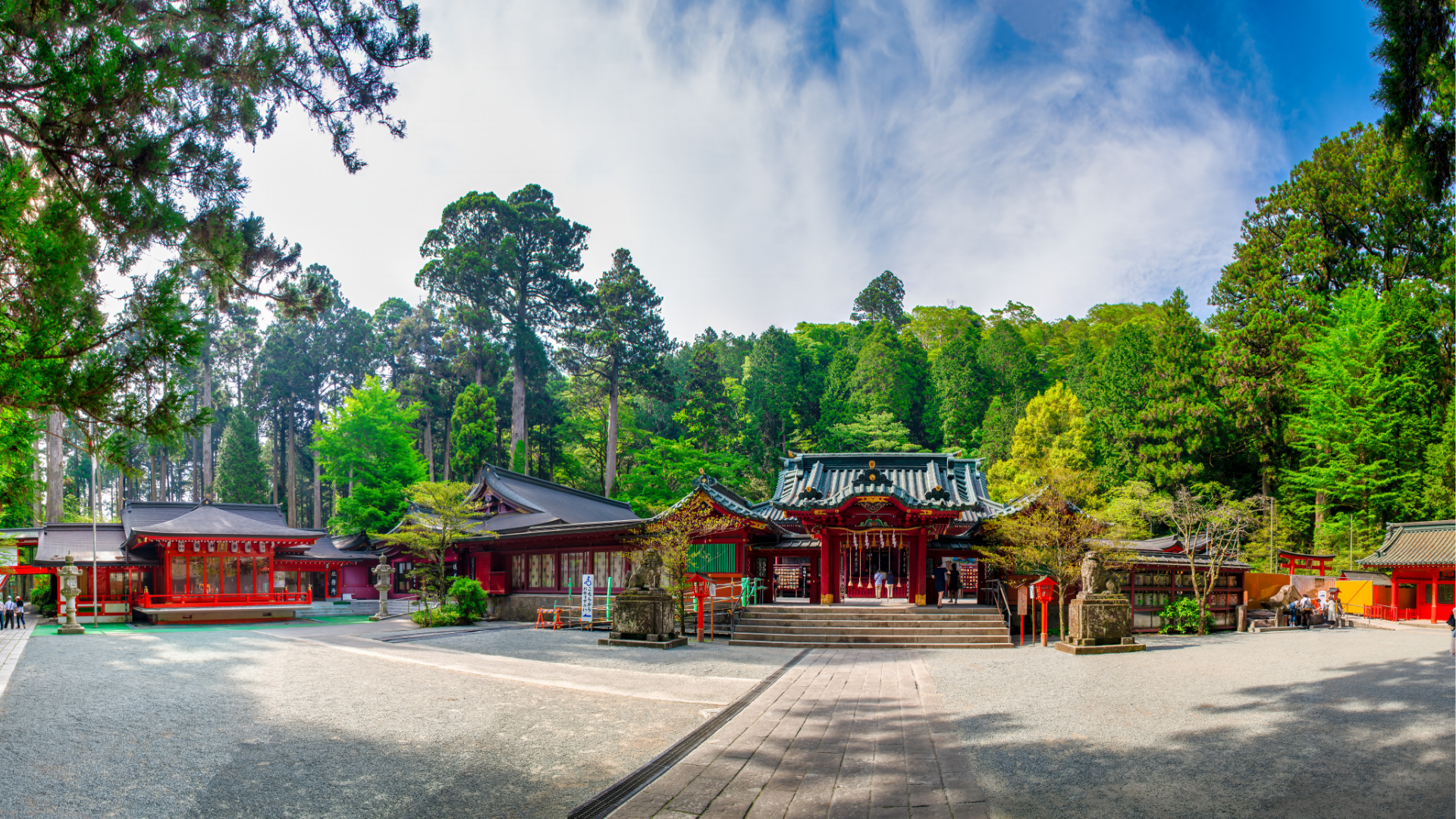
The famous hot spring resort town of Hakone is approximately 40 minutes south of Fuji Speedway. Visitors can enjoy onsen baths, the Hakone Open-Air Museum, Lake Ashi boat cruises, and the Hakone Ropeway with stunning volcanic valley views.
-

-
Rent a Car Tokyo to Hakone Onsen: Complete Driving Guide for Visitors
Why Drive from Tokyo to Hakone Onsen? Renting a car gives you door‑to‑door access to hot spring town ...
続きを見る
Mount Fuji Viewing and Activities
Being at the base of Mount Fuji, the speedway area offers exceptional views year-round. The Subashiri 5th Station trail entrance is just 25 km away, and during the official climbing season (July–September), many motorsport fans combine a race visit with a Fuji hike or sightseeing trip.
-
-
Best View of Mt Fuji in 2026: 15 Stunning Viewpoints You Cannot Miss
Why Finding the Best View of Mt Fuji Matters Mount Fuji is Japan's most iconic natural landmark, yet ...
続きを見る
Lake Yamanaka and Fuji Five Lakes
Lake Yamanaka, the closest of the Fuji Five Lakes, is about 30 minutes north of the circuit. It's an excellent spot for waterside relaxation, camping, and clear Fuji reflections — particularly spectacular in the early morning hours.
Climate and Best Time to Visit Fuji Speedway
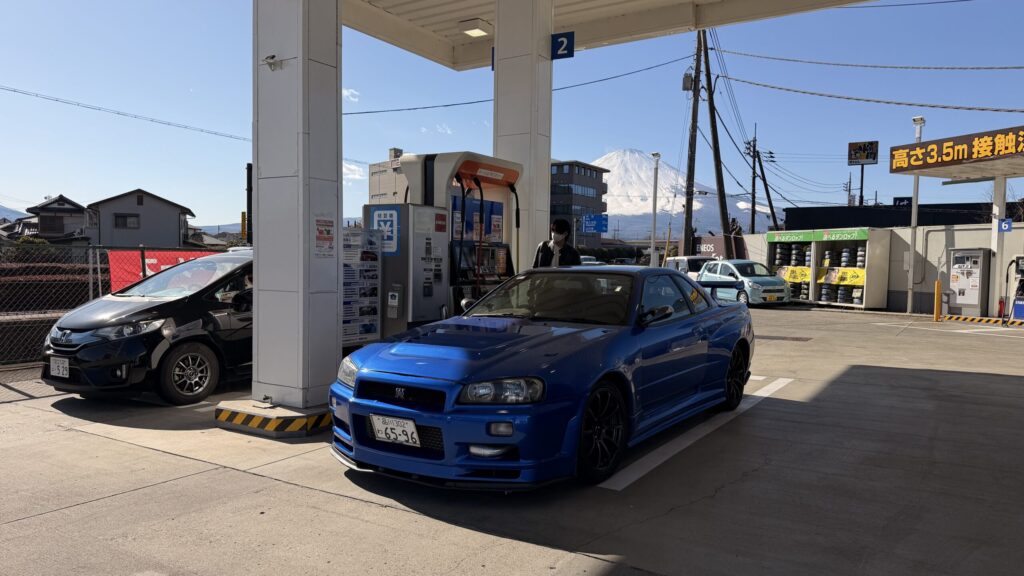
Due to its elevated position at the base of Mount Fuji, the Fuji Speedway location experiences a climate that is distinctly cooler than Tokyo, particularly in winter and during transitional seasons.
- Spring (March–May): Daytime temperatures range from 8°C to 20°C. Cherry blossoms appear in mid to late April. The Super GT series often holds an early-season round during this period.
- Summer (June–August): Temperatures reach 25°C to 30°C but feel more comfortable than Tokyo due to the elevation. This is peak motorsport season, with multiple events scheduled.
- Autumn (September–November): Arguably the best time to visit. Clear skies provide the highest probability of Mount Fuji being visible behind the track. Temperatures range from 10°C to 22°C, and the surrounding forests display vivid autumn foliage.
- Winter (December–February): Cold conditions with temperatures often dropping below 0°C overnight. Occasional snowfall is possible. Fewer major events, but the crisp air and snow-capped Fuji make winter visits visually stunning.
It is worth noting that fog and low clouds can roll in quickly at this elevation, especially in summer mornings. For spectators, bringing layers is always advisable regardless of the season.
Fuji Speedway's History and Why Location Matters
Fuji Speedway opened in 1966, originally conceived as a NASCAR-style superspeedway. Its location at the foot of Mount Fuji was chosen deliberately — the relatively flat terrain at this elevation was ideal for constructing a high-speed oval, and the proximity to Tokyo ensured a large potential audience. The original 6-kilometer layout included a fearsome 30-degree banked turn that was later removed due to safety concerns.
Over the decades, the circuit has evolved into a modern FIA Grade 1 facility. Toyota purchased the circuit in 2000 and invested heavily in renovations, resulting in the current 4.563-kilometer layout that hosted the Formula 1 Japanese Grand Prix in 2007 and 2008. Today, Fuji Speedway remains one of the anchor venues for Japanese motorsport, hosting WEC, Super GT, SUPER FORMULA, and numerous grassroots events throughout the year.
The strategic Fuji Speedway location also played a role in its selection as the cycling road race venue for the Tokyo 2020 Olympics (held in 2021), further cementing its status as a world-class sporting facility.
Fuji Speedway Hotel and Accommodation Options
In 2022, the Fuji Speedway Hotel — managed by Hyatt's Unbound Collection — opened directly adjacent to the circuit. This luxury hotel features rooms with views of the track and Mount Fuji, a motorsport museum, and a private racing simulator. It is the only hotel of its kind in Japan and a destination in itself for automotive enthusiasts.
For more budget-friendly options, the town of Gotemba offers numerous business hotels, ryokan (traditional inns), and chain hotels. Typical rates range from ¥6,000 to ¥15,000 per night. During major race weekends, accommodations book up quickly, so reserving well in advance — ideally two to three months ahead — is strongly recommended.
Visitors who prefer a hot spring experience can stay in the Hakone area and make the 40-minute drive to the circuit on event day.
Tips for First-Time Visitors to Fuji Speedway
- Check the event calendar: The official Fuji Speedway website lists all 2026 events. Free admission track days and affordable club events run throughout the year alongside major international races.
- Arrive early on race days: Traffic on the Tomei Expressway and local roads near the circuit can be heavy, particularly for Super GT and WEC rounds. Arriving before 7:00 AM is advisable for the best parking spots and paddock access.
- Bring binoculars and ear protection: The grandstands are well-positioned, but binoculars enhance the experience significantly. GT cars and formula cars generate substantial noise levels, so earplugs or noise-reducing headphones are recommended.
- Explore the Fuji Speedway Museum: Located within the hotel complex, this museum showcases historic racing cars including Le Mans prototypes and Toyota's motorsport heritage. It's open to non-hotel guests.
- Combine with a road trip: The circuit's location makes it a natural stop on a broader Hakone–Fuji Five Lakes driving itinerary. A two or three-day trip combining the speedway, Hakone onsen, and Mount Fuji sightseeing is one of the best ways to experience this region.
Experience Japan’s Finest JDM Adventures
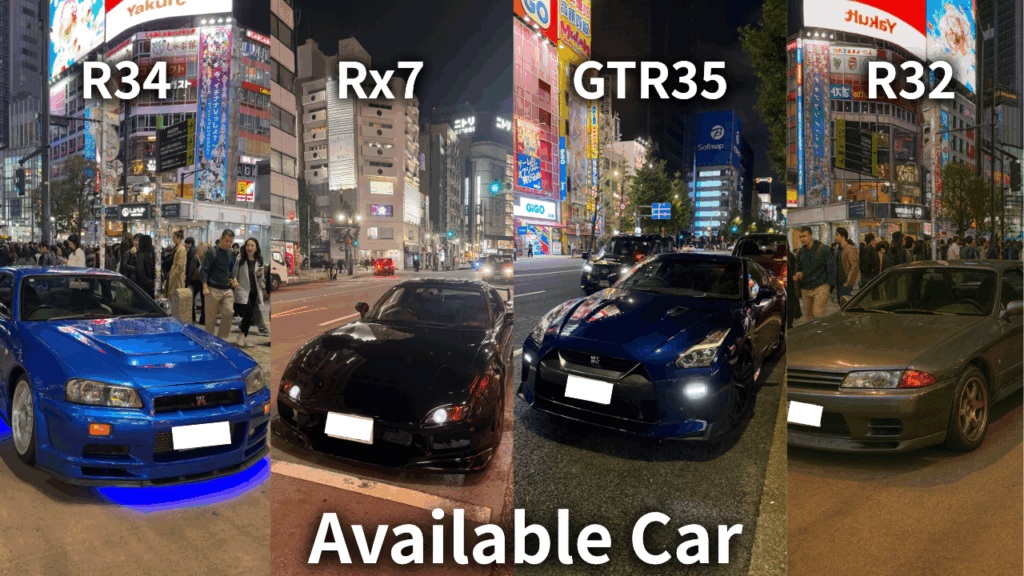
From Daikoku PA tours to JDM sports car rentals and drift experiences, we offer premium driving adventures for visitors who want more than ordinary sightseeing.
Get behind the wheel of iconic machines such as the GT-R, RX-7, and Supra, and experience Japan’s legendary car culture in the most unforgettable way. Whether you want a scenic Tokyo car experience or something more thrilling and immersive, we can guide you to the right plan.
Not sure which experience suits you best? No problem. Message us on WhatsApp and we’ll help you choose the ideal option based on your travel plans, interests, and driving experience.
Popular dates sell out quickly, so we recommend contacting us early.
Customer Reviews
Important Information
- This is a drive tour where you drive your rental car, and our guide navigates from the seat.
- This is a self-drive tour where you drive your rental car, and our guide navigates from the passenger seat.
- The tour begins and ends at the same location (Shibuya).
- If the Daikoku Parking Area is closed, we will instead guide you to another car meet further away.
- The consultant is a cultural expert and navigator, not a taxi service.
