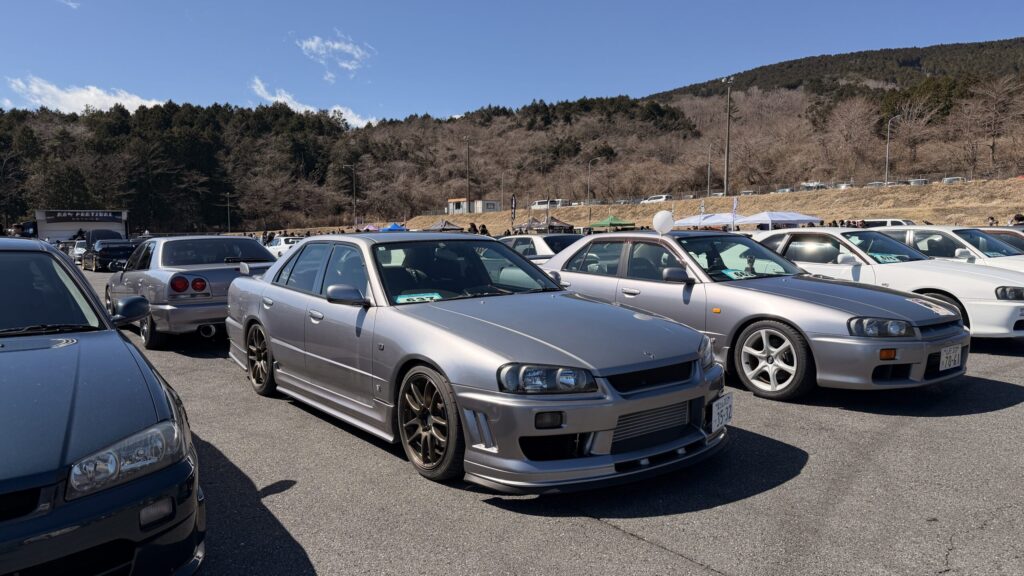
Why Fuji Speedway Is a World-Class Drift Destination
Fuji Speedway, nestled at the base of Mount Fuji in Shizuoka Prefecture, is renowned primarily for its 4.563-kilometer FIA Grade 1 circuit. However, what many international visitors may not realize is that the facility also hosts a vibrant drift scene that draws professional drivers, amateur enthusiasts, and thousands of spectators throughout the year. The combination of purpose-built drift courses, legendary D1 Grand Prix rounds, and grassroots open-track days makes Fuji Speedway one of the premier locations in Japan — and the world — to experience the art of drifting firsthand.
-

-
Fuji Speedway: The Complete 2026 Guide to Japan's Legendary Racing Circuit
What Is Fuji Speedway? Fuji Speedway is one of Japan's most iconic motorsport circuits, located at t ...
続きを見る

Drift Events Held at Fuji Speedway in 2026
Fuji Speedway hosts several major drift events each season, ranging from professional championships to amateur track days. Here are the key events to know about in 2026.
D1 Grand Prix Rounds
The D1 Grand Prix — Japan's most prestigious professional drift series — regularly schedules rounds at Fuji Speedway. These events feature top-tier drivers piloting heavily modified machines with upwards of 1,000 horsepower, executing tandem battles on the circuit's challenging corners. The D1 rounds at Fuji typically take place between spring and autumn, with exact dates published on the official D1GP and Fuji Speedway event calendars.
Formula Drift Japan
Formula Drift Japan (FDJ) has become an increasingly prominent fixture on the Japanese motorsport calendar. When Fuji Speedway is included in the FDJ schedule, it attracts an international roster of drivers and a massive fan following. The judging criteria focus on line, angle, style, and speed — making for spectacular viewing from the grandstands.
Fuji Drift — Grassroots and Amateur Events
Beyond the professional series, Fuji Speedway regularly hosts grassroots drift days organized by various motorsport clubs and event promoters. These open-entry sessions allow amateur drivers to bring their own cars — from S13 Silvias and AE86s to JZX100 Chasers and RX-7s — and practice drifting on designated areas of the circuit. Some events use the Drift Course or the Short Circuit specifically configured for sideways action.
Mega Web Fest and Multi-Discipline Motorsport Festivals
Fuji Speedway occasionally hosts large-scale automotive festivals that combine drifting with time attack, car shows, and vendor villages. These events often attract tens of thousands of visitors and provide a comprehensive JDM motorsport experience in a single day.
Fuji Speedway's Drift Course Layout
Fuji Speedway offers more than just the main Grand Prix circuit for drift activities. The facility includes dedicated areas that are configured for drifting depending on the event:
- Main Circuit (Sections): Professional events like D1GP typically use specific sections of the full Grand Prix layout, particularly the technical corners after the 1.475-kilometer main straight. The high entry speeds into Turn 1 create some of the most dramatic drift entries in all of motorsport.
- Short Circuit: A 2.0-kilometer course within the Fuji Speedway complex that is frequently used for amateur drift days. Its tighter layout rewards car control and transition speed over raw horsepower.
- Drift Course / Parking Lot Sessions: Some grassroots events utilize dedicated flat areas within the venue for low-speed practice, perfect for beginners learning the fundamentals of clutch-kick and feint-motion techniques.
How to Watch Drift Events at Fuji Speedway
Attending a drift event at Fuji Speedway as a spectator is a bucket-list experience for JDM enthusiasts visiting Japan. Here is what you need to know to plan your visit.
Buying Tickets
Tickets for professional events like D1GP and Formula Drift Japan are typically sold through the official event websites, Japanese ticketing platforms such as e-plus or Ticket Pia, and sometimes at convenience stores via Loppi or Famiport terminals. Prices for D1GP events at Fuji generally range from ¥4,000 to ¥8,000 for general admission, with premium grandstand and paddock passes available at higher price points. Grassroots events are often free or have a nominal spectator fee of ¥1,000 to ¥2,000.
-
-
How to Buy Fuji Speedway Tickets in 2026: Prices, Types & Booking Tips
Fuji Speedway Tickets: Everything You Need to Know in 2026 Fuji Speedway is one of Japan's most icon ...
続きを見る

Getting to Fuji Speedway
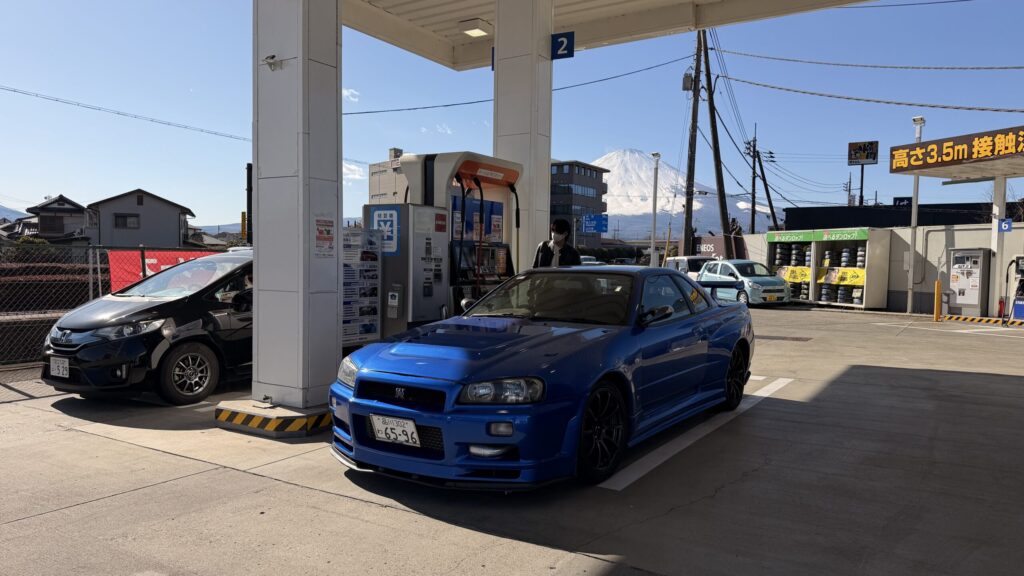
Fuji Speedway is located in Oyama, Shizuoka Prefecture, roughly 90 minutes from central Tokyo by car via the Tomei Expressway. The Gotemba interchange is the nearest major highway exit. Public transportation options include JR trains to Gotemba Station followed by a taxi or shuttle bus (offered during major events). However, driving offers the most flexibility — especially if you plan to explore the surrounding Mt. Fuji area before or after the event.
-
-
How to Get to Fuji Speedway From Tokyo: Every Transport Option Explained (2026)
Overview: Tokyo to Fuji Speedway Distance and Travel Time Fuji Speedway is located in Oyama, Shizuok ...
続きを見る
What to Bring
Fuji Speedway is an outdoor venue, and weather conditions near the base of Mt. Fuji can change rapidly. Recommended items include:
- Rain gear or a poncho (even in summer, afternoon showers are common)
- Sunscreen and a hat for sunny days
- Ear protection — drift cars, especially rotary-powered machines, are extremely loud
- A camera with a telephoto lens for capturing high-speed action
- Cash — some food vendors and merchandise stalls may not accept cards
Can You Drift at Fuji Speedway?
Yes, but there are important requirements and limitations to understand. Fuji Speedway is not a "show up and drift" facility. Track time must be booked through an organized event or rental session.
Requirements for Driving
- Valid Driving License: A Japanese driving license or an International Driving Permit (IDP) that is recognized in Japan is mandatory.
- Vehicle Safety Inspection: If bringing your own car, it must pass a basic safety inspection (tire condition, fluid leaks, battery security, and roll bar for certain events).
- Helmet: A helmet meeting at least SNELL SA2015 or FIA 8859-2015 standards is required for all on-track activities.
- Event Registration: Pre-registration through the event organizer is almost always required. Walk-up participation is rare.
Track Day Rentals and Experience Programs
For visitors who do not have a car in Japan, some experience programs and driving schools at Fuji Speedway offer rental vehicles that can be used on track. These programs vary in scope — some focus on grip driving rather than drifting — so it is essential to confirm drift-specific availability when booking.
-
-
Fuji Speedway Track Experience: What to Expect and How to Get on Track in 2026
Why Fuji Speedway Offers One of Japan's Best Track Experiences Fuji Speedway is not just another rac ...
続きを見る

The Cars You Will See Drifting at Fuji Speedway
The drift paddock at Fuji Speedway reads like a JDM dream garage. Here are the most commonly spotted platforms:
- Nissan Silvia (S13, S14, S15): The quintessential drift car, prized for its lightweight chassis and the SR20DET engine's tuning potential.
- Nissan 180SX / 240SX: Closely related to the Silvia, these hatchback variants are just as popular and often run turbocharged RB or LS swaps.
- Toyota AE86 Sprinter Trueno / Corolla Levin: The car that Takumi Fujiwara made famous in Initial D. Lightweight and nimble, the AE86 remains a beloved drift machine.
- Mazda RX-7 (FC3S, FD3S): The rotary-powered RX-7 delivers a unique exhaust note and near-perfect weight distribution, making it a crowd favorite.
- Toyota JZX90 / JZX100 Mark II / Chaser / Cresta: Four-door drift missiles powered by the 1JZ-GTE turbo inline-six. Affordable and effective.
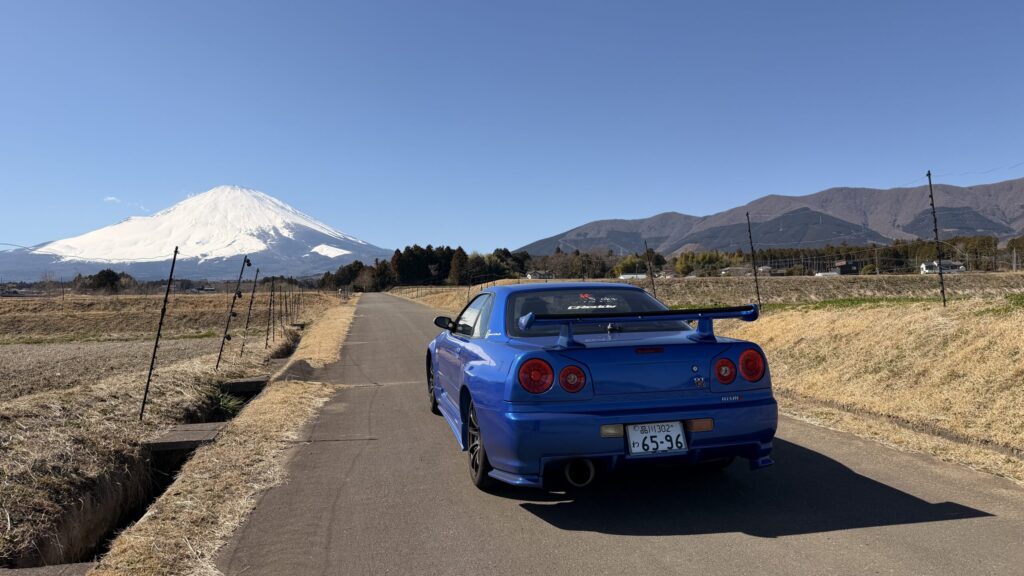
- Nissan Skyline (R32, R33, R34): While often associated with grip racing and GT classes, RB-powered Skylines converted to rear-wheel drive are increasingly common in drift events.
- Toyota Supra (JZA80): The 2JZ-powered A80 Supra appears at professional events with enormous power figures, often exceeding 800 horsepower.
At professional D1GP rounds, you will also see purpose-built drift machines running V8 swaps, sequential gearboxes, and massive hydraulic handbrake setups — a far cry from street-legal road cars but thrilling to witness.
Drift Culture and JDM Heritage at Fuji Speedway
Drifting at Fuji Speedway is more than a motorsport discipline — it is a cultural experience deeply rooted in Japanese automotive heritage. The sport originated on mountain passes (touge) across Japan in the 1970s and 1980s before migrating to organized circuit events. Fuji Speedway, with its history dating back to 1966, has been intertwined with Japanese motorsport culture for decades.
Attending a drift event here offers a window into the broader world of JDM culture: the meticulous car builds, the community spirit of the paddock, the artistry of smoke-filled tandem runs, and the uniquely Japanese blend of precision engineering and expressive driving style. It is an experience that connects directly to the street-level car culture you will find at meets around Tokyo.
-
-
JDM Drift: The Definitive Guide for Visitors (Daikoku PA Edition)
JDM drift is more than smoking tires and counter‑steer angles—it’s a living subculture that blends e ...
続きを見る
Tips for First-Time Visitors to a Fuji Speedway Drift Event
- Arrive Early: Gates for major events open in the morning, and paddock access is often on a first-come, first-served basis. Arriving early gives you the best vantage points and time to explore the pit area.
- Check the Schedule: Drift events at Fuji Speedway run on a detailed timetable with practice, qualifying, and final battles. Knowing the schedule helps you catch the most exciting sessions.
- Explore the Paddock: Many events offer open paddock access where you can see the cars up close, meet drivers, and watch mechanics make adjustments between runs.
- Combine with Area Attractions: Fuji Speedway is located near Lake Yamanaka, Gotemba Premium Outlets, and of course Mount Fuji itself. Consider making a full day or weekend trip to maximize the experience.
- Respect the Rules: Stay behind barriers, do not cross the track, and follow the instructions of marshals at all times. Japanese circuits maintain strict safety protocols.
Fuji Speedway Drift vs. Other Japanese Drift Venues
Japan has no shortage of iconic drift venues, but Fuji Speedway holds a unique position among them. Here is how it compares:
- Ebisu Circuit (Fukushima): Often called the drift mecca of Japan, Ebisu offers multiple dedicated drift courses and a more relaxed, grassroots atmosphere. Fuji Speedway provides a more polished, professional-grade experience.
- Tsukuba Circuit (Ibaraki): Known primarily for time attack, Tsukuba hosts occasional drift events but lacks the sprawling facilities and dramatic backdrop of Fuji.
- Meihan Sportsland (Mie): A grassroots drift paradise in the Kansai region. Smaller scale than Fuji, but with a dedicated and passionate drift community.
- Nikko Circuit (Tochigi): A popular drift venue closer to Tokyo with a dedicated drift course, though it lacks the FIA-grade infrastructure of Fuji Speedway.
Fuji Speedway's advantage lies in its proximity to Tokyo, world-class facilities, the stunning Mt. Fuji backdrop, and the sheer scale of events it can accommodate. For international visitors with limited time in Japan, it offers the most complete drift-spectating experience within easy reach of the capital.
Planning Your Fuji Speedway Drift Trip from Tokyo
A drift event at Fuji Speedway can be comfortably incorporated into a broader Tokyo-area itinerary. The drive from central Tokyo takes approximately 90 minutes under normal traffic conditions, making it feasible as a day trip. For those who want to stay overnight, several hotels — including the Fuji Speedway Hotel — are located within or near the circuit grounds.
If you are traveling by car, the route via the Tomei Expressway passes through scenic Kanagawa and Shizuoka countryside, with the option to stop at Hakone or Gotemba along the way. Driving a JDM car to a drift event at Fuji Speedway is, for many enthusiasts, the ultimate way to complete the pilgrimage.
Experience Japan’s Finest JDM Adventures
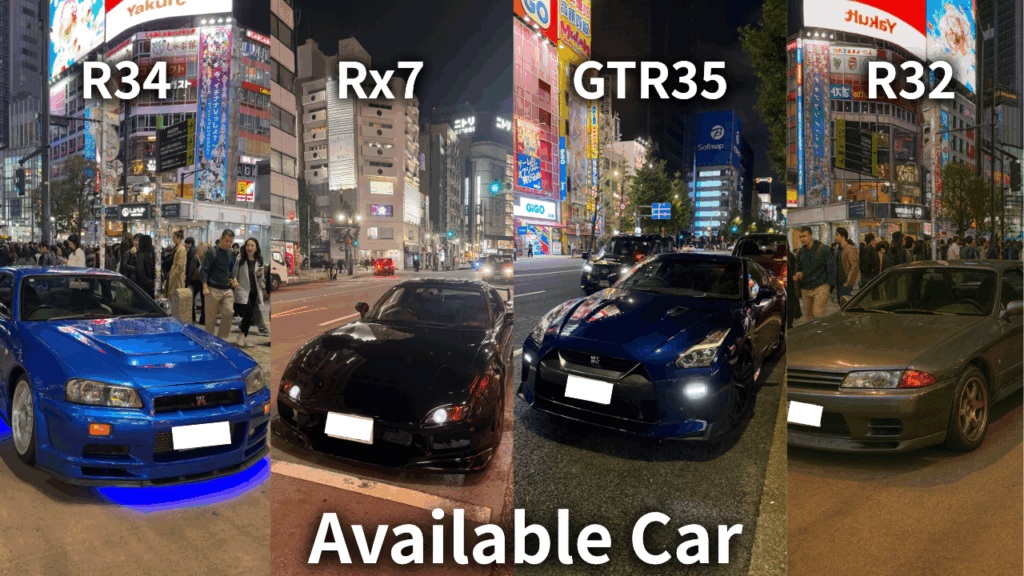
From Daikoku PA tours to JDM sports car rentals and drift experiences, we offer premium driving adventures for visitors who want more than ordinary sightseeing.
Get behind the wheel of iconic machines such as the GT-R, RX-7, and Supra, and experience Japan’s legendary car culture in the most unforgettable way. Whether you want a scenic Tokyo car experience or something more thrilling and immersive, we can guide you to the right plan.
Not sure which experience suits you best? No problem. Message us on WhatsApp and we’ll help you choose the ideal option based on your travel plans, interests, and driving experience.
Popular dates sell out quickly, so we recommend contacting us early.
Customer Reviews
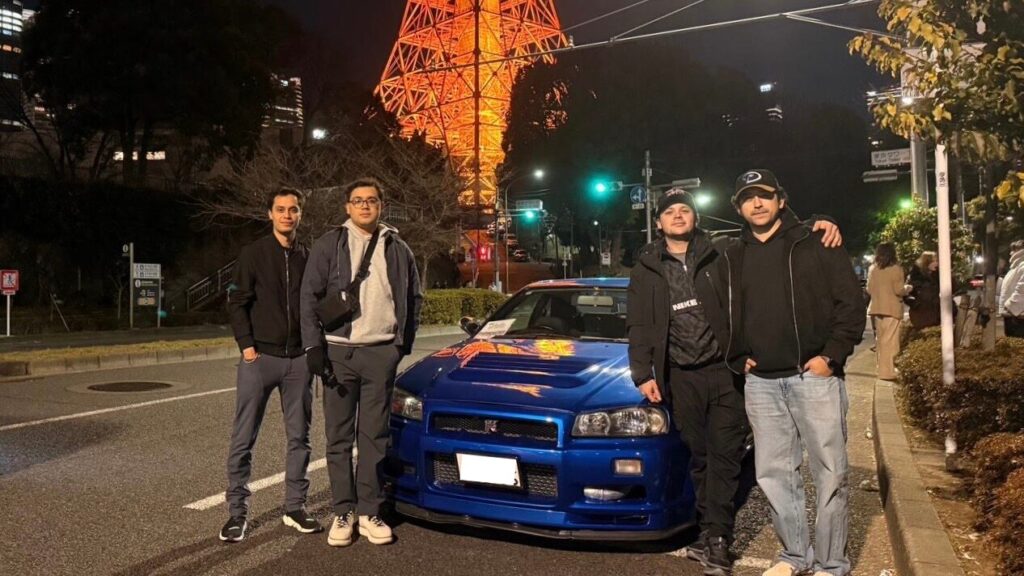
Important Information
- This is a drive tour where you drive your rental car, and our guide navigates from the seat.
- This is a self-drive tour where you drive your rental car, and our guide navigates from the passenger seat.
- The tour begins and ends at the same location (Shibuya).
- If the Daikoku Parking Area is closed, we will instead guide you to another car meet further away.
- The consultant is a cultural expert and navigator, not a taxi service.
