Fuji Speedway in Forza Motorsport — A Legendary Japanese Circuit Goes Digital
Fuji Speedway is one of the most iconic motorsport venues in Japan, and its inclusion in Forza Motorsport has made it a favorite among virtual racers worldwide. Nestled at the base of Mount Fuji in Shizuoka Prefecture, the real circuit has hosted Formula 1, Super GT, the World Endurance Championship, and countless other prestigious events. In Forza Motorsport, the track is recreated with stunning fidelity, giving players a chance to experience its long straights, technical corners, and dramatic elevation changes from their living rooms.
This guide covers everything you need to know about racing Fuji Speedway in Forza Motorsport in 2026 — from the available track layouts and racing strategies to how the virtual version compares with the real-life circuit in Japan.
-

-
Fuji Speedway: The Complete 2026 Guide to Japan's Legendary Racing Circuit
What Is Fuji Speedway? Fuji Speedway is one of Japan's most iconic motorsport circuits, located at t ...
続きを見る

Track Layouts Available in Forza Motorsport
Forza Motorsport features multiple configurations of Fuji Speedway, allowing players to experience the circuit's versatility. Each layout emphasizes different driving skills and vehicle setups.
Full Grand Prix Circuit
The Grand Prix layout is the headline configuration — the same 4.563-kilometer circuit used for WEC and Super GT events. It features the famous 1.475-kilometer main straight, one of the longest in international motorsport, followed by the demanding first-corner complex. The full layout includes 16 turns that test braking precision, throttle management, and aerodynamic setup. In Forza Motorsport, this is where high-performance GT cars and prototype-class vehicles truly shine.
Short Course and Sprint Layouts
Shorter configurations cut out portions of the infield, creating faster, more compact racing experiences. These layouts are ideal for multiplayer sprint races or when you want to practice specific sections of the circuit. The reduced lap distance means races are more aggressive, with less time to recover from mistakes.
Mastering Fuji Speedway: Corner-by-Corner Strategy
Success at Fuji Speedway in Forza Motorsport depends on understanding the unique character of each section. The track rewards a balance between top-speed optimization and cornering stability.
The Main Straight and Turn 1
The main straight is where you build massive speed, often exceeding 280 km/h in higher-class vehicles. The braking zone for Turn 1 is one of the most critical points on the entire lap. Brake too early and you lose time; brake too late and you run wide, compromising your exit through the TGR (Toyota Gazoo Racing) corner complex. In Forza Motorsport, using trail braking — gradually releasing the brake as you turn in — is essential here to maintain momentum.
The Coca-Cola Corner (Turn 3)
After navigating Turns 1 and 2, you arrive at the sweeping right-hander commonly known as the Coca-Cola Corner. This is a high-speed bend that demands confidence and precise car placement. In Forza, it is vital to carry speed through this corner without scrubbing too much on the exit, as it feeds into another short straight.
100R and the Dunlop Chicane
The 100R is a fast, flowing left-hander that challenges your aerodynamic setup. Downforce-heavy tunes will allow you to maintain more speed through this section, while low-downforce setups optimized for straight-line speed will require a lift or slight brake. Immediately after, the Dunlop Chicane demands quick direction changes. Getting the chicane right sets up a good run through the remaining infield corners.
The Final Sector and Last Corner
The final corners at Fuji Speedway are tight and technical. A clean exit from the last turn is crucial because it determines your speed along the massive main straight. In competitive Forza Motorsport lobbies, the difference between a podium finish and mid-pack mediocrity often comes down to how well you manage this transition.
Recommended Car Tunes and Classes
Fuji Speedway's layout favors cars with strong straight-line speed and adequate downforce. Here are some recommendations for different performance classes in Forza Motorsport.
GT Class (Road Cars and Tuned JDM Icons)
Japanese domestic market legends like the Nissan GT-R R35, Toyota Supra A90, and Mazda RX-7 FD3S are popular choices for GT-class racing at Fuji. These cars respond well to balanced tunes that prioritize acceleration and braking stability. A slightly lower rear wing angle can help on the main straight without sacrificing too much mid-corner grip.
Prototype and Race Cars
For the ultimate Fuji experience, race-spec vehicles like the Toyota GR010 Hybrid or Nissan GT-R LM Nismo allow you to push the circuit to its limits. These cars exploit the long straight while generating enough downforce to handle the high-speed sweepers with confidence.
Tuning Tips for Fuji
- Gearing: Set your final drive ratio to ensure you reach peak speed by the end of the main straight without sacrificing low-end acceleration for corner exits.
- Suspension: A moderately stiff setup helps manage weight transfer through the chicane and slow-speed infield sections.
- Brakes: Shift brake bias slightly toward the front to maximize stopping power for the Turn 1 braking zone.
- Aero: Use medium downforce — enough for the fast sweepers but not so much that it kills straight-line speed.
How Forza Motorsport's Fuji Compares to the Real Circuit
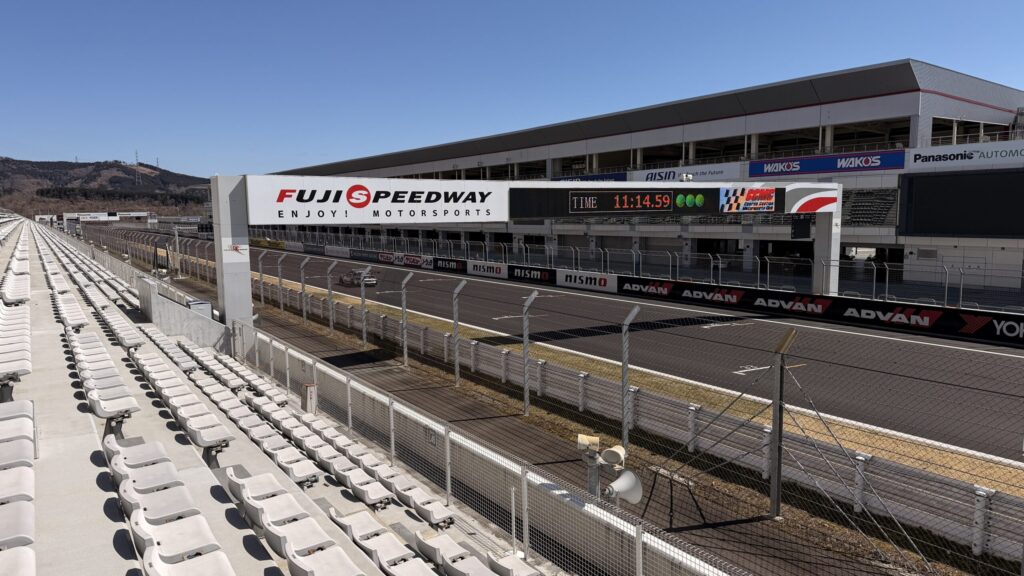
Turn 10 Studios is known for laser-scanning real-world tracks, and Fuji Speedway in Forza Motorsport is one of their most accurate recreations. The track surface, elevation changes, curb geometry, and surrounding scenery — including the towering presence of Mount Fuji in the background — are rendered with impressive detail.
That said, there are differences between virtual and real driving. The real Fuji Speedway features variable weather conditions, rubber buildup that changes grip levels throughout a race weekend, and the psychological pressure of driving at 280+ km/h with concrete barriers nearby. Forza Motorsport simulates some of these variables — notably tire wear, fuel strategy, and dynamic weather — but the visceral sensation of real G-forces and the sound resonating through a helmet are aspects that only a visit to the actual circuit can provide.
-
-
Fuji Speedway Track Map: Every Corner, Straight, and Section Explained
Understanding the Fuji Speedway Track Map Fuji Speedway is one of the most iconic motorsport circuit ...
続きを見る

Fuji Speedway in Other Racing Games vs. Forza Motorsport
Fuji Speedway appears in several major racing titles, including Gran Turismo 7 and Assetto Corsa, making it one of the most widely represented Japanese circuits in gaming. Each game offers a different driving experience on the same layout.
Gran Turismo 7 emphasizes a more accessible simulation style with slightly forgiving physics, while Assetto Corsa (especially with community mods) provides a raw, physics-first approach. Forza Motorsport sits between these two — it offers deep simulation elements like tire modeling and dynamic track conditions while maintaining approachability for players coming from more casual racing backgrounds. The visual quality of Fuji in Forza Motorsport is arguably the highest among current-generation titles, with ray-traced reflections and detailed environmental lighting during golden-hour sessions.
-
-
Fuji Speedway in Assetto Corsa: Track Mods, Layouts & How the Sim Compares to the Real Circuit
Why Fuji Speedway Is One of the Most Sought-After Assetto Corsa Tracks Fuji Speedway is one of Japan ...
続きを見る

From Virtual Laps to the Real Thing: Visiting Fuji Speedway
For Forza Motorsport fans who become captivated by Fuji Speedway's unique character, visiting the real circuit in Japan is a bucket-list experience. Located in Oyama, Shizuoka Prefecture — roughly 90 minutes by car from central Tokyo — Fuji Speedway is accessible and offers a variety of visitor experiences beyond professional racing events.
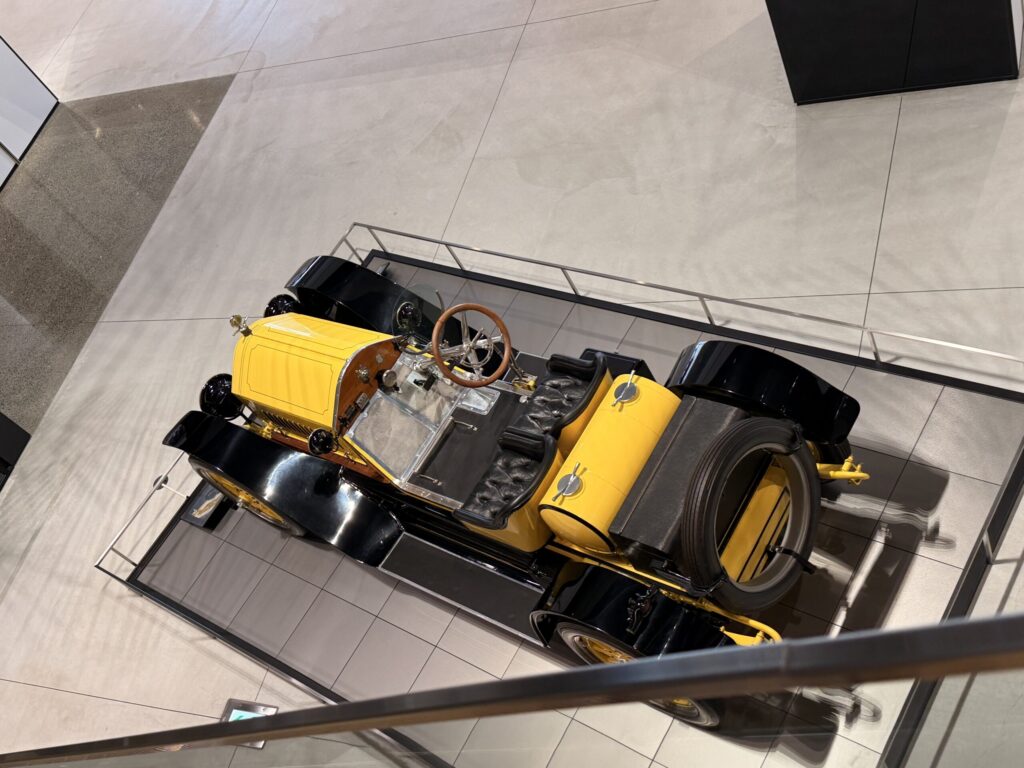
The Fuji Motorsport Museum is a must-visit, housing an impressive collection of historic race cars and interactive exhibits. Track experience programs allow visitors to drive on the actual circuit, and the Fuji Speedway Hotel by Hyatt offers luxury accommodation with grandstand views of the main straight. Driving to the circuit from Tokyo is itself a rewarding experience, with scenic routes passing through areas with spectacular views of Mount Fuji.
-
-
Fuji Speedway Track Experience: What to Expect and How to Get on Track in 2026
Why Fuji Speedway Offers One of Japan's Best Track Experiences Fuji Speedway is not just another rac ...
続きを見る

Multiplayer and Competitive Racing at Fuji in Forza Motorsport
Fuji Speedway is a popular choice for competitive multiplayer in Forza Motorsport due to its excellent overtaking opportunities. The long main straight with its wide braking zone into Turn 1 creates a natural overtaking spot, while the technical infield rewards skilled drivers who can maintain consistent pace through the slower sections.
In ranked multiplayer, expect intense battles into Turn 1 on the opening lap. Defensive driving through the first-corner complex is often more valuable than an aggressive dive-bomb that risks contact. The DRS-like slipstreaming effect in Forza Motorsport makes the main straight particularly dramatic, as drafting behind a rival can gain you several car lengths before the braking zone.
For league racing and organized events, Fuji works exceptionally well with multi-class formats — mirroring the real WEC events held at the circuit — where prototype and GT-class vehicles share the track simultaneously.
-
-
Fuji Speedway in Gran Turismo 7: How the Virtual Track Compares to the Real Circuit
Why Fuji Speedway Is Iconic in Gran Turismo 7 Fuji Speedway has been a staple of the Gran Turismo fr ...
続きを見る
Why Fuji Speedway Remains a Fan Favorite in Racing Games
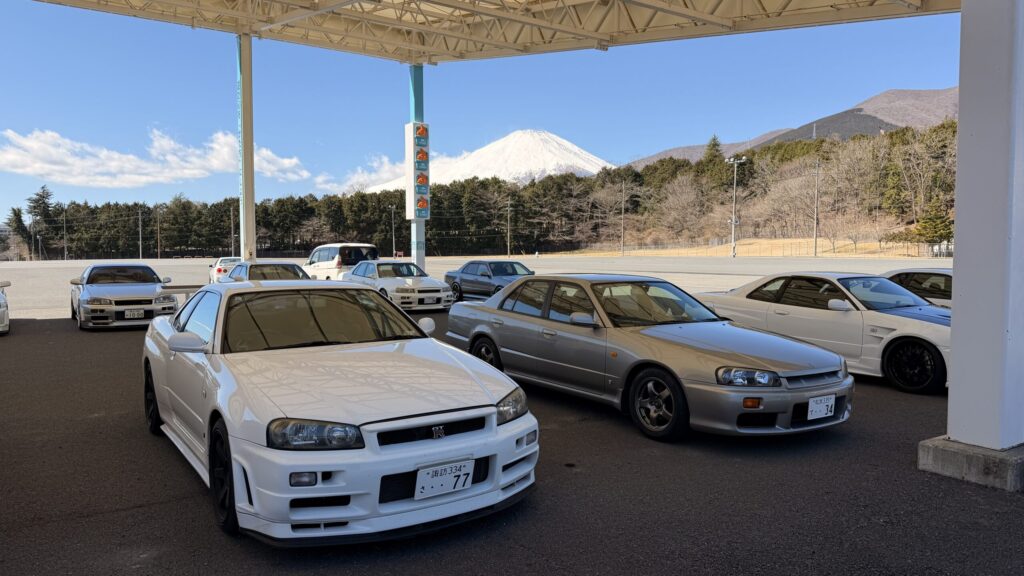
Fuji Speedway endures as one of the most beloved circuits in racing game culture because of its perfect blend of high-speed thrills and technical challenge. The dramatic backdrop of Mount Fuji, the unmistakable rhythm of the lap, and the history embedded in every corner make it a circuit that rewards repeated visits — both in Forza Motorsport and in real life. Whether you are chasing a personal best in time trial mode, battling through a 24-minute endurance race online, or planning a future trip to Japan to see the circuit in person, Fuji Speedway delivers an experience that transcends the virtual and the physical.
Experience Japan’s Finest JDM Adventures
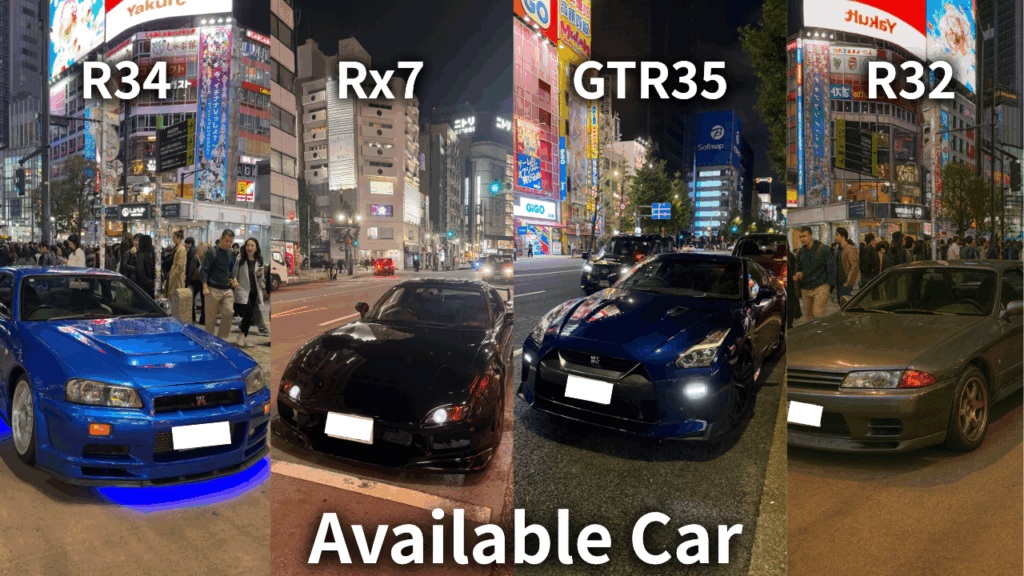
From Daikoku PA tours to JDM sports car rentals and drift experiences, we offer premium driving adventures for visitors who want more than ordinary sightseeing.
Get behind the wheel of iconic machines such as the GT-R, RX-7, and Supra, and experience Japan’s legendary car culture in the most unforgettable way. Whether you want a scenic Tokyo car experience or something more thrilling and immersive, we can guide you to the right plan.
Not sure which experience suits you best? No problem. Message us on WhatsApp and we’ll help you choose the ideal option based on your travel plans, interests, and driving experience.
Popular dates sell out quickly, so we recommend contacting us early.
Customer Reviews
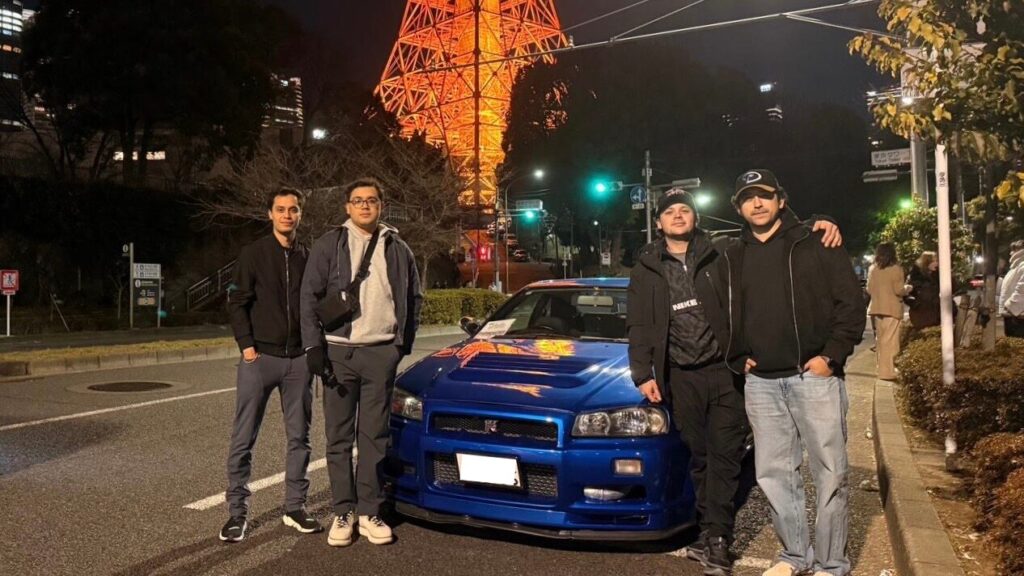
Important Information
- This is a drive tour where you drive your rental car, and our guide navigates from the seat.
- This is a self-drive tour where you drive your rental car, and our guide navigates from the passenger seat.
- The tour begins and ends at the same location (Shibuya).
- If the Daikoku Parking Area is closed, we will instead guide you to another car meet further away.
- The consultant is a cultural expert and navigator, not a taxi service.
