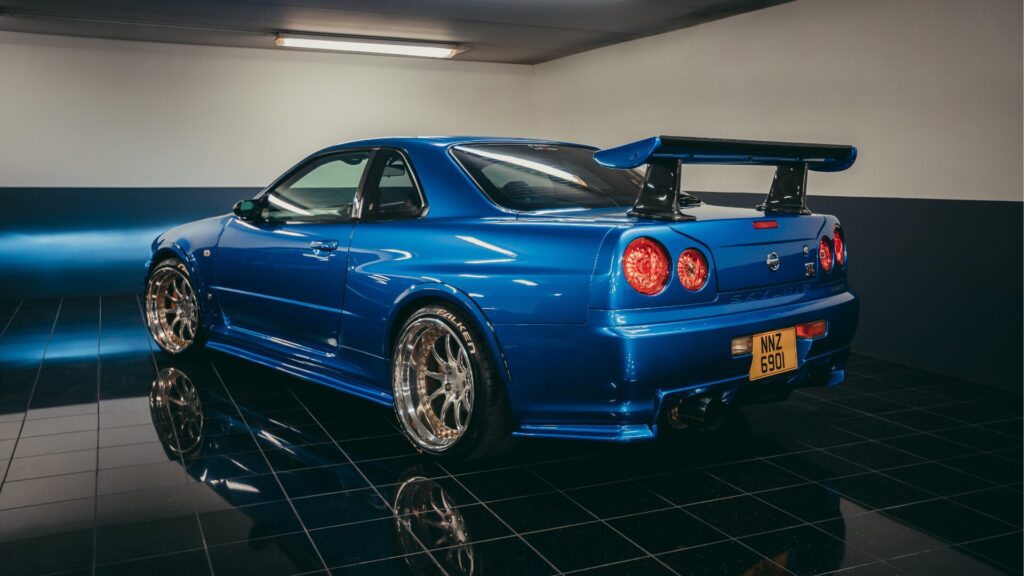
JDM meaning, explained clearly: JDM stands for Japan Domestic Market—vehicles, parts, and options made or configured specifically for sale in Japan. In other words, JDM is a specification and market designation, not just a national origin label or an aesthetic. This guide unpacks what counts as true JDM, how it differs from export models, and why Daikoku Parking Area (Daikoku PA) has become the must‑see showcase of Japan’s performance car culture.
What Does JDM Mean?
At its core, JDM refers to any Japan‑market specification—from entire vehicles (e.g., a Japan‑spec Skyline) to factory options (e.g., Japan‑only aero kits) and even consumables (e.g., fluids or bulbs with Japan‑market approvals). If a model, trim, or part was sold new to Japanese consumers under Japan’s standards, it is JDM.
Key takeaways
- JDM is about where and for whom the product was built to be sold, not simply where it was assembled.
- A car built in Japan for export (e.g., a U.S.‑spec model) isn’t “JDM” unless it matches Japan‑market spec.
- Many JDM models are right‑hand drive and may feature unique ECUs, gear ratios, aero parts, lighting, and interior options tailored for Japan.
JDM vs. “Japanese‑Made” vs. Export‑Spec
Japanese‑made ≠ JDM. A Toyota manufactured in Japan for North America is not JDM; it’s a Japanese‑built, U.S.‑spec car. Conversely, a Mazda assembled outside Japan but sold new into Japan to Japanese consumers could be considered JDM if it follows Japan‑market specifications.
Export variants differ in ways that matter to enthusiasts: final drives, ECU tuning, emissions equipment, headlight patterns, seat fabric, option codes, aero packages, and even model codes (e.g., FD3S for RX‑7, BNR34 for Skyline GT‑R). These differences explain why collectors chase Japan‑spec cars and why “JDM‑only” options (factory Recaros, NISMO clusters, TRD bits) are so coveted.
Why Daikoku PA Matters to JDM Culture
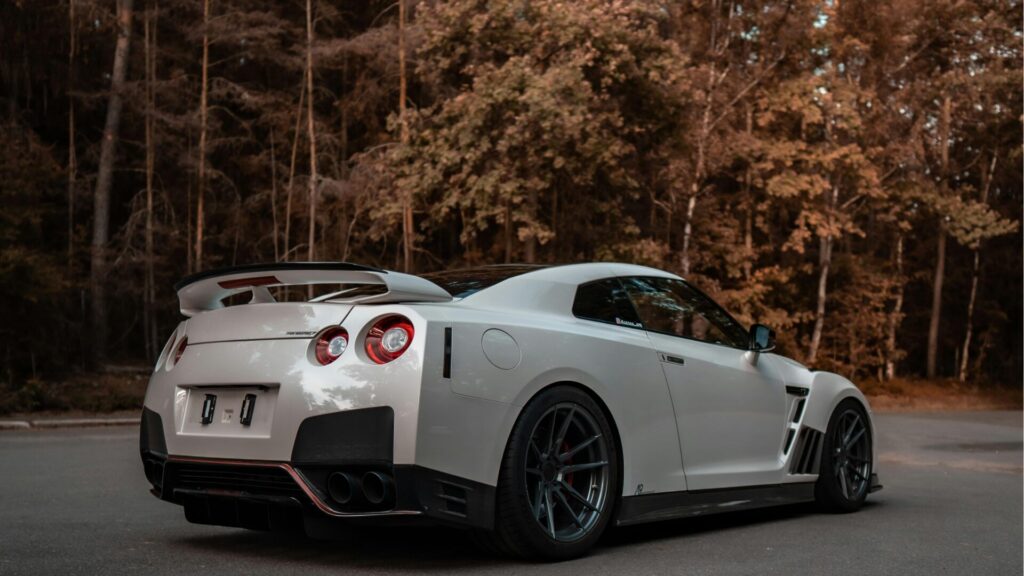
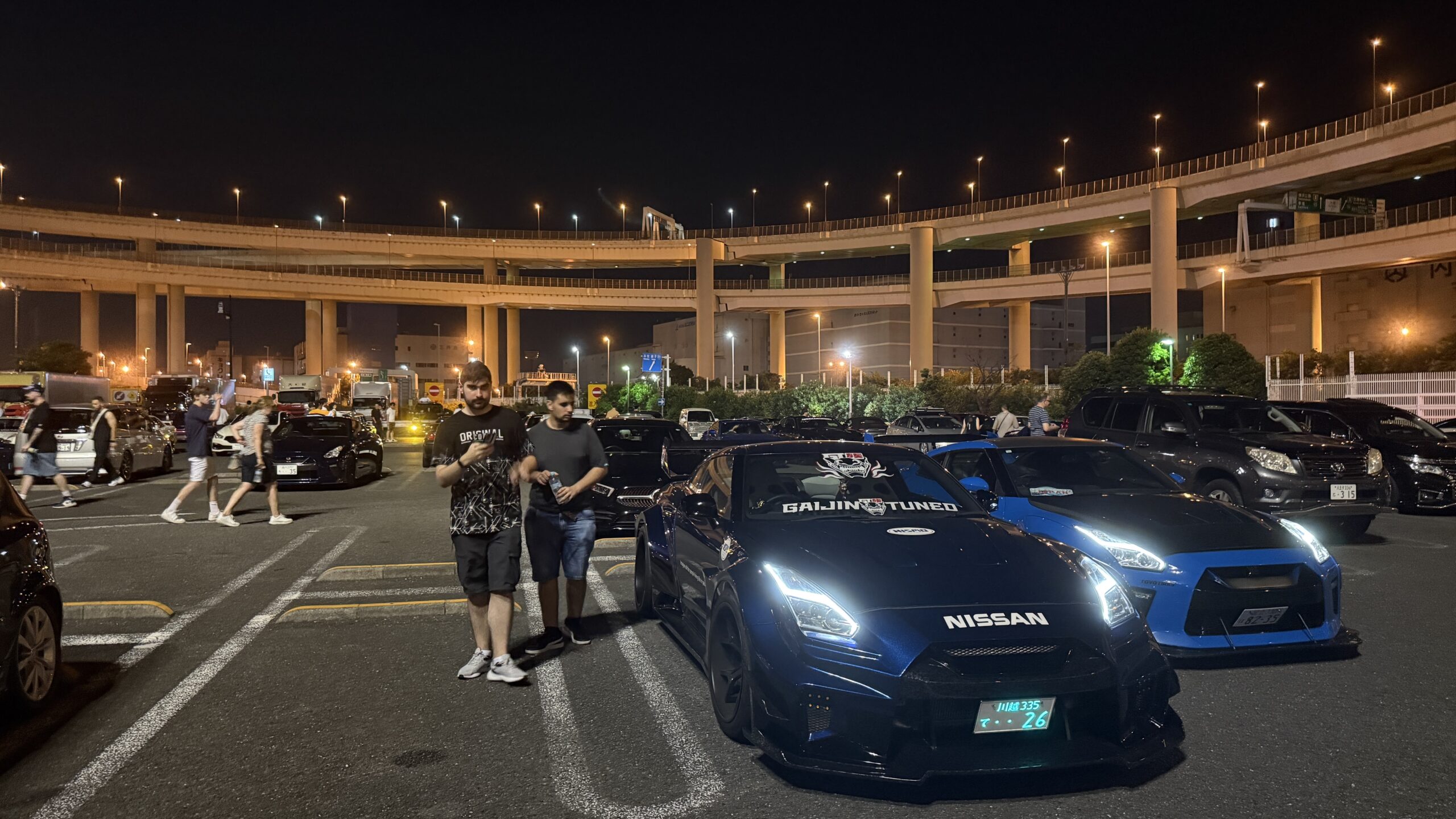
Located in Yokohama’s Bayshore corridor, Daikoku PA is where Japan’s car tribes casually gather—GT‑R owners, rotary diehards, drift builds, VIP sedans, kei sports, and time‑attack specials. For visitors, it’s the most accessible snapshot of living JDM culture: diverse platforms, tasteful OEM+ builds, and period‑correct rare parts you almost never see outside Japan.
What you’ll typically spot
- Nissan Skyline GT‑R lines (R32/R33/R34), Silvia (S13/S14/S15)
- Toyota Supra (A80), Chaser/Mark II/Cresta (JZX), AE86
- Mazda RX‑7 (FD3S), RX‑8
- Honda NSX, Civic/Integra Type R
- Subaru WRX STI, Mitsubishi Lancer Evolution
Tip: Meets ebb and flow with weather, events, and enforcement. Weekends and event weekends can be intense; late evening often sees more activity—but always be ready for plans to change.
-

-
Daikoku Car Meet Tour: The Complete, Legal Guide for Visitors
Welcome to the definitive guide to visiting the legendary Daikoku Parking Area (PA), the heart of Japan's car culture. This highway rest stop on the Shuto Expressway near Yokohama transforms on many nights into an informal, world-famous car show. But before you go, it's crucial to understand what Daikoku is—and what it isn't. This is not an official, ticketed event. It's a spontaneous gathering of car enthusiasts. To ensure a safe and memorable experience that respects the local culture, this guide will walk you through everything you need to know. A Glimpse into JDM Culture Daikoku PA is considered a ...
続きを見る

-

-
Best Time to Visit Daikoku Parking Area (Daikoku PA) in 2026: The Real-World Guide
Daikoku Parking Area—usually shortened to Daikoku PA—is Japan’s most famous informal car-meet spot. There’s no official “car meet schedule,” but there are predictable patterns. Quick verdict: Most cars + best atmosphere: Friday or Saturday evening (7:30–10:30 PM) Calmest + easiest for photos: Sunday early morning (6:00–8:30 AM) Important context: Daikoku PA is an expressway parking area in Yokohama (near Tokyo), not a street-level parking lot. Access is controlled, and temporary closures can happen when it’s too crowded or when authorities intervene. Quick Answer: Best day and time to visit Daikoku PA If you can only choose one window, choose this: ...
続きを見る
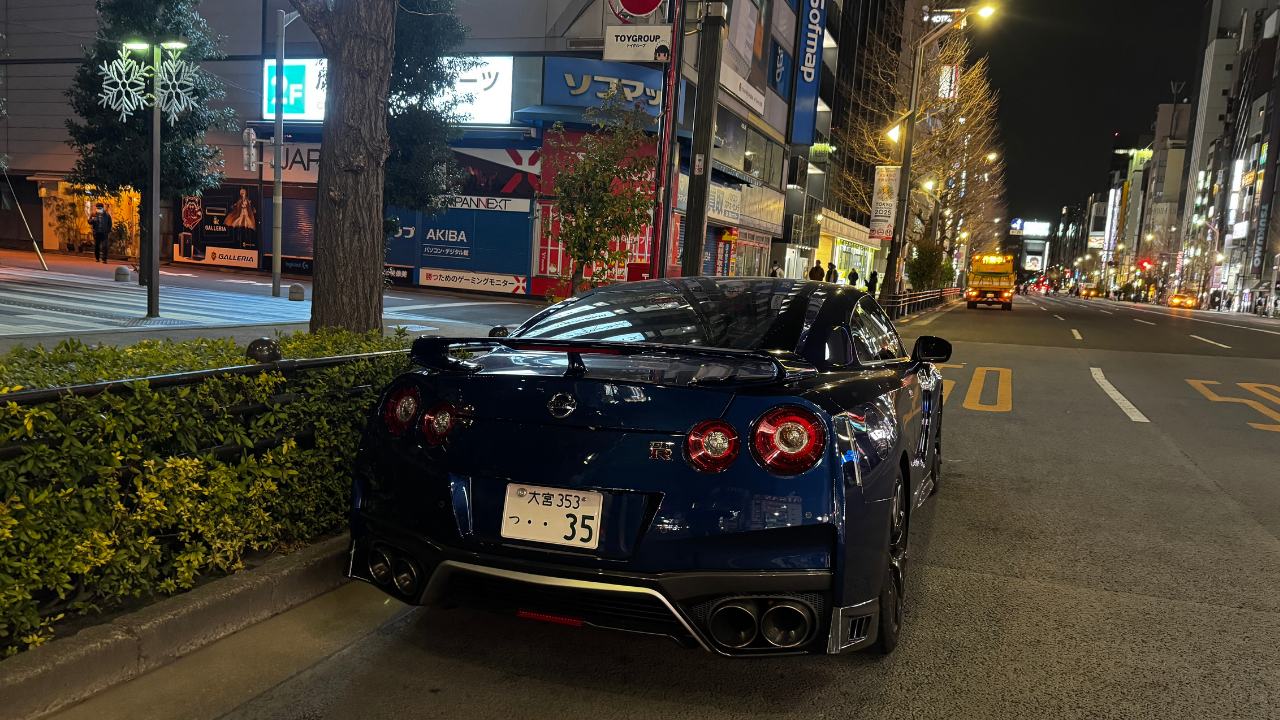
How to Access Daikoku PA (and Actually Enjoy It)
Because Daikoku PA sits on an expressway island, public transport alone won’t take you inside. Practical options are:
- Join a JDM tour with private transport. You’ll be picked up in Tokyo/Yokohama and driven directly into Daikoku PA, avoiding access hassles, tolls, and parking puzzles.
- Ride‑share/taxi to a transfer point + private vehicle for the final leg (since many taxis can’t enter or won’t wait during peak meets).
- Drive yourself (IDP required for most tourists, rental rules apply). This is feasible but stressful if you’re unfamiliar with toll roads, ETC, and meet etiquette.
To maximize your time with the cars—and minimize logistics risk—a guided Daikoku PA tour is the most reliable choice.
-

-
How to Get to Daikoku PA from Tokyo (2025 Complete Access Guide)
Daikoku Parking Area (often called Daikoku PA or Daikokufuto) is the most iconic JDM car meet spot in Greater Tokyo. This guide explains every practical way to reach it from central Tokyo—legally, safely, and efficiently—plus pro tips to avoid closures and common mistakes. Planning a hassle-free visit with guaranteed transport? Our licensed JDM tour to Daikoku PA handles routing, tolls, parking, and police checks so you can focus on the scene. What is Daikoku PA? Daikoku PA is a large service/parking area on the Shuto (Metropolitan) Expressway network in Yokohama Bay. On many evenings—especially weekends—it becomes a magnet for JDM ...
続きを見る
What Makes a Car “Authentically JDM”?
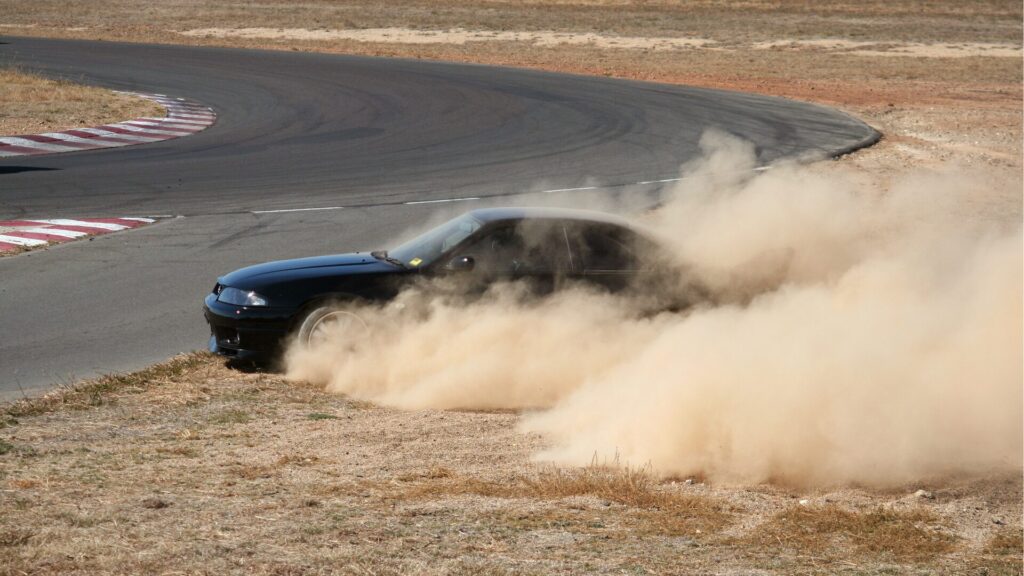
A vehicle is authentically JDM when it was sold new in Japan and conforms to Japan‑market specs. Typical signals include:
- Japan‑specific model/trim codes (e.g., BNR34, FD3S, S15)
- Unique factory options (NISMO, TRD, Mazdaspeed, Mugen, STI packages)
- Japan‑market lighting, mirrors, cluster units, and warning labels
- Right‑hand‑drive layout (common, though not universal)
- Dealer accessories and catalogs that differ from export markets
“JDM‑style” builds outside Japan can look the part (aero, wheels, stance) but aren’t Japan‑market spec unless they replicate the genuine options and hardware.
JDM Legends You’re Likely to See at Daikoku
Nissan Skyline GT‑R (R32/R33/R34)
Homologation breeding and relentless tuning support make GT‑Rs the poster children of JDM. Expect everything from OEM+ restorations to high‑power builds.
Toyota Supra (A80)
The A80’s 2JZ‑GTE is a tuning icon. While many export Supras exist, Japan‑spec examples and period‑correct parts are the holy grail for JDM purists.
Mazda RX‑7 (FD3S)
Lightweight, stunning proportions, and a rotary that rewards meticulous owners. Look for rare Japan‑only aero and interior trims.
Nissan Silvia (S13/S14/S15)
Beloved by drifters, Silvias embody lightweight, FR balance, and abundant parts. S15—being Japan‑only—defines the JDM edge.
Honda Integra Type R (DC2/DC5)
High‑revving VTEC masterpieces with chassis tuning that still embarrasses newer cars. Japan‑spec details (LSDs, gearsets, seats) matter.
JDM Tuning Styles and Terms (Quick Glossary)
- OEM+ / Period‑Correct: Factory‑leaning upgrades with JDM‑only options and wheels.
- VIP / Bippu: Executive sedans (Celsior, Crown, Cedric) with deep fitment and luxury interiors.
- Shakotan: Low and long; classic street style with minimal clearance.
- Bosozoku / Kaidō‑racer: Exaggerated pipes/aero; cultural/historical roots—observe respectfully; do not imitate on public roads.
- Time Attack: Track‑focused aero and lap‑time obsession (Tsukuba vibes).
- Drift: FR setup, angle kits, LSD; popular Silvia/JZX platforms.
- Stance: Fitment‑driven, show‑oriented alignment and camber.
- Kei Sports: 660cc fun—Cappuccino, Beat, S660—proving JDM isn’t only about big power.
Can Tourists Buy, Rent, or Drive a JDM Car in Japan?
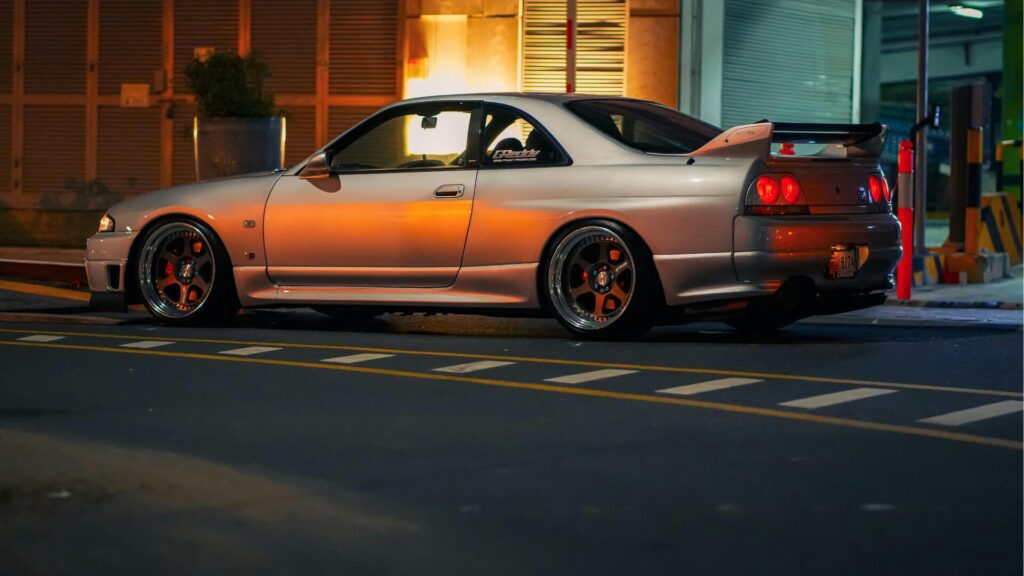
Renting: Some agencies offer enthusiast‑friendly rentals (from kei sports to classics). Book early, understand insurance, and verify automatic vs. manual availability.
Driving: Most visitors need an International Driving Permit (IDP) plus their home license. Know expressway tolls (ETC) and parking etiquette before attempting Daikoku yourself.
Buying/Exporting: Collectors pursue Japan‑spec cars for their rarity and condition, but export and registration laws vary by country. Do your homework on inspections, emissions, and age‑based import rules.
If your goal is to experience JDM safely and efficiently, joining a Daikoku PA tour delivers the atmosphere and the photos without the paperwork.
-

-
JDM Car Rental in Japan: The Complete Guide for Overseas Enthusiasts
Japan is the spiritual home of JDM—where iconic nameplates like Skyline, Supra, RX‑7, and Silvia were born and bred. If you’re visiting and want to experience authentic Japanese roads behind the wheel of a well‑maintained, street‑legal performance car, renting locally is the most practical and legal way to do it. This guide explains how to rent a JDM car in Japan, what to expect on the road, and the best routes and meet‑ups to plan around your trip. Why Rent a JDM Car in Japan? Renting in Japan gives you access to cars in their natural environment—tight city streets, spotless ...
続きを見る
-
-
JDM in Tokyo: The Ultimate Daikoku PA Tour Guide (2026)
JDM isn’t just a three‑letter acronym—it’s a living, late‑night culture that pulses through Tokyo and Yokohama. If you’re planning a bucket‑list journey to Japan’s most famous car meet at Daikoku Parking Area (Daikoku PA), this guide explains what JDM really means, how to get there safely and legally, what to expect at the meet, and why booking a guided tour maximizes your chance of an unforgettable night. Book Your Private JDM Night Tour → Check availability now.Detailed tour overview and FAQs: What Does “JDM” Really Mean? “JDM” stands for Japanese Domestic Market and refers to vehicles, parts, and tuning styles ...
続きを見る
FAQs: JDM Meaning, Answered
Is every right‑hand‑drive Japanese car “JDM”?
No. RHD alone doesn’t make a car JDM—Japan‑market specification does.
Are kei cars JDM?
Yes—by definition, kei regulations are Japanese, so kei models sold in Japan are JDM.
Can I reach Daikoku PA by train?
Not directly. It’s on an expressway island; use a tour or private vehicle for the last segment.
Is “JDM‑style” the same as JDM?
No. JDM‑style describes an aesthetic inspired by Japan‑market cars; authentic JDM refers to Japan‑sold spec vehicles and parts.
Why do enthusiasts chase Japan‑spec parts?
Because Japan‑only options (ECUs, aero, seats, clusters) change how cars drive and present—key for period‑correct builds and collector value.
If you’re going to Daikoku PA, leave it to us
We will arrange your reservation after the payment is completed.
Duration: about 3 hours
Meeting Point: Shibuya Station
Language: Beginner-level English & Japanese
Tell:09092341545
Important Information
- This is a drive tour where you drive your rental car, and our guide navigates from the seat.
- This is a self-drive tour where you drive your rental car, and our guide navigates from the passenger seat.
- The tour begins and ends at the same location (Shibuya).
- If the Daikoku Parking Area is closed, we will instead guide you to another car meet further away.
- The consultant is a cultural expert and navigator, not a taxi service.