
JDM drift is more than smoking tires and counter‑steer angles—it’s a living subculture that blends engineering, aesthetics, and community. If you’re planning a car‑centric trip to Tokyo or Yokohama and want to experience Japan’s drift scene correctly (and legally), use this guide to plan a night that delivers authentic cars, epic photos, and zero hassles—centered around Daikoku Parking Area (Daikoku PA), the capital’s most famous highway car‑meet hub.
-

-
Daikoku Car Meet Tour: The Complete, Legal Guide for Visitors
Welcome to the definitive guide to visiting the legendary Daikoku Parking Area (PA), the heart of Japan's car culture. This highway rest stop on the Shuto Expressway near Yokohama transforms on many nights into an informal, world-famous car show. But before you go, it's crucial to understand what Daikoku is—and what it isn't. This is not an official, ticketed event. It's a spontaneous gathering of car enthusiasts. To ensure a safe and memorable experience that respects the local culture, this guide will walk you through everything you need to know. A Glimpse into JDM Culture Daikoku PA is considered a ...
続きを見る

What Is JDM Drift?
JDM (Japan Domestic Market) drift is the Japanese-born driving style that emphasizes controlled oversteer, precision throttle modulation, and smooth transitions through a corner. It grew from mountain‑pass (touge) runs and organized grassroots events into a globally recognized motorsport with dedicated cars, tires, and parts.
A (very) brief history
Early practitioners turned factory coupes into balanced, lightweight drift tools—think Toyota AE86, Nissan Silvia/180SX, and Mazda RX‑7. Track days and dedicated drift series popularized setups like limited‑slip differentials, coilovers, angle kits, and hydro e‑brakes, while media and games pushed the style worldwide.
What makes a car “JDM drift” specific?
- Chassis: Nissan S‑chassis (S13/S14/S15), 180SX, Skyline (ER34), Toyota JZX90/100 (Chaser/Mark II/Cresta), AE86, Subaru/Toyota ZN6/ZN8, etc.
- Hardware: 2‑way LSDs, angle kits, clutch‑type diffs, big‑bore cooling, lockout hubs.
- Aero & wheels: BN Sports/Rocket Bunny bodywork, aggressive offsets, Work/Volk/SSR wheels—functional stance for clearance and grip.
- Cabin: Fixed‑back seats, multi‑point harnesses, hydro e‑brake levers, fire safety.
Is Drifting Legal in Japan?
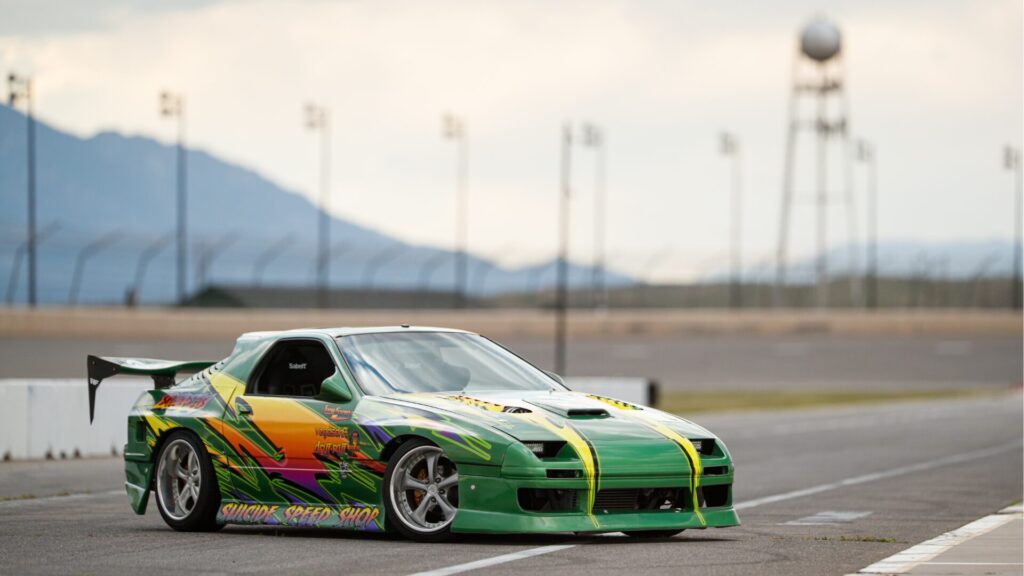
Short answer: no on public roads, yes on closed circuits and legal events. Japan enforces road laws strictly—highway parking areas, surface streets, and touge roads are not for stunts. Police will disperse unsafe activity and can close parking areas when necessary. Save the driving for tracks and treat Daikoku PA as a meet spot and photo location, not a drift venue.
Where to Experience Drift Around Tokyo (Legally)
Choose closed‑course options within day‑trip range of Tokyo/Yokohama:
- Drift experience programs: “drift taxi” ride‑alongs or coaching days run at circuits; book ahead and bring your license as required.
- Grassroots practice days: Beginner‑friendly layouts at small circuits are common—great for spectating and photos from safe zones.
- Major events: Pro‑level series and festival days provide grandstand viewing, paddock access, and vendor rows for parts and merch.
Tip: Event calendars move. Always check official circuit schedules and book early.
-

-
Daikoku Car Meet Time Table: Best Times, Schedule & Access
Searching for “car meet up Tokyo time table”, “Daikoku PA car meet schedule”, or “Daikoku car meet how to get there” usually means you want one practical thing: When should you go, and how do you get in and out of Daikoku PA without problems? This page is a fast, traveler-friendly hub. It gives you the realistic “typical” time windows (because there’s no official timetable), the safest ways to reach Daikoku, what’s considered illegal behavior, and what to do if the parking area is quiet. Daikoku car meet schedule: is there an official timetable? No. Daikoku Parking Area (Daikoku PA ...
続きを見る
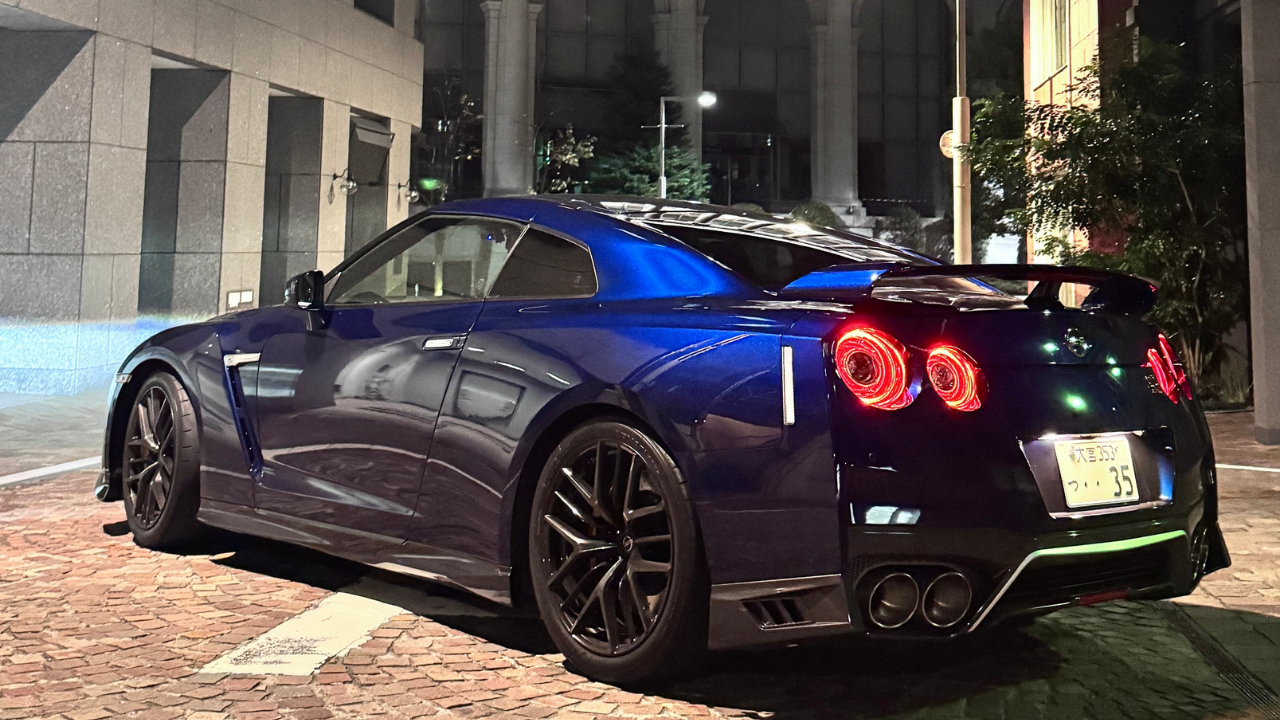
Why Daikoku PA Matters to Drift Fans
Daikoku PA (Yokohama) is a legendary meet hub where you can see drift‑builds up close—not a place to drive sideways. Located on the Metropolitan Expressway (Shuto), Daikoku gathers a rotating cast of Silvias, Skylines, JZXs, Supras, RX‑7s, and more. For photographers and fans, it’s the best single stop to capture authentic JDM hardware in one night.
What Daikoku PA is perfect for:
- Seeing real owner cars: battle‑scarred aero, fresh tire lettering, functional fitment.
- Conversations with owners (be polite; many speak basic English, car terms are universal).
- Photography under iconic highway loops.
What it is not:
- A drift track (no burnouts, donuts, or slides).
- A guaranteed open venue—police can restrict entry or clear meets during congestion or incidents.
-

-
Daikoku PA Schedule: Hours, Closures, and the Best Times to Visit
Daikoku Parking Area (Daikoku PA) in Yokohama is the most famous car-culture rest stop in Japan. Yet there’s a common misconception: there is no official “car meet timetable.” Instead, Daikoku PA follows normal expressway facility hours, with spontaneous meets that peak at predictable times—and occasional police or construction closures. This guide explains the real Daikoku PA schedule, how to check today’s status, and when to plan your visit for the best experience. What is Daikoku PA? Daikoku PA sits inside the Metropolitan Expressway network (Bayshore Route and K5 Daikoku Line). It is a true highway rest area—accessible only from the ...
続きを見る
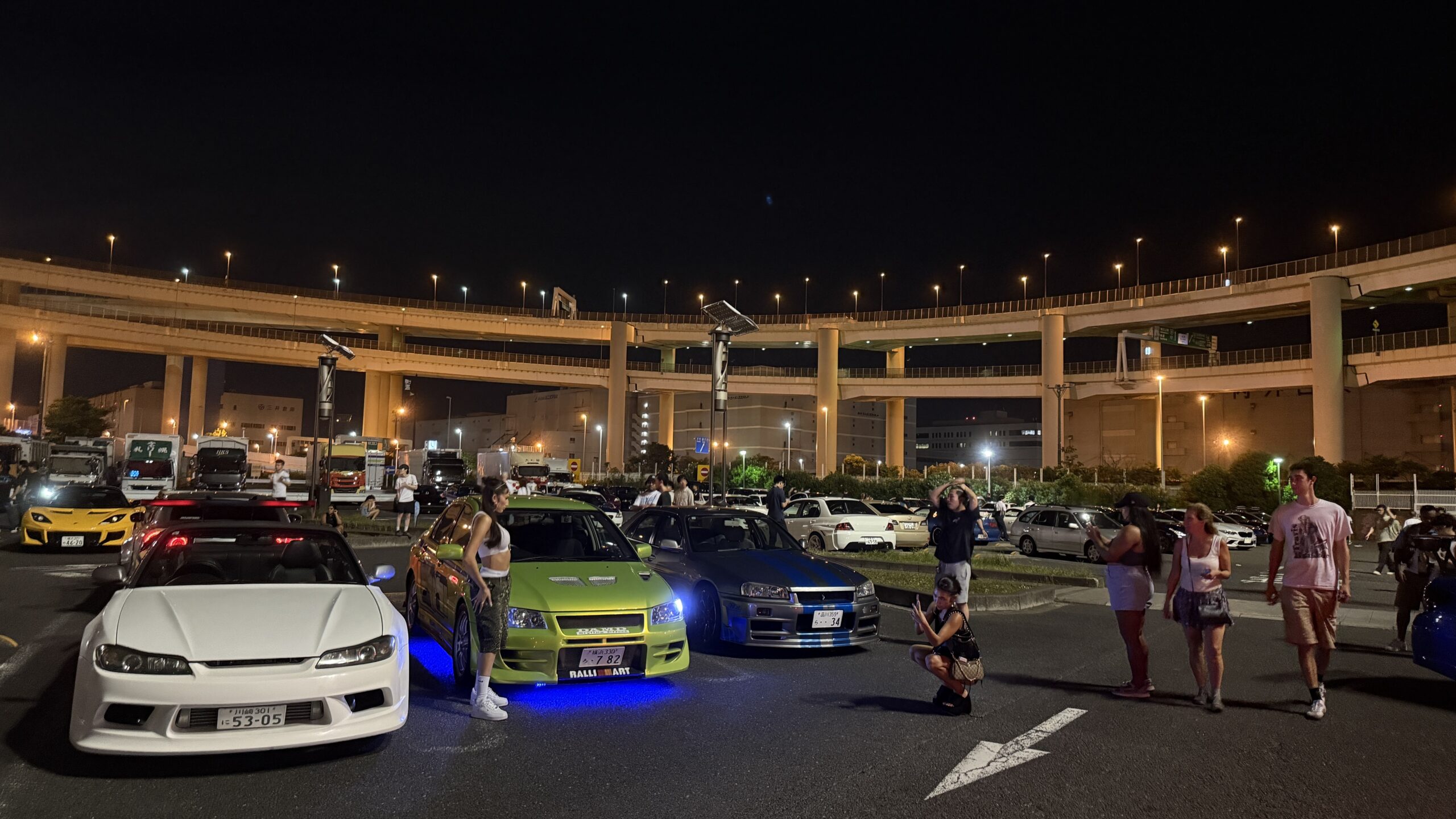
How to Access Daikoku PA (From Tokyo & Yokohama)
Because Daikoku sits inside the expressway network, casual walk‑in or standard public transit won’t work. Your realistic options are:
- Guided tour with hotel pickup (recommended): eliminates ETC/toll, parking, and closure headaches; a driver handles routing and meet etiquette.
- Taxi to/from Daikoku PA: feasible but often expensive and tricky; some drivers won’t accept PA requests.
- Rental car with ETC: possible if you’re comfortable with left‑side driving, kanji signage, and dynamic closures.
Important: PAs can temporarily close—use real‑time info and have a backup meet location.
-
-
How to Get to Daikoku PA from Tokyo (2025 Complete Access Guide)
Daikoku Parking Area (often called Daikoku PA or Daikokufuto) is the most iconic JDM car meet spot in Greater Tokyo. This guide explains every practical way to reach it from central Tokyo—legally, safely, and efficiently—plus pro tips to avoid closures and common mistakes. Planning a hassle-free visit with guaranteed transport? Our licensed JDM tour to Daikoku PA handles routing, tolls, parking, and police checks so you can focus on the scene. What is Daikoku PA? Daikoku PA is a large service/parking area on the Shuto (Metropolitan) Expressway network in Yokohama Bay. On many evenings—especially weekends—it becomes a magnet for JDM ...
続きを見る
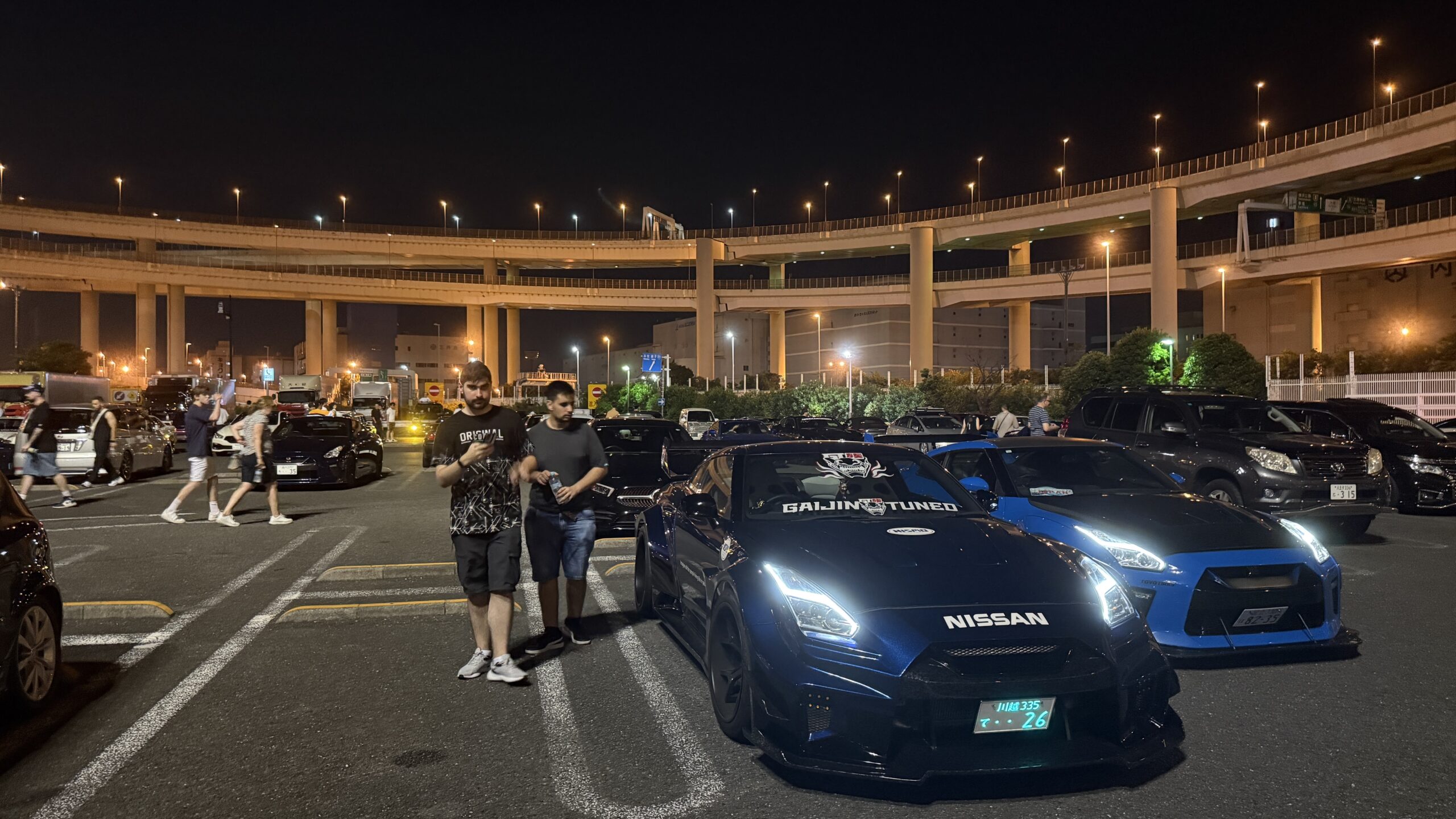
Best Time to See Drift Builds at Daikoku PA
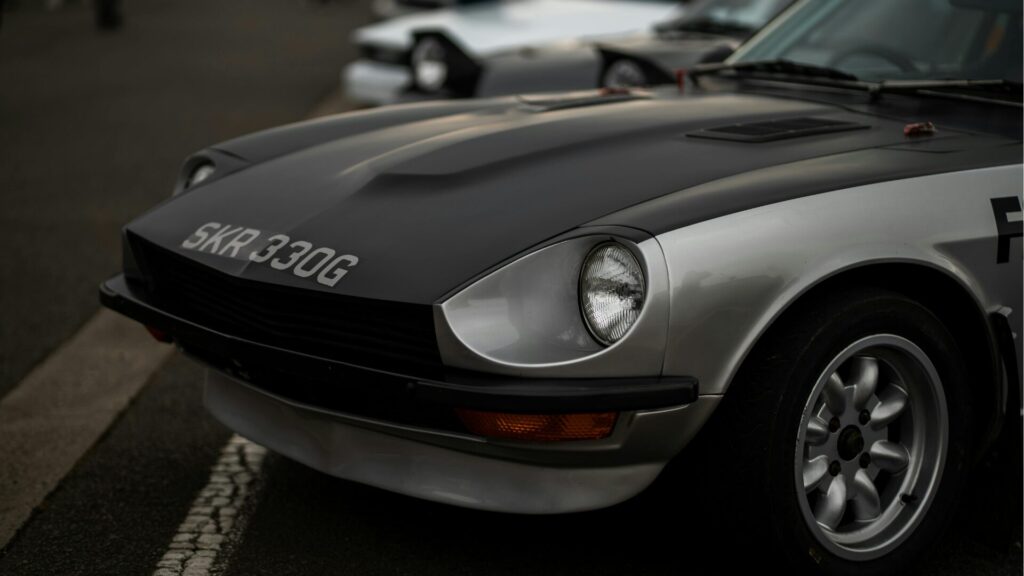
Weekend evenings (especially fair‑weather Fridays/Saturdays) attract the most variety. Holiday eves and show weeks (e.g., big auto events) can be exceptional. Weeknights see smaller but photogenic gatherings of locals.
To avoid disappointment: check the status/schedule on the day, aim for after 8 PM, and keep plans flexible in case of crowd‑control measures or sudden closures.
-
-
Best Time to Visit Daikoku Parking Area (Daikoku PA) in 2026: The Real-World Guide
Daikoku Parking Area—usually shortened to Daikoku PA—is Japan’s most famous informal car-meet spot. There’s no official “car meet schedule,” but there are predictable patterns. Quick verdict: Most cars + best atmosphere: Friday or Saturday evening (7:30–10:30 PM) Calmest + easiest for photos: Sunday early morning (6:00–8:30 AM) Important context: Daikoku PA is an expressway parking area in Yokohama (near Tokyo), not a street-level parking lot. Access is controlled, and temporary closures can happen when it’s too crowded or when authorities intervene. Quick Answer: Best day and time to visit Daikoku PA If you can only choose one window, choose this: ...
続きを見る
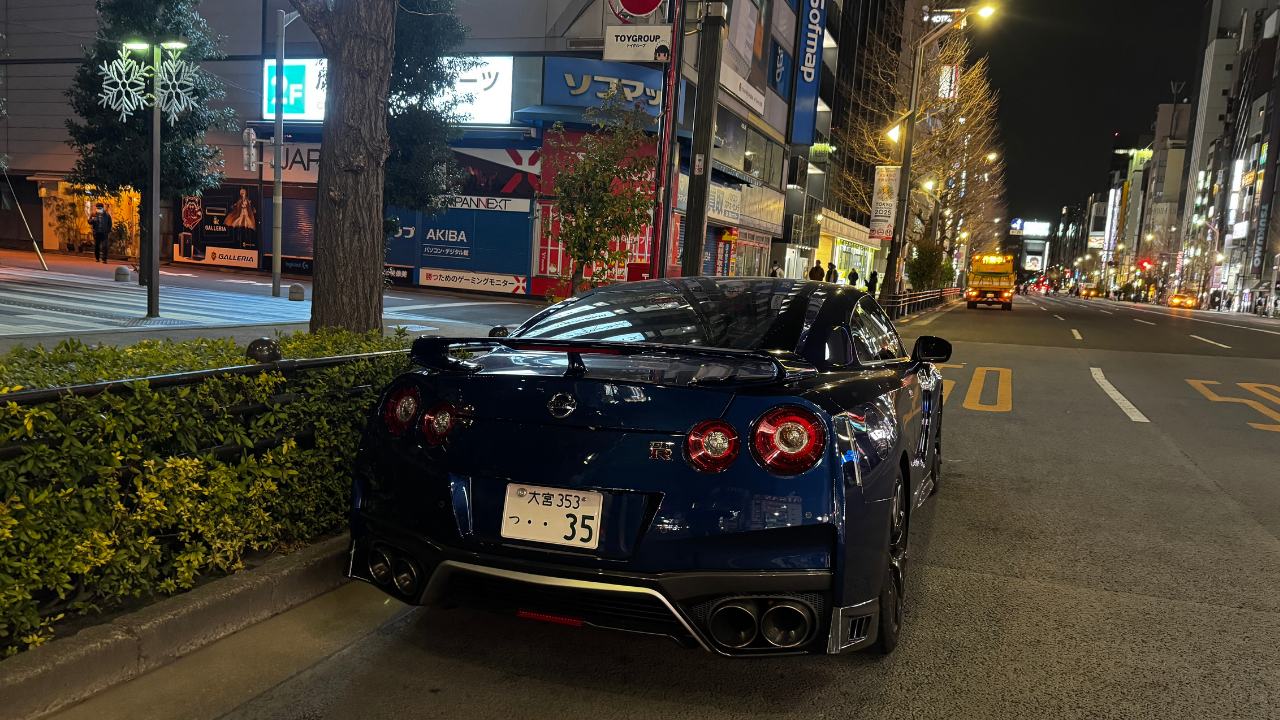
What You’ll See: Drift‑Ready Setups & Styles
Bodywork: BN Sports fenders, street‑scarred bumpers, quick‑release kits, bash bars peeking through vents.
Fitment: square setups for grip; meaty tires on 17–18" wheels; functional ride height to clear lock and curbs.
Engines: turbo SR20DET, 1JZ/2JZ swaps, RB25/26 builds, rotary RX‑7 street ports; upgraded radiators and oil coolers for heat management.
Interiors: half‑stripped cabins, fixed buckets, cage work, fire bottles, controller mounts, hydro levers.
Details: tire stacks, zip‑tie stitches, drift‑button handbrakes—signs of track use, not street antics.
Etiquette & Photography Tips at Daikoku PA
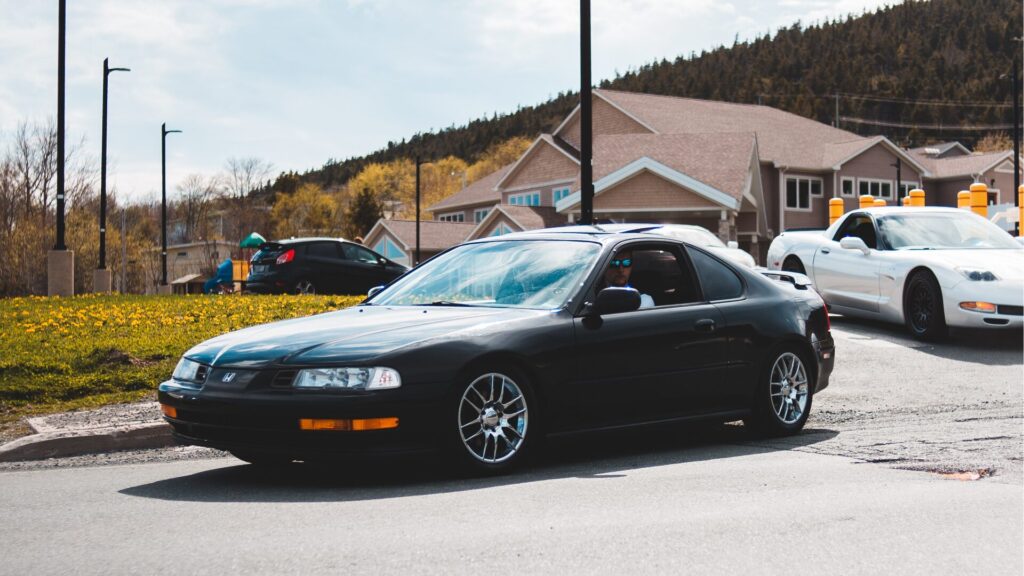
- Ask before touching cars; keep clear of doors and aero.
- No revving requests or “do a burnout” prompts—this can trigger shutdowns.
- Keep lanes clear; don’t stand in traffic or block parking.
- Be discreet with plates/faces if owners request privacy.
- Mind the sound: late‑night noise brings enforcement.
- Pack fast glass: ISO 1600–6400, f/1.8–f/2.8, shutter ≥ 1/125 for handheld portraits; use parked‑car light for catchlights.
Sample Night: Our JDM Drift–Focused Daikoku PA Tour
Here’s how a typical evening with us is structured:
- Pickup & briefing: Hotel pickup in central Tokyo/Yokohama. We cover meet etiquette, safety, and what to expect.
- Highway cruise: Scenic run via Shuto expressways; optional stop at a secondary PA if Daikoku is crowded.
- Arrive at Daikoku PA: Guided walk to notable builds; live translation for owner chats; photo guidance (angles, reflections, light sources).
- Backup plan: If closures occur, we pivot to an alternate meet area so you still get a solid car night.
- Return: Drop‑off at your hotel or convenient station.
-
-
Tatsumi Parking Area Car Meet Guide (2025): The Insider Playbook for Tokyo’s Wangan Nights
What Is Tatsumi Parking Area (Tatsumi PA)? Tatsumi PA is a compact expressway rest stop inside Tatsumi Junction on Tokyo’s Shuto Expressway, famous for late‑night meetups, skyline views, and quick photo stops during Wangan cruises. There are two sides—Tatsumi No.1 and Tatsumi No.2—each serving different traffic flows within the junction. Expect small lots, restrooms, vending machines, and a steady rotation of interesting metal rather than a guaranteed festival. Tatsumi PA at a Glance: Layout, No.1 vs No.2, and Facilities No.1 (Dai‑Ichi): The side you see most on social posts; tiny lot, great sightlines under stacked flyovers. No.2 (Dai‑Ni): Similar facilities ...
続きを見る
FAQs: JDM Drift in Japan
Can I drift at Daikoku PA?
No. Daikoku is for meeting and viewing. Save the driving for legal track events.
Can you arrange a legal drift ride‑along?
Yes—on dedicated track days with licensed operators. Availability varies; book in advance.
Will I definitely see drift cars at Daikoku?
No meet is guaranteed, but weekends and event eves increase odds. We monitor conditions and optimize the route for the best chance of variety.
Is it noisy or unsafe?
It’s generally orderly. Follow our guide’s instructions, stay out of lanes, and respect any police requests.
What should I bring?
Warm layer (windy under the loops), comfortable shoes, compact camera or fast phone lens, portable battery, cash for vending machines.
If you’re going to Daikoku PA, leave it to us
We will arrange your reservation after the payment is completed.
Duration: about 3 hours
Meeting Point: Shibuya Station
Language: Beginner-level English & Japanese
Tell:09092341545
Important Information
- This is a drive tour where you drive your rental car, and our guide navigates from the seat.
- This is a self-drive tour where you drive your rental car, and our guide navigates from the passenger seat.
- The tour begins and ends at the same location (Shibuya).
- If the Daikoku Parking Area is closed, we will instead guide you to another car meet further away.
- The consultant is a cultural expert and navigator, not a taxi service.