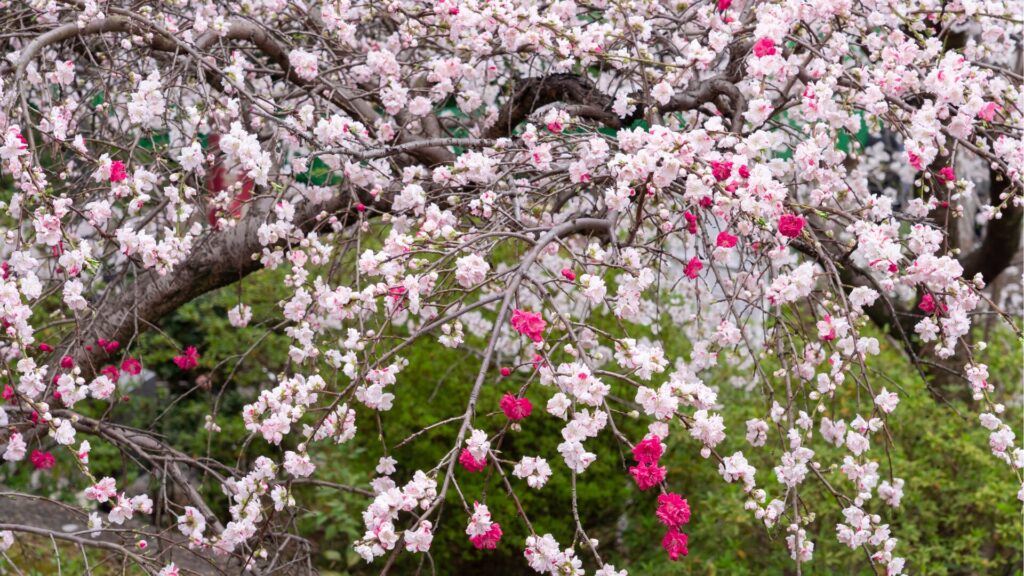
Ueno Park is one of Tokyo’s most iconic places to see cherry blossoms. Every spring, long rows of sakura trees turn the main promenade into a tunnel of pink and white—drawing locals and visitors for hanami picnics, street-food stalls, and evening strolls under lantern-lit blooms.
If your trip is built around Ueno Park Tokyo cherry blossom season, this guide covers the details that matter: the best viewing window, where to stand for the best photos, how to beat the crowds, what to eat during the festival period, and how to turn a day of sakura into a full Tokyo highlight.
-

-
Cherry Blossom Tokyo: The Best Sakura Spots, Night Views, and a Perfect Finish at Daikoku PA
Tokyo’s cherry blossom season (sakura) is one of the most iconic travel moments in the world—parks turning pastel pink, rivers lined with blossoms, and nighttime illuminations that feel unreal. If you’re planning cherry blossom Tokyo as the centerpiece of your trip, you can make it even more memorable by pairing classic hanami (flower viewing) with a side of Tokyo’s world-famous car culture. This guide covers the best places to see cherry blossoms in Tokyo, how to time your visit, where to enjoy yozakura (night blossoms), and how to plan a smooth itinerary that ends with an unforgettable night at Daikoku ...
続きを見る
Best time to see cherry blossoms in Ueno Park (2026 dates and how to plan)
Cherry blossom timing changes every year, but Ueno Park typically peaks in late March to early April. For 2026 specifically, Tokyo’s sakura season is forecast to begin around late March, with full bloom commonly arriving about one week to 10 days after first flowering. That means you should plan for a multi-day window rather than a single “perfect” date.
How to plan around uncertainty
- Aim for a 3–5 day stay in Tokyo during the forecast peak window so you have flexibility.
- Prioritize Ueno Park early in your trip. If the blossoms are ahead of schedule, you still catch them.
- Watch the weather. Warm days speed up blooming; heavy rain and strong wind can shorten peak viewing.
Best time of day
- Morning (8:00–10:30): the calmest light for photos and the smallest crowds.
- Late afternoon: great for softer color and golden-hour shots.
- Evening: you get the festival atmosphere and night-viewing (yozakura) energy.
-
-
Tokyo Cherry Blossoms 2026: Forecast Dates, Best Hanami Spots, and a Perfect Night at Daikoku PA
Tokyo’s sakura season is short, crowded, and absolutely worth planning around—especially in 2026, when peak bloom is expected to land in late March. This guide focuses on what travelers actually need: the latest forecast window, the best places to see cherry blossoms in Tokyo, how to avoid the worst crowds, and how to pair your hanami days with one of the most unforgettable Tokyo nights—an evening visit to Daikoku PA, the legendary JDM car meet. 2026 Tokyo Cherry Blossom Forecast: When Will Sakura Peak? If you’re searching for “cherry blossom Tokyo 2026”, the timing question is the biggest one—because the ...
続きを見る
Where to see the best sakura in Ueno Park

Ueno Park is large, but the cherry blossom experience is concentrated in a few standout zones. If you only have an hour, head straight to the main promenade. If you have half a day, combine the promenade with the pond and shrine areas.
1) The main promenade (Ueno Sakura-dori / central walkway)
This is the famous “sakura tunnel.” Hundreds of trees line the wide path, and the density of blossoms makes it the most dramatic spot in the park.
Best for: classic wide-angle photos, people-watching, festival atmosphere.
Tip: Walk the promenade twice—once in the morning for photos, once after sunset for the full hanami vibe.
2) Shinobazu Pond (water + blossoms)
For a softer, more scenic look, head toward Shinobazu Pond. The combination of water reflections and blossoms creates a calmer mood than the main walkway.
Best for: portraits, reflections, longer strolls.
3) Ueno Toshogu Shrine area
This area gives you a “Tokyo heritage + sakura” frame. Shrines, lanterns, and traditional architecture add context to blossom photos.
Best for: cultural shots and quieter pockets.
4) Smaller paths and side streets (crowd-avoidance route)
When the central promenade is packed, detour onto parallel paths. You still get strong blossom coverage with more room to walk and shoot.
Best for: avoiding peak crowd pressure while staying inside the park.
Ueno Sakura Matsuri: festival vibes, food stalls, and what to expect
During peak season, Ueno Park becomes one of Tokyo’s most energetic sakura zones. Expect:
- Food stalls (yakisoba, karaage, takoyaki, sweets, seasonal snacks)
- Lantern-lit evening walking along the main promenade
- Group hanami picnics on tarps under the trees
Practical expectations
- The park can feel like a moving crowd during the busiest hours.
- Popular walking lanes become one-way by “natural flow,” even if there isn’t official signage.
- Weekends (especially Friday night through Sunday) are the most intense.
If you want a classic festival experience, go at least once on a weekend evening. If you want better photos and breathing room, choose a weekday morning.
How to get to Ueno Park for cherry blossom viewing
Ueno Park is easy to reach from most Tokyo neighborhoods, which is one reason it’s so popular.
Best stations for Ueno Park
- JR Ueno Station: major hub, simplest for most travelers.
- Keisei Ueno Station: convenient if you’re coming from Narita Airport via Keisei lines.
- Tokyo Metro Ueno Station: useful if you’re staying near Ginza, Asakusa, or central Tokyo.
Arrival strategy for peak bloom days
- Arrive before 10:30 if you want relaxed photos.
- If you arrive late afternoon, plan a loop route: promenade → pond → shrine zone → promenade again after sunset.
Crowd strategy: how to enjoy Ueno Park even at peak bloom
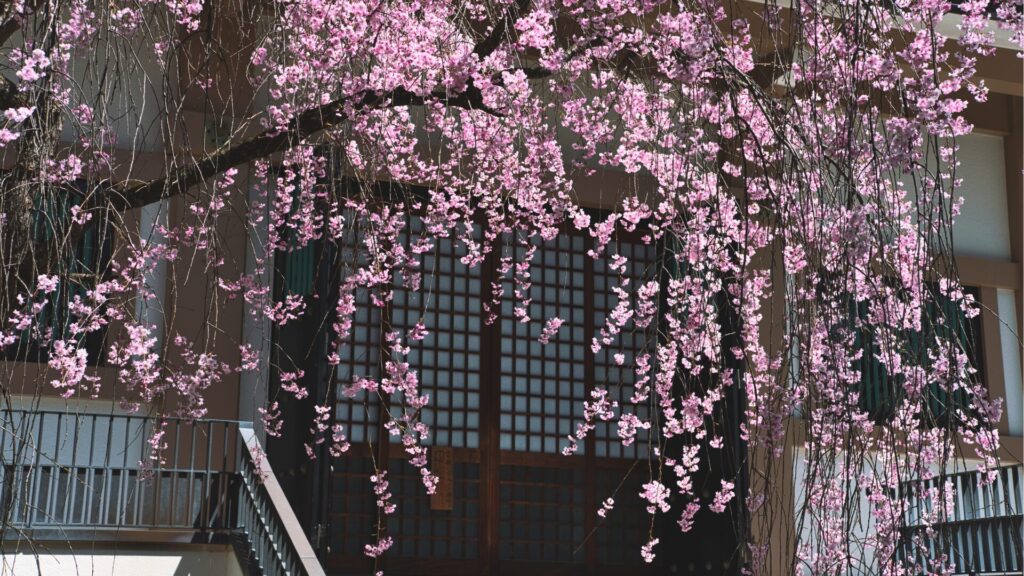
Ueno Park gets crowded for a reason—it is one of the best blossom displays in the city. The key is not avoiding crowds entirely, but timing your visit and choosing your route.
Best crowd-management tactics
- Weekday morning = highest comfort.
- Avoid midday if you dislike shoulder-to-shoulder walking.
- Use side paths to move between zones, then step back onto the main promenade for photos.
- Pick a “photo first, food later” plan. Photos are easiest early; stalls are easiest when you’re not in a rush.
Hanami etiquette in Ueno Park (simple rules that keep your day smooth)
Cherry blossom viewing is fun, but it is also a shared public experience. A few basic habits make a big difference.
- Keep walking lanes clear. Don’t stop in the middle of the promenade for group photos.
- Respect picnic space. Avoid stepping on tarps or squeezing through private picnic areas.
- Trash discipline matters. Bring a small bag and dispose properly.
- Volume control. Especially in shrine zones and near families.
If you plan to picnic, arrive early to find a spot and keep your setup compact.
Night cherry blossoms in Ueno Park: what “yozakura” feels like
Ueno Park is a strong choice for nighttime sakura because the central promenade becomes a glowing corridor. Even if you already visited in daylight, the park looks different after dark.
Night-viewing tips
- Use a phone’s night mode or a camera with image stabilization.
- Shoot side angles rather than straight down the busiest lane.
- For a calmer finish, walk toward Shinobazu Pond after the promenade.
What to do near Ueno Park after cherry blossom viewing
Ueno is a “stackable” neighborhood—meaning you can combine blossoms with food, museums, and old-Tokyo streets without long transit.
High-value add-ons
- Museums in Ueno Park: ideal if the weather turns or blossoms are between stages.
- Ameya-Yokocho (Ameyoko) market street: snacks, street food, shopping, lively energy.
- Yanaka area (short ride/walk): quieter, traditional streetscapes, local cafés.
If you’re planning a full Tokyo day, Ueno blossoms can be your morning anchor, then you can branch out to Asakusa, Akihabara, or Ginza depending on your style.
Sample itinerary: Ueno Park cherry blossoms + Tokyo highlights (one day)
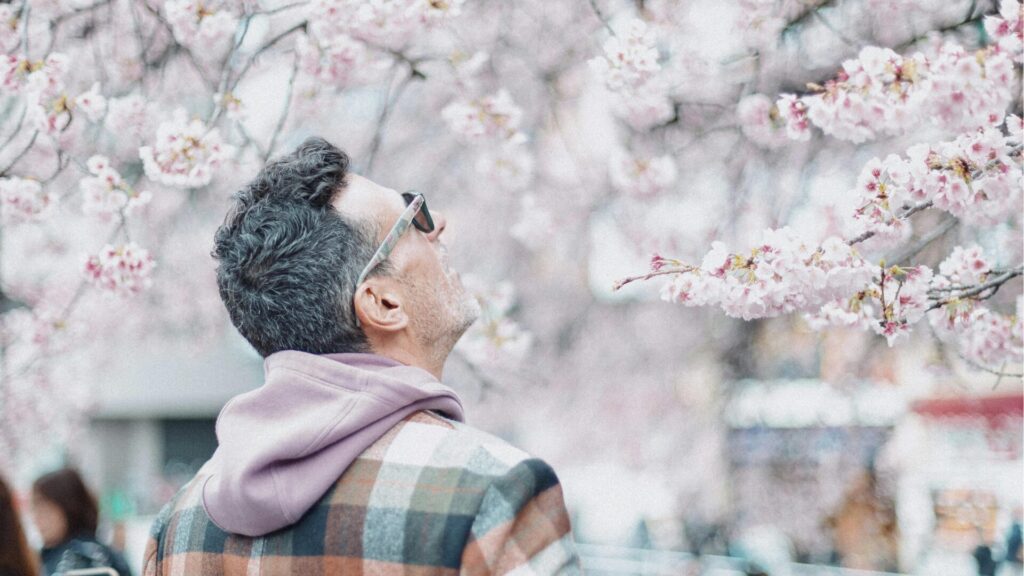
08:30–10:30 — Ueno Park promenade (photos + calm walk)
Start early for clean shots and a relaxed pace.
10:30–12:00 — Shinobazu Pond + shrine zone
Shift away from the densest crowd while staying in the sakura area.
12:00–13:30 — Lunch at Ameyoko
Street food or casual dining, then a short browse.
14:00–16:30 — Choose your Tokyo “second act”
- Asakusa for temples and riverside walking
- Akihabara for pop culture and electronics
- Ginza for shopping
17:30–19:30 — Return to Ueno for night blossoms
Even if you only stay 30–60 minutes, it’s worth seeing the atmosphere.
20:00 onward — Turn your spring day into a Tokyo night experience
And this is where many travelers miss a unique option that is almost impossible to do well without local logistics: Tokyo’s JDM car-meet culture.
From cherry blossoms to JDM culture: the perfect Tokyo spring night plan
Cherry blossom season is peak Tokyo—so it’s the ideal time to add a second “only-in-Japan” experience after dark. If you love cars (or even if you simply want something different from temples and shopping), Tokyo’s nighttime car culture is a memorable contrast to daytime hanami.
The most famous destination is Daikoku Parking Area (Daikoku PA), a legendary gathering place for JDM enthusiasts. But Daikoku PA has strict access realities: it sits inside an expressway junction, and visiting responsibly requires the right approach.
Why it pairs well with Ueno Park
- Ueno Park is best in the day and early evening.
- Daikoku PA is typically strongest at night, especially on weekends.
- You get a “Tokyo spring” storyline: sakura beauty → neon city → car culture.
-

-
Daikoku Car Meet (Daikoku PA) Guide: How to Visit Japan’s Most Famous JDM Meet
Daikoku Parking Area (Daikoku PA) is the most iconic place in the Tokyo–Yokohama region to see Japanese performance cars, tuned builds, and rare classics gathering in one spot. If you’re searching for the Daikoku car meet, this guide explains what it is, what to expect, how to visit responsibly, and why a guided JDM tour is the most reliable way to experience it—especially if you don’t have your own car. What is Daikoku PA? Daikoku PA is a highway parking area on the Shuto Expressway network in Yokohama (Kanagawa), near Tokyo. Unlike a typical roadside rest area, Daikoku PA has ...
続きを見る
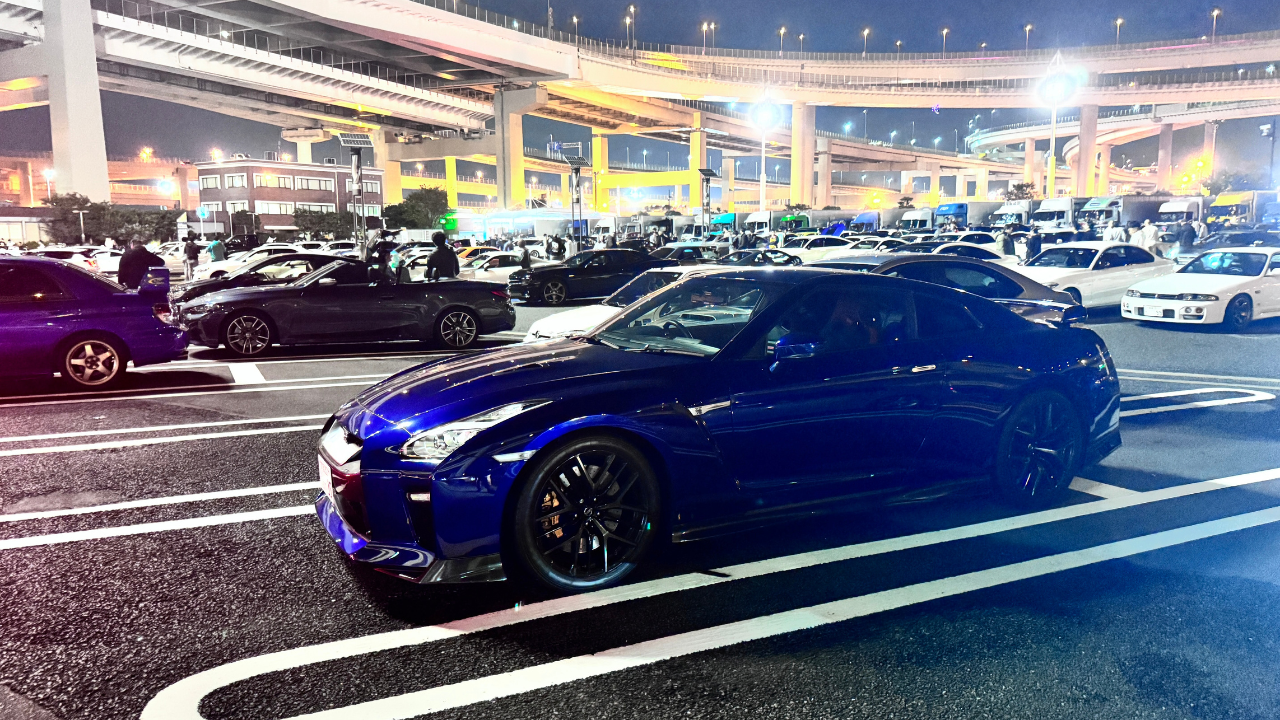
The most common Daikoku PA mistake: assuming you can just “show up”
Daikoku PA is not a theme park. It is an active expressway rest area, and there are clear rules that can shut down a trip if you ignore them.
- You cannot approach it like a normal city attraction.
- Access methods matter, and poor planning can lead to a wasted night.
If Daikoku PA is on your bucket list, plan it as a guided experience that keeps you on the correct side of logistics and etiquette.
-

-
Daikoku Parking Area Rules (Daikoku Futo PA): How to Visit Legally, Respectfully, and Avoid Closures (2026)
Visiting Daikoku Parking Area (大黒PA)—often searched as Daikoku PA, Daikoku Parking Area (PA), or Daikoku Futo Parking Area—is a bucket-list moment for JDM fans. But Daikoku is not a theme park or an “event venue.” It’s a working expressway rest area on the Shuto Expressway network, and the rules are enforced. This guide covers the practical rules that matter most: legal access, what behavior gets people removed, and how to reduce the risk of sudden entry restrictions—so visitors can enjoy the scene without becoming the reason it gets shut down. The Golden Rule: You Can’t Walk to Daikoku Parking Area ...
続きを見る
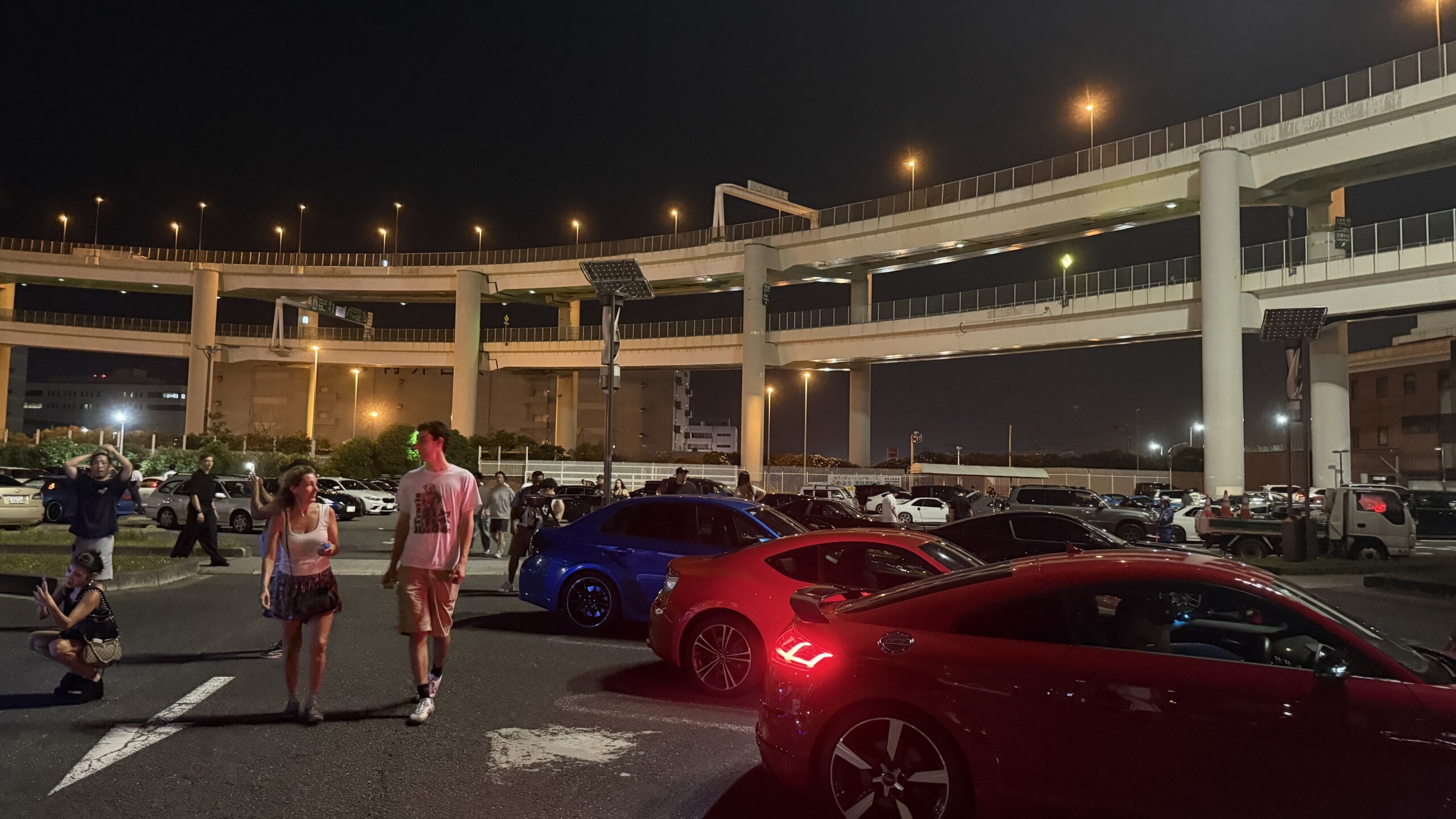
Why a guided Daikoku PA tour is the easiest way to do it right
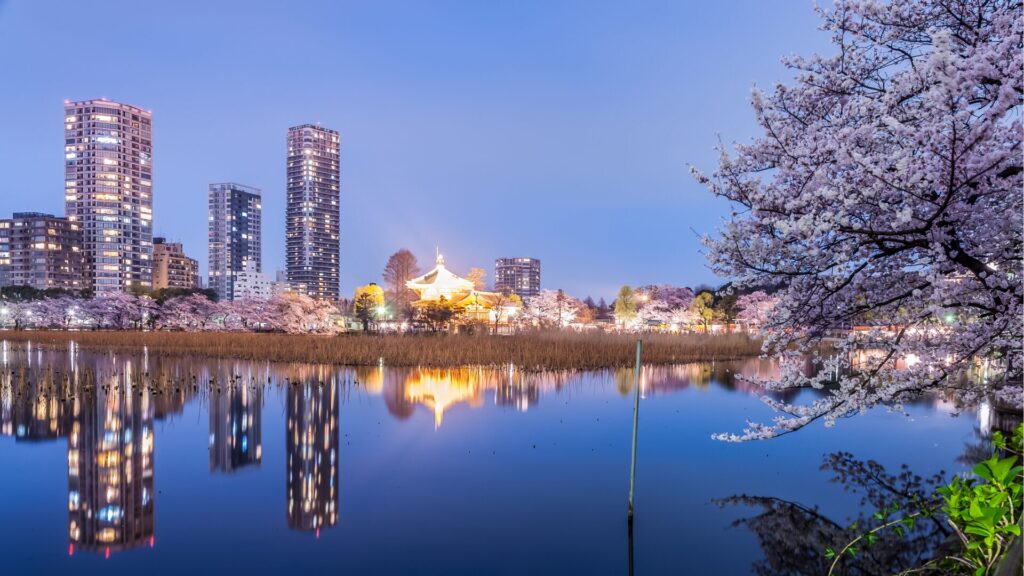
During cherry blossom season, Tokyo is crowded, hotels are busy, and nights disappear quickly. A guided JDM tour is the simplest way to add Daikoku PA without sacrificing your schedule.
A well-run tour gives you:
- Correct access planning (no guesswork, no dead-end routes)
- Timing strategy to arrive when the atmosphere is strongest
- A stress-free night after a full day of walking and sightseeing
- Local guidance on etiquette and what you’re seeing
If you came to Tokyo for the most iconic seasonal experience—Ueno Park cherry blossoms—this is how you elevate the trip into something that feels truly one-of-one.
If you’re going to Daikoku PA, leave it to us

Experience an unforgettable JDM tour — ride in a legendary Japanese sports car and drive from Tokyo to Daikoku Parking Area, cruising Tokyo’s iconic roads along the way. Choose from favorites like the GT-R (R35 / R34 / R32), RX-7, Supra, and more.
We offer one of the highest-quality JDM driving experiences in the industry, at a fair and reasonable price.
Want to know more details or check availability?
Message us on WhatsApp for quick replies and easy booking.
Spots often sell out, so we recommend booking early.
Duration: about 3 hours
Meeting Point: Shibuya Station
Language: Beginner-level English & Japanese
Customer Reviews
Daikoku PA Video: What It’s Really Like
Important Information
- This is a drive tour where you drive your rental car, and our guide navigates from the seat.
- This is a self-drive tour where you drive your rental car, and our guide navigates from the passenger seat.
- The tour begins and ends at the same location (Shibuya).
- If the Daikoku Parking Area is closed, we will instead guide you to another car meet further away.
- The consultant is a cultural expert and navigator, not a taxi service.
