ryusei

The Ultimate Underground JDM Culture Experience in Tokyo

2026/1/16
What is Liberty Walk? Liberty Walk (LBWK) is a Japanese tuning house and lifestyle label known for dramatic wide-body aesthetics, exposed-rivet overfenders, and race-inspired silhouettes. What began as a Nagoya-based custom shop has grown into a global brand spanning body kits, complete builds, apparel, collectibles, and headline-grabbing demo cars. For travelers, Liberty Walk is both a destination (flagship boutiques) and a living subculture you can watch at real street-level meets in Tokyo and Yokohama. Liberty Walk in Japan: Store & Location Overview Below is a traveler-focused overview of LBWK’s core touchpoints across Japan. Store displays, hours, and inventory change seasonally; confirm details before you go. LBWK HQ (Nagoya) The spiritual home of the brand and base for many hero builds. Visitors often find display cars, merch capsules, and the most complete range of aero catalogs. Aim for weekday daytime to avoid crowds. Liberty Walk Tokyo (Harajuku/Cat Street) A compact boutique-meets-showroom with rotating display cars and sought-after drops (tees, hoodies, caps, decals, 1:64–1:18 models). It’s the easiest add-on to a Daikoku PA night because you can shop by day and shoot cars by night. Liberty Walk Osaka Osaka’s scene blends LBWK styling with Kansai’s tuning DNA. Expect apparel, accessories, and occasional demo-car appearances. Some maps list a second Osaka location; treat this as a search term rather than a guarantee and verify before traveling. Pop-ups & Partner Retailers (Tokyo/Shinjuku and nationwide) LBWK frequently collaborates with fashion and toy retailers. Limited pop-ups, collab corners, and capsule drops can appear around Shinjuku, Umeda, Sapporo, and other hubs during ...
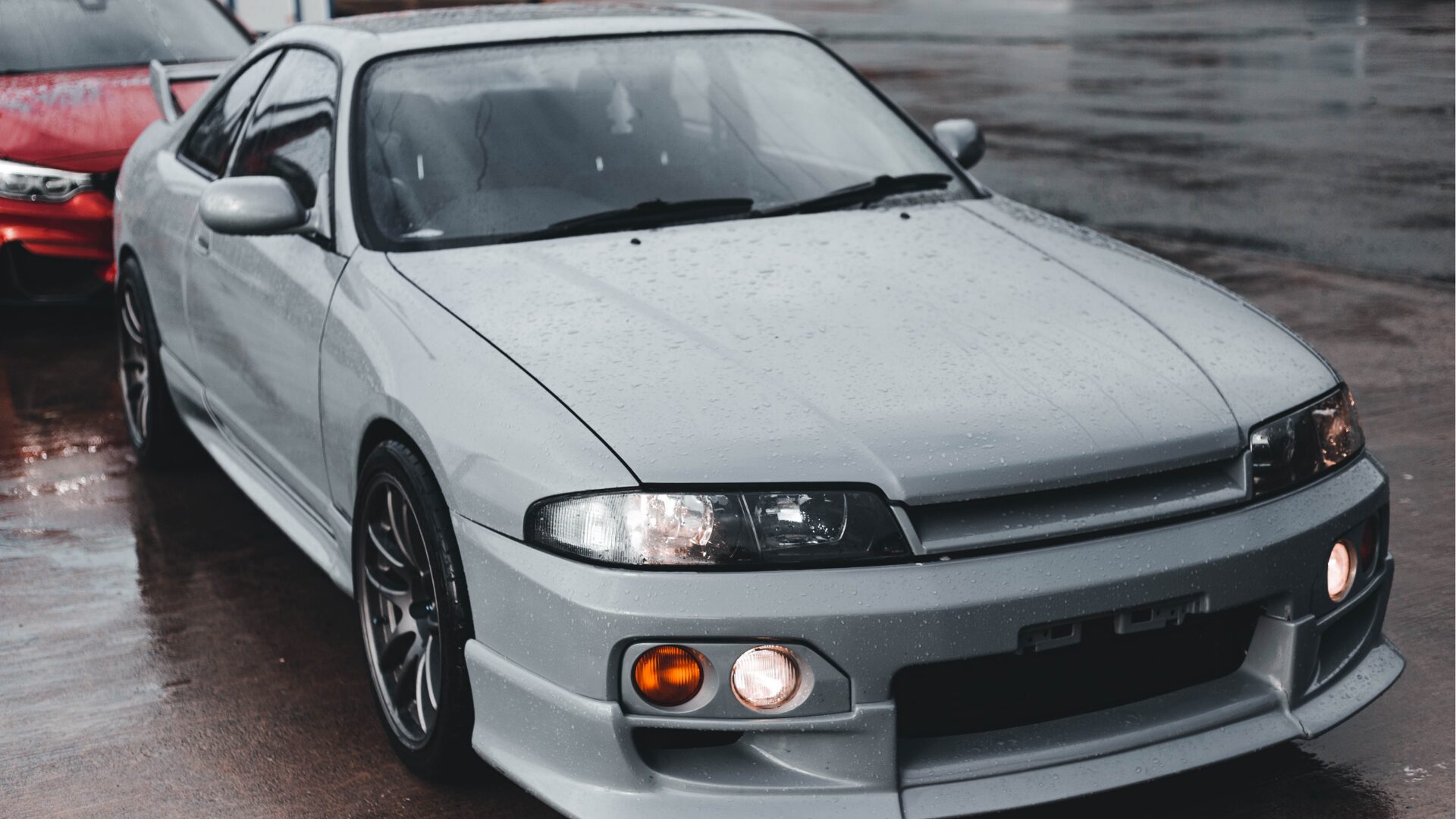
2026/1/12
JDM drift is more than smoking tires and counter‑steer angles—it’s a living subculture that blends engineering, aesthetics, and community. If you’re planning a car‑centric trip to Tokyo or Yokohama and want to experience Japan’s drift scene correctly (and legally), use this guide to plan a night that delivers authentic cars, epic photos, and zero hassles—centered around Daikoku Parking Area (Daikoku PA), the capital’s most famous highway car‑meet hub. What Is JDM Drift? JDM (Japan Domestic Market) drift is the Japanese-born driving style that emphasizes controlled oversteer, precision throttle modulation, and smooth transitions through a corner. It grew from mountain‑pass (touge) runs and organized grassroots events into a globally recognized motorsport with dedicated cars, tires, and parts. A (very) brief history Early practitioners turned factory coupes into balanced, lightweight drift tools—think Toyota AE86, Nissan Silvia/180SX, and Mazda RX‑7. Track days and dedicated drift series popularized setups like limited‑slip differentials, coilovers, angle kits, and hydro e‑brakes, while media and games pushed the style worldwide. What makes a car “JDM drift” specific? Chassis: Nissan S‑chassis (S13/S14/S15), 180SX, Skyline (ER34), Toyota JZX90/100 (Chaser/Mark II/Cresta), AE86, Subaru/Toyota ZN6/ZN8, etc. Hardware: 2‑way LSDs, angle kits, clutch‑type diffs, big‑bore cooling, lockout hubs. Aero & wheels: BN Sports/Rocket Bunny bodywork, aggressive offsets, Work/Volk/SSR wheels—functional stance for clearance and grip. Cabin: Fixed‑back seats, multi‑point harnesses, hydro e‑brake levers, fire safety. Is Drifting Legal in Japan? Short answer: no on public roads, yes on closed circuits and legal events. Japan enforces road laws strictly—highway parking areas, surface streets, and touge roads are not for stunts. ...
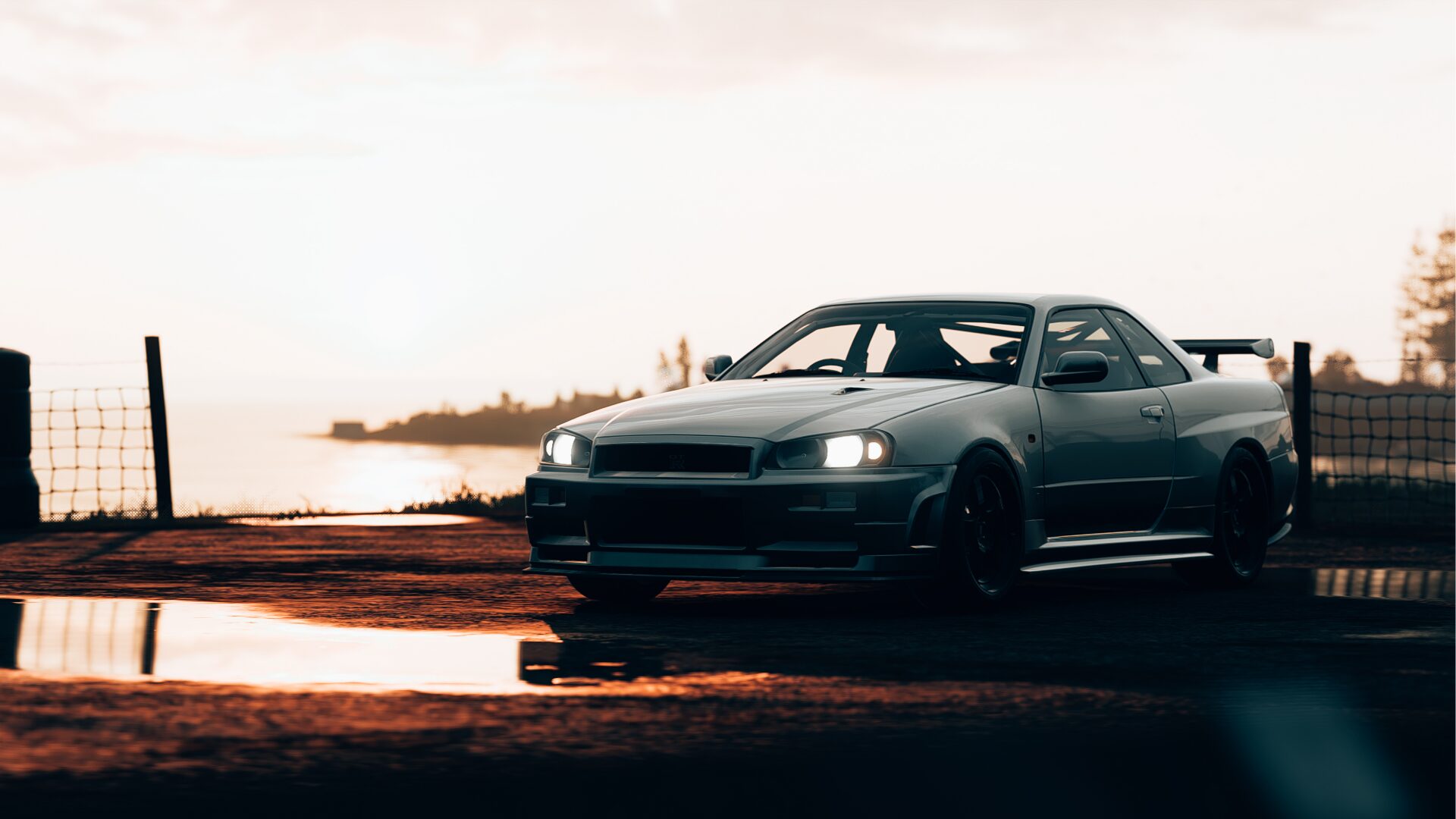
2026/1/10
JDM culture is more than fast cars and late‑night meets—it’s a uniquely Japanese blend of craftsmanship, hospitality, and respect for the road. In this guide, you’ll learn what JDM culture really means, why Daikoku Parking Area (Daikoku PA) is its most iconic gathering spot, and how overseas visitors can experience it smoothly and responsibly. What Is JDM Culture? “JDM” stands for “Japanese Domestic Market,” originally describing vehicles and parts built for sale inside Japan. Over time, the term evolved into a global lifestyle: a shared language of engineering, tuning, and community centered on Japanese cars and the people who love them. At its heart: Authenticity: Factory‑fresh models and parts designed for Japan (from mirror placements to ECU maps), plus period‑correct wheels, aero, and interiors. Craftsmanship: Obsessive maintenance, tasteful modifications, and an emphasis on balance—power, reliability, and drivability. Community: Respectful meets, quiet behavior in residential areas, and a culture of helping one another with tools, translations, and parts sourcing. JDM vs. “Japanese Car Culture” vs. “Import Scene” JDM refers to Japan‑spec vehicles and parts; not every Japanese‑branded car sold globally is JDM. Japanese car culture is the broader lifestyle in Japan—meets, cruises, motorsport, shops, cafes, and museums. Import scene (overseas) grew around the desire to bring Japan‑spec cars or styling abroad. Many enthusiasts visit Japan to see the authentic scene and learn proper etiquette before bringing ideas home. A Short History of JDM Culture Japan’s post‑bubble tuning boom of the 1990s popularized high‑revving engines, lightweight chassis, and racing‑derived tech. Media, video games, and magazines amplified sub‑scenes—from ...
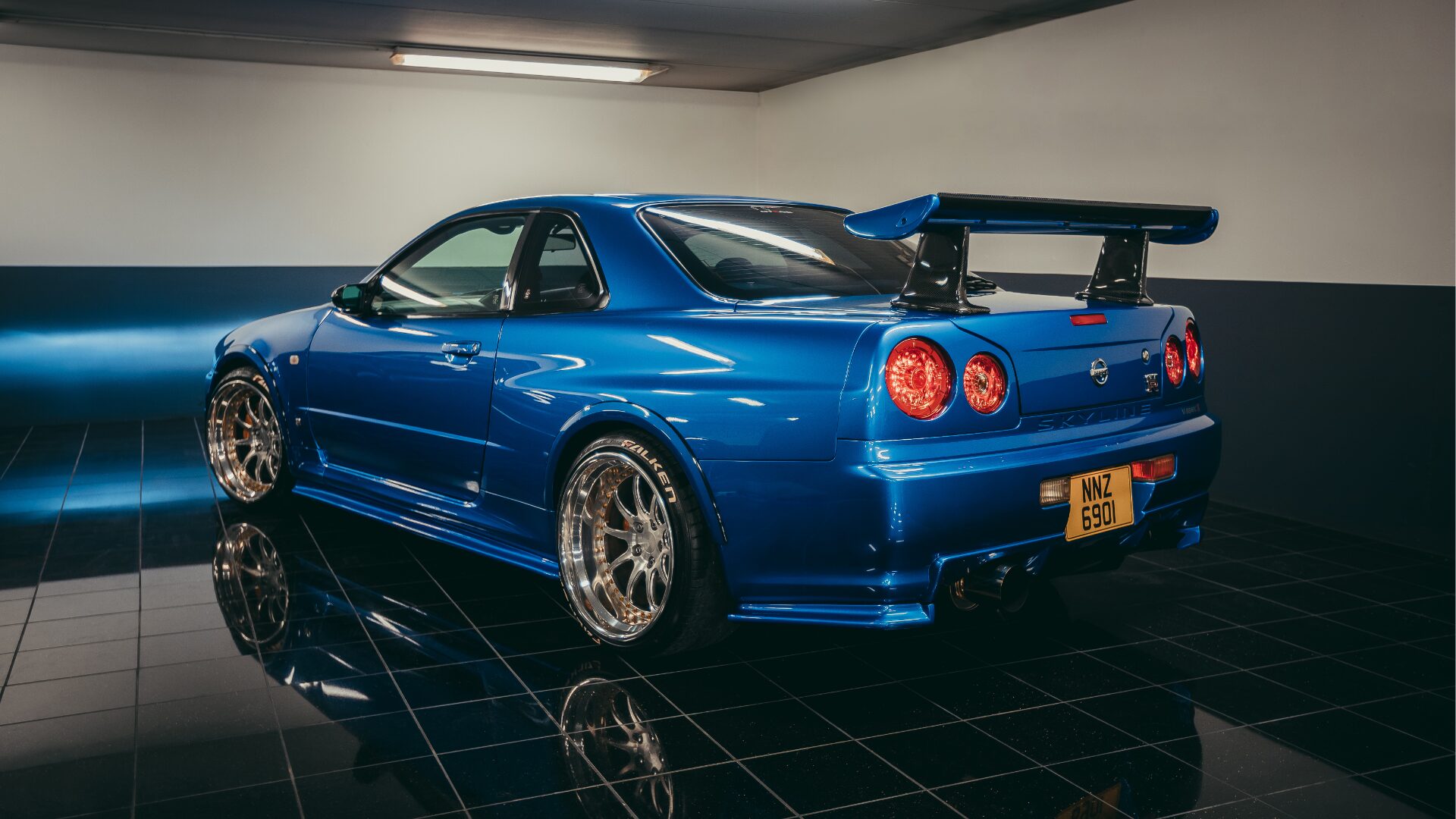
2026/1/10
JDM meaning, explained clearly: JDM stands for Japan Domestic Market—vehicles, parts, and options made or configured specifically for sale in Japan. In other words, JDM is a specification and market designation, not just a national origin label or an aesthetic. This guide unpacks what counts as true JDM, how it differs from export models, and why Daikoku Parking Area (Daikoku PA) has become the must‑see showcase of Japan’s performance car culture. What Does JDM Mean? At its core, JDM refers to any Japan‑market specification—from entire vehicles (e.g., a Japan‑spec Skyline) to factory options (e.g., Japan‑only aero kits) and even consumables (e.g., fluids or bulbs with Japan‑market approvals). If a model, trim, or part was sold new to Japanese consumers under Japan’s standards, it is JDM. Key takeaways JDM is about where and for whom the product was built to be sold, not simply where it was assembled. A car built in Japan for export (e.g., a U.S.‑spec model) isn’t “JDM” unless it matches Japan‑market spec. Many JDM models are right‑hand drive and may feature unique ECUs, gear ratios, aero parts, lighting, and interior options tailored for Japan. JDM vs. “Japanese‑Made” vs. Export‑Spec Japanese‑made ≠ JDM. A Toyota manufactured in Japan for North America is not JDM; it’s a Japanese‑built, U.S.‑spec car. Conversely, a Mazda assembled outside Japan but sold new into Japan to Japanese consumers could be considered JDM if it follows Japan‑market specifications. Export variants differ in ways that matter to enthusiasts: final drives, ECU tuning, emissions equipment, headlight patterns, seat fabric, option codes, ...
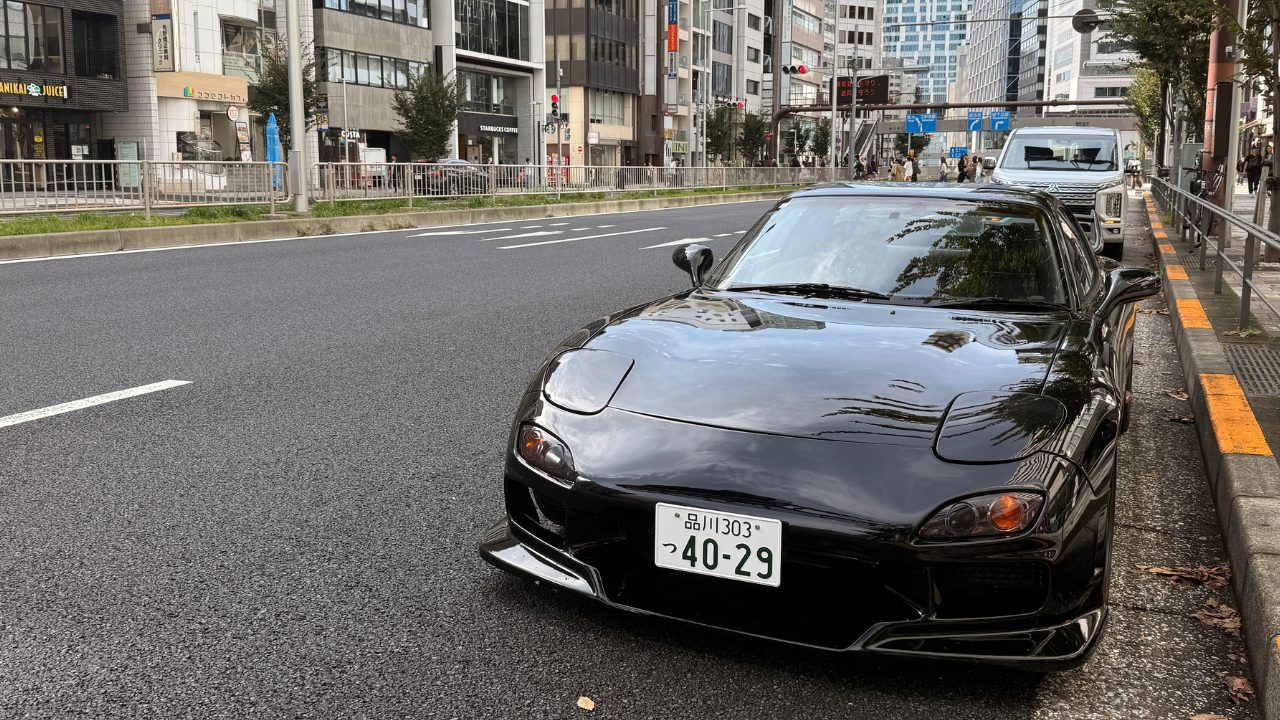
2026/1/10
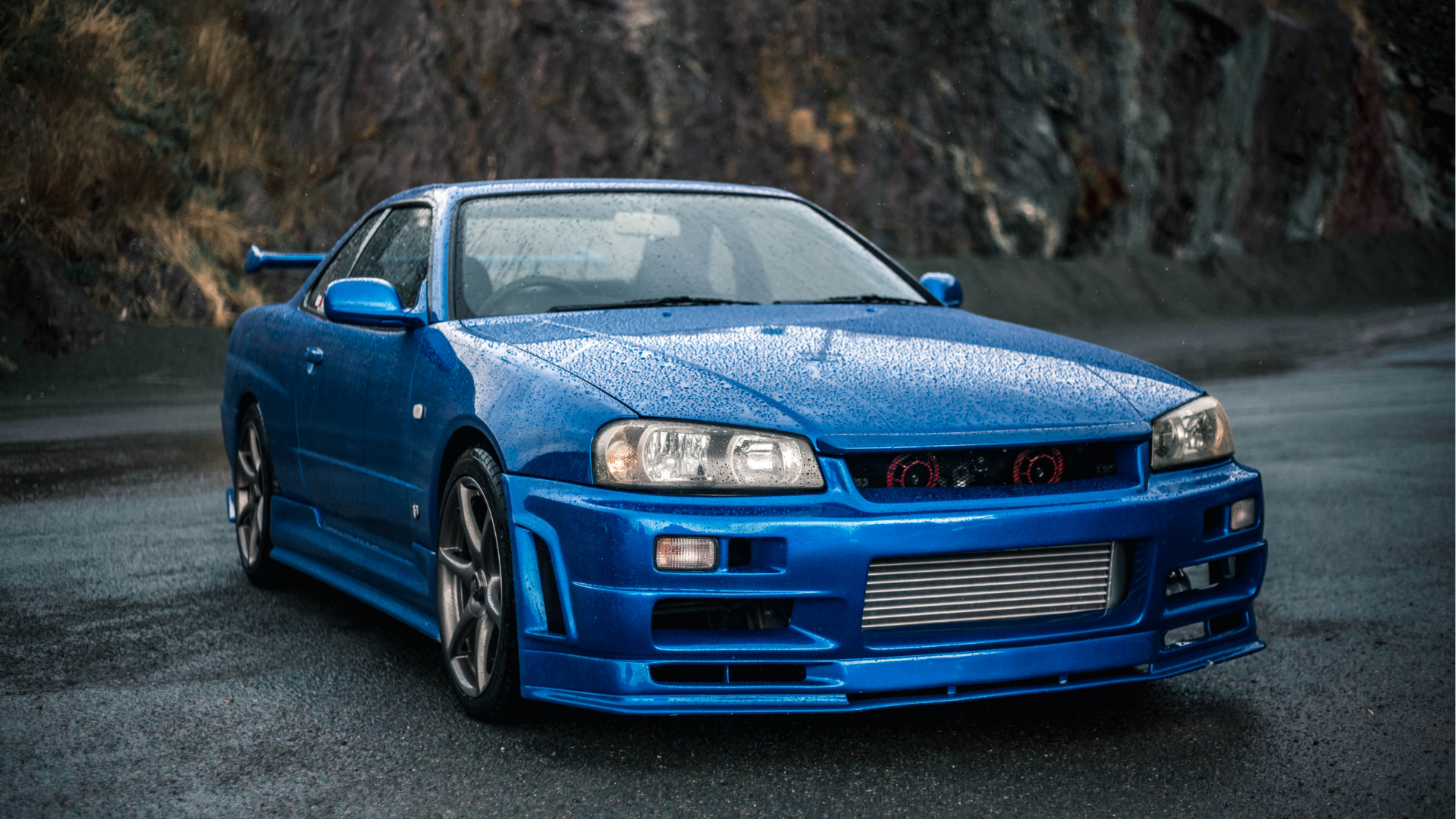
JDM isn’t just a three‑letter acronym—it’s a living, late‑night culture that pulses through Tokyo and Yokohama. If you’re planning a bucket‑list journey to Japan’s most famous car meet at Daikoku Parking Area (Daikoku PA), this guide explains what JDM really means, how to get there safely and legally, what to expect at the meet, and why booking a guided tour maximizes your chance of an unforgettable night. Book Your Private JDM Night Tour → Check availability now.Detailed tour overview and FAQs: What Does “JDM” Really Mean? “JDM” stands for Japanese Domestic Market and refers to vehicles, parts, and tuning styles developed for sale or use within Japan. In global car culture, JDM has become shorthand for a mix of performance engineering and street style cultivated by decades of grassroots meets, circuit days, and magazine‑era tuning shops. Key pillars of JDM culture Iconic models: Nissan Skyline GT‑R (R32/R33/R34/R35), Toyota Supra (A80/A90), Mazda RX‑7 (FC/FD), Honda NSX/S2000, Subaru Impreza WRX STI, Mitsubishi Lancer Evolution, Toyota AE86/86. Build philosophies: time‑attack track builds, street‑spec performance, drift‑ready FR setups, VIP/luxury stance, period‑correct '90s tuning, and OEM+ restorations. Scene etiquette: respect people and property, keep revs and music reasonable, follow staff/police direction, and leave no trace. Why Daikoku PA Is Japan’s Must‑See JDM Meet Perched on the Bayshore Route of the Shuto Expressway near Yokohama, Daikoku PA is the most name‑checked meet location in Japan. High visibility, central highways, generous parking, and a convenience store on site make it an organic late‑night gathering point. On the right evening you may see ...
2026/1/10
Meta description: Planning a Tokyo car meet night? This definitive guide compares the most reliable Tokyo-area car meet locations—led by Daikoku Parking Area (Daikoku PA)—with clear access tips, etiquette, and pro itineraries. Book our JDM tour to see it all without stress. What Counts as a “Tokyo Car Meet” Today? While many gatherings happen within Tokyo’s 23 wards, the crown jewel is Daikoku Parking Area (Daikoku PA) in Yokohama—close enough to be a core stop on any Tokyo car culture trip. Around Tokyo Bay you’ll also find Tatsumi PA, Umihotaru PA on the Aqua-Line, and smaller spots like Shibaura PA. This guide explains what you’ll actually see, how to reach each place, and the etiquette that keeps meets safe and sustainable. Daikoku PA (The Icon You Came For) Why it’s famous: Daikoku PA is the heavyweight of Japan’s night-meet scene. On peak nights you’ll see everything from period-correct JDM legends (R32–R34 GT‑R, RX‑7, Supra, NSX, AE86) to modern exotics and track-prepped builds. The circular ramp layout, elevated views, and constant churn of arrivals make it a bucket‑list stop. When it’s active: Fridays and Saturdays typically run later and busier; Sundays and holidays can spike, too. Weather and police activity always affect turnout, so flexibility is key. Why go with a tour: Logistics, timing, and changing rules can make Daikoku tricky for first‑timers. Our tour handles route timing, local guidance, and last‑mile access so you can focus on the cars—safely and legally. Best timing intel: Crowd size, season, and event calendars matter. We keep tabs on ...
2025/12/30
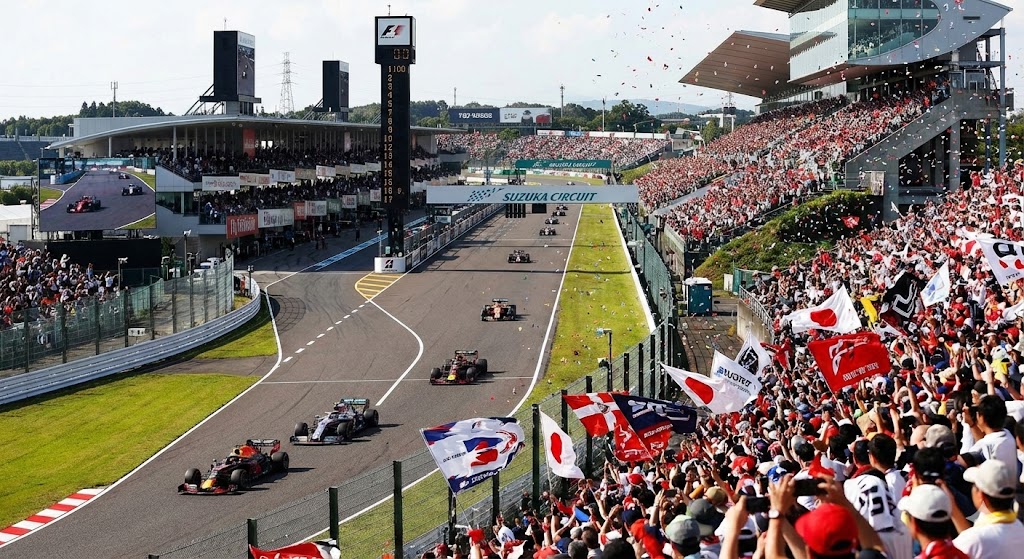
For any JDM enthusiast or Formula 1 fan, Suzuka Circuit is holy ground. It’s where legends like Ayrton Senna made history, and it’s a track many of us have driven virtually in Gran Turismo for years. But here is the reality: If you are staying in Tokyo, Suzuka is not exactly "next door." As a traveler with limited time in Japan, you might be asking: "Is it worth spending a whole day (and a lot of money) traveling to Suzuka? Or is there a better way to experience Japanese car culture?" In this guide, we break down the logistics of the trip and offer an alternative that might fit your schedule—and your JDM cravings—much better. The Logistics: Getting from Tokyo to Suzuka First, let's look at the map. Many travelers mistakenly think Suzuka is near Tokyo. In reality, it is in Mie Prefecture, which is quite a journey. Here is what a typical one-way trip looks like: Shinkansen (Bullet Train): Tokyo Station to Nagoya Station (approx. 1.5 hours). Local Train: Nagoya to Suzuka Circuit Ino Station (approx. 1 hour, usually with transfers). Walk: From the station to the gate (approx. 20 minutes). Total Time: 3 to 4 hours (one way). Total Cost: Approx. ¥13,000 - ¥15,000 ($90 - $100 USD) per person, one way. The Verdict: Is it Worth it? YES, if... You have a JR Pass and plenty of free days. You are going specifically for the F1 Japanese Grand Prix or a major event like Super GT. You want to see the museum ...
2025/12/30
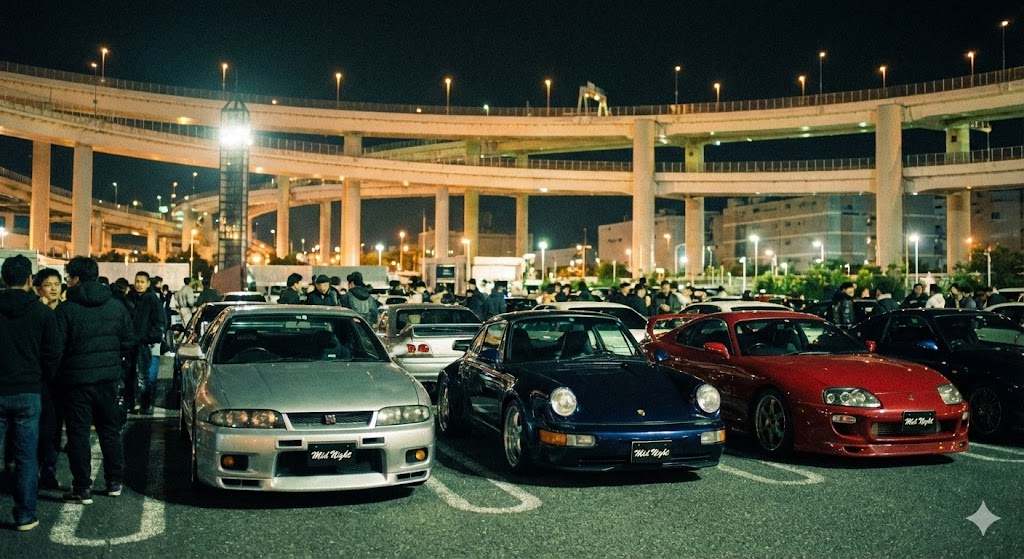
To the unsuspecting traveler, it is just a parking area. A rest stop on the Shuto Expressway to buy coffee and use the restroom. But to us—the petrolheads, the street racers, and the JDM dreamers—Daikoku Parking Area (PA) is sacred ground. It is the "Nürburgring of Parking Lots." A place where reality blurs with anime like Wangan Midnight and Initial D. But how did a concrete island in Yokohama Bay become the most famous car meet location on Earth? This is the untold history of the Temple of Speed. 1989: The Birth of a Legend (1989年:伝説の誕生) The story begins in 1989 (Heisei Year 1). Daikoku PA opened as part of the massive Yokohama Bay Bridge project. Located on a man-made island (Daikoku Futo), it was an engineering marvel designed to connect the Bayshore Route (Wangan) with the city. The Design: Its most iconic feature was accidental genius. The 360-degree spiral loop ramps created a natural "amphitheater." When you drive down into the parking lot, the sound of your engine echoes off the concrete walls, announcing your arrival to everyone below. The Early Days: Initially, it was just a rest stop for truck drivers and families. But as the 90s economy bubbled, high-performance cars began to fill the streets. The parking lot's size (large enough for 400+ cars) and its location on the Wangan made it the perfect meeting spot. The 90s: The "Outlaw" Era & The Mid Night Club This is the era that created the myth. In the 1990s, the JDM Golden Era was ...
2025/12/30
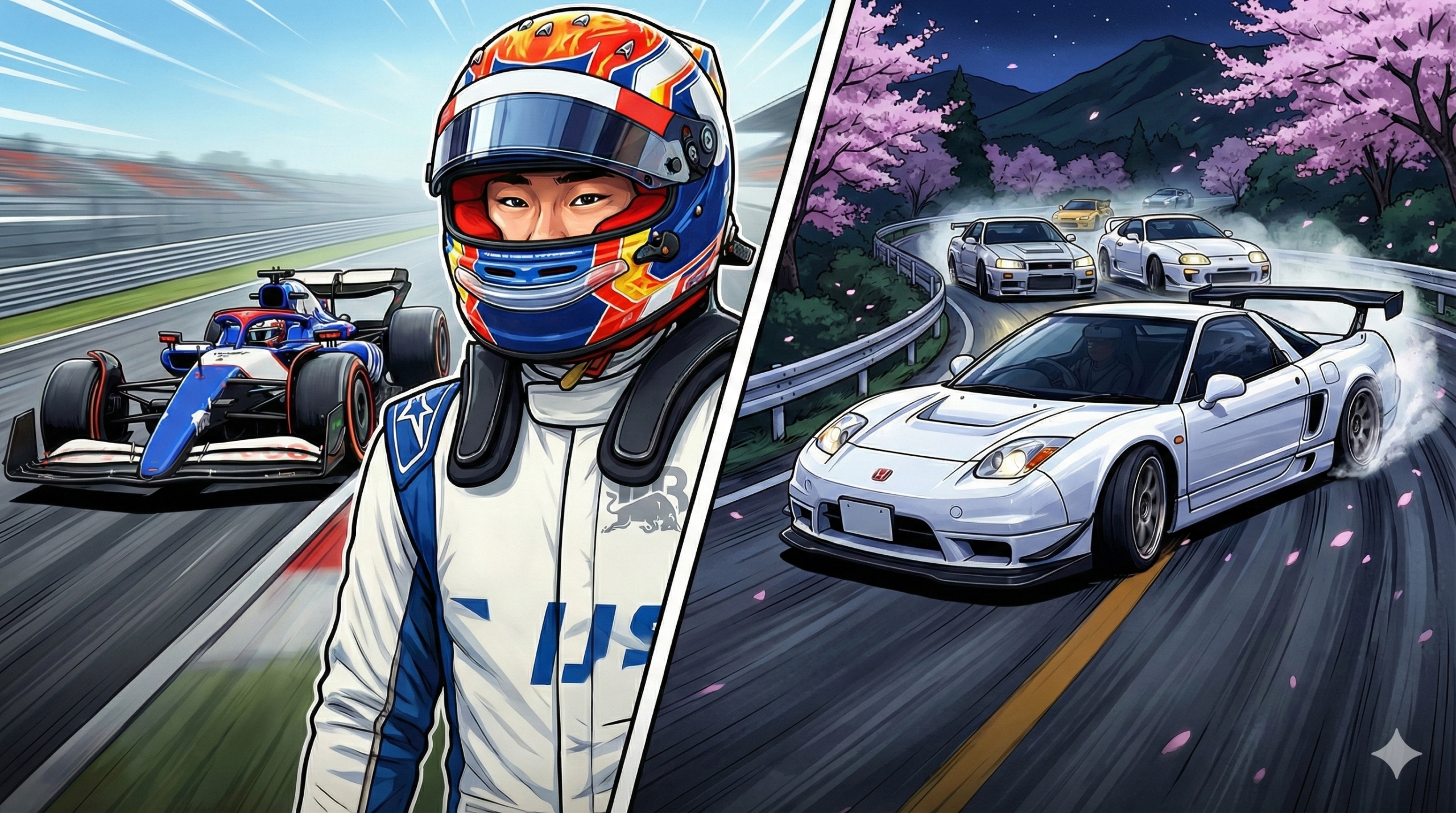
If you follow Formula 1, you know Yuki Tsunoda. You’ve heard him shouting on the radio, you’ve seen his incredible overtakes, and you’ve probably laughed at his hilarious moments on Netflix’s Drive to Survive. But beyond the memes and the "funny guy" persona, who is Yuki Tsunoda really? For fans of Japanese car culture, Yuki represents something special. He is the modern face of Japan's racing spirit—a spirit born on the winding mountain passes and engineered by legends like Honda. Here is everything you need to know about F1’s favorite underdog, and how you can experience the culture that created him. The Profile: Age, Height, and Hometown (基本プロフィール:年齢、身長、そして故郷) First, let’s get the basic stats out of the way, because these are some of the most searched questions about him! Name: Yuki Tsunoda (角田 裕毅) Born: May 11, 2000 (Age: 25) Hometown: Sagamihara, Kanagawa, Japan Height: 1.59m (approx. 5’3”) Current Team: Visa Cash App RB Formula One Team Yuki is famous for his compact size, often joking about needing pedals adjusted or standing next to taller drivers like George Russell. But in motorsport, being light is an advantage. As the saying goes in Japan: "Small but mighty." The Career: A Meteoric Rise Yuki didn't take the slow road to F1. He sprinted. Backed by Honda’s "Dream Project," he dominated the Japanese F4 Championship before moving to Europe. His talent exploded in the 2020 Formula 2 season, where he won the "Rookie of the Year" award and finished 3rd overall. His aggressive driving style caught the eye ...
2025/12/30
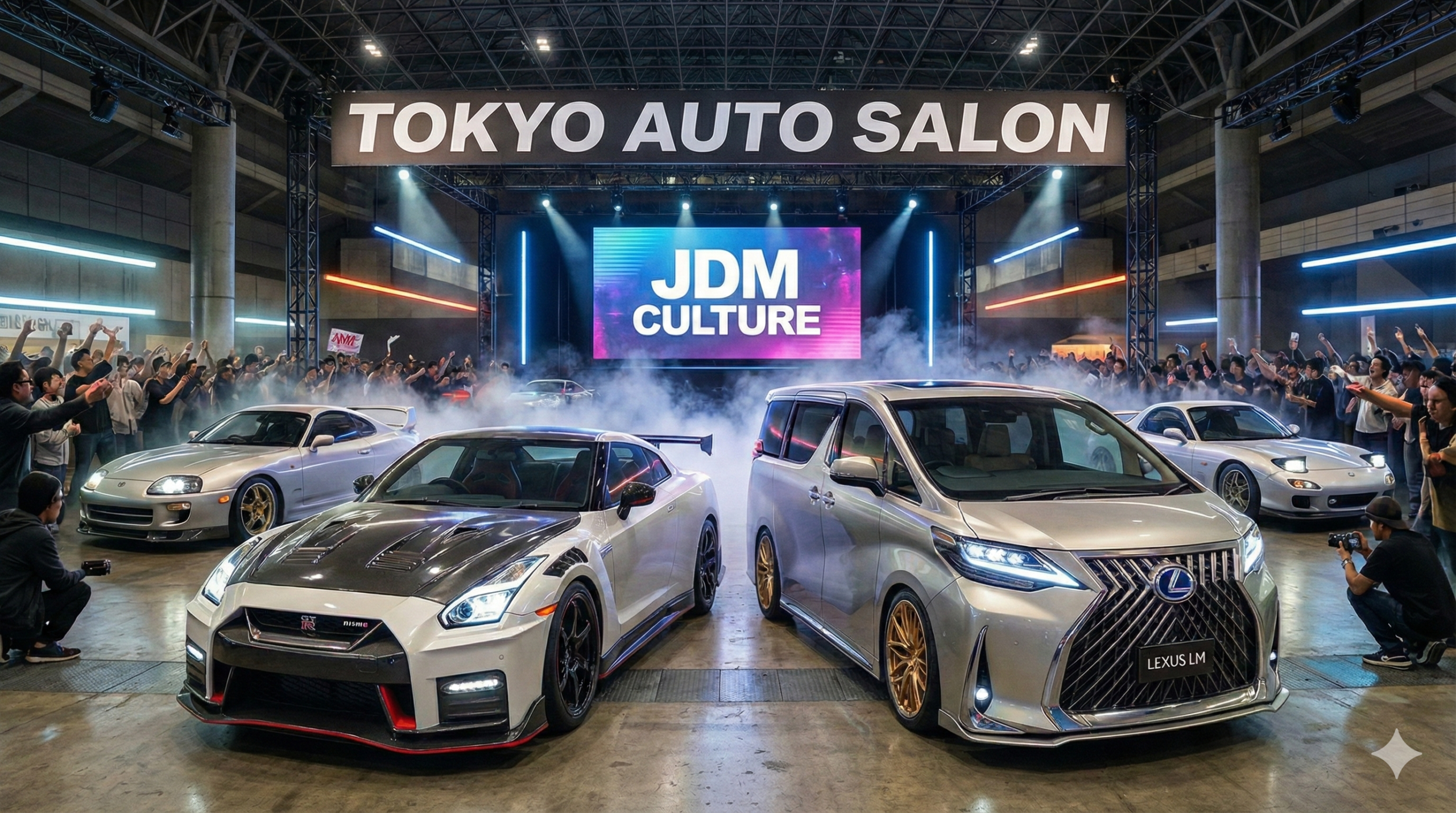
If you are a fan of JDM (Japanese Domestic Market) culture, there is no event on earth quite like Tokyo Auto Salon (TAS). As we head into 2026, the excitement is reaching a fever pitch. Whether you’re looking for the latest performance builds, legendary tuners, or rare "Hachi-Roku" sightings, TAS 2026 is the place to be. Here is everything you need to know to navigate the "Mecca" of car culture. 📅 Event Dates & Schedule Tokyo Auto Salon 2026 takes place over three days in mid-January. Note that Friday morning is reserved for media, but the afternoon opens to the public! January 9 (Friday): 9:00 AM – 7:00 PM (Business & Media) | 2:00 PM – 7:00 PM (General Public) January 10 (Saturday): 9:00 AM – 7:00 PM (General Public) January 11 (Sunday): 9:00 AM – 6:00 PM (General Public) 📍 Location: How to Get There The event is held at Makuhari Messe in Chiba Prefecture. While it’s called "Tokyo" Auto Salon, it’s actually about 45–60 minutes outside of central Tokyo. Venue: Makuhari Messe (International Exhibition Hall 1–11) Address: 2-1, Nakase, Mihama-ku, Chiba City, Chiba 261-8550 By Train: The closest station is JR Kaihin-Makuhari Station (Keiyo Line). From Tokyo Station: Take the JR Keiyo Line (Red Line) toward Soga or Fuchu-Hommachi. It’s a 35-minute rapid train ride. By Bus: Direct highway buses run from both Narita and Haneda airports directly to Makuhari Messe. Pro Tip: Make sure your Suica or Pasmo card is topped up! The station gets incredibly crowded after the show ends. 🔥 ...
 English