ryusei

The Ultimate Underground JDM Culture Experience in Tokyo

2025/12/30
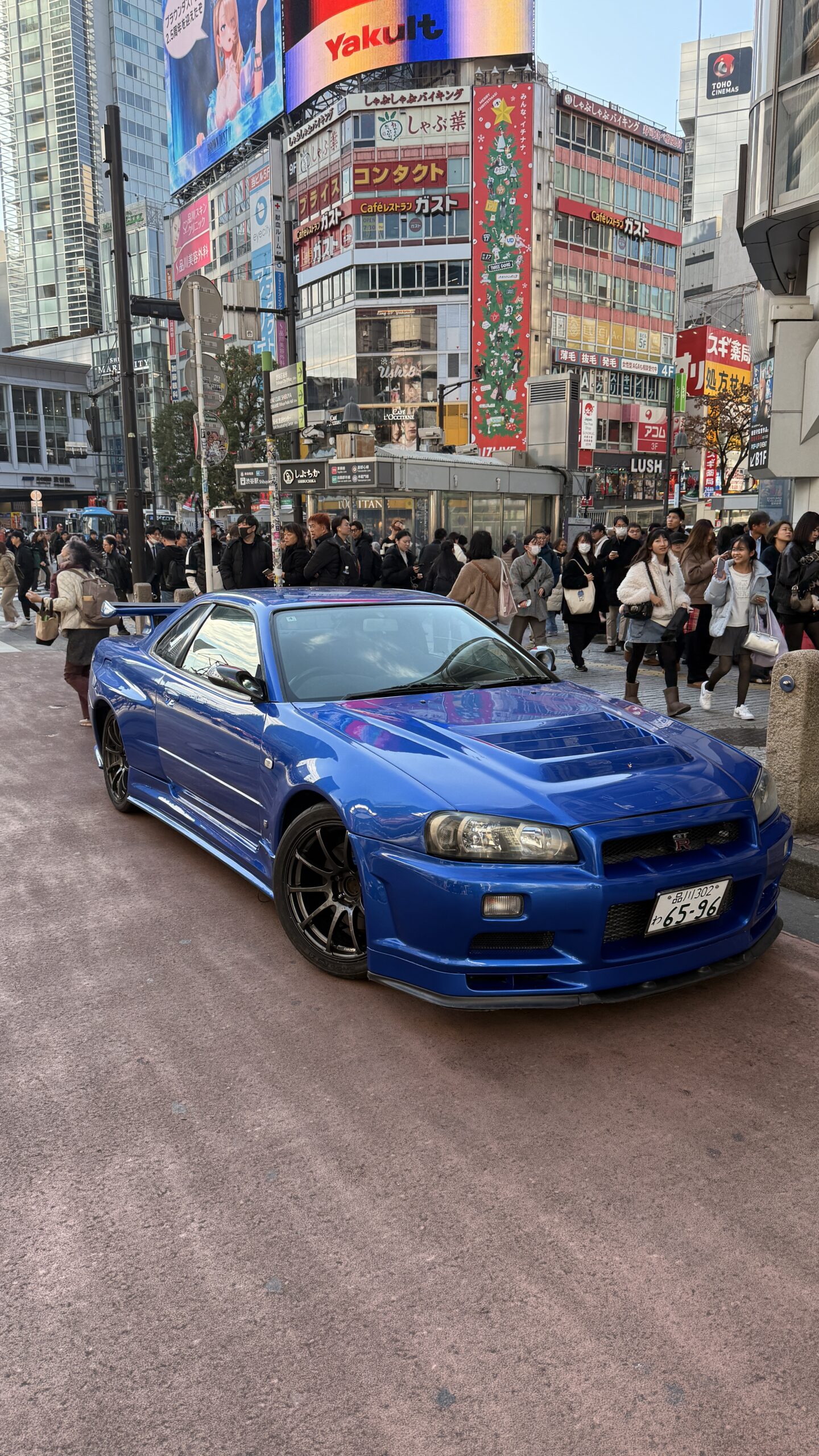
The Fast & Furious franchise isn’t just a movie series; it’s the reason an entire generation fell in love with Japanese Domestic Market (JDM) cars. While the films are a product of Hollywood, the real stars often come from the streets of Tokyo. As a 24-year-old JDM owner living in Shibuya, I’ve seen how these movies transformed cars like the R34 and RX-7 into global icons. Here is our definitive ranking of the Top 10 cars from the saga—and how you can live out your movie fantasies right here in Japan! 10. Dodge Charger Off-Road (1970) | Furious 7 Driver: Dominic Toretto Who could forget the sight of cars being dropped from a plane? This rugged, reinforced Charger showed that Dom’s muscle could survive anything—even a mountain descent. 9. Nissan 350Z (Z33) Top Secret Edition | Tokyo Drift Driver: Morimoto In the neon-lit world of Tokyo Drift, the Top Secret Z33 represented the peak of Japanese tuning culture. It’s the quintessential "villain car" that made drifting look like an art form. 8. Subaru Impreza WRX STI (2009) | Fast & Furious Driver: Brian O’Conner Used during the intense kidnapping of Braga, this AWD beast proved that Subaru's rally heritage is perfect for high-stakes urban escapes. 7. Honda S2000 (AP1) | 2 Fast 2 Furious Driver: Suki The bubblegum pink S2000 is legendary. It proved that JDM style is about personality as much as it is about performance. Watching Suki clear that bridge jump remains a top-tier franchise moment. 6. Lykan Hypersport | Furious 7 Driver: ...
2025/12/28
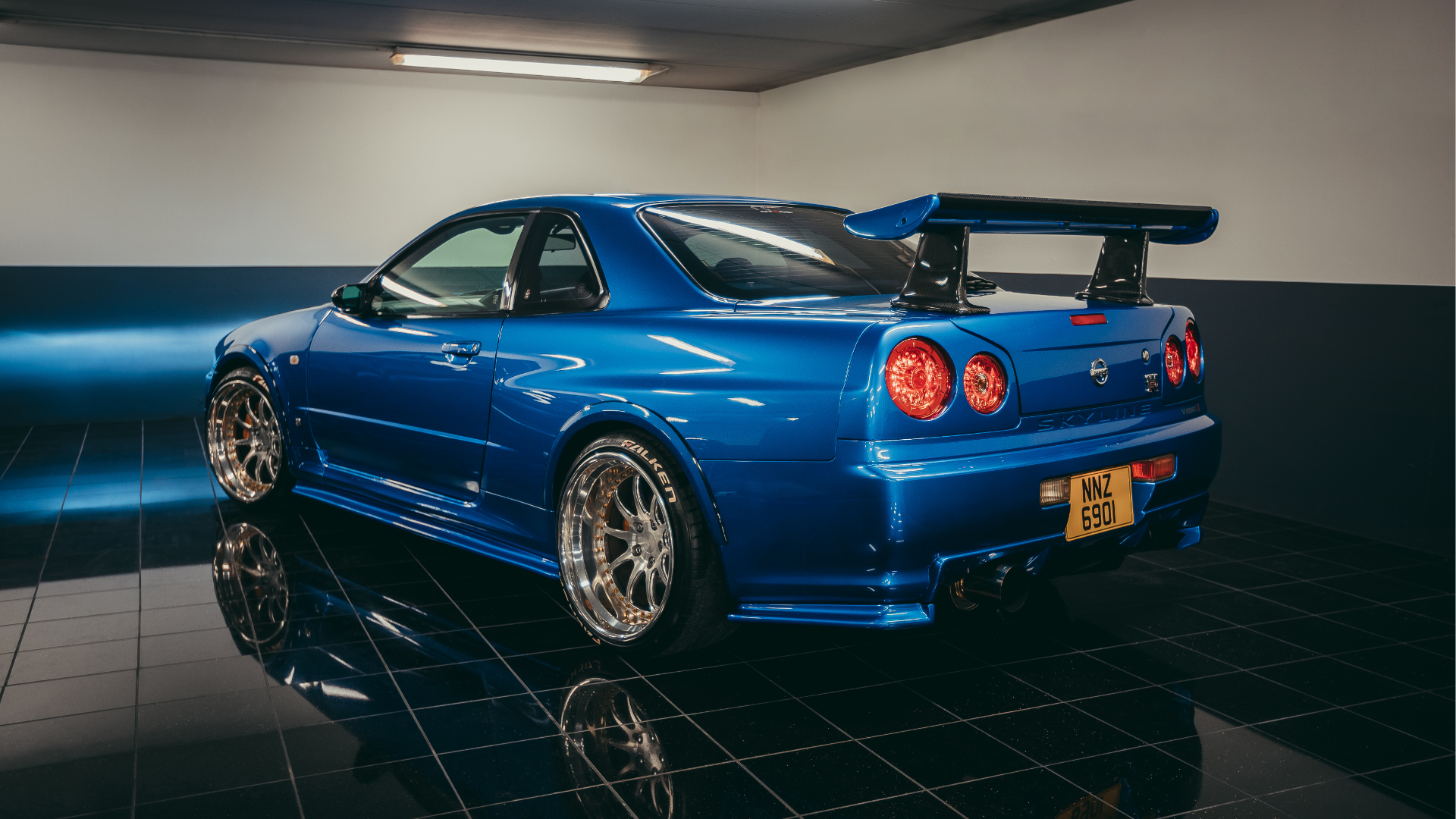
Experience the pinnacle of 90s Japanese engineering. The Nissan Skyline R34 is not just a car; it is a cultural icon, a cinematic star, and a masterpiece of performance. While the GT-R gets the headlines, the R34 offers a pure, rear-wheel-drive experience that enthusiasts crave. Now is your chance to get behind the wheel of this JDM masterpiece and feel the soul of the RB engine. The Vehicle: 1998-2002 Skyline R34 25GT Turbo The R34 is often called the "Secret Supercar." It shares the same iconic silhouette as its big brother, the GT-R, but offers a lighter, more agile driving feel thanks to its rear-wheel-drive (RWD) layout. Key Specifications FeatureDetailsEngine2.5L RB25DET NEO Straight-6 TurboTransmission5-Speed Close-Ratio ManualDrivetrainRear-Wheel Drive (RWD)Power OutputApprox. 280 HP (Stock)InductionTurbocharged with IntercoolerSeating5-Seater Coupe Why the R34? The Heart of a Beast: Powered by the legendary RB25DET NEO engine. Hear the signature straight-six howl and the addictive "pssh" of the turbo spooling up as you accelerate through the gears. The Purist’s Choice: Unlike the AWD GT-R, the ER34 sends all its power to the rear wheels. This provides a classic, analog driving experience that communicates every inch of the road back to the driver. Tactile Control: The 5-speed manual transmission is crisp and engaging, allowing you to stay in the power band and fully control the boost. Modern Classic Styling: Featuring the aggressive R34 front fascia, signature round "stovepipe" tail lights, and a timeless interior that makes you feel like you've stepped into a golden era of motoring. The Experience Whether you are cruising ...
2026/1/10
Japan is the spiritual home of JDM—where iconic nameplates like Skyline, Supra, RX‑7, and Silvia were born and bred. If you’re visiting and want to experience authentic Japanese roads behind the wheel of a well‑maintained, street‑legal performance car, renting locally is the most practical and legal way to do it. This guide explains how to rent a JDM car in Japan, what to expect on the road, and the best routes and meet‑ups to plan around your trip. Why Rent a JDM Car in Japan? Renting in Japan gives you access to cars in their natural environment—tight city streets, spotless expressways, and scenic touge. Vehicles are right‑hand drive with factory or lightly modified setups, full compliance, and comprehensive maintenance. For enthusiasts, it’s the safest way to enjoy the culture without worrying about paperwork, emissions rules, or improper modifications. Driver Requirements (Foreign Visitors) International Driving Permit (IDP): Most visitors need a 1949 Geneva‑format IDP issued in their home country, used together with your home license. Some countries (e.g., Switzerland, Germany, France, Belgium, Monaco, Taiwan) require an official Japanese translation of the domestic license instead of an IDP. Age & Experience: Typical minimum age is 20; some performance models may require 25+ and clean driving history. Passport & Credit Card: A major credit card is usually required for the security deposit. Police Stops: Carry your passport, home license, IDP (or translation), and rental agreement at all times. Tip: Verify the exact requirement for your citizenship before booking; rules differ by convention and issuing authority. What JDM Models ...
2026/1/10
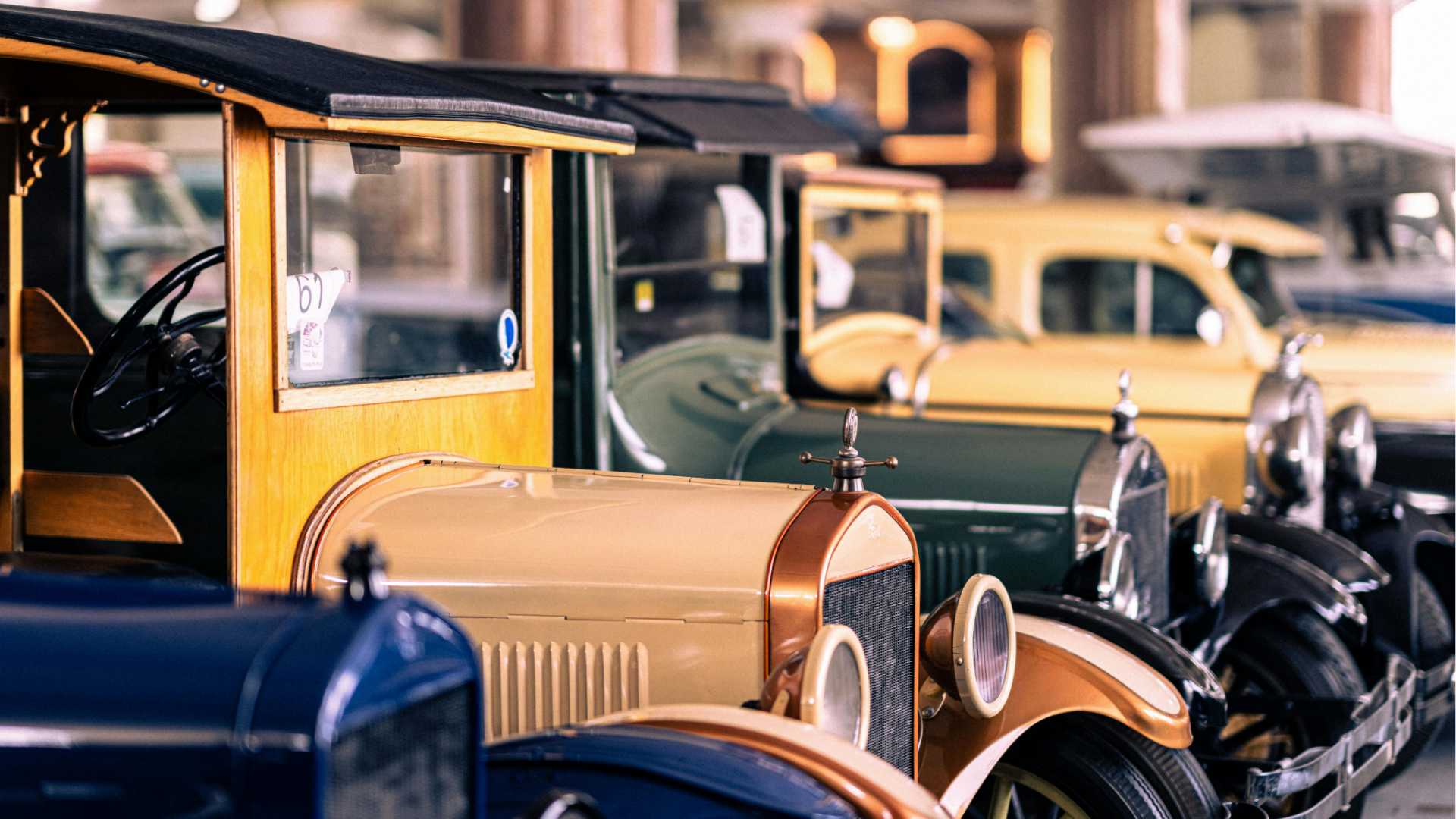
Japan’s car heritage isn’t just about high‑revving tuners and bulletproof reliability—it’s a century‑long story of craftsmanship, competition, and culture. This guide maps the best car museums across the country, explains how to visit them efficiently by rental car, and suggests road‑trip itineraries that pair museums with scenic drives and motorsport hotspots. Why Japan Is a Paradise for Automotive Museums Japan concentrates manufacturer museums, racing archives, and eclectic private collections within driveable clusters—especially around Nagoya (Toyota), the Fuji area (motorsports), and the Kanto region (Tokyo–Gunma–Tochigi). Compared with relying on trains, renting a car lets you chain multiple museums in one day, detour to mountain passes, and arrive right at rural venues with easy on‑site parking. Good to know for drivers International Driving Permit (IDP): Bring an IDP per the 1949 Geneva Convention (or a Japanese translation for licenses from countries like Switzerland/Germany/France). Highways & ETC: Japan’s expressways are tolled; ask for an ETC card with your rental to breeze through toll gates and receive consolidated billing. Navigation: Cars come with English‑capable GPS. Enter phone numbers or map codes when available to set destinations quickly. Parking: Museum lots are typically free or low‑cost; keep coins for municipal parking. The Best Car Museums in Japan (By Region) Toyota Automobile Museum (Nagakute, Aichi) A world‑class, brand‑agnostic timeline from veteran European icons to Japanese pioneers, capped by meticulous restorations. Expect half‑day depth if you read exhibits. Why go by car: Combine with other Nagoya‑area Toyota sites in one loop. Typical hours: 09:30–17:00, closed Mondays/holidays periods. Nearby pairing: Toyota Commemorative Museum ...
2026/1/10
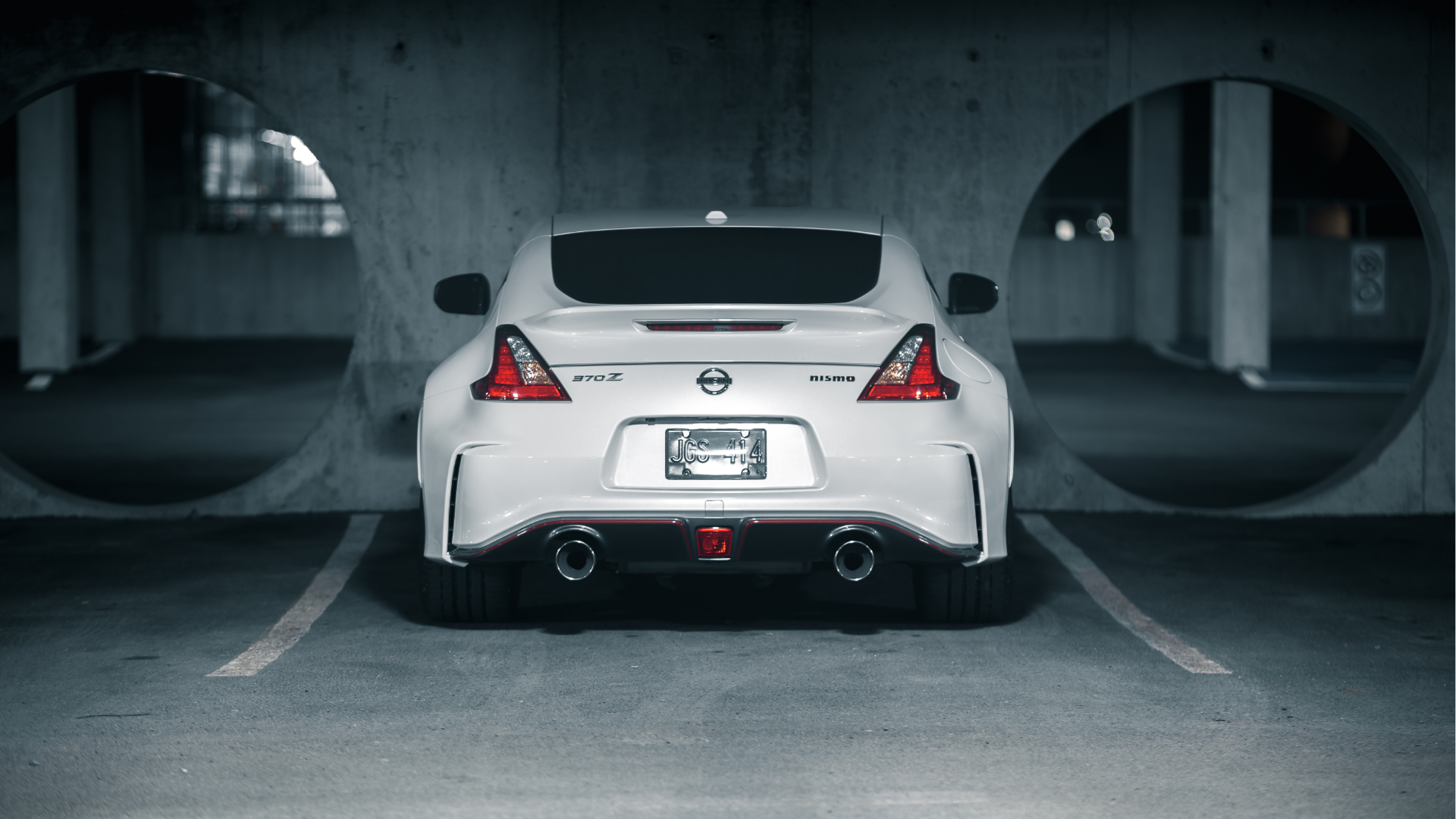
What is Daikoku PA? Daikoku Parking Area (commonly “Daikoku PA” or “Daikokufuto”) is a highway service area inside the Metropolitan (Shuto) Expressway network in Yokohama. By day it functions like a normal expressway rest stop; by night it transforms into Japan’s most photographed informal car‑meet hub. You’ll see everything from classic JDM icons and VIP builds to modern supercars and camera crews. Because it is a working service area—not an event venue—police can thin crowds or close entrances without prior notice when safety or congestion becomes an issue. Daikoku PA Today: What to Expect on a Weeknight Today (a typical Thursday in 2025), expect lighter footfall than Friday/Saturday, with peaks around 21:00–24:00 if weather is clear. Turnout fluctuates by hour; there is no official schedule, and brief police sweeps are normal when noise or traffic spikes. If you find the main loop busy, wait 20–30 minutes—flows often cycle as groups come and go. For busier scenes, target Friday late nights; for photos and relaxed conversations, mid‑week nights are ideal. Temporary Closures & Police Sweeps Closures can be partial (one side of the loop) or complete and may toggle through the evening. If you encounter a closure, do not stop on the shoulder—continue to the next PA or alternative meet spot. Respect instructions; enforcement has tightened in 2025, especially on weekends and holiday eves. How to Access Daikoku PA (2025 Options) Because Daikoku sits inside a junction, there is no pedestrian access and ordinary trains don’t arrive directly at the PA. Your realistic options are: 1) ...
2026/1/10
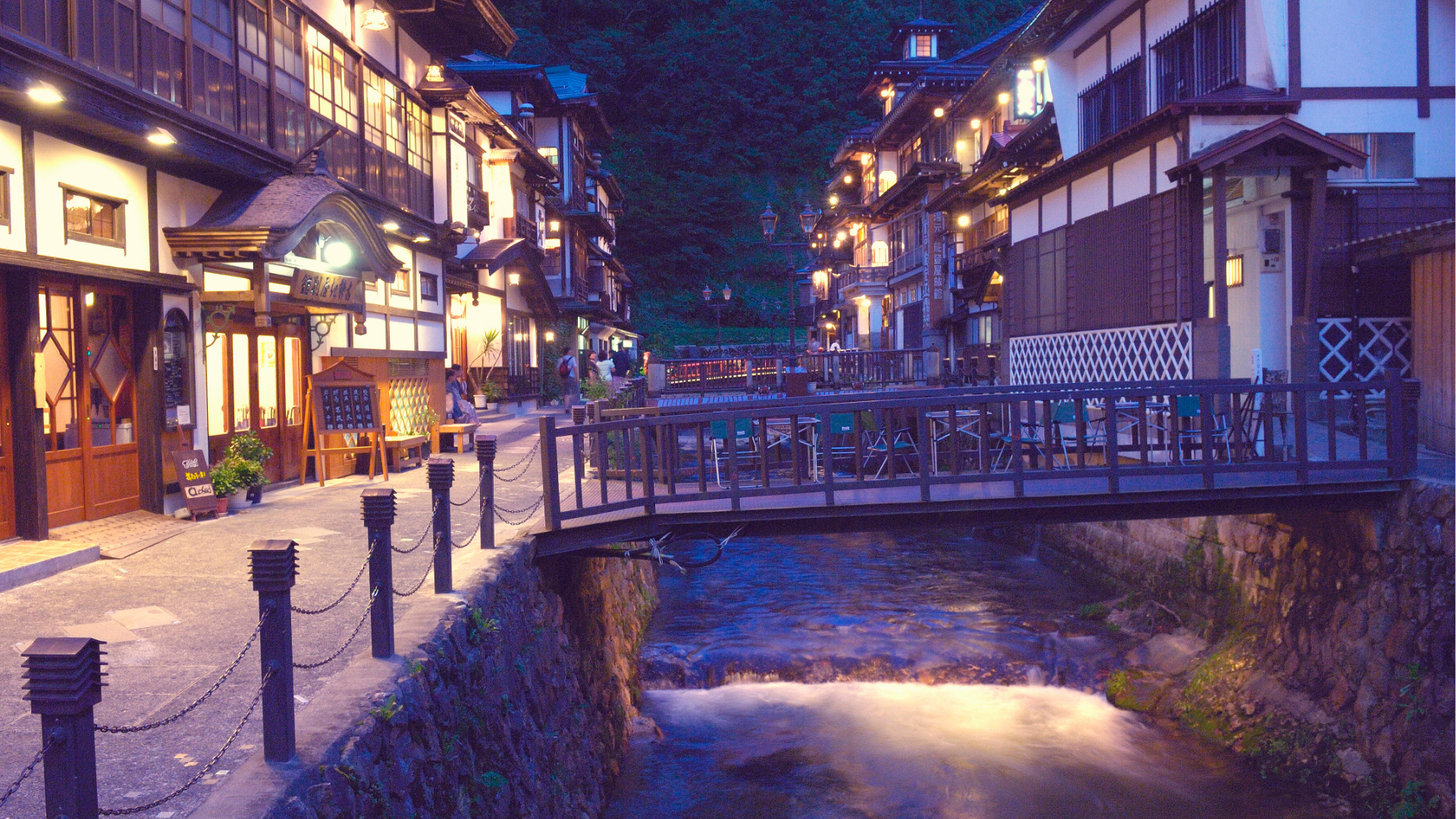
Why Drive from Tokyo to Takaragawa Onsen? Takaragawa Onsen (in Minakami, Gunma Prefecture) is one of Japan’s most scenic hot spring resorts, famous for vast open‐air baths set along a mountain river. Driving gives you maximum freedom to stop for food, viewpoints, and seasonal attractions, and it’s the easiest way to carry luggage and winter gear. If you plan a multi‑onsen road trip around Gunma and northern Kanto, renting a car from Tokyo is the most time‑efficient choice. Best Route from Tokyo (Most Travelers) Expressway: Take the Kan‑Etsu Expressway (E17) from central Tokyo (Shinjuku/Ikebukuro area via the Inner/Outer Circular routes) toward Niigata. Exit: Minakami IC. Local Roads: From Minakami IC, follow well‑signed local roads toward Takaragawa Onsen / Fujiwara. Expect about 30 minutes on local roads through the valley to the ryokan area. Distance, Time & Typical Costs Total distance: ~175–185 km (one way) depending on your Tokyo pickup point. Driving time: 2.5 to 3.5 hours each way in normal conditions; add time on holiday weekends and during ski season. Fuel: Small hybrid/compact cars typically use ~12–18 L round‑trip. Tolls: Kan‑Etsu Expressway tolls apply; using an ETC card in your rental car speeds up toll gates and may qualify for time‑of‑day discounts. Pro tip: Depart before 7:00 AM or after 10:00 AM to avoid outbound congestion. For the return leg to Tokyo, leave after dinner or before noon to miss peak inbound traffic. Seasonal Driving & Safety (Read This First) Winter (Dec–Mar): The Minakami area gets snow. Rent a car with studless winter tires as ...
2026/1/10
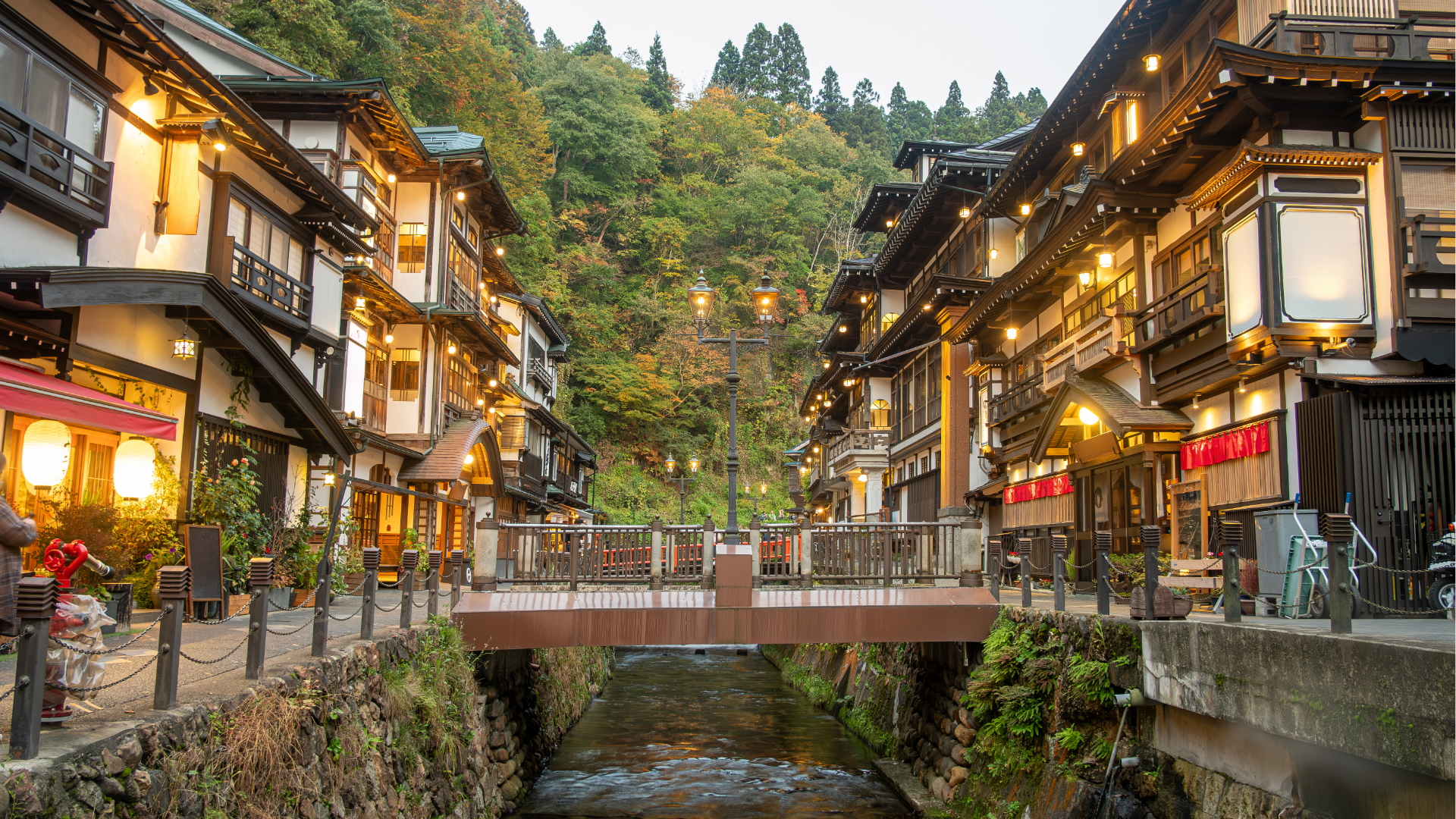
Driving from Tokyo to Minakami Onsen is one of the easiest hot-spring road trips in Kanto. With direct expressway access (E17 Kan‑Etsu), spacious parking at most ryokan, and outdoor baths set among forests and rivers, this route is ideal for first‑time drivers in Japan—especially couples, families, and small groups. Why Choose a Rental Car for Minakami Door‑to‑door convenience: Skip transfers with luggage and go straight from Tokyo to your ryokan entrance. Reach remote baths and viewpoints: Famous open‑air springs like Takaragawa Onsen and the Tanigawadake Ropeway are far easier by car. Flexible pacing: Detour to fruit farms, dam viewpoints, or michi‑no‑eki markets on your schedule. Cost‑effective for groups: One car often beats multiple train tickets for 3–5 travelers. Quick Facts Route: Tokyo → E17 Kan‑Etsu Expressway → Minakami IC → local roads (R291/R61 etc.) Driving time: ~1.5–2.5 hours in normal conditions from Nerima IC (north Tokyo); add time for central Tokyo pick‑ups and traffic. Distance: roughly 155–165 km depending on your Tokyo start point. Navigation keywords (in English): “Nerima IC”, “Minakami IC”, “Tanigawadake Ropeway”, “Takaragawa Onsen”, “Minakami Onsen Town”. Step‑by‑Step Route Overview (Tokyo → Minakami) Enter the Kan‑Etsu (E17): From central Tokyo, head to the Shuto Expressway and merge toward Nerima IC to join E17. Cruise on E17: Follow signs for Niigata / Kan‑Etsu Expressway. Service areas appear about every 30–50 km. Exit at Minakami IC: After the long Kan‑Etsu Tunnel and Tone River valley, take Minakami IC. Local roads: Use National Route 291 toward Minakami Onsen Town (5–10 min), or continue deeper into the ...
2026/1/10
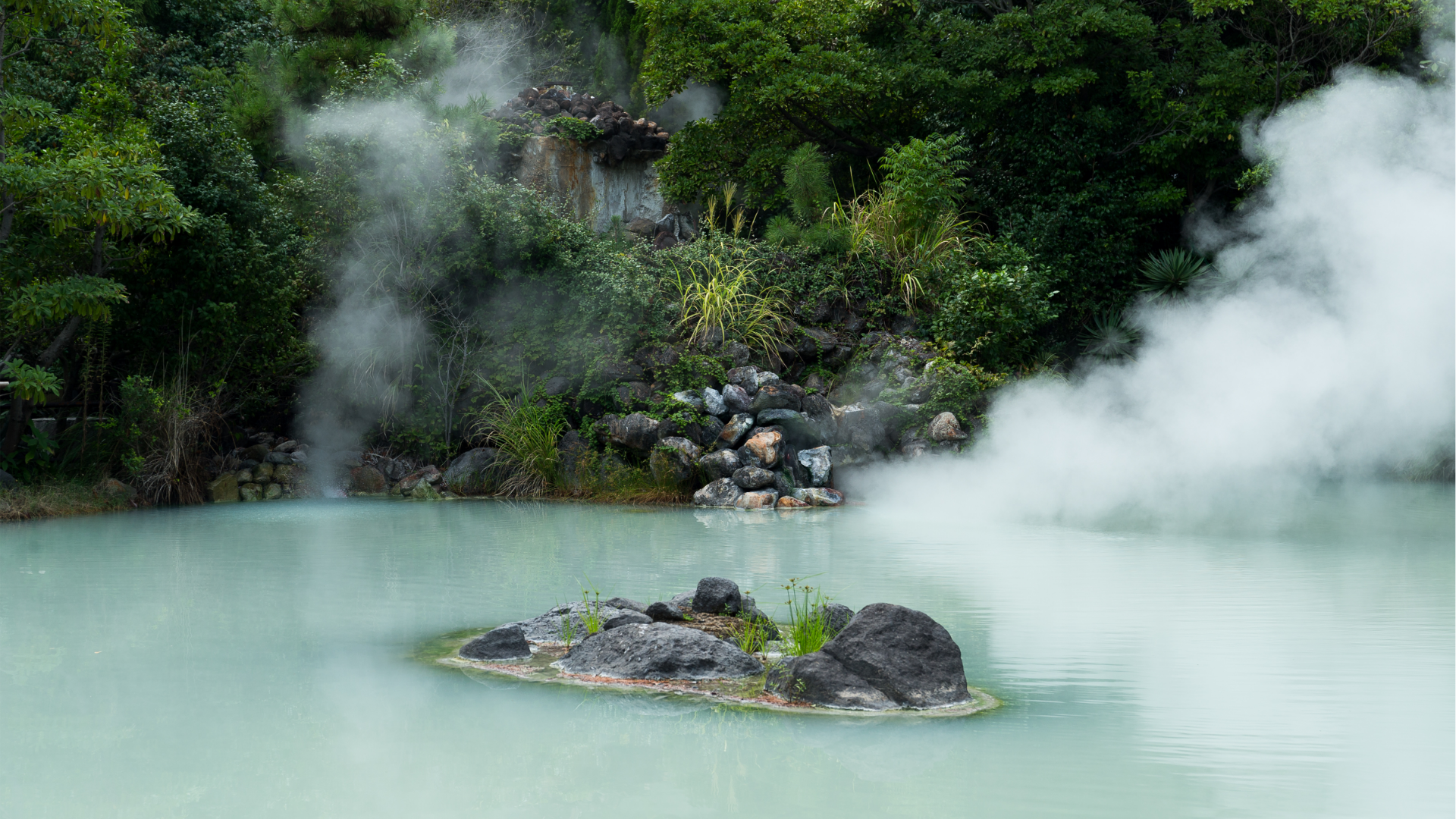
Nasu Onsen—set on the southern slopes of Mount Nasu in Tochigi Prefecture—is one of the easiest hot‑spring getaways from Tokyo if you’re driving. This guide explains the fastest routes, realistic drive times, toll and fuel costs, snow‑season advice, parking, family‑friendly stops, and a sample itinerary you can follow the moment you pick up your rental car. Why Drive from Tokyo to Nasu Onsen? Driving gives you door‑to‑door flexibility, lets you detour to roadside service areas (SA/PA), and makes it simple to carry luggage or ski gear. Compared with trains and transfers, a rental car can cut door‑to‑door time and turn the journey into part of the experience. Distance, Time & Best Departure Windows Distance: ~185–200 km (from central Tokyo to Nasu‑Yumoto) Typical time: 2 hr 30 min–3 hr via expressways in normal conditions Rush‑hour watchouts: Leave before 7:00 or after 10:00 on weekdays; on weekends/holidays start before 8:00 to avoid outbound congestion on the Tōhoku Expressway. Winter buffer: Add 30–60 minutes between December–March for potential snow or chain‑control near highland areas. Fastest Route (Tōhoku Expressway) Shuto/Kan‑etsu/Metropolitan Expressway from your Tokyo pickup to Kawaguchi JCT. Merge onto Tōhoku Expressway (E4) northbound. Continue past Sano‑Fujioka JCT and Utsunomiya. Exit at Nasu IC or Kuroiso‑Itamuro IC, then follow local Route 17/30 into Nasu‑Yumoto. Alternate Scenic Options Nasu Kōgen Plateau Drive: From Nasu IC, follow Prefectural Route 17 to Nasu Kōgen viewpoints and cafés before ascending to the onsen village. Nikkō Detour (longer): Combine Nikkō’s shrines and waterfalls with Nasu on a 2‑day loop (requires extra time). Toll, Fuel ...
2026/1/10
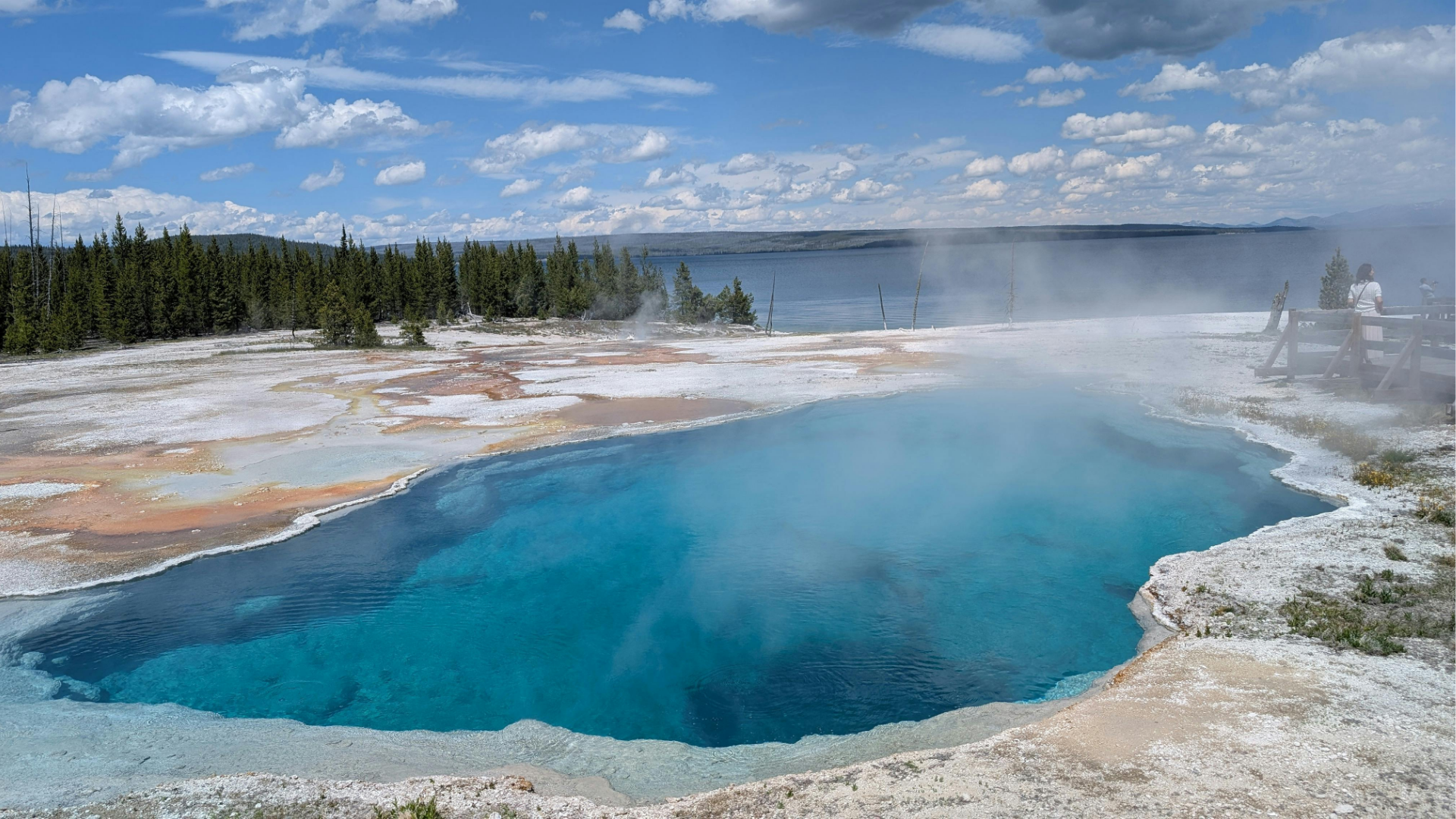
Ikaho Onsen in Gunma Prefecture is one of the easiest hot spring towns to reach from Tokyo by car. This guide covers the fastest route, realistic drive times, parking, seasonal tips, and a 1–2 day itinerary—everything overseas visitors need for a smooth, scenic self‑drive. Why Drive from Tokyo to Ikaho Onsen? Driving lets you stop at viewpoints around Mt. Haruna and Lake Haruna, bring luggage comfortably, and combine Ikaho with other onsen towns in northern Kanto (e.g., Kusatsu or Kinugawa) without juggling train/bus schedules. It’s a straightforward expressway run with plentiful Service Areas (SA) for breaks. Fastest Route Overview (Kan‑Etsu Expressway) Starting point: Central Tokyo or the Tokyo Gaikan via Nerima IC. Expressway: Kan‑Etsu Expressway northbound towards Niigata. Exit: Shibukawa‑Ikaho IC. Final stretch: National Route 17 → Prefectural roads into Ikaho (signs for “Ikaho Onsen / 石段街”). Typical driving time: ~1 hr 40 min–2 hr 20 min from central Tokyo, depending on departure time and traffic. Distance: ~130–140 km one way. Alternate Approaches Tokyo (Shuto) → Central Circular (C2) → Gaikan (Tokyo Outer Ring) → Nerima IC → Kan‑Etsu: often the most time‑reliable. From western Tokyo: join Kan‑Etsu via Takaido/Chuo → Gaikan or the Ken‑O (E1A) beltway to avoid city center congestion. Tolls, Fuel & Cost Planning Tolls: Expect a standard expressway toll for ~130–140 km. Costs vary by vehicle class, payment (ETC vs. cash), and time‑of‑day discounts. Have an ETC card enabled car to save time at toll gates and to access potential dynamic discounts. Fuel: A round trip is ~270–300 km. Even compact ...
2026/1/10
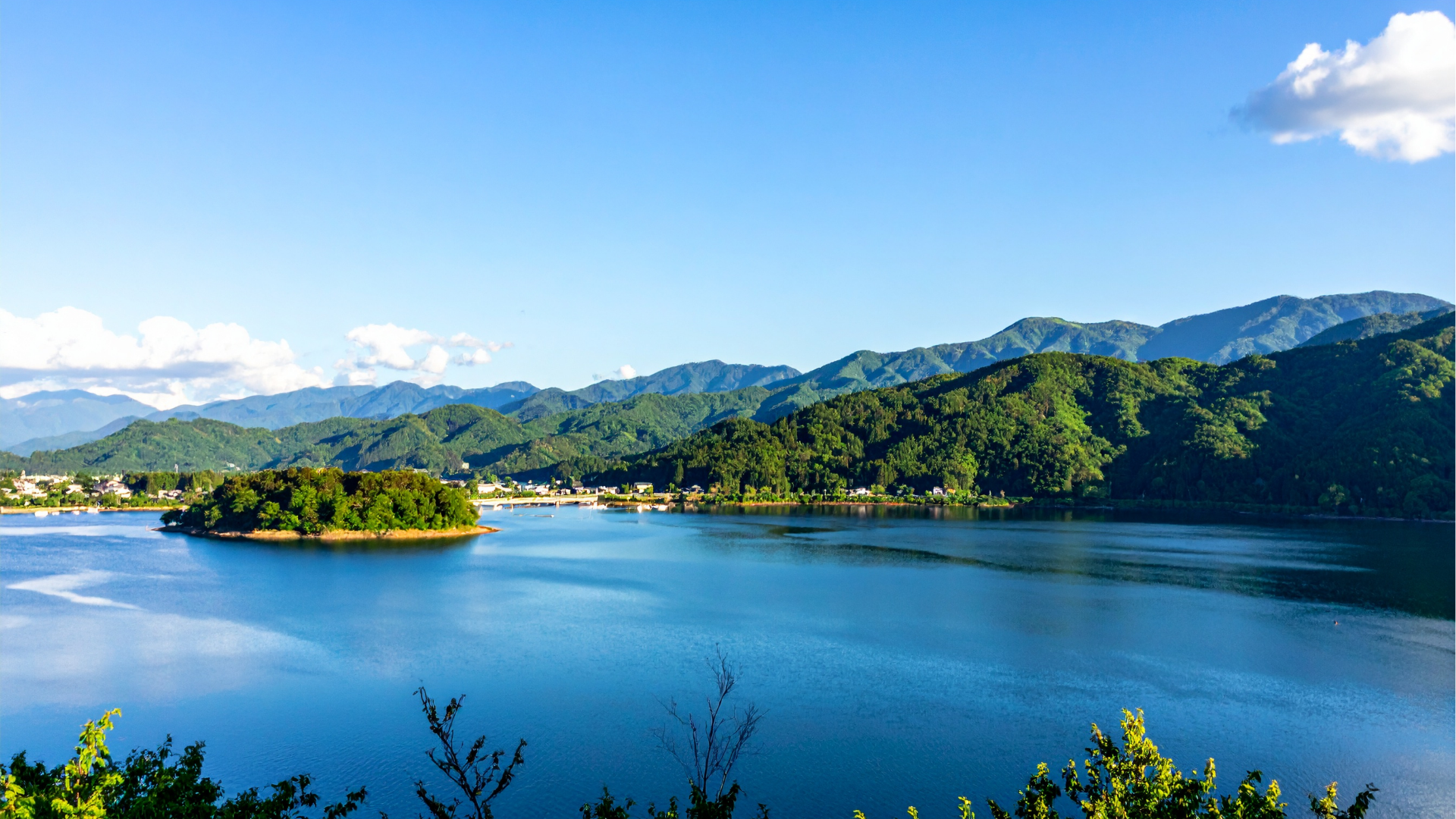
Planning to drive from Tokyo to Kawaguchiko onsen? This in‑depth guide covers routes, permits, parking, tolls, itineraries, and seasonal tips—everything you need to enjoy Lake Kawaguchiko and Mt. Fuji hot springs by rental car. Why Drive from Tokyo to Kawaguchiko Onsen? Driving gives you freedom to stop at scenic viewpoints, lesser‑known onsen ryokan, and cafés around the Fuji Five Lakes. Compared with trains and buses, a car lets you combine multiple sights in one day, travel early or late to avoid crowds, and carry luggage with ease. Quick Facts Distance & time: ~110–140 km from central Tokyo; 2–2.5 hours in normal traffic (longer on holidays). Best season to drive: Year‑round. Peak foliage in late October–November; snow possible in mid‑winter. Road type: Expressways + local roads; ETC toll lanes widely used. Ideal trip length: 1–2 days (with an onsen stay for sunset/sunrise views of Mt. Fuji). Driver requirements: Passport + valid license and an appropriate IDP (1949 Geneva) or a Japanese translation (for some countries). Best Driving Routes from Tokyo Route A: Chuo Expressway (Fastest & Most Direct) Tokyo → C2/Chuo (C3) → Chuo Expressway (E20) → Otsuki JCT → Higashi-Fujigoko Road (E68) → Kawaguchiko IC. Why choose: Typically the quickest with clear signage to “Fujigoko / Kawaguchiko.” Good for: Day trips, first‑time drivers, consistent traffic flow. Route B: Tomei → Shin-Tomei → Gotemba → Fuji Five Lakes (Scenic Option) Tokyo → Tomei (E1) / Shin‑Tomei (E1A) → Gotemba → local roads via Subashiri/Asagiri → Lake Kawaguchiko. Why choose: Views of Mt. Fuji (weather permitting), easy ...
 English