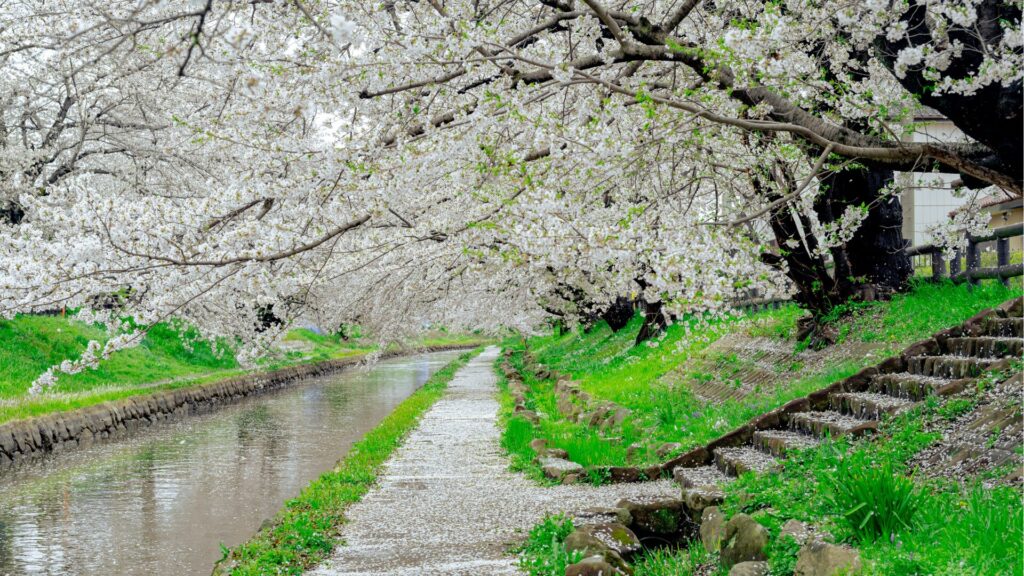
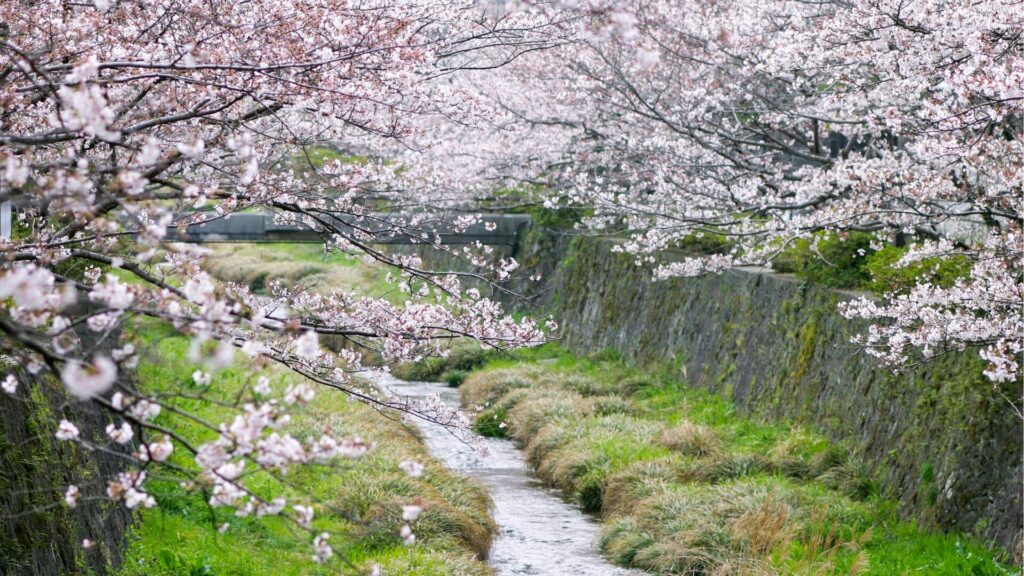
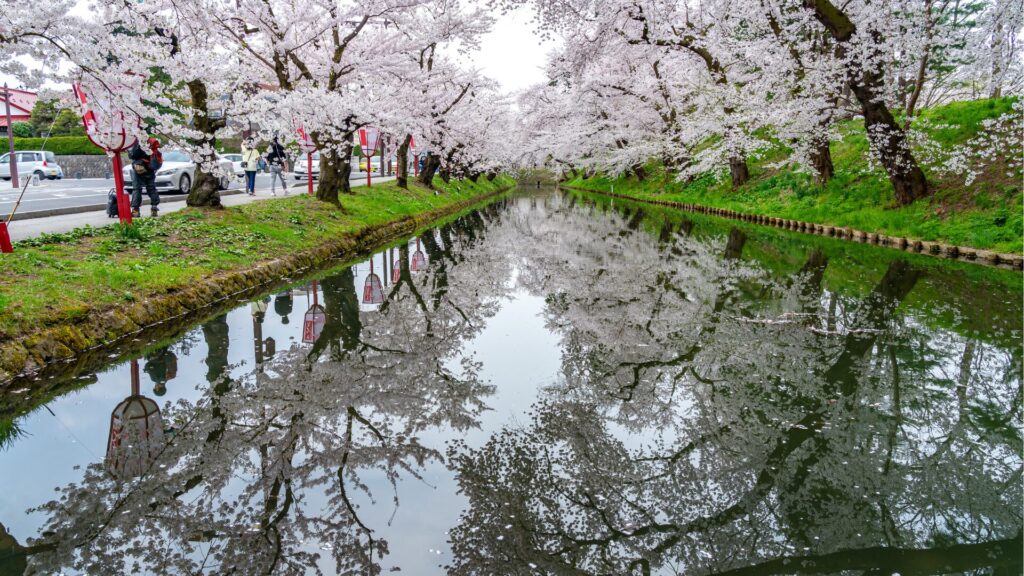
If you’re searching for “cherry blossom river Tokyo”, you’re probably imagining the classic scene: soft pink petals arching over the water, lanterns reflecting on the surface, and a long, scenic walk that feels like spring distilled.
Tokyo is full of famous parks, but rivers and waterways are where sakura feels most “Tokyo.” They cut through neighborhoods, connect stations you’ll already use, and offer the city’s best combination of reflection, atmosphere, and walkability.
-

-
Cherry Blossom Tokyo: The Best Sakura Spots, Night Views, and a Perfect Finish at Daikoku PA
Tokyo’s cherry blossom season (sakura) is one of the most iconic travel moments in the world—parks t ...
続きを見る
Why Tokyo’s rivers are the best way to see cherry blossoms
Riverside hanami has a few advantages that first-time visitors don’t realize until they try it:
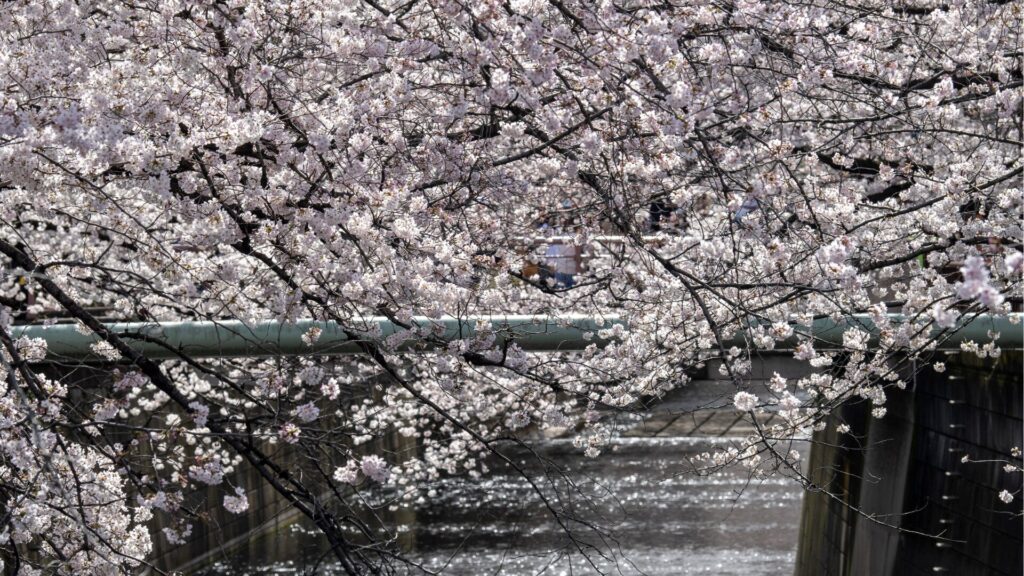
- The “sakura tunnel” effect: branches lean over the canal or river path, creating a natural corridor of blossoms.
- Reflections make photos instantly better: even a phone shot looks cinematic when the water mirrors pink petals and lantern light.
- You can keep moving: unlike packed parks where you’re stuck in one spot, river routes let you walk until you find your perfect view.
- It’s easier to stack experiences: cafés, local shops, and dinner neighborhoods are naturally built around Tokyo’s waterways.
Best time for cherry blossom rivers in Tokyo
Tokyo’s cherry blossoms typically arrive late March to early April, and the “peak” window can feel short—especially along famous rivers.
For 2026 forecasts, multiple Japanese forecasting sources place Tokyo’s first flowering around March 20–21, with full bloom around late March (often about a week after first bloom). Weather can shift things, so treat forecasts as your planning baseline—not a promise.
What matters most for rivers:
- Go early in the day for space (especially Meguro and Sumida).
- Go after sunset for the famous light-up atmosphere (Meguro/Nakameguro is the headline).
- Build a flexible plan: choose one “must” river and one “backup” river that’s less crowded.
-
-
Tokyo Cherry Blossoms 2026: Forecast Dates, Best Hanami Spots, and a Perfect Night at Daikoku PA
Tokyo’s sakura season is short, crowded, and absolutely worth planning around—especially in 2026, wh ...
続きを見る
The best cherry blossom rivers in Tokyo
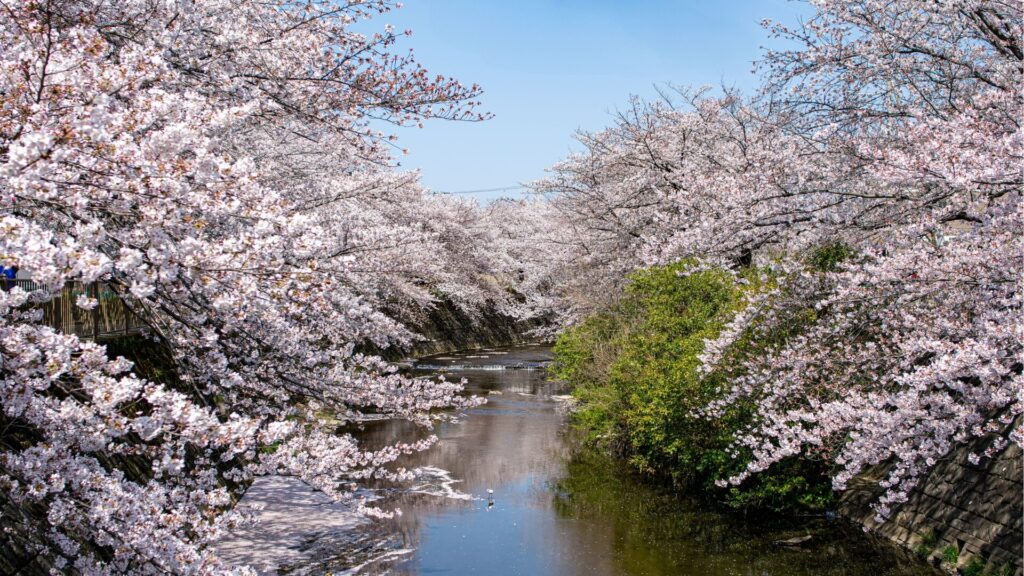
Below are the rivers and waterways that most reliably deliver the iconic “Tokyo sakura by the water” experience—plus how to do each one well.
Meguro River (Nakameguro): Tokyo’s most famous cherry blossom river
If you’ve seen viral night photos of Tokyo cherry blossoms, it was probably Meguro River.
Why it’s special
- Dense rows of blossoms form a glowing canopy over the canal.
- Seasonal lanterns and light-ups create reflections that look unreal in person.
- The surrounding area (Nakameguro/Daikanyama) is packed with cafés and dinner options.
How to visit (practical strategy)
- Best time for photos: weekday morning (less crowded) or shortly after lanterns turn on (best reflections).
- Best vibe: evening stroll with a dinner plan nearby.
- Crowd tip: avoid the most famous central stretch during peak weekend nights; walk a few minutes farther for breathing room.
Nearest stations (common entry points)
- Nakameguro Station (most popular)
- Meguro Station (quieter entry, depending on route)
-
-
Tokyo Cherry Blossom Illuminations: The Best Night Sakura Light-Ups, Timing, and How to Plan Your Evening
Cherry blossom season in Tokyo is beautiful in daylight—but it becomes unforgettable after dark. Che ...
続きを見る
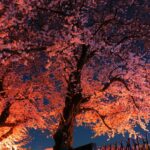
Sumida River (Asakusa): blossoms + Skytree views + riverside parks
The Sumida River is the easiest “sakura + sightseeing” combo in Tokyo. You can pair riverside blossoms with classic stops like Asakusa, Sensō-ji, and Tokyo Skytree.
Why it’s special
- Long riverside paths that don’t feel as narrow as Meguro.
- Bridges, boats, and skyline views add variety to photos.
- Great for travelers who want blossoms and iconic Tokyo landmarks.
Best way to do it
- Start near Asakusa (Azuma Bridge area), then walk along Sumida Park.
- Cross the river for a different perspective and Skytree framing.
- If the weather is clear, sunset can be excellent—soft light on blossoms plus skyline.
Kanda River (Waseda to Edogawabashi): a quieter, local-feeling sakura walk
If you want a “Tokyo river cherry blossoms” route with fewer crowds, the Kanda River can be a smart choice.
Why it’s special
- More “neighborhood Tokyo” than tourist Tokyo.
- Riverside paths can feel calmer even during peak bloom.
- Great for travelers who like walking routes and hidden-gem vibes.
How to do it well
- Choose a short, photogenic stretch rather than trying to cover everything.
- Go mid-morning on weekdays for the best balance of light and space.
Shakujii River (Itabashi/Kita area): a long blossom corridor most tourists miss
The Shakujii River is a strong option when the headline rivers feel overcrowded.
Why it’s special
- Long riverside stretches of blossoms.
- Local atmosphere with fewer international tour crowds.
- Works well for a “Plan B” day when you want blossoms without the chaos.
How to plan
- Treat it as a scenic walk: pick a start station and end station, then enjoy the river path in between.
- Bring snacks and drinks; it’s more residential than Nakameguro.
Chidorigafuchi / Imperial Palace Moat (waterway experience): the most “classic” blossom reflections
Technically this is a moat, not a river—but for water reflections, it’s one of Tokyo’s top “by the water” blossom scenes.
Why it’s special
- Dense blossoms over calm water create mirror-like reflection conditions.
- The area feels historic and uniquely Tokyo.
Best experience
- Aim for late afternoon into early evening for soft light.
- If you’re visiting at peak bloom, expect crowds and plan your route.
-
-
Imperial Palace Tokyo Cherry Blossoms: Where to See Sakura, When to Go, and How to Plan the Perfect Day
The Imperial Palace area is one of the most photogenic places to enjoy cherry blossoms in central To ...
続きを見る
Cherry blossom river cruises in Tokyo
If you want cherry blossoms without fighting the densest foot traffic, a river cruise can be a surprisingly efficient upgrade—especially around Asakusa.
Popular “by the water” options include:
- Sumida River sightseeing boats / water buses (Asakusa area)
- Seasonal hanami cruises that focus on blossom-lined sections
Cruises can be great when:
- you’re traveling with family or anyone who needs a break from long walks,
- the river paths are too crowded to stop for photos,
- you want a different angle for blossoms, bridges, and skyline.
Pro tip: book early during peak bloom week, and bring a light jacket—river wind can feel colder than the street.
How to take better cherry blossom river photos in Tokyo
Rivers make photos easier, but a few small moves can make them dramatically better:
- Use the water as your “leading line”: shoot along the river instead of straight at a single tree.
- Wait for the lantern reflections (where available): reflections add depth and color contrast.
- Look for petals on the surface (“sakura snow” / petal rafts): it turns an ordinary frame into a once-a-year shot.
- Avoid noon glare: early morning, late afternoon, and evening light-ups are more flattering.
- Don’t over-zoom: wide shots capture the river atmosphere; close-ups are best when you can isolate a branch with water behind it.
Hanami etiquette for riverside cherry blossom spots
Tokyo’s rivers often pass right by residential streets. Good manners aren’t just “nice”—they’re what keeps these places enjoyable for everyone.
- Stay out of private driveways and building entrances.
- Don’t block narrow paths for long photo sessions.
- Take your trash with you (or use proper bins when available).
- Keep noise down in residential stretches.
A respectful approach matters more than ever in Japan’s peak travel seasons.
One-day plan: cherry blossom rivers in Tokyo + Daikoku PA at night
Sakura season is the perfect time to build a “Tokyo highlight day” that blends nature, neighborhoods, and something uniquely Japanese.
Here’s a high-conversion itinerary for travelers who want cherry blossoms by the river in Tokyo and a memorable night experience:
Afternoon: pick one river route
Choose based on your style:
- Meguro River (Nakameguro) for the iconic photos and café scene
- Sumida River (Asakusa) for sightseeing + skyline
- Kanda/Shakujii for a calmer, more local walk
Early evening: dinner near your route
- Nakameguro/Daikanyama (stylish, walkable)
- Asakusa (classic atmosphere, easy logistics)
Night: experience Japan’s car culture at Daikoku PA (the right way)
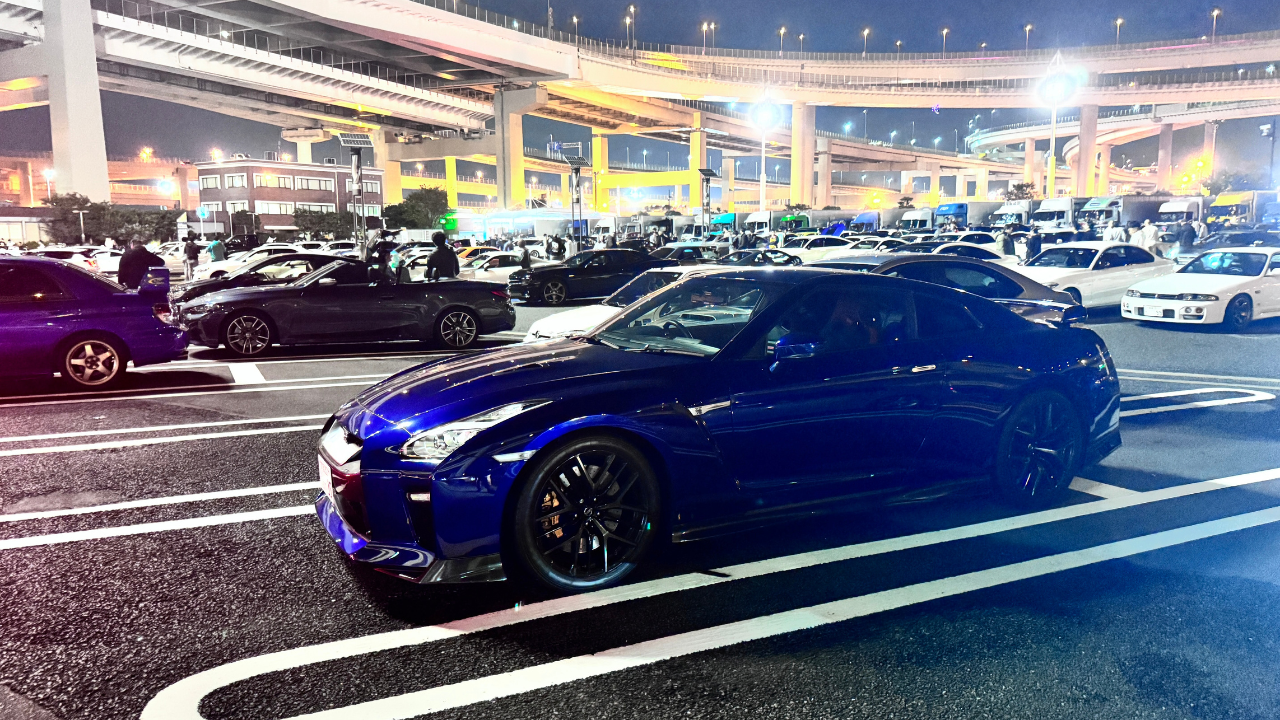
Daikoku Parking Area (Daikoku PA) is a legendary gathering point for JDM enthusiasts—but it’s not a place you can simply walk into. Access is controlled by highways, and timing matters.
That’s why many visitors choose a guided JDM tour: it’s the simplest way to handle transport, avoid mistakes, and actually experience the atmosphere safely.
-

-
Daikoku Car Meet (Daikoku PA) Guide: How to Visit Japan’s Most Famous JDM Meet
Daikoku Parking Area (Daikoku PA) is the most iconic place in the Tokyo–Yokohama region to see Japan ...
続きを見る
FAQs: cherry blossom river Tokyo
Which Tokyo river has the best cherry blossoms?
For the most famous “sakura tunnel,” Meguro River is the standout. For a sightseeing-friendly route with iconic landmarks, Sumida River is a strong choice. For fewer crowds, consider Kanda River or Shakujii River.
Where can I see cherry blossoms by the river at night in Tokyo?
Meguro River (Nakameguro) is the best-known option for evening atmosphere, lanterns, and reflections.
How can I avoid crowds during peak bloom?
- Go weekday mornings.
- Choose Kanda River or Shakujii River as your alternative.
- If you want a “headline” spot, arrive earlier and walk farther from the main photo bottlenecks.
Are river cruises worth it during cherry blossom season?
If you dislike dense crowds or want a different photo angle, yes—especially around Asakusa/Sumida. Just book early during peak week.
If you’re going to Daikoku PA, leave it to us

Experience an unforgettable JDM tour — ride in a legendary Japanese sports car and drive from Tokyo to Daikoku Parking Area, cruising Tokyo’s iconic roads along the way. Choose from favorites like the GT-R (R35 / R34 / R32), RX-7, Supra, and more.
We offer one of the highest-quality JDM driving experiences in the industry, at a fair and reasonable price.
Want to know more details or check availability?
Message us on WhatsApp for quick replies and easy booking.
Spots often sell out, so we recommend booking early.
Duration: about 3 hours
Meeting Point: Shibuya Station
Language: Beginner-level English & Japanese
Customer Reviews
Daikoku PA Video: What It’s Really Like
Important Information
- This is a drive tour where you drive your rental car, and our guide navigates from the seat.
- This is a self-drive tour where you drive your rental car, and our guide navigates from the passenger seat.
- The tour begins and ends at the same location (Shibuya).
- If the Daikoku Parking Area is closed, we will instead guide you to another car meet further away.
- The consultant is a cultural expert and navigator, not a taxi service.
