Understanding the "Daikoku Osaka Car Meet" Search
Want to see it for yourself?
Visitors searching for a "Daikoku Osaka car meet" are typically looking for one of two things: either a car meet venue in Osaka similar to the famous Daikoku Parking Area in Yokohama, or information about how the broader Japanese car meet culture extends into the Kansai region. This guide addresses both angles — clarifying the geographic reality while providing a thorough overview of Osaka's actual JDM car meet scene and its relationship to the Daikoku phenomenon.
Is There a "Daikoku PA" in Osaka?
To answer directly: there is no parking area in Osaka officially named "Daikoku." The iconic Daikoku Parking Area (大黒パーキングエリア) is located in Yokohama, Kanagawa Prefecture, on the Shuto Expressway network. It is one of Japan's most legendary informal JDM car gather spots and is not replicated under the same name elsewhere in Japan. If Tokyo is on your itinerary, the most practical way to see the original Daikoku PA is with a guided night tour from central Tokyo.
That said, Osaka and the wider Kansai region have developed their own distinct car meet culture, with several expressway service areas and parking spots functioning as regular gathering points for JDM enthusiasts. The spirit of what makes Daikoku PA special — spontaneous late-night gatherings, a wide variety of modified cars, and a shared appreciation for Japanese automotive culture — is very much alive in Osaka.
-

-
Daikoku Car Meet 2026: What You'll See & How to Get There
続きを見る

Osaka's JDM Car Meet Scene: Key Locations
Osaka's expressway network and surrounding infrastructure have produced several gathering spots that local car enthusiasts use regularly. While none carry the same cultural weight as Daikoku PA, they serve a functionally similar role within the Kansai car community.
Kishiwada Service Area (阪神高速岸和田)
Kishiwada SA on the Hanshin Expressway is one of the more commonly cited spots among Kansai JDM enthusiasts. Located along the coastal expressway south of Osaka city, it attracts weekend gatherings of modified vehicles ranging from tuned Civics and Silvias to widebody builds. The car meet activity here is entirely informal and subject to the same unpredictability found at Daikoku PA — there is no fixed schedule, no official event, and gatherings depend on word-of-mouth and online coordination via Japanese car forums and social media.
Moriguchi Parking Area and Northern Osaka Spots
The northern reaches of the Hanshin Expressway, including rest areas near Moriguchi, have historically seen informal car gatherings. These tend to be smaller and less internationally known than Daikoku, but they are regular fixtures in the local scene. Vehicles are typically domestic-market builds, and the atmosphere skews toward participants who are deeply embedded in Japanese car culture rather than tourists or visitors.
Osaka Port Area and Waterfront Locations
Osaka's waterfront zones, particularly around Sakishima and the Cosmo Square district, have served as informal cruise destinations and late-night gathering spots. These locations are not expressway facilities and are therefore more accessible without a highway toll, but they also lack the concentrated parking infrastructure of a dedicated service area. The car meet activity here is highly variable and tends to be biggest on weekend nights.
Kansai International Airport Surroundings
The highway corridor approaching Kansai International Airport on Osaka Bay has seen sporadic informal gatherings, particularly on the artificial island of Rinku Town. These are not established meets in any formal sense, but the late-night access routes and wide parking areas in the commercial zones around Rinku Premium Outlets have occasionally functioned as informal rendezvous points for modified car owners.
How Osaka's Car Culture Differs from Yokohama
Understanding the contrast between Osaka's car meet scene and Daikoku PA in Yokohama helps set realistic expectations for visitors. Daikoku PA has decades of accumulated cultural significance. It functions as a destination that draws participants from across the Kanto region and even internationally, creating a critical mass of cars and spectators on a weekend night that Osaka's individual spots do not currently match.
Osaka's scene is more decentralized. Rather than one iconic focal point, the Kansai JDM community distributes itself across multiple smaller locations. This means the experience is often more intimate and less predictable. On a good night, you may encounter an impressive collection of locally tuned cars at one of the expressway service areas; on a quiet night, you may find very little activity at all. The density and spectacle that define Daikoku PA on a peak weekend simply do not exist in a single equivalent Osaka venue in 2026.
Liberty Walk Osaka: A Dedicated JDM Destination
For visitors specifically interested in Japanese performance car culture in Osaka, Liberty Walk's official Kansai retail outlet provides a reliable destination. The Liberty Walk Osaka store carries brand merchandise, scale models, and lifestyle goods associated with one of Japan's most internationally recognized tuning brands. Unlike the informal car meets, this is a fixed location with consistent opening hours and does not depend on late-night timing or road conditions.
-
-
Liberty Walk Osaka: Address, Hours, What to Buy, and How to Add Daikoku PA to Your JDM Itinerary
続きを見る

Timing and Practicalities for Osaka Car Meets
Reading vs. riding
For those intent on experiencing Osaka's informal car meet scene, the following practical considerations apply:
- When: weekend nights see the most car meet activity across all Osaka locations, but none of it is organised or scheduled, so nothing is guaranteed. Sunday activity drops off significantly.
- Peak hours: Activity typically builds from around 10:00 PM and continues until 2:00 AM, with some locations seeing earlier gatherings from 8:00 PM onward.
- Seasonal variation: Summer months (July and August) tend to produce the most active gatherings. Cold or wet weather significantly reduces turnout, as is the case throughout Japan's car meet scene.
- Police enforcement: Osaka's expressway service areas are policed, and enforcement of noise regulations and illegal modifications has increased in recent years. Events that draw large crowds can be dispersed, particularly if traffic flow within the facility is affected.
- Access: Most expressway service area meets in Osaka require highway access, meaning visitors need either a personal vehicle or to hire a driver. Unlike some urban gathering points, you cannot arrive by public transit.
Online Resources for Finding Current Osaka Car Meet Activity
Because Osaka's car meets are informal and unscheduled, real-time information is essential. The following channels are commonly used by participants in 2026:
- Twitter / X (Japanese language): Search terms such as 大阪 車 ミーティング or 関西 カーミート surface real-time posts about gathering locations and conditions. Japanese-language posts will provide the most current and accurate information.
- Instagram: Japanese JDM accounts frequently tag Osaka-area locations and share photos from recent meets. Hashtags in both Japanese and English are used by participants.
- Japanese car forums: Domestic platforms such as Minkara (みんカラ) are widely used by Kansai-based car enthusiasts and contain regional meet reports and schedules.
- Discord communities: English-speaking JDM communities increasingly use Discord servers, some of which maintain channels dedicated to regional meet information including Kansai.
Visiting Both Osaka and Daikoku PA: A Combined Itinerary
Many visitors to Japan who are interested in JDM car culture choose to include both the Kansai region and the Yokohama/Tokyo area in their itinerary. Given the Shinkansen's travel times between Osaka and Tokyo (approximately 2.5 hours on the Nozomi), it is feasible to explore Osaka's car culture and then travel to Yokohama for a Daikoku PA visit within the same Japan trip.
A practical approach for international visitors would be to spend the early part of a Japan itinerary exploring Osaka's scene — including the Liberty Walk Osaka store and any informal expressway gatherings — before traveling to Tokyo and Yokohama where Daikoku PA provides a more consistently spectacular car meet experience. A weekend night at Daikoku PA remains Japan's best-known opportunity for a high-density JDM car meet encounter — though it too runs without an organiser, and access can be shut off at any time.
-

-
Best Time to Visit Daikoku PA in 2026: When the Cars Actually Show Up
続きを見る
What to Expect at an Osaka Informal Car Meet
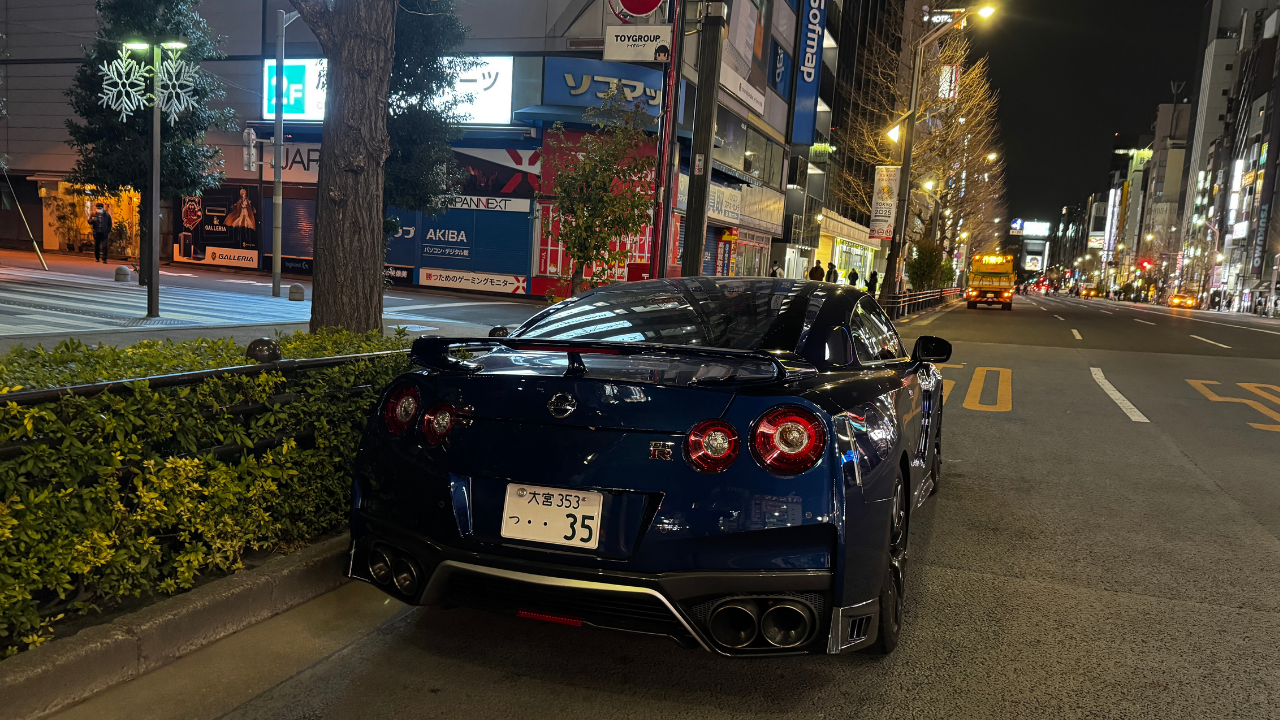
Visitors arriving at an Osaka expressway service area on a busy weekend night can expect a mixed collection of vehicles. Domestic JDM builds are the norm: expect to see Nissan Silvias, Honda Civics and S2000s, Toyota Supras, Mazda RX-7s, and a range of kei cars with aftermarket modifications. Widebody builds inspired by Liberty Walk and similar tuning houses appear regularly, particularly among participants who follow international JDM social media closely.
The atmosphere at Osaka meets is generally more subdued than Daikoku PA. There are fewer spectators, less international presence, and less of the performance showmanship (engine revving, burnouts) that occasionally surfaces at larger Kanto gatherings. The vibe skews toward car owners talking among themselves, showing off builds, and moving on — a more local and community-oriented experience rather than a destination event.
Photography etiquette mirrors what applies elsewhere in Japan's car meet culture: always ask before photographing privately owned vehicles, avoid using flash in ways that may be distracting, and do not block traffic or access lanes within the facility. Respecting these conventions is essential to being welcomed by the local community.
Daikoku PA as the Benchmark for Japanese Car Meets
For those approaching the Osaka car meet scene as part of a broader interest in Japanese automotive culture, Daikoku Parking Area in Yokohama remains the standard by which all other Japanese car meets are measured. Its decades of history, its consistent weekend activity, its diversity of vehicles, and its status within the global JDM community give it a significance that no single Osaka location currently rivals. Understanding this context helps visitors set appropriate expectations when exploring the Kansai equivalent.
-

-
Daikoku Parking Area 2026: How to Visit Without a Car (R34 Tour)
続きを見る

Book Your Tokyo JDM Tour Today
Customer Reviews


Important Information
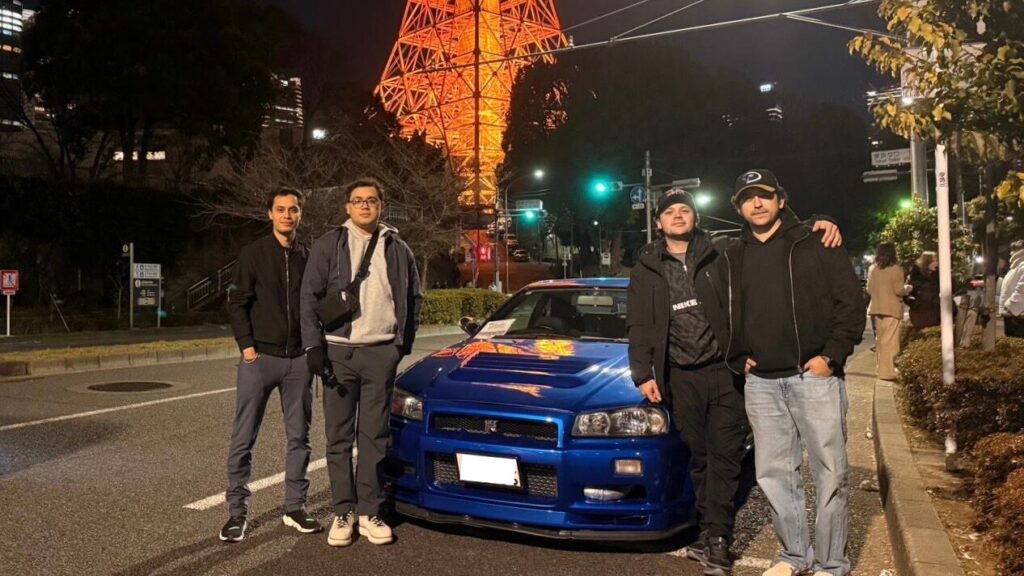
- The tour begins and ends at the same location (Shibuya).
- If the Daikoku Parking Area is closed, we will instead guide you to another car meet further away.
- The consultant is a cultural expert and navigator, not a taxi service.
Ready to Lock In Your Tokyo Dates?
