
What is Daikoku PA? Daikoku Parking Area is an expressway rest area on the Daikoku Route of the Shuto Expressway in Tsurumi-ku, Yokohama — and Japan's most famous informal car meet.
Can you visit without a car? Yes — but only in a motor vehicle: a tour with round-trip transport, a hired driver, or a round-trip taxi. There is no train station or bus stop, and walking in is not possible (police fine people who try on foot).
Does entry cost anything? Daikoku PA itself is not a ticketed attraction — there is no entry fee. You pay only for how you get there (tour, taxi, or tolls).
For when the cars actually show up, see our Daikoku PA schedule guide.
Daikoku Parking Area (Daikoku PA) is Japan’s most famous informal car meet—but it’s also one of the hardest spots for travelers to reach without a vehicle. The reason is simple: Daikoku PA sits on the Shuto Expressway and is designed for cars only. There’s no train station, no public bus stop inside the PA, and pedestrians are not allowed.
This guide explains exactly how to get to Daikoku PA without driving yourself, the legal options that actually work, typical taxi pricing and pitfalls, what to do when the police close the lot, and the best “Plan B” places for JDM culture.
Can You Go to Daikoku Parking Area Without a Car?
You can visit Daikoku PA without driving, but you cannot enter without a motor vehicle. In practice, that means you need one of these options:
- A tour with round-trip transport (most reliable)
- A licensed charter / hired driver (best for groups)
- A taxi arranged as a round trip with the driver waiting (works, but easy to mess up)
Visiting without a car?
If you try to reach Daikoku PA by walking from nearby roads or bus stops, you will hit fences and expressway ramps—and you may end up stranded.
Why You Can’t Walk to Daikoku PA

Daikoku PA is an expressway rest area at Daikoku Junction. The facility is surrounded by high-speed ramps and controlled-access roadways. For safety and traffic flow:
- Pedestrians and bicycles are prohibited on the Shuto Expressway.
- There is no pedestrian route into or out of the PA.
- There is no taxi stand inside Daikoku PA.
- There is no public bus stop that drops you inside.
Even though Daikoku-Futō (the surrounding port/pier area) is reachable by surface roads, Daikoku-Futō is not Daikoku PA. They are close on a map, but access is physically blocked.
This isn’t just inconvenient—it’s enforced. Police have stepped up patrols at Daikoku, including increasing arrests and fines for people who try to access the area on foot, and they also run crackdowns on the cars themselves (one well-known enforcement night saw around 20 vehicles cited for being lowered too far). The takeaway is simple: don’t try to sneak in on foot. The safe, legal way to experience Daikoku is to arrive inside a vehicle—via a tour, a licensed charter, or a taxi that waits for you.
How You Actually Get Into Daikoku PA
Short answer: you arrive inside a vehicle that is already on the Shuto Expressway, and you leave inside the same vehicle. There is no gate, no ticket window and no pedestrian entrance. The parking area is simply the next thing along the road.
That sounds obvious until you try to plan around it. Three things follow from it, and they are the three things first-time visitors get wrong:
- You cannot come in from the Daikoku Pier side. Daikoku PA sits inside Daikoku Junction and can be reached from the expressway in every direction except the one that looks closest on a map — the surface entrance on the Daikoku Pier (Daikoku-Futō) side. Being on the wrong side of that fence is the same as being in another city.
- Your driver has to commit to the whole loop. The moment your car leaves the parking area it is back on the expressway, and coming back means going round the network again and paying the tolls again. This is the real reason a one-way taxi fails: it is not that the driver is unwilling to return, it is that returning is a separate expressway trip.
- There is nowhere to be “dropped off”. A drop-off assumes you can wait somewhere and be collected later. Here you would be waiting inside a rest area with no legal way out on foot and no dependable way to call a new vehicle to you. Whoever brings you in has to be the one who takes you out.
Practically, this collapses the whole trip into a single decision instead of several: choose the vehicle that will still be with you at the end of the night. Which route it takes, which junction it uses and how the tolls are paid are the driver’s problem, not yours.
What the expressway operator itself says
You do not have to take our word for any of this. The Metropolitan Expressway Company — Shuto Expressway, the road’s operator — publishes a notice specifically about getting into Daikoku PA, and it is unusually blunt about what does not work.
- Two roads, and only two. Daikoku PA sits inside Daikoku Junction, where the Bay Shore Route (signed B) and Kanagawa Route No. 5, the Daikoku Line (signed K5), meet. The operator states that the PA can be used from those two routes only.
- No surface-road access whatsoever. The notice spells out that this applies not only to pedestrians, bicycles and mopeds but to motorcycles and cars as well. There is no back way in for a determined driver.
- Even the Daikoku Futō ramp does not connect to it. The expressway entrance named after the pier is a separate ramp: you cannot get from it into Daikoku PA, and you cannot leave the PA through it. This is the single most common way people plan a trip that cannot work.
- The PA is fenced and the gates are kept closed. Entry and exit on foot are not possible at any point.
- There is no taxi stand and no bus stop inside Daikoku PA. The operator says plainly that you cannot get home by taxi from there. It also warns that mapping apps will route you to somewhere near Daikoku PA on ordinary roads, and that turning up at that spot by taxi or bus still leaves you unable to get in.
Source: Metropolitan Expressway Company, official notice on Daikoku PA access, and its Daikoku Futō interchange page (both retrieved 22 August 2026).
Where Daikoku PA Is, and What It Actually Is
Before any of the logistics make sense, it helps to be exact about what you are travelling to. Daikoku PA is not a venue, a club or an event. It is a parking area on an expressway — a highway rest stop — that happens to be where Japan’s car scene gathers.
The facts that actually change your plan:
- Where it is: Tsurumi-ku, Yokohama, out on the Daikoku Pier — the port island in Yokohama Bay. It sits inside Daikoku Junction, where Shuto Expressway routes meet and stack over each other.
- What it is: a full-size expressway rest area, sized for roughly 400 vehicles, with the usual roadside services (listed in full in the next section). None of it is dedicated to car meets. Outside the gathering hours it is an ordinary service area used by trucks.
- Who runs the meet: nobody. There is no organiser, no schedule, no ticket and no entry fee. Nothing is announced in advance, and nothing is guaranteed on any given night.
- How you reach it: only by road, from inside the expressway network. Not on foot, not by train, not by bus, and not from the surface streets of the pier.
- How long it takes: about an hour each way from central Tokyo on the expressway. From the Yokohama Station area it is considerably shorter.
- What it costs: nothing to enter. The cost is the vehicle you arrive in, and the tolls it pays.
- When it stops letting cars in: once the lot fills. There is no fixed time and no warning, and weekend nights are when it is most likely. It does not reopen before midnight.
Two of those catch people out more than the rest. The first is that Daikoku PA and Daikoku-Futō are not the same place: the pier around it is ordinary city land that buses reach, while the parking area is sealed inside the expressway running above it. The second is that the evening finishes earlier than the internet suggests. Both are covered in detail below.
What’s Actually at Daikoku PA (Facilities & Hours)
Daikoku PA is a full-size expressway rest area on the Daikoku Route of the Shuto (Metropolitan) Expressway in Tsurumi-ku, Yokohama. It’s far more than a car park: there’s food, shopping, a 24-hour convenience store, and plenty of room to walk around once you’re inside. Knowing what’s there helps you plan your timing, because some facilities close in the evening even though the car scene runs late.
According to public facility information, Daikoku PA has the following on-site:
| Facility | Hours / Details |
|---|---|
| Lawson (convenience store) | Open 24 hours |
| Shop | 7:00–21:00 |
| Snack corner | 7:00–21:00 |
| Restaurant | Weekdays 11:00–21:00 / Weekends & holidays 11:00–21:30 |
| Restrooms | On-site (men’s, women’s, and accessible stalls) |
| EV charging | Available (Daikoku PA installed Japan’s first expressway EV charger in 2008) |
For parking capacity, the PA is sized for around 341 standard-vehicle spaces and 59 large-vehicle spaces, plus 4 accessible spaces (roughly 400 total). That's a big lot—but on a busy weekend night it can still fill up, which is one reason the police sometimes step in to manage crowding.
Two practical takeaways: the Lawson is the one thing open all night, so it’s your reliable stop for drinks, snacks, and restrooms when the restaurant and shop have closed. And because the food counters close around 21:00 while the car scene runs on into the night, plan to eat earlier in the evening if you want a hot meal on-site.
Legal Ways to Get to Daikoku PA Without Driving Yourself
1) Book a Daikoku PA tour with round-trip transport
If you’re visiting Japan and want the highest chance of a smooth night, a tour is usually the best choice.
What a well-run tour solves:
- Expressway entry/exit logistics (the part that confuses most first-timers)
- Timing and traffic management
- A plan for police closures (Daikoku can be restricted with little notice)
- A guaranteed ride back (the most important part)
A good tour operator will be clear about:
- Pickup / meeting location
- What happens if Daikoku is closed when you arrive
- How long you stay at the PA
- Vehicle type and group size
2) Hire a licensed charter / driver (private hire)
If you’re traveling as a group, a licensed hire car (charter) can make sense.
Key points to confirm before booking:
- Total price includes tolls + parking + waiting time
- Driver is willing to wait on-site (or keep you in the vehicle if required)
- You have a written plan for what happens if Daikoku is closed
This option is often arranged via hotels/concierges or private hire operators.
3) Take a taxi—only as a round trip with waiting
A taxi can work only if you arrange it correctly.
What you must do:
- Book from a normal city pickup point (hotel, station, etc.)
- Tell the driver you need a round trip and ask if they can wait at Daikoku PA
- Confirm that tolls and waiting time will be added
- Decide your time window in advance (e.g., 60–120 minutes)
Why one-way taxis are risky:
- There’s no reliable way to order a new pickup inside the PA.
- If your taxi leaves, you may not have a guaranteed exit route.
Taxi Costs to Daikoku PA (Realistic Ranges)

Taxi pricing changes with route, traffic, late-night surcharges, and tolls, but these ranges are useful for planning. From central Tokyo, expect about a 1-hour drive each way using the expressway, so the fare is built on roughly an hour of travel plus tolls.
Typical one-way ranges (fare + tolls vary):
- From Yokohama Station area → Daikoku PA: roughly ¥4,000–¥6,500
- From central Tokyo (e.g. Shibuya, Shinjuku, Tokyo Station) → Daikoku PA: roughly ¥13,000–¥17,000 for about a 1-hour ride plus tolls
Round trip is typically about double, plus waiting time.
Practical advice:
- If you’re splitting costs among 3–4 people, a waiting taxi can be reasonable.
- If you’re solo, a tour often becomes the better value (and lower risk).
Is Daikoku PA Free? What a Visit Really Costs Without a Car
Entering Daikoku PA is free. It is a highway rest area, not an attraction: no admission, no ticket, no parking fee, and nothing to book in order to stand in the lot. Every guide that tells you “it’s free” is telling the truth — and leaving out the part that decides your budget.
The cost is not the place. It is the vehicle. Because you can only arrive by road, the price of the evening is whatever it takes to put a vehicle under you for the round trip, plus the tolls that vehicle pays on the way. Using the one-way ranges above, that lands roughly here:
- Round trip from the Yokohama Station area: about ¥8,000–¥13,000 for the two legs, before waiting time is added.
- Round trip from central Tokyo: about ¥26,000–¥34,000 for the two legs, before waiting time is added.
- Split between three or four people, the Yokohama version stops being expensive. The Tokyo version usually does not.
One figure you cannot look up, and should stop trying to: there is no official toll “to Daikoku PA.” The parking area has no toll gate of its own — it is a stop in the middle of a journey rather than an exit — and the operator’s own toll calculator does not list it as a destination at all. What gets paid is whatever the whole trip costs, from the ramp the car entered by to the ramp it eventually leaves by, and that depends on a route you are not choosing. It is one practical reason a fixed quote from a tour or a charter is easier to compare than a taxi meter plus tolls you cannot price in advance.
Two things are worth knowing before you commit that money.
The first is that the waiting time is not a rounding error. You are paying a driver to sit in a car park for as long as you want to stay, and that is the line people leave out when they compare a taxi against a tour.
The second matters more, and almost nothing written in English says it: you are not buying an evening, you are buying a window. The entrance closes once the lot fills. There is no fixed time and no warning, and weekend nights are when it is most likely. It does not reopen before midnight. Arrive early in the evening and the fare bought you a couple of hours in the lot. Arrive an hour late and the identical fare bought you a closed entrance and a look at the ramp.
Which is why the cheapest option on paper is usually the worst one. A one-way taxi is the smallest number on this page and the only one that can strand you; and a late arrival costs exactly the same as an early one while buying nothing at all.
-

-
Daikoku Car Meet Tour Price 2026: What It Costs & How to Book
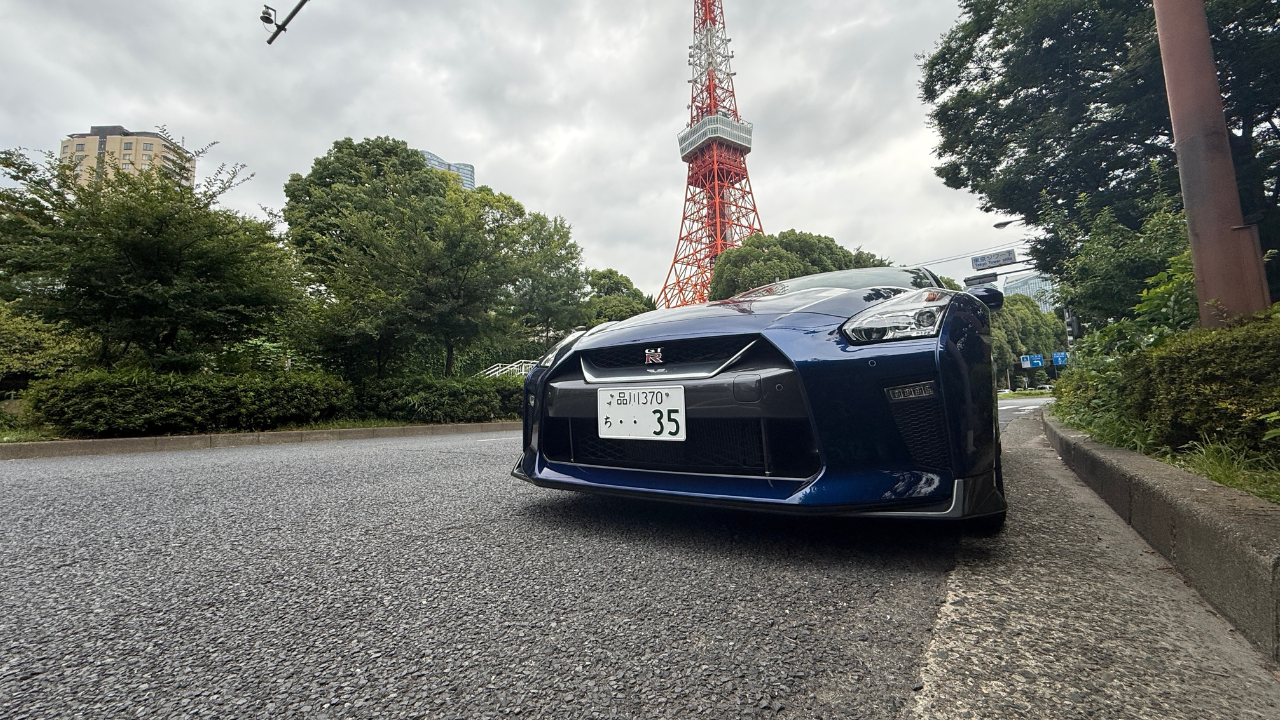
Planning to visit the Daikoku Parking Area (Daikoku PA) car meet from Tokyo? Here’s the pricing reality—typical ranges, what’s included, what to avoid, and how to choose the best-value option. TL;DR: Most Daikoku car meet tours cost $150–$800 on English-language booking sites. Our own Tokyo JDM night tours start from ¥35,000 total per group (≈ US$220) on the Random Car Plan, or ¥60,000 per car (≈ US$370) on the Special Car Plan where you pick the car (1–3 people). Weekday base prices; Fri/Sat/Sun +10%. Tours run about 3 hours with hotel pickup across Shibuya, Shinjuku and Minato wards, and payment ...
続きを見る
Public Transport to Daikoku-Futō (Not the PA)

If your goal is Daikoku PA itself, public transport is not a complete solution.
What public transit can do:
- Get you to Daikoku-Futō / Skywalk-related bus stops (the port island)
What it cannot do:
- Put you inside Daikoku PA
- Give you a legal, walkable route into the PA
Some travelers use public transport to explore the bay area and treat Daikoku PA as a separate activity that requires a vehicle.
How Timing & Closures Work (Quick Version)
Experience it for real
There is no official car meet timetable—and timing is closely tied to when the lot might close. The short version:
- The entrance closes on most nights, not just busy ones. On Friday and Saturday it is normally shut between 19:30 and 20:00; on weeknights and Sunday evening, between 20:30 and 21:00. It is never announced in advance.
- Weekdays are calmer, but they are not exempt. They simply run later and shorter, and the entrance is shut once the lot fills.
- Once it is closed, it stays closed — it does not reopen before midnight. There is nothing to wait out, so arrive at the start of the evening window rather than the end of it, and have somewhere to go afterwards.
For the full breakdown—exact peak windows by day, when closures usually hit, and how to check today’s status before you commit toll and drive time—see our dedicated schedule guide:
-

-
Daikoku PA Schedule 2026: Open Hours, Closed Days & Peak Nights
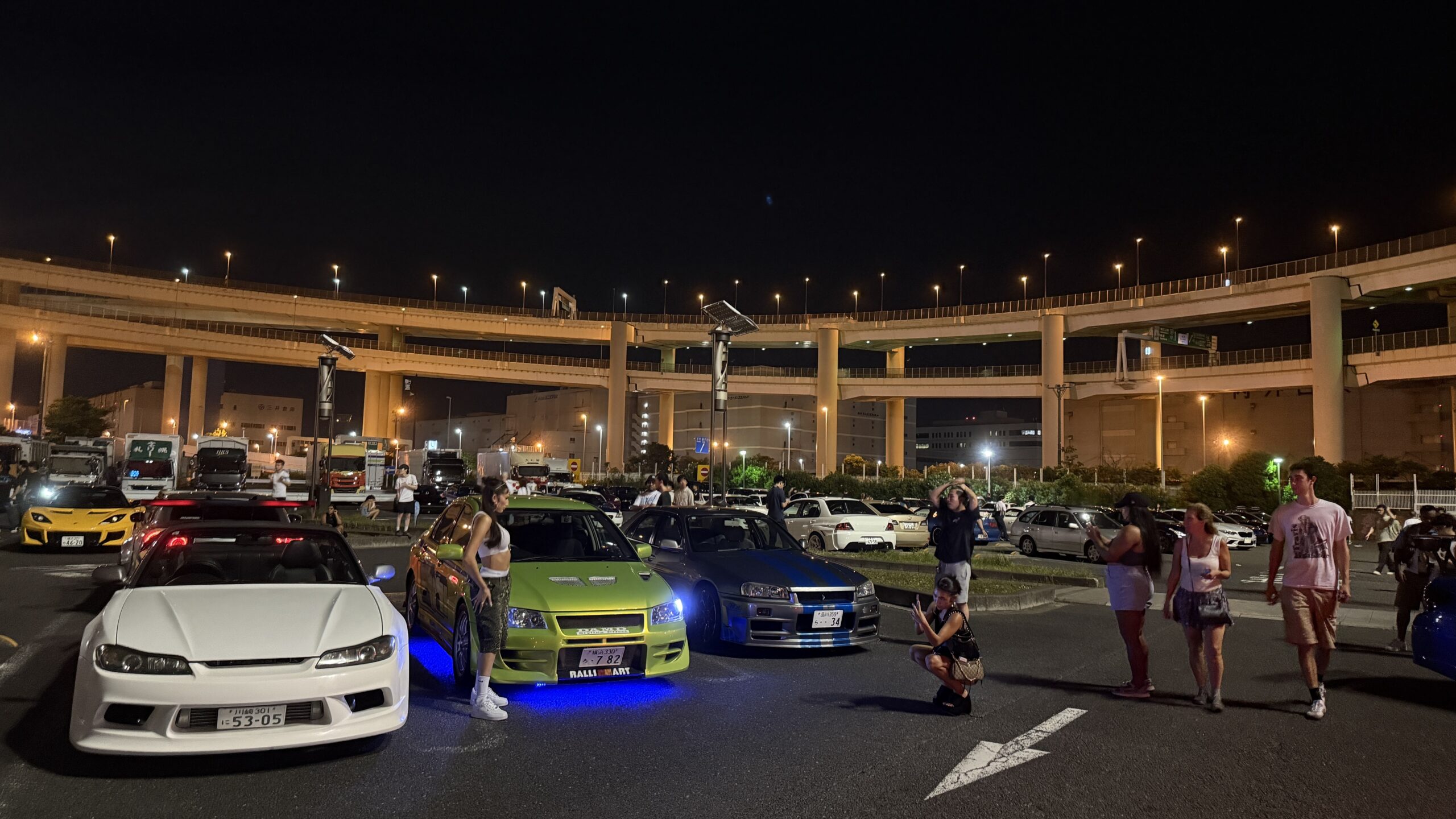
Daikoku Parking Area (Daikoku PA) in Yokohama is the most famous car-culture rest stop in Japan. Yet there’s a common misconception: there is no official “car meet timetable.” Instead, Daikoku PA follows normal expressway facility hours, with spontaneous meets that peak at predictable times—and with the entrance closed to incoming cars on most nights of the week, roughly five nights out of seven, once the lot fills. This guide explains the real Daikoku PA schedule, how to check today’s status, and when to plan your visit for the best experience. What is Daikoku PA? Daikoku PA sits inside the Metropolitan ...
続きを見る
What Cars You’ll See at Daikoku
Nothing is guaranteed at Daikoku—turnout depends on the night, the weather, and whether the police have restricted entry. But on an active evening, the variety is the whole appeal. Public descriptions of the spot mention everything from VIP-style sedans and lowriders to vanning builds and tuner cars, and that mix lines up with what visitors often report seeing.
On a good night you might see:
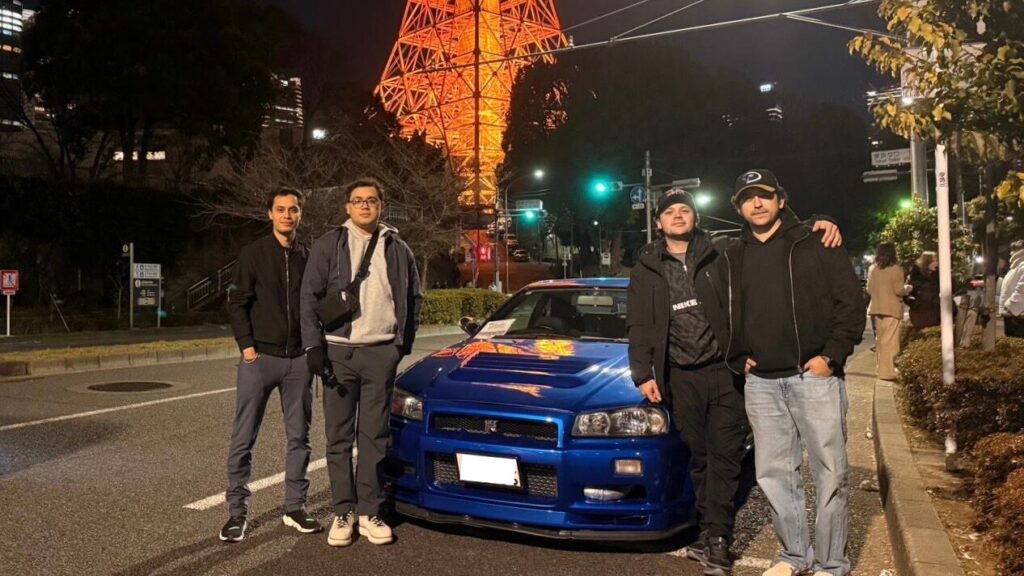
- Nissan Skyline R32, R33, and R34—the icons of the lineage, often parked alongside modern R35 GT-R builds
- Rotary icons like the Mazda RX-7 (FD), and other JDM legends such as the Toyota Supra, Nissan Silvia, and Honda NSX
- Kei cars and small sports cars—the lightweight, characterful side of Japanese car culture
- VIP-style sedans—lowered luxury cars on big wheels, a Daikoku staple
- Classics and older Japanese cars, plus the occasional European exotic that rolls through later in the night
The point isn’t a fixed lineup—it’s the surprise. One night might lean heavily JDM; another might bring out the VIP crowd or a row of imports. If a specific car is on your bucket list, going with a guide who knows the rhythm of the lot gives you a far better chance of being there when it shows up.
Etiquette at Daikoku PA (How to Be a Good Guest)
Daikoku PA is a highway rest area first. Car culture is welcome only as long as people behave respectfully.
Follow these basics:
- Don’t block traffic lanes, entrances, or fueling areas
- Don’t rev repeatedly, do burnouts, or create excessive noise
- Don’t litter (bring a small bag if needed)
- Ask before filming faces, and be cautious about license plates
- Leave immediately if staff or police instruct you to
A respectful crowd helps keep Daikoku accessible.
-
-
Daikoku Parking Area 2026: Japan's Most Famous Car Meet & Rules
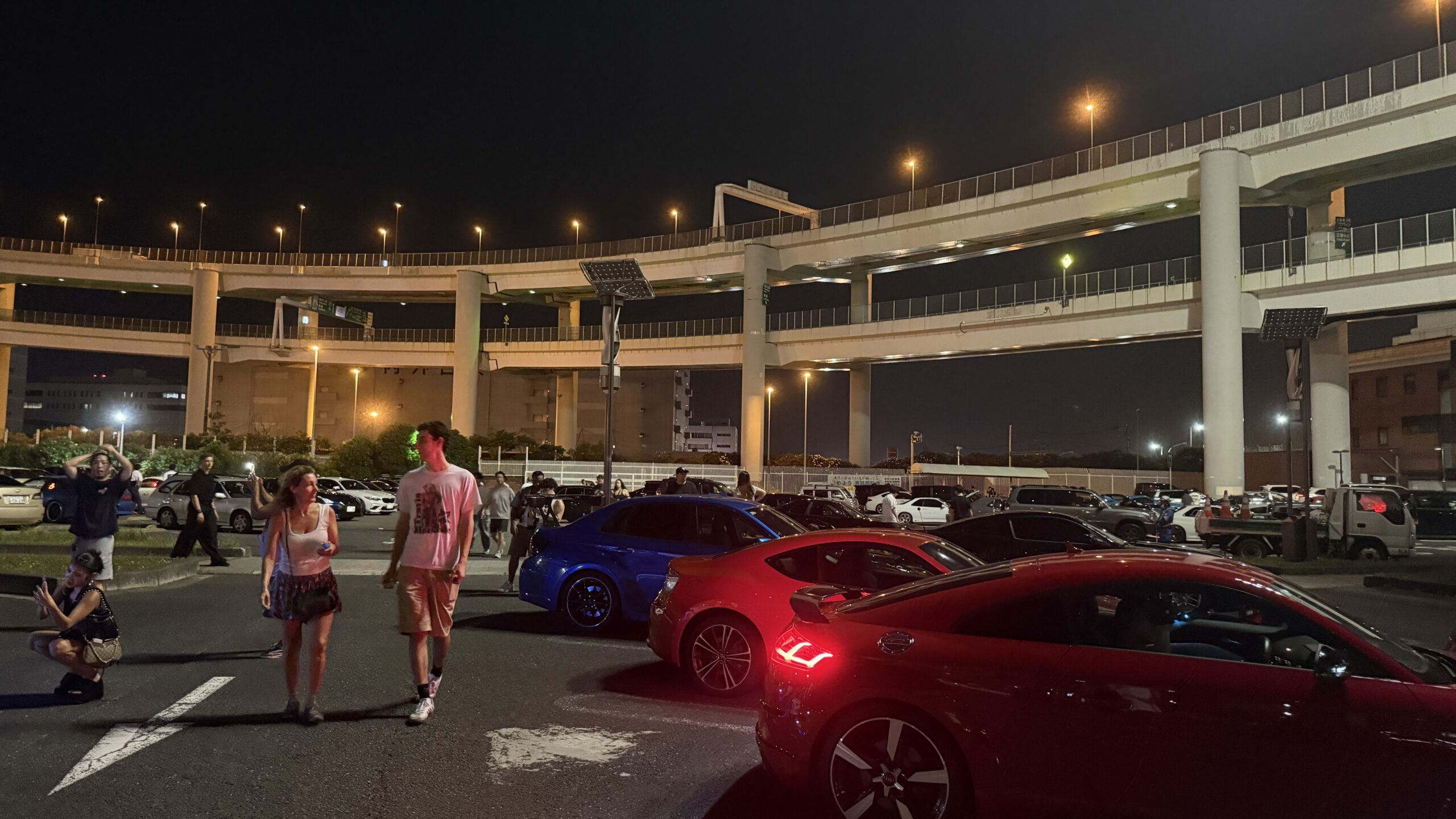
What is Daikoku Parking Area? Daikoku PA (大黒PA, also called Daikoku Futo PA) is a highway rest stop on the Shuto Expressway in Yokohama, about 30 minutes south of central Tokyo.Why is it famous? It's Japan's most famous unofficial car meet — R34s, Supras and more gathering in one floodlit lot.Is it free? Yes — entry is free, but you can only arrive by car via the expressway (no walking in, no train station).For when the cars actually show up, see our Daikoku PA schedule guide. Imagine pulling into a floodlit highway rest stop on a weekend night — and ...
続きを見る
If Daikoku Is Closed: The Best Backup Options
If police restrict entry or the lot is quiet, you can still have a great car-culture night.
Solid alternatives that are easier for travelers
- Tatsumi Parking Area (Tatsumi PA): sometimes used as a quick photo/meet stop (conditions vary)
- Umihotaru PA: iconic bay views and a safer, more predictable rest-stop experience
- A PIT Autobacs Shinonome: a major car-culture store that’s easy to reach
- Nissan Global Headquarters Gallery (Yokohama): free showroom near Yokohama Station
-

-
Umihotaru Car Meet Tour Guide: Routes, Timing, and the Smarter Daikoku PA Alternative
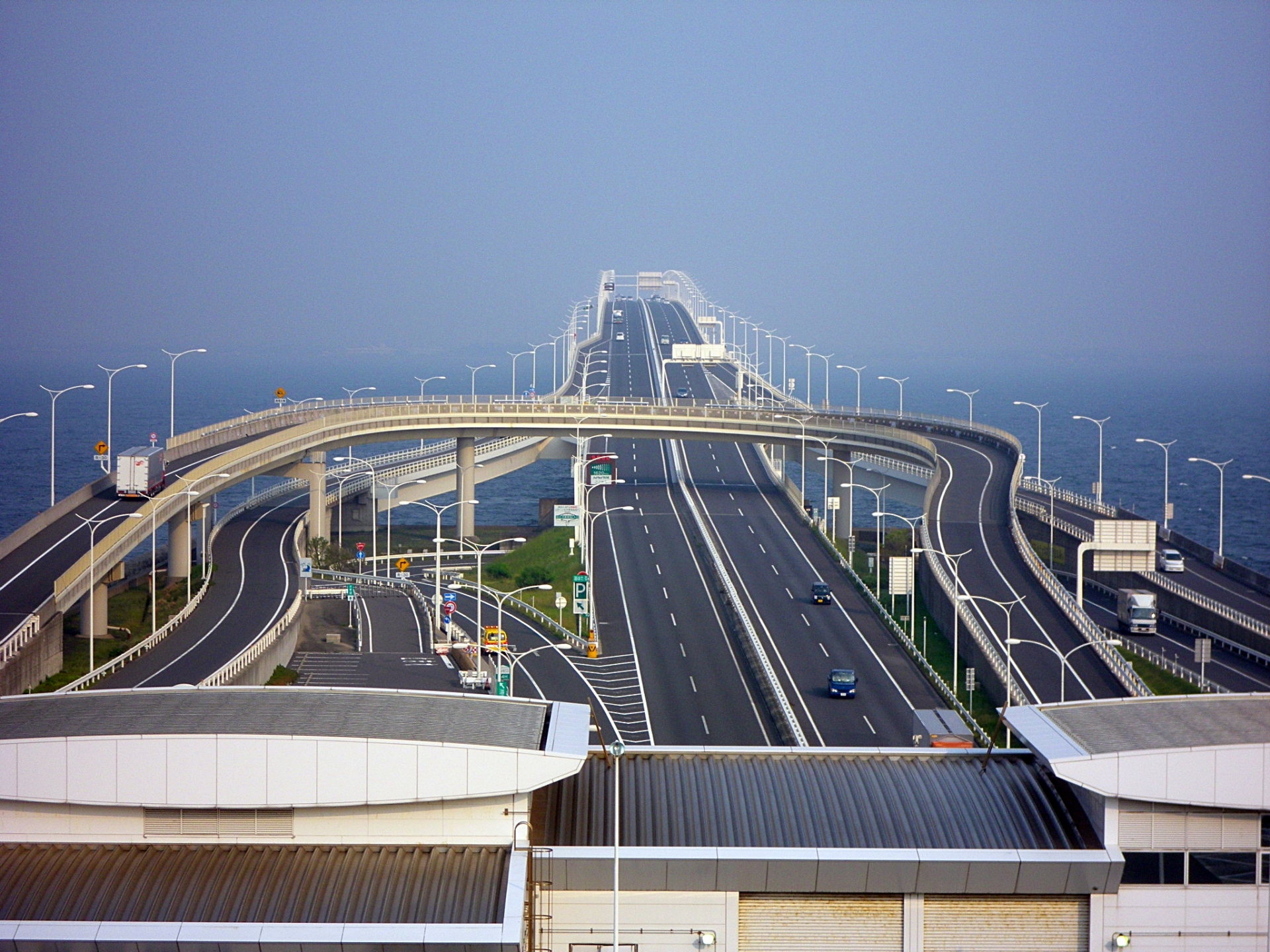
What is Umihotaru PA? Umihotaru PA is a floating service area perched on the Tokyo Bay Aqua-Line, roughly midway between Kawasaki and Kisarazu. It’s famous for its 360° ocean views, wind-swept decks, and nightscape photo spots. Because it’s a convenient midway stop with large parking areas, enthusiasts occasionally pause here on their way to or from other hot spots. Why enthusiasts search for an “Umihotaru car meet tour” Travelers often hope to catch a pop-up car meet at Umihotaru. While it does happen, Umihotaru is primarily a rest stop, not a dedicated meet hub—so appearances are inconsistent and short-lived. If ...
続きを見る
Sample “No-Car” Plans (Tokyo and Yokohama)
Tokyo evening (low-stress)
- Meet your tour/driver in Tokyo
- Optional photo stop(s) (traffic and timing dependent)
- Daikoku PA (if open)
- Return to Tokyo with a guaranteed ride
Yokohama-based (cost-efficient for small groups)
- Spend daytime in Yokohama (Minato Mirai / car showroom)
- Pre-arranged taxi round trip to Daikoku PA with waiting
- Taxi back to Yokohama for late dinner
“Near Daikoku” (views-focused)
- Explore the bay area via bus/train
- Treat Daikoku PA as a separate night activity requiring a vehicle
Is Daikoku PA Worth It If You Don’t Have a Car?
Honest answer: it turns on one thing, and it is not how much you like cars.
Daikoku PA is a motorway service area. On a quiet night that is exactly what it looks like — a big lot, a Lawson, and some trucks. Nothing is organised, nothing is announced, and nobody owes you a good evening. If you are being brought along by someone else and cars are not really your thing, this is a long way to travel to look at a rest stop.
If you do care about cars, the case is short: there is nowhere else where this particular mix rolls into one lot on an ordinary weeknight, and there is no ticket you can buy to make it happen somewhere more convenient. That is the entire argument for going, and it is a strong one.
The deciding factor is timing, not enthusiasm. Because the entrance closes on most nights and does not reopen before midnight, the trip is worth the fare if you are inside before it shuts and worth nothing if you are not. Two travelers who book the same round trip for the same Friday — one for 18:00, one for 21:00 — pay the same money for completely different evenings, and the second one goes home certain that Daikoku is overrated.
So: worth it if you get the timing right and you actually want to be there. Not worth it as a spontaneous idea after dinner, and not worth it as a box to tick. If getting the timing right is the part you would rather not be responsible for, that is exactly what a guided run is for.
Daikoku PA FAQs

Is there a train station for Daikoku PA?
No. There is no station that takes you directly into Daikoku PA. The PA is on the expressway. Train + bus can get you near the port island, but not inside the PA.
Is there a bus to Daikoku PA?
Not in any way that actually works. There is no public bus that stops inside Daikoku PA, because the PA is on the expressway and has no pedestrian entrance. Local buses can take you to parts of the Daikoku-Futō port island nearby, but they don’t connect to the rest area itself—and walking the final stretch isn’t a legal option. If a forum post suggests “just take the bus,” treat it with caution: it’ll get you near the bay, not into the car meet. The reliable ways in are a tour, a licensed charter, or a taxi booked as a waiting round trip.
Can you walk to Daikoku Parking Area?
No. Walking to Daikoku PA is not a legal or practical route. Even if you reach nearby streets, fencing and highway ramps prevent access.
Can I use Uber to get in and out?
In Tokyo/Yokohama, ride-hailing often dispatches taxis—but pickup inside Daikoku PA is unreliable. If you rely on app pickup, you may be unable to leave when you want. Arrange a waiting driver or use a tour.
Is Daikoku PA open at night?
Yes, but for a shorter stretch than most people expect. The entrance is shut to incoming cars once the lot fills. There is no fixed time and no warning, and weekend nights are when it is most likely. It does not reopen before midnight. It is never announced in advance. Weekdays are calmer but not exempt; they simply run later and shorter. If you want to be sure of getting in, arrive at the start of the evening window rather than the end of it. Our schedule guide covers the day-by-day timing in detail.
How will I be picked up, and where do we meet?
There are two simple options: meet us at a fixed meeting point near Shibuya, or arrange a hotel pickup and we’ll come to your hotel. Either way, we head straight to Daikoku from there—no expressway logistics for you to figure out. We confirm the exact spot and time with you after you book.
Can you check if Daikoku is open before we go?
Yes. There’s no single official “open/closed” feed, but we monitor conditions on the night and adjust timing accordingly. If Daikoku is closed or saturated when we’d arrive, we pivot to another active spot so your night isn’t wasted. If you’re driving yourself, plan to check day-of traffic and closure notices and always keep a backup destination in mind.
Can someone just drop me off at Daikoku PA?
They can, and then you are stuck. There is no pedestrian exit, no taxi rank, and no dependable way to have a new vehicle sent to you inside the parking area. A drop-off only works if the same vehicle is coming back for you — which makes it a round trip with waiting, not a drop-off. Plan it that way from the start.
Is Daikoku PA still open, or was it shut down?
It is still open, and it was still running in August 2026. The confusion comes from the nightly closing: the entrance is shut to incoming cars once the lot fills — on most nights of the week, not only at weekends — and it stays shut until midnight. Anyone who turns up after that hour finds an ordinary rest stop and reasonably concludes the meet is over. It is not over; they arrived after it. Come at the start of the evening window instead.
Join Our Legal Daikoku PA Tour (Simple, Safe, and Built for Visitors)
If you want the Daikoku experience without the logistics risk, our team runs legal, visitor-friendly Daikoku PA tours.
What you get:
- Guaranteed transport (no “how do we get back?” stress)
- An English-speaking staff member who understands the car-meet flow
- A route designed around live traffic conditions
- Backup plans if Daikoku is restricted
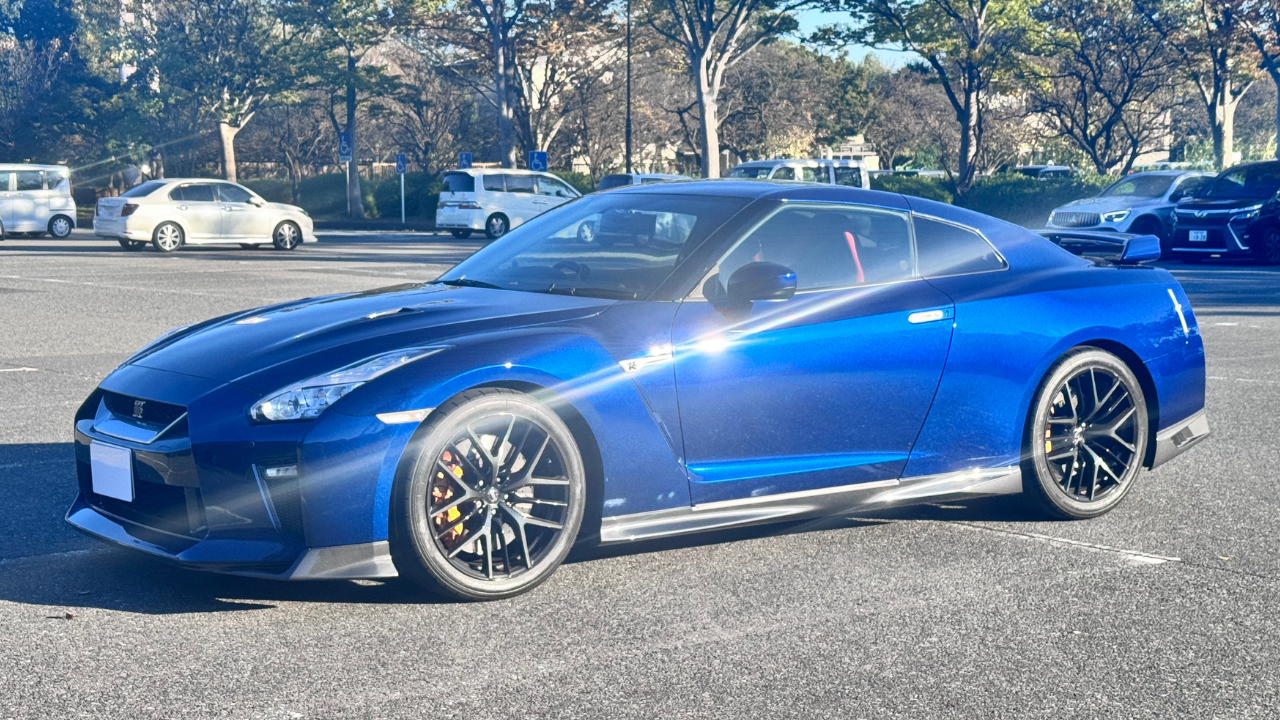
Vehicle options may include an R35 GT-R ride-along or other street-legal JDM icons (availability varies by date).
Practical details (typical):
- Duration: about 3 hours (traffic dependent)
- Where you meet us: either a fixed meeting point near Shibuya, or a hotel pickup from your hotel—from there we head straight to Daikoku
- Language: beginner-level English & Japanese
- Reservations: at least 24 hours in advance
Hotel pickup option:
-
-
Daikoku Parking Area Tour 2026: Pick Your Car (R34, GT-R, RX-7)
There are four realistic ways to do a Daikoku Parking Area tour from Tokyo, and the choice comes down to two questions: who sits in the driver's seat, and how many of you there are. This page sets out all four with the actual seat limits, the cars you can request by name and colour, what each option costs on a weekday, and the one thing most listings leave out — Daikoku PA can be shut with no notice, and weekend nights carry the highest risk. Figures below are current as of August 2026. One thing to clear up first, ...
続きを見る
Booking contact (fastest):
- WhatsApp / Instagram DM (we confirm availability and details)
Important notes:
- Daikoku is not an official event; car turnout varies.
- If Daikoku is closed, we may pivot to another spot to protect your experience.
- Guests must follow safety instructions and local rules.
-

-
Tokyo Car Meet: The Complete Guide to Japan's Legendary Night Scene
From Daikoku PA to Tatsumi, discover Tokyo's legendary car meets — locations, etiquette, timing, and how to experience them safely as a visitor.
続きを見る

Book Your Tokyo JDM Tour Today
Customer Reviews


Important Information
- The tour begins and ends at the same location (Shibuya).
- If the Daikoku Parking Area is closed, we will instead guide you to another car meet further away.
- The consultant is a cultural expert and navigator, not a taxi service.
Ready to Lock In Your Tokyo Dates?
