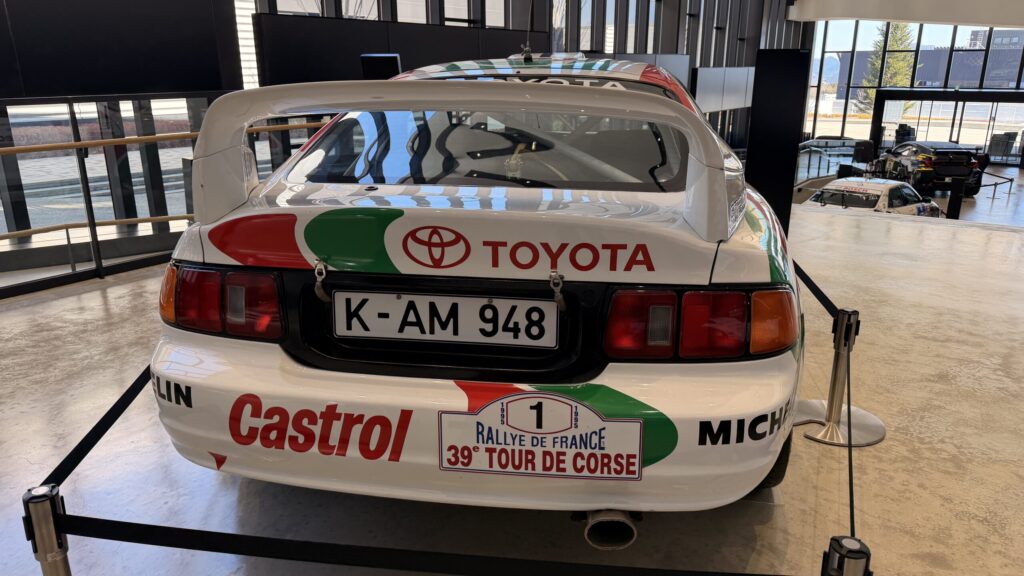
Why Driving Fuji Speedway Is a Bucket-List Experience
Fuji Speedway is not just a spectator venue — it is one of the few world-class circuits in Japan where ordinary drivers can get behind the wheel and experience the track firsthand. Nestled at the base of Mount Fuji in Oyama, Shizuoka Prefecture, the 4.563-kilometer international course features the longest straight of any permanent racing circuit in Japan at roughly 1.475 kilometers, delivering a visceral rush of speed that few other tracks can match.
For car enthusiasts visiting Japan, the opportunity to actually drive Fuji Speedway elevates a trip from passive sightseeing to full-throttle immersion. Whether you are piloting your own vehicle during a sports driving session or riding shotgun in a professional-grade supercar experience, Fuji Speedway offers multiple pathways to get on track in 2026.
-

-
Fuji Speedway: The Complete 2026 Guide to Japan's Legendary Racing Circuit
続きを見る

Ways to Drive Fuji Speedway as a Visitor
Fuji Speedway operates several programs that allow non-professional drivers to use the circuit. Understanding which option suits your skill level, budget, and goals is essential before you book.
Sports Driving Sessions (Sports-Sou)
The most accessible way to drive Fuji Speedway's main course is through the circuit's own Sports Driving sessions, commonly referred to as "Sports-Sou" (スポーツ走行). These are open-pit sessions scheduled throughout the year where registered drivers can bring eligible vehicles and circulate at speed. Sessions are typically divided by vehicle class — standard road cars, race-prepared cars, and motorcycles each receive dedicated time slots.
To participate, drivers must hold a Fuji Speedway license (FSW license), which can be obtained on-site by presenting a valid driver's license, paying the registration fee, and completing a brief orientation. International visitors with a valid International Driving Permit (IDP) or a Japanese driver's license are eligible. The FSW license costs approximately ¥3,300, and individual session fees range from ¥6,000 to ¥12,000 depending on the class and duration.
Fuji Speedway Driving Experience Programs
For those who want a more structured and guided experience — especially visitors who do not have their own track-ready car — Fuji Speedway offers official driving experience programs. These typically involve high-performance vehicles provided by the circuit or partner companies. Options range from supercar hot laps with a professional driver to self-drive sessions in sports cars around the main course or the shorter short course.
These programs are ideal for tourists because they eliminate the need to bring your own vehicle or obtain an FSW license in advance. Availability varies by season, and reservations are strongly recommended.
-
-
Fuji Speedway Track Experience: What to Expect and How to Get on Track in 2026
続きを見る

Track Day Events and Rental Ride Programs
Throughout the year, third-party organizers and automotive brands host track day events at Fuji Speedway. These events sometimes offer rental ride opportunities where participants can drive provided cars for a set number of laps. Popular examples include manufacturer experience days (Toyota, Lexus, Subaru) and track day organizers who cater to both domestic and international participants. Checking the Fuji Speedway events calendar regularly is the best way to identify upcoming opportunities.
-
-
Fuji Speedway Events in 2026: Complete Calendar of Races, Car Shows & Motorsport Experiences
続きを見る

Requirements to Drive on the Main Course
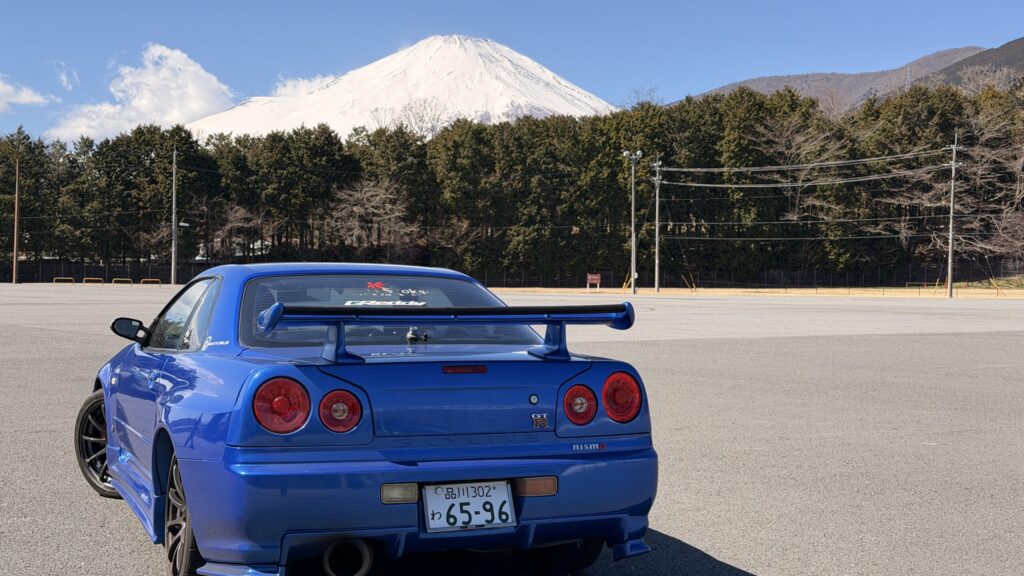
Driving Fuji Speedway's international course is not a casual affair. The circuit enforces strict safety and documentation requirements to protect all participants.
Driver Licensing
- FSW License: Required for all Sports Driving sessions. Can be issued on-site with a valid domestic or international driver's license.
- International Driving Permit (IDP): Foreign visitors must carry a valid IDP (1949 Geneva Convention format) alongside their home country license. An IDP alone is not sufficient — you need both documents.
- Age Requirement: Drivers must be at least 18 years old.
Vehicle Requirements
If you are bringing your own car (or a rental), it must pass a basic technical inspection before entering the track. Requirements typically include:
- A properly functioning roll bar or rollcage (recommended but not always mandatory for road cars in certain sessions)
- Securely fastened battery
- No fluid leaks
- Properly inflated tires in good condition
- Removal of all loose items from the cabin
Helmets rated to Snell SA, FIA, or JIS standards are mandatory. Fuji Speedway has a limited number of loaner helmets, but bringing your own is strongly advised.
Insurance Considerations
Standard Japanese car insurance policies typically exclude coverage for track driving. If you are using a rental car, check with the rental company whether circuit use is permitted — most standard rental agencies prohibit it. Specialized JDM car rental services that cater to enthusiasts may offer options or guidance on track-day insurance.
-
-
Fuji Speedway Car Rental: How to Rent a Car and Drive to Japan's Legendary Circuit in 2026
続きを見る
Getting to Fuji Speedway for Your Track Day
Fuji Speedway is located approximately 100 kilometers southwest of central Tokyo in Oyama, Shizuoka Prefecture. The most practical way to reach the circuit — particularly if you plan to drive it — is by car.
From Tokyo, the drive takes roughly 90 minutes via the Tomei Expressway. Exit at the Gotemba Interchange and follow Route 246 toward Oyama. The route is straightforward, and the circuit is well-signposted in the area. Arriving by car also allows you to explore the scenic roads around the Fuji Five Lakes area and Hakone before or after your track session.
Public transportation is possible via JR Gotemba Line to Gotemba Station, followed by a bus or taxi. However, this option is less convenient on track days, especially if you need to transport helmets and gear.
-
-
How to Get to Fuji Speedway From Tokyo: Every Transport Option Explained (2026)
続きを見る
Understanding the Fuji Speedway Layout Before You Drive
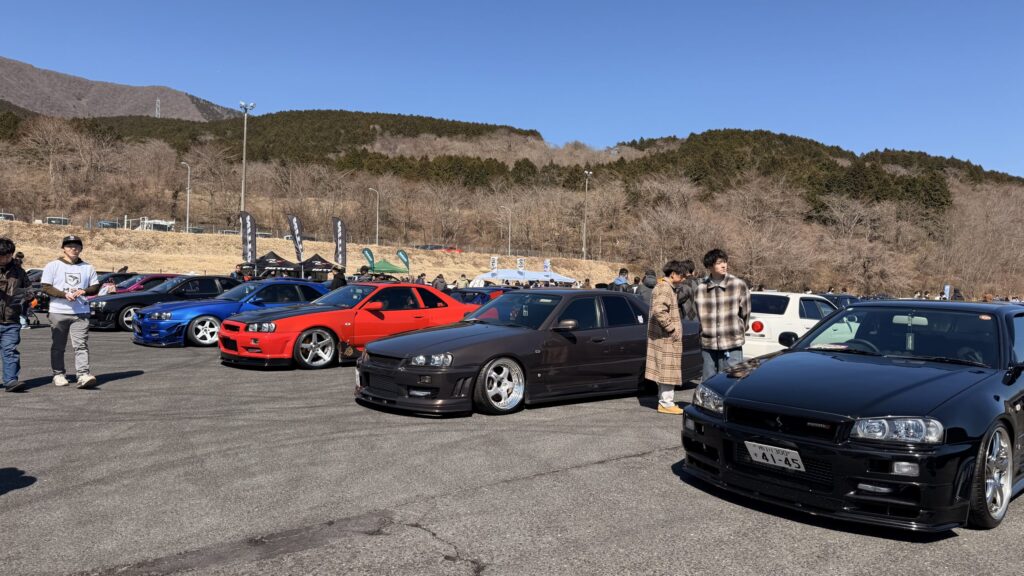
Familiarizing yourself with the circuit layout before your session will dramatically improve both your safety and enjoyment. The Fuji Speedway international course features 16 turns, but the defining characteristic is the massive front straight — a 1.475-kilometer run where road cars can comfortably exceed 200 km/h before heavy braking into Turn 1, a tight right-hander that is the most common overtaking point and also the most common site for mistakes.
Key sections to study include:
- Turn 1 (TGR Corner): A sharp right-hander at the end of the long straight. Braking judgment here is critical.
- Coca-Cola Corner (Turn 3): A fast, sweeping left that rewards commitment and a smooth line.
- 100R: A high-speed right-hand bend that tests confidence and car balance.
- Dunlop Corner to the final chicane: The technical section that sets up your exit speed onto the front straight.
Many drivers use simulators like Assetto Corsa or Gran Turismo 7 to learn the layout before arriving. Both titles feature accurate laser-scanned recreations of the circuit.
Costs to Drive Fuji Speedway in 2026
Below is an approximate cost breakdown for a self-drive Sports Driving session:
- FSW License registration: ~¥3,300 (one-time, valid for one year)
- Sports Driving session fee: ¥6,000–¥12,000 per session (20–30 minutes)
- Helmet rental (if available): ~¥1,000
- Expressway tolls (Tokyo round trip): ~¥4,000–¥5,000
- Fuel: Variable, but expect high consumption during track driving
For official driving experience programs with provided vehicles, prices range significantly — from approximately ¥15,000 for basic experiences to ¥50,000 or more for supercar-level sessions. Corporate and VIP packages with dedicated instructors are available at premium rates.
Tips for First-Time Drivers at Fuji Speedway
Driving a world-class circuit for the first time can be both exhilarating and overwhelming. These practical tips will help you make the most of your session:
- Arrive early: Registration, technical inspection, and driver briefings all take time. Arriving at least 90 minutes before your session is advisable.
- Check your car thoroughly: Brake pad condition, tire pressures, and fluid levels should all be verified before you leave for the circuit.
- Start slow and build speed gradually: Use the first few laps to learn braking points and reference markers. Fuji's long straight tempts aggressive speeds, but Turn 1 punishes overconfidence.
- Observe flag rules strictly: Yellow flags, red flags, and checkered flags are enforced. Ignoring flags can result in immediate session termination and potential bans.
- Stay hydrated: Track driving is physically demanding. Bring water and take breaks between sessions.
- Use mirror awareness: Faster cars may be closing on you at significant speed differentials on the main straight. Check mirrors frequently and yield predictably on the line indicated by marshals.
Combining a Track Day with the Fuji Area
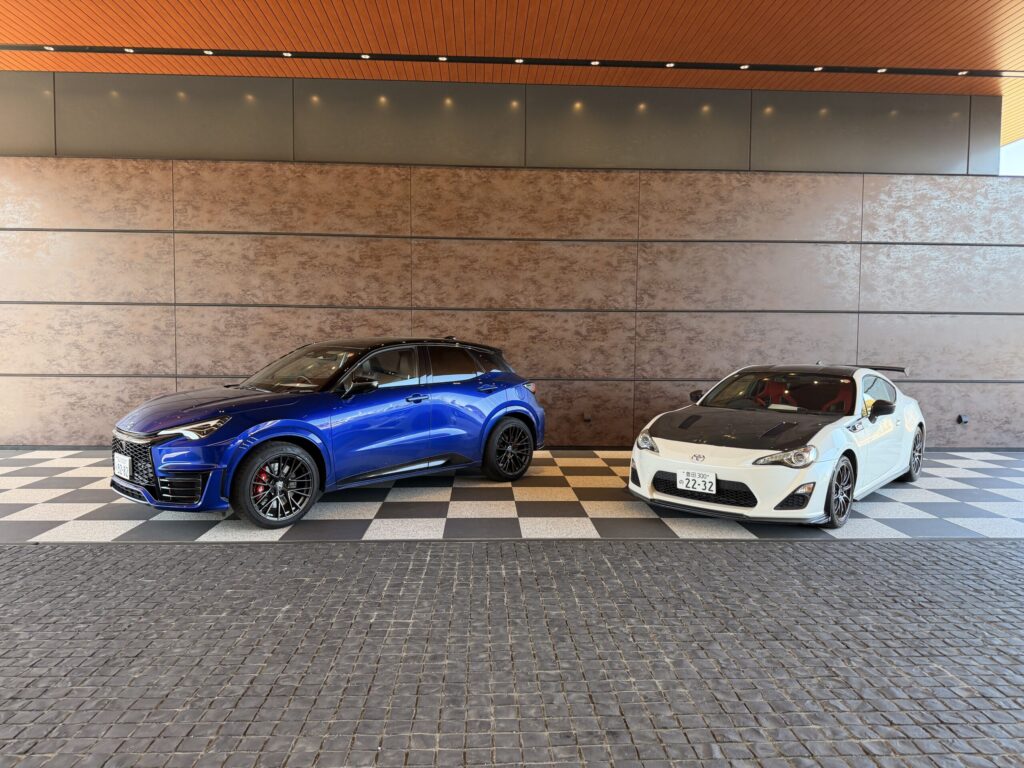
One of the great advantages of driving Fuji Speedway is its proximity to some of Japan's most scenic destinations. After your adrenaline-filled track session, consider extending your trip to enjoy the surrounding area.
The Fuji Five Lakes region — particularly Kawaguchiko — offers stunning views of Mount Fuji, onsen hot springs, and excellent dining. Hakone, just 30 minutes south, is one of Japan's premier hot spring resort towns and features the scenic Hakone Turnpike, a winding toll road beloved by driving enthusiasts. Combining a track day at Fuji Speedway with a road trip through these areas creates a comprehensive Japanese automotive and cultural experience.
Driving a JDM sports car through the mountain roads near Fuji and then onto the circuit itself is, for many enthusiasts, the ultimate expression of Japanese car culture — something that cannot be replicated anywhere else in the world.
Experience Japan’s Finest JDM Adventures
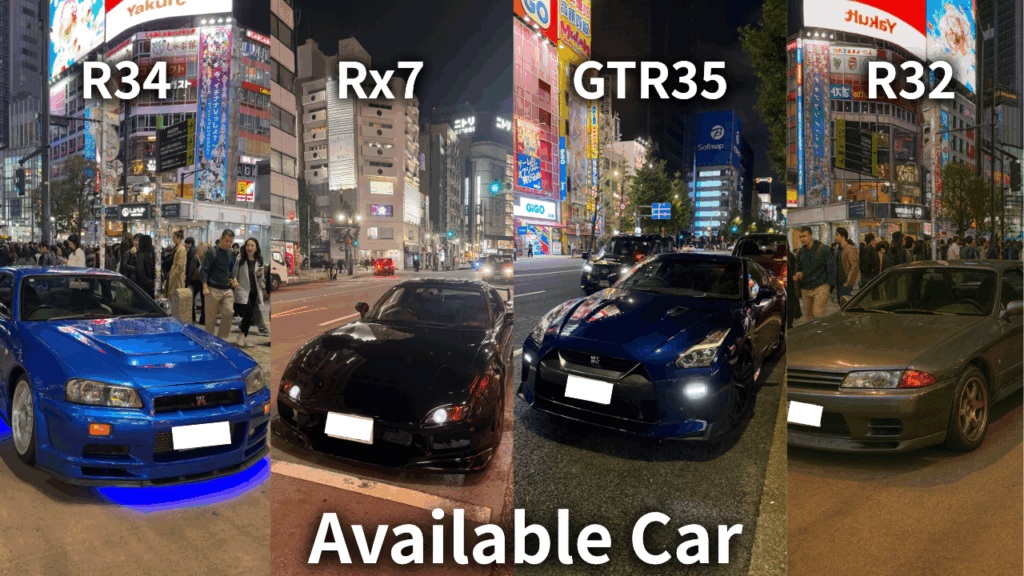
From Daikoku PA tours to JDM sports car rentals and drift experiences, we offer premium driving adventures for visitors who want more than ordinary sightseeing.
Get behind the wheel of iconic machines such as the GT-R, RX-7, and Supra, and experience Japan’s legendary car culture in the most unforgettable way. Whether you want a scenic Tokyo car experience or something more thrilling and immersive, we can guide you to the right plan.
Not sure which experience suits you best? No problem. Message us on WhatsApp and we’ll help you choose the ideal option based on your travel plans, interests, and driving experience.
Popular dates sell out quickly, so we recommend contacting us early.
Customer Reviews
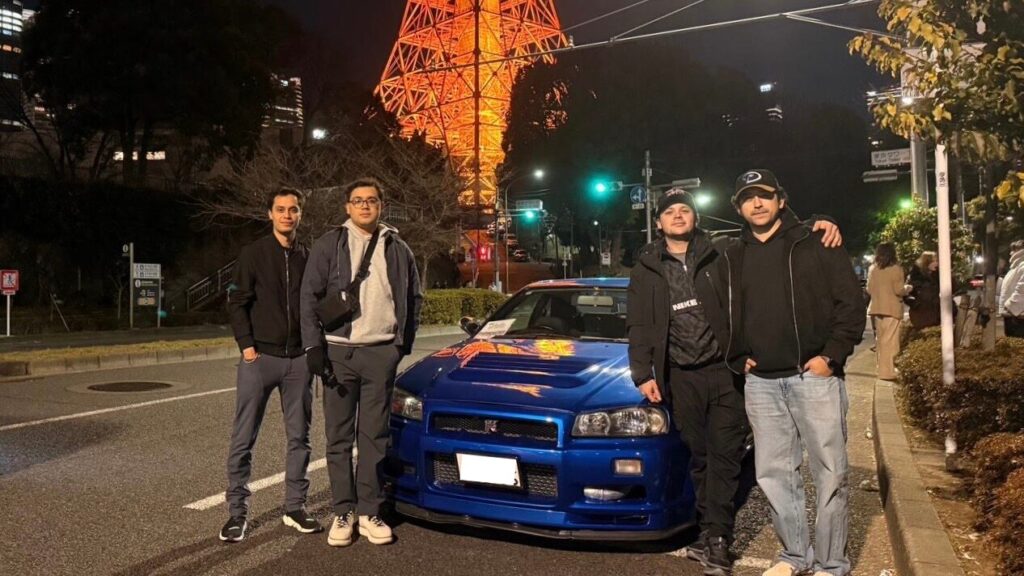
Important Information
- This is a drive tour where you drive your rental car, and our guide navigates from the seat.
- This is a self-drive tour where you drive your rental car, and our guide navigates from the passenger seat.
- The tour begins and ends at the same location (Shibuya).
- If the Daikoku Parking Area is closed, we will instead guide you to another car meet further away.
- The consultant is a cultural expert and navigator, not a taxi service.
