Why Driving in Japan Is Worth It — and What to Expect
Japan has one of the most efficient public transportation networks in the world, yet renting a car unlocks a completely different travel experience. Rural onsens, mountain passes, coastal roads, and iconic driving destinations like Hakone or Nikko are all significantly more accessible by car. That said, driving in Japan as a foreigner requires preparation. Road rules, signage, toll systems, and driving etiquette differ considerably from most Western countries, and understanding these differences before you get behind the wheel will make your trip far smoother and safer.
Legal Requirements for Driving in Japan
International Driving Permit (IDP)
Foreign visitors cannot drive in Japan on a standard overseas license alone. You must carry an International Driving Permit (IDP) based on the 1949 Geneva Convention, along with your original home-country license. IDPs issued under the 1968 Vienna Convention are not accepted in Japan, so confirm which convention your IDP is issued under before departure. Permits can typically be obtained through your country's automobile association before traveling.
Countries Exempt from the IDP Requirement
Citizens of Switzerland, France, Germany, Belgium, Monaco, Estonia, Slovenia, and Taiwan may drive in Japan using their home license with a certified Japanese translation. If you hold one of these passports, contact the Japan Automobile Federation (JAF) or your country's embassy to confirm the current requirements before your trip.
Minimum Age and License Validity
The minimum driving age in Japan is 18. Most car rental companies require drivers to be at least 21, and some impose a minimum age of 25 for premium or sports car categories. Your IDP must remain valid for the entire duration of your rental period.
Renting a Car in Japan as a Foreigner
Major car rental companies operating in Japan include Toyota Rent a Car, Nissan Rent a Car, Times Car, and Orix. Most have English-language booking platforms and staff at major airports who speak basic English. Reservations made in advance are strongly recommended, especially during peak periods such as Golden Week (late April to early May), Obon (mid-August), and the cherry blossom season in late March to early April.
When you pick up the vehicle, you will need to present your IDP, your original driver's license, your passport, and a credit card. Cash-only bookings are generally not accepted. Rental companies will walk you through the car's features, which may include an ETC card slot for highway toll payment — a system highly recommended over paying cash at toll booths.
-

-
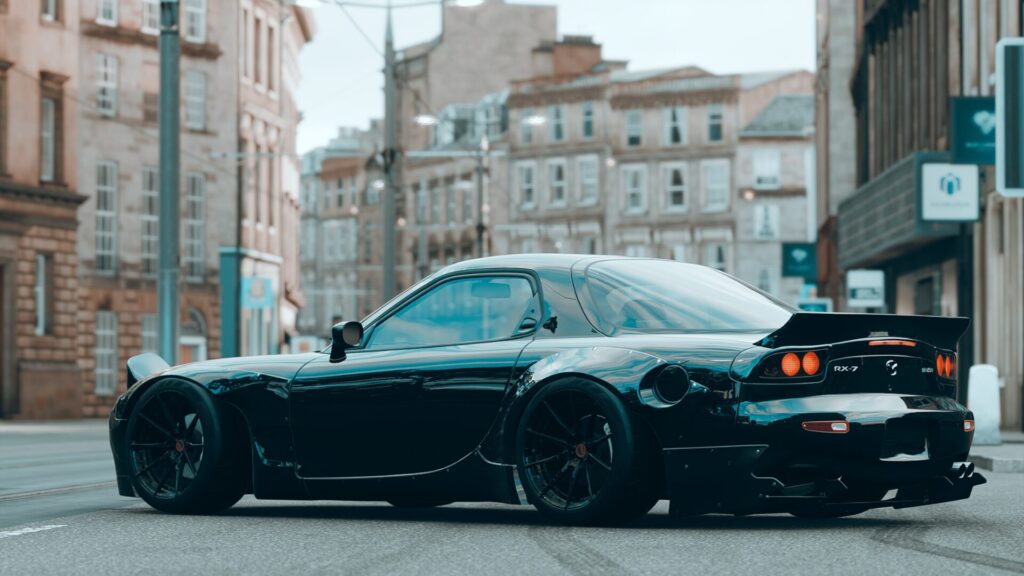
JDM Car Rental in Japan: The Complete Guide for Overseas Enthusiasts
Japan is the spiritual home of JDM—where iconic nameplates like Skyline, Supra, RX‑7, and Silvia wer ...
続きを見る
Understanding Japanese Road Rules
Drive on the Left
Japan drives on the left side of the road, with the steering wheel on the right side of the vehicle. For drivers from North America, continental Europe, or most of Asia, this is the most significant adjustment. Allow at least one to two hours of low-traffic driving to acclimatize before entering busy urban highways or mountain roads.
Speed Limits
Speed limits in Japan are lower than most visitors expect. General limits are as follows: 60 km/h on standard roads, 40 km/h in urban areas, and 80–100 km/h on expressways unless otherwise posted. Enforcement is active and includes both marked and unmarked police vehicles, as well as fixed and mobile speed cameras. Fines are substantial, and violations may affect your ability to return the rental vehicle without penalty charges.
Alcohol and Driving
Japan enforces a strict zero-tolerance policy on drinking and driving. The legal blood alcohol limit is 0.03%, which is effectively zero given how quickly even small amounts of alcohol can reach this threshold. Passengers who knowingly allow an impaired driver to operate a vehicle can also face legal consequences. Do not drink and drive under any circumstances.
Mobile Phones
Using a handheld mobile phone while driving is illegal in Japan. Penalties were significantly increased in 2019 and include fines of up to ¥180,000 and potential license suspension. Use a dashboard mount and a hands-free setup if you are using navigation on your smartphone.
Seat Belts
Seat belts are mandatory for all occupants in all seating positions. Child seats are required for children under six years old. Rental companies can provide child seats for an additional daily fee — book these in advance as availability can be limited.
Navigating Japan's Roads

Road Signage
Most major road signs in Japan follow international pictogram standards and are bilingual in Japanese and English on national highways and expressways. In rural areas, English signage becomes less consistent. Download an offline map (Google Maps, Apple Maps, or Yahoo! カーナビ) before your trip and consider renting a car with a built-in navigation system capable of displaying English-language directions. Most modern rental vehicles in Japan are equipped with navigation systems, though these are often Japanese-only — confirm English capability at the time of booking.
Using the Expressway System
Japan's expressway network is extensive, fast, and well-maintained, but it is a toll road system. Tolls are charged per distance traveled and can accumulate significantly on longer journeys. For example, driving from Tokyo to Osaka on the Tomei and Meishin expressways can cost ¥5,000–¥8,000 in tolls each way. An ETC (Electronic Toll Collection) card, available at most rental counters for a small daily fee, allows you to pass through toll gates without stopping and often qualifies you for discounted rates on certain routes and time periods.
Parking in Japan
Street parking is largely prohibited in Japanese cities. Drivers use paid parking lots (コインパーキング, coin parking), which are found throughout urban areas and charge by the 30-minute or one-hour increment. Rates vary from ¥100 to ¥600 per 30 minutes depending on location. Many hotels, shopping centers, and tourist attractions offer parking with or without validation. Always confirm parking availability before driving to a destination in a city center. Leaving a vehicle in a no-parking zone can result in immobilization and a ¥15,000–¥18,000 fine.
Driving on Japanese Expressways
Japan's expressway system is one of the most well-maintained road networks in the world. Lanes are generally narrower than in North America or Europe, and the driving culture places a strong emphasis on lane discipline. Keep to the left lane unless overtaking. Hazard lights are sometimes used to signal a sudden slowdown ahead — this is a common courtesy warning among Japanese drivers.
Rest areas (サービスエリア / パーキングエリア) on Japanese expressways are exceptionally well-equipped, featuring restaurants, convenience stores, clean restrooms, and often regional specialty foods. Plan your journey to include stops at these areas, particularly on routes exceeding two hours. The Daikoku Parking Area on the Bayshore Route near Yokohama is one of the most famous expressway rest stops in Japan, known globally as a gathering point for the JDM car community.
-
-
Daikoku Parking Area (Daikoku PA): The Ultimate Visitor Guide to Japan’s Legendary JDM Meet
Daikoku Parking Area—often written as Daikoku PA or Daikokufutō—is the most famous place in Japan to ...
続きを見る

Mountain and Rural Road Driving
Japan's geography means that many scenic driving routes pass through mountainous terrain. Roads in these areas are often narrow, winding, and lack guardrails in sections. Routes such as the Irohazaka in Tochigi Prefecture — with its 48 hairpin turns — or the mountain passes around Hakone require focused, deliberate driving. Follow these guidelines for mountain driving:
- Slow down well before corners — visibility around blind bends is often zero.
- Use your horn lightly when approaching blind curves on single-lane mountain roads to alert oncoming vehicles.
- Use engine braking on descents rather than riding the brakes, which can overheat and cause brake fade.
- Pull over at designated passing spots (待避所) to allow oncoming traffic to pass on single-lane sections.
- Check road conditions and closures in advance, particularly in winter when snow and ice are common above 500 meters.
-
-
Irohazaka: Japan's Most Iconic Touge Road in Nikko — Driving Guide for JDM Enthusiasts
What Is Irohazaka? Japan's Legendary Hairpin Road in Nikko Irohazaka is one of Japan's most celebrat ...
続きを見る
Fuel, EV Charging, and Service Stations
Fuel Types
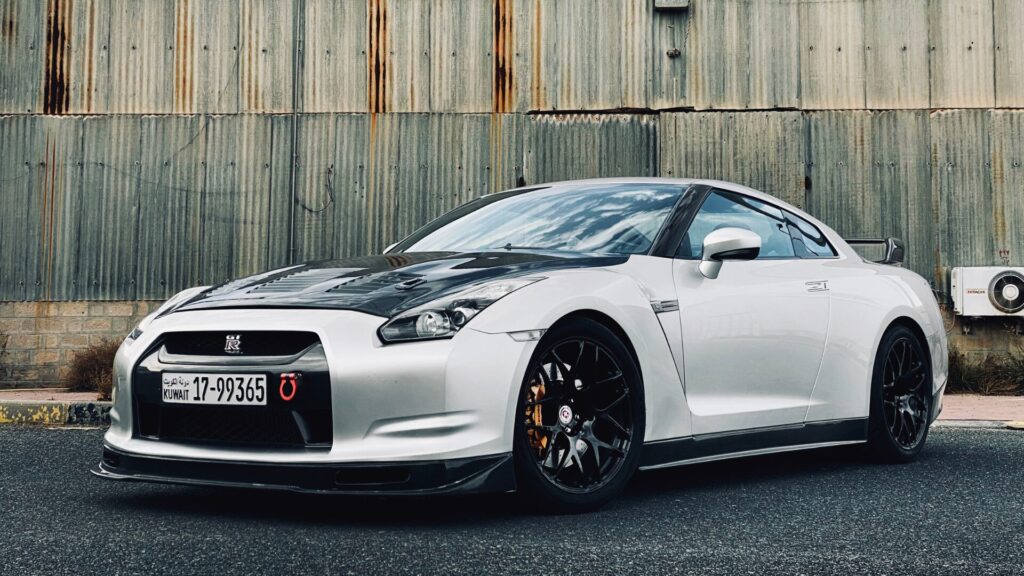
Japanese gas stations offer regular (レギュラー), premium (ハイオク), and diesel (軽油). Most compact and mid-size rental cars run on regular unleaded fuel. Sports and luxury vehicles frequently require premium. Confirm the fuel type with the rental company before departing. Misfueling a vehicle can cause significant engine damage and result in large repair fees.
Gas Station Etiquette
Full-service gas stations are still common in Japan, particularly in suburban and rural areas. An attendant will fill your tank, clean your windows, and may direct traffic when you exit. Tipping is not expected or practiced. Self-service stations are increasingly prevalent in cities. At self-service pumps, instructions are available in English at most major chains including ENEOS and Idemitsu.
EV and Hybrid Charging
Japan has a growing network of EV charging stations, concentrated at expressway rest areas, shopping centers, and dealerships. If renting a hybrid or electric vehicle, plan your charging stops in advance using the GoGoEV or PlugShare apps. Fast chargers (CHAdeMO standard) are widely available on major expressway routes.
Japanese Driving Etiquette and Cultural Norms
Driving etiquette in Japan reflects broader social values of consideration and order. Understanding these unwritten rules will help you blend in and avoid unnecessary friction on the road:
- Hazard lights as a thank-you: When another driver lets you merge or gives way, it is common to flash your hazard lights briefly (two to three times) as a gesture of thanks.
- No aggressive driving: Tailgating, aggressive lane changes, and horn use beyond necessity are considered extremely rude and can escalate quickly. Japanese drivers maintain consistent, polite spacing.
- Yielding at intersections: At unmarked intersections, the driver on the priority road has right of way. In residential areas (生活道路), proceed slowly and yield to pedestrians at all times.
- Night driving courtesy: Dim your headlights to low beam when following another vehicle or meeting oncoming traffic to avoid blinding other drivers.
- Noise restrictions: Modified exhausts and excessive revving in residential areas and parking facilities are heavily policed and will result in intervention at car meets as well as on public roads.
Driving in Tokyo and Other Major Cities
Urban driving in Japan, particularly in Tokyo, Osaka, and Nagoya, requires patience and attention. Traffic congestion during morning (7:00–9:30) and evening (17:00–20:00) peak hours can significantly extend journey times. Navigation systems will route around congestion in real time, but expressway on-ramps and city center areas frequently require careful reading of overhead lane signage.
In central Tokyo, many roads are one-way and the expressway system — operated by Metropolitan Expressway — is a separate toll network from national expressways. An ETC card works on both networks. Parking in central Tokyo is expensive and scarce: budget ¥500–¥1,000 per hour in areas like Shinjuku, Shibuya, or Ginza.
Winter Driving in Japan
Driving in Japan during winter — particularly from December through March — requires additional preparation in mountainous and northern regions. Snow tires (or tire chains) are legally required in some mountain areas when snow is forecast. Rental companies offer winter tire packages for an additional fee during the winter season. Key precautions include:
- Check the Nihon Doro Kotsujyo (road information) system for pass closures and chain regulations before departing.
- Carry an ice scraper and de-icer if driving in snowy regions.
- Reduce speed significantly — black ice (ブラックアイス) is a serious hazard on mountain roads in early morning hours.
- Keep the fuel tank above half-full in case of unexpected delays in traffic or road closures.
Emergency Procedures and Roadside Assistance
In case of an accident in Japan, follow this procedure: move vehicles off the road if safe to do so, call 110 (police) and 119 (ambulance/fire) if there are injuries, and notify your rental company immediately using the emergency number provided in your rental documents. The Japan Automobile Federation (JAF) provides 24-hour roadside assistance and has English-speaking operators. Many rental companies include JAF coverage or equivalent in their rental agreements — confirm this before departure.
If you are involved in a collision, do not admit fault verbally, as statements made at the scene can be used in subsequent legal or insurance proceedings. Exchange vehicle and insurance information with the other party and wait for the police to arrive and file a report.
Practical Pre-Trip Checklist for Driving in Japan
- Obtain a 1949 Geneva Convention IDP from your home country's automobile association before traveling.
- Book your rental car in advance, especially for peak travel periods.
- Request an ETC card at the rental counter and load it or confirm the billing arrangement.
- Download offline maps for your intended route in case of poor cellular coverage in rural areas.
- Confirm fuel type for your rental vehicle.
- Review the expressway routes and identify rest area stops for long journeys.
- Check weather and road conditions for mountain passes if applicable.
- Save the rental company's emergency contact number and JAF's number (0570-00-8139) in your phone.
Experience Japan’s Finest JDM Adventures
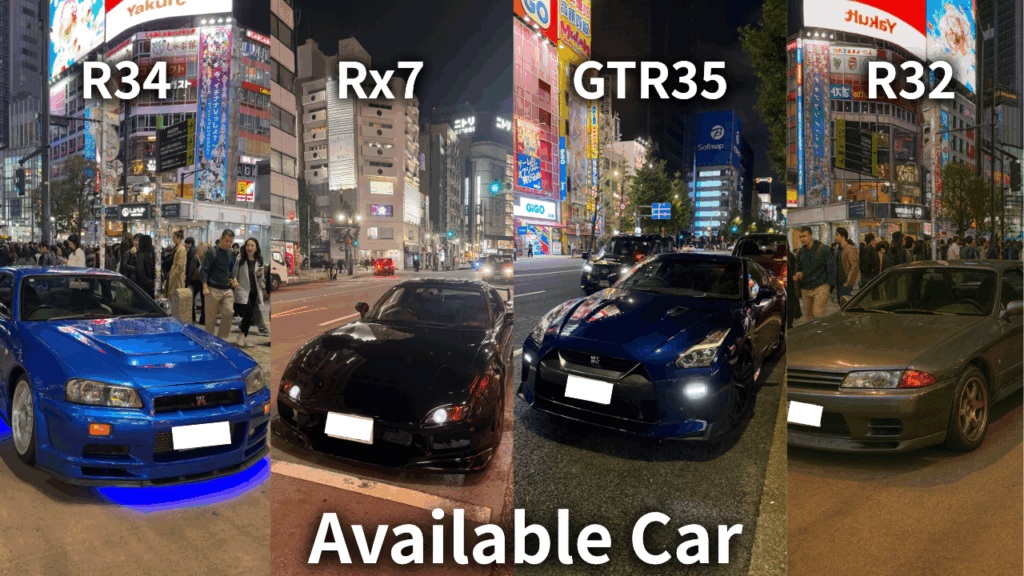
From Daikoku PA tours to JDM sports car rentals and drift experiences, we offer premium driving adventures for visitors who want more than ordinary sightseeing.
Get behind the wheel of iconic machines such as the GT-R, RX-7, and Supra, and experience Japan’s legendary car culture in the most unforgettable way. Whether you want a scenic Tokyo car experience or something more thrilling and immersive, we can guide you to the right plan.
Not sure which experience suits you best? No problem. Message us on WhatsApp and we’ll help you choose the ideal option based on your travel plans, interests, and driving experience.
Popular dates sell out quickly, so we recommend contacting us early.
Customer Reviews
Important Information
- This is a drive tour where you drive your rental car, and our guide navigates from the seat.
- This is a self-drive tour where you drive your rental car, and our guide navigates from the passenger seat.
- The tour begins and ends at the same location (Shibuya).
- If the Daikoku Parking Area is closed, we will instead guide you to another car meet further away.
- The consultant is a cultural expert and navigator, not a taxi service.
