ryusei

The Ultimate Underground JDM Culture Experience in Tokyo
2026/2/28
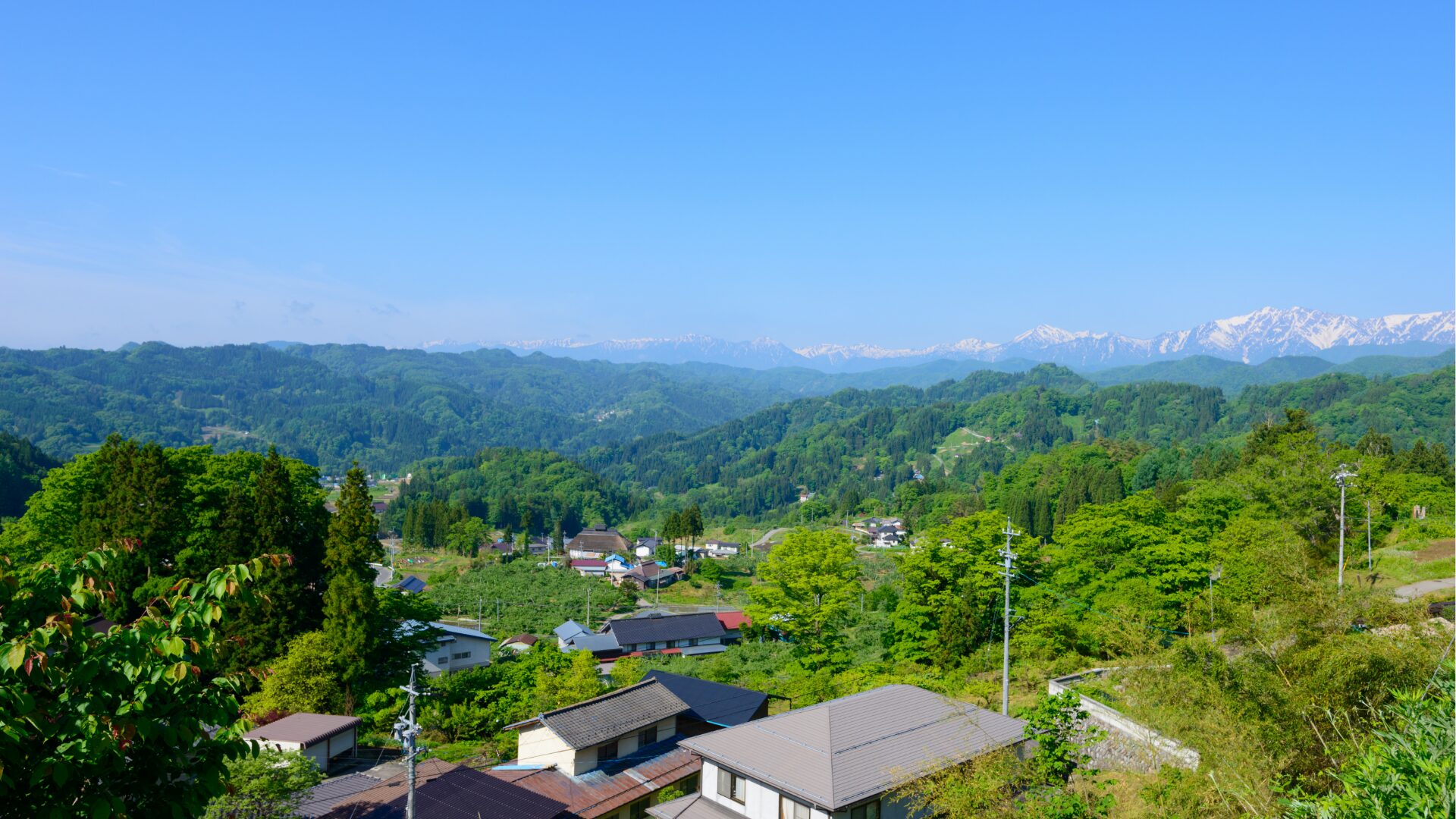
Why Rent a Car to Drive Mount Haruna? Mount Haruna — known worldwide as the real-life inspiration for Mount Akina in the legendary anime Initial D — is one of the most iconic touge roads in Japan. While visiting the mountain by bus or taxi is possible, renting a car is the only way to truly experience the hairpin-laden roads that made Takumi Fujiwara a household name among automotive enthusiasts. A Mount Haruna car rental lets you drive the exact same switchbacks at your own pace, stopping wherever you want for photos, scenic overlooks, and Initial D pilgrimage spots. Located in Gunma Prefecture, Mount Haruna sits roughly 150 kilometers northwest of central Tokyo. The journey by car takes approximately two to two and a half hours via the Kan-etsu Expressway, making it a perfect day trip or overnight road trip from the capital. Without your own set of wheels, reaching the mountain's most famous corners and viewpoints is extremely difficult — public transport options are limited and inflexible. Car Rental Options Near Mount Haruna There are several strategies for securing a rental car to drive Mount Haruna. Each has its pros and cons depending on your starting point, budget, and what kind of driving experience you want. Renting from Tokyo The most common approach for international visitors is to pick up a rental car in Tokyo. Major rental chains such as Toyota Rent a Car, Nippon Rent-A-Car, Times Car Rental, and Nissan Rent a Car all operate multiple branches in central Tokyo and around major ...
2026/2/28
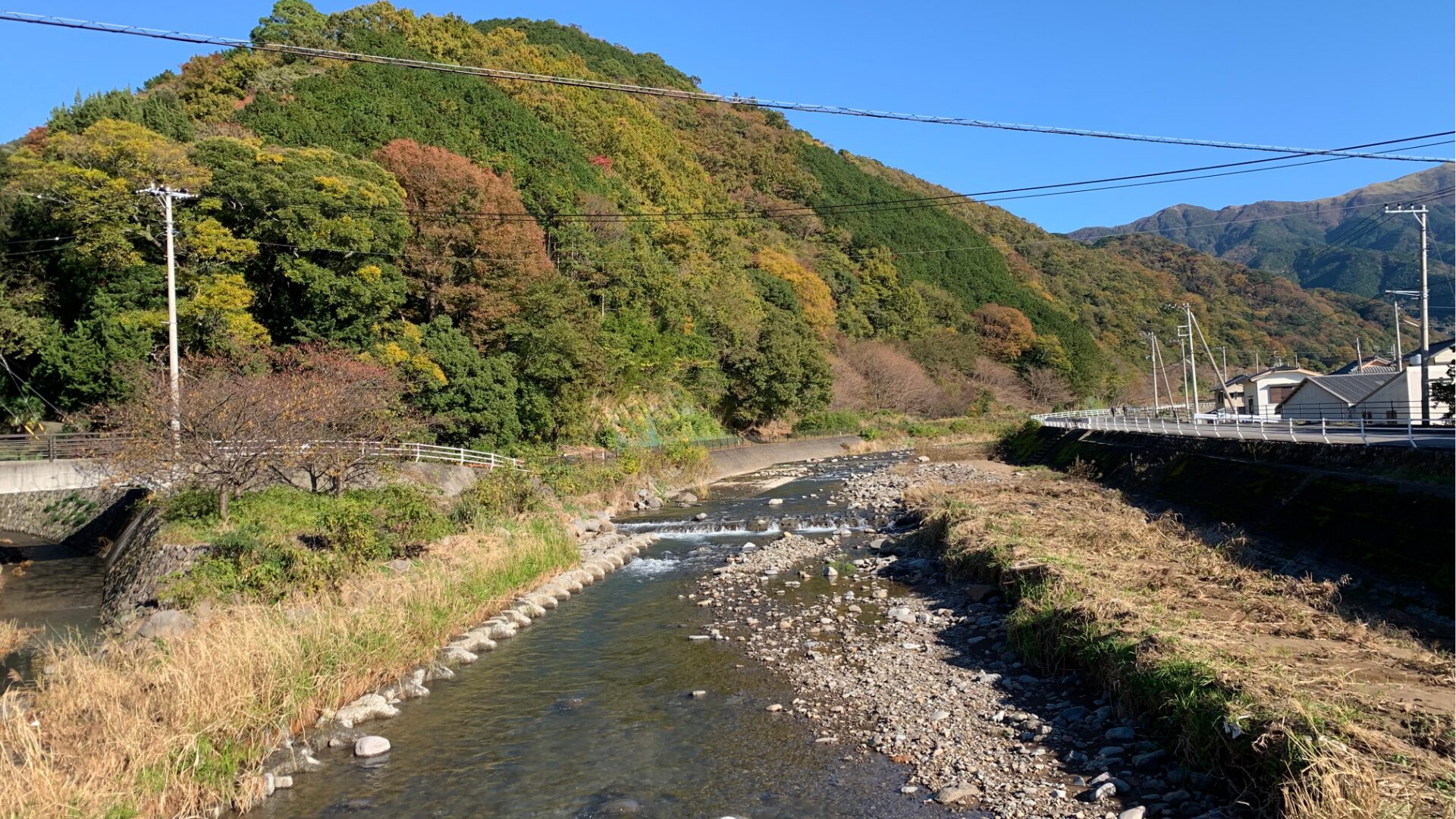
Is Mount Akina Real or Just Anime Fiction? If you have ever watched Initial D and wondered whether Mount Akina is a real place, the answer is both yes and no. "Mount Akina" as it appears in the manga and anime is a fictional name created by series creator Shuichi Shigeno. However, it is directly and unmistakably based on a real mountain in Japan — Mount Haruna (榛名山) in Gunma Prefecture. Every hairpin corner, every guardrail, and even the tofu shop at the base of the mountain has a real-world counterpart that you can visit today. This question — "is Mount Akina real?" — is one of the most frequently asked by Initial D fans planning a trip to Japan. The short version: the mountain is absolutely real, but you need to know it by its true name, Mount Haruna, to find it on a map. In this article, we will explore the real-world location in detail, explain the connection between fiction and reality, and show you how to experience this legendary touge road for yourself. Mount Haruna: The Real Mountain Behind Mount Akina Mount Haruna is a dormant stratovolcano located in the western part of Gunma Prefecture, approximately 150 kilometers northwest of Tokyo. It rises to an elevation of 1,449 meters and is one of the three most famous mountains in Gunma, alongside Mount Akagi and Mount Myogi — both of which also appear in Initial D under their real names. The mountain features a caldera lake called Lake Haruna near its summit, surrounded ...

2026/2/28
Mount Haruna Is the Real Mount Akina from Initial D For fans of Initial D, the name "Mount Akina" evokes images of a white Toyota AE86 Trueno hurtling through hairpin corners at impossible speeds, tofu in the back seat, eurobeat blasting in the background. What many fans don't realize until they start planning a pilgrimage is that Mount Akina is a fictional name. The real mountain that inspired Shuichi Shigeno's legendary manga and anime series is Mount Haruna — a volcanic peak located in Gunma Prefecture, roughly two hours northwest of Tokyo by car. Mount Haruna's winding mountain roads, dramatic elevation changes, and iconic hairpin turns were the direct inspiration for the touge battles that define Initial D. Today, this mountain draws thousands of anime fans, JDM enthusiasts, and motorsport lovers from around the world who want to drive, walk, or simply experience the roads where Takumi Fujiwara became a legend. How Mount Haruna Became the Blueprint for Initial D Shuichi Shigeno, the creator of Initial D, grew up in Gunma Prefecture and was intimately familiar with the local touge culture that thrived there during the 1980s and 1990s. Gunma's mountainous terrain naturally attracted street racers and driving enthusiasts, and Mount Haruna was one of the most famous — and most feared — routes in the region. When Shigeno began serializing Initial D in 1995, he modeled the fictional Mount Akina directly on Mount Haruna. The route, the hairpin corners, the gas station at the base, and even the surrounding landscape were all drawn from ...
2026/2/28
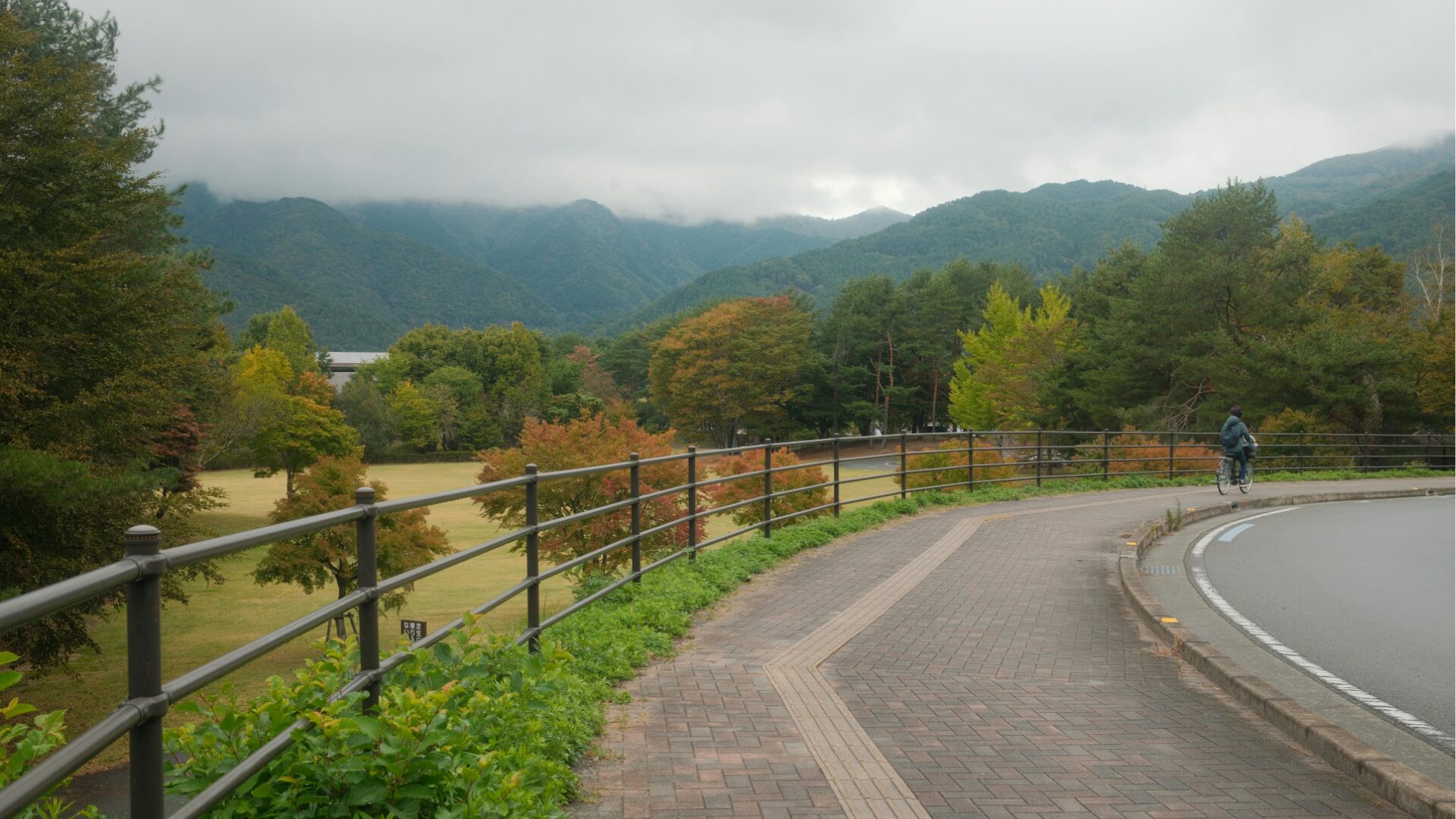
What Is the Mount Akina Road? The Mount Akina road is arguably the most famous touge (mountain pass) route in Japanese car culture. Immortalized as the home course of protagonist Takumi Fujiwara in the anime and manga series Initial D, this winding mountain road has become a pilgrimage destination for JDM enthusiasts worldwide. But unlike the fictional Mount Akina, the real road exists on Mount Haruna (榛名山) in Gunma Prefecture — and it is every bit as thrilling as the anime suggests. The route that inspired Mount Akina is officially known as Gunma Prefectural Route 33, a stretch of road that winds from the base of Mount Haruna up to the caldera lake at the summit, Lake Haruna. With dozens of tight hairpin bends, elevation changes, and stunning natural scenery, the Mount Akina road offers a driving experience that perfectly blends adrenaline with beauty. Where Exactly Is the Mount Akina Road Located? The real-world Mount Akina road is located on the slopes of Mount Haruna in the city of Takasaki (formerly the town of Haruna), Gunma Prefecture, Japan. Gunma Prefecture sits northwest of Tokyo in the Kanto region, making it accessible as a day trip or weekend excursion from the capital. Key Geographic Details Mountain: Mount Haruna (榛名山) — elevation 1,449 meters Road: Gunma Prefectural Route 33 (県道33号) Starting point: The base of Mount Haruna near Haruna town Summit destination: Lake Haruna (榛名湖) Distance from Tokyo: Approximately 150 km (about 2–2.5 hours by car) The road begins at a relatively low elevation and climbs steadily ...
2026/2/28
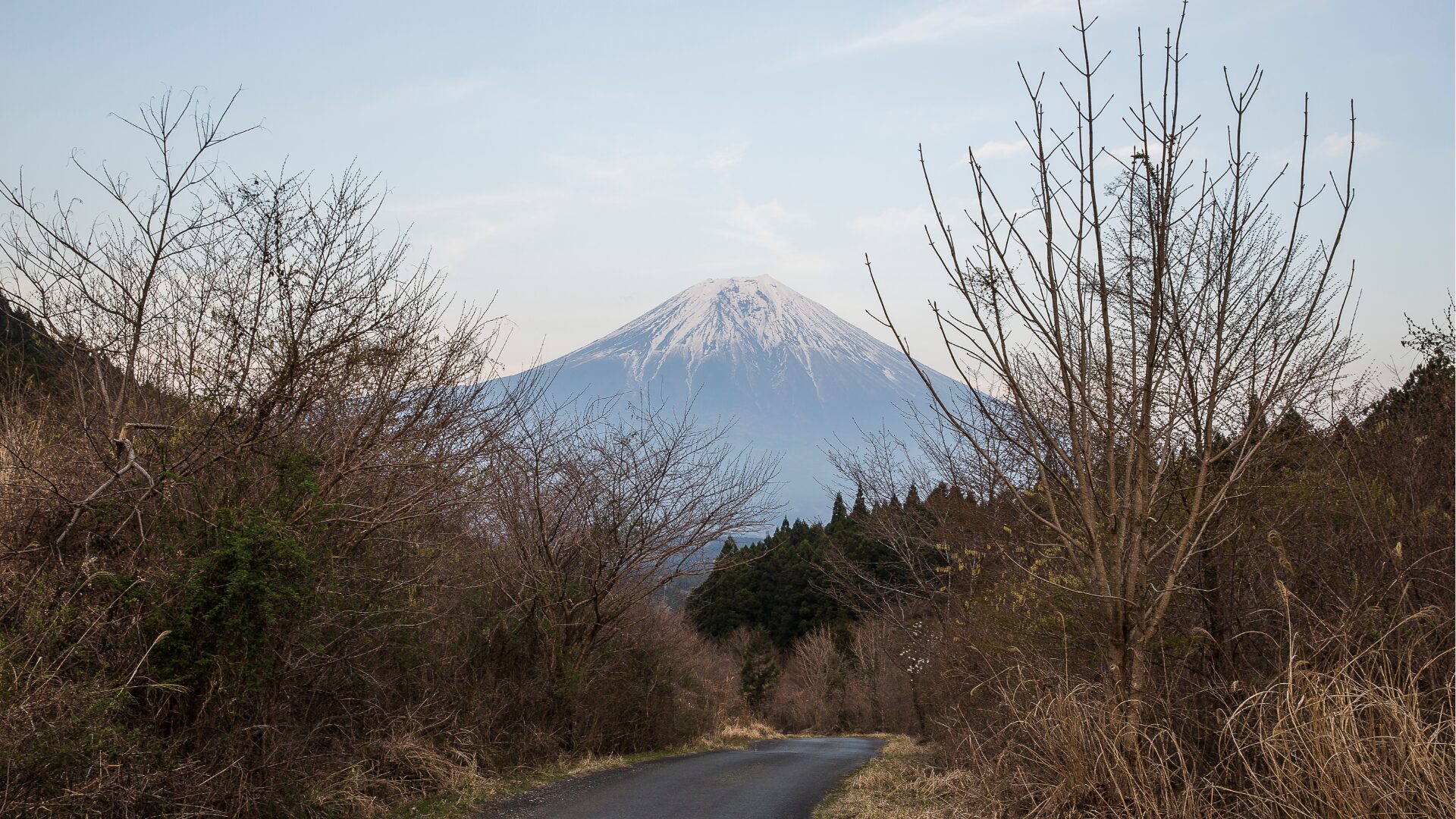
The Fictional Mount Akina and Its Real-World Inspiration If you have ever watched Initial D, the legendary anime about Japanese street racing and touge culture, you have certainly heard of Mount Akina. It is the home course of protagonist Takumi Fujiwara, where he hones his legendary downhill driving skills delivering tofu in his father's Toyota AE86. But what is Mount Akina based on? The answer lies in Gunma Prefecture, about 150 kilometers northwest of Tokyo, where a real mountain called Mount Haruna (榛名山, Haruna-san) serves as the unmistakable blueprint for everything depicted in the series. Manga creator Shuichi Shigeno deliberately modeled Mount Akina after Mount Haruna, drawing from its geography, road layout, surrounding lake, and cultural significance within the Japanese touge driving community. Understanding this connection unlocks a deeper appreciation of Initial D and provides the perfect reason to plan a road trip through Gunma's mountain passes. Mount Haruna: The Real Mountain Behind Mount Akina Mount Haruna is a dormant stratovolcano located in the city of Takasaki, Gunma Prefecture. Standing at approximately 1,449 meters above sea level, it is one of Gunma's three famous mountains alongside Mount Akagi and Mount Myogi — all three of which appear in Initial D under fictional names. Mount Haruna features a caldera lake called Lake Haruna (Haruna-ko) at its summit, a volcanic cone known as Mount Haruna-Fuji, and a winding road system that descends through dense forest terrain. In Initial D, these real geographical features are faithfully reproduced. The fictional Lake Akina mirrors Lake Haruna, and the touge road ...
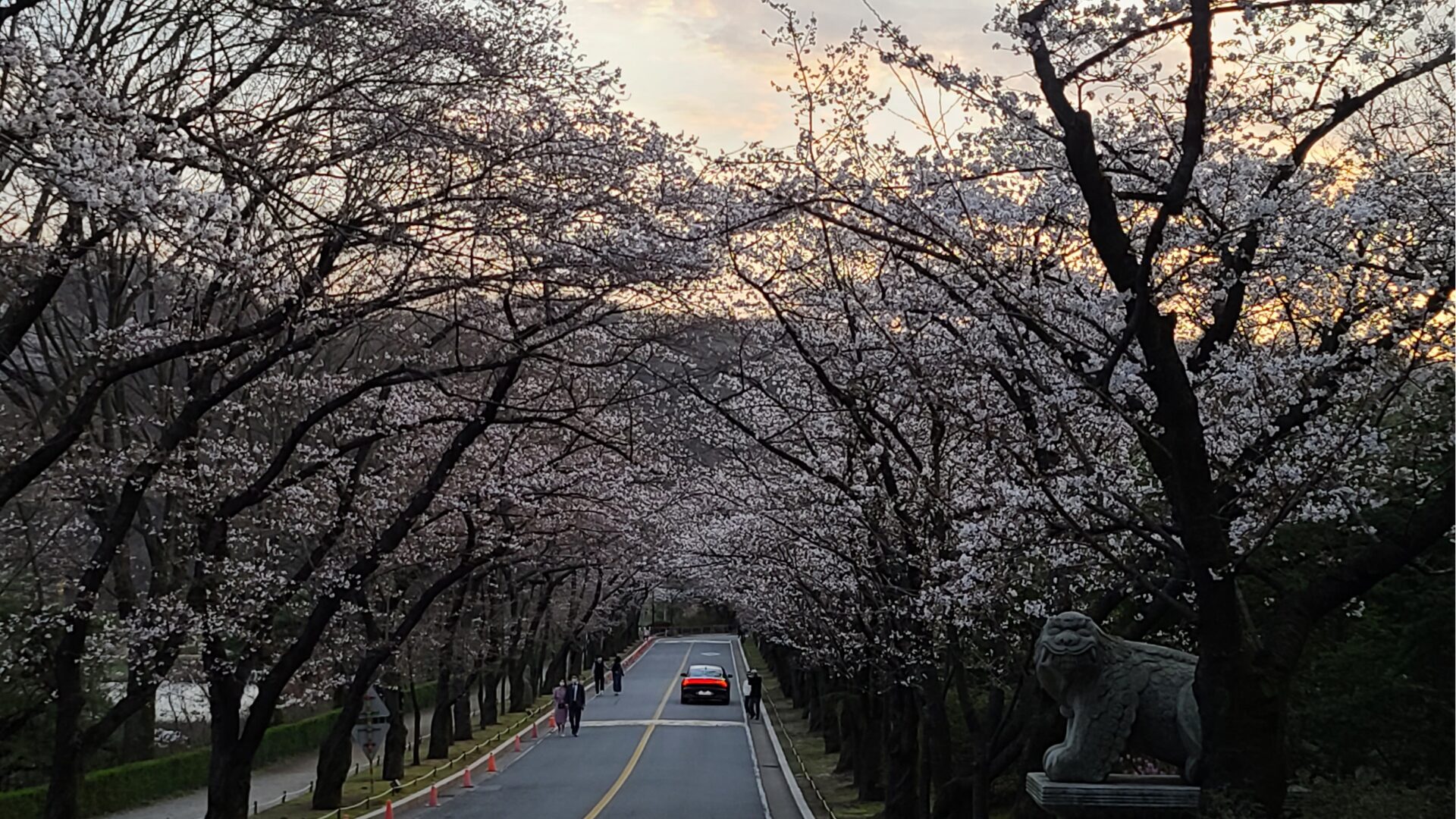
2026/2/28
Where Is Mount Akina in Real Life? If you have ever watched Initial D and wondered "where is Mount Akina?" — you are not alone. Mount Akina is the fictional name used in the manga and anime series Initial D, created by Shuichi Shigeno. In reality, Mount Akina is based on Mount Haruna (榛名山, Haruna-san), a real volcanic mountain located in Gunma Prefecture, Japan. The mountain sits in the central-western part of Gunma, roughly 130 kilometers northwest of Tokyo, and is one of the three famous mountains of Jōmō (the historical name for the Gunma region), alongside Mount Akagi and Mount Myōgi. The touge (mountain pass) roads of Mount Haruna became the blueprint for every iconic downhill battle that Takumi Fujiwara fought in his legendary AE86 Toyota Sprinter Trueno. Understanding where Mount Akina actually is — and how to get there — is essential for any JDM fan planning a pilgrimage to Japan. Mount Haruna: The Exact Location of Mount Akina Geographic Coordinates and Address Mount Haruna is located at approximately 36.4769° N, 138.8631° E, within the municipalities of Takasaki City and Shibukawa City in Gunma Prefecture. The peak reaches an elevation of 1,449 meters above sea level at Sōma-san, the highest point of the Haruna volcanic complex. The mountain features a caldera lake called Lake Haruna (Haruna-ko), which sits at around 1,084 meters elevation and serves as a scenic focal point for visitors year-round. Why Shuichi Shigeno Chose This Mountain Gunma Prefecture has long been known as a hotbed of touge culture in Japan. ...
2026/2/28
Why Mount Akina Drifting Became a Global Obsession Mount Akina drifting is arguably the most iconic concept in Japanese car culture. The moment Takumi Fujiwara sent his AE86 Sprinter Trueno sideways through the hairpin corners of Mount Akina in the anime and manga series Initial D, a worldwide obsession with touge drifting was born. Decades later, car enthusiasts from every corner of the globe still dream of driving the same roads where those legendary downhill battles took place. But Mount Akina is not a real mountain — at least not by that name. The fictional Mount Akina is based on Mount Haruna (Haruna-san) in Gunma Prefecture, Japan. The winding roads that Shuichi Shigeno drew for his manga are modeled on the actual Haruna mountain passes, and driving them today remains one of the most thrilling experiences in JDM car culture. The Real Roads Behind Mount Akina's Drift Scenes Mount Haruna's touge roads served as the blueprint for every memorable drift scene in Initial D. The routes that Takumi raced against the RedSuns, Night Kids, and other rival teams are real stretches of tarmac that you can drive today. Understanding the geography helps you appreciate why these roads became synonymous with drifting. The Downhill Route (Akina Downhill) The famous downhill course runs from the shores of Lake Haruna down the mountain's eastern slope toward the town of Ikaho. This is the route that Takumi mastered during years of early-morning tofu deliveries. The road features a series of tight hairpin turns, long sweeping bends, and elevation changes ...
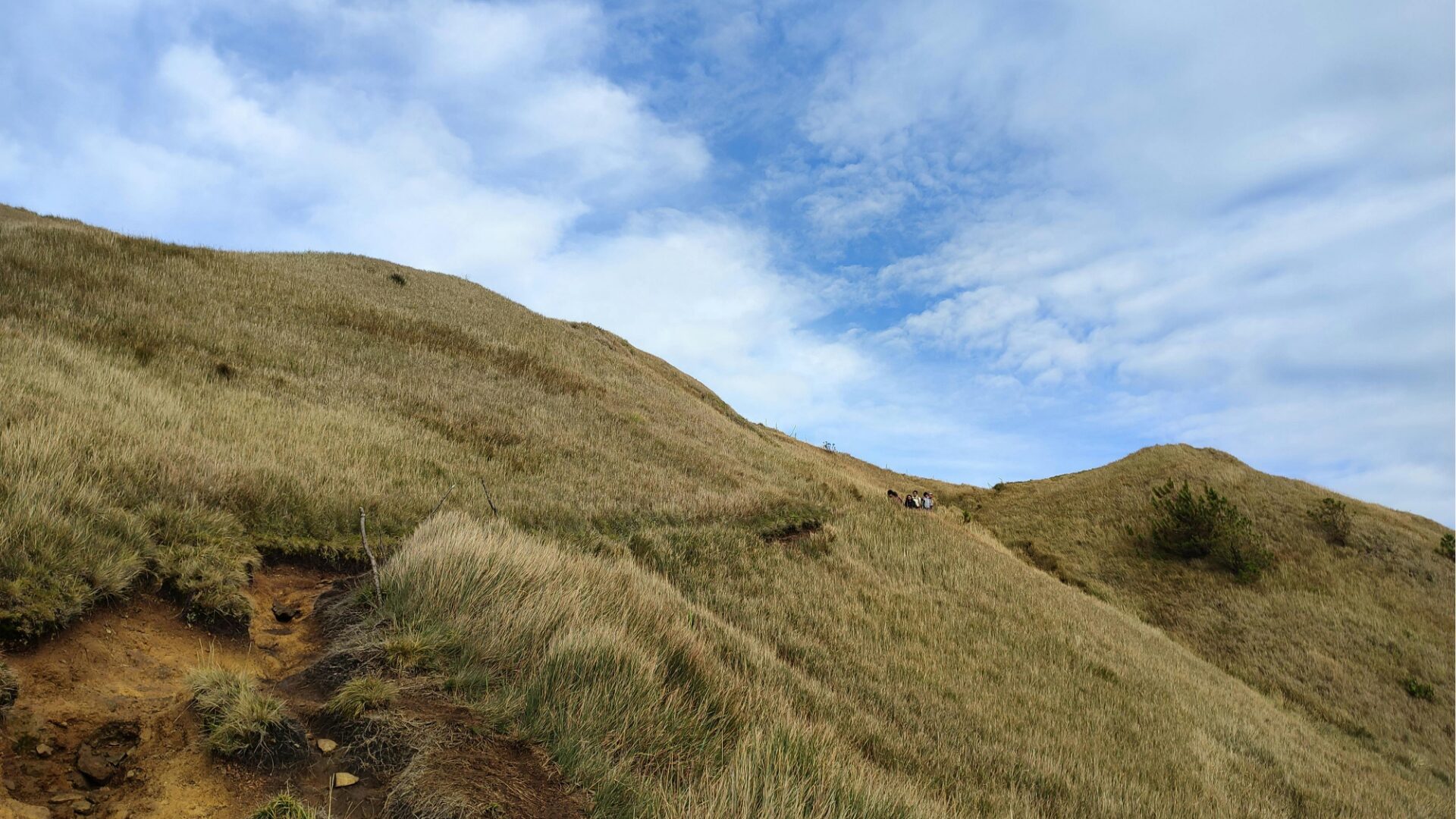
2026/2/28
Mount Haruna Location: Gunma Prefecture, Central Japan Mount Haruna (榛名山, Haruna-san) is located in the central part of Gunma Prefecture, approximately 150 kilometers northwest of Tokyo. Its exact coordinates are roughly 36.4767°N latitude and 138.8525°E longitude. The mountain sits within the boundaries of Takasaki City, though it is often associated with neighboring Shibukawa City and the broader Gunma highlands region. Rising to an elevation of 1,449 meters at its highest peak (Mount Kakuman), Haruna is one of the three famous mountains of Jōmō (上毛三山), alongside Mount Akagi and Mount Myōgi. For fans of Initial D, Mount Haruna is the real-world inspiration behind the fictional "Mount Akina" — the legendary downhill course where protagonist Takumi Fujiwara honed his tofu-delivery drifting skills. This connection has turned the mountain into one of the most iconic pilgrimage sites for JDM car enthusiasts from around the world. Understanding the Geography of Mount Haruna Mount Haruna is a dormant stratovolcano that last erupted in the 6th century. The mountain is not a single peak but rather a volcanic complex with a caldera lake — Lake Haruna (榛名湖) — nestled near the summit. This caldera lake sits at an elevation of approximately 1,084 meters and is surrounded by several peaks, with Mount Kakuman (掃部ヶ岳) being the tallest at 1,449 meters and the distinctive cone-shaped Mount Haruna-Fuji (榛名富士, 1,390 meters) being the most recognizable. Key Geographic Features Lake Haruna: A caldera lake at approximately 1,084 meters elevation, popular for boating, fishing, and lakeside walks Mount Haruna-Fuji: A symmetrical volcanic cone (1,390 m) accessible ...

2026/2/28
What Is Mount Akina and Why Do Forza Fans Want It? Mount Akina is the fictional name for Mount Haruna (榛名山) in Gunma Prefecture, Japan — the legendary mountain pass immortalized in the manga and anime series Initial D. In the story, protagonist Takumi Fujiwara hones his drifting skills delivering tofu down Akina's narrow, hairpin-laden downhill roads in his father's Toyota AE86 Sprinter Trueno. For generations of car enthusiasts and gamers, "Mount Akina" has become shorthand for the ultimate touge (mountain pass) driving experience. So it is no surprise that one of the most frequently searched questions in the Forza community is whether Mount Akina exists — or could exist — in Forza Horizon 5. The desire to recreate that legendary downhill run in a modern open-world racing game is powerful, and the search volume for "mount akina forza horizon 5" reflects just how deeply embedded Initial D's culture is in the global car gaming scene. Is Mount Akina Officially in Forza Horizon 5? The short answer is no — Mount Akina does not appear as an official track or location in Forza Horizon 5. The game is set in Mexico, featuring a vast open world inspired by real Mexican landscapes: deserts, jungles, coastal towns, volcanoes, and canyon roads. While Mexico offers thrilling driving terrain, the narrow, tree-lined Japanese mountain passes of Gunma Prefecture are not part of the game's map. This means you cannot load up Forza Horizon 5 and drive a faithful recreation of Akina's downhill course straight out of the box. However, ...
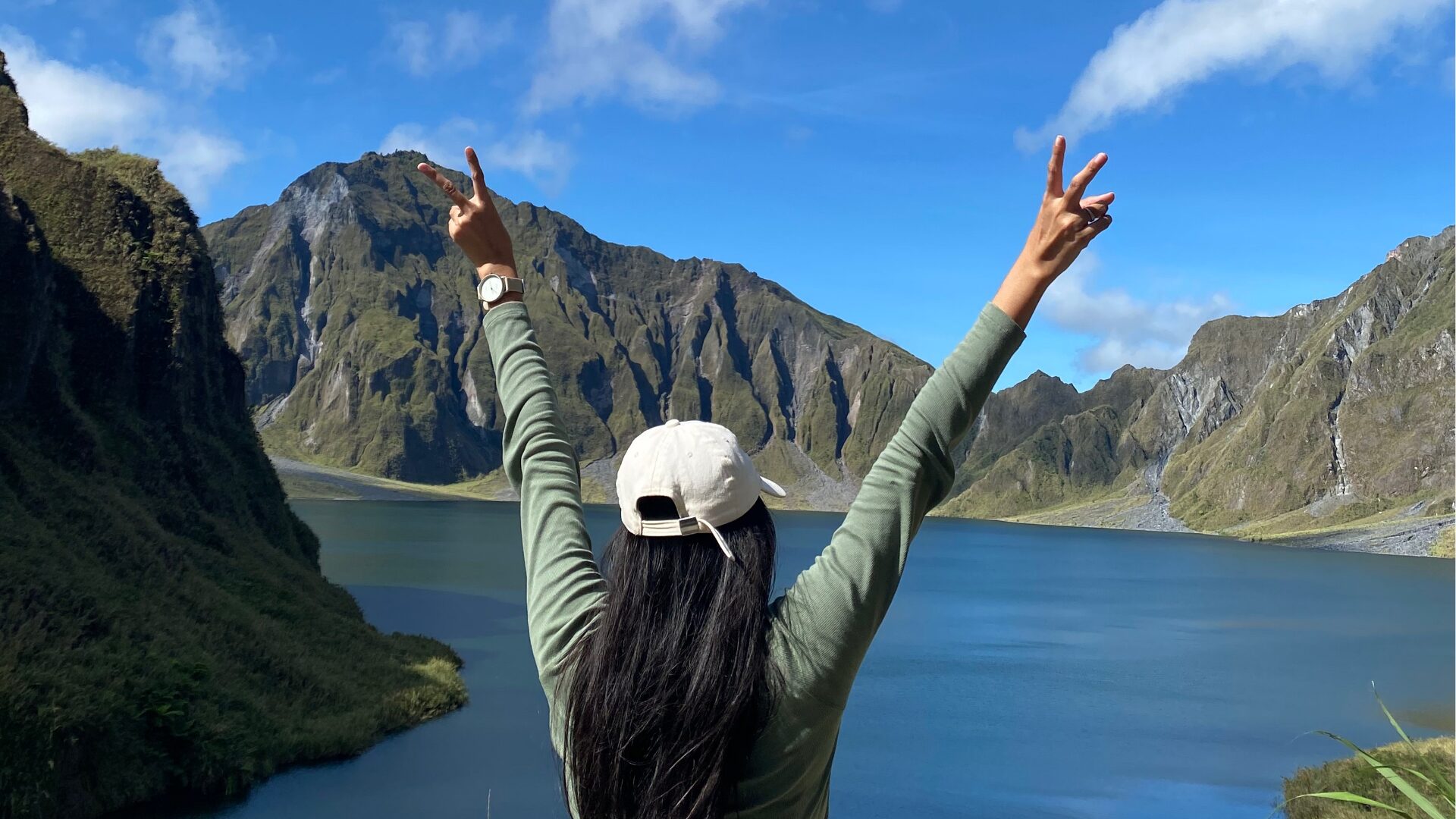
2026/2/28
What Is Mount Haruna Lake? Mount Haruna Lake — known locally as Haruna-ko (榛名湖) — is a stunning caldera lake nestled at the summit of Mount Haruna in Gunma Prefecture, Japan. Sitting at an elevation of approximately 1,084 meters above sea level, this volcanic crater lake is one of the highest-altitude lakes in the Kanto region. Surrounded by the rugged peaks of the Haruna mountain range, the lake offers breathtaking panoramic scenery in every season, from lush green summers to golden autumn foliage and frozen winter landscapes. For many international visitors, Mount Haruna is already familiar as the real-world inspiration for "Mount Akina" in the legendary anime and manga series Initial D. While JDM fans flock here to drive the famous touge roads, the lake itself is a destination that deserves far more attention. It is a place where volcanic geology, Japanese onsen culture, outdoor adventure, and automotive heritage converge in one spectacular location. How Lake Haruna Was Formed: Volcanic Origins Lake Haruna occupies the caldera of an ancient stratovolcano that last erupted roughly 1,500 years ago during the 6th century. The eruption created a broad depression at the summit, which gradually filled with rainwater and snowmelt to form the lake we see today. The lake has a circumference of approximately 4.8 kilometers, a maximum depth of around 12 meters, and covers a surface area of about 1.2 square kilometers. The most iconic feature of the lakeside landscape is Mount Haruna-Fuji (Haruna Fuji-san), a symmetrical volcanic cone that rises directly beside the lake. Its resemblance ...