ryusei

The Ultimate Underground JDM Culture Experience in Tokyo
2026/1/27
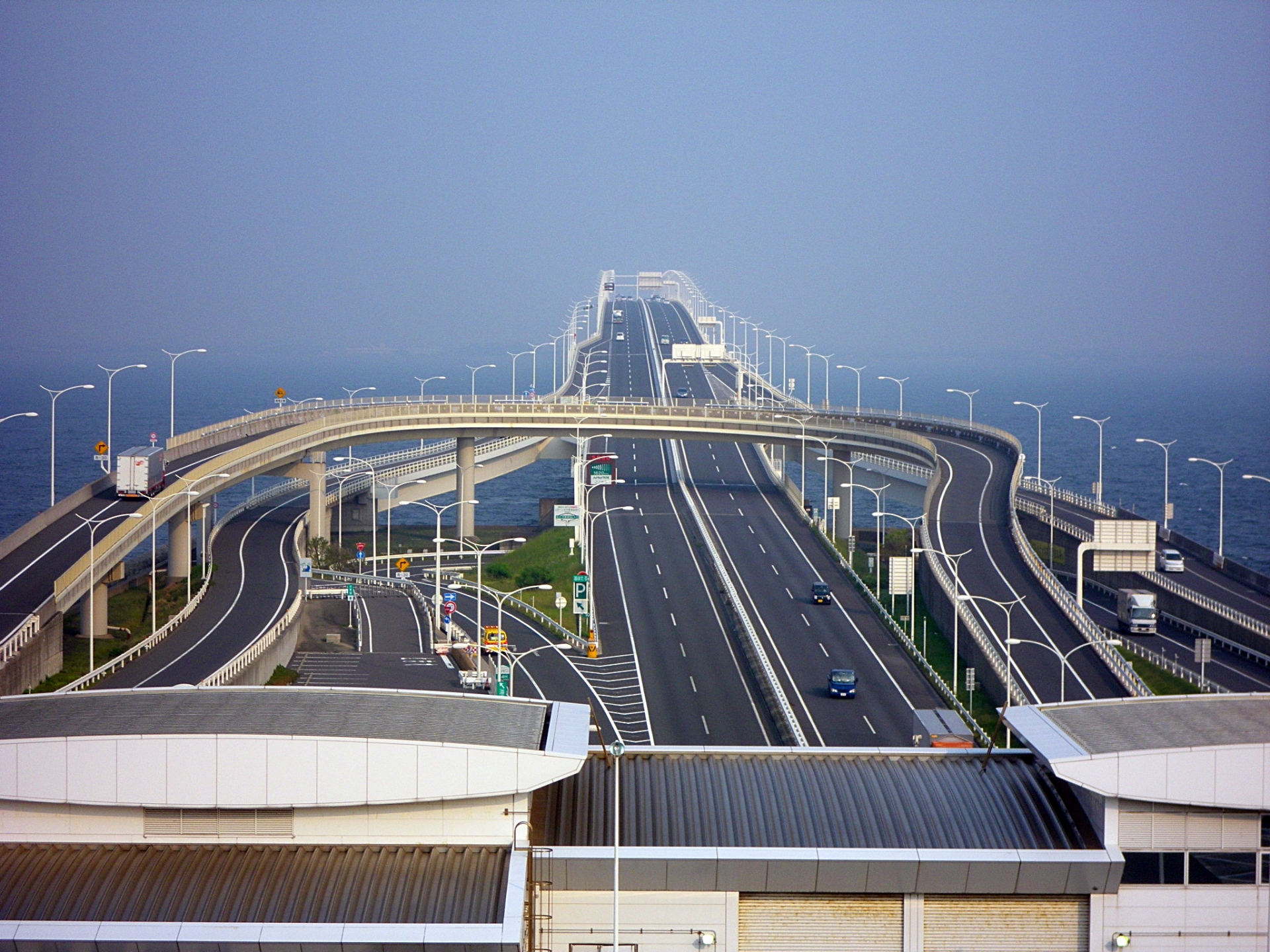
What is Umihotaru PA? Umihotaru PA is a floating service area perched on the Tokyo Bay Aqua-Line, roughly midway between Kawasaki and Kisarazu. It’s famous for its 360° ocean views, wind-swept decks, and nightscape photo spots. Because it’s a convenient midway stop with large parking areas, enthusiasts occasionally pause here on their way to or from other hot spots. Why enthusiasts search for an “Umihotaru car meet tour” Travelers often hope to catch a pop-up car meet at Umihotaru. While it does happen, Umihotaru is primarily a rest stop, not a dedicated meet hub—so appearances are inconsistent and short-lived. If you’re optimizing for guaranteed variety, volume, and the signature JDM vibe, Daikoku PA in Yokohama is the benchmark. Is Umihotaru good for car meets? Short answer: it can be, but it’s unpredictable. Umihotaru sees brief clusters of sports cars and tuners, especially on pleasant weekend evenings, holidays, or after major motorsports events. However, turnover is high, and groups may leave with little notice. Because access requires the Aqua-Line, some locals skip it on regular nights. What you can expect at Umihotaru: Occasional high-quality builds passing through (GT-R, Supra, RX-7, NSX, GR models) Great skyline and bridge backdrops for photography Short windows of activity; arrivals and departures are fluid What you should not expect: The consistently dense, multi-genre gathering you’ll see at Daikoku PA A fixed schedule or hosted event with guarantees Umihotaru vs. Daikoku PA: Which delivers the best JDM night? CriteriaUmihotaru PADaikoku PAReliability of meetsLow–Medium (pop-up/brief)High (signature hub)Build variety & volumeMediumHighPhoto backdropsOcean/bridge skylineElevated spiral ...

2026/1/27
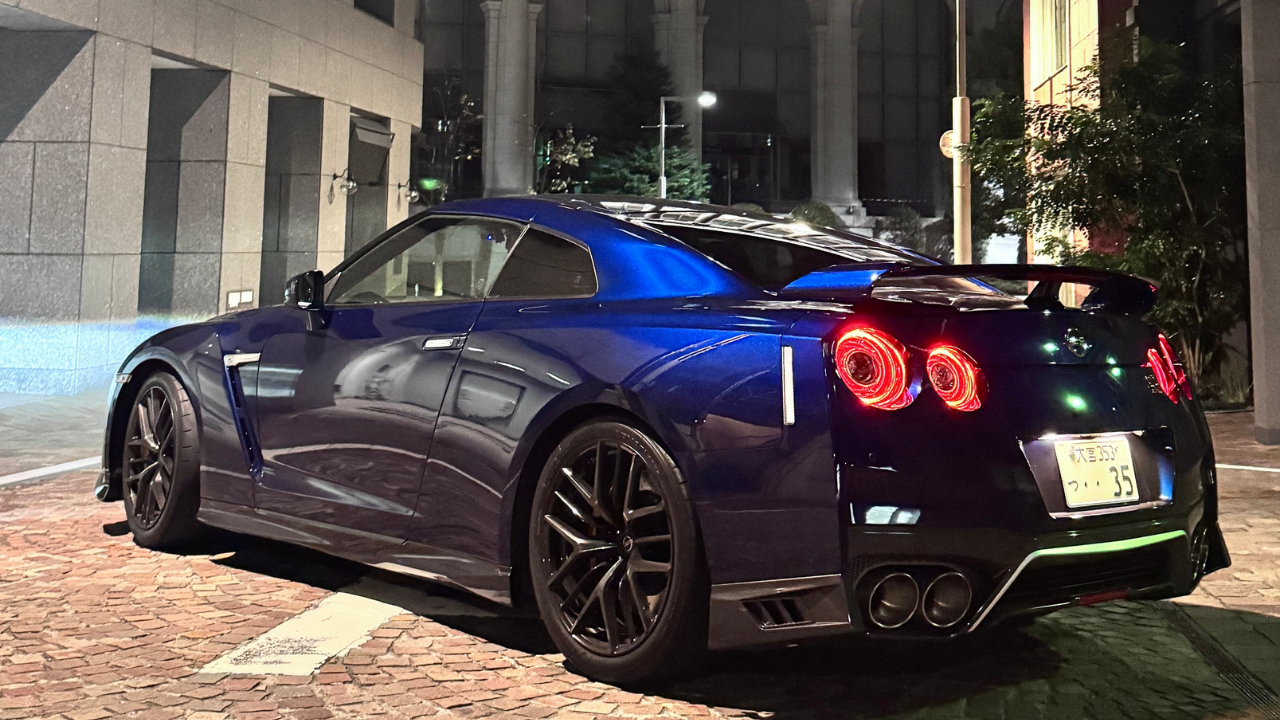
What is “Shibuya go kart”? “Shibuya go kart” refers to guided, street-legal kart tours that cruise past Shibuya Crossing and surrounding districts like Harajuku and Omotesando. These are not Nintendo’s Mario Kart, but custom road-going karts driven in normal Tokyo traffic, led by a guide car with radio instructions. Expect constant attention from pedestrians, frequent photo stops, and a sightseeing route calibrated for first-time visitors. Is Shibuya go kart legal in 2025? Yes—when you meet Japan’s road rules and the operator follows local ordinances. Shibuya Ward introduced new rules in mid‑2025 to increase oversight of street-kart outfits (route disclosure, community coordination, etc.). For riders, the key legal requirement is holding the right driver’s license/permit and obeying standard traffic laws (signals, lane discipline, speed limits). Helmets are usually optional, but seatbelts, indicators, and hand signals matter. If you cannot present valid documentation on the day, you won’t be allowed to drive. Accepted licenses & documents (read carefully) Valid Japanese driver’s license (if you live in Japan), or International Driving Permit (IDP) based on the 1949 Geneva Convention + your original license + passport. Official Japanese translation of your license (instead of an IDP) if your license was issued in Switzerland, Germany, France, Belgium, Monaco, or Taiwan. SOFA license (for eligible US Forces personnel) is generally accepted by major operators. Not accepted: 1968 Vienna Convention IDPs, photocopies, digital/phone images, expired documents, learner’s permits. Minimum age & physical requirements 18+ years old to drive on public roads in Japan. Some operators impose height/weight limits (e.g., ~150–185 cm / ...
2026/1/27
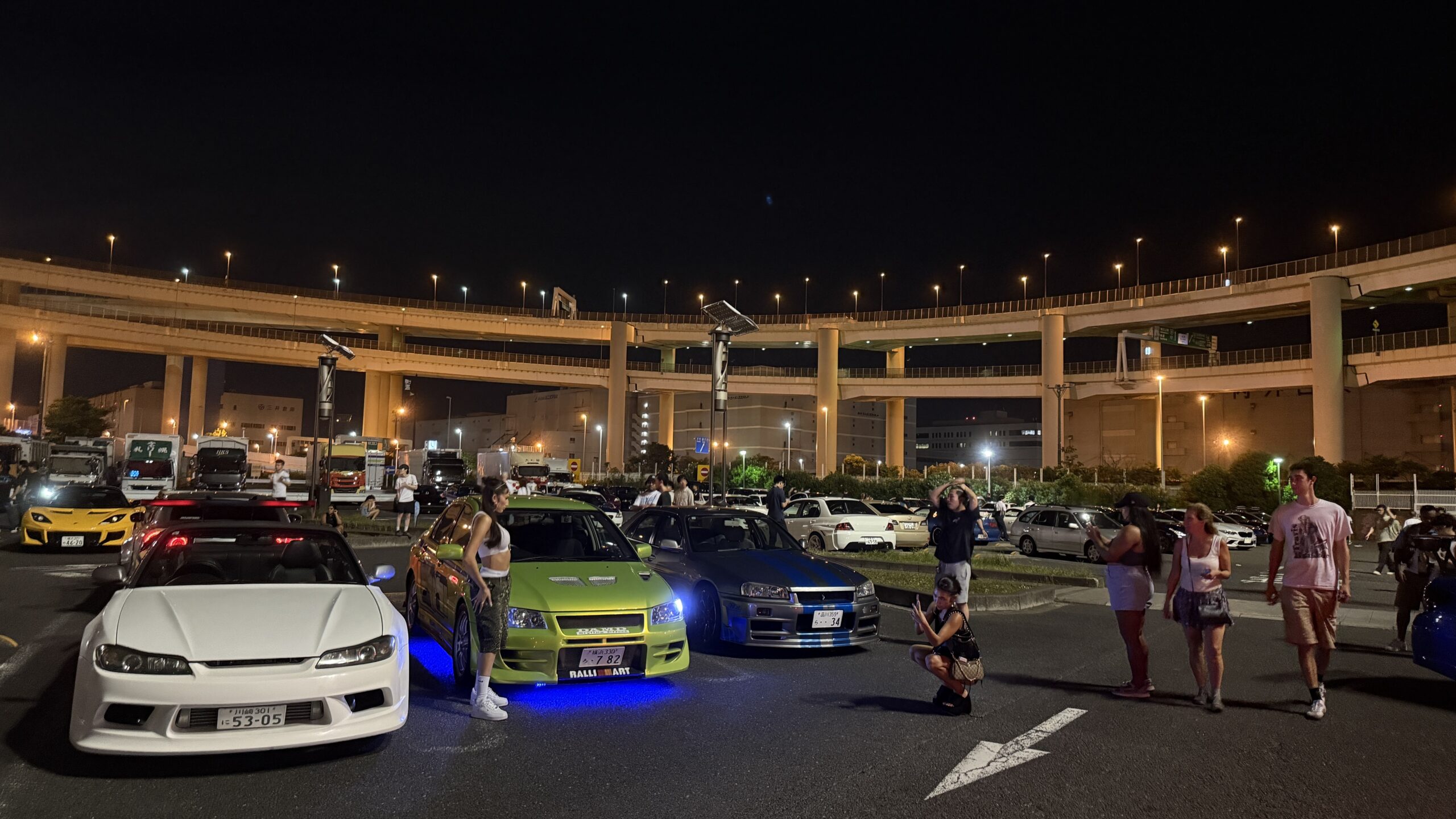
What is Daikoku PA? Daikoku Parking Area (often called “Daikoku PA” or “Daikoku Futo”) is the most famous rest stop on the Shuto Expressway network in Yokohama. By night, it becomes Japan’s best‑known informal car gathering spot—JDM icons, supercars, VIP builds, and tuned machines cycle through for photos and quick meets. Because it is a working expressway service area, it isn’t an event venue; activity ebbs and flows by the hour and by day of week. Can you visit Daikoku PA tomorrow? Yes—if you arrive legally via the expressway in a vehicle. Tomorrow’s scene depends on day of week, weather, and enforcement. There is no published “meet schedule,” and police may restrict access during heavy traffic, noise complaints, or enforcement operations. Expect the most variety late evenings on Fridays and Saturdays; weekday nights are quieter but better for photography. If the lot fills or is under restrictions, traffic may be routed away temporarily. How to access Daikoku PA (legally) Daikoku PA sits inside the Shuto Expressway network. There is no pedestrian access, no bicycle/scooter access, and no on‑site train or bus stop. The legal ways to go are: Drive yourself on the Shuto Expressway and enter Daikoku Junction. Book a licensed JDM tour/transfer that uses the expressway and handles all routing, tolls, parking, and timing. Important: Walking in from public roads or being dropped on a shoulder is illegal and dangerous. Avoid ride‑share drop‑offs near ramps; they create enforcement issues and you can be moved on immediately. Can you take a taxi? Some taxis will ...
2026/2/5
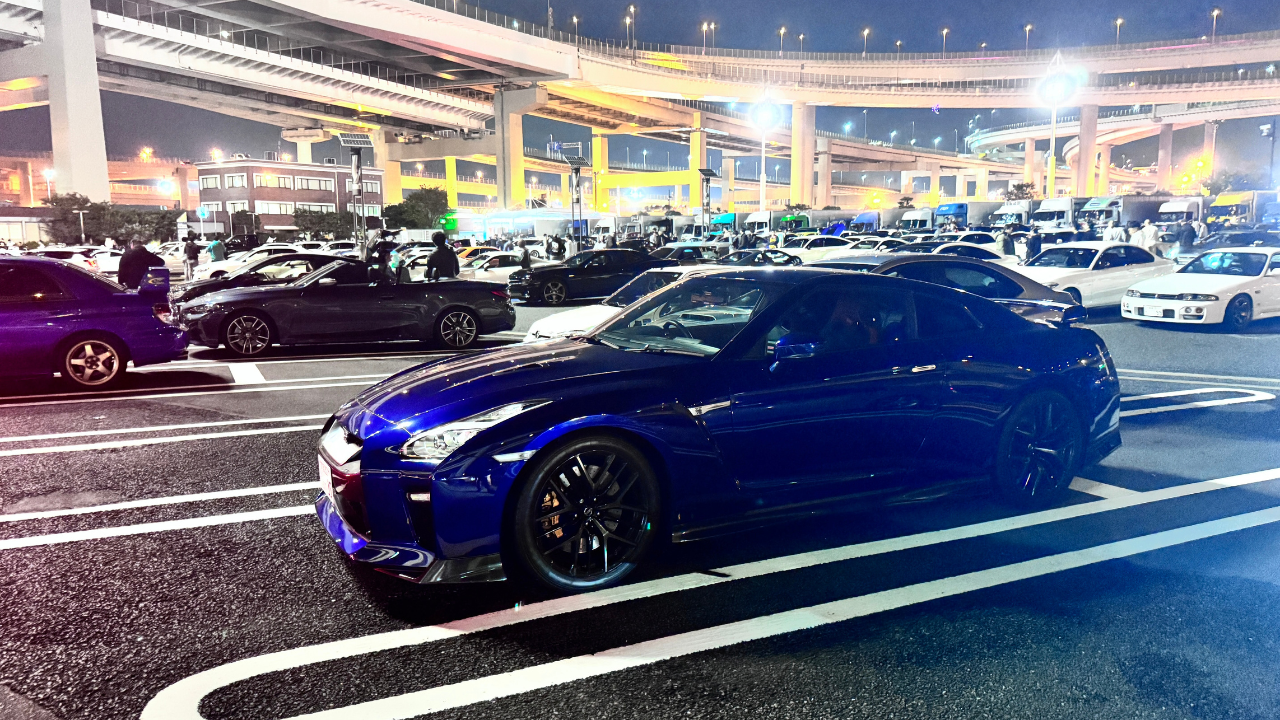
Daikoku Parking Area (Daikoku PA) in Yokohama is the most famous car-culture rest stop in Japan. Yet there’s a common misconception: there is no official “car meet timetable.” Instead, Daikoku PA follows normal expressway facility hours, with spontaneous meets that peak at predictable times—and occasional police or construction closures. This guide explains the real Daikoku PA schedule, how to check today’s status, and when to plan your visit for the best experience. What is Daikoku PA? Daikoku PA sits inside the Metropolitan Expressway network (Bayshore Route and K5 Daikoku Line). It is a true highway rest area—accessible only from the expressway—with food, restrooms, convenience store, and parking that attract a rotating cast of JDM icons, supercars, VIP builds, and classics. Important access rules: Pedestrians cannot enter or exit. There is no safe/legal way to walk in from city streets. There is no taxi stand or bus stop inside the PA; taxis cannot legally drop you at the curb from local roads. You must arrive by vehicle on the expressway (rental car, chauffeured vehicle, or our tour vehicle). Daikoku PA “Schedule” at a Glance (Hours vs. Reality) Facility hours: Dining & shops: typically 07:00–21:00. Convenience store: typically 24 hours. Operational reality for car meets: The parking area itself is open 24/7 unless temporarily closed by the expressway operator or police. Weekend nights (especially Fri–Sat evenings) often see early shutdowns when crowds grow or traffic backs up. Expect possible closures around late evening. Planned construction can close the PA overnight on specific dates. Always check the latest ...
2026/1/27
What is Daikoku PA? Daikoku Parking Area (often shortened to “Daikoku PA”) is a highway service area on the Metropolitan (Shuto) Expressway network in Yokohama. It sits inside a large junction ringed by fences and accessible only from tolled expressways. Because it’s a convenient, well-lit stop with wide bays, it has become the most famous late‑night car‑meet spot in Greater Tokyo. Police occasionally close the PA entirely when crowds or noise escalate, so access is not guaranteed. Can you take a taxi to Daikoku PA? Short answer: a taxi can physically enter Daikoku PA because it is on the expressway—but it’s not a reliable or recommended way to visit if you’re not already traveling the expressway for another reason. Key realities: No pedestrian access in or out. Daikoku PA is fenced. You cannot walk in from city streets or walk out to them. If a taxi drops you off, you’re effectively “stranded” until you reenter the expressway by vehicle. No taxi stand and almost no pick‑ups. There is no official taxi stand or bus stop inside the PA, and ride‑hailing pins typically fail or get canceled. Drivers are reluctant to accept pick‑ups on the expressway due to safety rules and dispatch restrictions. Drivers often refuse drop‑offs. Many Tokyo‑area taxi drivers will decline trips that end inside an expressway PA because they cannot legally/operationally stage for a return fare and may be warned against letting passengers disembark at highway facilities. Frequent police closures. On busy nights (especially weekends or large events), Daikoku PA may close with ...
2026/1/27
What Is Tatsumi Parking Area (Tatsumi PA)? Tatsumi PA is a compact expressway rest stop inside Tatsumi Junction on Tokyo’s Shuto Expressway, famous for late‑night meetups, skyline views, and quick photo stops during Wangan cruises. There are two sides—Tatsumi No.1 and Tatsumi No.2—each serving different traffic flows within the junction. Expect small lots, restrooms, vending machines, and a steady rotation of interesting metal rather than a guaranteed festival. Tatsumi PA at a Glance: Layout, No.1 vs No.2, and Facilities No.1 (Dai‑Ichi): The side you see most on social posts; tiny lot, great sightlines under stacked flyovers. No.2 (Dai‑Ni): Similar facilities and dramatic infrastructure—handy depending on your inbound route. Direction matters: Entry depends on how you approach Route 9 (Fukagawa Line) and the Bayshore (Wangan) Route at Tatsumi JCT. Pro tip: Because access is directional and quick decisions are needed, first‑timers often prefer going with an experienced local driver or joining a guided experience. How to Get to Tatsumi PA (Routes, Tolls, and the Exact Maps Pin) Highway‑only access—no sidewalks or surface‑street entrances. Steps Enter the Bayshore (Wangan) Route from your nearest on‑ramp (e.g., Haneda/Odaiba/Shibaura or Chiba side). Follow signs to Route 9 (Fukagawa Line) near Ariake → Tatsumi JCT. Watch for Tatsumi PA signage (No.1 or No.2) and commit early; exits can appear quickly. Map search terms: “Tatsumi No.1 PA”, “Tatsumi No.2 PA”. Tolls: Charges vary by entry/exit and whether you use ETC. If you plan multiple stops (e.g., Daikoku/Umihotaru), budget for re‑entries. Best Time to Visit Tatsumi PA for Car Meets Weeknights (after ~9:30 ...
2026/1/27
Daikoku Parking Area—usually shortened to Daikoku PA—is Japan’s most famous informal car-meet spot. There’s no official “car meet schedule,” but there are predictable patterns. Quick verdict: Most cars + best atmosphere: Friday or Saturday evening (7:30–10:30 PM) Calmest + easiest for photos: Sunday early morning (6:00–8:30 AM) Important context: Daikoku PA is an expressway parking area in Yokohama (near Tokyo), not a street-level parking lot. Access is controlled, and temporary closures can happen when it’s too crowded or when authorities intervene. Quick Answer: Best day and time to visit Daikoku PA If you can only choose one window, choose this: Best overall: Friday night, 8:00–10:00 PM (arrive a little earlier if possible) Best for relaxed car-spotting: Sunday, 6:00–8:00 AM Most hit-or-miss: Late night after 11:00 PM (more likely to be quiet, restricted, or cleared) If you’re visiting Japan specifically for JDM culture, build a plan that includes a primary window (Daikoku) and a backup—because reliability is part of the modern Daikoku experience. What is Daikoku Parking Area (Daikoku PA)? Daikoku PA is a large highway rest area inside the Shuto Expressway network, located in Yokohama (Kanagawa Prefecture). It’s famous because its size and layout make it a natural gathering point for car enthusiasts—everything from classic JDM icons to VIP sedans, modern GT-R builds, supercars, and immaculate kei cars. Two things can be true at once: It’s a legitimate rest stop (toilets, convenience store, food options). On the right nights, it becomes an open-air car show. Timing matters because the scene isn’t “hosted.” It’s spontaneous—and it ...

2026/1/27
Book a private, insider-run JDM experience across Tokyo’s most iconic car meet hotspots—tailored to your pace, camera in hand, and zero stress. If you’re craving the real Tokyo car culture—neon-lit rest stops, skyline views, and the rumble of tuned JDM legends—our Tokyo Private Car Meet Tour is built for you. We curate safe, legal, and respectful access to legendary locations like Daikoku Parking Area (PA) and Tatsumi PA, plus spirited sightseeing along the C1 Inner Loop and Wangan Bayshore. It’s a premium, door-to-door experience designed for enthusiasts, photographers, and collectors who want more than a cookie-cutter bus ride. If you’re researching the general landscape of car meet options, check our comprehensive overview here. What Is a Tokyo Private Car Meet Tour? Our private tour is a bespoke, one-on-one (or one-on-your-group) automotive night out in Tokyo. You’ll get hotel pickup, expert guidance from a local car-scene insider, and a flexible route that adjusts to meet activity, weather, and your interests—drift builds, VIP sedans, time-attack machines, Euro exotics, or classic Japanese metal. Expect: Curated stops at Daikoku PA, Tatsumi PA, and select PAs along the C1/Wangan. Built-in time for photos, rolling shots, and video. Live adjustments to the itinerary to maximize the best action of the night. Smooth, comfortable transport—no public transit hops or guesswork. For a broader explanation of what a Tokyo car meet tour looks like (including non-private options), you can also read our general guide. Why Choose a Private Car Meet (vs. Group Tours)? Timing Advantage: We move when the cars do. No rigid ...
2026/1/27
Planning to visit the Daikoku Parking Area (Daikoku PA) car meet from Tokyo? Here’s the pricing reality—typical ranges, what’s included, what to avoid, and how to choose the best-value option. At a glance (most common price ranges): Shared / small-group tours: $200–$300 per person (usually 3–5 hours) Private tours (standard vehicle): $400–$800 per group (vehicle + time dependent) Premium JDM ride-alongs (GT-R / RX-7, etc.): often $500–$1,000+ per group (or $200–$250+ per person depending on the operator) These numbers are typical for English-language tour platforms and local operators, but final pricing depends on timing, pickup logistics, and vehicle choice. Daikoku Car Meet Tour Prices: What You’ll Pay and Why Daikoku PA is not a ticketed event—there is no official admission fee. What you pay for is legal, practical access (Daikoku sits on the expressway) plus a driver/guide who can navigate traffic, enforcement closures, and alternative stops. Tour prices mainly change based on: Vehicle class: standard sedan/van vs. premium JDM icon Group type: shared seat pricing vs. private per-group pricing Day and time: Friday/Saturday nights and holiday periods are peak Pickup plan: hotel pickup, extra stops, and extended routes Operational costs: tolls, fuel, and late-night staffing Rule of thumb: If you want private + hotel pickup + weekend night + premium JDM, budget toward the top end. Shared vs. Private Daikoku Tours: Which Is Better Value? Shared (small group): Best if you want the lowest upfront price Fixed departure time and route Ideal for solo travelers and couples Private (standard vehicle): Best value for 3–5 guests ...
2026/1/27
Planning a Tokyo car meet tour? This 2025 guide gives you a clear, no‑nonsense path to the city’s late‑night JDM culture—Daikoku PA, Tatsumi PA, and Umihotaru—without stress or guesswork. You’ll learn the best nights to go, how tours actually work (private vs. group), what’s included (and what isn’t), and the etiquette that keeps the scene welcomed by locals and police. We’ve packed in a realistic Shutoko night itinerary, pricing benchmarks, safety and legality basics, plus photography tips for low‑light shooting. Prefer to drive yourself? We outline DIY options and essential rules so you can visit legally and smoothly. Whether you want hotel pickup with an English‑speaking host or you’re building your own route, use this playbook to plan a safe, memorable Tokyo car meet tour. What Is a Tokyo Car Meet Tour? A Tokyo car meet tour is a guided night experience that takes you onto the Shuto Expressway (Shutoko) to visit legendary parking areas where Japan’s JDM and supercar scenes organically gather—most famously Daikoku Parking Area in Yokohama, plus city-side stops like Tatsumi PA and the photogenic Umihotaru on the Tokyo Bay Aqua-Line. These are not formal car shows; they are casual meetups at highway rest areas. A good tour typically provides expressway transport (you ride with the guide or convoy), English-speaking hosts, photo time at multiple PAs, and sometimes stops at enthusiast stores such as Super Autobacs. Expect a rotating lineup: GT-Rs, RX-7s, Supras, 86/BRZs, VIP sedans, drift builds, and the occasional exotic. Daikoku PA 101: The Heart of Tokyo’s JDM Scene Daikoku ...