ryusei

The Ultimate Underground JDM Culture Experience in Tokyo
2026/2/28
What Is Mount Haruna Pass and Why Does It Matter? Mount Haruna Pass is one of Japan's most celebrated mountain roads, winding through the volcanic slopes of Mount Haruna (榛名山) in Gunma Prefecture. For casual tourists, it is a breathtaking scenic drive through the heart of rural Japan. For automotive enthusiasts, however, it is something far more significant—the real-life inspiration for "Mount Akina" in the legendary manga and anime series Initial D, the birthplace of touge culture as the world knows it. The pass itself refers to the network of roads that climb from the lowlands near Shibukawa City to the caldera lake at Mount Haruna's summit. The most famous section is Prefectural Route 33, a stretch of tarmac filled with tight hairpin turns, elevation changes, and blind corners that has captivated driving enthusiasts for decades. Whether you are a JDM fan making a pilgrimage or a traveler seeking one of Japan's finest driving roads, Mount Haruna Pass delivers an experience you simply cannot replicate anywhere else. The Route: Understanding Mount Haruna Pass Road Layout Mount Haruna Pass is not a single, straightforward road but rather a network of interconnected routes that ascend and descend the mountain from various directions. Understanding the layout is essential for planning your drive. Prefectural Route 33 — The Main Touge This is the iconic stretch. Running from the town of Ikaho on the eastern slope up to Lake Haruna at the summit, Route 33 features approximately 15 kilometers of continuous switchbacks and hairpin turns. The road climbs from roughly ...
2026/2/28
Why Mount Haruna Weather Matters for Every Visitor Mount Haruna (榛名山) rises to 1,449 meters above sea level in Gunma Prefecture, making it one of the most weather-sensitive destinations in the Kanto region. Whether you are planning a scenic touge drive along the famous hairpin roads immortalized by Initial D, a hike to the volcanic caldera lake, or a soak in Ikaho Onsen at the mountain's base, understanding Mount Haruna weather is essential for a safe and enjoyable trip. Because of its high elevation and inland position, temperatures on Mount Haruna can be dramatically different from what you experience in Tokyo—often 8–12°C cooler. Fog, ice, and sudden snowfall can appear with little warning during certain months. This guide breaks down Mount Haruna weather by season, explains road conditions month by month, and helps you choose the ideal time to visit. Monthly Weather Breakdown for Mount Haruna January and February: Deep Winter January and February are the coldest months on Mount Haruna. Average temperatures at the summit hover between −8°C and −2°C, and the mountain frequently receives heavy snowfall. Lake Haruna freezes over, creating a surreal winter landscape popular with ice-fishing enthusiasts. Snowfall accumulation can reach 50–100 cm in severe winters. Average high: −1°C to 2°C Average low: −10°C to −6°C Precipitation: Moderate snowfall, occasional blizzards Road conditions: Snow chains or winter tires mandatory on the mountain pass roads. Some sections may close temporarily. March and April: Transition to Spring March remains cold at elevation, with lingering snow on north-facing slopes and occasional icy road surfaces ...
2026/2/28
What Is Mount Akina and Why Does Every JDM Fan Know It? Mount Akina is the fictional name given to one of the most iconic locations in automotive anime history — the legendary home course of Takumi Fujiwara in Initial D. The mountain pass where a tofu delivery boy in an AE86 Sprinter Trueno humiliated every challenger who dared race him downhill has become a pilgrimage site for JDM enthusiasts from around the world. But Mount Akina is more than just anime lore. It is based on a very real mountain in Gunma Prefecture, Japan, and you can drive its winding roads yourself. For decades, the name "Mount Akina" has been synonymous with touge racing, drift culture, and the spirit of Japanese domestic market car culture. Whether you first encountered it through the manga, the anime, the arcade games, or modern sim racing titles, understanding what Mount Akina actually is — and how to experience it in person — is essential knowledge for any serious JDM enthusiast visiting Japan. Is Mount Akina a Real Place? The Connection to Mount Haruna The question "Is Mount Akina real?" is one of the most frequently searched queries among Initial D fans planning a trip to Japan. The short answer is: Mount Akina is fictional, but the mountain it is based on is very real. Mount Akina is the anime counterpart of Mount Haruna (榛名山), a volcanic mountain located in Gunma Prefecture, roughly 150 kilometers northwest of Tokyo. Shuichi Shigeno, the creator of Initial D, grew up in Gunma ...

2026/2/28
Why Mount Akina Is One of BeamNG.drive's Most Popular Maps If you have ever searched for "mount akina beamng," you are part of a massive community of driving simulation enthusiasts who want to experience the legendary touge pass from Initial D in a physics-accurate environment. BeamNG.drive's soft-body physics engine makes it arguably the best platform to feel what it would truly be like to push a car through the hairpin turns of Mount Akina — the fictional name for Mount Haruna (Haruna-san) in Gunma Prefecture, Japan. Unlike arcade-style racing games, BeamNG.drive simulates realistic body roll, tire deformation, weight transfer, and crash damage. This makes tackling the tight switchbacks of the Akina downhill an intensely immersive experience. But how accurate are these community-made maps compared to the real road? And what would it be like to actually drive the pass in person? This article explores the BeamNG Mount Akina experience in detail and connects it to the real-world touge that inspired it all. Best Mount Akina Maps for BeamNG.drive The BeamNG modding community has produced several Mount Akina map variants, each offering a different level of detail and driving experience. Here are the most notable versions you should know about. Mount Akina Full Course This is the most downloaded and widely recognized version. It recreates the full downhill and uphill routes as depicted in Initial D, complete with the five consecutive hairpins, the long straightaway sections, and the iconic gutters along the road edges. The map typically includes both daytime and nighttime lighting options, allowing you ...
2026/2/28
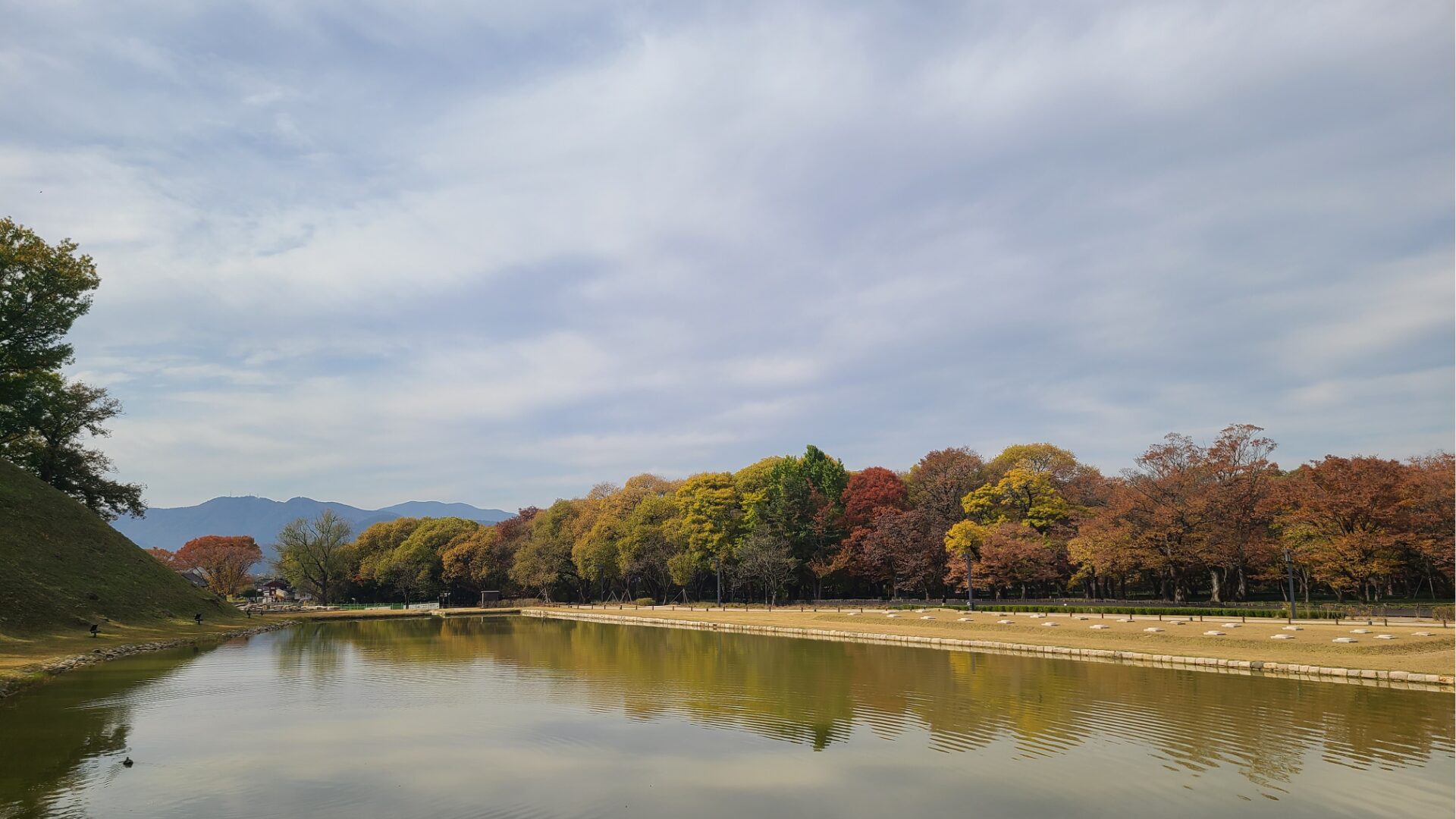
Why Mount Akina Is the Most Popular Touge Track in Assetto Corsa For fans of Initial D and Japanese touge culture, few virtual driving experiences compare to tackling Mount Akina in Assetto Corsa. Based on the real-life Mount Haruna (榛名山) in Gunma Prefecture, the Mount Akina mod faithfully recreates the winding downhill pass that Takumi Fujiwara made legendary in the anime and manga series. With Assetto Corsa's advanced physics engine, drivers can feel every apex, gutter run, and hairpin transition as if they were actually behind the wheel of an AE86 on a moonlit Gunma mountain road. The popularity of the Mount Akina track mod is staggering. It consistently ranks among the most downloaded third-party tracks for Assetto Corsa, and for good reason — it offers the most authentic simulation of touge driving available on any racing platform. Whether you are a sim racing veteran or a newcomer drawn in by Initial D nostalgia, this guide covers everything you need to know about downloading, setting up, and mastering the Mount Akina course in Assetto Corsa. How to Download and Install the Mount Akina Mod The Mount Akina track mod for Assetto Corsa is available from several trusted sources in the sim racing community. Here is a step-by-step guide to getting it running on your system. Finding the Right Version Multiple versions of the Mount Akina mod exist, but the most widely recommended and frequently updated version is the one created by modder "Shutoko Revival Project" contributors and other dedicated community members. The most popular and ...
2026/2/28
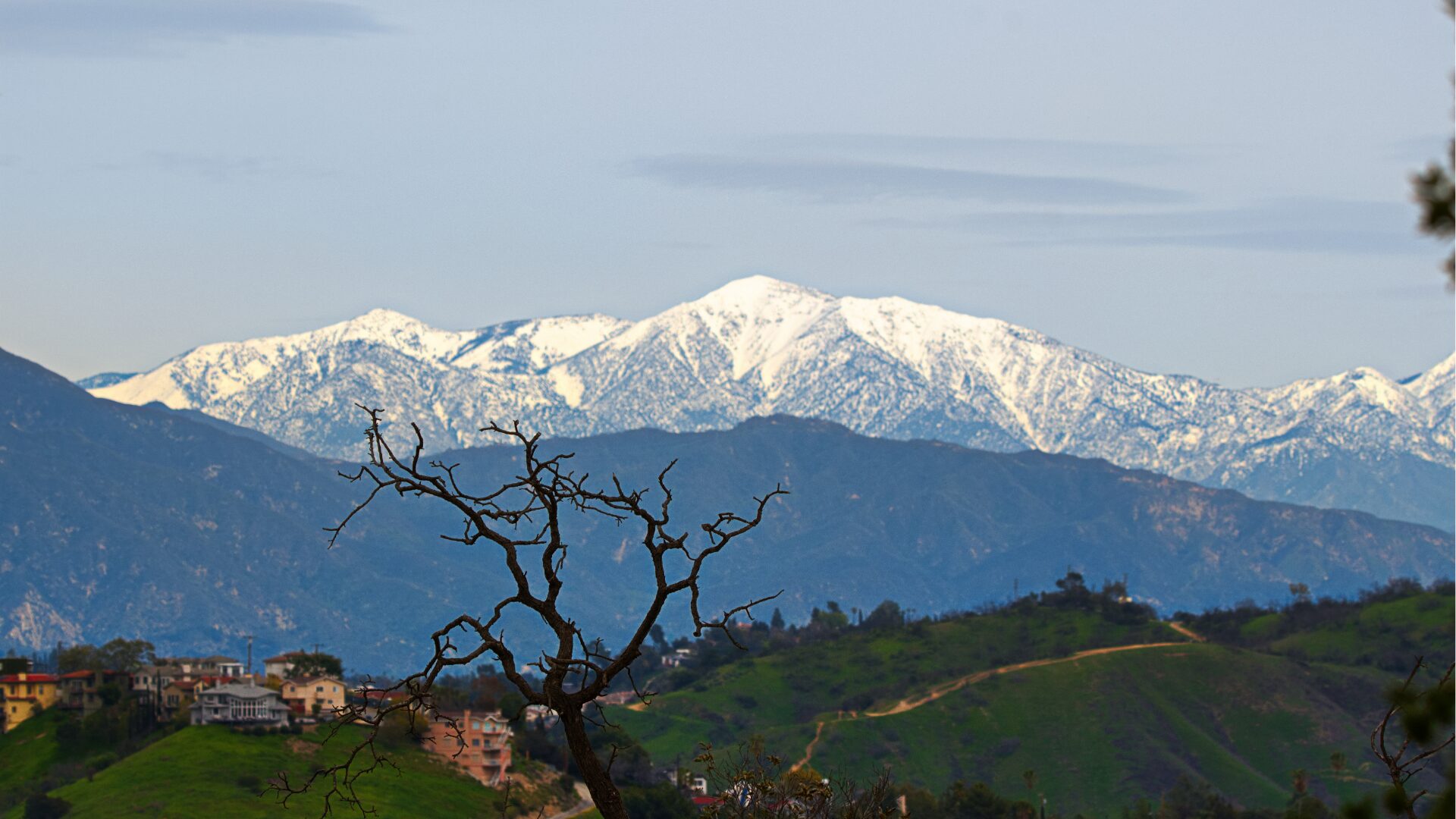
What Is Mount Haruna in Japan? Mount Haruna (榛名山, Haruna-san) is a dormant stratovolcano located in the western part of Gunma Prefecture, Japan. Standing at 1,449 meters above sea level, it is one of the three famous mountains of Jōmō (上毛三山), alongside Mount Akagi and Mount Myōgi. While it has long been revered as a sacred peak with a beautiful caldera lake at its summit, Mount Haruna gained global fame for an entirely different reason — it is the real-life inspiration for "Mount Akina" from the legendary anime and manga series Initial D. For automotive enthusiasts visiting Japan, Mount Haruna is sacred ground. The winding touge roads that climb its slopes are the very roads where the culture of Japanese mountain pass racing was immortalized in popular culture. Whether you are a hiker, a history buff, or a JDM car fanatic on a pilgrimage, Mount Haruna Japan offers an experience unlike any other. Mount Haruna and Initial D: The Real Mount Akina If you have ever watched Initial D, you already know Mount Akina. What many fans do not realize until they research a trip to Japan is that Mount Akina is a fictional name. The actual mountain that creator Shuichi Shigeno based it on is Mount Haruna. The twisting downhill roads, the five consecutive hairpin turns, the gas station at the base — virtually every iconic location in the series maps directly onto the real geography of Mount Haruna. Takumi Fujiwara's legendary tofu delivery runs in his father's Toyota AE86 Sprinter Trueno were set ...
2026/2/28
What Is Mount Akina? The Fictional Name Behind a Real Japanese Mountain Mount Akina is one of the most iconic locations in anime and automotive history, serving as the home mountain of Takumi Fujiwara in the legendary manga and anime series Initial D. However, Mount Akina does not exist on any official map of Japan. It is a fictional name created by manga artist Shuichi Shigeno to represent a very real place: Mount Haruna (榛名山), located in Gunma Prefecture, approximately 150 kilometers northwest of Tokyo. For fans of JDM culture, touge driving, and the iconic AE86 Sprinter Trueno, Mount Akina is nothing short of a pilgrimage site. The winding mountain roads, the hairpin corners, the downhill course that Takumi mastered while delivering tofu — all of it was inspired by the actual roads that snake up and around Mount Haruna. Understanding the connection between the fictional Mount Akina and the real Mount Haruna is the first step in planning your visit to one of Japan's most revered automotive landmarks. Mount Akina vs. Mount Haruna: Understanding the Real Location Mount Haruna stands at an elevation of approximately 1,449 meters and is one of the three major mountains of Gunma Prefecture, alongside Mount Akagi (the basis for the RedSuns' home course in Initial D) and Mount Myogi. The mountain features Lake Haruna at its caldera, a volcanic lake that adds stunning scenery to what is already an exhilarating driving route. The road that inspired the Mount Akina downhill course in Initial D is prefectural Route 33, which ...

2026/2/27
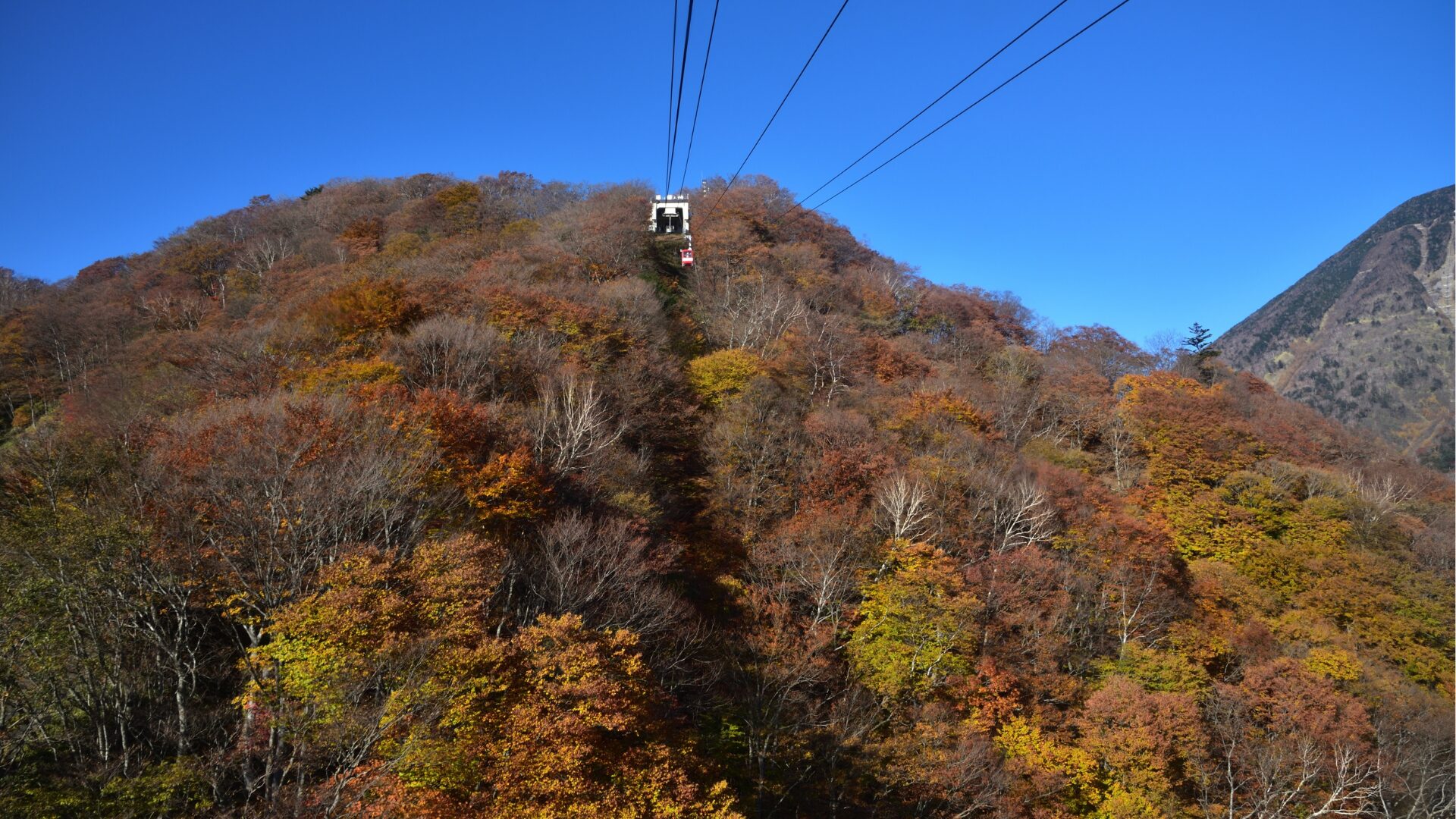
Why Irohazaka Is One of Initial D's Most Iconic Courses For fans of Initial D, Irohazaka needs no introduction. This legendary winding road in Tochigi Prefecture serves as the home course of one of the anime's most formidable teams and features some of the most dramatic racing scenes in the entire series. Unlike the tight mountain passes of Akina (Mount Haruna) or the high-speed sweepers of Akagi, Irohazaka presents a completely unique challenge — a one-way road system packed with an almost absurd number of hairpin turns stacked on top of each other in rapid succession. What makes Irohazaka so compelling within the Initial D universe is how faithfully it mirrors the real location. The actual Irohazaka comprises two separate roads — the First Irohazaka (downhill only) and the Second Irohazaka (uphill only) — and the anime captures the essence of this layout with remarkable accuracy. For JDM enthusiasts and anime pilgrims alike, visiting the real Irohazaka is a bucket-list experience that bridges the gap between fiction and reality. Irohazaka's Role in Initial D: The Purple Shadow Arc Irohazaka appears in the later stages of the Initial D series, specifically during Project D's expedition through the Tochigi area. The course is the home turf of "Purple Shadow," a two-man team consisting of Gō Hōjō and Rin Hōjō. These characters are portrayed as exceptionally skilled drivers who have mastered the unique characteristics of Irohazaka's hairpin-heavy layout. The Battle Setup The Irohazaka battles are significant because they represent some of the most technically demanding races in the ...
2026/2/27
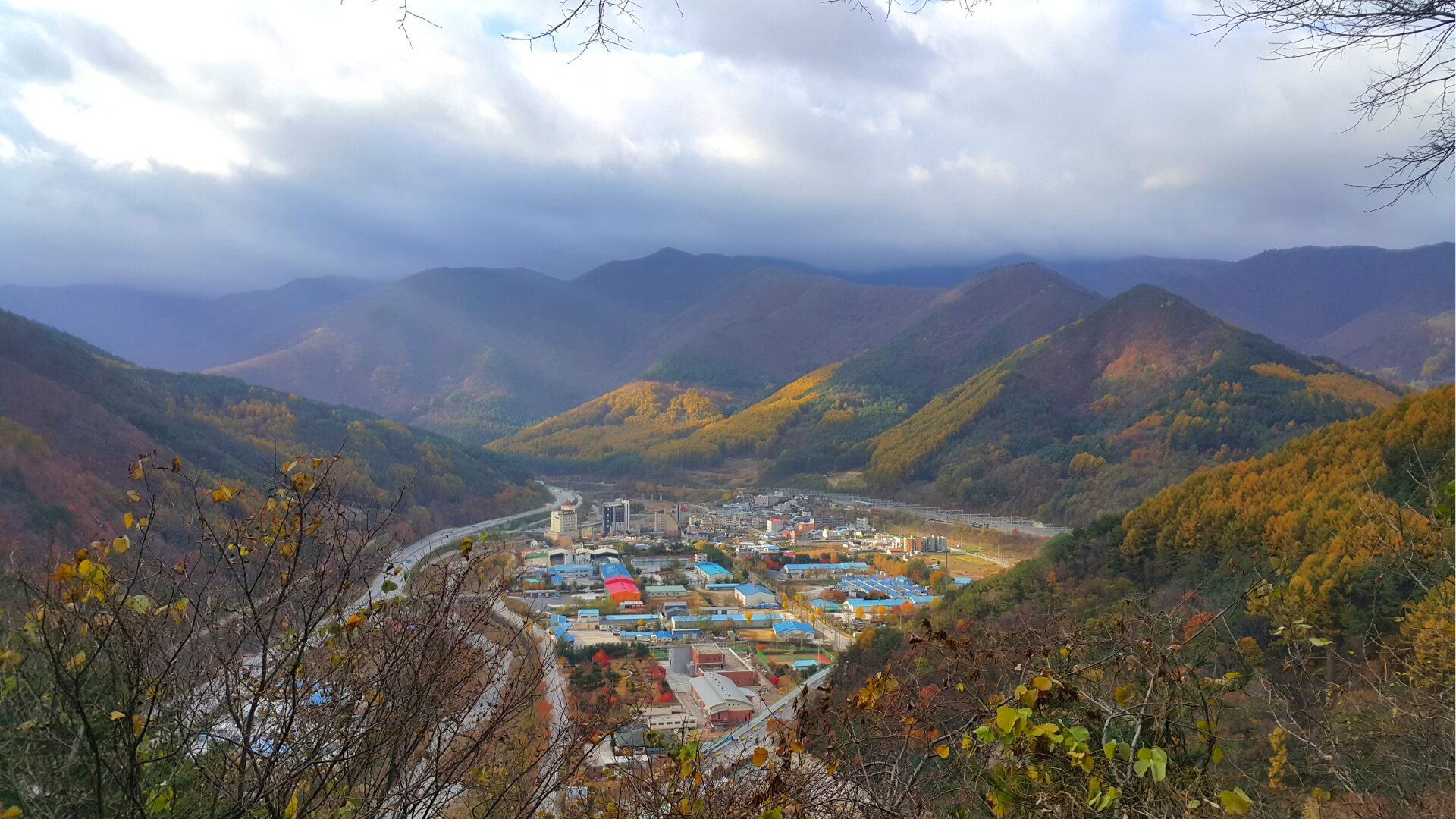
Why Take the Bus to Irohazaka? Irohazaka is one of Japan's most iconic mountain roads — a pair of one-way winding routes stacked with 48 hairpin turns that connect central Nikko to the elevated shores of Lake Chūzenji. For travelers without a car, the Irohazaka bus is the most practical and affordable way to experience this legendary pass. The Tobu Bus service runs directly through the hairpins, giving passengers a front-row seat to the dramatic switchbacks, towering cedar forests, and seasonal color that make Irohazaka world-famous. Whether you are a JDM enthusiast hoping to see the touge road immortalized in Initial D, a nature lover chasing autumn foliage, or a day-tripper from Tokyo looking for an unforgettable mountain ride, understanding the Irohazaka bus system is essential to planning your visit. Which Bus Route Goes Through Irohazaka? The bus that traverses Irohazaka is operated by Tobu Bus Nikko. The key route you need is the line connecting JR Nikko Station / Tobu Nikko Station to Chūzenji Onsen (and continuing to Yumoto Onsen at Lake Yunoko). This route is commonly labeled as the Chūzenji Onsen / Yumoto Onsen Line on timetables. Important Stops Along the Route Tobu Nikko Station — the main departure point and where most tourists board. JR Nikko Station — the bus stops here moments before or after Tobu Nikko Station. Shinkyo Bridge (Jinja-mae) — a popular intermediate stop near Nikko's UNESCO shrines. Akechi-daira Ropeway — a stop on the second Irohazaka (uphill route) offering access to a panoramic ropeway. Chūzenji Onsen — the ...
2026/2/27
Why Irohazaka Is One of the Most Requested Assetto Corsa Touge Mods Among the hundreds of community-made touge mods available for Assetto Corsa, Irohazaka stands in a league of its own. The road's extreme design—48 hairpin turns divided across two one-way routes stacked on a mountain in Nikko, Tochigi Prefecture—creates a driving experience that no other track can replicate. For sim racers hungry for technical, white-knuckle downhill runs, Irohazaka delivers something that even Akina (Mount Haruna) and Akagi mods cannot match: relentless, sequential switchbacks with virtually no straights, sheer cliffside elevation drops, and a layout that punishes the smallest mistake. The popularity of the Irohazaka Assetto Corsa mod reflects a broader trend in the sim-racing community. Enthusiasts are no longer satisfied with fictional circuits or sanitized versions of real roads. They want to experience authentic Japanese mountain passes—the same roads immortalized in Initial D, Best Motoring, and countless midnight touge videos. Irohazaka, with its reputation as one of the most challenging public roads in all of Japan, is the ultimate expression of that desire. The Irohazaka Assetto Corsa Mod: What You Get Route Layout and Accuracy The most widely used Irohazaka mod for Assetto Corsa recreates both the First Irohazaka (downhill only, 28 curves) and the Second Irohazaka (uphill only, 20 curves). In real life, these two routes form a one-way loop system—you ascend via the Second Irohazaka and descend via the First. The mod faithfully mirrors this separation, allowing players to choose which direction they want to tackle. The elevation data is based on ...