ryusei

The Ultimate Underground JDM Culture Experience in Tokyo
2026/2/22
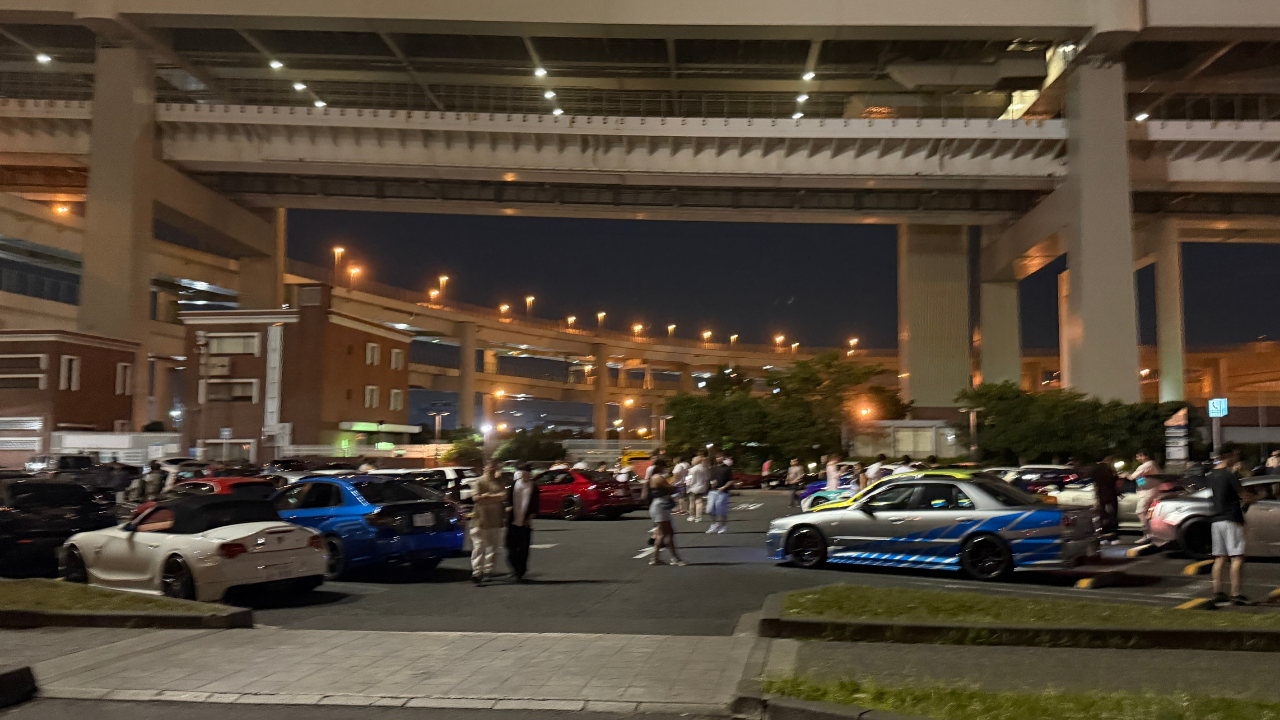
Do You Need Tickets for the Daikoku Car Meet? One of the most common questions international car enthusiasts ask before planning a trip to Japan is whether they need to buy daikoku car meet tickets. The short answer is no — the Daikoku PA car meet is not a ticketed event in the traditional sense. There is no box office, no gate, and no admission fee to enter the parking area itself. However, this answer comes with important nuances that every visitor should understand before making the trip. Daikoku Parking Area is a highway rest stop (called a "parking area" or PA in Japanese expressway terminology) located along the Daikoku Route of the Shuto Expressway in Yokohama. Because it sits on a toll expressway, the "cost of entry" is essentially the highway toll you pay to reach it. This distinction is crucial and is why some visitors mistakenly search for tickets — they conflate the toll fees with an event admission price. Why There Are No Traditional Tickets for Daikoku PA Unlike organized car shows such as the Tokyo Auto Salon or Nismo Festival, the Daikoku car meet is an informal, grassroots gathering. It has no event organizer, no scheduled program, and no official start or end time. Car owners simply drive to the parking area — primarily on Friday and Saturday nights — and park their vehicles for others to admire. The culture is spontaneous, which is exactly what makes it so authentic and appealing to JDM fans worldwide. Because there is no organizing ...
2026/2/17
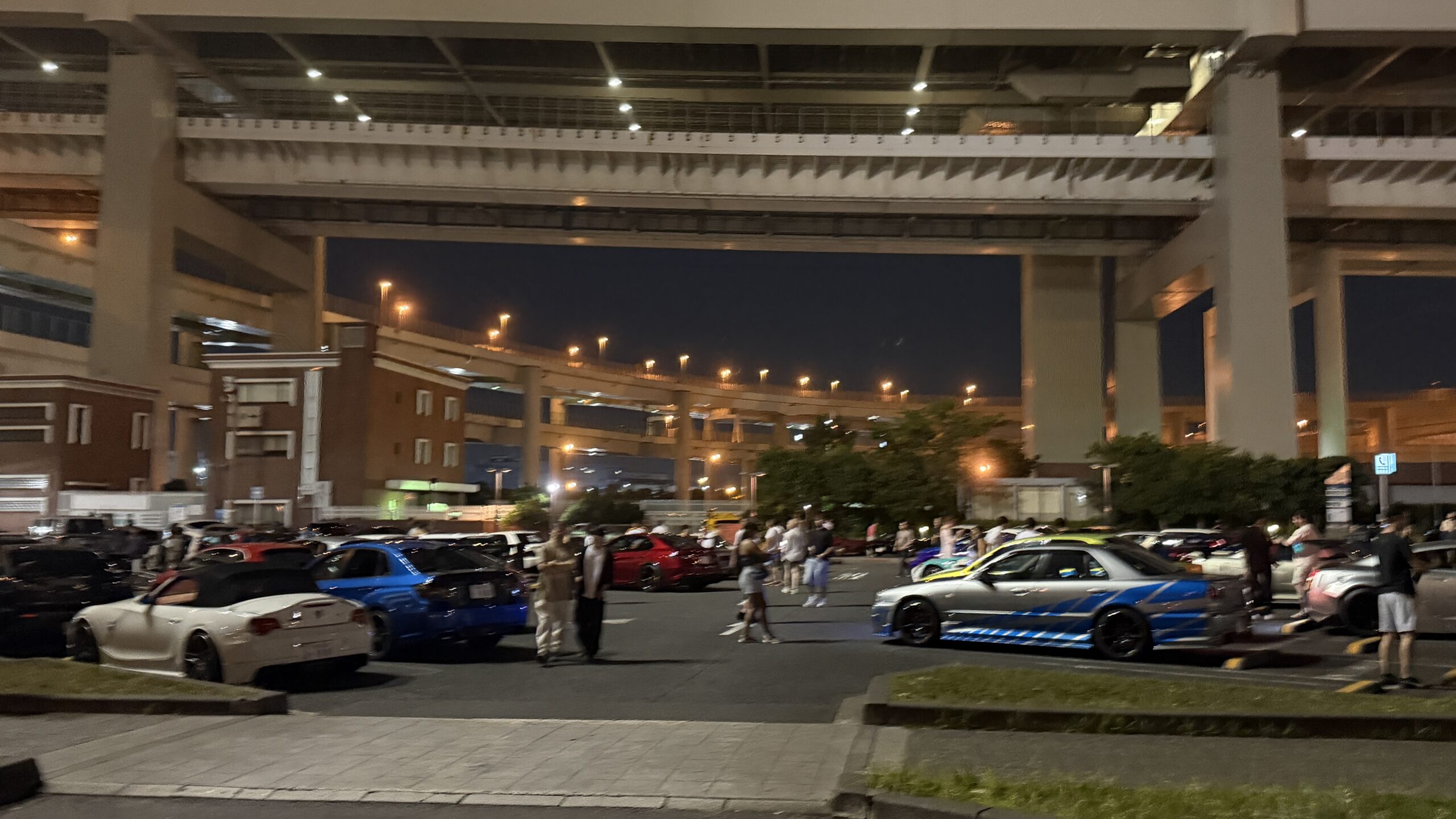
If you’ve seen videos of Daikoku Parking Area (Daikoku PA) packed with Skylines, Supras, RX-7s, and wild widebody builds, it’s natural to ask one simple question before you plan your night: Is the Daikoku car meet free? In most cases, yes—the “meet” itself is free, because it isn’t a ticketed event. But getting to Daikoku PA and staying there can involve costs (and a few logistical pitfalls) that surprise first-time visitors. This guide explains what’s actually free, what you might pay for, how access really works, and how to experience Daikoku PA smoothly—especially if you’re visiting Tokyo without a car. Is the Daikoku car meet free? The car meet at Daikoku PA is generally free to watch and enjoy. There’s typically: No admission ticket No official entry fee to “the meet” No registration That’s because the Daikoku scene is usually an informal gathering of enthusiasts at a highway service area, not a scheduled commercial event. However, “free” can be misleading if you’re planning the night from scratch. You may still pay for: Parking (standard parking-area rules apply) Expressway tolls (if you arrive by car) Transportation costs (rental car, taxi, or tour) Food and drinks from the on-site shops In short: Watching the cars is free. Visiting Daikoku PA is not always zero-cost. What you actually pay for at Daikoku PA 1) Parking (the most common surprise) Daikoku PA is a parking area on the Shuto Expressway. Like other highway facilities, it operates with standard traffic and parking management. Depending on how you enter, where you ...
2026/2/22
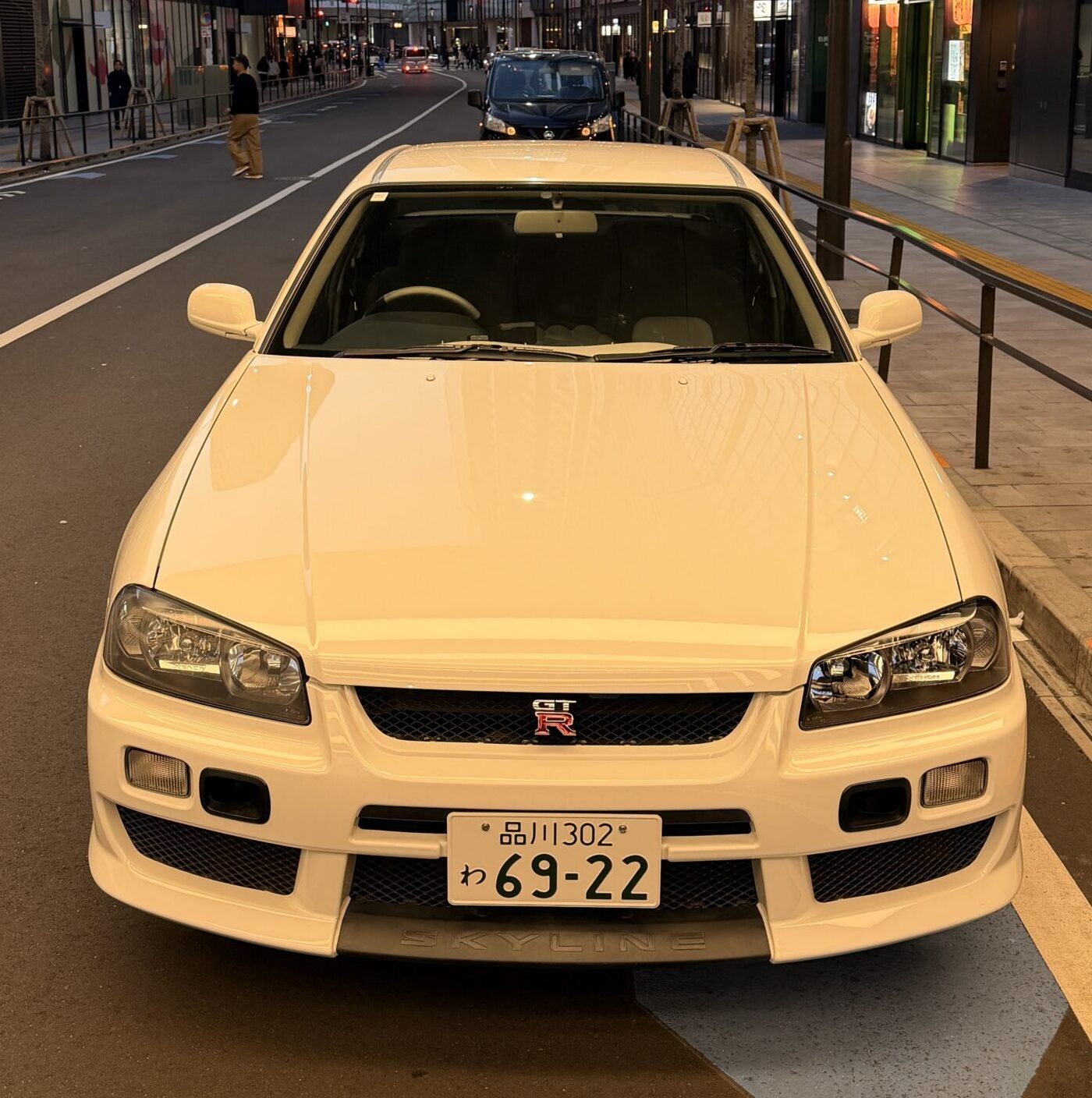
Experience the pinnacle of 90s Japanese engineering. The Nissan Skyline R34 is not just a car; it is a cultural icon, a cinematic star, and a masterpiece of performance. While the GT-R gets the headlines, the R34 offers a pure, rear-wheel-drive experience that enthusiasts crave. Now is your chance to get behind the wheel of this JDM masterpiece and feel the soul of the RB engine. The Vehicle: 1998-2002 Skyline R34 25GT Turbo The R34 is often called the "Secret Supercar." It shares the same iconic silhouette as its big brother, the GT-R, but offers a lighter, more agile driving feel thanks to its rear-wheel-drive (RWD) layout. Key Specifications FeatureDetailsEngine2.5L RB25DET NEO Straight-6 TurboTransmission4 AT with Manual ModeDrivetrainRear-Wheel Drive (RWD)Power OutputApprox. 280 HP (Stock)InductionTurbocharged with IntercoolerSeating5-Seater Coupe Why the R34? The Heart of a Beast: Powered by the legendary RB25DET NEO engine. Hear the signature straight-six howl and the addictive "pssh" of the turbo spooling up as you accelerate through the gears. The Purist’s Choice: Unlike the AWD GT-R, the ER34 sends all its power to the rear wheels. This provides a classic, analog driving experience that communicates every inch of the road back to the driver. Tactile Control: The 5-speed manual transmission is crisp and engaging, allowing you to stay in the power band and fully control the boost. Modern Classic Styling: Featuring the aggressive R34 front fascia, signature round "stovepipe" tail lights, and a timeless interior that makes you feel like you've stepped into a golden era of motoring. The Experience Whether you ...
2026/2/12
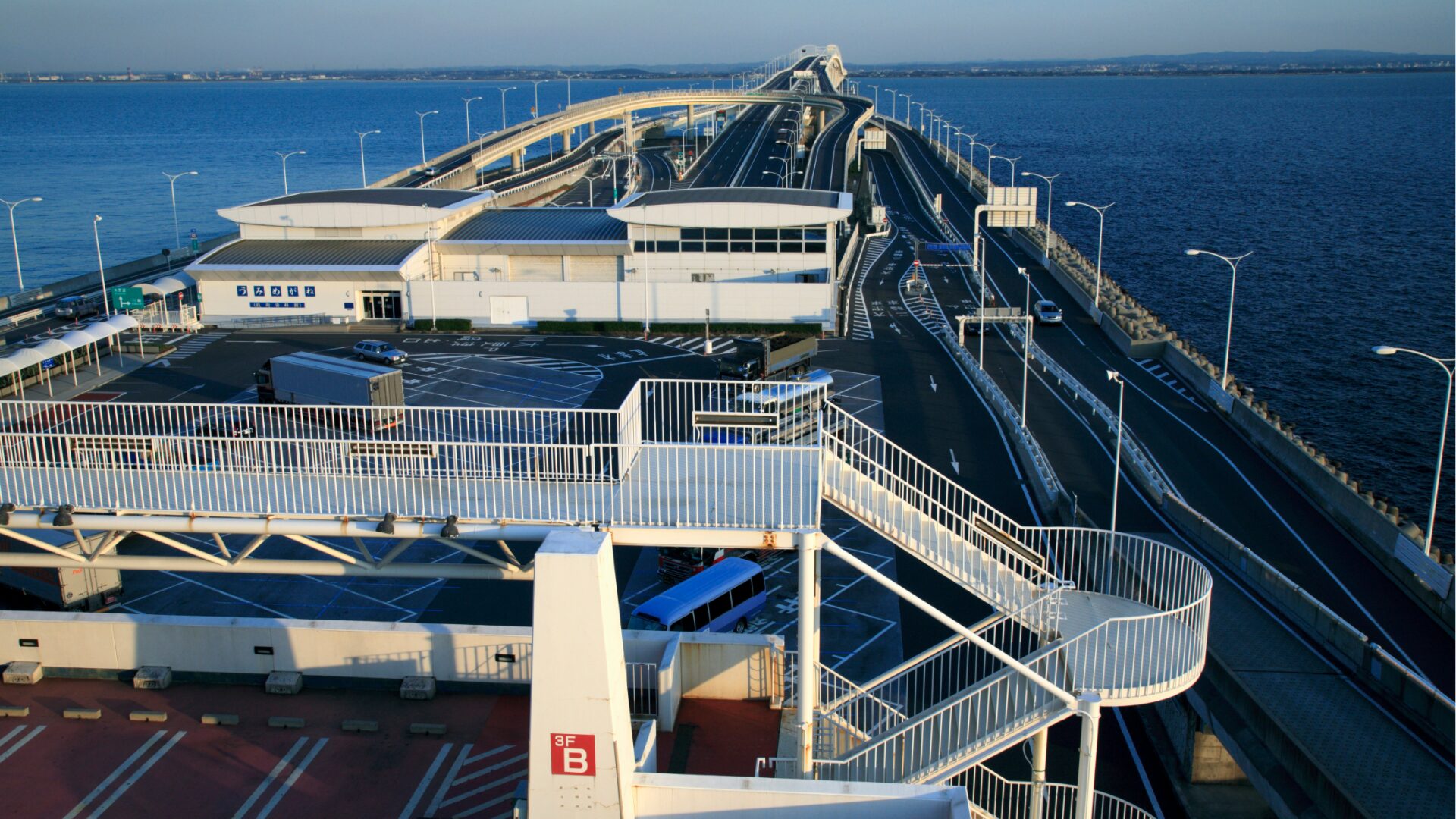
Umihotaru Parking Area—often written as Umi Hotaru PA or Umi-hotaru—is one of the most unusual “highway rest stops” in the world: a multi‑story facility built on an artificial island in the middle of Tokyo Bay. Even if you’re not driving to Chiba, many visitors plan a dedicated trip just to experience the ocean views, grab a meal, and take photos with the Aqua-Line bridge and skyline. This guide covers everything you need to know about Umihotaru Parking Area: what it is, how to get there, costs and tolls, what to do once you arrive, and practical travel tips (including the easiest way to combine Umihotaru with a JDM car culture night at Daikoku PA—the destination most international enthusiasts are really chasing). What is Umihotaru Parking Area? Umihotaru Parking Area is a highway parking area and sightseeing spot located on the Tokyo Wan Aqua-Line Expressway, a major route that connects Kawasaki (Kanagawa) and Kisarazu (Chiba). Unlike typical service areas that sit beside the road, Umihotaru is essentially a five‑level building on the sea, with: Observation decks for panoramic Tokyo Bay views Restaurants, food court options, cafés, and snacks Souvenir shopping (Chiba + Kanagawa specialties) Convenience store access for late-night essentials Restrooms and traveler services designed for heavy traffic days The facility itself is open 24 hours, while individual shops and restaurants operate on their own schedules (often from morning to late evening). Why it’s famous: Umihotaru feels like a mini attraction rather than a stopover. It’s photogenic, surprisingly spacious, and it’s one of the few places ...
2026/2/8
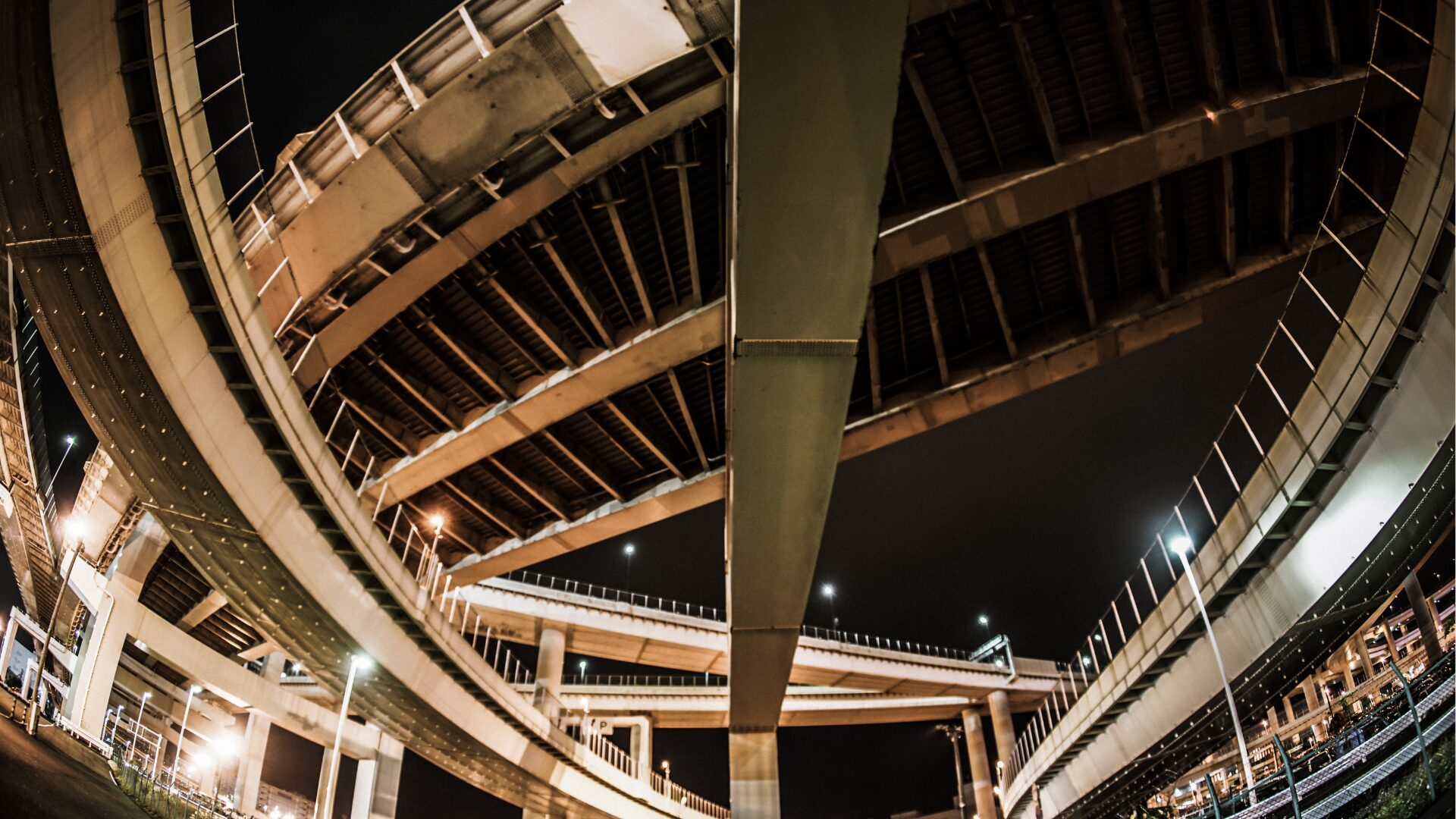
Daikoku Parking Area—often written as Daikoku PA or Daikokufutō—is the most famous place in Japan to spot tuned cars gathering organically. It’s a real expressway parking/service area in Yokohama, not a ticketed tourist attraction and not an officially organized event. That “unofficial” nature is exactly why Daikoku feels special: the lineup is never the same twice, and the culture is authentic. At the same time, Daikoku is one of the easiest places for first-time visitors to misunderstand. It’s located inside the Shuto Expressway network and cannot be accessed from ordinary roads or on foot, which is why so many travelers waste time (or end up stranded) trying to visit without a solid plan. This guide covers what Daikoku Parking Area is, why it matters in JDM culture, how to visit legally, the best times to go, the rules and etiquette that keep the scene alive—and why a guided JDM tour is the most reliable way to experience it. What is Daikoku Parking Area? Daikoku Parking Area (大黒パーキングエリア) is a major rest stop on the Shuto Expressway in Yokohama, Kanagawa. In normal daytime use, it’s a place for expressway drivers to rest: bathrooms, vending machines, and food options—typical service-area functions. What makes Daikoku unique is its position inside a large junction structure near the bay. Because cars can approach from multiple expressway directions, it became a natural meeting point long before it became famous overseas. Over time, enthusiasts began using Daikoku PA as a place to gather, share builds, and talk cars. Two key truths to ...
2026/2/7
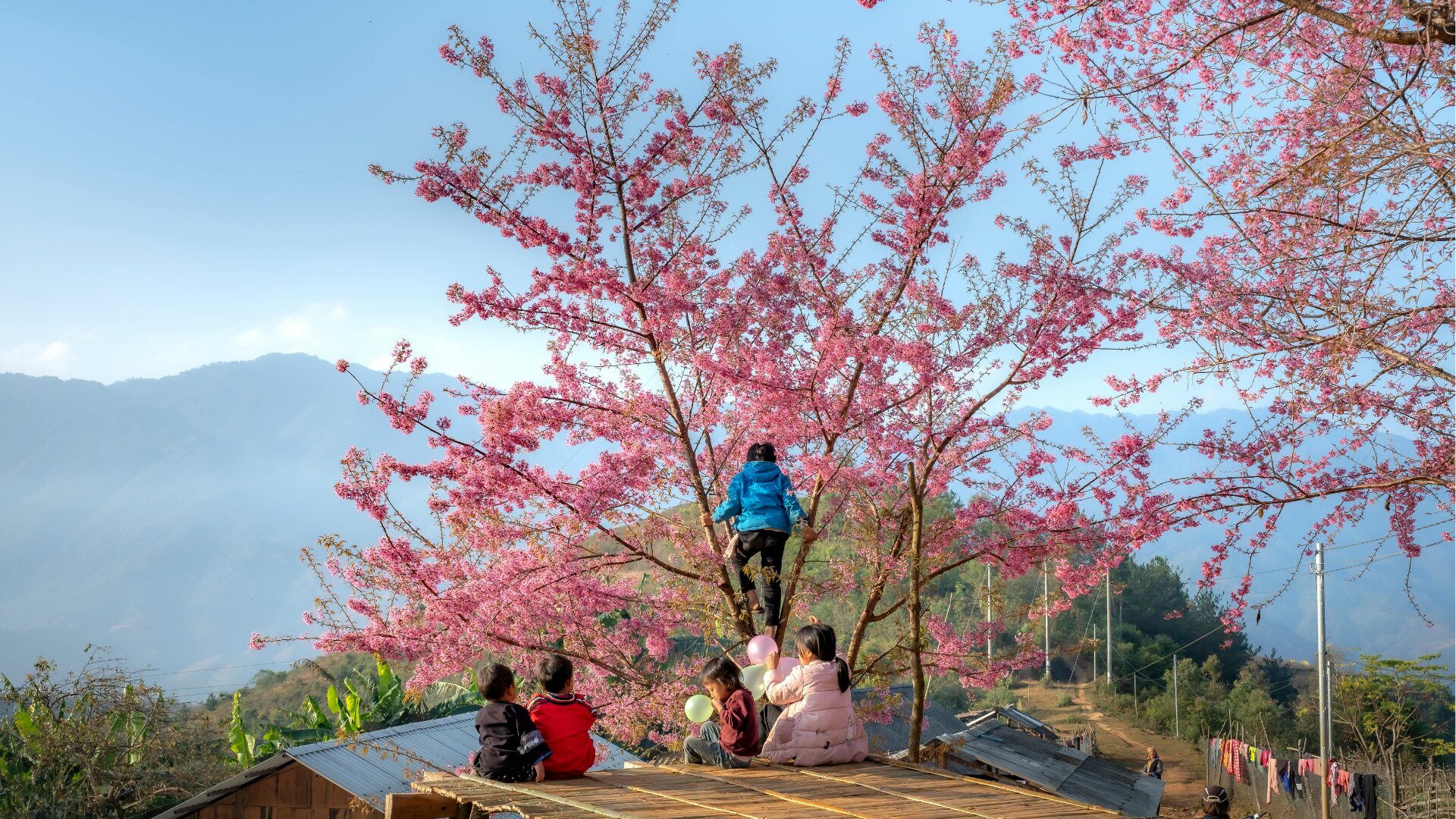
Tokyo’s main cherry blossom season usually peaks from late March to early April—but you don’t have to wait that long. If you’re searching for early cherry blossoms in Tokyo, the key is knowing which varieties bloom first (and where to find them). This guide focuses on Tokyo’s early-blooming sakura—especially Kawazu-zakura, Kanzakura, Okame-zakura, and weeping cherry (shidarezakura)—with practical spot-by-spot tips, timing, and a simple itinerary. What counts as “early cherry blossoms” in Tokyo? Most visitors picture Somei Yoshino—the pale pink, short-lived blossoms that define peak hanami. Early cherry blossoms are different: Earlier bloom window: often mid-February to mid-March (sometimes earlier in warm years) Longer viewing period: many early varieties bloom longer than Somei Yoshino Deeper color: early varieties are often brighter pink and easier to photograph Common early-blooming cherry varieties you’ll see in Tokyo Kawazu-zakura (河津桜): vivid pink; a classic “early sakura” that can bloom from February Kanzakura (寒桜) / winter cherry types: early, delicate blossoms—often appearing in February in gardens with many cultivars Okame-zakura (オカメ桜): small, bright blossoms; typically peaks in early March Shidarezakura (枝垂桜) / weeping cherry: frequently blooms slightly earlier than Somei Yoshino; many peak in mid-to-late March When do early cherry blossoms bloom in Tokyo? Tokyo’s early sakura timing changes every year, but these ranges are reliable enough for trip planning: Late Jan–Feb: occasional winter cherry varieties in major gardens Mid-Feb–early Mar: Kawazu-zakura and other early types begin peaking Early–mid Mar: Okame-zakura peaks; more early cultivars open Mid–late Mar: weeping cherry peaks in several classic gardens; Somei Yoshino begins later in the ...
2026/2/7
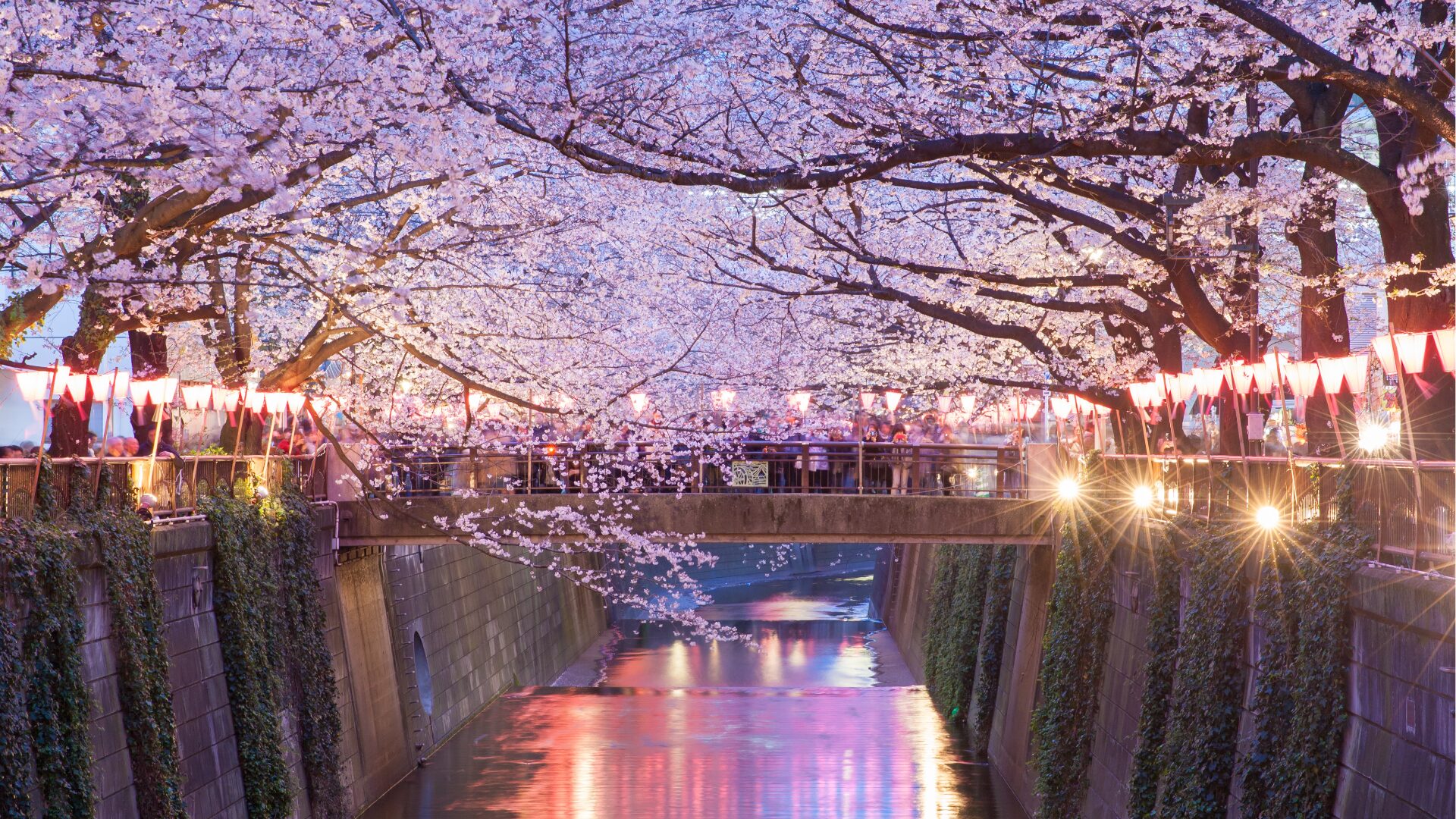
Tokyo in spring is a short, high-demand season where timing matters. A well-planned cherry blossom tour in Tokyo helps you hit the right neighborhoods at the right hour, avoid peak congestion, and see multiple sakura “styles” in a single day—riverside tunnels of blossoms, historic gardens, skyline backdrops, and nighttime illuminations. This guide focuses on how Tokyo cherry blossom tours work (what you’ll actually do, where you’ll go, and how to choose the right format), plus a practical itinerary you can follow with a guide or use as your own plan. Why Take a Cherry Blossom Tour in Tokyo? Tokyo is big, the best viewing areas are spread out, and bloom timing can shift quickly. A tour is valuable because it: Optimizes timing: Certain spots look best early morning, others shine at golden hour or after dark. Reduces transit friction: Multiple sakura locations in one day can mean complicated transfers. Improves photo outcomes: A good route puts you in the right position for backdrops (bridges, rivers, city lights). Adds local context: Hanami culture, seasonal foods, etiquette, and “why this place is famous” all elevate the experience. If you’re visiting Japan once, a structured route can turn a “nice walk” into a day that feels like a highlight reel. When Is Cherry Blossom Season in Tokyo? Most visitors plan around late March to early April, when Tokyo’s common varieties (especially Somei Yoshino) typically reach peak bloom. Real timing varies each year and can shift based on temperatures and rainfall. Practical planning tips: Build flexibility: Even a 2–5 ...
2026/2/7
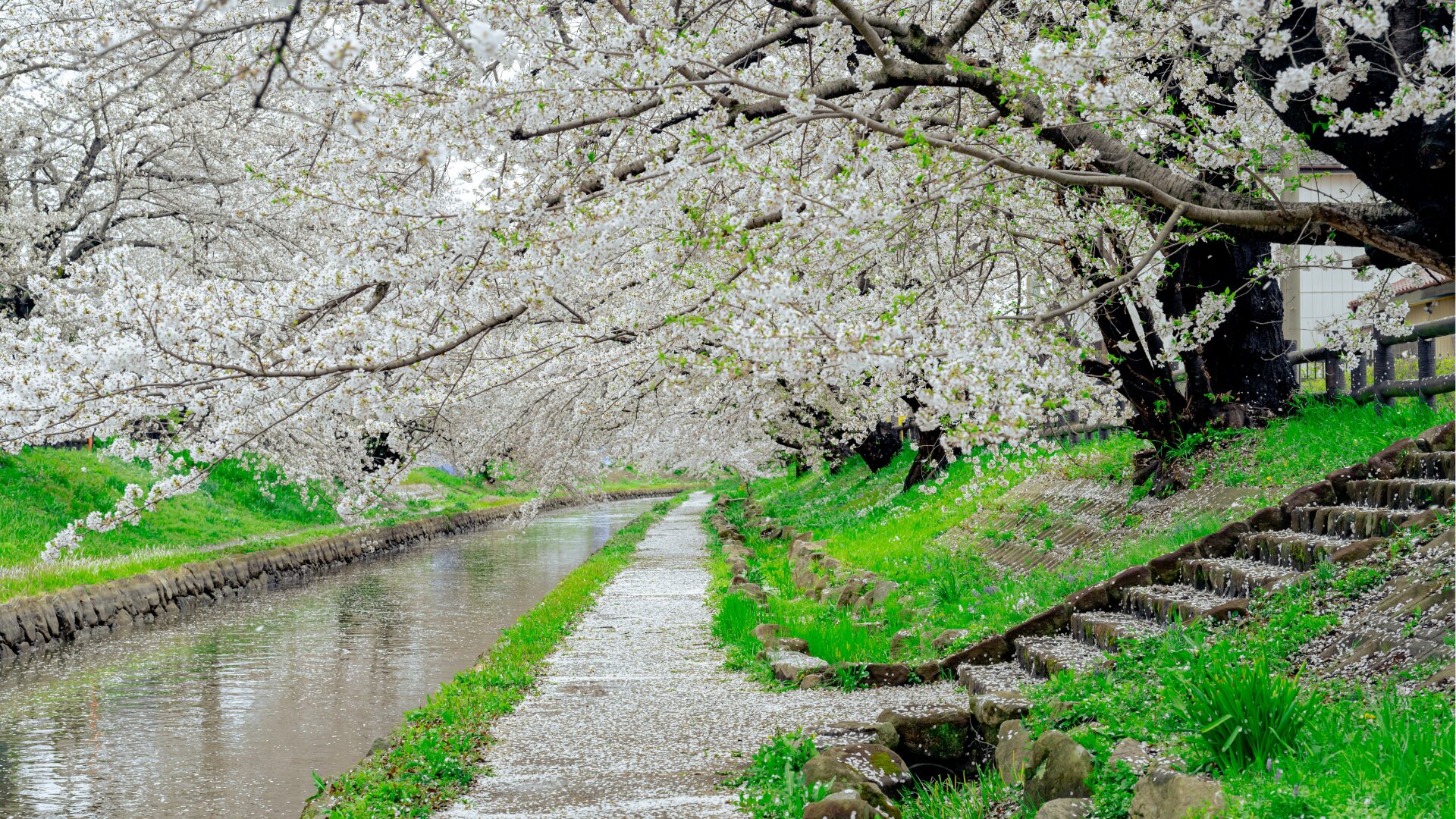
If you’re searching for “cherry blossom river Tokyo”, you’re probably imagining the classic scene: soft pink petals arching over the water, lanterns reflecting on the surface, and a long, scenic walk that feels like spring distilled. Tokyo is full of famous parks, but rivers and waterways are where sakura feels most “Tokyo.” They cut through neighborhoods, connect stations you’ll already use, and offer the city’s best combination of reflection, atmosphere, and walkability. Why Tokyo’s rivers are the best way to see cherry blossoms Riverside hanami has a few advantages that first-time visitors don’t realize until they try it: The “sakura tunnel” effect: branches lean over the canal or river path, creating a natural corridor of blossoms. Reflections make photos instantly better: even a phone shot looks cinematic when the water mirrors pink petals and lantern light. You can keep moving: unlike packed parks where you’re stuck in one spot, river routes let you walk until you find your perfect view. It’s easier to stack experiences: cafés, local shops, and dinner neighborhoods are naturally built around Tokyo’s waterways. Best time for cherry blossom rivers in Tokyo Tokyo’s cherry blossoms typically arrive late March to early April, and the “peak” window can feel short—especially along famous rivers. For 2026 forecasts, multiple Japanese forecasting sources place Tokyo’s first flowering around March 20–21, with full bloom around late March (often about a week after first bloom). Weather can shift things, so treat forecasts as your planning baseline—not a promise. What matters most for rivers: Go early in the day ...
2026/2/7
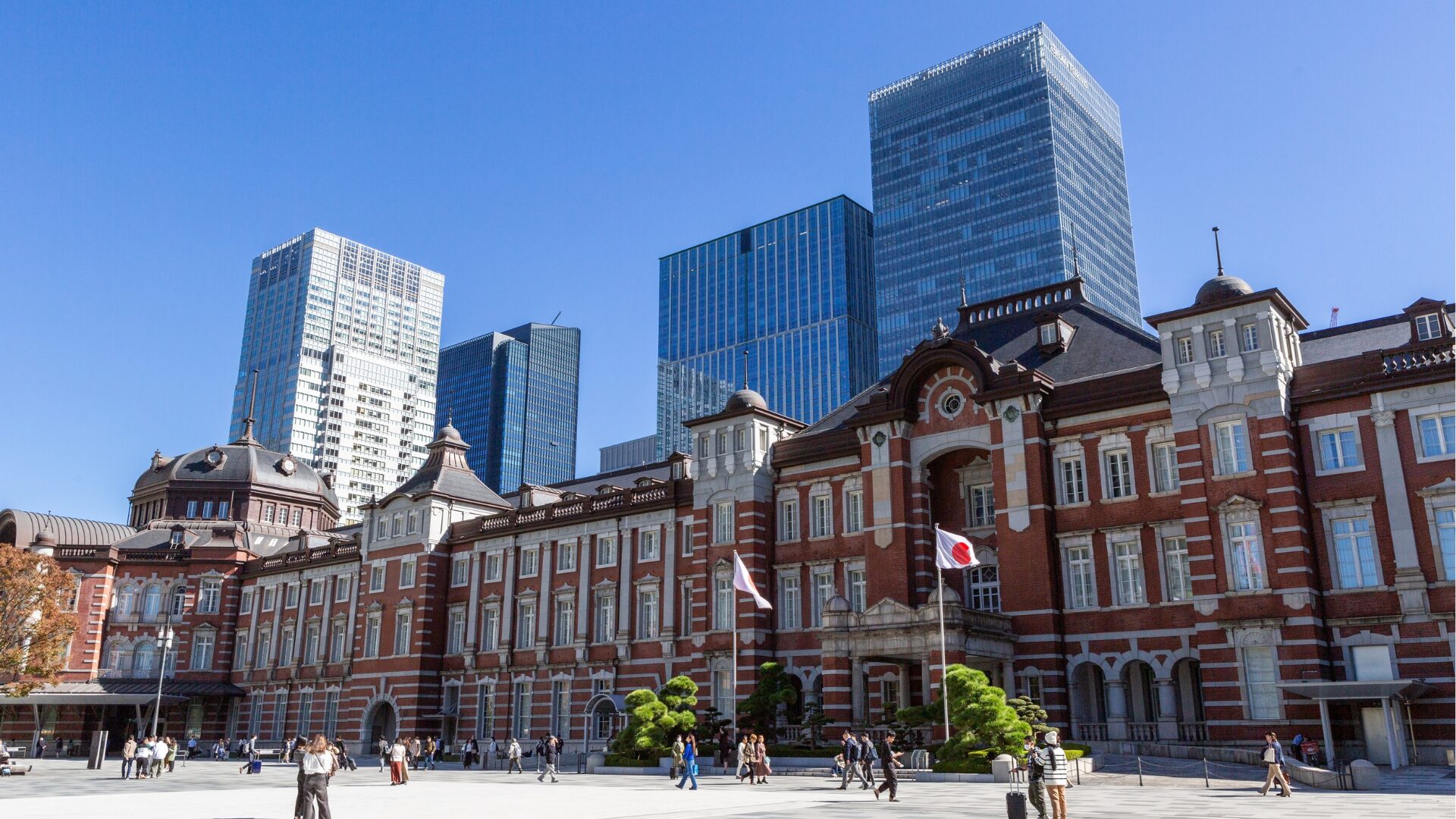
Tokyo Station is one of the most convenient bases for cherry blossom season in Tokyo. Within a 10–30 minute radius, you can walk to moats lined with sakura, tranquil gardens inside the Imperial Palace grounds, and photogenic streets in Marunouchi—then still be back at the station in time for dinner or a night out. This guide focuses only on cherry blossoms near Tokyo Station (walkable or just a few stops away), with clear access tips and simple routes. Quick answers: where to see cherry blossoms near Tokyo Station If you want the fastest plan, start here. Imperial Palace East Gardens (Higashi-Gyoen) — calm, central, and close to Otemachi; ideal for a daytime stroll. Chidorigafuchi Green Way — the iconic moat-side sakura tunnel; best at peak bloom and especially beautiful at dusk. Kokyo Gaien / Imperial Palace Outer Gardens — wide open views, stone bridges, and classic “Tokyo meets tradition” scenery. Marunouchi (Tokyo Station area) — short walks for casual sakura + café time, with the red-brick station as a backdrop. Hibiya Park — a quieter option when famous hanami spots are too crowded. For a broader, city-wide overview (best parks across Tokyo, timing, and planning strategy): Why Tokyo Station is a smart base for cherry blossom season Tokyo Station sits at the center of the city’s rail network and connects smoothly to nearby neighborhoods on foot via underground passages (especially between Tokyo Station ⇄ Otemachi ⇄ Nijubashi / Imperial Palace area). That means: You can plan a short, efficient hanami window (1–3 hours) without spending ...
2026/2/22
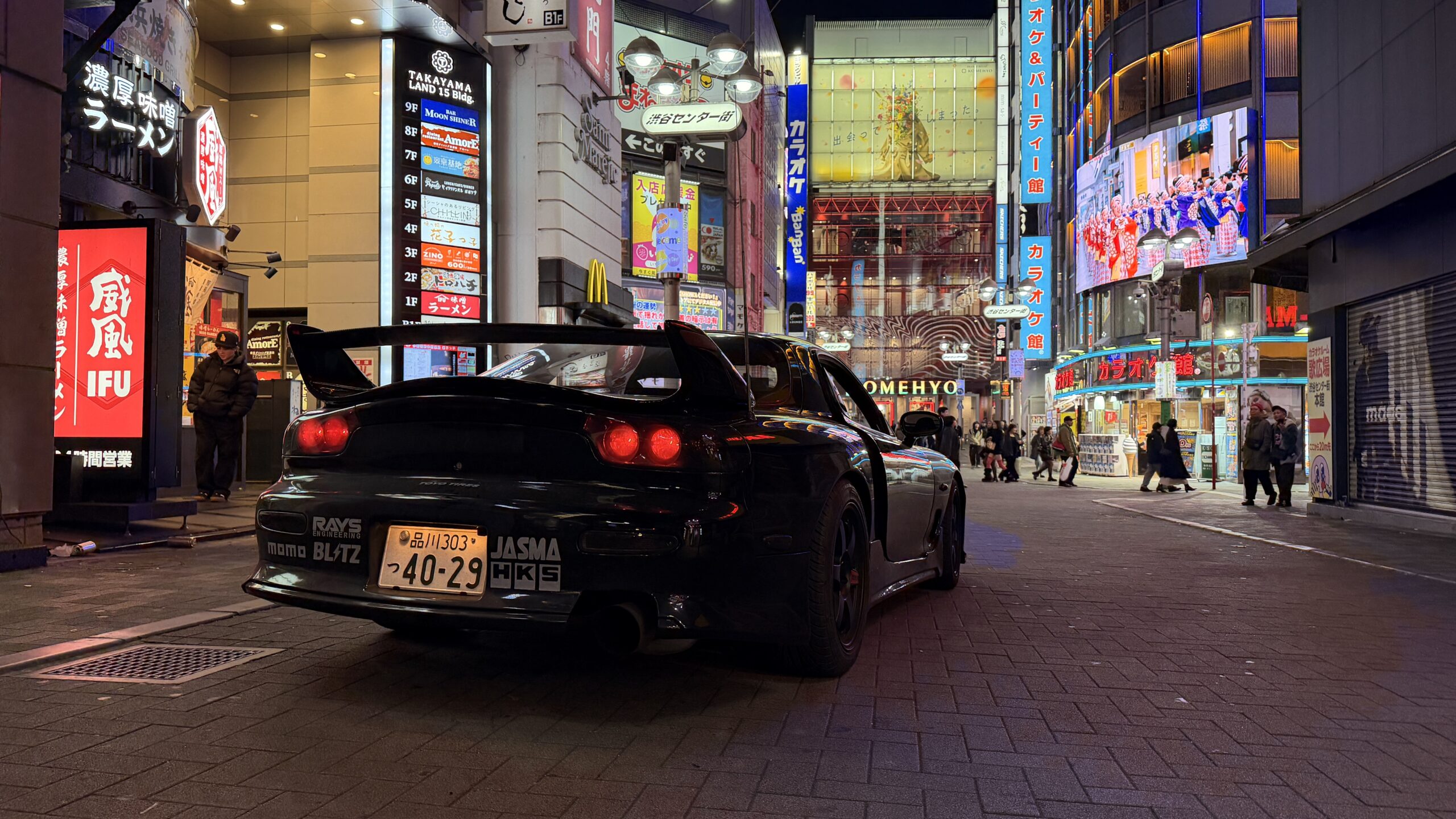
Searching for “RX7 rental Japan” usually means one thing: you want to experience a legendary rotary sports car on Japanese roads—ideally in Tokyo/Yokohama with a stop at Daikoku Parking Area (Daikoku PA), Japan’s most famous car-meet spot. That dream is absolutely possible, but there are important realities first-time visitors often miss: RX-7 rentals are specialty rentals (not normal rental counters), documentation rules are strict, and Daikoku PA access is uniquely tricky because it sits inside an expressway junction. This guide explains exactly how RX-7 rental works in Japan, how to avoid common mistakes, and why a Daikoku PA JDM tour can be the best solution if you want the experience without the risk. Can you rent a Mazda RX-7 in Japan? Yes—you can rent an RX-7 in Japan, including the FD3S (3rd generation) and sometimes the FC (2nd generation). But availability is limited because: RX-7s are older performance cars that require careful maintenance. Many are manual transmission, and rental companies screen drivers more strictly. Some providers offer RX-7s only as part of a guided drive / escorted tour rather than an open-ended self-drive. If your priority is simply “I want rotary power in Japan,” you’ll likely find an RX-7 option. If your priority is “I want to self-drive to Daikoku PA on a Saturday night,” your plan needs more structure. RX-7 rental Japan: self-drive vs guided options Self-drive RX-7 rental Self-drive is the classic “pick up the car and go anywhere” approach. It can be amazing—if you meet the requirements and understand the limitations. Self-drive ...