ryusei

The Ultimate Underground JDM Culture Experience in Tokyo
2026/2/22
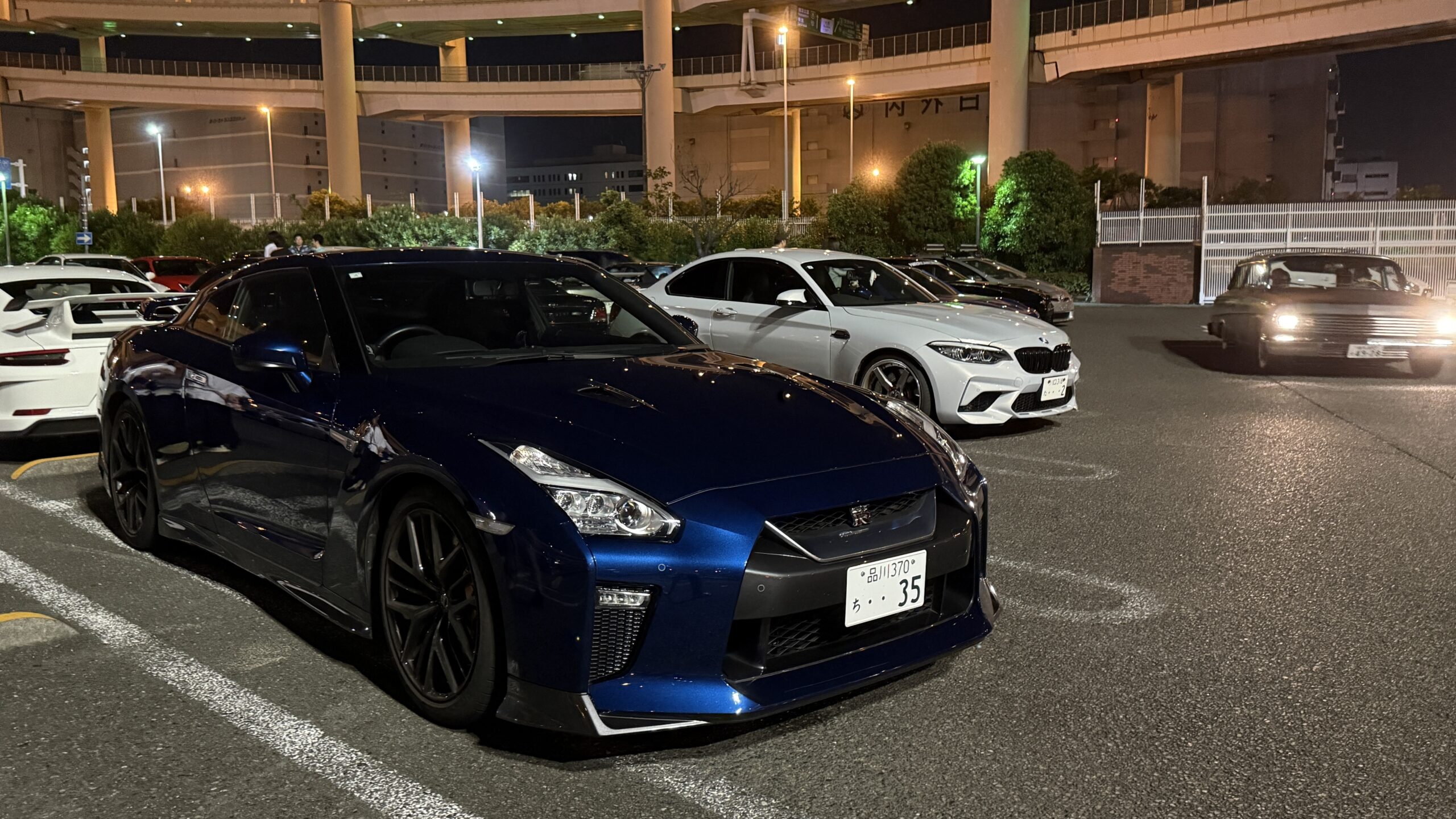
Searching “gtr r35 rent” usually means one thing: you want the full Nissan GT‑R R35 experience in Japan—ideally in Tokyo—and you want to do it legally, safely, and without ruining your trip with paperwork surprises. This guide explains what renting a GT‑R R35 in Japan typically requires, what the hidden friction points are (license rules, age limits, deposits, insurance, and expressway restrictions), and why the #1 destination for an R35 drive is Daikoku Parking Area (Daikoku PA)—the legendary car meet hub on the Tokyo–Yokohama bay routes. Why the Nissan GT-R R35 Is the Ultimate Japan Rental The R35 GT‑R earned its “Godzilla” nickname by delivering supercar performance with everyday usability. For many visitors, renting one in Japan feels like a once‑in‑a‑lifetime chance—especially now that R35 production has officially ended in Japan. That reality has made “R35 rent” searches surge: if you want to drive an R35 in its home country, the rental/experience market is often the most practical route. Can foreigners rent a Nissan GT-R R35 in Japan? In most cases, yes—but only if you arrive with the correct driving documents and you meet the rental company’s conditions. 1) The license rule that trips up most travelers Japan generally requires one of the following for visitors who want to drive: A valid International Driving Permit (IDP) based on the 1949 Geneva Convention, plus your passport, or In limited cases (country dependent), a valid domestic license plus an official Japanese translation. Important: many “international licenses” sold online (or issued under other conventions) are not accepted in ...

2026/2/6
Share Your JDM Experience! Google Map Reviews

2026/2/5
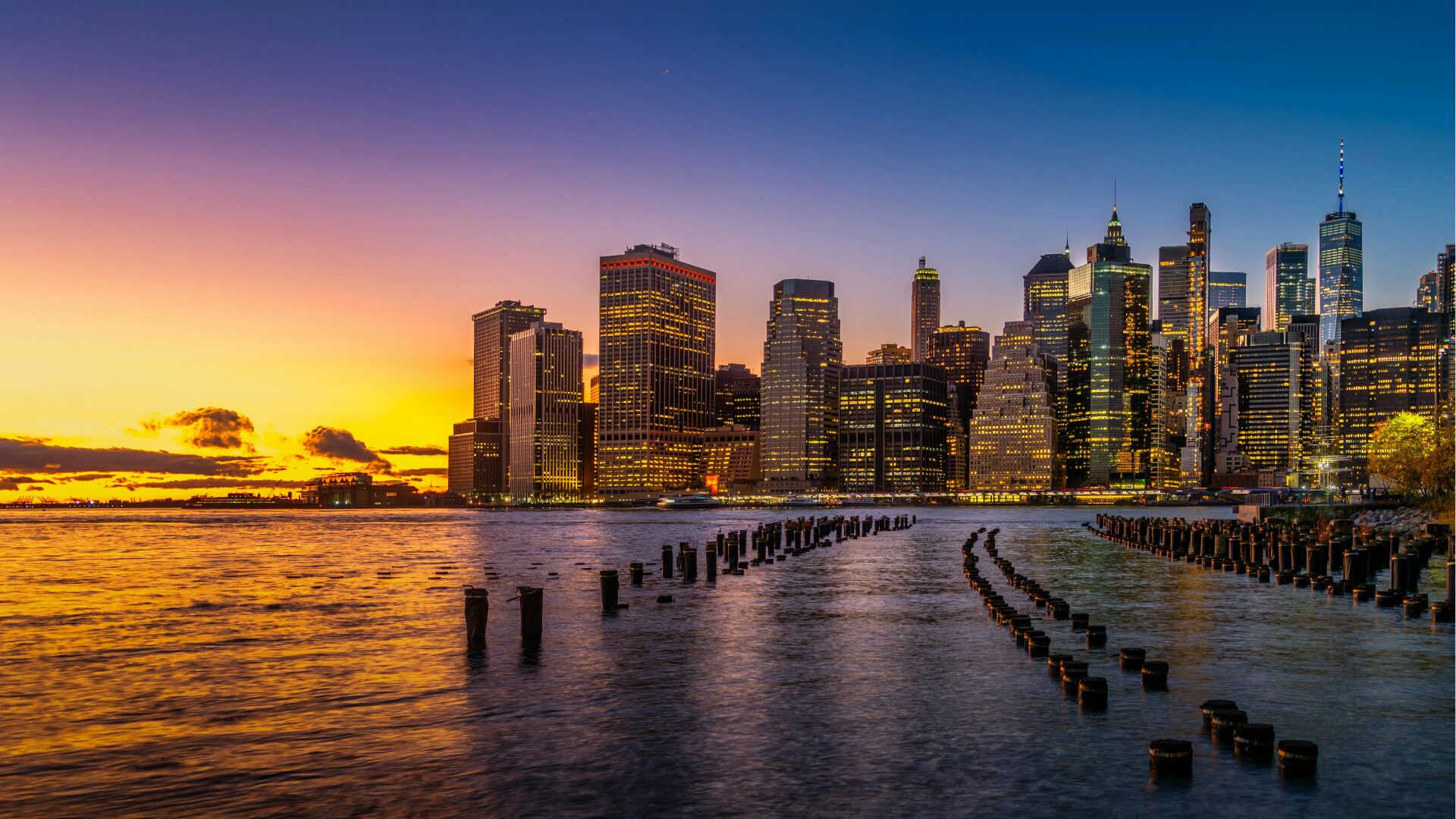
Cherry blossom season in Tokyo is beautiful in daylight—but it becomes unforgettable after dark. Cherry blossom illuminations (also called yozakura, “night sakura”) are seasonal light-ups where lanterns, spotlights, or artistic lighting transform rivers, parks, and gardens into glowing spring nightscapes. This guide focuses specifically on Tokyo cherry blossom illuminations: when they happen, where to go, what to expect, and how to plan a smooth night out—especially if you want to end the evening with Tokyo’s most iconic night activity for car fans. What “Cherry Blossom Illumination” Means in Tokyo In Tokyo, “cherry blossom illumination” usually refers to one of these experiences: Lantern-lined promenades (bonbori or paper lanterns) that create a warm, traditional glow. Spotlit rows of trees that highlight blossoms against the night sky. Reflections on water (rivers and moats) where the pink canopy doubles in the surface below. Ticketed night openings at historic gardens that normally close before dusk. While daytime hanami is often picnic-focused, nighttime viewing is typically more walk-and-see: you stroll, take photos, and enjoy the atmosphere—often with less heat, a different color palette, and a more dramatic mood. When to See Cherry Blossom Illuminations in Tokyo Tokyo’s illumination season generally follows the bloom cycle: Typical window: late March to early April Best nights: near peak bloom (often a week-long “sweet spot”) Common light-up hours: early evening to around 8–9 p.m. (varies by venue) Important planning notes: Dates shift every year. Many light-ups are tied to bloom conditions, so organizers may adjust schedules. Weekends get packed. If you want better photos and ...
2026/2/5
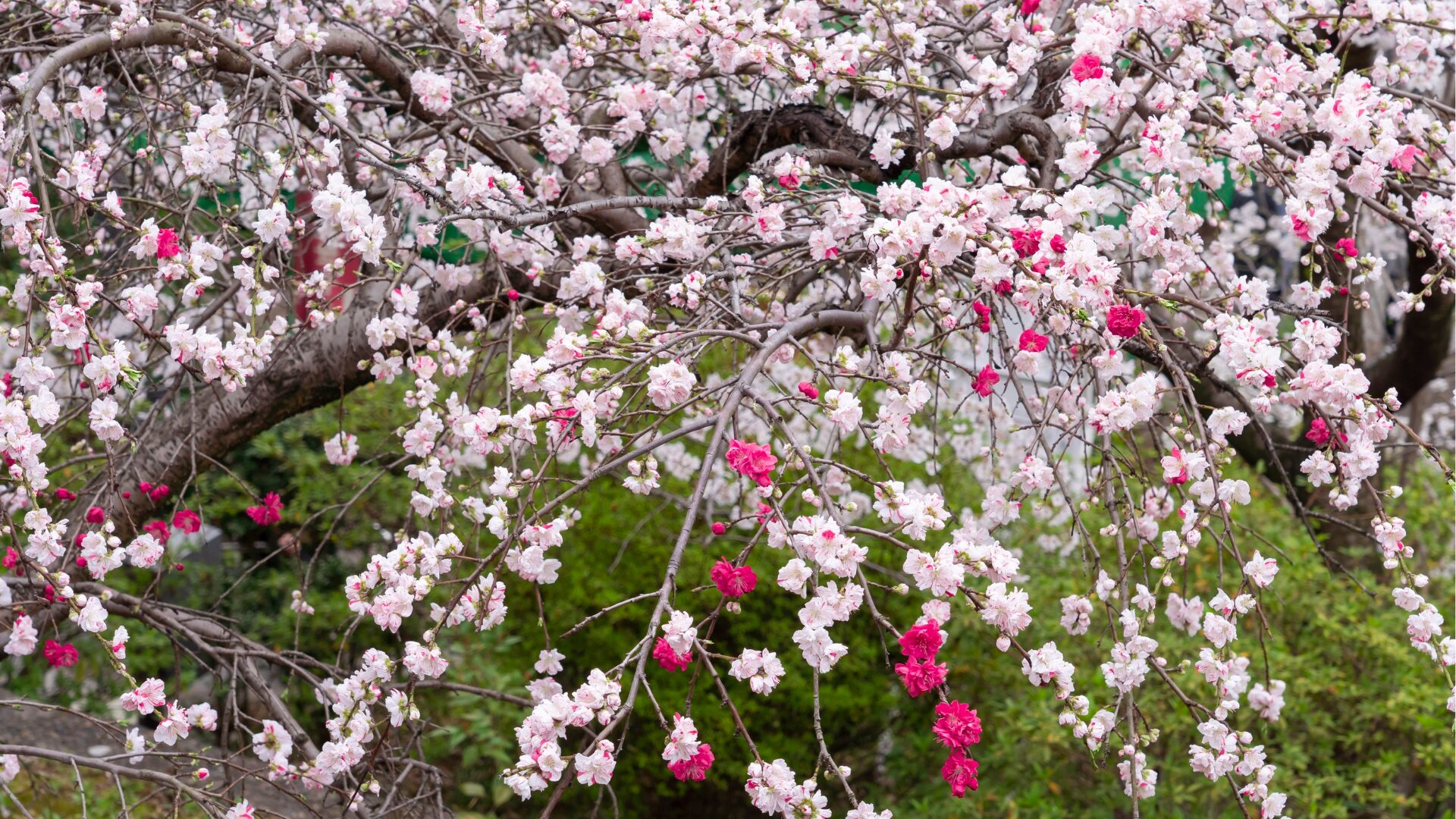
Tokyo Midtown is one of the easiest places in central Tokyo to enjoy cherry blossoms without leaving the city core. In spring, the garden area transforms into a walkable “hanami corridor” of sakura—beautiful in daylight and even more memorable when illuminated at night. This guide focuses specifically on Tokyo Midtown cherry blossoms: where to go, when to visit, how to access the garden smoothly, what the nighttime light-up is like, and how to combine your hanami day with an unforgettable JDM evening at Daikoku PA. Why Tokyo Midtown is a top cherry blossom spot in central Tokyo Tokyo Midtown (Roppongi) stands out because it delivers a “park-like” sakura experience right next to major stations, hotels, museums, and restaurants. What makes it special: Urban garden setting: The blooms sit against a skyline backdrop—perfect for photos that feel distinctly “Tokyo.” Walkable viewing: You can enjoy a full cherry blossom walk without needing a large park or a long detour. Day-to-night appeal: The evening light-up creates classic yozakura (night cherry blossoms) in a safe, well-lit environment. Easy to pair with other plans: Roppongi sightseeing, dinner, and nightlife are all minutes away. If you’re staying around Roppongi, Akasaka, or the Tokyo Midtown area, this is one of the most efficient hanami choices during your trip. Best time to see Tokyo Midtown cherry blossoms Tokyo Midtown’s sakura season generally follows Tokyo’s citywide pattern: late March to early April for peak bloom (timing shifts year to year depending on temperatures). Plan around these practical windows: Early bloom period: Buds opening, lighter ...
2026/2/4
Ueno Park is one of Tokyo’s most iconic places to see cherry blossoms. Every spring, long rows of sakura trees turn the main promenade into a tunnel of pink and white—drawing locals and visitors for hanami picnics, street-food stalls, and evening strolls under lantern-lit blooms. If your trip is built around Ueno Park Tokyo cherry blossom season, this guide covers the details that matter: the best viewing window, where to stand for the best photos, how to beat the crowds, what to eat during the festival period, and how to turn a day of sakura into a full Tokyo highlight. Best time to see cherry blossoms in Ueno Park (2026 dates and how to plan) Cherry blossom timing changes every year, but Ueno Park typically peaks in late March to early April. For 2026 specifically, Tokyo’s sakura season is forecast to begin around late March, with full bloom commonly arriving about one week to 10 days after first flowering. That means you should plan for a multi-day window rather than a single “perfect” date. How to plan around uncertainty Aim for a 3–5 day stay in Tokyo during the forecast peak window so you have flexibility. Prioritize Ueno Park early in your trip. If the blossoms are ahead of schedule, you still catch them. Watch the weather. Warm days speed up blooming; heavy rain and strong wind can shorten peak viewing. Best time of day Morning (8:00–10:30): the calmest light for photos and the smallest crowds. Late afternoon: great for softer color and golden-hour shots. ...
2026/2/4
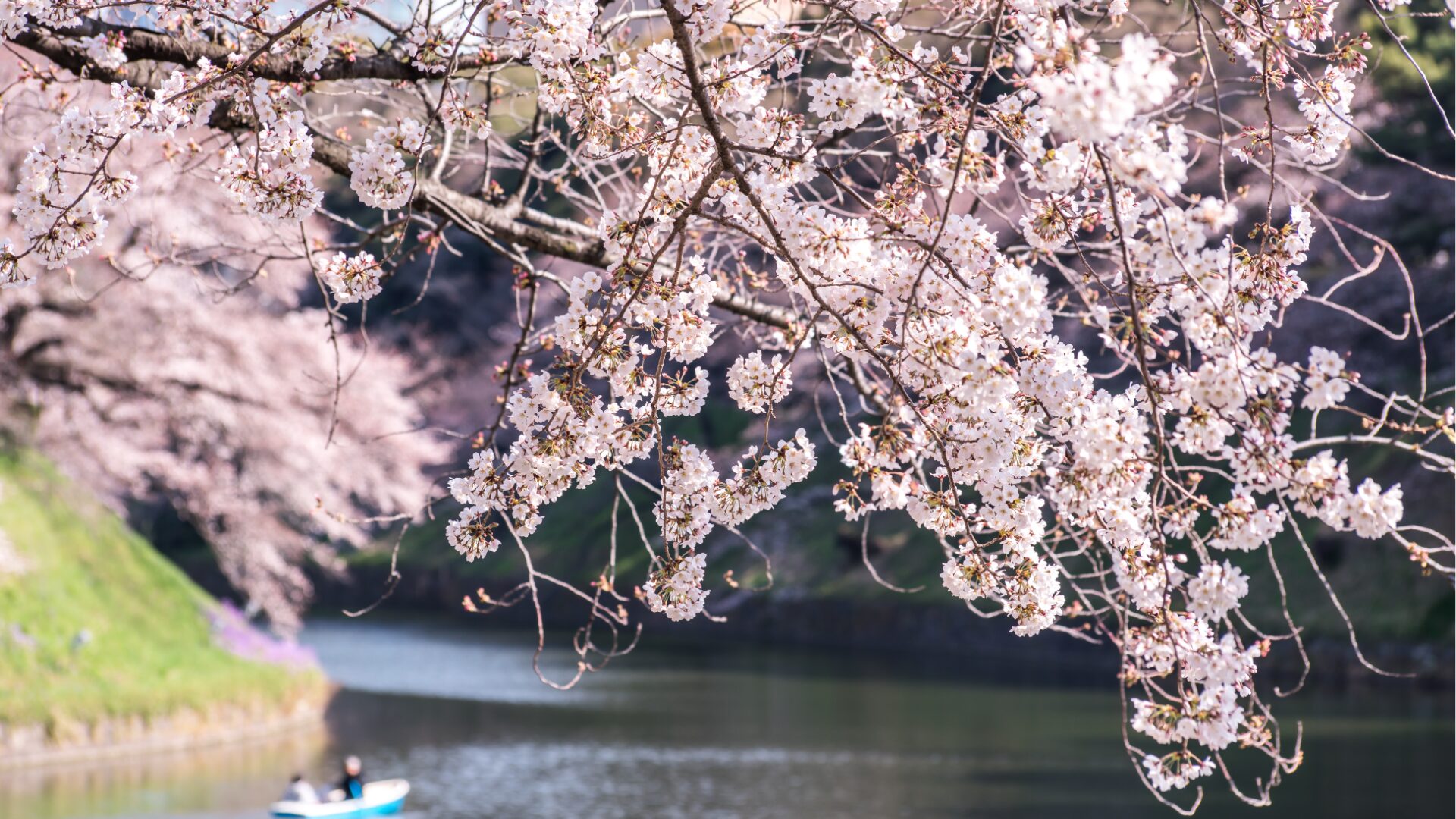
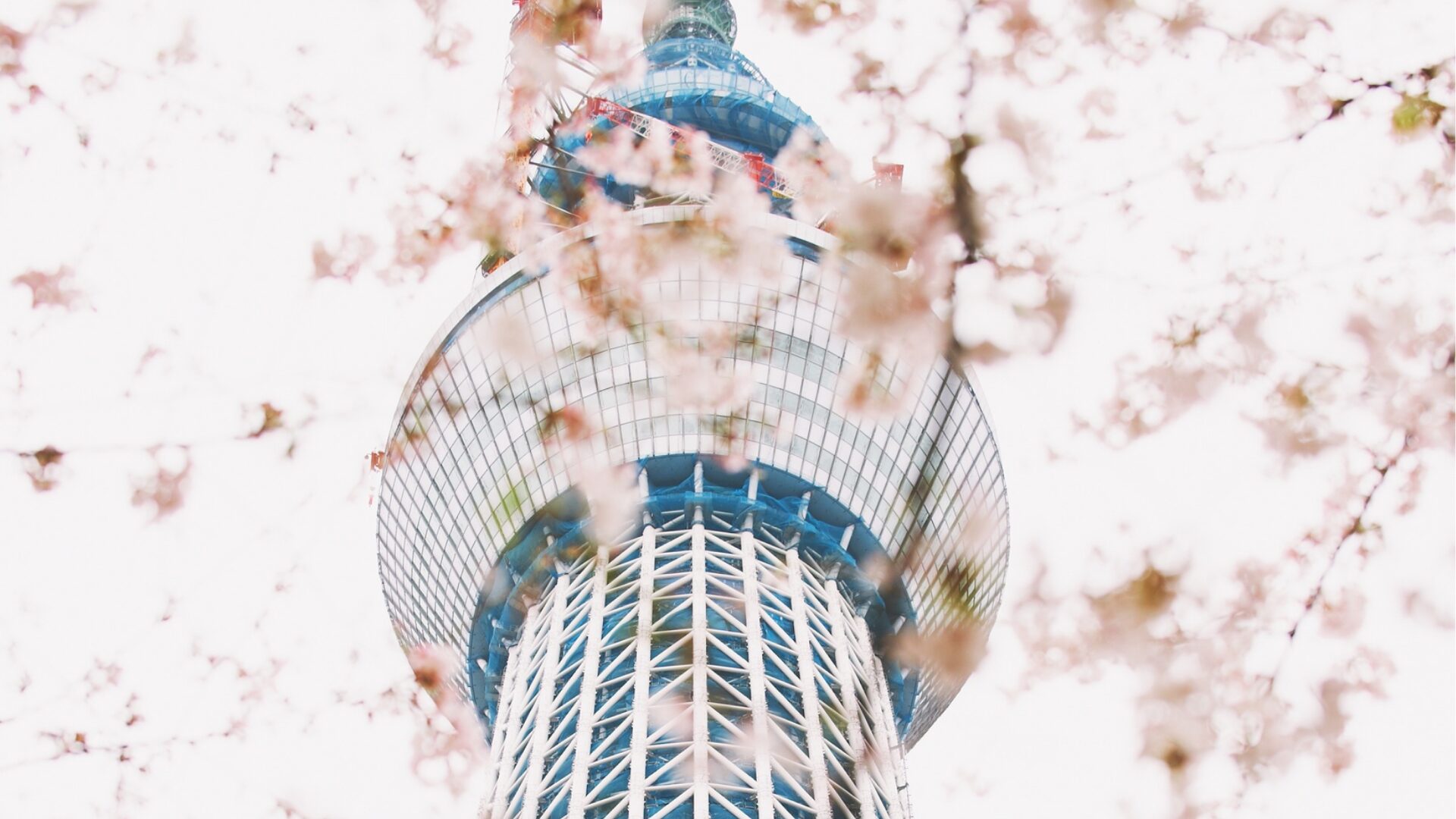
The Imperial Palace area is one of the most photogenic places to enjoy cherry blossoms in central Tokyo—wide moats lined with sakura, elegant stone walls from Edo Castle, and a skyline backdrop that feels uniquely “Tokyo.” If your trip is short and you want a high-impact hanami experience without leaving the city center, the Imperial Palace and its surrounding parks are a smart choice. This guide focuses on the best cherry blossom viewing around the Imperial Palace (especially Chidorigafuchi), how to time your visit, and how to build an itinerary that transitions smoothly into an unforgettable night experience. Why the Imperial Palace area is a top cherry blossom spot in Tokyo Most famous Tokyo cherry blossom locations are either big parks (with heavy crowds) or riverside walks (where the best views can be short-lived if timing is off). The Imperial Palace area is different: Moat-side sakura views are consistently beautiful: The water, stonework, and gentle curves of the moat create “framed” scenes that look good even with crowds. It’s extremely central: You can reach the area quickly from major hubs like Tokyo Station, Shinjuku, Shibuya, and Ginza. You can combine multiple spots on foot: Chidorigafuchi, Kitanomaru Park, the Outer Gardens, and the East Gardens can be connected into one walkable route. It works for both day hanami and night blossoms (yozakura): Seasonal illuminations and city lighting make this one of Tokyo’s strongest evening cherry blossom areas. Best places to see cherry blossoms around the Imperial Palace When people say “Imperial Palace cherry blossoms,” they are ...
2026/2/4
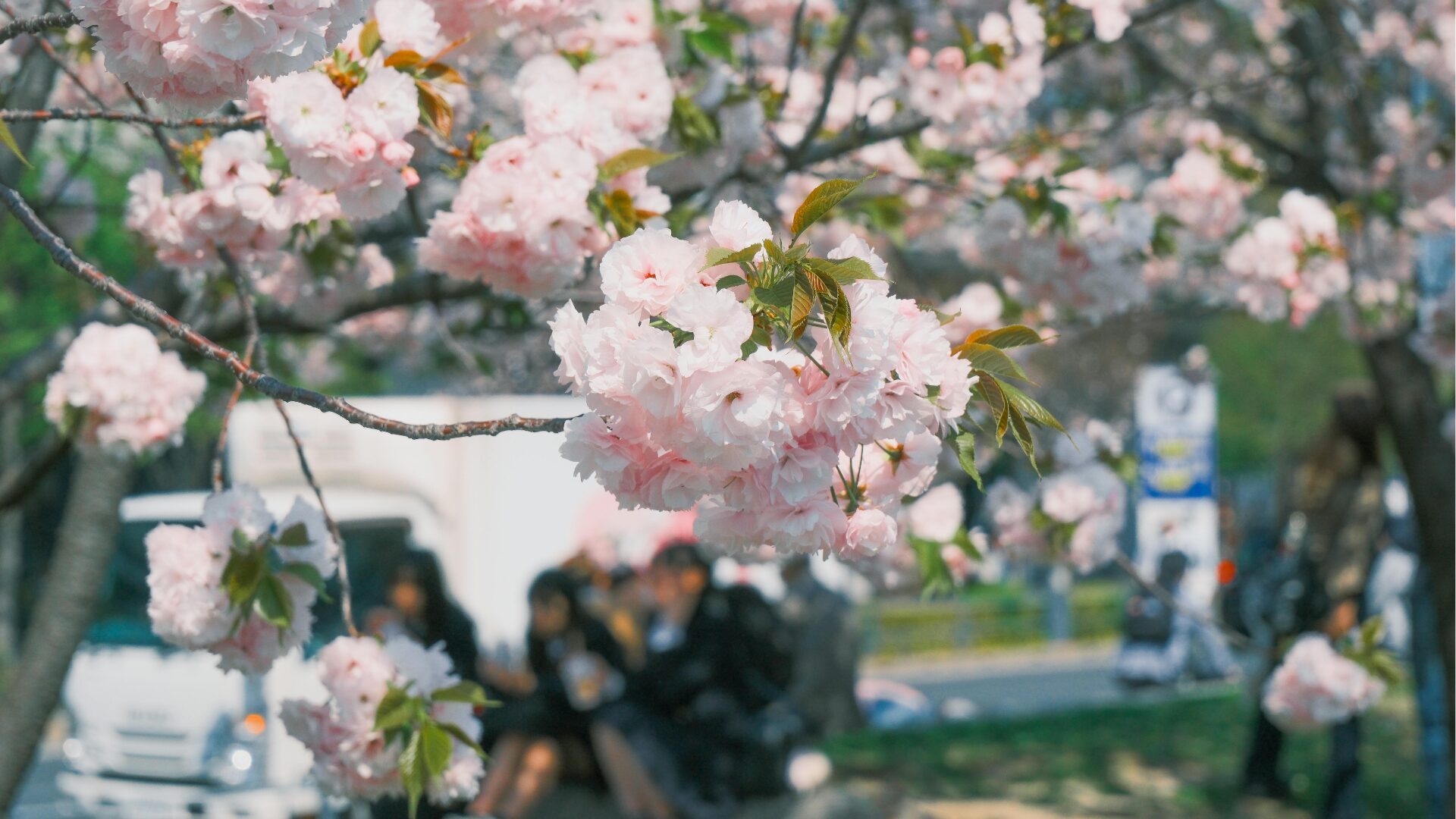
Searching “cherry blossom Tokyo now” usually means you’re trying to make a time-sensitive decision: Is it blooming yet, where should I go today, and what’s the smartest plan so I don’t waste a precious day in Tokyo? This guide is built to answer that fast—then help you plan a full, high-impact itinerary. You’ll learn how to check Tokyo’s current bloom status, pick the best cherry blossom spots for your travel style, avoid the worst crowds, and finish your day with a uniquely Tokyo experience: the JDM car meet scene at Daikoku PA. Are cherry blossoms blooming in Tokyo right now? Tokyo’s “right now” depends on which month you’re here and which cherry variety you’re hoping to see. If you’re visiting in January–February The famous Somei Yoshino trees (the “classic” sakura most people picture) usually aren’t in bloom yet. You can still find early-bloom varieties in select Tokyo parks and gardens—especially places that grow multiple cherry species. If you’re visiting in late March–early April This is Tokyo’s main cherry blossom season. You’re likely to see flowering start, then reach full bloom about one week later (weather can speed this up or slow it down). If you’re visiting in mid-April You may have missed the peak Somei Yoshino window, but Tokyo still has late-bloom varieties and gardens with staggered blooming. Bottom line: For an accurate “Tokyo sakura now” answer, don’t rely on a single citywide date. Use a forecast to understand the big picture—and then confirm your specific location on the day. Tokyo cherry blossom timing and ...
2026/2/4
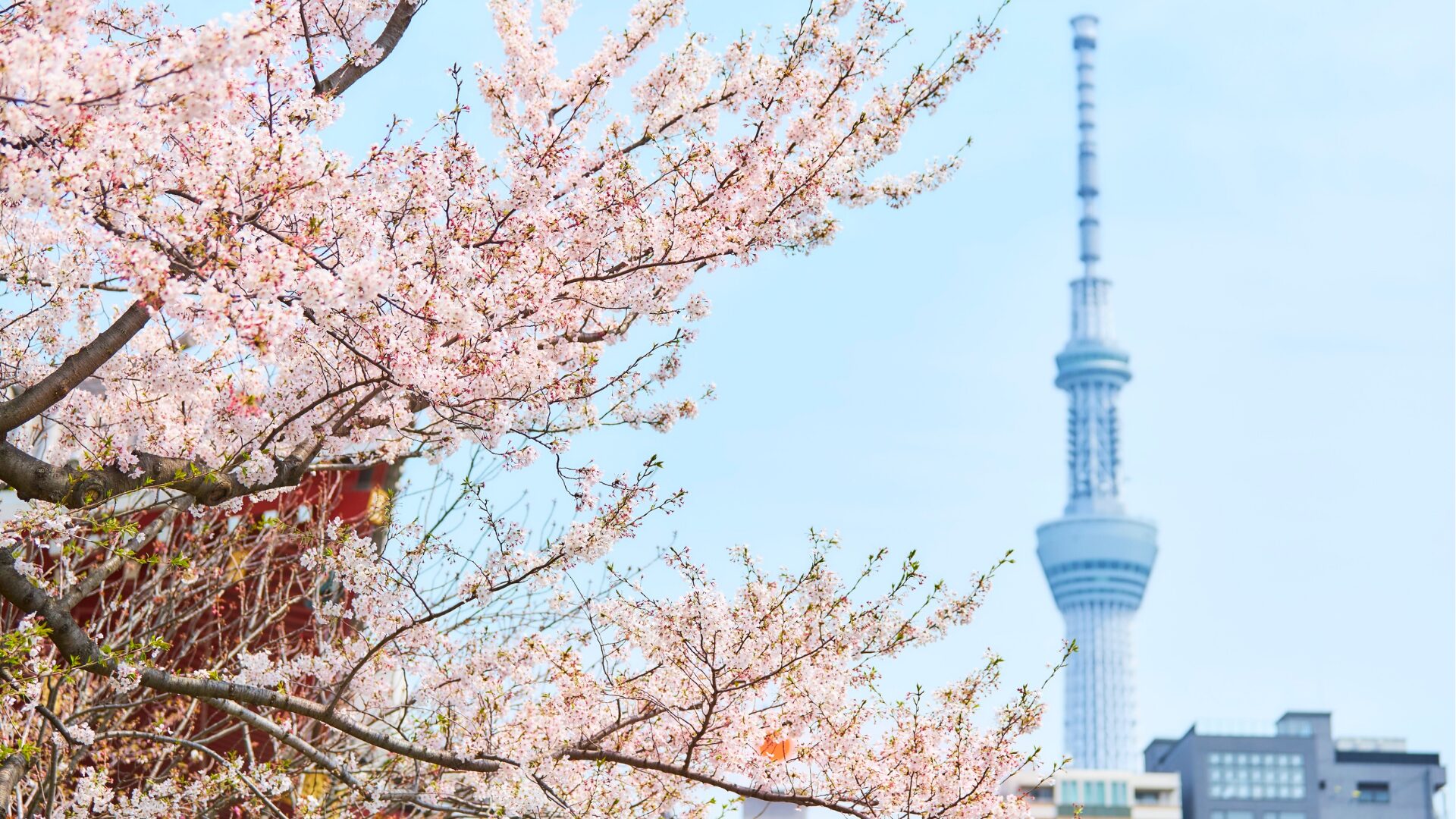
If you searched for a Tokyo Japan cherry blossom festival, you’re probably trying to do two things at once: catch peak sakura and make the most of your limited days in the city. Tokyo’s “festival” isn’t one single ticketed event—it's a season of park festivals, evening illuminations (yozakura), riverside lanterns, food stalls, and local picnics (hanami) spread across multiple neighborhoods. This guide gives you a high-efficiency plan for sakura season in Tokyo—when to go in 2026, where the best festivals happen, how to avoid common mistakes, and how to finish your day with Tokyo’s other world-famous scene: the JDM car meet at Daikoku PA. When is cherry blossom season in Tokyo in 2026? Cherry blossom timing changes every year, but Tokyo’s 2026 forecast (for the main Somei Yoshino variety) points to: First bloom (kaika): around March 22, 2026 Full bloom (mankai): around March 29, 2026 In reality, you should plan for a wider “high-probability” viewing window: Late March (best chance for peak) Early April (still excellent, and often slightly less crowded) Also, Tokyo has many varieties beyond Somei Yoshino. Parks with multiple cultivars (notably large gardens) can extend your viewing opportunities into mid-April. What is the Tokyo cherry blossom festival? In Tokyo, “cherry blossom festival” usually means a cluster of seasonal events rather than one official citywide festival. Depending on the location, that can include: Lantern-lit walkways and evening illuminations Temporary food stalls (yatai) and pop-up snacks Boat rides in blossom-lined moats or rivers Weekend performances and seasonal markets Picnic-friendly parks where locals reserve spaces ...
2026/2/4
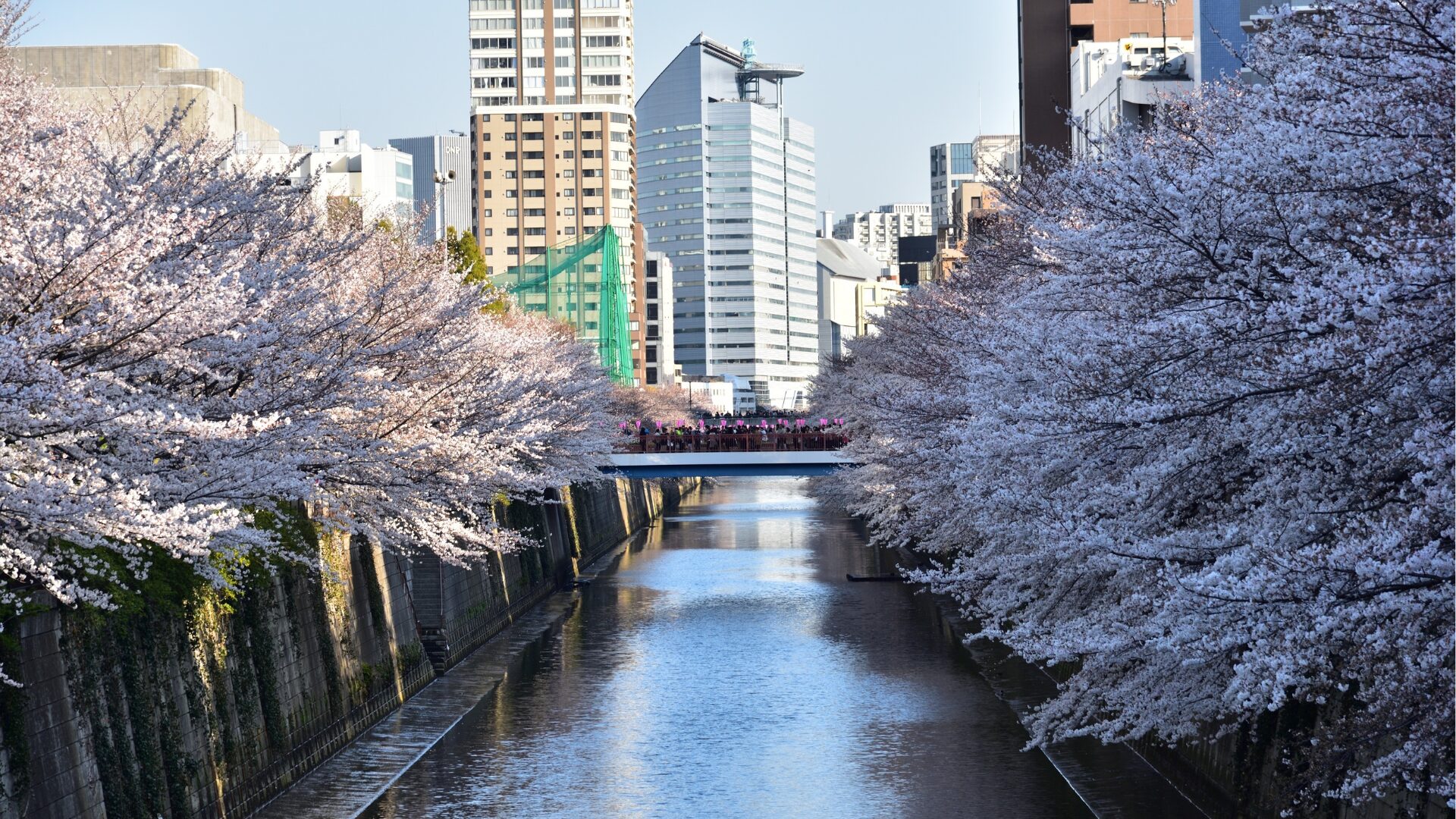
Tokyo’s sakura season is short, crowded, and absolutely worth planning around—especially in 2026, when peak bloom is expected to land in late March. This guide focuses on what travelers actually need: the latest forecast window, the best places to see cherry blossoms in Tokyo, how to avoid the worst crowds, and how to pair your hanami days with one of the most unforgettable Tokyo nights—an evening visit to Daikoku PA, the legendary JDM car meet. 2026 Tokyo Cherry Blossom Forecast: When Will Sakura Peak? If you’re searching for “cherry blossom Tokyo 2026”, the timing question is the biggest one—because the best spots can go from “bud” to “peak” to “gone” in under two weeks. Expected bloom window in Tokyo (as of late January 2026) Forecasts are updated throughout winter, but current predictions cluster around: First flowering (kaika): around March 20–22, 2026 Full bloom (mankai): around March 28–30, 2026 Best viewing window for most travelers: March 24 – April 2, 2026 (a practical buffer for shifting forecasts) Why the forecast changes (and how to plan anyway) Cherry blossoms are temperature-sensitive. A warm spell can accelerate bloom; late cold snaps can slow it down. The best strategy isn’t betting everything on one date—it’s building flexibility: Book Tokyo accommodation with a reasonable cancellation policy. Plan two “must-see” hanami days and one flexible backup day. Include at least one spot with many trees (bloom is less “all-or-nothing”) and one spot with night viewing (you can pivot your schedule after checking the day’s bloom updates). Best Places to See Cherry ...
2026/2/1
Tokyo’s cherry blossom season (sakura) is one of the most iconic travel moments in the world—parks turning pastel pink, rivers lined with blossoms, and nighttime illuminations that feel unreal. If you’re planning cherry blossom Tokyo as the centerpiece of your trip, you can make it even more memorable by pairing classic hanami (flower viewing) with a side of Tokyo’s world-famous car culture. This guide covers the best places to see cherry blossoms in Tokyo, how to time your visit, where to enjoy yozakura (night blossoms), and how to plan a smooth itinerary that ends with an unforgettable night at Daikoku PA. When Is Cherry Blossom Season in Tokyo? Cherry blossoms in Tokyo usually peak from late March to early April, but timing changes every year depending on winter temperatures and early-spring weather patterns. If your schedule is flexible, aim for a trip that spans the last week of March through the first week of April to maximize your odds. What to expect by timing Mid–late March: Early blooms begin in warm pockets of the city and with early-bloom varieties. Late March–early April: Peak bloom period for many popular spots. Early–mid April: Petals begin falling (still beautiful—often called “sakura snow”). How long do cherry blossoms last? The “full bloom” window is short—often around a week—but Tokyo has enough variety in microclimates and cultivars that you can still find great views even if you arrive slightly early or late. Best Cherry Blossom Spots in Tokyo Below are the most rewarding (and most photographed) sakura locations. If you’re ...