ryusei

The Ultimate Underground JDM Culture Experience in Tokyo
2026/1/31
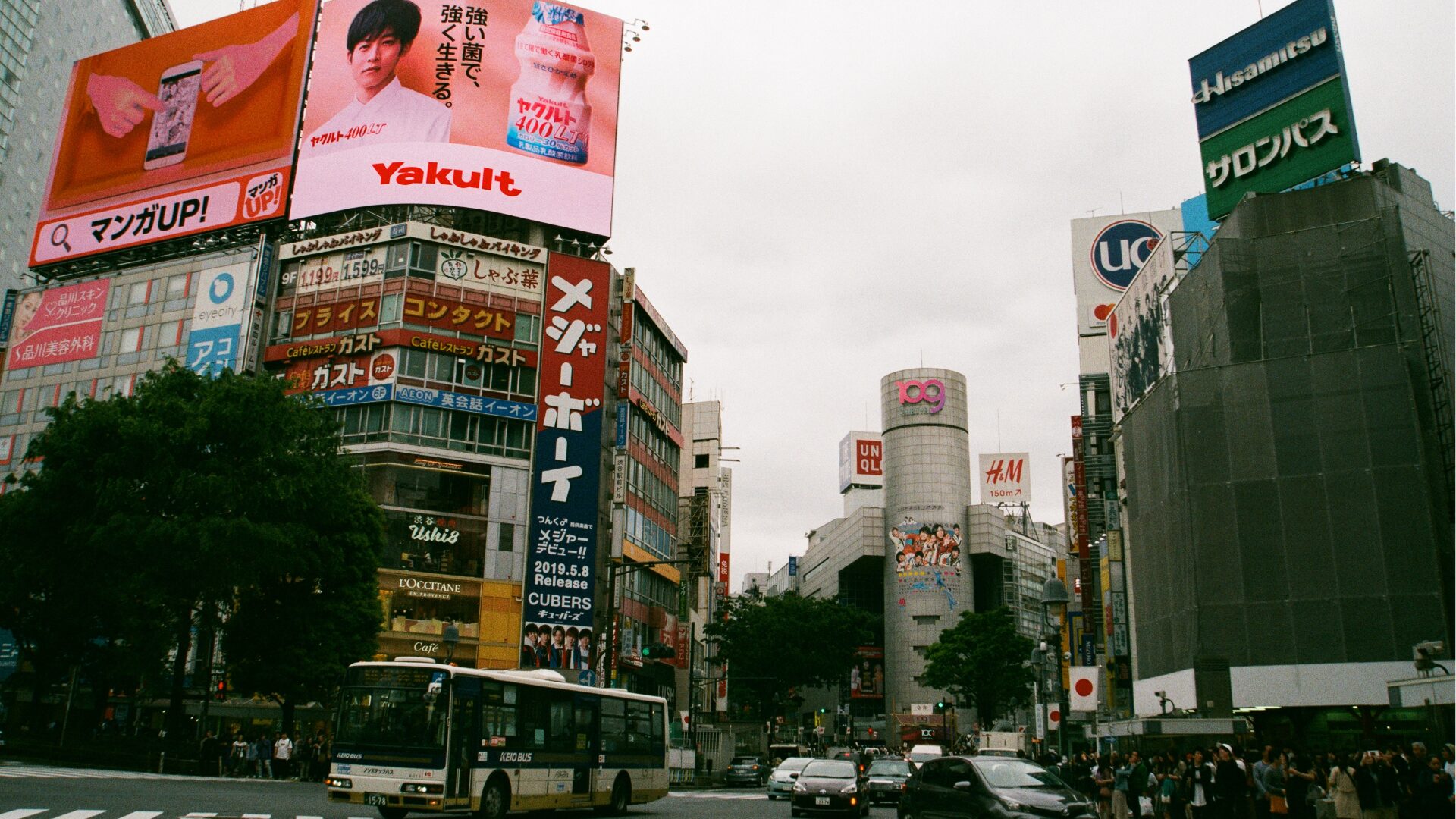
Shibuya is often introduced as Tokyo’s trend-and-nightlife district, but it can also be a surprisingly smooth place to explore with family—especially if you plan around crowds and choose stops with space to breathe. This guide focuses on practical, family-friendly things to do in Shibuya: iconic sights you shouldn’t miss, calm breaks that actually work with kids, rainy-day backups, and sample itineraries. Why Shibuya Works for Families Shibuya is compact, walkable, and packed with “high-impact” experiences that don’t require long travel time—perfect when you’re balancing energy levels and nap schedules. Efficient transportation hub: Multiple train lines converge at Shibuya Station, making it easy to start or end a day here. Instant Tokyo moments: The world-famous crossing, skyline views, and pop-culture shopping are all within a few blocks. Convenient facilities: Department stores, malls, and large complexes mean reliable restrooms, elevators, coin lockers, and indoor seating. The Best Family-Friendly Things to Do in Shibuya Below are the most reliable Shibuya activities for families, with notes on timing and what makes each stop kid-friendly. 1) See the Hachiko Statue and Shibuya Scramble Crossing This is the classic Shibuya “must-do,” and it’s easy to fit into any plan. Family tips Go early (around 9:00–10:30) for fewer crowds and easier photos. Hold hands through the crossing—there are a lot of moving people even when traffic is stopped. Treat the area as a quick hit rather than a long hangout; move to a calmer stop after photos. 2) Go Up to SHIBUYA SKY for Big-Reward City Views If your family can handle ...
2026/1/31
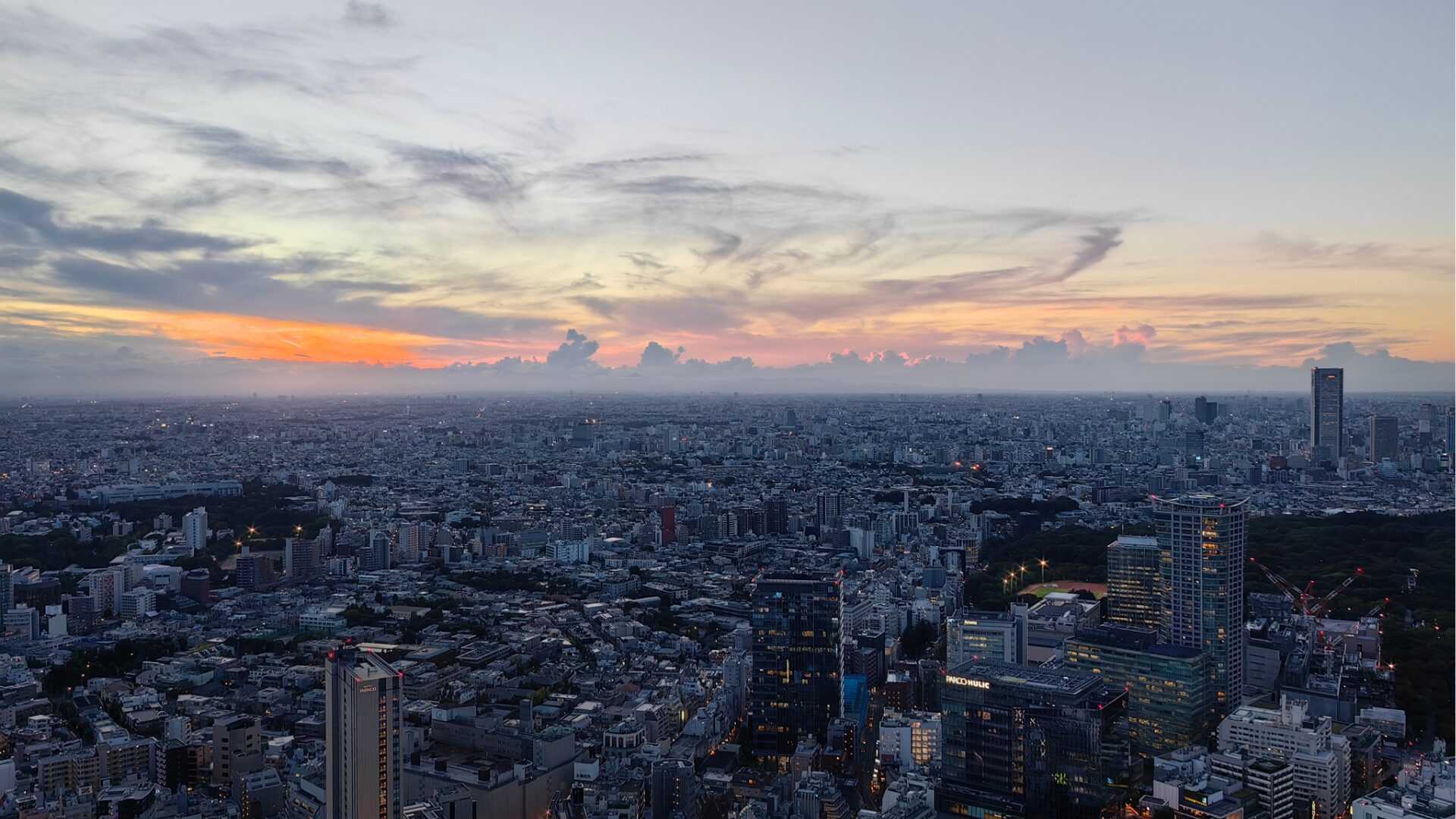
Shibuya is Tokyo after dark in its most iconic form: neon canyons, packed backstreets, rooftop views, and the kind of late-night energy that lasts long after the last department store closes. If you’re choosing one neighborhood to experience Tokyo nightlife for the first time, Shibuya is the safest bet—because it’s not one scene, it’s many scenes stacked within a few walkable blocks. This guide focuses on the best things to do in Shibuya at night, from classic landmarks to hidden alleys, plus one experience most travelers miss: pairing Shibuya nightlife with Tokyo’s JDM car culture at Daikoku PA. Why Shibuya is the best area in Tokyo at night Shibuya stays busy because it’s built for movement. Multiple train lines feed into Shibuya Station, and the nightlife spreads out in distinct “micro-areas,” each with its own vibe: Shibuya Scramble Crossing / Hachiko area: the postcard view, bright screens, constant motion. Center-Gai: loud, youthful, casual—arcades, fast food, street fashion. Dogenzaka: bars, clubs, music venues, and late-night eats. Miyashita Park: modern dining, nightlife, and a clean, open-air hangout space. Back alleys (yokocho): tiny bars where the night slows down and conversations start. If your goal is a night that feels unmistakably “Tokyo,” Shibuya delivers without complicated logistics. See Shibuya’s famous neon: the essential night walk Even if you’re not into nightlife, the simplest “must-do” is a self-guided Shibuya night walk. It’s free, photogenic, and gives you instant orientation. Start at Hachiko and the Scramble Crossing Meet up at the Hachiko Statue, watch the human flow build, and then ...
2026/1/27
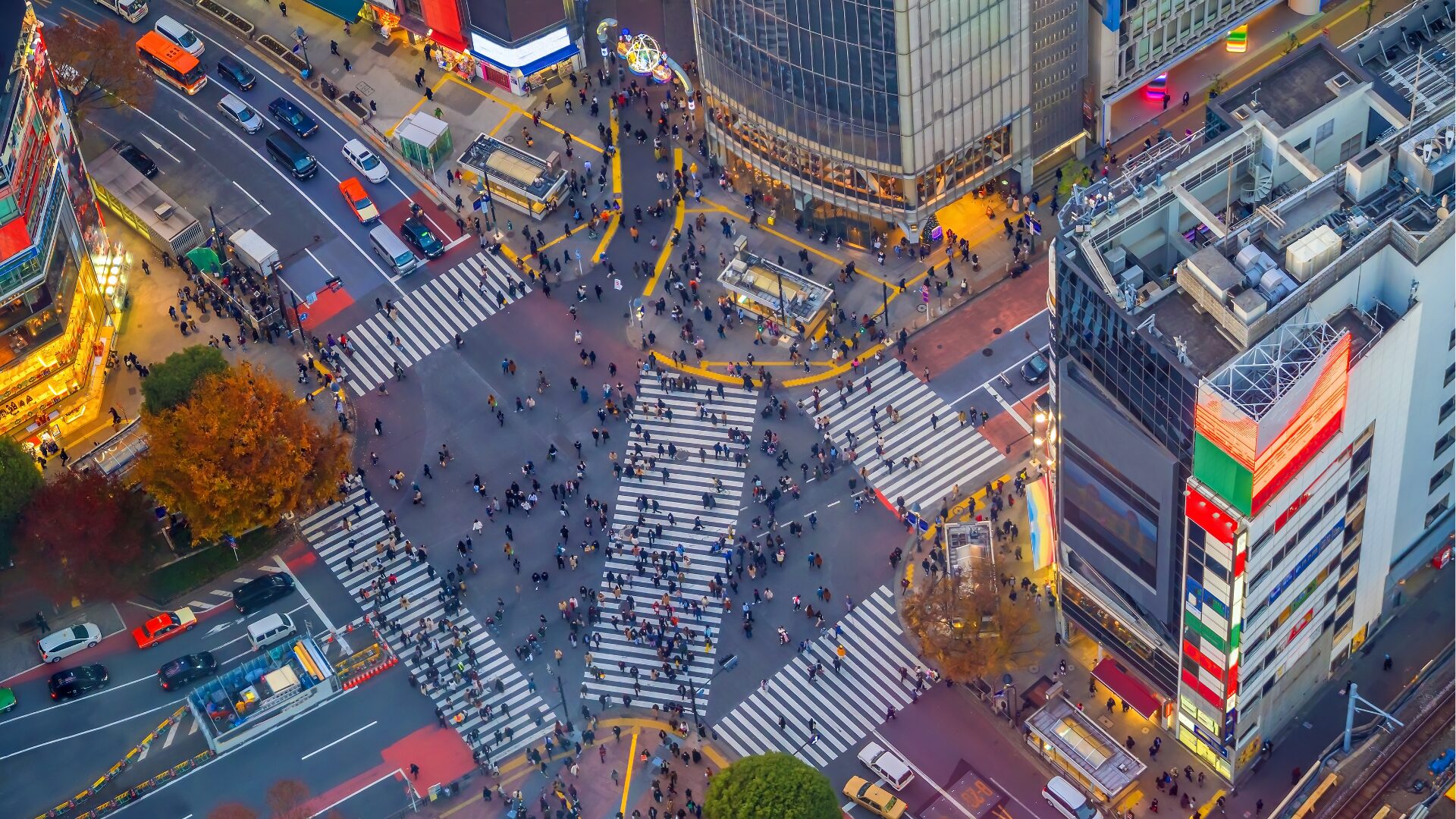
Looking for the best things to do in Shibuya? This practical, up‑to‑date guide covers essential sights, top experiences, food and nightlife picks, and smart itineraries—plus a seamless way to turn your Shibuya night into a once‑in‑a‑lifetime JDM car‑meet experience at Daikoku PA. What Is Shibuya? Shibuya is Tokyo’s youth‑culture capital and one of the city’s liveliest hubs, famous for neon‑lit streets, fashion‑forward shopping, and nonstop nightlife. Anchored by Shibuya Station and the world‑famous Scramble Crossing, the district radiates into micro‑neighborhoods—Center‑gai for street energy, Dogenzaka for late‑night venues, Cat Street for indie fashion, MIYASHITA PARK for rooftop green space, and Sakuragaokachō for calmer cafés. Essential Things to Do in Shibuya (First‑Timers) 1) Cross the Shibuya Scramble Watch the lights change and thousands of people swirl across the intersection—then head up to a café or viewpoint around the station for photos. 2) Meet Hachikō Pay respects to Tokyo’s most beloved dog at the Hachikō Statue just outside Shibuya Station—also a classic meeting point. 3) Catch Sunset at Shibuya Sky The observation deck crowns the skyline with open‑air city views. Time your visit for golden hour to watch Tokyo glow. 4) Explore Shibuya PARCO Home to flagship pop‑culture stores (think gaming, anime, streetwear) and excellent food halls—perfect for groups and families. 5) Stroll MIYASHITA PARK This reimagined urban park blends rooftop lawns, bouldering, skate culture, restaurants, and fashion into one easy stop. 6) Wander Center‑gai & Spain Slope Shop, snack, and people‑watch along these lively streets—great for fashion discoveries and quick bites. 7) Relax by the Shibuya River ...
2026/1/23
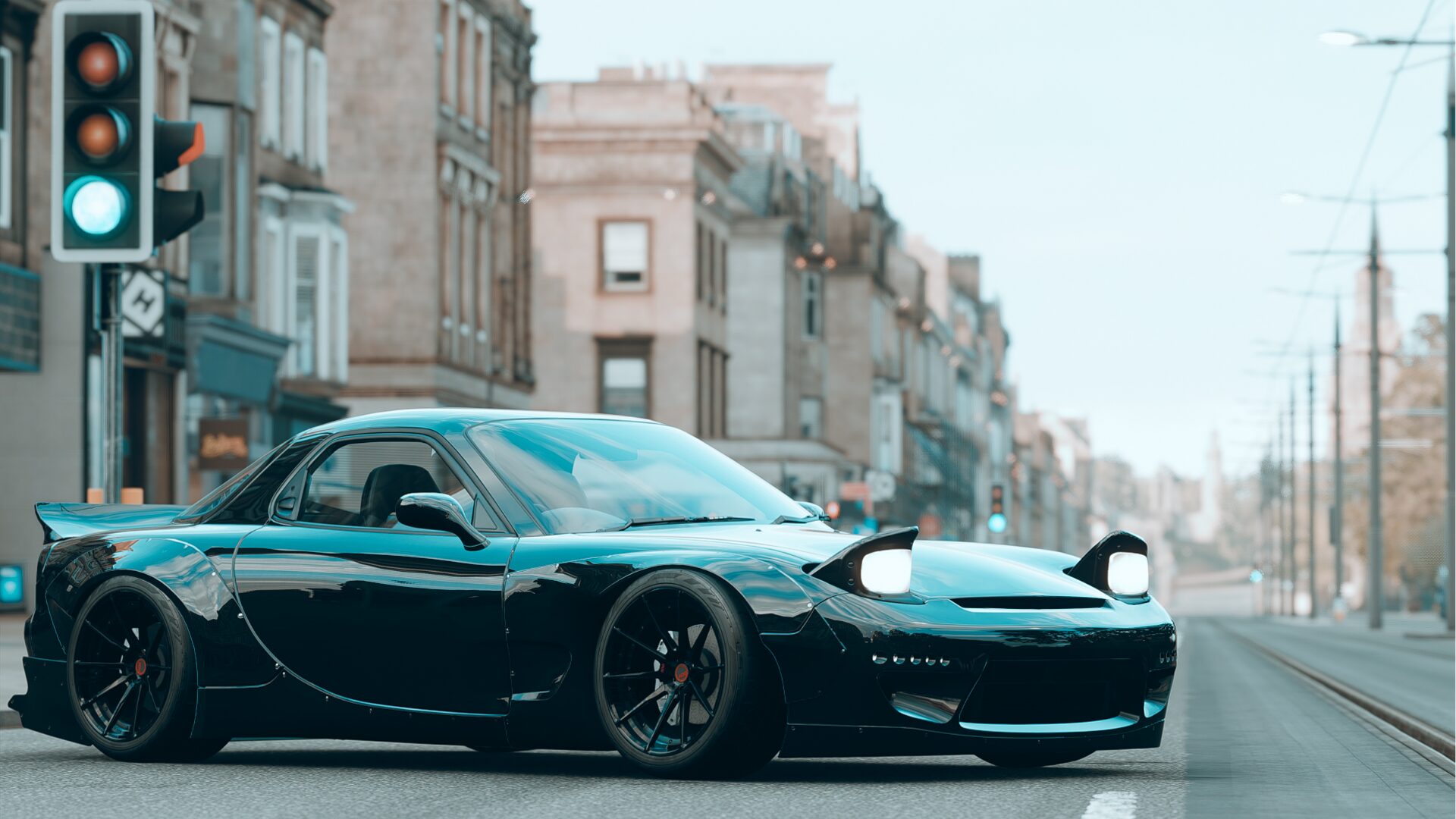
What is Liberty Walk Cafe? Liberty Walk Cafe (often styled “LB CAFE” or “JDM CAFE”) is the coffee-and-lifestyle extension of Liberty Walk—Japan’s globally recognized custom car brand behind widebody kits for everything from R35 GT‑R and A90 Supra to Aventador and Huracan. The cafe brings Liberty Walk’s garage‑to‑runway aesthetic into an accessible, family‑friendly space where you can sip espresso, browse official merchandise, and admire display cars and memorabilia. Beyond coffee, LB CAFE functions as a brand hub: you’ll find current apparel drops, mini‑car collectibles, and occasional pop‑up activations. Core locations revolve around Liberty Walk’s Nagoya Headquarter facility, with seasonal or regional “JDM CAFE” pop‑ups (e.g., Sapporo) expanding the lifestyle experience. Where is Liberty Walk Cafe? The primary, year‑round experience is at Liberty Walk Nagoya Headquarters in Owariasahi (Aichi Prefecture). This is the brand’s home base, and the cafe sits alongside the showroom and merchandise space—ideal for a full afternoon of cars, coffee, and shopping. In some years, Liberty Walk also operates limited‑time “JDM CAFE” activations in other cities (for example, Sapporo), announced via the official site and social channels. Address & usual hours (Nagoya HQ) Address: Liberty Walk Nagoya Headquarters, 1‑178 Setogawa‑cho, Owariasahi‑shi, Aichi 488‑0023, Japan. Typical hours: Late morning to early evening (around 10:00–19:00). Closures: Mondays and Tuesdays are commonly off; some holiday closures apply. Always confirm the latest opening times on official Liberty Walk channels before you go, as hours and event schedules can change. Menu: what to expect at Liberty Walk Cafe LB CAFE keeps the focus on café classics done right: ...

2026/1/22
Liberty Walk Nagoya is the brand’s headquarters and flagship showroom in Aichi Prefecture—an essential stop for anyone serious about JDM culture, widebody aesthetics, and LB★WORKS heritage. This guide covers access from Nagoya Station and Centrair, opening hours, photo etiquette, what you’ll actually see inside, and smart tips to make the most of a short visit. What Is Liberty Walk Nagoya? Liberty Walk Nagoya (often referred to as LBWK Nagoya HQ) is the home base of Liberty Walk in the Greater Nagoya area. Expect a rotating lineup of LB★WORKS demo cars, build parts, apparel, and limited-run merchandise that you won’t always find at other locations. Travelers commonly visit as a half‑day trip from central Nagoya before continuing on to other automotive attractions around Aichi. Address: 1-178 Setogawa‑cho, Owariasahi‑shi, Aichi 488‑0023, JapanTypical hours: 10:00–19:00; Closed on Mondays & Tuesdays (hours and closures can change around holidays and events—always check official channels before you go).Language: Basic English support is typically available; visual menus and product labels help. How to Get to Liberty Walk Nagoya (Train, Car, Taxi) Reaching the HQ is straightforward once you know the last‑mile options on the Meitetsu Seto Line. From Nagoya Station (fastest public transit) JR Chūō Line to Ozone (about 10 minutes). Transfer to Meitetsu Seto Line toward Owariseto. Get off at Sangō Station (三郷駅). Walk ~10–15 minutes to the showroom (flat neighborhood streets). Alternative from central Nagoya: Subway Higashiyama Line to Sakae, transfer via underground passages to Meitetsu Sakaemachi Station, then take the Meitetsu Seto Line to Sangō. Wayfinding tips Buy an ...
2026/1/20
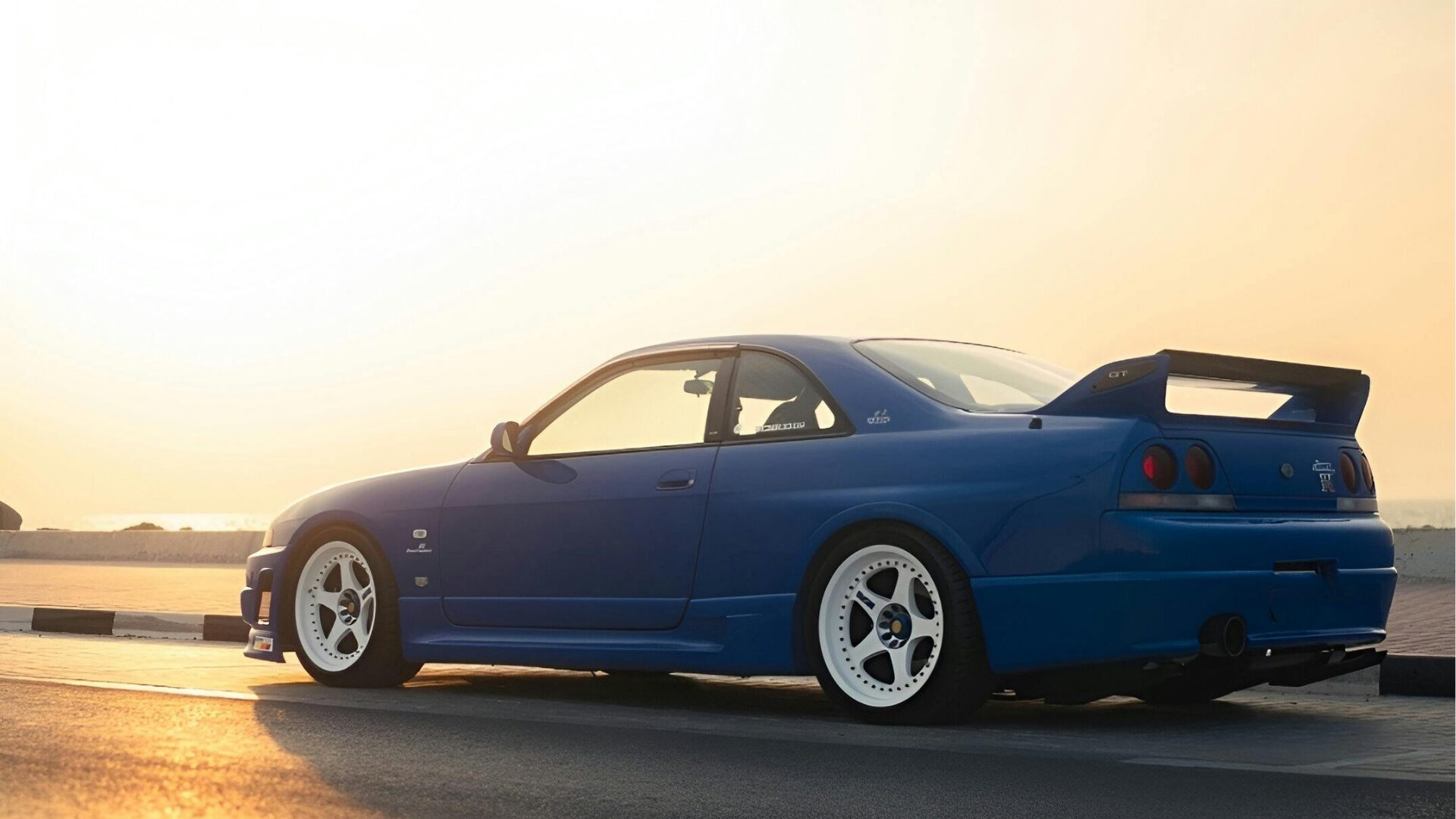
Tokyo is one of the world’s best backdrops for Liberty Walk builds—neon-lit expressways, mirror-like harbors, and late-night meets where widebody silhouettes and deep-dish wheels steal the frame. This guide explains where to find Liberty Walk cars in Tokyo, how to photograph them legally and respectfully, and how to combine your shoot with a Daikoku Parking Area (Daikoku PA) visit via our JDM tour. What is Liberty Walk—and why Tokyo is the ultimate stage Liberty Walk (LB☆WORKS / LBWK) is Japan’s globally loved tuner known for dramatic widebody kits and riveted fenders on icons like the Nissan GT‑R, Lamborghini Huracán, and GR86. Tokyo’s dense skyline, sodium-vapor highways, and thriving car‑meet culture deliver the perfect mix of gritty street and luxury gloss. For photographers, that contrast lets you produce editorial‑quality images in a single night. Typical LBWK scenes you can capture in Tokyo Stanced, widebody GT‑Rs idling under expressway loops Supercar builds refueling beneath fluorescent canopy lights Rolling shots on the Bayshore Route (Wangan) with bokeh cityscapes Calm, cinematic morning light on satin‑wrapped exotics Where to take Liberty Walk Tokyo photos (city + meet locations) You have two dependable sources: organized meets (where multiple LB builds often show up) and street/garage sightings. Prioritize: Daikoku Parking Area (Yokohama) — The most photographed car meet location in Japan; Liberty Walk builds appear frequently on weekends and event days. Tatsumi PA (Tokyo) — A favorite staging point for highway runs; spotless concrete, clean lines, and dramatic tunnel approaches. Odaiba / Aomi bayside streets — Wide roads and reflective water for ...
2026/1/19
What is Liberty Walk Osaka? Liberty Walk Osaka (often written as LBWK Osaka) is the official Liberty Walk store in the Kansai region. It carries the brand’s signature apparel, limited-run die-cast models, decals, and lifestyle goods, alongside occasional display cars wearing LB-WORKS aero. For international JDM travelers planning a culture-first route through Japan, this stop pairs naturally with a Daikoku PA night-meet tour in Yokohama. Liberty Walk Osaka Address and Hours Address (English): 1F, STAR HILLS, 1-3-13 Kitahorie, Nishi-ku, Osaka-shi, Osaka 550-0014, Japan Address (Japanese): 〒550-0014 大阪府大阪市西区北堀江1-3-13 STAR HILLS 1F Hours: Typically 11:00–20:00 (holiday hours may vary). Neighborhood notes: Kitahorie is just west of Shinsaibashi and America-mura, an area packed with indie boutiques, coffee shops, and creative studios—ideal for combining shopping and lunch. Liberty Walk Osaka 2nd Store (Sennan) Liberty Walk also operates OSAKA 2nd in Sennan City, south of central Osaka (Address: 1185-1 Shindachi Okanaka, Sennan-shi, Osaka 590-0523). The second location often features store-exclusive apparel and periodic anniversary or pop-up events. Always check official updates for current hours and event schedules. Which store should you choose? Osaka 1st (Kitahorie): Best for travelers staying in central Osaka—easy subway access, consistent hours, strong apparel and die-cast selection. Osaka 2nd (Sennan): Worth the trip if you’re chasing event days, special drops, or driving down to the seaside area in southern Osaka. How to Get to Liberty Walk Osaka (Kitahorie) From Namba/Shinsaibashi: Take the Osaka Metro Yotsubashi Line to Yotsubashi Station; walk a few minutes west to Kitahorie 1-chome. From Shinsaibashi, it’s a short walk or a single ...

2026/1/16
What is Liberty Walk? Liberty Walk (LBWK) is a Japanese tuning house and lifestyle label known for dramatic wide-body aesthetics, exposed-rivet overfenders, and race-inspired silhouettes. What began as a Nagoya-based custom shop has grown into a global brand spanning body kits, complete builds, apparel, collectibles, and headline-grabbing demo cars. For travelers, Liberty Walk is both a destination (flagship boutiques) and a living subculture you can watch at real street-level meets in Tokyo and Yokohama. Liberty Walk in Japan: Store & Location Overview Below is a traveler-focused overview of LBWK’s core touchpoints across Japan. Store displays, hours, and inventory change seasonally; confirm details before you go. LBWK HQ (Nagoya) The spiritual home of the brand and base for many hero builds. Visitors often find display cars, merch capsules, and the most complete range of aero catalogs. Aim for weekday daytime to avoid crowds. Liberty Walk Tokyo (Harajuku/Cat Street) A compact boutique-meets-showroom with rotating display cars and sought-after drops (tees, hoodies, caps, decals, 1:64–1:18 models). It’s the easiest add-on to a Daikoku PA night because you can shop by day and shoot cars by night. Liberty Walk Osaka Osaka’s scene blends LBWK styling with Kansai’s tuning DNA. Expect apparel, accessories, and occasional demo-car appearances. Some maps list a second Osaka location; treat this as a search term rather than a guarantee and verify before traveling. Pop-ups & Partner Retailers (Tokyo/Shinjuku and nationwide) LBWK frequently collaborates with fashion and toy retailers. Limited pop-ups, collab corners, and capsule drops can appear around Shinjuku, Umeda, Sapporo, and other hubs during ...
2026/1/27
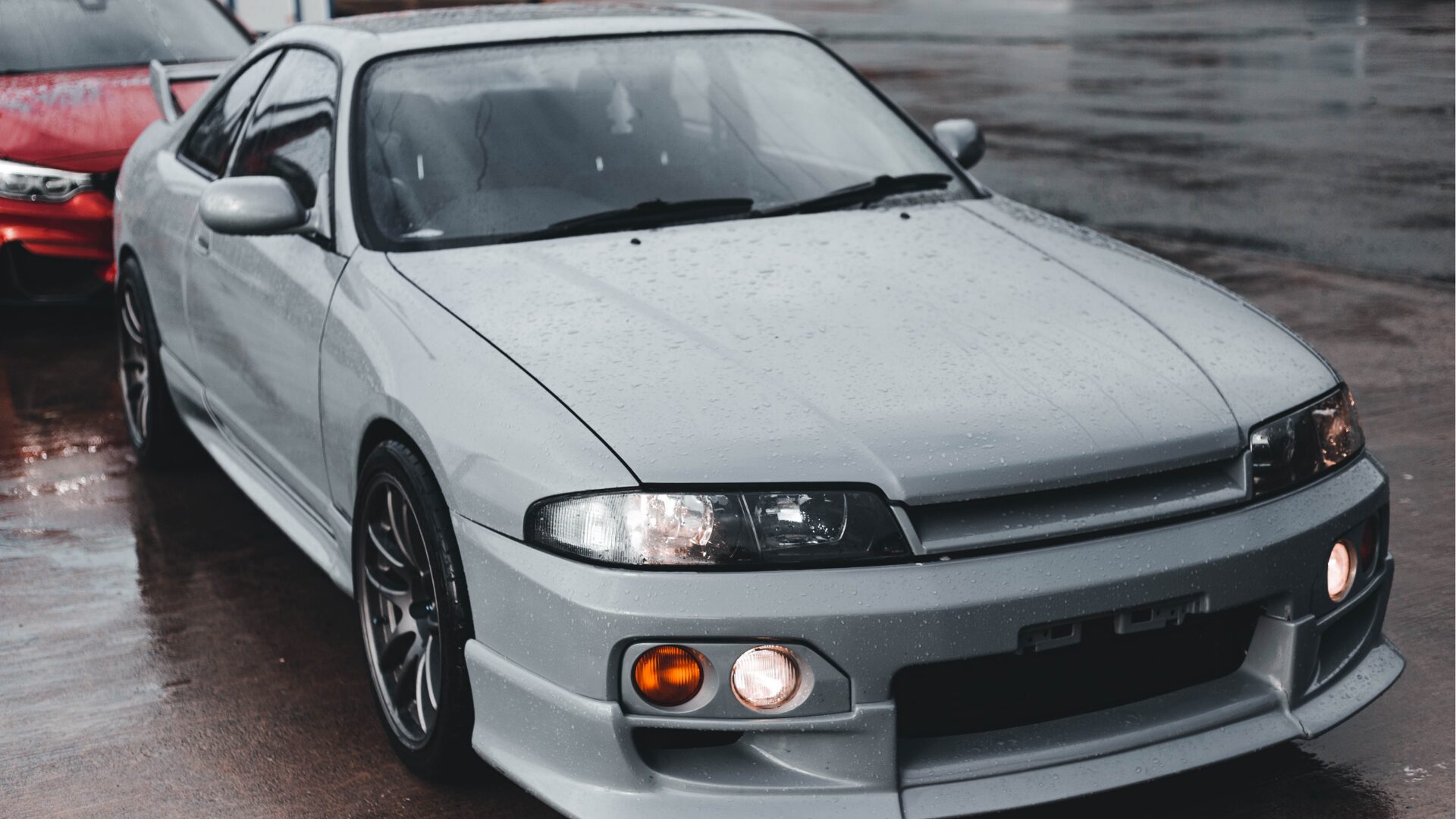
JDM drift is more than smoking tires and counter‑steer angles—it’s a living subculture that blends engineering, aesthetics, and community. If you’re planning a car‑centric trip to Tokyo or Yokohama and want to experience Japan’s drift scene correctly (and legally), use this guide to plan a night that delivers authentic cars, epic photos, and zero hassles—centered around Daikoku Parking Area (Daikoku PA), the capital’s most famous highway car‑meet hub. What Is JDM Drift? JDM (Japan Domestic Market) drift is the Japanese-born driving style that emphasizes controlled oversteer, precision throttle modulation, and smooth transitions through a corner. It grew from mountain‑pass (touge) runs and organized grassroots events into a globally recognized motorsport with dedicated cars, tires, and parts. A (very) brief history Early practitioners turned factory coupes into balanced, lightweight drift tools—think Toyota AE86, Nissan Silvia/180SX, and Mazda RX‑7. Track days and dedicated drift series popularized setups like limited‑slip differentials, coilovers, angle kits, and hydro e‑brakes, while media and games pushed the style worldwide. What makes a car “JDM drift” specific? Chassis: Nissan S‑chassis (S13/S14/S15), 180SX, Skyline (ER34), Toyota JZX90/100 (Chaser/Mark II/Cresta), AE86, Subaru/Toyota ZN6/ZN8, etc. Hardware: 2‑way LSDs, angle kits, clutch‑type diffs, big‑bore cooling, lockout hubs. Aero & wheels: BN Sports/Rocket Bunny bodywork, aggressive offsets, Work/Volk/SSR wheels—functional stance for clearance and grip. Cabin: Fixed‑back seats, multi‑point harnesses, hydro e‑brake levers, fire safety. Is Drifting Legal in Japan? Short answer: no on public roads, yes on closed circuits and legal events. Japan enforces road laws strictly—highway parking areas, surface streets, and touge roads are not for stunts. ...
2026/1/27
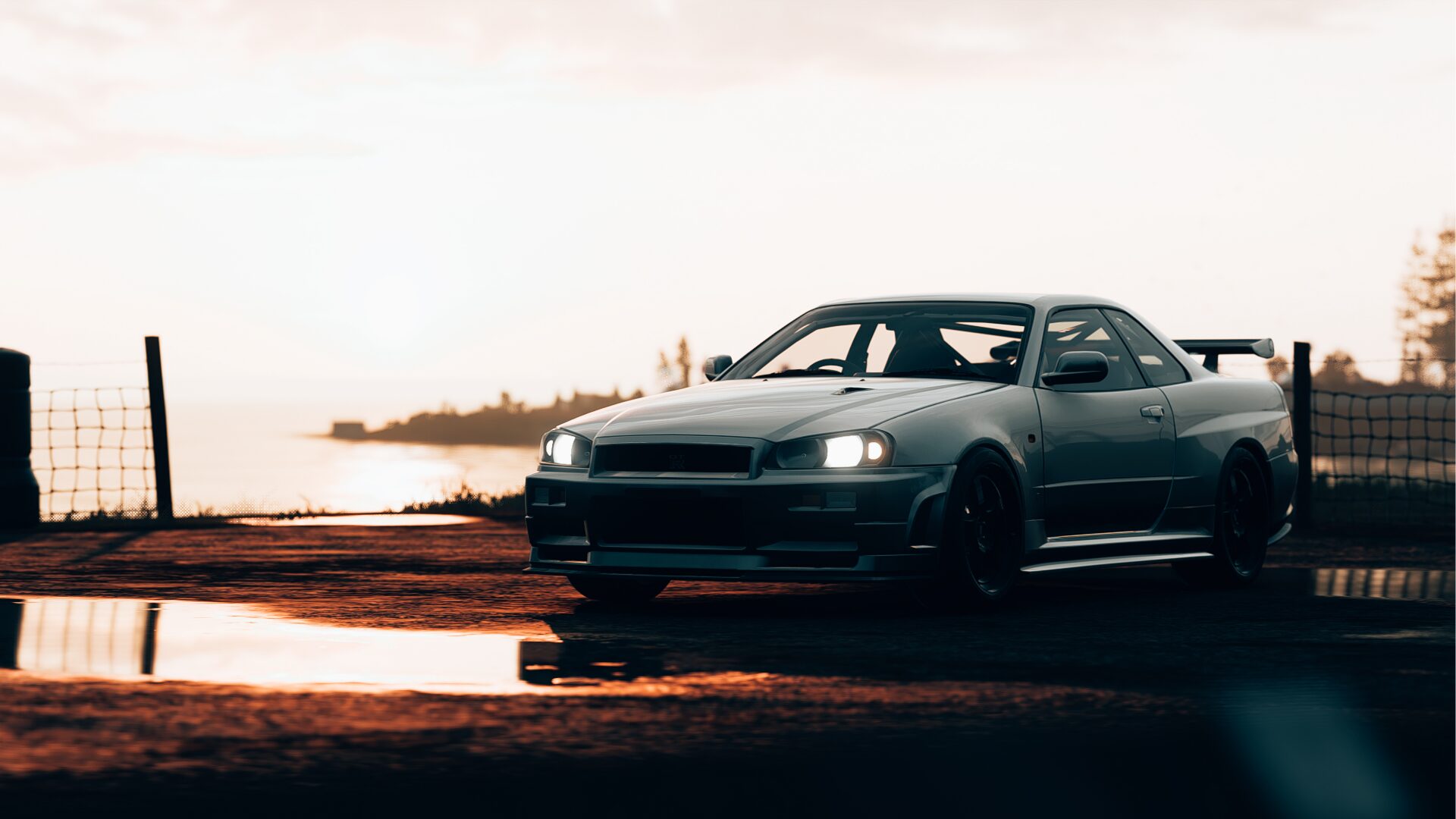
JDM culture is more than fast cars and late‑night meets—it’s a uniquely Japanese blend of craftsmanship, hospitality, and respect for the road. In this guide, you’ll learn what JDM culture really means, why Daikoku Parking Area (Daikoku PA) is its most iconic gathering spot, and how overseas visitors can experience it smoothly and responsibly. What Is JDM Culture? “JDM” stands for “Japanese Domestic Market,” originally describing vehicles and parts built for sale inside Japan. Over time, the term evolved into a global lifestyle: a shared language of engineering, tuning, and community centered on Japanese cars and the people who love them. At its heart: Authenticity: Factory‑fresh models and parts designed for Japan (from mirror placements to ECU maps), plus period‑correct wheels, aero, and interiors. Craftsmanship: Obsessive maintenance, tasteful modifications, and an emphasis on balance—power, reliability, and drivability. Community: Respectful meets, quiet behavior in residential areas, and a culture of helping one another with tools, translations, and parts sourcing. JDM vs. “Japanese Car Culture” vs. “Import Scene” JDM refers to Japan‑spec vehicles and parts; not every Japanese‑branded car sold globally is JDM. Japanese car culture is the broader lifestyle in Japan—meets, cruises, motorsport, shops, cafes, and museums. Import scene (overseas) grew around the desire to bring Japan‑spec cars or styling abroad. Many enthusiasts visit Japan to see the authentic scene and learn proper etiquette before bringing ideas home. A Short History of JDM Culture Japan’s post‑bubble tuning boom of the 1990s popularized high‑revving engines, lightweight chassis, and racing‑derived tech. Media, video games, and magazines amplified sub‑scenes—from ...