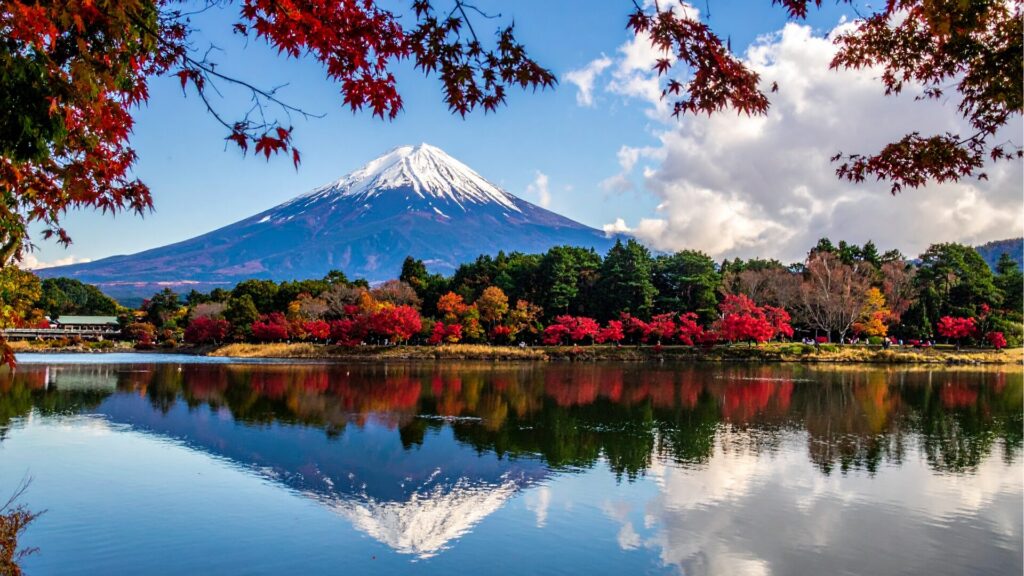
Why Finding the Best View of Mt Fuji Matters
Mount Fuji is Japan's most iconic natural landmark, yet seeing it clearly is never guaranteed. Cloud cover, haze, and seasonal conditions can obscure the mountain for days at a time. Choosing the right viewpoint — and visiting at the right time — dramatically increases your chances of witnessing that perfect, symmetrical silhouette. This guide covers the 15 best viewpoints around Mt Fuji in 2026, organized by region, so you can plan the most rewarding itinerary possible.
-

-
Mt Fuji: The Ultimate 2026 Guide to Japan's Iconic Mountain
Why Mt Fuji Captivates Millions of Visitors Every Year Mt Fuji — or Fujisan (富士山) as it is known in Japanese — stands at 3,776 meters (12,389 feet), making it the tallest peak in Japan. Its near-perfect symmetrical cone, capped with snow for much of the year, has been a symbol of Japan for centuries. In 2013, UNESCO designated Mt Fuji as a World Cultural Heritage Site, recognizing not just its geological significance but its deep influence on Japanese art, literature, and spirituality. Whether you want to climb to the summit, photograph the mountain from a picturesque lake, soak in ...
続きを見る
Best Time of Year and Day to See Mt Fuji Clearly
Before choosing a viewpoint, understand when visibility peaks. Mt Fuji is most visible during the colder months — from late November through February — when the air is dry, cold, and crisp. Spring (late March to mid-April) also offers excellent conditions, with the added bonus of cherry blossoms framing the mountain. Summer is the worst season for visibility due to humidity, haze, and persistent cloud buildup around the summit.
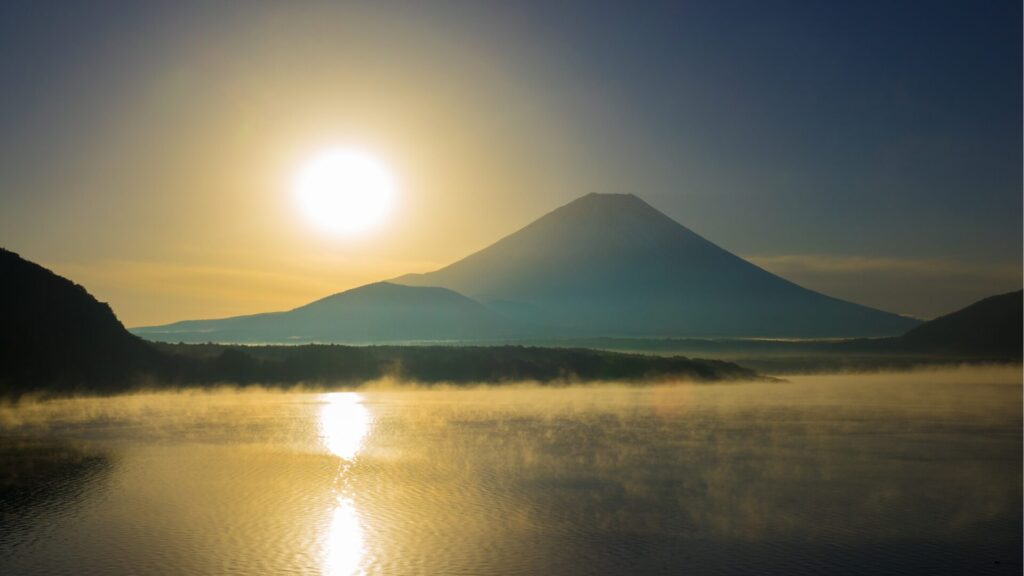
Time of day matters equally. Early morning, just after sunrise, consistently delivers the clearest skies. Winds overnight tend to push clouds away, leaving a narrow window of pristine visibility that often closes by mid-morning. If you are serious about photography or simply want a guaranteed sighting, plan to arrive at your chosen viewpoint before dawn.
Kawaguchiko Area — The Classic Fuji Viewpoints
Lake Kawaguchiko North Shore
The northern shore of Lake Kawaguchiko is arguably the single most popular location for viewing Mt Fuji. The mountain rises directly across the water, and on calm mornings you can capture the legendary "inverted Fuji" — a perfect reflection on the lake surface. Ōishi Park, located along this shore, adds seasonal lavender and herb gardens to the foreground. The Kawaguchiko Music Forest is another nearby spot with European-style gardens framing the volcano.
-
-
Fuji Five Lakes: The Complete 2026 Guide to the 5 Lakes of Mt Fuji
What Are the 5 Lakes of Mt Fuji? The Fuji Five Lakes — known as Fujigoko (富士五湖) in Japanese — are a group of five lakes situated at the northern base of Mt Fuji in Yamanashi Prefecture. Formed by ancient lava flows from Mt Fuji's eruptions that dammed natural river valleys, these lakes have been a cornerstone of Japanese landscape appreciation for centuries. Together, they form one of the most scenic regions in all of Japan and serve as the primary vantage point for iconic views of the mountain. The five lakes are Lake Kawaguchiko, Lake Yamanakako, Lake Saiko, Lake ...
続きを見る
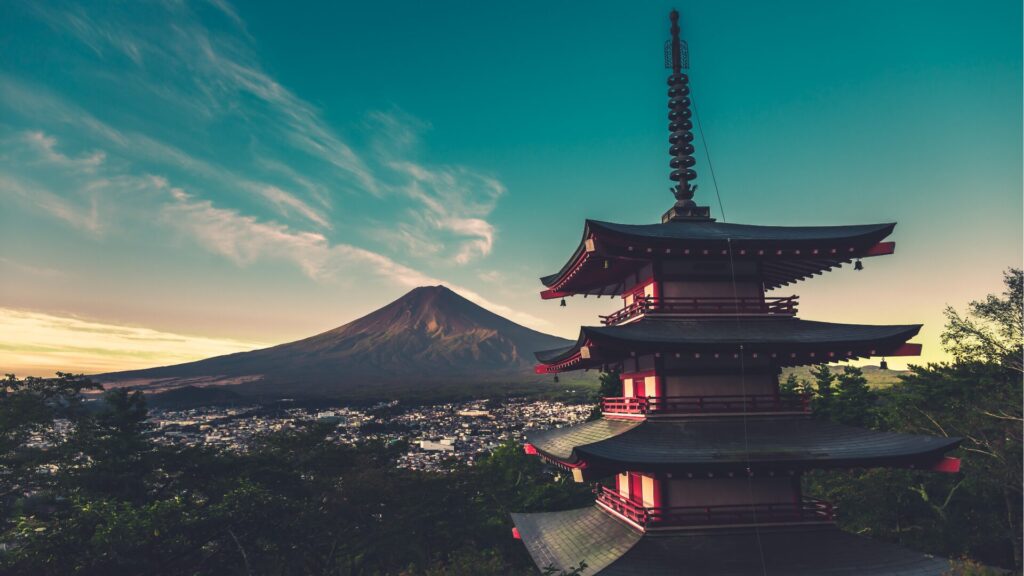
Chureito Pagoda (Arakurayama Sengen Park)
Chureito Pagoda in Fujiyoshida is one of the most photographed spots in all of Japan. A five-story pagoda stands on a hillside with Mt Fuji directly behind it. During cherry blossom season in early April, the combination of pink sakura, the red pagoda, and the snow-capped mountain creates a scene that epitomizes Japan. Be warned: this spot has become extremely popular. Arriving before 6:00 AM is essential to secure a good position, especially on weekends.
Lake Kawaguchiko Tenjo-Yama (Mt. Kachi Kachi Ropeway)
The Kachi Kachi Ropeway carries visitors from the eastern shore of Lake Kawaguchiko to an observation deck at 1,075 meters elevation. From here, you get a sweeping panorama that includes Fuji, the lake below, and the surrounding Fuji Five Lakes region. The elevated angle provides a unique perspective that ground-level viewpoints cannot match. An additional 20-minute hike from the ropeway station leads to an even higher vantage point.
Hakone — Fuji Views Combined with Hot Springs
Owakudani Valley
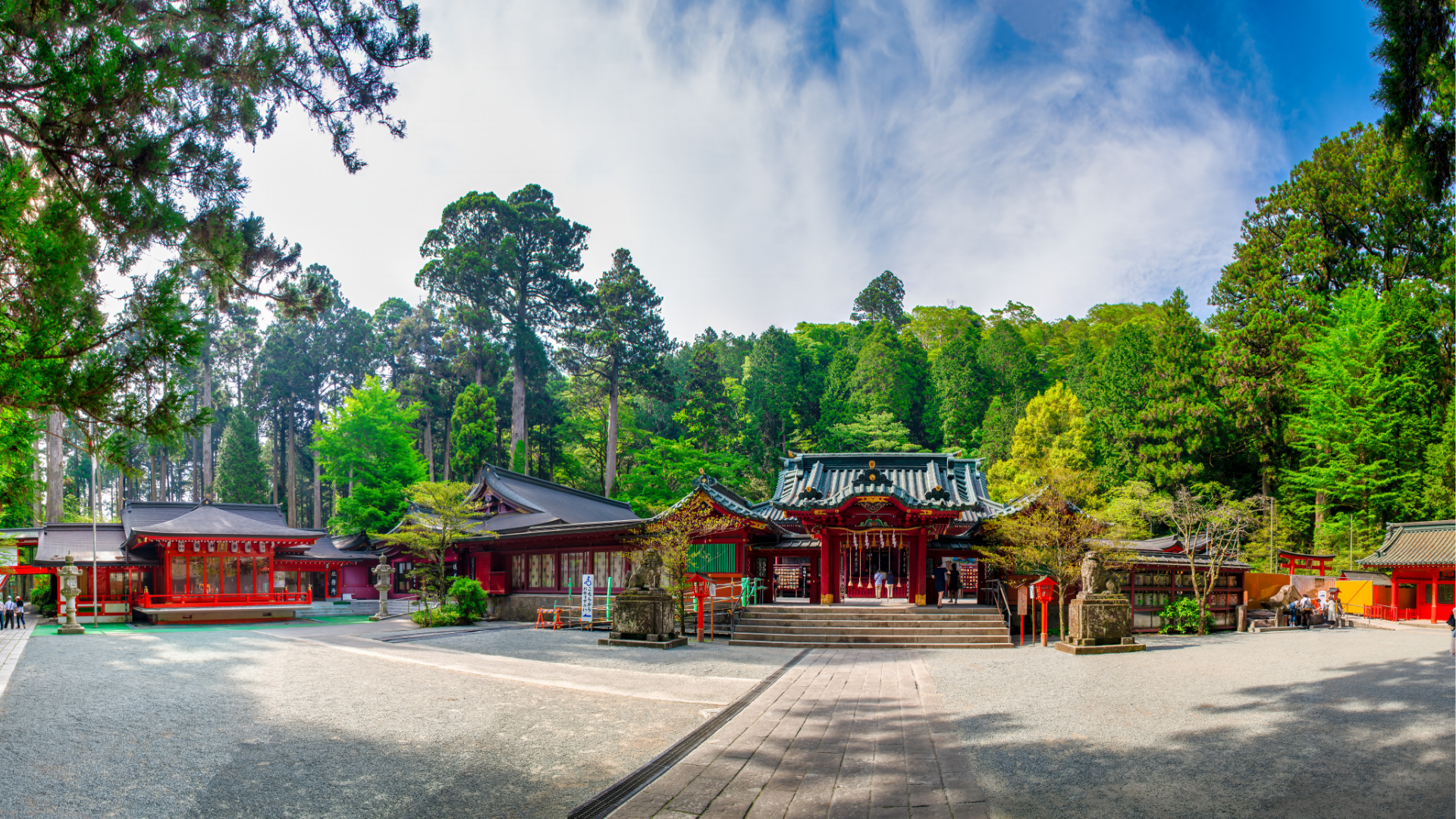
Owakudani is a volcanic valley with active sulfur vents and steaming hot springs. The Hakone Ropeway passes directly over this dramatic landscape, and on clear days, Mt Fuji looms majestically behind the plumes of volcanic steam. The contrast between the barren, sulfurous terrain and Fuji's serene snowcap makes this one of the most visually striking viewpoints anywhere. It is also famously the place to eat black eggs boiled in sulfuric water, said to add seven years to your life.
Lake Ashi (Ashinoko)
Lake Ashi offers a quintessential Hakone experience: a vermillion torii gate standing in the water with Mt Fuji in the background. The view is best captured from the Moto-Hakone side of the lake or from one of the sightseeing cruise boats. Winter mornings provide the clearest conditions. The drive from Tokyo to Hakone takes roughly 90 minutes, making it an accessible day trip for those with a car.
-

-
Rent a Car Tokyo to Hakone Onsen: Complete Driving Guide for Visitors
Why Drive from Tokyo to Hakone Onsen? Renting a car gives you door‑to‑door access to hot spring towns, ryokan with private baths, and scenic viewpoints that are difficult to reach by train or bus. A car also lets you time onsen visits to avoid crowds, bring luggage without transfers, and combine Hakone with outlets, wineries, or Mt. Fuji photo spots in a single loop. When Is the Best Time to Drive to Hakone? Hakone is a year‑round destination. Weekdays outside national holidays are best for smooth traffic. Peak congestion times include Saturday mornings outbound from Tokyo and Sunday evenings inbound. ...
続きを見る
Shizuoka Prefecture — The Southern Perspective
Miho no Matsubara
This UNESCO World Heritage–listed pine grove sits along a black sand beach on Suruga Bay. It has been celebrated in Japanese art for centuries, most notably in Hokusai's ukiyo-e prints. The pine trees create a natural frame for Mt Fuji across the bay. The viewpoint is best in the early morning when the rising sun illuminates the mountain from behind you. Miho no Matsubara is located in Shimizu, Shizuoka City, and is easily accessible by car.
Nihondaira Plateau
Nihondaira is a hilltop plateau south of Shizuoka City that was voted the top scenic spot in Japan in a national survey. On a clear day, the panoramic view extends from Suruga Bay to the Izu Peninsula, with Mt Fuji dominating the northern horizon. The Nihondaira Yume Terrace observation facility, designed by architect Kengo Kuma, features floor-to-ceiling glass walls and an open rooftop terrace. It is free to enter.
Satta Pass (Satta Toge)
Satta Pass is a dramatic cliff-side viewpoint on the old Tokaido road between Shizuoka and Shimizu. The view here layers Mt Fuji, Suruga Bay, and the Tomei Expressway in a single frame — a composition made famous by Hiroshige's woodblock print series "The Fifty-Three Stations of the Tokaido." It is one of the most photogenic spots in Japan for those who appreciate the juxtaposition of nature and modern infrastructure.
Yamanashi Prefecture — Off-the-Beaten-Path Gems
Lake Tanuki (Tanukiko)
Lake Tanuki sits at the western base of Mt Fuji in Fujinomiya. It is far less crowded than the Kawaguchiko area and offers one of the best "double diamond" Fuji moments — a phenomenon where the setting sun aligns perfectly with the summit and reflects on the lake surface. This occurs only during specific dates in late April and mid-August. Even outside those dates, the lake provides a serene, undisturbed reflection of the mountain.
Oshino Hakkai
Oshino Hakkai is a set of eight crystal-clear spring-fed ponds in the village of Oshino, between Lake Kawaguchiko and Lake Yamanakako. The village retains a traditional thatched-roof aesthetic, and Mt Fuji towers above the rustic rooftops. It feels like stepping into a living postcard. Early morning visits avoid the tour bus crowds that arrive by midday.
Lake Shoji (Shojiko)
The smallest and least developed of the Fuji Five Lakes, Lake Shoji offers a tranquil atmosphere that the larger lakes have lost to tourism. The western shore gives an unobstructed frontal view of Mt Fuji across the water. Camping and fishing are popular here, and the lack of commercial development means minimal light pollution — making it excellent for astrophotography with Fuji in the foreground.
Unique and Elevated Viewpoints
Mt Fuji 5th Station
While most people think of the 5th Station as a starting point for climbing, it is also a spectacular viewpoint in its own right. At 2,300 meters, you are above the clouds on many days, looking out over a sea of white with distant mountain ranges poking through. Note that during climbing season (July–September), the Subaru Line road is closed to private vehicles, and you must use shuttle buses from Kawaguchiko.
-
-
Mt Fuji 5th Station: Complete 2026 Visitor Guide to Elevation, Access, and What to Expect
What Is the Mt Fuji 5th Station? The Mt Fuji 5th Station is the most popular gateway to Japan's iconic peak, sitting at approximately 2,305 meters (7,562 feet) above sea level on the Yoshida Trail — the mountain's most frequently used climbing route. Located on the Yamanashi Prefecture side (Subaru Line 5th Station), it serves as both the starting point for summit climbers and a world-class sightseeing destination in its own right. Every year, millions of visitors — many with no intention of climbing — travel here simply to experience the dramatic alpine landscape, shop for souvenirs, and peer above ...
続きを見る
Shin-Fuji Shinkansen Platform
For travelers passing through on the Tokaido Shinkansen, the Shin-Fuji Station area offers a fleeting but memorable view. If you have time to stop, the area around the station — particularly the elevated pedestrian decks — provides an unobstructed line of sight to Fuji. It is not a destination viewpoint, but for bullet train riders, knowing to look right (heading west) between Mishima and Shin-Fuji stations ensures you do not miss the mountain.
Fumotoppara Campground
This vast, open campground at the western base of Mt Fuji has become legendary among Japanese campers and photographers. The completely flat, treeless field gives an uninterrupted view of the entire mountain from base to summit. At sunrise, the alpenglow turns the snow-capped peak a deep pink. Fumotoppara requires a reservation and is accessible only by car, which adds to its exclusive, uncrowded feel.
How to Maximize Your Chances of a Clear View
- Check webcams before going: Several live webcams around the Fuji Five Lakes region broadcast real-time conditions. Check these the morning of your visit to avoid a wasted trip.
- Prioritize winter and early spring: Late November through March offers the highest probability of visibility. The snow-capped peak is also at its most photogenic during these months.
- Arrive before sunrise: The window of best visibility is typically from dawn to mid-morning. Cloud formation accelerates as the day warms.
- Avoid typhoon season: Late August through October brings frequent storms and overcast skies that can obscure Fuji for days.
- Have a backup plan: Even in ideal seasons, Fuji can hide. Plan two or three viewpoints on different days to improve your odds.
Getting to These Viewpoints from Tokyo
Most of the best Mt Fuji viewpoints are located within a 90-minute to two-hour drive from central Tokyo. The Kawaguchiko and Yamanashi viewpoints are reached via the Chuo Expressway, while Hakone and Shizuoka viewpoints follow the Tomei Expressway. Having your own vehicle provides the greatest flexibility, especially for early-morning arrivals when public transport is not yet running. Driving also lets you chain multiple viewpoints into a single day — starting at Chureito Pagoda at dawn, moving to Lake Kawaguchiko by mid-morning, and finishing at Oshino Hakkai before lunch, for example.
-
-
Drive from Tokyo to Kawaguchiko Onsen: The Ultimate Self-Drive Guide for Overseas Visitors
Planning to drive from Tokyo to Kawaguchiko onsen? This in‑depth guide covers routes, permits, parking, tolls, itineraries, and seasonal tips—everything you need to enjoy Lake Kawaguchiko and Mt. Fuji hot springs by rental car. Why Drive from Tokyo to Kawaguchiko Onsen? Driving gives you freedom to stop at scenic viewpoints, lesser‑known onsen ryokan, and cafés around the Fuji Five Lakes. Compared with trains and buses, a car lets you combine multiple sights in one day, travel early or late to avoid crowds, and carry luggage with ease. Quick Facts Distance & time: ~110–140 km from central Tokyo; 2–2.5 hours in ...
続きを見る
Final Thoughts on Finding the Perfect Fuji View
There is no single "best" view of Mt Fuji — the ideal viewpoint depends on the season, the time of day, and what kind of experience you are looking for. Chureito Pagoda delivers the most iconic composition. Lake Kawaguchiko offers the best reflection shots. Satta Pass provides historical depth. And Fumotoppara gives raw, unfiltered proximity. Whatever your preference, the key ingredients remain the same: clear skies, an early start, and a willingness to chase the mountain across multiple locations if necessary. Mt Fuji rewards patience and planning, and seeing it in full glory is one of the most unforgettable moments Japan has to offer.
Experience Japan’s Finest JDM Adventures
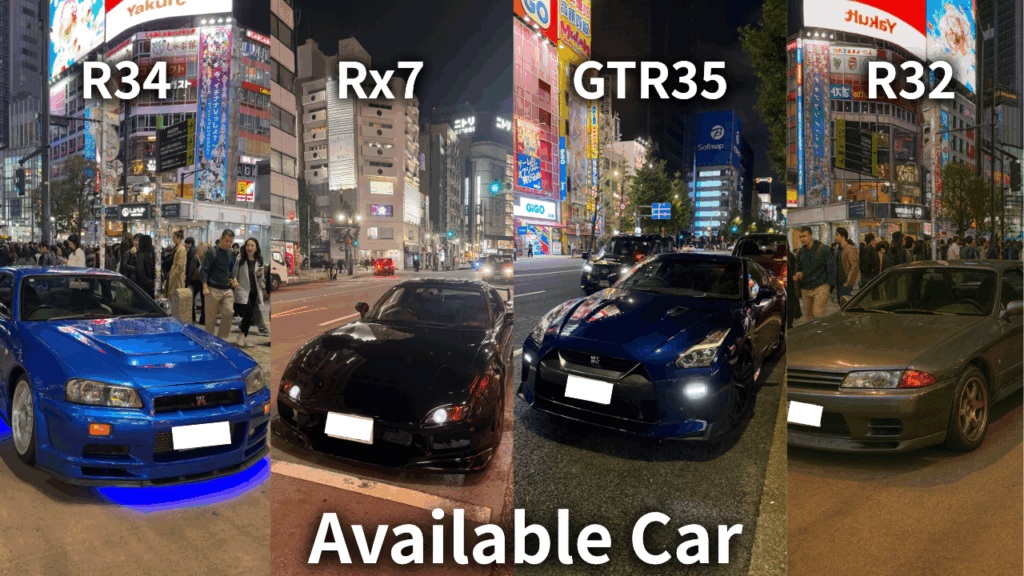
From Daikoku PA tours to JDM sports car rentals and drift experiences, we offer premium driving adventures for visitors who want more than ordinary sightseeing.
Get behind the wheel of iconic machines such as the GT-R, RX-7, and Supra, and experience Japan’s legendary car culture in the most unforgettable way. Whether you want a scenic Tokyo car experience or something more thrilling and immersive, we can guide you to the right plan.
Not sure which experience suits you best? No problem. Message us on WhatsApp and we’ll help you choose the ideal option based on your travel plans, interests, and driving experience.
Popular dates sell out quickly, so we recommend contacting us early.
Customer Reviews
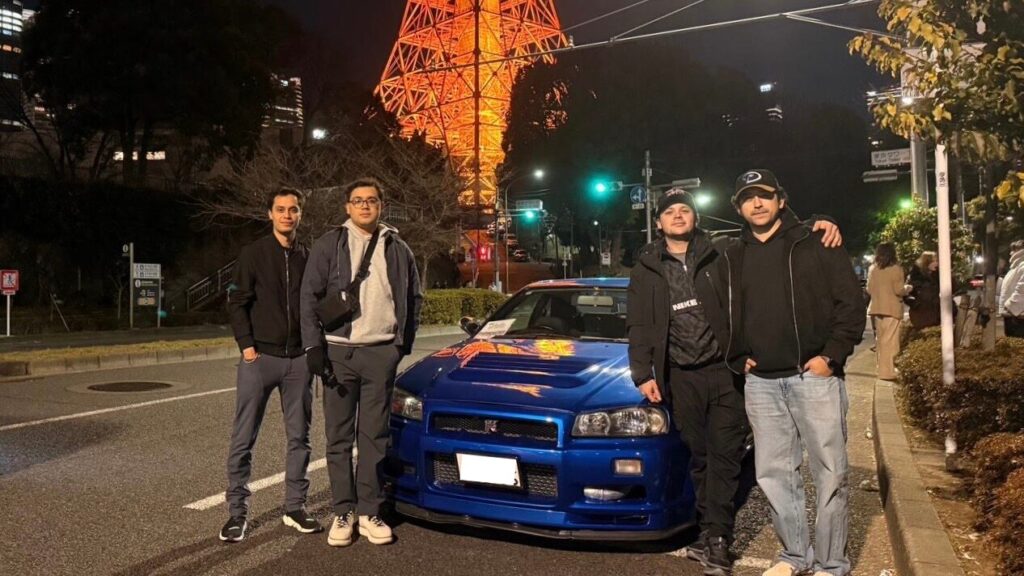
Important Information
- This is a drive tour where you drive your rental car, and our guide navigates from the seat.
- This is a self-drive tour where you drive your rental car, and our guide navigates from the passenger seat.
- The tour begins and ends at the same location (Shibuya).
- If the Daikoku Parking Area is closed, we will instead guide you to another car meet further away.
- The consultant is a cultural expert and navigator, not a taxi service.
