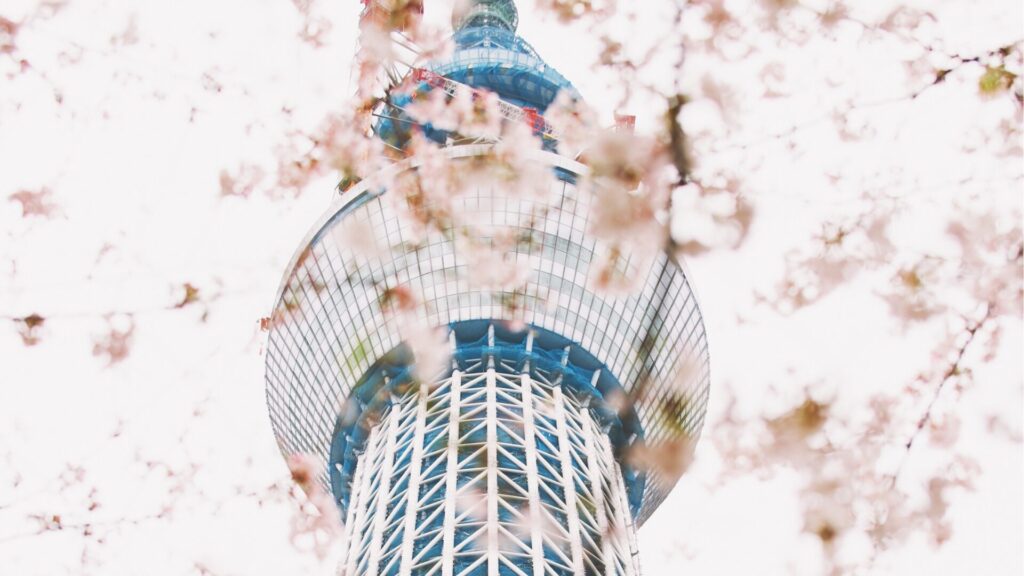
Searching “cherry blossom Tokyo now” usually means you’re trying to make a time-sensitive decision: Is it blooming yet, where should I go today, and what’s the smartest plan so I don’t waste a precious day in Tokyo?
This guide is built to answer that fast—then help you plan a full, high-impact itinerary. You’ll learn how to check Tokyo’s current bloom status, pick the best cherry blossom spots for your travel style, avoid the worst crowds, and finish your day with a uniquely Tokyo experience: the JDM car meet scene at Daikoku PA.
Are cherry blossoms blooming in Tokyo right now?
Tokyo’s “right now” depends on which month you’re here and which cherry variety you’re hoping to see.
If you’re visiting in January–February
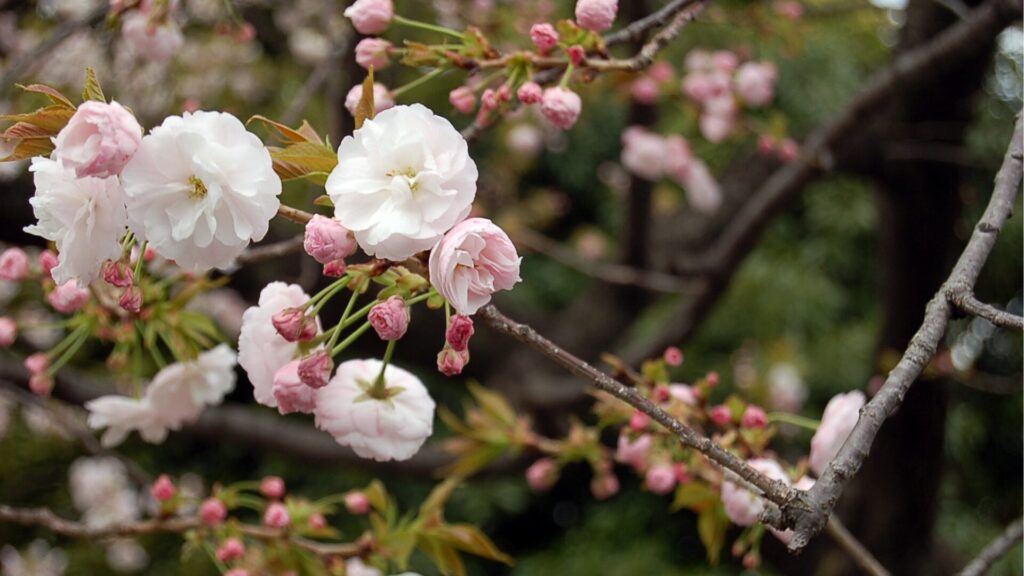
- The famous Somei Yoshino trees (the “classic” sakura most people picture) usually aren’t in bloom yet.
- You can still find early-bloom varieties in select Tokyo parks and gardens—especially places that grow multiple cherry species.
If you’re visiting in late March–early April
- This is Tokyo’s main cherry blossom season.
- You’re likely to see flowering start, then reach full bloom about one week later (weather can speed this up or slow it down).
If you’re visiting in mid-April
- You may have missed the peak Somei Yoshino window, but Tokyo still has late-bloom varieties and gardens with staggered blooming.
Bottom line: For an accurate “Tokyo sakura now” answer, don’t rely on a single citywide date. Use a forecast to understand the big picture—and then confirm your specific location on the day.
Tokyo cherry blossom timing and forecast (what to expect this season)
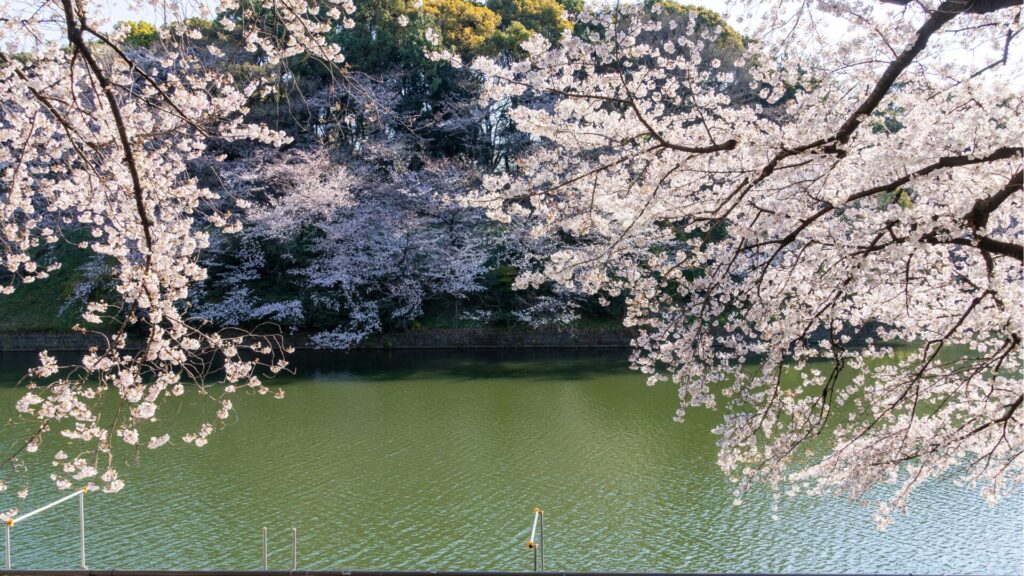
Tokyo’s sakura season is brief because the most common varieties bloom quickly and peak for only a short period.
The typical pattern
- Flowering (first blossoms): usually in late March
- Full bloom: generally about 7–10 days after flowering
- Best viewing window: often 7–10 days total, but rain and wind can shorten it
Why dates shift every year
Temperature swings can speed up or slow down the bloom. That’s why the most reliable approach is:
- use a citywide forecast for the big picture, then
- confirm your exact spot on the day
-

-
Tokyo Cherry Blossoms 2026: Forecast Dates, Best Hanami Spots, and a Perfect Night at Daikoku PA
Tokyo’s sakura season is short, crowded, and absolutely worth planning around—especially in 2026, when peak bloom is expected to land in late March. This guide focuses on what travelers actually need: the latest forecast window, the best places to see cherry blossoms in Tokyo, how to avoid the worst crowds, and how to pair your hanami days with one of the most unforgettable Tokyo nights—an evening visit to Daikoku PA, the legendary JDM car meet. 2026 Tokyo Cherry Blossom Forecast: When Will Sakura Peak? If you’re searching for “cherry blossom Tokyo 2026”, the timing question is the biggest one—because the ...
続きを見る
How to check cherry blossoms in Tokyo today (reliable, travel-proof method)
-
-
Cherry Blossom Tokyo: The Best Sakura Spots, Night Views, and a Perfect Finish at Daikoku PA
Tokyo’s cherry blossom season (sakura) is one of the most iconic travel moments in the world—parks turning pastel pink, rivers lined with blossoms, and nighttime illuminations that feel unreal. If you’re planning cherry blossom Tokyo as the centerpiece of your trip, you can make it even more memorable by pairing classic hanami (flower viewing) with a side of Tokyo’s world-famous car culture. This guide covers the best places to see cherry blossoms in Tokyo, how to time your visit, where to enjoy yozakura (night blossoms), and how to plan a smooth itinerary that ends with an unforgettable night at Daikoku ...
続きを見る
If you only do one thing from this guide, do this. It prevents “wrong-day” disappointment and saves hours.
Step 1: Check a reputable citywide sakura forecast
Use a forecast that updates regularly during the season. This tells you whether Tokyo is in:
- pre-bloom
- early flowering
- near peak
- post-peak
Step 2: Confirm your exact location the same day
Even within Tokyo, bloom timing can vary by microclimate and species. Confirm the spot you’re actually visiting via:
- official park notices (especially for gardens with crowd control)
- tourism pages announcing festivals and illumination periods
- same-day photos with location tags (look for clear timestamps)
Step 3: Choose a “high-success” spot if timing is uncertain
If you’re traveling on fixed dates and can’t “chase the peak,” prioritize locations that have multiple cherry varieties, because at least one variety is usually blooming.
- large gardens
- expansive parks with many species
- areas known for staggered blooming
Best cherry blossom spots in Tokyo (choose based on your style)
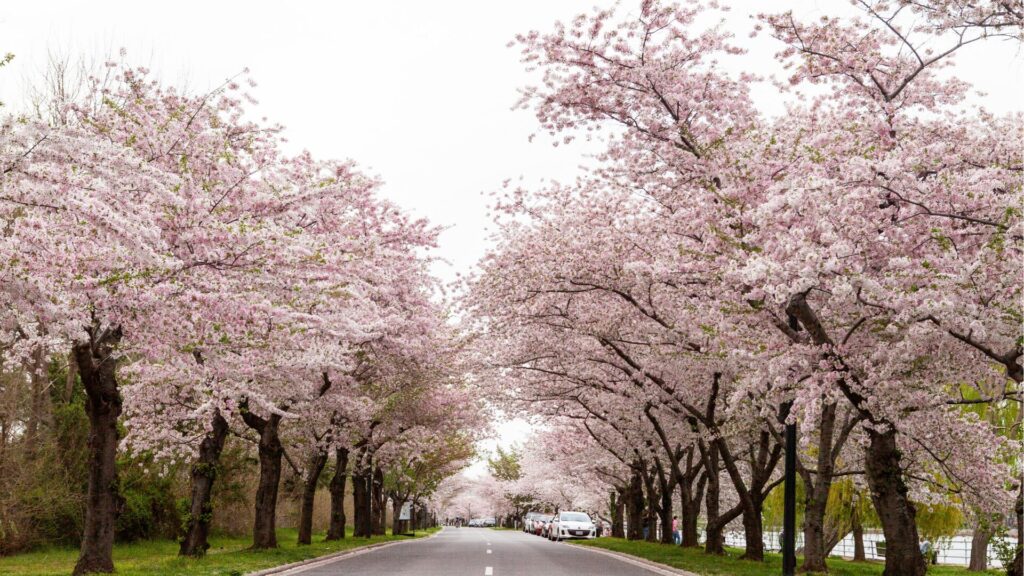
Tokyo has many sakura locations, but not all of them match the experience you want. Below are the most reliable, high-value picks—organized by travel style.
For classic hanami picnics and a festive atmosphere
- Ueno Park — the iconic, high-energy hanami scene with long cherry-lined paths.
- Yoyogi Park — spacious, social, and easy to combine with nearby neighborhoods.
For “Tokyo postcard” photos (water + blossoms)
- Chidorigafuchi — famous for moat-side views and photogenic angles.
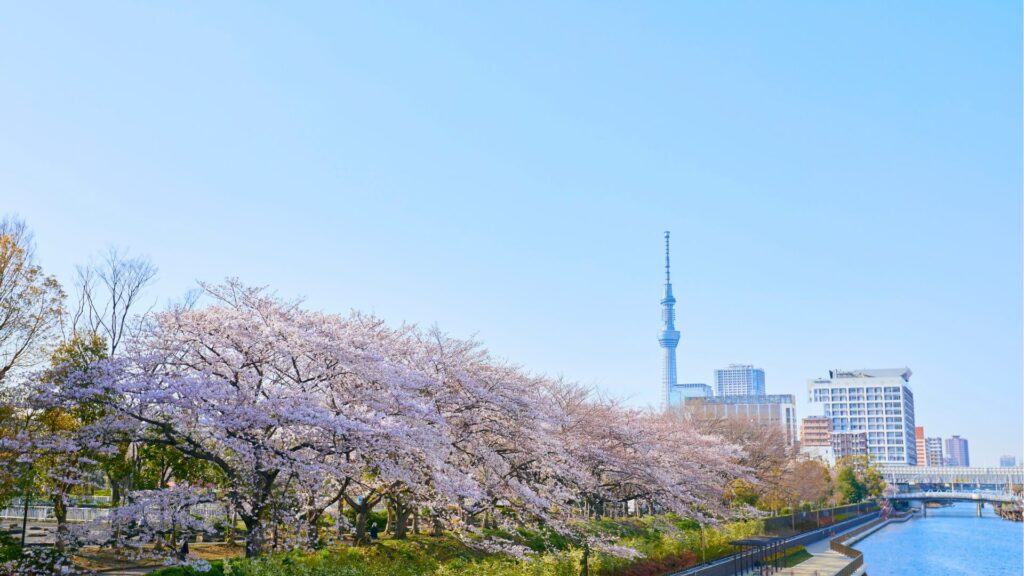
- Sumida Park — riverside walking with strong skyline pairings in the area.
For riverside blossom tunnels
- Meguro River / Nakameguro — the signature “pink tunnel” vibe during peak bloom.
For a calmer, premium viewing experience
- Shinjuku Gyoen — a high-success location thanks to many cherry varieties that bloom at different times.
- Rikugien Gardens (seasonal highlights) — known for refined garden scenery; check seasonal illumination periods.
For travelers who want flexible “something will be blooming” options
If you’re not sure whether Tokyo is early or late this year, choose:
- Shinjuku Gyoen (variety across the season)
- a major park plus one garden (two-spot strategy)
Night cherry blossoms in Tokyo (yozakura) and how to plan them
Night sakura can be one of Tokyo’s most memorable scenes—especially when lanterns or curated lighting turns blossoms into a glowing canopy.
What to know before you go
- Night illuminations are often seasonal and time-limited.
- Lighting hours can change year to year.
- Crowds can be heavier than daytime at famous riverside locations.
A smart approach to night sakura
- Confirm dates and lighting hours the same day.
- Arrive before the busiest time to scout photo angles.
- Use public transport early, then shift your evening plan before peak congestion.
If you’re looking for official events and festival-style viewing
Tokyo often runs seasonal pop-ups, local stalls, and special viewing periods in certain areas. These can be great if you prefer a more structured “event” atmosphere rather than free-form park viewing.
-
-
Tokyo Japan Cherry Blossom Festival: 2026 Dates, Best Events, and a Daikoku PA JDM Night
If you searched for a Tokyo Japan cherry blossom festival, you’re probably trying to do two things at once: catch peak sakura and make the most of your limited days in the city. Tokyo’s “festival” isn’t one single ticketed event—it's a season of park festivals, evening illuminations (yozakura), riverside lanterns, food stalls, and local picnics (hanami) spread across multiple neighborhoods. This guide gives you a high-efficiency plan for sakura season in Tokyo—when to go in 2026, where the best festivals happen, how to avoid common mistakes, and how to finish your day with Tokyo’s other world-famous scene: the JDM car ...
続きを見る
Simple night photo tips
- Use a stable stance or a small tripod (if allowed).
- Avoid blocking walkways.
- Expose for the blossoms (city lights can trick your camera/phone into underexposing petals).
Where to see early-bloom cherry blossoms in Tokyo (January–February)

If you’re in Tokyo before the main season, you’re looking for early varieties rather than Somei Yoshino.
Shinjuku Gyoen (strongest “early-bloom” reliability)
This is one of the best Tokyo options because the garden includes multiple cherry types—some of which can bloom in February.
Planning note: Popular gardens may introduce crowd measures during peak spring hanami (such as timed entry or reservations). Always check official notices before you go.
Shiba Park (early blossoms with landmark potential)
Some early-bloom trees can appear here, and the setting can create strong “Tokyo landmark + blossoms” compositions.
Yoyogi Park (select pockets depending on the year)
Yoyogi is best known for the main season, but it can also show early-bloom areas in some years.
If you want a higher-certainty early blossom day trip
If you’re visiting in January–February and want a better guarantee than central Tokyo, consider a quick day trip to areas known for very early-bloom sakura (timing varies by region and year).
Hanami etiquette in Tokyo (do this and your experience improves)
Cherry blossom viewing is welcoming in Tokyo, but etiquette matters—especially in crowded parks.
- Follow posted rules (picnic zones, alcohol restrictions, music limits, closing times).
- Don’t pick blossoms or shake branches.
- Keep paths clear and avoid stopping in bottlenecks.
- Carry out trash if bins are full.
- Use tripods responsibly and never block traffic flow.
This isn’t just politeness—it reduces the chance of park staff tightening rules and helps everyone enjoy hanami.
Crowds, timing, and transport during sakura season
Tokyo cherry blossom season is one of the city’s busiest travel periods. Planning around crowds is the difference between a relaxing day and a frustrating one.
The best time of day
- Early morning is the single best crowd-avoidance tactic—especially on weekends.
The best day of week
- Weekdays are dramatically easier for famous spots.
The best strategy: a two-spot plan
Instead of forcing one famous location at peak time, combine:
- One “signature” spot for your must-have photos
- One quieter or more spacious garden/park for relaxed walking and better close-up shots
This lets you enjoy the iconic scene without sacrificing your entire day to crowds.
A realistic Tokyo day plan: cherry blossoms + neighborhoods + a legendary night finale
A perfect Tokyo day doesn’t have to be complicated. The key is sequencing: blossoms when light is best, neighborhoods when crowds rise, and your night plan when Tokyo’s energy peaks.
Morning: your must-see sakura location
Arrive early and focus on the experience you came for:
- walk the main paths
- take your essential photos
- get a quick snack or coffee nearby
Time budget: 60–90 minutes is enough for most signature locations if you start early.
Late morning to afternoon: a calmer garden + a nearby neighborhood
Shift to a garden or large park for slower viewing. Then choose a nearby neighborhood for shopping, cafés, or cultural stops.
If you’re building a sakura itinerary that also feels like “real Tokyo,” pair hanami with a district that matches your vibe.
Evening: night sakura or Tokyo nightlife
At this point you have two excellent paths:
- Night sakura: if illumination is happening and you want the glow-and-lantern look.
- Night neighborhoods: if you want Tokyo’s night energy—food, lights, and atmosphere.
Late evening: Daikoku PA JDM meet as your Tokyo “finale”
If you want something that feels uniquely Tokyo—and wildly different from daytime sightseeing—end with the legendary Daikoku Parking Area (Daikoku PA) car meet scene.
Daikoku PA isn’t a themed attraction. It’s a real gathering point for enthusiasts, where you can see everything from iconic Japanese sports cars to carefully built street machines. For many visitors, it becomes the most memorable “only in Japan” moment of the trip.
-

-
Daikoku Car Meet (Daikoku PA) Guide: How to Visit Japan’s Most Famous JDM Meet
Daikoku Parking Area (Daikoku PA) is the most iconic place in the Tokyo–Yokohama region to see Japanese performance cars, tuned builds, and rare classics gathering in one spot. If you’re searching for the Daikoku car meet, this guide explains what it is, what to expect, how to visit responsibly, and why a guided JDM tour is the most reliable way to experience it—especially if you don’t have your own car. What is Daikoku PA? Daikoku PA is a highway parking area on the Shuto Expressway network in Yokohama (Kanagawa), near Tokyo. Unlike a typical roadside rest area, Daikoku PA has ...
続きを見る
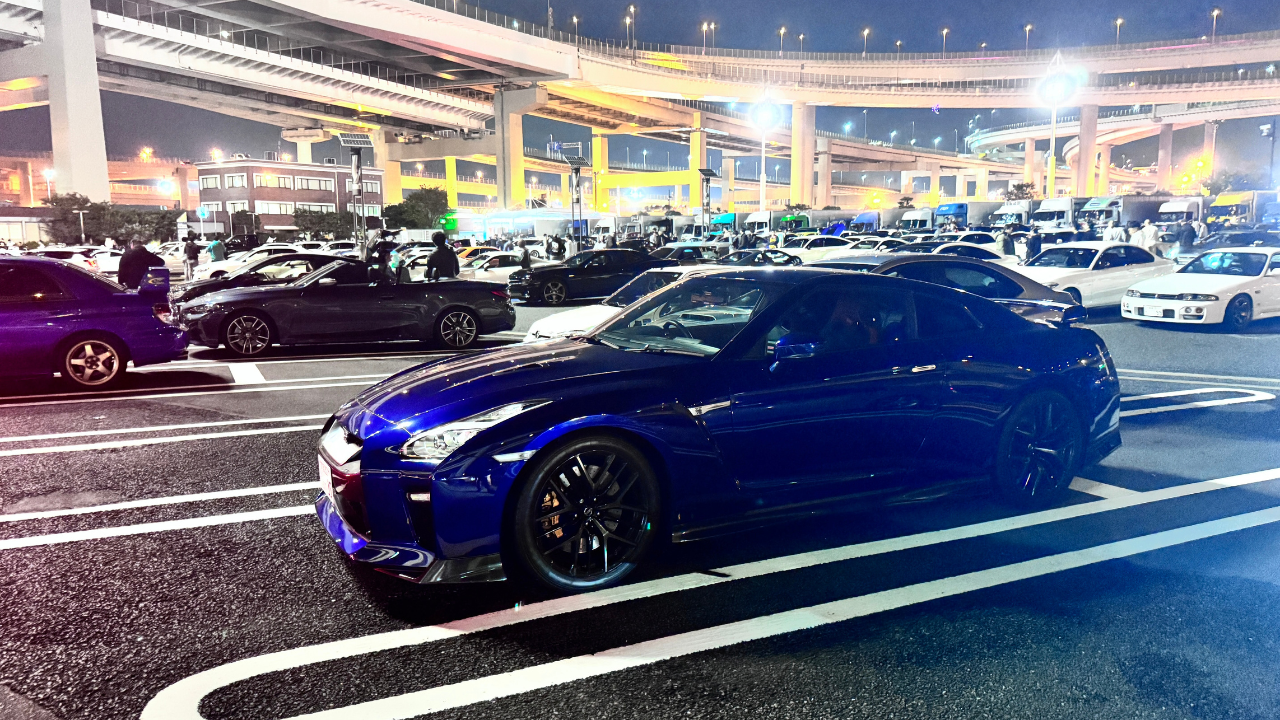
Daikoku PA planning basics (what most visitors don’t realize)
Daikoku PA is a highway parking area, which makes it very different from typical Tokyo sightseeing spots.
- Access is not straightforward for visitors.
- The atmosphere can change a lot depending on day, time, weather, and traffic.
- Your experience improves dramatically when you visit at the right time—and with a plan.
If Daikoku is on your must-do list, treat it like a time-sensitive event, not a fixed sightseeing location.
-
-
Daikoku PA Today: A 2025, On-the-Ground Guide for First-Time Visitors
What is Daikoku PA? Daikoku Parking Area (commonly “Daikoku PA” or “Daikokufuto”) is a highway service area inside the Metropolitan (Shuto) Expressway network in Yokohama. By day it functions like a normal expressway rest stop; by night it transforms into Japan’s most photographed informal car‑meet hub. You’ll see everything from classic JDM icons and VIP builds to modern supercars and camera crews. Because it is a working service area—not an event venue—police can thin crowds or close entrances without prior notice when safety or congestion becomes an issue. Daikoku PA Today: What to Expect on a Weeknight Today (a typical ...
続きを見る

FAQs: “Cherry blossom Tokyo now”
How long do cherry blossoms last in Tokyo?
The most photogenic peak is short. In good conditions, you may get around a week at peak, but wind and rain can shorten it.
Can I see cherry blossoms in Tokyo in February?
You generally won’t see peak Somei Yoshino in February, but early-bloom varieties can appear in select parks and gardens—especially those with many cherry species.
What if I miss full bloom?
Tokyo still has late-bloom varieties and other spring flowers. Your best pivot is visiting gardens with multiple varieties and focusing on seasonal scenery rather than chasing the “perfect” tunnel photo.
What’s the best way to avoid crowds?
Start early, aim for weekdays, and use a two-spot plan (one iconic location + one calmer location).
If you’re going to Daikoku PA, leave it to us

Experience an unforgettable JDM tour — ride in a legendary Japanese sports car and drive from Tokyo to Daikoku Parking Area, cruising Tokyo’s iconic roads along the way. Choose from favorites like the GT-R (R35 / R34 / R32), RX-7, Supra, and more.
We offer one of the highest-quality JDM driving experiences in the industry, at a fair and reasonable price.
Want to know more details or check availability?
Message us on WhatsApp for quick replies and easy booking.
Spots often sell out, so we recommend booking early.
Duration: about 3 hours
Meeting Point: Shibuya Station
Language: Beginner-level English & Japanese
Customer Reviews
Daikoku PA Video: What It’s Really Like
Important Information
- This is a drive tour where you drive your rental car, and our guide navigates from the seat.
- This is a self-drive tour where you drive your rental car, and our guide navigates from the passenger seat.
- The tour begins and ends at the same location (Shibuya).
- If the Daikoku Parking Area is closed, we will instead guide you to another car meet further away.
- The consultant is a cultural expert and navigator, not a taxi service.
