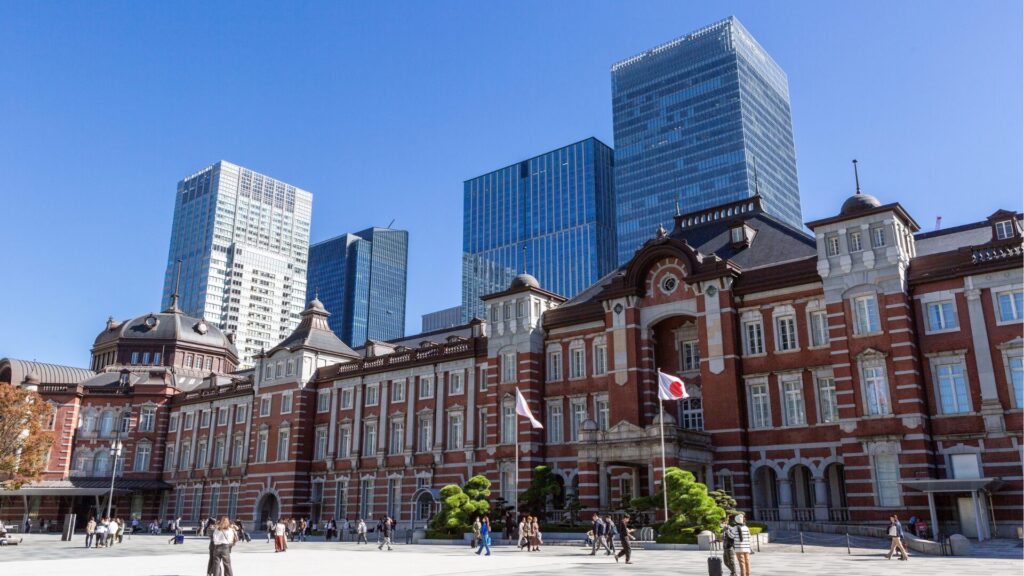
Tokyo Station is one of the most convenient bases for cherry blossom season in Tokyo. Within a 10–30 minute radius, you can walk to moats lined with sakura, tranquil gardens inside the Imperial Palace grounds, and photogenic streets in Marunouchi—then still be back at the station in time for dinner or a night out.
This guide focuses only on cherry blossoms near Tokyo Station (walkable or just a few stops away), with clear access tips and simple routes.
Quick answers: where to see cherry blossoms near Tokyo Station
If you want the fastest plan, start here.
- Imperial Palace East Gardens (Higashi-Gyoen) — calm, central, and close to Otemachi; ideal for a daytime stroll.
- Chidorigafuchi Green Way — the iconic moat-side sakura tunnel; best at peak bloom and especially beautiful at dusk.
- Kokyo Gaien / Imperial Palace Outer Gardens — wide open views, stone bridges, and classic “Tokyo meets tradition” scenery.
- Marunouchi (Tokyo Station area) — short walks for casual sakura + café time, with the red-brick station as a backdrop.
- Hibiya Park — a quieter option when famous hanami spots are too crowded.
For a broader, city-wide overview (best parks across Tokyo, timing, and planning strategy):
-

-
Cherry Blossom Tokyo: The Best Sakura Spots, Night Views, and a Perfect Finish at Daikoku PA
Tokyo’s cherry blossom season (sakura) is one of the most iconic travel moments in the world—parks turning pastel pink, rivers lined with blossoms, and nighttime illuminations that feel unreal. If you’re planning cherry blossom Tokyo as the centerpiece of your trip, you can make it even more memorable by pairing classic hanami (flower viewing) with a side of Tokyo’s world-famous car culture. This guide covers the best places to see cherry blossoms in Tokyo, how to time your visit, where to enjoy yozakura (night blossoms), and how to plan a smooth itinerary that ends with an unforgettable night at Daikoku ...
続きを見る
Why Tokyo Station is a smart base for cherry blossom season
Tokyo Station sits at the center of the city’s rail network and connects smoothly to nearby neighborhoods on foot via underground passages (especially between Tokyo Station ⇄ Otemachi ⇄ Nijubashi / Imperial Palace area). That means:
- You can plan a short, efficient hanami window (1–3 hours) without spending half your day on trains.
- You can keep your day flexible—if crowds are intense, you can switch from famous moats to quieter parks quickly.
- You can combine cherry blossoms with shopping, museums, or a night experience without changing hotels.
Best cherry blossom spots within walking distance of Tokyo Station
Below are the most practical options for visitors who want to walk from Tokyo Station (or walk most of the way, using underground connections).
Imperial Palace Outer Gardens (Kokyo Gaien) and Nijubashi Bridge area
Why go: This is the “classic Tokyo postcard” area—stone bridges, wide lawns, and the feeling of being in the heart of the capital. While the Outer Gardens are not a single dense “sakura tunnel,” they’re excellent for scenic walks and photos.
Typical time needed: 45–90 minutes
How to go from Tokyo Station:
- Walk toward Marunouchi / Otemachi, then continue toward Nijubashi Bridge (Seimon Ishibashi).
Best for:
- First-time visitors who want Imperial Palace scenery plus cherry blossom atmosphere.
- People who prefer space to walk over tightly packed hanami lawns.
Imperial Palace East Gardens (Higashi-Gyoen)
Why go: A refined, well-maintained garden experience with seasonal trees and historical remains of Edo Castle. It’s one of the best “near Tokyo Station” choices for visitors who want daytime cherry blossoms without the festival chaos.
Typical time needed: 60–120 minutes
How to go from Tokyo Station:
- Walk via Otemachi, then enter through Otemon Gate (a common approach).
Planning notes:
- The East Gardens have scheduled closing days on certain weekdays and can close for special occasions, so always check the official calendar before you go.
For a deeper, dedicated guide to cherry blossoms around the Imperial Palace area:
-
-
Imperial Palace Tokyo Cherry Blossoms: Where to See Sakura, When to Go, and How to Plan the Perfect Day
The Imperial Palace area is one of the most photogenic places to enjoy cherry blossoms in central Tokyo—wide moats lined with sakura, elegant stone walls from Edo Castle, and a skyline backdrop that feels uniquely “Tokyo.” If your trip is short and you want a high-impact hanami experience without leaving the city center, the Imperial Palace and its surrounding parks are a smart choice. This guide focuses on the best cherry blossom viewing around the Imperial Palace (especially Chidorigafuchi), how to time your visit, and how to build an itinerary that transitions smoothly into an unforgettable night experience. Why the ...
続きを見る
Marunouchi: Tokyo Station, Gyoko-dori, and nearby streets
Why go: For visitors who want “easy sakura” without committing to a long park visit. Marunouchi’s streets and plazas are ideal for pairing blossoms with coffee, shopping, and photos of the station.
What to do:
- Photograph Tokyo Station’s Marunouchi red-brick façade, then stroll nearby for seasonal trees.
- Walk Gyoko-dori Avenue toward the Imperial Palace direction for a clean, elegant urban walk.
Typical time needed: 30–60 minutes (perfect for a short gap day)
Best for:
- Travelers with limited time.
- Anyone who wants a station-centric itinerary (especially with luggage or a tight schedule).
Hibiya Park (a quieter alternative close to the center)
Why go: When famous sakura spots are packed, Hibiya Park can feel like an oasis—green space surrounded by modern Tokyo. It’s not the most famous cherry blossom destination, which can be an advantage.
Typical time needed: 45–90 minutes
How to go from Tokyo Station:
- Walk (depending on your exact exit and pace) or take a short ride to Hibiya / Kasumigaseki area.
Best for:
- A calmer stroll.
- Visitors who want to combine hanami with a relaxed café plan in Ginza/Yurakucho/Marunouchi.
Best cherry blossom spots 1–3 stops from Tokyo Station
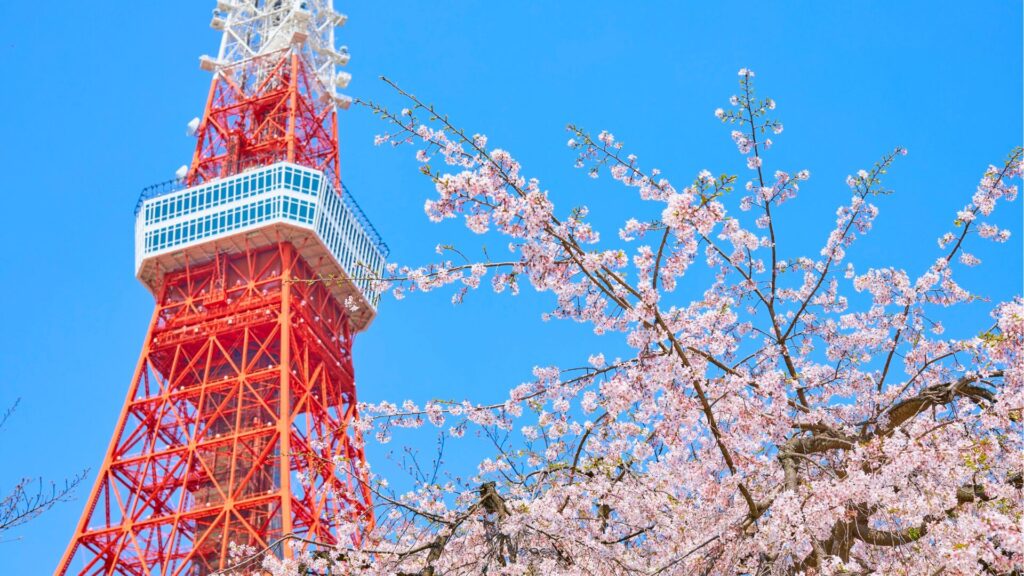
If you’re willing to use the subway for just a few minutes, the quality of blossoms jumps dramatically—especially around the moats.
Chidorigafuchi Green Way (the must-see moat-side sakura)
Why go: This is one of Tokyo’s most iconic cherry blossom experiences: a long promenade along the moat where the trees form a soft pink tunnel in peak season.
Typical time needed: 60–120 minutes
How to go from Tokyo Station (simple approach):
- Move toward Otemachi (connected underground from Tokyo Station), then take the Tokyo Metro to Kudanshita or Hanzomon area and walk to the moat.
Add-on experience:
- Rowboat rentals during spring can be available (often with seasonal pricing and long queues). If you want the boat experience, go early, and assume waits can be substantial near full bloom.
Kitanomaru Park (next to Chidorigafuchi, often more relaxed)
Why go: When Chidorigafuchi is at peak popularity, Kitanomaru Park can be a more comfortable place to decompress—still scenic, still central, and often less intense.
Typical time needed: 45–90 minutes
How to combine:
- Walk Chidorigafuchi Green Way first, then cross into Kitanomaru for a calmer loop.
Yasukuni Shrine area (central hanami atmosphere)
Why go: This area is known for seasonal energy and a “Tokyo spring” feeling. Even if you’re not seeking festivals, it’s a convenient add-on when you’re already near Kudanshita.
Typical time needed: 30–60 minutes (longer if you stay nearby for food)
Note: In peak season, this area can get busy—plan for slower walking.
Sotobori Park (moat-side blossoms with local Tokyo vibes)
Why go: If you want a moat-side walk that can feel more “local” than the most famous spots, Sotobori Park (around Ichigaya–Iidabashi) is a strong option.
Typical time needed: 60–120 minutes
How to go from Tokyo Station:
- Use a short train ride toward the Chuo/Sobu-line corridor and walk along the moat.
Suggested cherry blossom routes starting at Tokyo Station
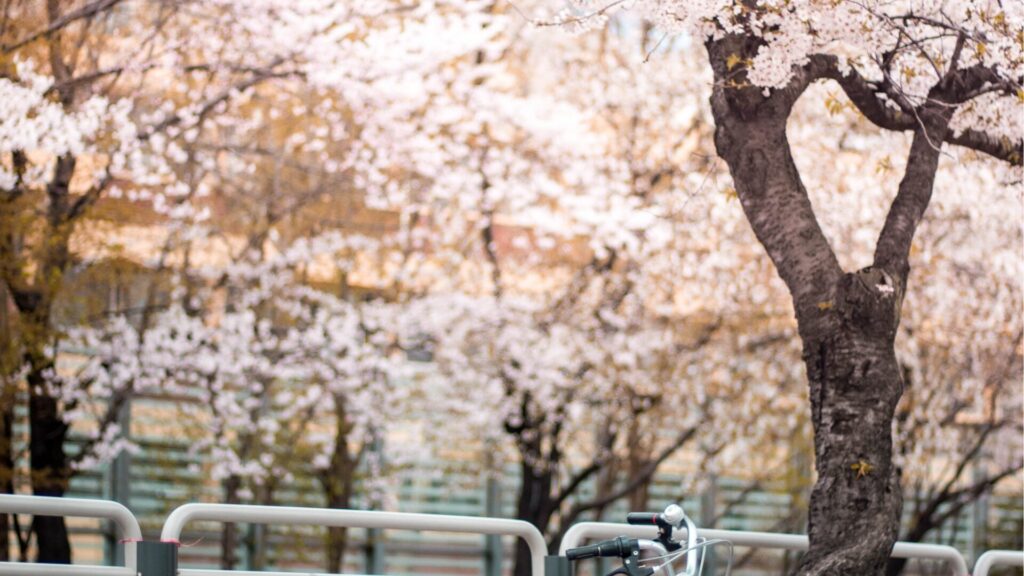
These routes are designed for real travel days: clear walking, minimal transfers, and reliable photo opportunities.
Route 1: The Classic Imperial Moat Sakura Walk (half day)
Best for: first-time visitors who want the “iconic Tokyo sakura” without overplanning.
- Start at Tokyo Station (Marunouchi side) for quick photos.
- Walk toward Kokyo Gaien / Nijubashi for classic scenery.
- Continue via Otemachi connections and head to Chidorigafuchi Green Way.
- End at Kudanshita / Hanzomon area for a convenient subway return.
Estimated time: 3–4 hours at a comfortable pace
Route 2: Tokyo Station + East Gardens (efficient and calm)
Best for: visitors who want a refined garden experience and predictable timing.
- Tokyo Station photos (Marunouchi façade).
- Walk through Gyoko-dori toward the Imperial Palace area.
- Enter Imperial Palace East Gardens for a structured stroll.
- Return to Tokyo Station for lunch in Marunouchi.
Estimated time: 2–3 hours
Route 3: Evening “Yozakura” (night cherry blossoms) near central Tokyo
Best for: travelers who want night photos and a different mood than daytime hanami.
- Start with a late afternoon walk near the moats or central parks.
- Aim for dusk to early evening when lighting and atmosphere feel most dramatic.
For a Tokyo-wide guide to cherry blossom illuminations and night viewing strategy:
-
-
Tokyo Cherry Blossom Illuminations: The Best Night Sakura Light-Ups, Timing, and How to Plan Your Evening
Cherry blossom season in Tokyo is beautiful in daylight—but it becomes unforgettable after dark. Cherry blossom illuminations (also called yozakura, “night sakura”) are seasonal light-ups where lanterns, spotlights, or artistic lighting transform rivers, parks, and gardens into glowing spring nightscapes. This guide focuses specifically on Tokyo cherry blossom illuminations: when they happen, where to go, what to expect, and how to plan a smooth night out—especially if you want to end the evening with Tokyo’s most iconic night activity for car fans. What “Cherry Blossom Illumination” Means in Tokyo In Tokyo, “cherry blossom illumination” usually refers to one of these ...
続きを見る
Best time to visit: bloom timing, “full bloom,” and how to avoid disappointment
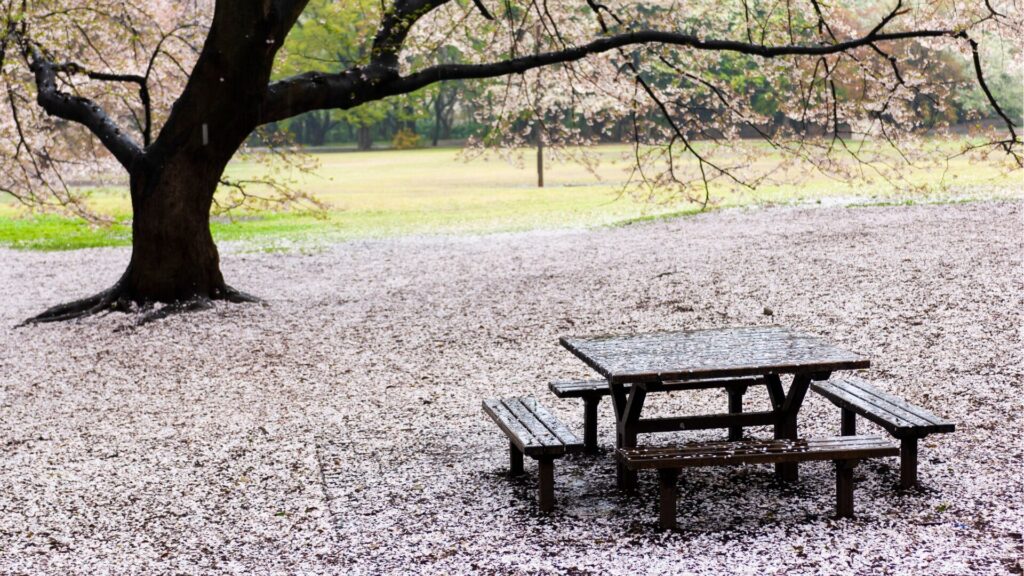
Cherry blossom season in Tokyo typically peaks from late March to early April, but the exact timing changes each year based on weather. Two important realities:
- “First bloom” does not mean the trees look fully pink. It’s the start.
- “Full bloom (mankai)” is the photo-perfect window, but it can be brief—wind and rain can accelerate petal fall.
If you’re planning close to your travel dates and want the most up-to-date bloom situation:
-
-
Cherry Blossoms in Tokyo Now: Where to See Sakura Today, Forecast Timing, and a Perfect Tokyo Plan
Searching “cherry blossom Tokyo now” usually means you’re trying to make a time-sensitive decision: Is it blooming yet, where should I go today, and what’s the smartest plan so I don’t waste a precious day in Tokyo? This guide is built to answer that fast—then help you plan a full, high-impact itinerary. You’ll learn how to check Tokyo’s current bloom status, pick the best cherry blossom spots for your travel style, avoid the worst crowds, and finish your day with a uniquely Tokyo experience: the JDM car meet scene at Daikoku PA. Are cherry blossoms blooming in Tokyo right now? ...
続きを見る

Timing tips near Tokyo Station:
- For famous moat routes (especially Chidorigafuchi), go early morning on weekdays if possible.
- If you can only go on a weekend, consider combining one famous spot with one quiet spot (for example, Chidorigafuchi + Hibiya Park) to balance your experience.
Practical tips for hanami near Tokyo Station (what matters most)
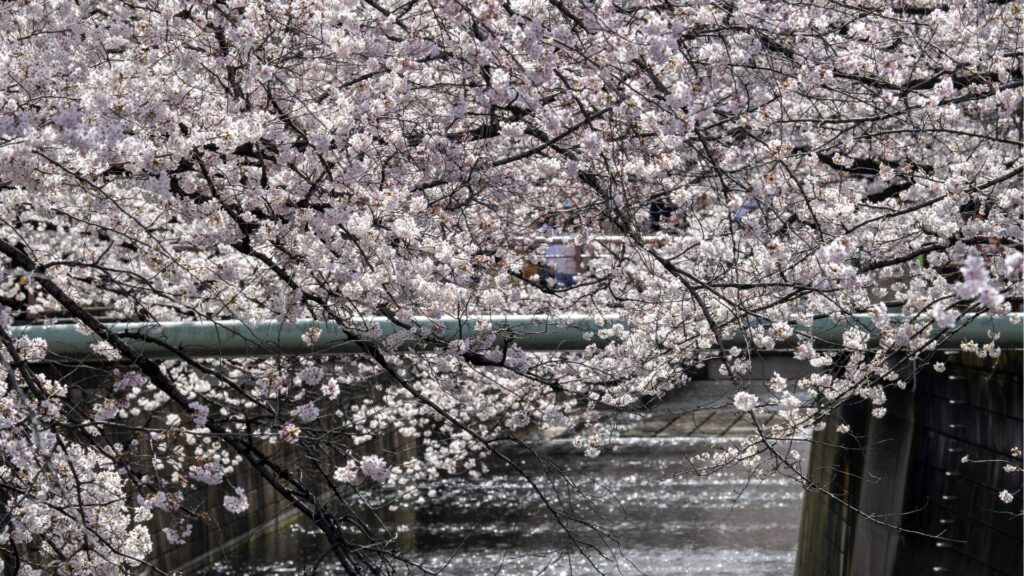
Go early, especially for moat-side sakura
Moat promenades can become slow-moving during peak bloom. Early morning gives you:
- Cleaner photos
- Faster walking
- A calmer atmosphere
Dress for “spring that feels like winter”
Tokyo’s cherry blossom season can be chilly—especially after sunset. Bring:
- A light jacket
- Comfortable walking shoes
- A compact umbrella (weather changes quickly)
Respect the space (and keep Tokyo beautiful)
Cherry blossoms are delicate, and crowds are real. Basic etiquette goes a long way:
- Don’t pull branches or shake trees for petals.
- Keep pathways clear (especially on narrow promenades).
- Take all trash with you.
- If you picnic, keep it compact and considerate.
Use Tokyo Station’s facilities strategically
Tokyo Station is excellent for logistics:
- Coin lockers (availability varies; arrive early)
- Restrooms
- Food options for quick meals before/after a walk
Photography tips: how to get great sakura shots near Tokyo Station
Use “storytelling” backdrops
Near Tokyo Station, strong photos often come from contrast:
- Modern city lines + soft blossoms
- Historic bridges + moat reflections
- The red-brick station + spring trees
Prioritize light, not just blossoms
- Morning: gentle, clean shadows for architecture + flowers.
- Dusk: warmer tones and a more cinematic feel.
- Night: use stable hands or support; avoid blocking foot traffic.
If you want the iconic look, plan for the moat
Many “Tokyo cherry blossom” images that go viral are moat shots—especially around Chidorigafuchi. Build at least one moat visit into your plan if it’s your first time.
A perfect Tokyo day: cherry blossoms near Tokyo Station + a Daikoku PA JDM night
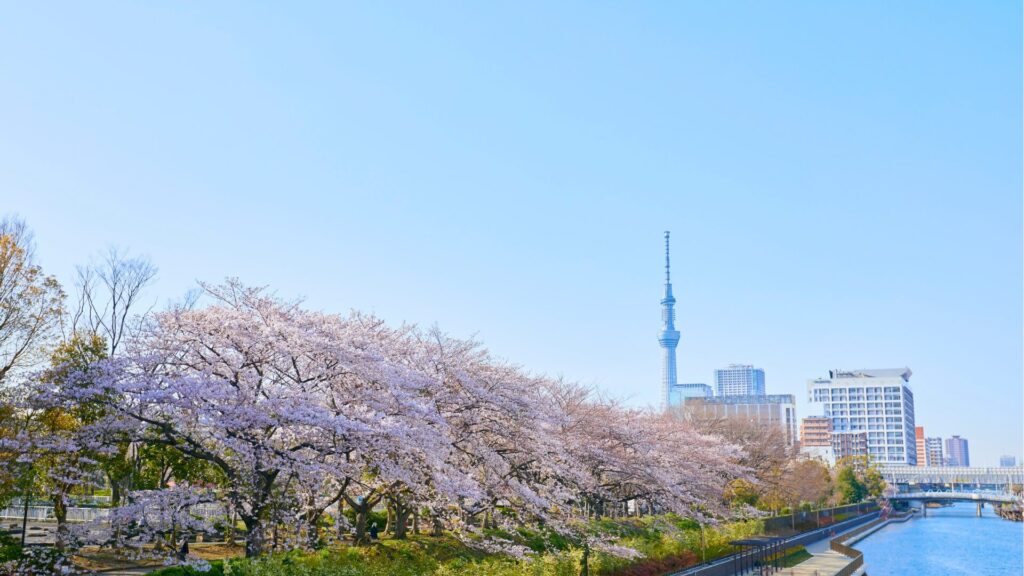
If you’re visiting Japan for both spring scenery and car culture, Tokyo Station is a surprisingly strong starting point for a combined itinerary.
Why this pairing works
- Cherry blossom viewing near Tokyo Station is easy in the afternoon.
- Daikoku PA is most exciting in the evening, when enthusiast cars gather.
- The two experiences are complementary: traditional seasonal Japan in daylight, then modern JDM culture at night.
Sample itinerary (easy and realistic)
- 14:00–17:30: Hanami route (Tokyo Station → Imperial Palace area → Chidorigafuchi)
- 18:00–19:00: Dinner in Marunouchi/Ginza (or a quick meal)
- Night: Head to Daikoku PA for the car meet atmosphere
Why a guided Daikoku PA tour matters
Daikoku PA can be difficult to access smoothly without the right transportation plan. A professional tour helps you:
- Avoid access confusion and wasted time
- Travel comfortably (especially after a long walking day)
- Understand etiquette and what you’re seeing
For an in-depth Daikoku PA overview and what to expect at the car meet:
-

-
Daikoku Car Meet (Daikoku PA) Guide: How to Visit Japan’s Most Famous JDM Meet
Daikoku Parking Area (Daikoku PA) is the most iconic place in the Tokyo–Yokohama region to see Japanese performance cars, tuned builds, and rare classics gathering in one spot. If you’re searching for the Daikoku car meet, this guide explains what it is, what to expect, how to visit responsibly, and why a guided JDM tour is the most reliable way to experience it—especially if you don’t have your own car. What is Daikoku PA? Daikoku PA is a highway parking area on the Shuto Expressway network in Yokohama (Kanagawa), near Tokyo. Unlike a typical roadside rest area, Daikoku PA has ...
続きを見る
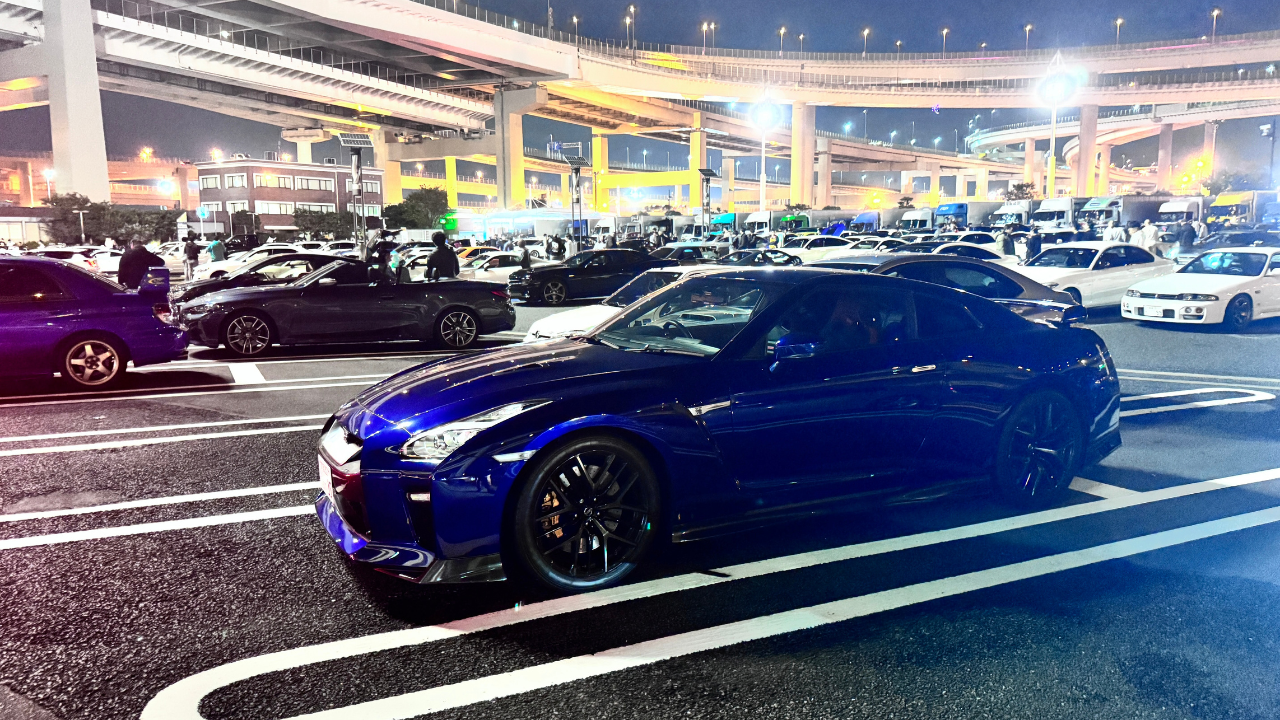
If you’re going to Daikoku PA, leave it to us

Experience an unforgettable JDM tour — ride in a legendary Japanese sports car and drive from Tokyo to Daikoku Parking Area, cruising Tokyo’s iconic roads along the way. Choose from favorites like the GT-R (R35 / R34 / R32), RX-7, Supra, and more.
We offer one of the highest-quality JDM driving experiences in the industry, at a fair and reasonable price.
Want to know more details or check availability?
Message us on WhatsApp for quick replies and easy booking.
Spots often sell out, so we recommend booking early.
Duration: about 3 hours
Meeting Point: Shibuya Station
Language: Beginner-level English & Japanese
Customer Reviews
Daikoku PA Video: What It’s Really Like
Important Information
- This is a drive tour where you drive your rental car, and our guide navigates from the seat.
- This is a self-drive tour where you drive your rental car, and our guide navigates from the passenger seat.
- The tour begins and ends at the same location (Shibuya).
- If the Daikoku Parking Area is closed, we will instead guide you to another car meet further away.
- The consultant is a cultural expert and navigator, not a taxi service.
