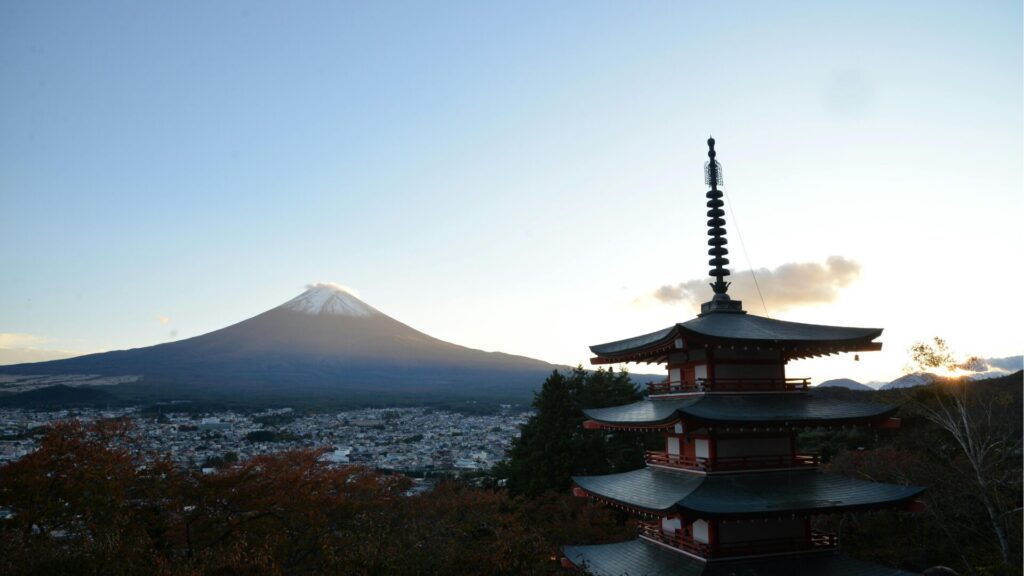
Why Climbing Mt Fuji Should Be on Your Japan Bucket List
Standing at 3,776 meters (12,389 feet), Mt Fuji is Japan's tallest peak and one of the most iconic mountains on Earth. Every summer, hundreds of thousands of hikers from around the world converge on its slopes to experience the once-in-a-lifetime thrill of climbing Mt Fuji. Whether you are drawn by the spiritual significance, the legendary sunrise from the summit, or simply the challenge of conquering an active stratovolcano, this guide covers everything you need to know about climbing Mt Fuji in 2026.
-

-
Mt Fuji: The Ultimate 2026 Guide to Japan's Iconic Mountain
Why Mt Fuji Captivates Millions of Visitors Every Year Mt Fuji — or Fujisan (富士山) as it is known in Japanese — stands at 3,776 meters (12,389 feet), making it the tallest peak in Japan. Its near-perfect symmetrical cone, capped with snow for much of the year, has been a symbol of Japan for centuries. In 2013, UNESCO designated Mt Fuji as a World Cultural Heritage Site, recognizing not just its geological significance but its deep influence on Japanese art, literature, and spirituality. Whether you want to climb to the summit, photograph the mountain from a picturesque lake, soak in ...
続きを見る
The 2026 Climbing Season: When Is Mt Fuji Open?
Mt Fuji's official climbing season typically runs from early July to mid-September. The exact dates vary slightly each year depending on snow conditions and trail maintenance. For 2026, expect the following approximate windows:
- Yoshida Trail: Early July – September 10
- Subashiri Trail: Mid-July – September 10
- Gotemba Trail: Mid-July – September 10
- Fujinomiya Trail: Mid-July – September 10
Climbing outside the official season is strongly discouraged and considered extremely dangerous due to unpredictable weather, ice, and the absence of mountain huts and rescue services. Always check the latest announcements from the Shizuoka and Yamanashi prefectural governments before planning your ascent.
New Regulations and Reservation System
Since 2024, Japanese authorities have implemented a reservation and fee system for the Yoshida Trail to combat overcrowding and ensure climber safety. In 2026, you should expect:
- A mandatory climbing fee of approximately ¥2,000 per person
- An online reservation system — book your climbing slot well in advance, especially for weekends and the Obon holiday period (mid-August)
- A daily cap on the number of climbers permitted on the Yoshida Trail
- A gate at the 5th Station that closes to new climbers once the daily limit is reached or after a specific evening cutoff time
These regulations were introduced after years of dangerous overcrowding. Plan ahead and secure your reservation early, particularly if you intend to climb during peak season in late July and early August.
The Four Climbing Routes Compared
There are four official routes to the summit of Mt Fuji, each starting from a different 5th Station. Understanding their differences is essential for choosing the right climb for your fitness level and preferences.
Yoshida Trail (Yamanashi Prefecture)
The Yoshida Trail is by far the most popular route, used by roughly 60% of all climbers. It offers the most mountain huts, the best infrastructure, and the easiest access from Tokyo. The ascent takes approximately 5–7 hours, and the descent follows a separate path, taking about 3–4 hours. The trail begins at the Fuji Subaru Line 5th Station at 2,305 meters elevation. This is the best route for first-time climbers and those who want the most supported experience.
Subashiri Trail (Shizuoka Prefecture)
The Subashiri Trail starts at a lower elevation (1,970 meters) and passes through dense forest in its lower sections, offering a more natural and peaceful experience. It merges with the Yoshida Trail above the 8th Station. The ascent takes about 6–8 hours, and the descent features a fun sandy "running" section called sunabashiri where you can slide rapidly downhill. This route is ideal for those seeking fewer crowds with reasonable infrastructure.
Gotemba Trail (Shizuoka Prefecture)
Starting at just 1,440 meters, the Gotemba Trail is the longest and most physically demanding route. The ascent takes 7–10 hours, and the descent approximately 3–5 hours. It has the fewest mountain huts and the least shelter. However, it is also the least crowded route. The extended sunabashiri descent section is a highlight. This trail is recommended for experienced hikers with strong fitness levels.
Fujinomiya Trail (Shizuoka Prefecture)
The Fujinomiya Trail has the highest starting elevation (2,380 meters) and the shortest distance to the summit. The ascent takes about 4–6 hours, and the descent follows the same path, taking 2–4 hours. It is the second most popular route. The downside is that using the same trail for ascent and descent creates congestion during peak periods. This route offers excellent views of the southern side of the mountain.
Getting to the 5th Station from Tokyo
Most climbers begin their journey in Tokyo and travel to one of the four 5th Stations. Here are the most common transport options:
- Highway Bus: Direct buses run from Shinjuku Expressway Bus Terminal to the Fuji Subaru Line 5th Station (Yoshida Trail). The journey takes approximately 2.5 hours and costs around ¥2,950 one way. Advance reservation is strongly recommended during climbing season.
- Train + Local Bus: Take the JR Chuo Line to Otsuki Station, transfer to the Fujikyu Railway to Kawaguchiko Station, then take a local bus to the 5th Station. This option offers more flexibility but takes longer.
- By Car: Driving to the Mt Fuji area gives you the most flexibility with your schedule. However, during climbing season, private vehicles are banned from the Fuji Subaru Line and Fujinomiya routes. You must park at designated lots and take shuttle buses to the 5th Station. Parking fills up fast on weekends.
If you are exploring the wider Fuji Five Lakes region before or after your climb, having your own vehicle lets you visit Kawaguchiko, Saiko, and other scenic spots at your own pace.
Two-Day Climb vs. Bullet Climb: Which Should You Choose?
The Recommended Two-Day Climb
The standard and safest approach is to spread the climb over two days. Climbers typically start in the afternoon, hike to the 7th or 8th Station, stay overnight in a mountain hut, then wake up very early (around 1:00–2:00 AM) to reach the summit in time for sunrise — known as goraiko. This approach allows better acclimatization and a more manageable pace.
Mountain hut reservations are essential. Most huts accommodate 100–200 people in communal sleeping areas. Expect tight quarters, basic meals (curry rice is standard), and limited bathroom facilities. Prices range from ¥7,000–¥10,000 per night including dinner and breakfast. Book months in advance for peak dates.
The Bullet Climb (Overnight Single Push)
Some climbers attempt to summit Mt Fuji in a single overnight push, starting late at night from the 5th Station and reaching the top by sunrise. While this saves the cost of a mountain hut, it is physically exhausting and significantly increases the risk of altitude sickness. The Japanese authorities and mountain rescue teams actively discourage bullet climbing. If you choose this approach, understand the heightened risks and ensure you are in excellent physical condition.
Essential Gear and Packing List for Climbing Mt Fuji
Mt Fuji's weather can change dramatically between the 5th Station and the summit. Temperatures at the peak can drop below 0°C (32°F) even in midsummer, and wind, rain, and fog are common. Pack accordingly:
- Layered clothing: Moisture-wicking base layer, insulating mid-layer (fleece or down), waterproof and windproof outer shell
- Waterproof rain gear: Full rain suit (jacket and pants) — a non-negotiable item
- Sturdy hiking boots: Ankle-supporting, broken-in boots with good grip. The volcanic scree is loose and unforgiving.
- Headlamp with spare batteries: Essential for pre-dawn summit pushes
- Gloves and warm hat: Summit temperatures are bitterly cold, especially with wind chill
- Sunscreen and sunglasses: UV exposure is intense at high altitude
- Water and snacks: Bring at least 1.5–2 liters. Water is available at mountain huts (¥500 per 500ml) but expensive.
- Cash: Mountain huts, toilets (¥200–¥300 per use), and vending machines are cash-only
- Walking poles (optional): Helpful for steep sections, especially on descent
- Plastic bags: For trash (carry everything out) and protecting electronics from rain
Avoid cotton clothing, which retains moisture and accelerates heat loss. Do not underestimate the mountain simply because it is a popular tourist hike — every year, rescues are required for underprepared climbers.
Altitude Sickness: Prevention and Recognition
At 3,776 meters, Mt Fuji is high enough to cause altitude sickness (acute mountain sickness, or AMS) in many climbers. Symptoms include headache, nausea, dizziness, fatigue, and shortness of breath. In severe cases, it can progress to life-threatening conditions.
- Acclimatize: Spend at least 30–60 minutes at the 5th Station before starting your ascent. Climbing slowly and steadily is far more important than speed.
- Hydrate consistently: Dehydration worsens AMS symptoms. Drink water regularly throughout the climb.
- Avoid alcohol: Do not drink alcohol before or during the climb.
- Descend if symptoms worsen: The only reliable cure for altitude sickness is to lose elevation. If symptoms become severe, descend immediately.
- Portable oxygen cans: Sold at 5th Stations and convenience stores. They provide short-term relief but are not a substitute for proper acclimatization.
Sunrise From the Summit: Experiencing Goraiko

For most climbers, the defining moment of climbing Mt Fuji is watching the sunrise — goraiko — from the summit. As the first rays of sunlight break over the sea of clouds below, the entire sky transforms through shades of orange, pink, and gold. It is a profoundly moving experience shared with hundreds of fellow climbers from every corner of the globe.
To catch sunrise, which occurs between approximately 4:30 and 5:00 AM during peak season, most two-day climbers depart their mountain hut around 1:00–2:00 AM. Expect significant congestion near the summit during this pre-dawn push, especially on the Yoshida Trail. Be patient and move with the flow of traffic.
Once at the summit, you can walk the ohachi-meguri — a circuit around the volcanic crater rim that takes approximately 60–90 minutes. This loop takes you past the true highest point, Kengamine, and the Mt Fuji weather station.
Costs of Climbing Mt Fuji in 2026
Climbing Mt Fuji is not free, and costs can add up. Here is a rough budget breakdown:
- Climbing fee: ~¥2,000
- Highway bus (round trip from Shinjuku): ~¥5,900
- Mountain hut (1 night with meals): ¥7,000–¥10,000
- Toilet fees (multiple uses): ¥1,000–¥1,500 total
- Water and food at mountain huts: ¥1,000–¥3,000
- Gear rental (if needed): ¥5,000–¥15,000 for full sets
In total, expect to spend approximately ¥20,000–¥40,000 per person for the complete climbing experience, depending on your gear situation and food consumption.
Gear Rental Services Near the 5th Station
If you are visiting Japan and do not want to bring full hiking gear, several rental services operate near the Yoshida Trail 5th Station and in Kawaguchiko. Companies like Yamarent and La Mont offer complete climbing kits including boots, rain gear, headlamps, and backpacks. Reserve online before your trip, as inventory during peak season can sell out.
What to Do Before and After Your Climb
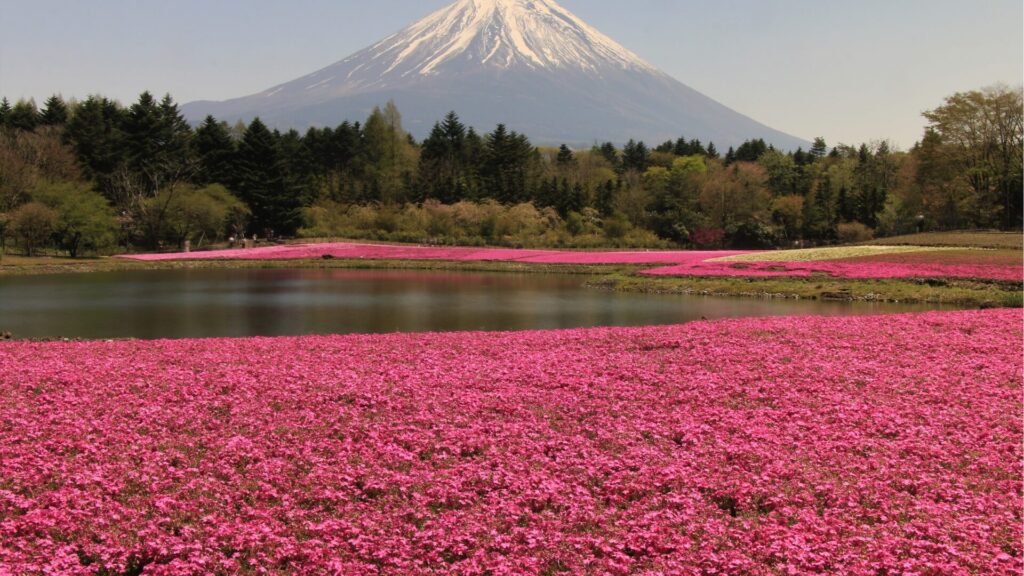
The Mt Fuji region offers far more than just the climb itself. Many visitors spend extra days exploring the area:
- Fuji Five Lakes (Fujigoko): Lake Kawaguchiko is the most accessible and offers stunning Mt Fuji views, museums, and lakeside walks.
- Onsens: Soaking in a hot spring after a grueling climb is the perfect recovery. The Kawaguchiko and Fujiyoshida areas have numerous onsen facilities, some with Mt Fuji views.
- Chureito Pagoda: One of the most photographed viewpoints in Japan, offering a classic pagoda-and-Fuji composition.
- Fuji-Q Highland: A major amusement park at the base of the mountain, famous for its extreme roller coasters.
- Aokigahara Forest: A dense forest at the base of Mt Fuji with nature trails and ice caves.
-
-
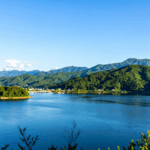
Drive from Tokyo to Kawaguchiko Onsen: The Ultimate Self-Drive Guide for Overseas Visitors
Planning to drive from Tokyo to Kawaguchiko onsen? This in‑depth guide covers routes, permits, parking, tolls, itineraries, and seasonal tips—everything you need to enjoy Lake Kawaguchiko and Mt. Fuji hot springs by rental car. Why Drive from Tokyo to Kawaguchiko Onsen? Driving gives you freedom to stop at scenic viewpoints, lesser‑known onsen ryokan, and cafés around the Fuji Five Lakes. Compared with trains and buses, a car lets you combine multiple sights in one day, travel early or late to avoid crowds, and carry luggage with ease. Quick Facts Distance & time: ~110–140 km from central Tokyo; 2–2.5 hours in ...
続きを見る
Tips for a Successful Mt Fuji Climb
- Train beforehand: While no technical climbing skills are required, cardiovascular fitness matters. Regular walking, stair climbing, and light hiking in the weeks before your trip will make a significant difference.
- Start early in the season for fewer crowds: Early July (just after opening) and September tend to be less crowded than the late July to mid-August peak.
- Weekdays over weekends: Weekday climbs are dramatically less crowded. If your schedule allows, avoid Friday night and Saturday climbs.
- Respect the mountain: Carry out all trash, stay on marked trails, and follow hut and trail rules. The Japanese saying goes: "A wise man climbs Mt Fuji once; a fool climbs it twice" — meaning it is an experience to be savored and respected.
- Check weather forecasts: Monitor conditions on sites like Tenki.jp in the days before your climb. Typhoons and severe weather systems can make climbing dangerous and sometimes lead to temporary trail closures.
- Post office at the summit: The highest post office in Japan operates at the summit during climbing season. Sending a postcard from the top of Mt Fuji is a cherished tradition.
Is Climbing Mt Fuji Worth It?
Climbing Mt Fuji is not a leisurely walk — the terrain is rocky volcanic scree, the air thins noticeably above the 8th Station, and the weather can turn hostile without warning. Many climbers describe the physical experience as grueling. Yet the overwhelming consensus among those who reach the summit is that the effort is absolutely worth it. The spiritual weight of standing atop Japan's most sacred mountain, the breathtaking goraiko sunrise, and the sense of accomplishment create memories that endure for a lifetime.
Whether you are visiting Japan for its car culture, its food, its history, or its natural beauty, climbing Mt Fuji is one of those rare experiences that transcends ordinary tourism. With proper preparation, the right gear, and respect for the mountain, it is an achievable challenge for hikers of moderate fitness — and an unforgettable highlight of any trip to Japan.
Experience Japan’s Finest JDM Adventures
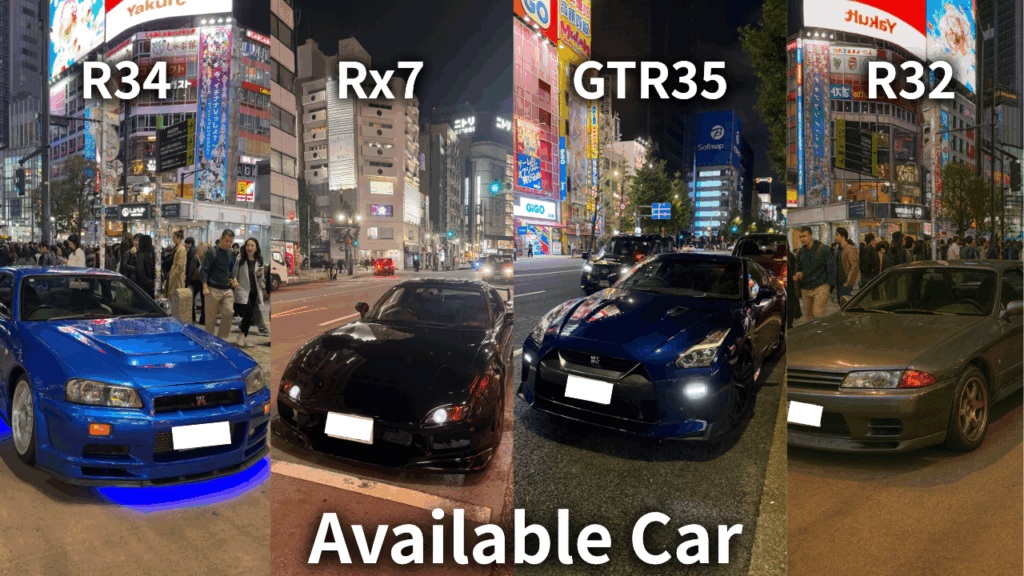
From Daikoku PA tours to JDM sports car rentals and drift experiences, we offer premium driving adventures for visitors who want more than ordinary sightseeing.
Get behind the wheel of iconic machines such as the GT-R, RX-7, and Supra, and experience Japan’s legendary car culture in the most unforgettable way. Whether you want a scenic Tokyo car experience or something more thrilling and immersive, we can guide you to the right plan.
Not sure which experience suits you best? No problem. Message us on WhatsApp and we’ll help you choose the ideal option based on your travel plans, interests, and driving experience.
Popular dates sell out quickly, so we recommend contacting us early.
Customer Reviews
Important Information
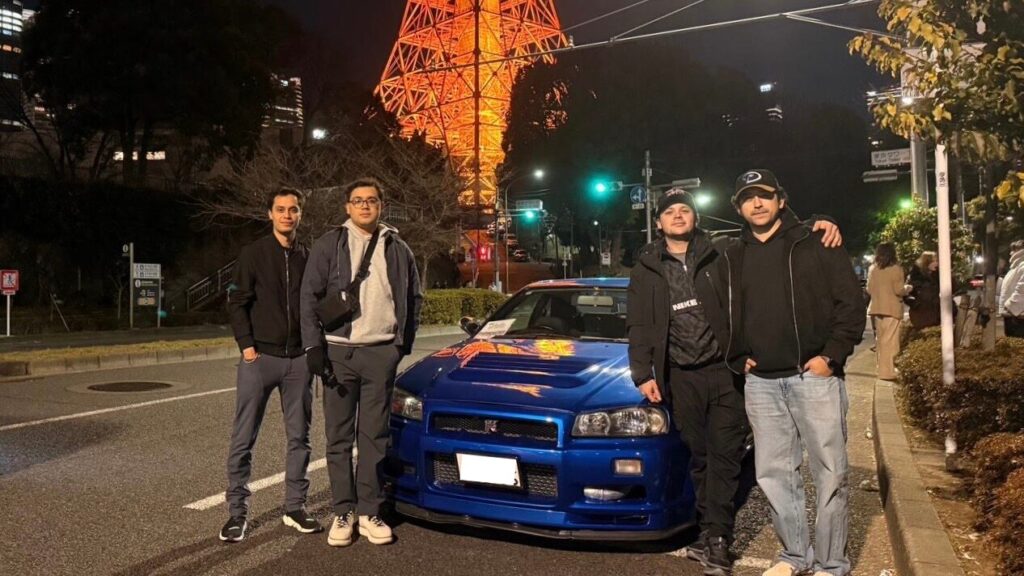
- This is a drive tour where you drive your rental car, and our guide navigates from the seat.
- This is a self-drive tour where you drive your rental car, and our guide navigates from the passenger seat.
- The tour begins and ends at the same location (Shibuya).
- If the Daikoku Parking Area is closed, we will instead guide you to another car meet further away.
- The consultant is a cultural expert and navigator, not a taxi service.
