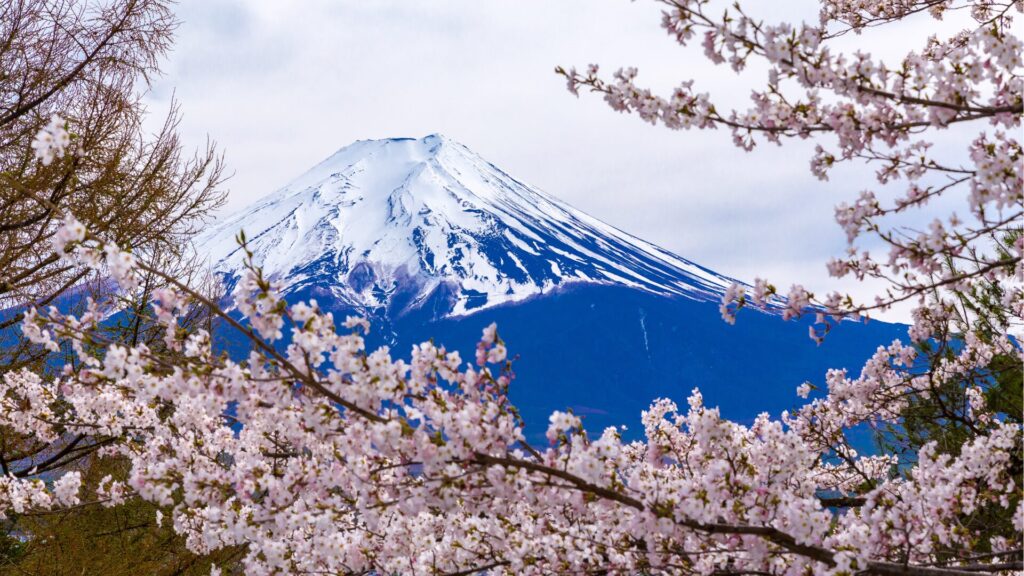
Why Mt Fuji Captivates the World
Mount Fuji is far more than a mountain. It is Japan's most recognizable natural landmark, a UNESCO World Heritage Site, and a symbol deeply woven into art, religion, and national identity. Whether you are planning a trip to Japan or simply curious about this iconic peak, learning the facts about Mt Fuji reveals layers of geology, history, and culture that most visitors never discover. Below is a comprehensive collection of the most interesting, surprising, and essential facts about Japan's tallest mountain.
-

-
Mt Fuji: The Ultimate 2026 Guide to Japan's Iconic Mountain
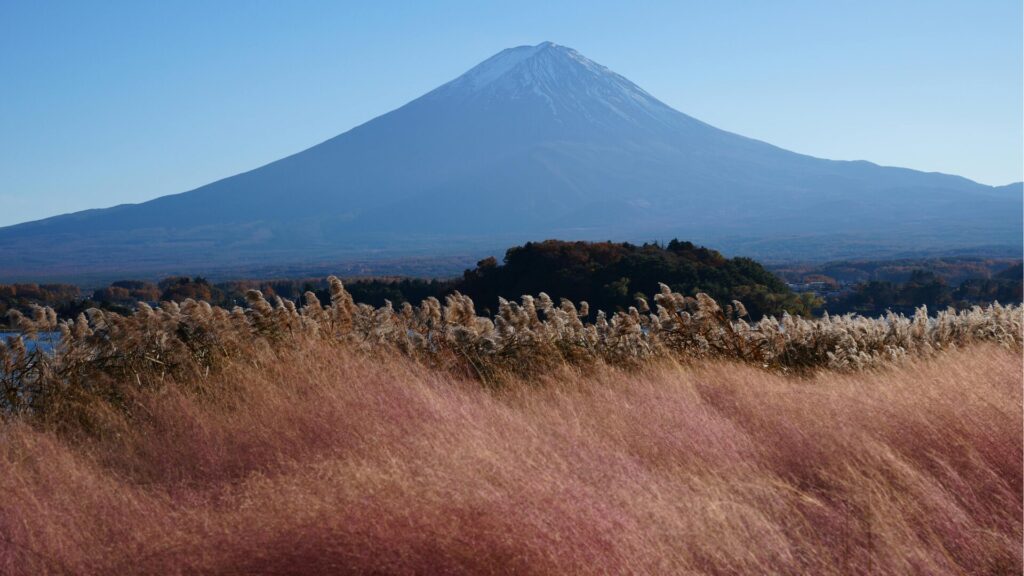
Why Mt Fuji Captivates Millions of Visitors Every Year Mt Fuji — or Fujisan (富士山) as it is known in Japanese — stands at 3,776 meters (12,389 feet), making it the tallest peak in Japan. Its near-perfect symmetrical cone, capped with snow for much of the year, has been a symbol of Japan for centuries. In 2013, UNESCO designated Mt Fuji as a World Cultural Heritage Site, recognizing not just its geological significance but its deep influence on Japanese art, literature, and spirituality. Whether you want to climb to the summit, photograph the mountain from a picturesque lake, soak in ...
続きを見る
Geographic and Physical Facts
Location, Height, and Classification
- Mt Fuji stands 3,776 meters (12,389 feet) tall, making it the highest peak in all of Japan.
- It straddles two prefectures — Shizuoka and Yamanashi — on the island of Honshu, roughly 100 kilometers southwest of Tokyo.
- Mt Fuji is classified as an active stratovolcano, despite not having erupted since 1707.
- The mountain's base spans approximately 125 kilometers in circumference.
- The crater at the summit is roughly 500 meters in diameter and 250 meters deep.
- On exceptionally clear days, Mt Fuji is visible from downtown Tokyo, over 100 kilometers away. It can even be spotted from parts of Yokohama and Chiba.
-
-
Mt Fuji Height: Exactly How Tall Is Japan's Iconic Peak in Meters and Feet?
Mt Fuji Height — The Definitive Measurement Mt Fuji stands at 3,776 meters (12,389 feet) above sea level, making it the tallest mountain in all of Japan. Its peak, known as Kengamine (剣ヶ峰), sits on the southwestern rim of the volcanic crater and represents the official highest point as surveyed by the Geospatial Information Authority of Japan (GSI). For travelers, mountaineers, and geography enthusiasts searching for the Mt Fuji height, this is the single most important number to know — and the story behind it is far more fascinating than a simple statistic. Mt Fuji Height in Different Units Depending ...
続きを見る
Geological Formation
- Mt Fuji sits at the junction of three tectonic plates: the Eurasian, Philippine Sea, and North American plates. This rare triple junction is why the volcano exists at all.
- The mountain we see today is actually the product of four distinct volcanic phases over approximately 100,000 years: Komitake, Ko-Fuji (Old Fuji), and Shin-Fuji (New Fuji) layers.
- The nearly perfect conical shape is the result of multiple eruptions depositing layers of basaltic lava and ash symmetrically.
- Beneath the surface, the magma chamber is estimated to lie about 20 kilometers underground.
Historical and Cultural Facts
Eruption History
- The last eruption occurred on December 16, 1707, known as the Hōei Eruption. It lasted for approximately two weeks and deposited volcanic ash as far as Edo (modern-day Tokyo).
- The Hōei Eruption was triggered by a massive 8.6-magnitude earthquake — the Hōei earthquake — just 49 days prior.
- Geologists have documented at least 16 eruptions since 781 AD. The volcano is closely monitored in 2026 by the Japan Meteorological Agency.
- Despite being labeled "active," the risk of imminent eruption is considered low, though the Japanese government maintains detailed evacuation plans for surrounding areas.
-
-
Mt Fuji Eruption: History, Risk Level, and What Travelers Should Know in 2026
Understanding the Mt Fuji Eruption Threat in 2026 Mount Fuji, Japan's tallest peak at 3,776 meters, is one of the most iconic landmarks on Earth. Yet beneath its perfectly symmetrical cone lies an active stratovolcano that has erupted numerous times throughout recorded history. For millions of tourists who visit the Fuji region each year — and for the roughly 30 million people living in the greater Tokyo metropolitan area — the question of whether Mt Fuji could erupt again is not merely academic. It is a matter of genuine preparedness. This article provides a comprehensive look at the eruption history ...
続きを見る
Sacred Mountain
- Mt Fuji has been a site of Shinto and Buddhist worship for over 1,000 years. It is considered one of Japan's "Three Holy Mountains" alongside Mount Tate and Mount Haku.
- The Shinto deity Konohanasakuya-hime, the goddess of delicate earthly life and associated with cherry blossoms, is enshrined at the summit in the Fujisan Hongū Sengen Taisha shrine network.
- Historically, women were forbidden from climbing Mt Fuji due to religious restrictions. The ban was not fully lifted until 1872 during the Meiji Restoration.
- The first recorded ascent of Mt Fuji was in 663 AD by an anonymous monk.
UNESCO World Heritage Status
- In June 2013, Mt Fuji was inscribed as a UNESCO World Cultural Heritage Site — notably not a "Natural" Heritage Site. The designation was awarded for its deep cultural significance rather than its natural beauty alone.
- The UNESCO inscription covers 25 sites in total, including shrines, pilgrim lodges, lava molds, and the Fuji Five Lakes.
Facts About Climbing Mt Fuji
The Climbing Season
- The official climbing season runs from early July to mid-September. Outside this window, trails are officially closed, and mountain huts do not operate.
- Approximately 200,000 to 300,000 people climb Mt Fuji every year. On peak weekends, the trails can become extremely crowded, with climbers waiting in long lines near the summit.
- Starting in 2024, Yamanashi Prefecture introduced a daily climber cap of 4,000 on the Yoshida Trail and a mandatory 2,000-yen entry fee per person to combat overtourism. These measures continue in 2026.
- The most popular route, the Yoshida Trail, begins at the 5th Station on the north side and typically takes 5–7 hours to ascend and 3–4 hours to descend.
-
-
Mt Fuji 5th Station: Complete 2026 Visitor Guide to Elevation, Access, and What to Expect
What Is the Mt Fuji 5th Station? The Mt Fuji 5th Station is the most popular gateway to Japan's iconic peak, sitting at approximately 2,305 meters (7,562 feet) above sea level on the Yoshida Trail — the mountain's most frequently used climbing route. Located on the Yamanashi Prefecture side (Subaru Line 5th Station), it serves as both the starting point for summit climbers and a world-class sightseeing destination in its own right. Every year, millions of visitors — many with no intention of climbing — travel here simply to experience the dramatic alpine landscape, shop for souvenirs, and peer above ...
続きを見る
Summit Conditions
- Temperatures at the summit can drop below −20°C (−4°F) in winter and rarely exceed 10°C (50°F) even in summer.
- "Goraiko" — watching the sunrise from the summit — is the main reason many climbers start their ascent at night. Thousands of headlamp-wearing climbers create a glowing trail visible from afar.
- There is a post office at the summit (the highest in Japan) that operates during the climbing season. You can mail a postcard stamped with a special Mt Fuji postmark.
- A weather station once operated at the summit year-round until 2004. Automated sensors now handle data collection.
Mt Fuji in Art and Popular Culture
- Katsushika Hokusai's woodblock print series Thirty-six Views of Mount Fuji (c. 1831), including the world-famous "The Great Wave off Kanagawa," cemented Fuji's image in global consciousness.
- Utagawa Hiroshige created another celebrated series, Thirty-six Views of Mount Fuji, in the 1850s, offering a different artistic interpretation.
- Mt Fuji appears on the current 1,000-yen banknote (reverse side) and has featured on Japanese currency multiple times throughout history.
- The mountain has inspired countless literary works, from classical haiku by Matsuo Bashō to modern novels and anime. It frequently appears in Studio Ghibli films and other animation.
- In JDM car culture, scenic drives around the base of Mt Fuji — particularly along the Fuji Subaru Line and Fuji Skyline — are considered some of the most rewarding driving experiences in Japan. Exploring these routes by car offers views that public transport simply cannot replicate.
Environmental and Scientific Facts
- The Fuji Five Lakes (Kawaguchiko, Saiko, Yamanakako, Shojiko, and Motosuko) at the northern base were formed by ancient lava flows that dammed rivers. Lake Kawaguchiko is the most accessible and popular among tourists.
- The Aokigahara Forest ("Sea of Trees") at the northwest base grows atop hardened lava from an 864 AD eruption. The lava substrate creates an eerily flat forest floor and absorbs sound, making the forest unnaturally quiet.
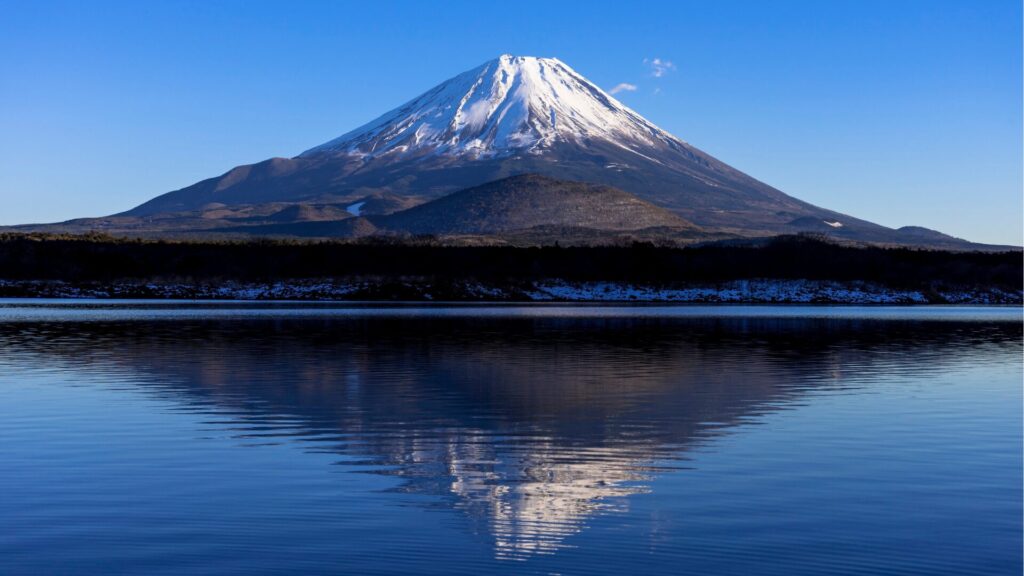
- Snow typically covers the summit from October through May or June. The iconic snow-capped silhouette most people associate with Fuji is technically its winter and spring appearance.
- Mt Fuji's snowmelt feeds underground aquifers that supply some of Japan's most prized spring water, commercially bottled and sold across the country.
- Researchers use Mt Fuji to study atmospheric pollution because its high altitude provides baseline data for East Asian air quality.
Surprising and Lesser-Known Facts
- The summit is technically private property. The land above the 8th Station on the south side belongs to Fujisan Hongū Sengen Taisha, the head shrine of the Sengen shrine network. It was returned to the shrine in 2004 after a legal dispute with the national government.
- A marathon (the Mt. Fuji Marathon) takes place annually around the base, attracting runners from around the world.
- There are over 1,300 Sengen shrines across Japan dedicated to the deity of Mt Fuji.
- The famous Lawson convenience store in Fujikawaguchiko became so popular for its perfectly framed Mt Fuji background that authorities erected a large black screen in 2024 to block the photo spot and manage crowds. The situation has evolved into a case study on overtourism management in Japan.
- Bullet trains (Shinkansen) on the Tokaido line pass Mt Fuji at over 270 km/h, and savvy travelers know to sit on the right side (seats D and E) heading from Tokyo for the best views.
- Mt Fuji creates its own weather. The peak frequently generates lenticular clouds (lens-shaped formations) caused by moist air flowing over the summit, which locals call "kasagumo" (umbrella clouds) and interpret as a sign of incoming rain.
- The Japanese proverb "He who climbs Mt Fuji once is a wise man; he who climbs it twice is a fool" reflects the mountain's reputation as an experience everyone should have — but one that is grueling enough that repeating it is questionable.
Viewing Mt Fuji: Best Spots and Tips
You do not need to climb Mt Fuji to appreciate it. Some of the most breathtaking perspectives come from the surrounding region:
- Lake Kawaguchiko: The most iconic viewpoint, especially for the "Diamond Fuji" phenomenon when the sun rises or sets directly atop the summit.
- Chureito Pagoda: The five-story pagoda in Fujiyoshida City, framed with Mt Fuji in the background, is one of the most photographed scenes in Japan.
- Hakone: The Owakudani volcanic valley and Lake Ashi offer stunning Fuji views combined with hot spring resorts.
- Miho no Matsubara: A pine-tree-lined beach in Shizuoka that has been depicted alongside Fuji in art for centuries and is included in the UNESCO heritage designation.
- Fuji Shibazakura Festival: Held each spring near Lake Motosuko, this event showcases 800,000 moss phlox flowers carpeting the ground with Mt Fuji as a backdrop.
Driving around the Fuji Five Lakes area and the surrounding highland roads offers the flexibility to chase clear-sky conditions and access lesser-known viewpoints that bus tours skip entirely.
-
-
Drive from Tokyo to Kawaguchiko Onsen: The Ultimate Self-Drive Guide for Overseas Visitors
Planning to drive from Tokyo to Kawaguchiko onsen? This in‑depth guide covers routes, permits, parking, tolls, itineraries, and seasonal tips—everything you need to enjoy Lake Kawaguchiko and Mt. Fuji hot springs by rental car. Why Drive from Tokyo to Kawaguchiko Onsen? Driving gives you freedom to stop at scenic viewpoints, lesser‑known onsen ryokan, and cafés around the Fuji Five Lakes. Compared with trains and buses, a car lets you combine multiple sights in one day, travel early or late to avoid crowds, and carry luggage with ease. Quick Facts Distance & time: ~110–140 km from central Tokyo; 2–2.5 hours in ...
続きを見る
Mt Fuji by the Numbers: Quick Reference
- Height: 3,776 m (12,389 ft)
- Last eruption: 1707 (Hōei Eruption)
- UNESCO designation: 2013 (Cultural Heritage)
- Annual climbers: ~200,000–300,000
- Climbing routes: 4 main trails (Yoshida, Subashiri, Gotemba, Fujinomiya)
- Distance from Tokyo: ~100 km (about 2–2.5 hours by car)
- Summit temperature range: −30°C to +10°C
- Crater diameter: ~500 m
- Base circumference: ~125 km
- Number of recorded eruptions: 16+ (since 781 AD)
Final Thoughts on Japan's Iconic Peak
The facts about Mt Fuji reveal a mountain that is far richer and more complex than its famously symmetrical silhouette suggests. From its volatile geological history and sacred religious significance to its outsized role in global art and modern tourism challenges, Fuji-san continues to shape Japanese culture and captivate visitors from every corner of the world. Whether you plan to climb it, photograph it from a lakeside onsen, or simply catch a fleeting glimpse from a highway, understanding these facts transforms Mt Fuji from a postcard image into a deeply meaningful encounter with Japan itself.
Experience Japan’s Finest JDM Adventures
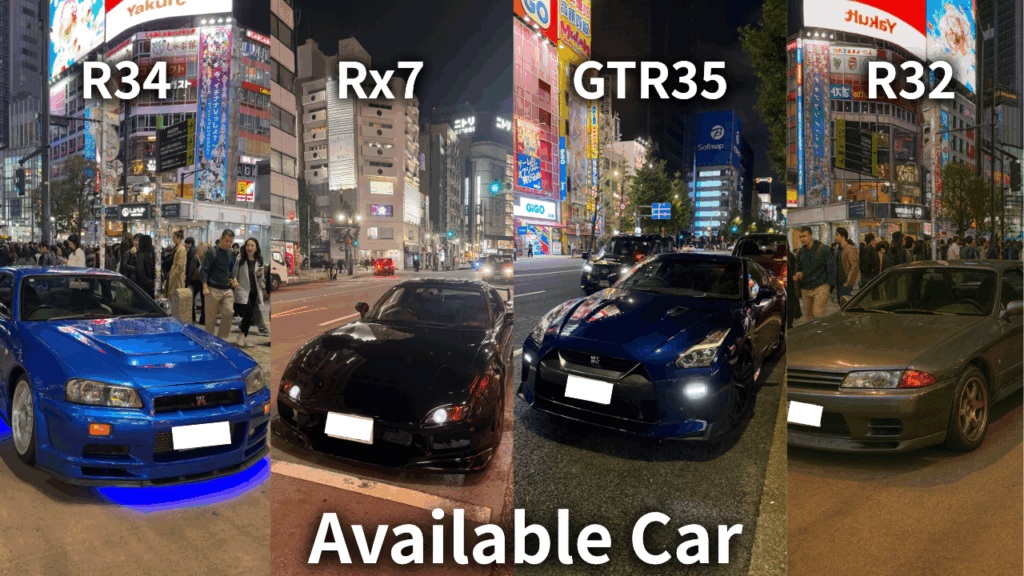
From Daikoku PA tours to JDM sports car rentals and drift experiences, we offer premium driving adventures for visitors who want more than ordinary sightseeing.
Get behind the wheel of iconic machines such as the GT-R, RX-7, and Supra, and experience Japan’s legendary car culture in the most unforgettable way. Whether you want a scenic Tokyo car experience or something more thrilling and immersive, we can guide you to the right plan.
Not sure which experience suits you best? No problem. Message us on WhatsApp and we’ll help you choose the ideal option based on your travel plans, interests, and driving experience.
Popular dates sell out quickly, so we recommend contacting us early.
Customer Reviews
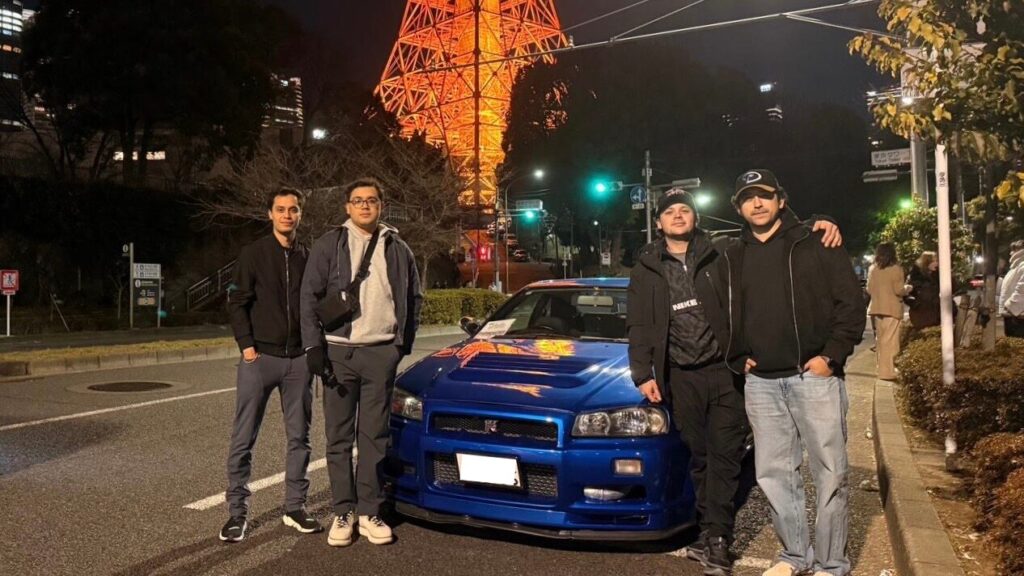
Important Information
- This is a drive tour where you drive your rental car, and our guide navigates from the seat.
- This is a self-drive tour where you drive your rental car, and our guide navigates from the passenger seat.
- The tour begins and ends at the same location (Shibuya).
- If the Daikoku Parking Area is closed, we will instead guide you to another car meet further away.
- The consultant is a cultural expert and navigator, not a taxi service.
