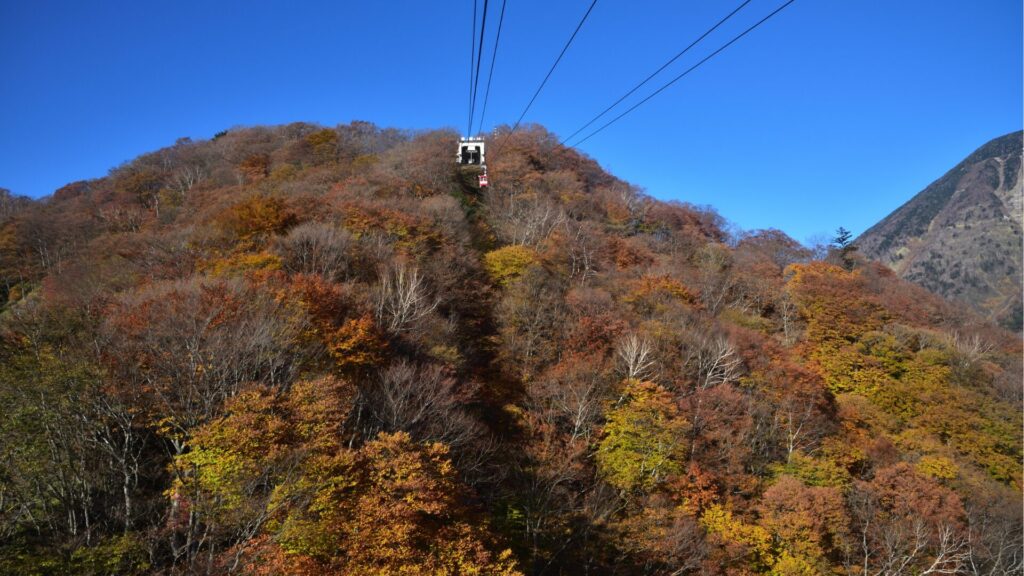
Why Take the Bus to Irohazaka?
Irohazaka is one of Japan's most iconic mountain roads — a pair of one-way winding routes stacked with 48 hairpin turns that connect central Nikko to the elevated shores of Lake Chūzenji. For travelers without a car, the Irohazaka bus is the most practical and affordable way to experience this legendary pass. The Tobu Bus service runs directly through the hairpins, giving passengers a front-row seat to the dramatic switchbacks, towering cedar forests, and seasonal color that make Irohazaka world-famous.
Whether you are a JDM enthusiast hoping to see the touge road immortalized in Initial D, a nature lover chasing autumn foliage, or a day-tripper from Tokyo looking for an unforgettable mountain ride, understanding the Irohazaka bus system is essential to planning your visit.
-

-
Irohazaka Winding Road: Japan's Most Legendary Touge Drive in Nikko
What Is the Irohazaka Winding Road? The Irohazaka winding road is one of the most iconic mountain passes in all of Japan, located in the Nikko National Park area of Tochigi Prefecture. Consisting of two separate one-way roads — the first Irohazaka (downhill) and the second Irohazaka (uphill) — this legendary route features a combined total of 48 hairpin turns, each named after a character from the classical Japanese Iroha poem. The pass connects the town of Nikko at roughly 600 meters elevation to the shores of Lake Chuzenji at approximately 1,270 meters, climbing over 600 meters in a dramatic ...
続きを見る
Which Bus Route Goes Through Irohazaka?
The bus that traverses Irohazaka is operated by Tobu Bus Nikko. The key route you need is the line connecting JR Nikko Station / Tobu Nikko Station to Chūzenji Onsen (and continuing to Yumoto Onsen at Lake Yunoko). This route is commonly labeled as the Chūzenji Onsen / Yumoto Onsen Line on timetables.
Important Stops Along the Route
- Tobu Nikko Station — the main departure point and where most tourists board.
- JR Nikko Station — the bus stops here moments before or after Tobu Nikko Station.
- Shinkyo Bridge (Jinja-mae) — a popular intermediate stop near Nikko's UNESCO shrines.
- Akechi-daira Ropeway — a stop on the second Irohazaka (uphill route) offering access to a panoramic ropeway.
- Chūzenji Onsen — the lakeside terminal at the top of Irohazaka, near Kegon Falls.
- Yumoto Onsen — the final stop for buses continuing past the lake to the hot-spring village.
The bus ascends via the Second Irohazaka (20 curves, uphill only) and descends via the First Irohazaka (28 curves, downhill only), because the two routes are one-way roads. This means your bus journey up and down will follow different paths — and you get to experience both sets of hairpins if you make a round trip.
Irohazaka Bus Timetable and Frequency
Buses from Tobu Nikko Station to Chūzenji Onsen run throughout the year, though frequency varies by season.
- Peak season (October – early November, Golden Week, summer holidays): Buses depart approximately every 15–20 minutes during the day.
- Regular season (spring, summer outside holidays): Departures roughly every 20–30 minutes.
- Off-season (winter, December – March): Service is reduced, with buses running every 30–60 minutes. Some services may be shortened or rerouted in heavy snow.
The first bus typically departs Tobu Nikko Station around 6:30–7:00 AM, with the last return bus from Chūzenji Onsen leaving around 7:00–7:30 PM (earlier in winter). Always check the latest Tobu Bus Nikko timetable before your trip, as schedules change seasonally.
Travel Time
Under normal conditions, the bus ride from Tobu Nikko Station to Chūzenji Onsen takes approximately 45–50 minutes. However, during peak autumn foliage season (mid-October to early November), traffic congestion on Irohazaka can be severe. Journey times may stretch to 2–3 hours in extreme cases. If you are visiting during autumn, departing as early as possible — ideally on the first morning bus — is strongly recommended.
Irohazaka Bus Fare and Passes

Single-Ride Fare
The one-way fare from Tobu Nikko Station to Chūzenji Onsen is approximately ¥1,200 (as of 2025). A round trip will cost roughly ¥2,400 if purchased as individual tickets. Fares are paid when you exit the bus. IC cards (Suica, PASMO) are accepted on Tobu Bus Nikko services, making payment convenient for foreign visitors who already have a transit card from Tokyo.
Discount Passes Worth Considering
- Nikko All Area Pass (Tobu Railway): Covers the round-trip train from Asakusa to Nikko AND unlimited Tobu Bus rides in the Nikko area (including the Irohazaka route) for up to 4 days. Priced at approximately ¥4,780 for foreign tourists. This is the best value if you are coming from Tokyo and plan to explore both Nikko's shrines and the Chūzenji/Irohazaka area.
- Nikko City Area Pass: A more limited version covering only the lower Nikko area (does not include the Irohazaka bus). Make sure you purchase the All Area version if your goal is to ride through the hairpins.
- Tobu Bus Free Pass (2-day): Available locally, covering unlimited bus rides in designated Nikko zones. Useful if you already have your own train ticket to Nikko.
For most international visitors, the Nikko All Area Pass represents the smartest investment, especially when you factor in the expensive round-trip bus fare to Chūzenji Onsen.
How to Get from Tokyo to the Irohazaka Bus
The journey from central Tokyo to the Irohazaka bus departure point involves two stages: getting to Nikko, and then boarding the Tobu Bus.
Stage 1: Tokyo to Nikko
- Tobu Railway (Asakusa Station): The most popular option. The Tobu Limited Express "Revaty" (Spacia X) takes about 1 hour 50 minutes from Asakusa to Tobu Nikko Station. The rapid (kaisoku) train is cheaper but takes around 2 hours 10 minutes with a transfer at Shimo-Imaichi.
- JR Shinkansen + local line: Take the Tohoku Shinkansen from Tokyo Station to Utsunomiya (about 50 minutes), then transfer to the JR Nikko Line to JR Nikko Station (about 45 minutes). Covered by Japan Rail Pass.
Stage 2: Nikko Station to Irohazaka (Tobu Bus)
Once you arrive at Tobu Nikko Station (or JR Nikko Station, which is adjacent), walk to the bus terminal directly outside the station. Look for buses bound for Chūzenji Onsen (中禅寺温泉) or Yumoto Onsen (湯元温泉). Board the bus, and enjoy the ride as it climbs through central Nikko, passes the sacred bridge area, and eventually enters the legendary Irohazaka hairpin road.
-
-
Tokyo to Nikko Onsen by Car: The Complete 2025 Driving Guide for Overseas Visitors
Nikko is one of Japan’s most rewarding road trips from Tokyo—mixing UNESCO World Heritage shrines, atmospheric onsen towns like Kinugawa and Chuzenji, and spectacular mountain drives through cedar-lined roads and highland passes. This guide explains the best routes, exact travel times and costs to expect, parking and toll tips, seasonal advice, and a ready-to-use 1–2 day itinerary designed for drivers. It’s written for first-time visitors renting a car in Japan who want a smooth, efficient, and deeply relaxing hot‑spring escape. Why Choose Nikko Onsen as a Self‑Drive from Tokyo World-class mix: Toshogu Shrine’s ornate architecture, Lake Chuzenji’s alpine scenery, and ...
続きを見る
What to Expect Riding the Bus Through Irohazaka
Riding the Irohazaka bus is an experience in itself. The large Tobu buses navigate the tight hairpin curves with impressive precision, and passengers get a visceral sense of just how steep and winding this mountain road truly is. Here is what to expect:
- Seat selection tip: Sit on the left side of the bus when ascending (Second Irohazaka) for the best views of the valley below. On the descent (First Irohazaka), the right side offers dramatic overlooks.
- Elevation change: The road climbs approximately 440 meters over a distance of just a few kilometers, meaning the switchbacks are steep and relentless.
- Akechi-daira stop: On the way up, you can exit at the Akechi-daira Ropeway stop for a short detour. The ropeway takes you to an observation deck with sweeping views of both Irohazaka routes, Kegon Falls, and Lake Chūzenji. You can catch a later bus to continue to Chūzenji Onsen.
- Motion sickness: The 48 consecutive hairpin turns are no joke. If you are prone to motion sickness, take medication beforehand, sit near the front of the bus, and keep your eyes on the road ahead.
For JDM and Initial D fans, riding through Irohazaka on the bus is a humbling way to appreciate the road's difficulty. Watching the driver calmly pilot a full-size bus through corners that challenge sports cars gives you enormous respect for both the road and the skill required to navigate it.
-
-
Irohazaka: Japan's Most Iconic Touge Road in Nikko — Driving Guide for JDM Enthusiasts
What Is Irohazaka? Japan's Legendary Hairpin Road in Nikko Irohazaka is one of Japan's most celebrated mountain roads, located in the Nikko area of Tochigi Prefecture, approximately 150 kilometers north of Tokyo. Consisting of two separate one-way routes — the First Irohazaka (下り/downhill) and the Second Irohazaka (上り/uphill) — this winding mountain pass features a combined total of 48 hairpin turns, each famously named after a character in the classical Japanese iroha poem. The road connects the city of Nikko at the base with the elevated plateau of Oku-Nikko, home to Lake Chuzenji and Kegon Falls. For JDM car enthusiasts ...
続きを見る
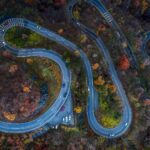
Best Time to Take the Irohazaka Bus
Autumn Foliage (Mid-October to Early November)
This is the most popular and spectacular time to ride the Irohazaka bus. The mountain slopes explode with red, orange, and gold foliage, and the hairpin turns become a tunnel of color. However, traffic congestion during this period is legendary — we strongly recommend catching the earliest possible bus to avoid spending hours stuck in traffic on the mountain road.
Spring and Summer (May to September)
Fresh green foliage covers the mountains, and the road is far less crowded. Summer is an excellent time for a comfortable, scenic ride without the autumn traffic chaos. Temperatures at the top near Lake Chūzenji are noticeably cooler than Tokyo, making it a pleasant escape.
Winter (December to March)
Irohazaka is open year-round, but winter conditions can be challenging. Snow and ice may affect bus schedules, and chains are sometimes required. The scenery is stark and beautiful, but services are reduced. Check conditions before traveling.
Irohazaka Bus vs. Driving: Which Is Better?
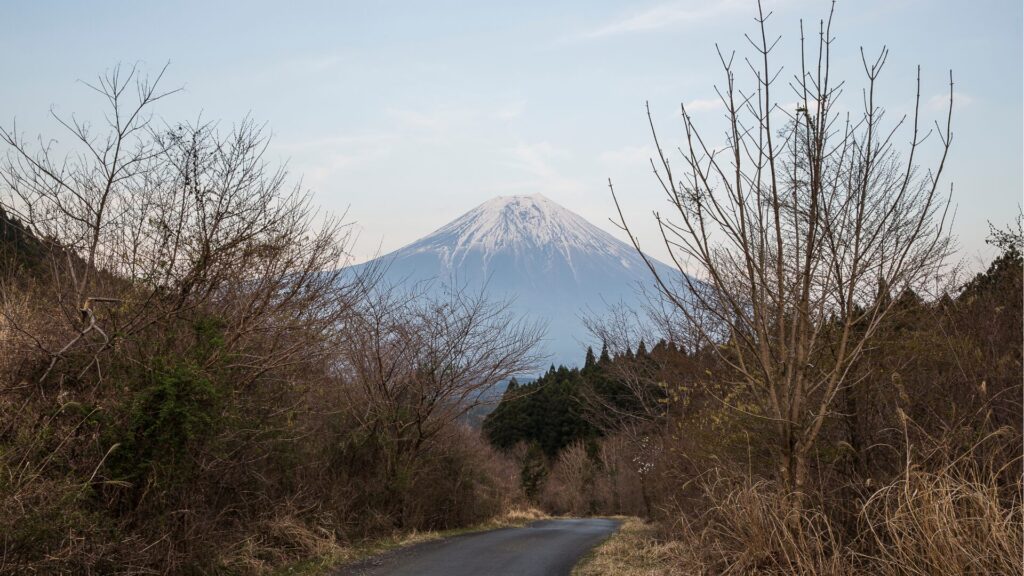
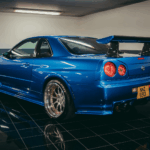
For JDM enthusiasts and car culture fans, there is an obvious appeal to driving Irohazaka yourself. Renting a car and piloting through all 48 hairpins is a bucket-list experience. However, the bus has distinct advantages in certain situations:
- No Japanese driver's license or IDP hassle: If you do not have an International Driving Permit valid in Japan, the bus is your only option.
- Autumn traffic: During peak foliage, driving yourself means sitting in the same traffic as the bus — but with the added stress of navigating unfamiliar hairpin turns in bumper-to-bumper conditions.
- Cost: Renting a car, paying tolls, fuel, and parking adds up quickly. The bus pass is significantly cheaper for solo travelers or couples.
- Relaxation: On the bus, you can focus entirely on the views instead of watching the road.
That said, if you are a driving enthusiast visiting Japan specifically for its touge roads, renting a JDM car and tackling Irohazaka yourself is an incomparable thrill — especially outside of peak season when the road is clear.
-
-
JDM Car Rental in Japan: The Complete Guide for Overseas Enthusiasts
Japan is the spiritual home of JDM—where iconic nameplates like Skyline, Supra, RX‑7, and Silvia were born and bred. If you’re visiting and want to experience authentic Japanese roads behind the wheel of a well‑maintained, street‑legal performance car, renting locally is the most practical and legal way to do it. This guide explains how to rent a JDM car in Japan, what to expect on the road, and the best routes and meet‑ups to plan around your trip. Why Rent a JDM Car in Japan? Renting in Japan gives you access to cars in their natural environment—tight city streets, spotless ...
続きを見る
What to Do at the Top: Chūzenji Onsen and Beyond
Once the Irohazaka bus deposits you at Chūzenji Onsen, you are surrounded by some of Tochigi Prefecture's finest attractions:
- Kegon Falls (Kegon no Taki): One of Japan's top three waterfalls, plunging 97 meters. An elevator descends to an observation platform at the base for ¥570.
- Lake Chūzenji: A serene crater lake perfect for walking, sightseeing boats, or lakeside dining.
- Chūzenji Temple: A historic temple on the lakeshore with a carved Kannon statue said to have been created by the monk Shōdō Shōnin.
- Ryūzu Falls: A short bus ride further toward Yumoto Onsen, this "dragon head" waterfall is especially beautiful during autumn.
- Yumoto Onsen: Continue on the bus to the end of the line for a rustic hot-spring village beside Lake Yunoko — ideal for a relaxing soak after your mountain adventure.
Tips for a Smooth Irohazaka Bus Experience
- Buy your pass in advance: Purchase the Nikko All Area Pass at the Tobu Sightseeing Service Center in Asakusa before you board the train. This saves time at Nikko Station.
- Depart early: Aim for the first or second bus of the day, especially in autumn. This minimizes traffic delays and gives you the most time at the top.
- Bring cash: While IC cards work on the bus, some smaller attractions and food stalls near Lake Chūzenji may be cash-only.
- Layer your clothing: The temperature at Lake Chūzenji (1,269m elevation) can be 5–10°C cooler than Nikko town below. Bring a jacket even in summer.
- Check return bus times: Missing the last bus down means arranging a taxi or staying overnight. Note the last departure from Chūzenji Onsen and set an alarm.
- Weekday advantage: If your schedule allows, visiting on a weekday dramatically reduces both bus crowding and road traffic.
-
-
Irohazaka Jump: The Legendary Initial D Scene and the Real Hairpin Road Behind It
What Is the Irohazaka Jump? The "Irohazaka jump" is one of the most iconic moments in Japanese car culture — a death-defying gutter technique and mid-air leap depicted in the manga and anime series Initial D. In the story, protagonist Takumi Fujiwara launches his AE86 Sprinter Trueno off a blind crest on the Irohazaka winding road in Tochigi Prefecture, cutting through the air to gain a decisive advantage over his rival. The scene became so legendary that it permanently cemented Irohazaka's reputation among car enthusiasts worldwide. But the Irohazaka jump is more than just a piece of anime fiction. It ...
続きを見る
Combining Irohazaka with a Broader JDM Road Trip
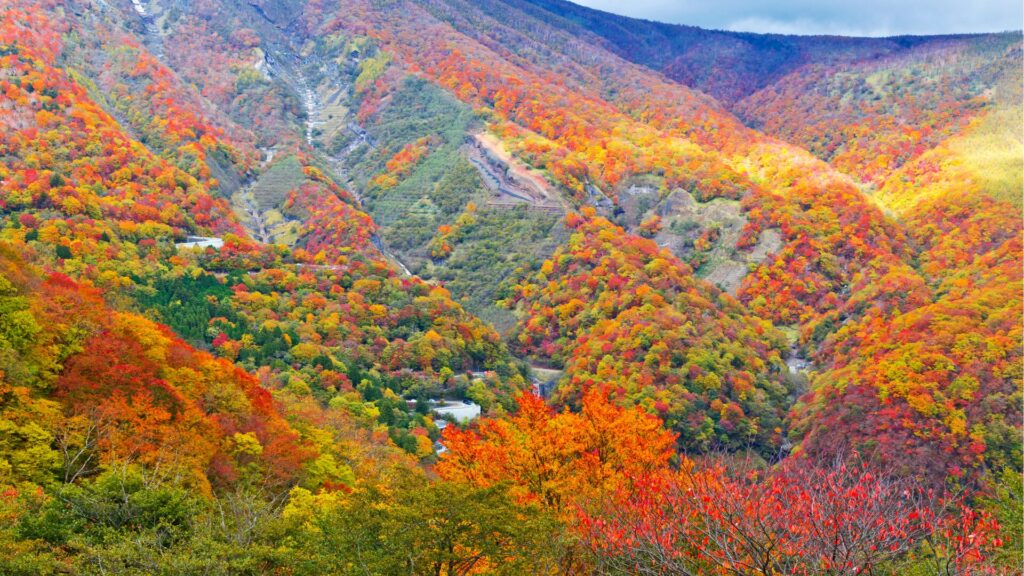
Irohazaka sits in the Nikko area of Tochigi Prefecture, which places it within striking distance of several other famous touge roads and JDM destinations. If you are renting a car for part of your trip, consider combining Irohazaka with a visit to Mount Akagi in neighboring Gunma Prefecture — another legendary Initial D location. From Nikko, the drive to Akagi takes roughly 1.5 to 2 hours via Route 122 and Route 353.
And of course, no JDM trip to Japan is complete without experiencing the car meet scene in the Tokyo-Yokohama corridor. Daikoku Parking Area, the epicenter of Japanese car culture, is accessible as a day trip or night outing from Tokyo — and the perfect complement to a daytime Irohazaka adventure.
-
-
Daikoku Parking Area (Daikoku PA): The Ultimate Visitor Guide to Japan’s Legendary JDM Meet
Daikoku Parking Area—often written as Daikoku PA or Daikokufutō—is the most famous place in Japan to spot tuned cars gathering organically. It’s a real expressway parking/service area in Yokohama, not a ticketed tourist attraction and not an officially organized event. That “unofficial” nature is exactly why Daikoku feels special: the lineup is never the same twice, and the culture is authentic. At the same time, Daikoku is one of the easiest places for first-time visitors to misunderstand. It’s located inside the Shuto Expressway network and cannot be accessed from ordinary roads or on foot, which is why so many travelers ...
続きを見る
If you're going to Daikoku PA, leave it to us

Experience an unforgettable JDM tour — ride in a legendary Japanese sports car and drive from Tokyo to Daikoku Parking Area, cruising Tokyo’s iconic roads along the way. Choose from favorites like the GT-R (R35 / R34 / R32), RX-7, Supra, and more.
We offer one of the highest-quality JDM driving experiences in the industry, at a fair and reasonable price.
Want to know more details or check availability?
Message us on WhatsApp for quick replies and easy booking.
Spots often sell out, so we recommend booking early.
Duration: about 3 hours
Meeting Point: Shibuya Station
Language: Beginner-level English & Japanese
Customer Reviews
Daikoku PA Video: What It’s Really Like
Important Information
- This is a drive tour where you drive your rental car, and our guide navigates from the seat.
- This is a self-drive tour where you drive your rental car, and our guide navigates from the passenger seat.
- The tour begins and ends at the same location (Shibuya).
- If the Daikoku Parking Area is closed, we will instead guide you to another car meet further away.
- The consultant is a cultural expert and navigator, not a taxi service.
