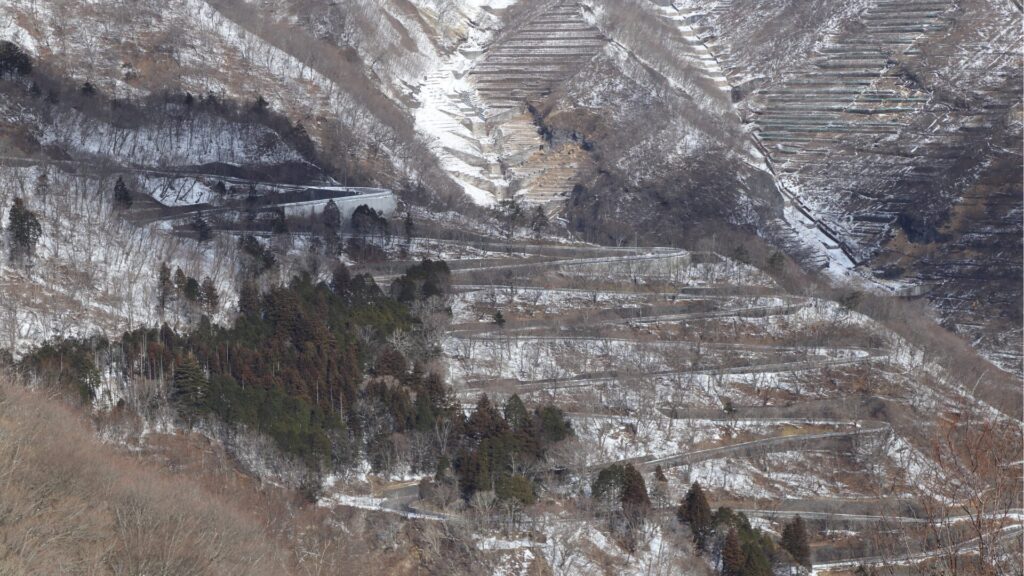
What Is the Irohazaka Jump?
The "Irohazaka jump" is one of the most iconic moments in Japanese car culture — a death-defying gutter technique and mid-air leap depicted in the manga and anime series Initial D. In the story, protagonist Takumi Fujiwara launches his AE86 Sprinter Trueno off a blind crest on the Irohazaka winding road in Tochigi Prefecture, cutting through the air to gain a decisive advantage over his rival. The scene became so legendary that it permanently cemented Irohazaka's reputation among car enthusiasts worldwide.
But the Irohazaka jump is more than just a piece of anime fiction. It is rooted in a real stretch of mountain road that has been drawing drivers, tourists, and JDM fans to Nikko for decades. In this article, we break down the origin of the jump scene, what the actual road looks like, and how you can experience it safely on a road trip from Tokyo.
-

-
Irohazaka Winding Road: Japan's Most Legendary Touge Drive in Nikko
続きを見る
The Initial D Scene That Made Irohazaka Famous
The Setup: Project D vs. a Local Legend
In the later arcs of Initial D, the protagonist team "Project D" ventures beyond their home turf of Mount Akina (Haruna) and Mount Akagi to challenge drivers across the Kanto region. One of the most dramatic battles takes place on the second Irohazaka — the downhill-only route with its 20 consecutive hairpin turns. Takumi faces off against a skilled opponent driving a turbocharged machine, and the terrain of Irohazaka becomes a character in itself.
The Jump: Physics-Defying or Plausible?
The defining moment of the battle comes when Takumi uses a combination of the gutter technique (dropping his inside wheels into the drainage channel to maintain speed through a corner) and a natural crest in the road. The AE86 goes airborne, clearing a section of asphalt and landing cleanly on the other side. While the anime takes creative liberties with the physics — the hang time and distance are exaggerated for dramatic effect — the underlying road geometry is real. There are sections of the second Irohazaka where elevation changes and tight switchbacks could theoretically cause a lightweight car to become momentarily unweighted, especially at high speed.
This scene resonated so deeply with fans because it combined the raw, underdog spirit of the AE86 with the most dramatic road in Japan's mountain-pass driving culture. It is the single most referenced moment when fans talk about the "Irohazaka jump."
The Real Irohazaka Road: Where Fiction Meets Asphalt
Two Roads, One Name
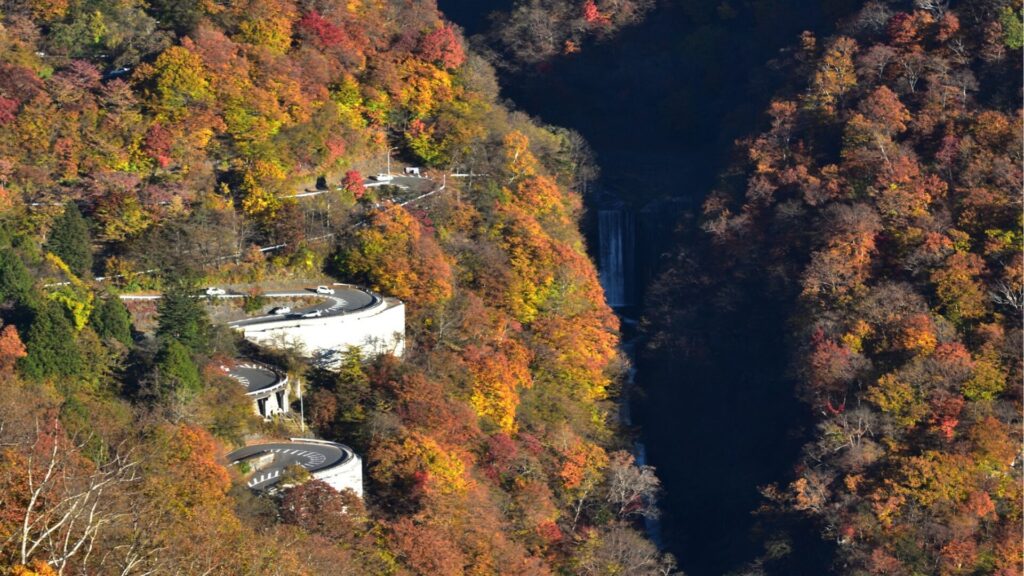
Irohazaka actually consists of two separate one-way roads in Nikko, Tochigi Prefecture. The first Irohazaka (ichirohazaka) is the uphill route, featuring 28 hairpin turns. The second Irohazaka (nirohazaka) is the downhill route, with 20 hairpin turns. Each turn is named after a character in the Japanese iroha poem, giving the road its poetic name. The Initial D battle — and the famous jump — takes place on the second Irohazaka, the downhill road.
Road Characteristics
The real second Irohazaka drops approximately 440 meters in elevation over roughly 9.5 kilometers. The road surface is well-maintained asphalt with concrete barriers and guardrails on the most exposed sections. Gradient changes are frequent, and several sections feature blind crests followed immediately by sharp turns — precisely the kind of terrain that inspired the jump scene. The road is a National Route (Route 120) and carries regular tourist traffic, especially during autumn foliage season. It is emphatically not a place for reckless driving.
Can You Actually "Jump" on Irohazaka?
Let us be direct: attempting anything resembling the Irohazaka jump on the public road is extremely dangerous and illegal. The road is narrow, has no run-off areas, and drops off steeply into forested mountainside. Speed limits are strictly enforced, and the local police are well aware of the road's pop-culture reputation. The appeal of visiting Irohazaka is not to recreate the anime scene — it is to drive one of Japan's most spectacular mountain passes at a safe, appreciative pace and understand why it captured the imagination of millions.
Driving Irohazaka: A Practical Guide for Visitors
Getting There from Tokyo
Irohazaka is located in the Nikko National Park area, roughly 150 kilometers north of central Tokyo. By car, the journey takes approximately 2.5 to 3 hours via the Tohoku Expressway and Nikko-Utsunomiya Road. The toll roads are straightforward and well-signed in English. Once you exit the expressway and enter the Nikko area, the mountain roads begin, and the scenery shifts from suburban sprawl to dense cedar forests and river valleys.
-
-
Tokyo to Nikko Onsen by Car: The Complete 2025 Driving Guide for Overseas Visitors
続きを見る
Best Time to Visit
The most popular season is autumn (mid-October to early November), when the surrounding mountains explode with red, orange, and yellow foliage. However, this is also peak traffic season — expect significant congestion on weekends. For a more relaxed driving experience, visit on a weekday or during the green season (late May through September). The road is closed during winter due to snow and ice, typically from late December through April, though exact dates vary by year.
What to Expect on the Drive
- Uphill (First Irohazaka): You will climb through 28 switchbacks with steadily improving views. The road is one lane in each direction with occasional passing areas.
- Downhill (Second Irohazaka): This is the Initial D route. The 20 hairpin turns descend steeply, and the combination of gradient changes and tight corners makes it genuinely engaging to drive — even at legal speeds.
- Akechidaira Ropeway: A must-stop viewpoint located partway along the downhill route. The ropeway takes you to an observation deck overlooking Kegon Falls and Lake Chuzenji.
Irohazaka and Japan's Touge Culture
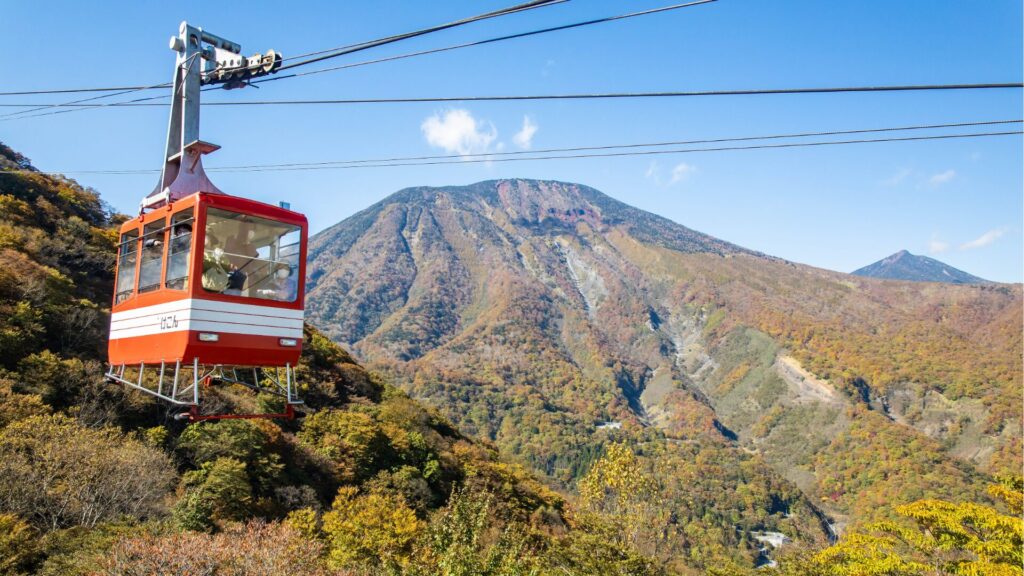
The Irohazaka jump scene did not emerge in a vacuum. It is part of a broader Japanese touge (mountain pass) driving culture that has shaped car enthusiasm in Japan for decades. Roads like Mount Akagi, Mount Haruna, Hakone Turnpike, and Irohazaka have all served as natural proving grounds for drivers and as settings for manga, anime, and video games.
-
-
Mount Akagi (Mt. Akagi) Travel Guide: Best Views, Access, and Things to Do
続きを見る
What makes Irohazaka unique among touge roads is its sheer number of consecutive hairpins and its dramatic elevation change. Most mountain passes in Japan have a mix of corners and straights, but Irohazaka is almost entirely composed of switchbacks stacked on top of one another. This relentless rhythm is what makes the road so memorable — and why it provided such compelling material for Initial D's storytelling.
For international visitors interested in experiencing this touge culture firsthand, combining a drive on Irohazaka with visits to other famous passes and JDM hotspots creates an unforgettable road trip. Many fans pair an Irohazaka visit with a stop at Daikoku Parking Area near Yokohama — Japan's most famous JDM car meet spot — for a complete immersion in Japan's automotive subculture.
-
-
Daikoku Parking Area (Daikoku PA): The Ultimate Visitor Guide to Japan’s Legendary JDM Meet
続きを見る
Combining Irohazaka with Nikko and Onsen
One of the best reasons to drive Irohazaka is that it sits within one of Japan's most rewarding travel regions. The Nikko area offers a wealth of experiences beyond the road itself:
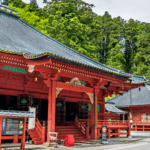
- Nikko Toshogu Shrine: A UNESCO World Heritage Site and one of Japan's most ornate Shinto shrines, located at the base of the mountains.
- Lake Chuzenji: A scenic lake at the top of Irohazaka, perfect for lakeside walks and lunch stops.
- Kegon Falls: One of Japan's most famous waterfalls, viewable from the observation platform near Akechidaira or from the base via elevator.
- Nikko Yumoto Onsen: A hot spring village beyond Lake Chuzenji, ideal for soaking after a day of driving.
A well-planned road trip from Tokyo can include Irohazaka, Nikko's cultural sites, and an overnight onsen stay, turning the famous jump scene's setting into a multi-day adventure.
-
-
JDM Car Rental in Japan: The Complete Guide for Overseas Enthusiasts
続きを見る
Irohazaka in Gaming and Media Beyond Initial D
The Irohazaka jump has transcended its Initial D origins. The road (or roads inspired by it) appears in numerous racing games, including entries in the Gran Turismo, Assetto Corsa, and Wangan Midnight franchises. Fan-made mods for Assetto Corsa have recreated the Irohazaka passes with remarkable accuracy, allowing sim racers worldwide to experience the hairpins virtually. YouTube and social media are filled with comparison videos showing the anime scenes side by side with real dashcam footage of the road.
This cross-media presence has kept the Irohazaka jump alive in popular culture for more than two decades. New generations of car fans discover it through gaming or streaming, and many of them add Irohazaka to their must-visit list when planning a trip to Japan. The road has become a pilgrimage site — not because of any organized event, but because the legend of the jump continues to resonate.
Safety and Etiquette on Irohazaka
Given the road's fame, it is important to address driving etiquette and safety expectations for visitors:
- Obey speed limits: The posted limits (typically 30–40 km/h on the switchbacks) exist for good reason. The road's geometry is unforgiving at speed.
- Do not stop in the road: Pull over only at designated viewpoints and parking areas. Stopping on the switchbacks creates dangerous blind-corner hazards.
- Respect other drivers: Irohazaka carries tour buses, local traffic, and motorcyclists. Patience and courtesy are essential.
- Watch for wildlife: The Nikko area is home to monkeys and deer that occasionally wander onto the road.
- No racing: Police patrols are common, especially during peak season. Any attempt to recreate anime driving maneuvers will result in fines, license suspension, or worse.
The joy of driving Irohazaka comes from appreciating the road's engineering, its scenery, and its cultural significance — not from speed. Approach it with respect, and it will reward you with one of the best driving experiences in Japan.
If you're going to Daikoku PA, leave it to us

Experience an unforgettable JDM tour — ride in a legendary Japanese sports car and drive from Tokyo to Daikoku Parking Area, cruising Tokyo’s iconic roads along the way. Choose from favorites like the GT-R (R35 / R34 / R32), RX-7, Supra, and more.
We offer one of the highest-quality JDM driving experiences in the industry, at a fair and reasonable price.
Want to know more details or check availability?
Message us on WhatsApp for quick replies and easy booking.
Spots often sell out, so we recommend booking early.
Duration: about 3 hours
Meeting Point: Shibuya Station
Language: Beginner-level English & Japanese
Customer Reviews
Daikoku PA Video: What It’s Really Like
Important Information
- This is a drive tour where you drive your rental car, and our guide navigates from the seat.
- This is a self-drive tour where you drive your rental car, and our guide navigates from the passenger seat.
- The tour begins and ends at the same location (Shibuya).
- If the Daikoku Parking Area is closed, we will instead guide you to another car meet further away.
- The consultant is a cultural expert and navigator, not a taxi service.
