What Is Irohazaka Sakura Park?
Irohazaka Sakura Park is a scenic cherry blossom viewing area located at the base of the legendary Irohazaka winding road in Nikko, Tochigi Prefecture. Officially known as "Sakura no Hiroba" (Cherry Blossom Square) or referred to by locals as the sakura park area near the Irohazaka approach, this spot offers one of the most unique hanami (flower viewing) experiences in all of Japan — combining the drama of mountain switchbacks with the delicate beauty of blooming cherry trees.
Unlike the famous sakura spots in central Tokyo, Irohazaka Sakura Park sits at a higher elevation, meaning the cherry blossom season here arrives later — typically mid to late April, sometimes extending into early May. For travelers who miss the peak bloom in Tokyo, this park provides a second chance to experience Japan's iconic cherry blossoms in a completely different, mountainous setting.
-

-
Irohazaka Winding Road: Japan's Most Legendary Touge Drive in Nikko
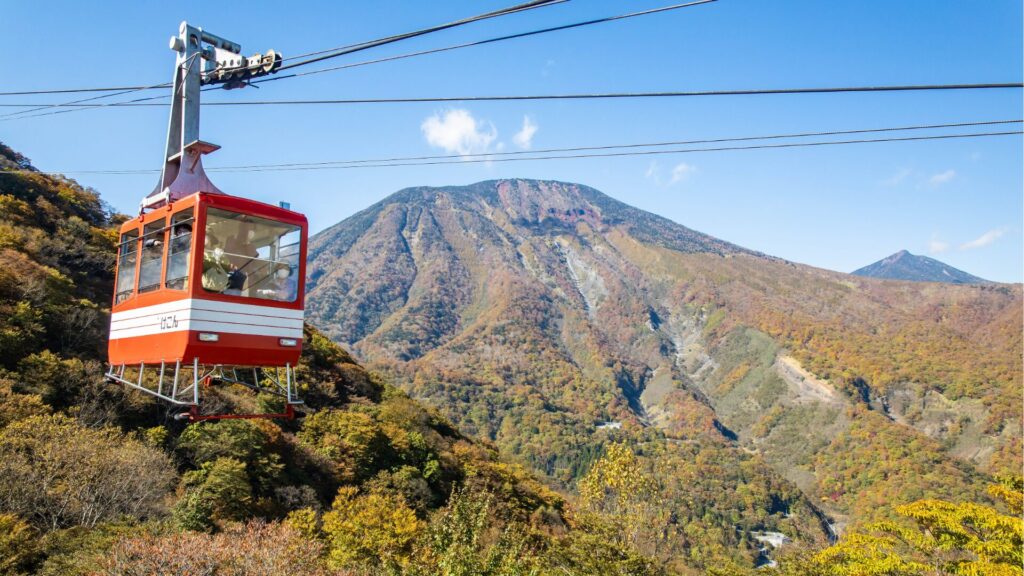
What Is the Irohazaka Winding Road? The Irohazaka winding road is one of the most iconic mountain passes in all of Japan, located in the Nikko National Park area of Tochigi Prefecture. Consisting of two separate one-way roads — the first Irohazaka (downhill) and the second Irohazaka (uphill) — this legendary route features a combined total of 48 hairpin turns, each named after a character from the classical Japanese Iroha poem. The pass connects the town of Nikko at roughly 600 meters elevation to the shores of Lake Chuzenji at approximately 1,270 meters, climbing over 600 meters in a dramatic ...
続きを見る
Where Exactly Is Irohazaka Sakura Park Located?
Irohazaka Sakura Park is situated near the lower entrance of the Irohazaka slopes in the Nikko area of Tochigi Prefecture. It lies along the route that connects the town of Nikko with Lake Chuzenji and the Oku-Nikko plateau above. The park area is accessible along National Route 120, which feeds directly into the famous first and second Irohazaka curves.
Key Location Details
- Region: Nikko, Tochigi Prefecture
- Elevation: Approximately 600–800 meters above sea level
- Nearest major city: Utsunomiya (about 40 minutes by car)
- Distance from Tokyo: Approximately 150 km (2–2.5 hours by car via the Tohoku Expressway)
- Nearby landmarks: Nikko Toshogu Shrine, Kegon Falls, Lake Chuzenji
The park area is conveniently positioned so that visitors can combine their cherry blossom viewing with a drive up the Irohazaka switchbacks — a thrilling experience for car enthusiasts, especially those familiar with the road's legendary status in Japanese touge and JDM driving culture.
Cherry Blossom Season at Irohazaka: When to Visit
The cherry blossom season at Irohazaka Sakura Park differs significantly from Tokyo and other lowland areas. Because of the higher altitude and cooler mountain climate, the sakura here bloom considerably later.
Typical Bloom Timeline
- Early bloom (kaika): Around April 15–20
- Full bloom (mankai): Around April 20–30
- Late bloom / petal fall: Early May
This timing makes Irohazaka Sakura Park an ideal destination for international travelers who arrive in Japan after Tokyo's cherry blossoms have already peaked (usually late March to early April). The staggered blooming schedule means you can experience sakura in Tokyo first, then chase the bloom northward and upward in elevation to Nikko and the Irohazaka area.
Weather conditions vary year to year, so it is advisable to check real-time sakura forecasts from the Japan Meteorological Corporation before planning your visit. Cold snaps at higher elevations can delay the bloom, while unusually warm springs may push it earlier.
-
-
Cherry Blossom Tokyo: The Best Sakura Spots, Night Views, and a Perfect Finish at Daikoku PA
Tokyo’s cherry blossom season (sakura) is one of the most iconic travel moments in the world—parks turning pastel pink, rivers lined with blossoms, and nighttime illuminations that feel unreal. If you’re planning cherry blossom Tokyo as the centerpiece of your trip, you can make it even more memorable by pairing classic hanami (flower viewing) with a side of Tokyo’s world-famous car culture. This guide covers the best places to see cherry blossoms in Tokyo, how to time your visit, where to enjoy yozakura (night blossoms), and how to plan a smooth itinerary that ends with an unforgettable night at Daikoku ...
続きを見る
What Makes Irohazaka Sakura Park Special for Car Enthusiasts
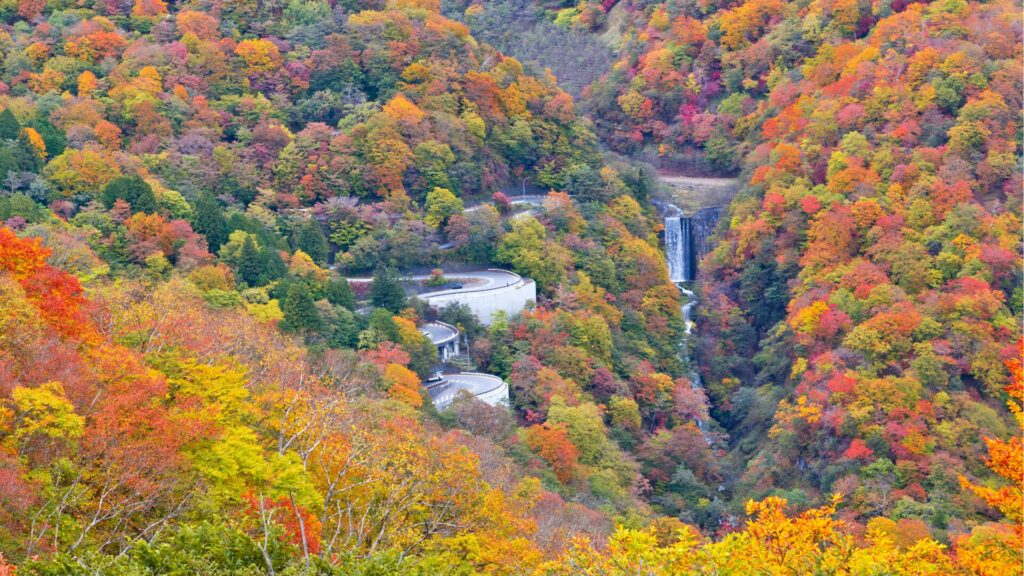
Irohazaka is not just any cherry blossom spot — it is a destination that sits at the intersection of two of Japan's most beloved cultural experiences: hanami and touge driving. The Irohazaka winding road is one of Japan's most iconic mountain passes, featuring 48 hairpin turns split across two one-way roads (the first Irohazaka going uphill and the second Irohazaka going downhill).
For JDM car enthusiasts and fans of Japanese car culture, driving through blooming cherry trees on the approach to these switchbacks is an unforgettable experience. The combination of pink petals drifting across the road, lush green mountainsides, and the technical challenge of consecutive hairpin curves creates a driving experience that is uniquely Japanese.
Why JDM Fans Love This Route
- Touge heritage: Irohazaka has long been celebrated as one of Japan's premier mountain passes, alongside Mt. Akagi and Mt. Haruna — all located in the northern Kanto region.
- Scenic driving: The combination of cherry blossoms at the base, autumn foliage in October, and dramatic elevation changes makes this a year-round destination for driving enthusiasts.
- Photo opportunities: A JDM car parked beneath blooming sakura with the Irohazaka curves in the background is one of the most coveted car photography shots in Japan.
- Cultural significance: The road's name comes from an old Japanese poem using the 48 characters of the "iroha" syllabary, with each hairpin turn named after a character.
-
-
Tokyo to Nikko Onsen by Car: The Complete 2025 Driving Guide for Overseas Visitors
Nikko is one of Japan’s most rewarding road trips from Tokyo—mixing UNESCO World Heritage shrines, atmospheric onsen towns like Kinugawa and Chuzenji, and spectacular mountain drives through cedar-lined roads and highland passes. This guide explains the best routes, exact travel times and costs to expect, parking and toll tips, seasonal advice, and a ready-to-use 1–2 day itinerary designed for drivers. It’s written for first-time visitors renting a car in Japan who want a smooth, efficient, and deeply relaxing hot‑spring escape. Why Choose Nikko Onsen as a Self‑Drive from Tokyo World-class mix: Toshogu Shrine’s ornate architecture, Lake Chuzenji’s alpine scenery, and ...
続きを見る
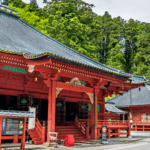
How to Get to Irohazaka Sakura Park from Tokyo
The most rewarding way to reach Irohazaka Sakura Park is by car, which allows you to experience the full driving route and stop freely along the way. However, public transportation options also exist for those without access to a vehicle.
By Car (Recommended)
From central Tokyo, take the Tohoku Expressway northbound and exit at the Utsunomiya IC. From there, follow the Nikko-Utsunomiya Road (toll road) to Nikko, and then continue on National Route 120 toward the Irohazaka slopes. Total driving time is approximately 2 to 2.5 hours under normal traffic conditions.
- Tolls: Expect to pay approximately ¥3,000–¥4,500 in highway tolls each way (with ETC discount).
- Parking: Free roadside parking areas are available near the base of Irohazaka, and larger paid lots exist near Nikko Toshogu Shrine.
- Fuel: Fill up before entering the mountain area, as gas stations become sparse beyond central Nikko.
By Public Transportation
Take the Tobu Railway from Asakusa Station in Tokyo to Tobu-Nikko Station (approximately 2 hours). From the station, local buses operated by Tobu Bus run along the Irohazaka route toward Lake Chuzenji. The bus ride to the base of Irohazaka takes about 30–40 minutes. While this option is viable, you lose the flexibility to stop and explore the sakura park area at your own pace.
Combining Irohazaka with a Broader Nikko Trip
Many visitors combine an Irohazaka Sakura Park visit with a broader Nikko itinerary. Consider adding these stops to your day trip or overnight excursion:
- Nikko Toshogu Shrine (UNESCO World Heritage Site)
- Kegon Falls
- Lake Chuzenji
- Yumoto Onsen (hot springs in the Oku-Nikko area)
- Kanmangafuchi Abyss (scenic gorge with stone statues)
Cherry Blossom Varieties at Irohazaka Sakura Park
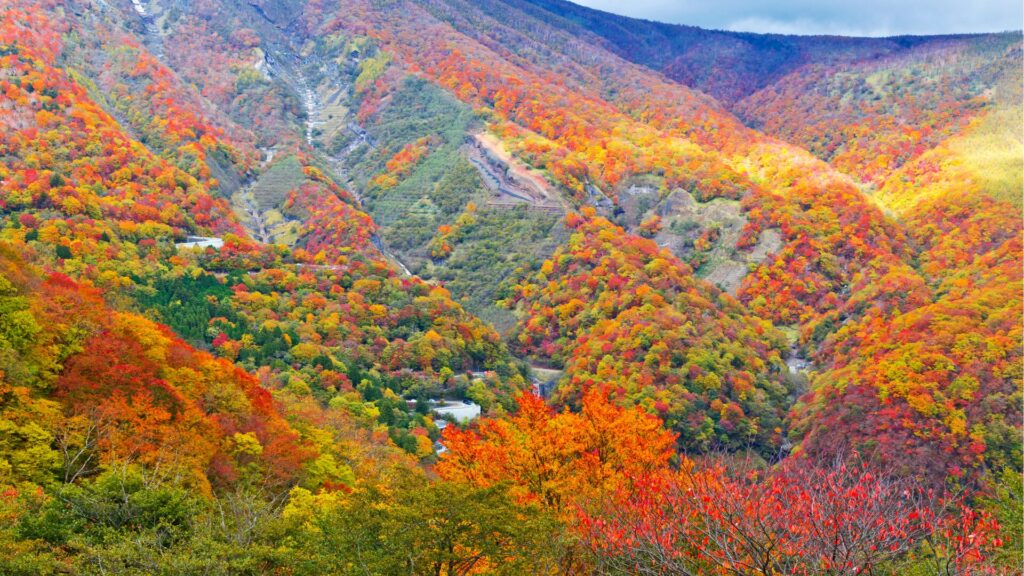
The sakura trees in the Irohazaka area are predominantly Somei Yoshino (Prunus × yedoensis), the same variety that dominates Tokyo's famous cherry blossom spots. However, the mountain environment also supports several other varieties that bloom at slightly different times, extending the overall viewing window.
- Somei Yoshino: The classic pale pink variety, accounting for the majority of trees. Peak bloom lasts about one week.
- Yamazakura (Mountain Cherry): A wild cherry species with slightly darker pink petals that often blooms alongside emerging copper-colored leaves. Common in mountain areas like Nikko.
- Shidarezakura (Weeping Cherry): Found in smaller numbers, these elegant trees with cascading branches add variety to the landscape.
- Yaezakura (Double Cherry): Late-blooming variety with fuller, multi-petaled flowers that can extend the season into early May.
The mix of these varieties against the backdrop of mountain terrain creates a more natural, wild aesthetic compared to the manicured cherry blossom corridors found in urban Tokyo parks.
-
-
Cherry Blossom Tours in Tokyo: The Best Sakura Routes, Tour Types, and a Perfect Spring Itinerary
Tokyo in spring is a short, high-demand season where timing matters. A well-planned cherry blossom tour in Tokyo helps you hit the right neighborhoods at the right hour, avoid peak congestion, and see multiple sakura “styles” in a single day—riverside tunnels of blossoms, historic gardens, skyline backdrops, and nighttime illuminations. This guide focuses on how Tokyo cherry blossom tours work (what you’ll actually do, where you’ll go, and how to choose the right format), plus a practical itinerary you can follow with a guide or use as your own plan. Why Take a Cherry Blossom Tour in Tokyo? Tokyo is ...
続きを見る
Tips for Visiting Irohazaka Sakura Park
To make the most of your visit to Irohazaka Sakura Park, keep these practical tips in mind:
Timing Your Visit
- Arrive early: During peak bloom weekends, the Nikko area can experience significant traffic congestion. Arriving before 9:00 AM gives you quieter roads and better parking availability.
- Weekday advantage: If your schedule allows, visiting on a weekday dramatically reduces crowds and traffic on the Irohazaka road itself.
- Golden Week warning: Japan's Golden Week holidays (late April to early May) overlap with the Irohazaka sakura season. Expect extremely heavy traffic and plan accordingly.
What to Bring
- Warm layers: Mountain temperatures can be 5–10°C cooler than Tokyo, especially in the morning and evening.
- Camera gear: The combination of cherry blossoms and hairpin curves offers extraordinary photo opportunities. A wide-angle lens is particularly useful.
- Packed lunch or snacks: Dining options near the base of Irohazaka are limited, though Nikko town has plenty of restaurants.
- Cash: Some parking areas and smaller shops in the Nikko mountain area only accept cash.
Driving Tips for Irohazaka
- Remember that the first Irohazaka (uphill) and second Irohazaka (downhill) are one-way roads. You cannot turn around once you start.
- Drive carefully — the hairpin turns are tight, and distracted driving while admiring cherry blossoms is dangerous.
- Use pullover areas for photography. Never stop in the middle of the road.
- Check for road closures in advance, as seasonal maintenance or weather events can occasionally close the route.
Irohazaka Sakura Park vs. Tokyo Cherry Blossom Spots
How does Irohazaka Sakura Park compare to the more famous cherry blossom locations in Tokyo? Here is a side-by-side overview:
- Crowds: Tokyo spots like Ueno Park and Chidorigafuchi can attract millions of visitors during peak bloom. Irohazaka Sakura Park is significantly less crowded, offering a more peaceful experience.
- Scenery: Tokyo cherry blossoms are viewed against urban backdrops — temples, rivers, and skyscrapers. At Irohazaka, the backdrop is raw mountain wilderness, waterfalls, and winding roads.
- Timing: Tokyo peaks in late March to early April. Irohazaka peaks in mid to late April, giving latecomers a second chance.
- Accessibility: Tokyo spots are easily reachable by train. Irohazaka requires a car or bus journey of 2+ hours.
- Experience: Tokyo offers traditional hanami picnic culture. Irohazaka offers adventure — driving, hiking, and exploring a mountain landscape dotted with sakura.
For car enthusiasts especially, the Irohazaka experience is incomparable. There is no Tokyo park that can replicate the feeling of driving through cherry blossoms on a legendary touge road.
Nearby Onsen and Accommodation Options
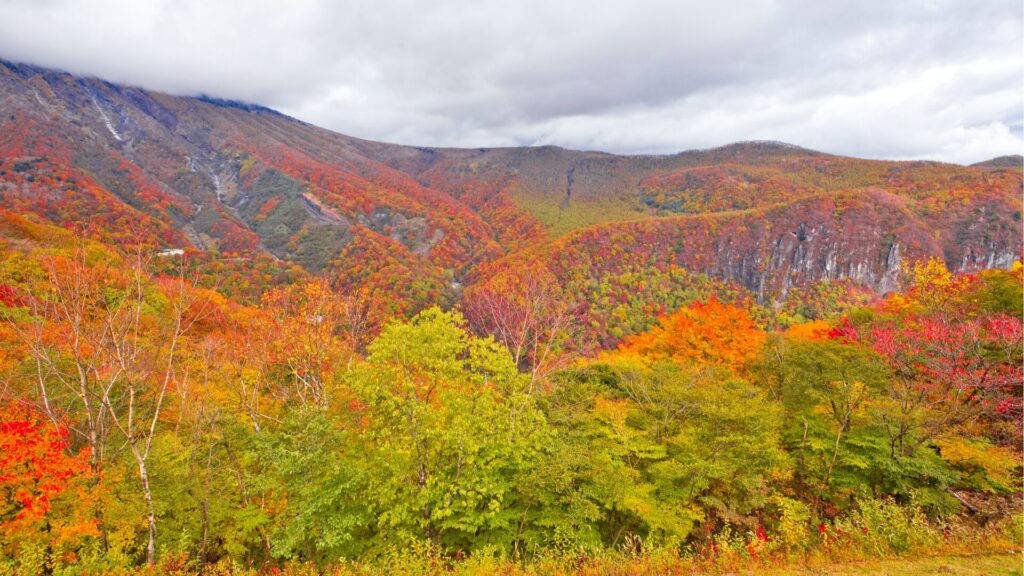
If you want to turn your Irohazaka Sakura Park visit into an overnight trip, the Nikko area offers excellent onsen (hot spring) and accommodation options.
- Nikko Yumoto Onsen: Located in the Oku-Nikko area above Lake Chuzenji, this hot spring village features sulfur-rich waters and traditional ryokan (Japanese inns). Accessible by continuing past the Irohazaka switchbacks.
- Kinugawa Onsen: A larger onsen resort town about 30 minutes from Nikko, featuring a wide range of hotels from budget to luxury. Known for its riverside hot springs and dramatic gorge scenery.
- Chuzenji Onsen: A smaller, quieter onsen area right on the shores of Lake Chuzenji, offering stunning lake views and proximity to Kegon Falls.
Combining cherry blossom viewing at Irohazaka with a relaxing soak in a mountain onsen creates the ultimate Japanese spring road trip experience.
-
-
Tokyo to Kinugawa Onsen by Car: The Complete 2025 Driving Guide
Planning a self-drive getaway from Tokyo to Kinugawa Onsen? This guide covers the fastest routes, realistic drive times, toll/fuel estimates, parking, seasonal tips, EV charging, and streamlined itineraries—so overseas visitors can enjoy hot springs with zero hassle. Why Drive from Tokyo to Kinugawa Onsen? Kinugawa Onsen, in Tochigi Prefecture just north of Nikko, combines soothing river-valley ryokan, family attractions (Edo Wonderland & Tobu World Square), and easy highway access from Tokyo. Compared with train travel, driving gives you door-to-door convenience (great with luggage and kids), lets you explore Nikko’s heritage sites at your pace, and makes detours to scenic gorges ...
続きを見る

Planning Your Irohazaka Sakura Park Road Trip with a JDM Experience
For international visitors who want to combine the Irohazaka Sakura Park experience with authentic JDM car culture, consider building a multi-day road trip that includes both mountain driving and Tokyo-area car meets. A sample itinerary might look like this:
Sample 2-Day Itinerary
- Day 1 — Tokyo to Nikko: Depart Tokyo in the morning. Visit Nikko Toshogu Shrine. Drive to Irohazaka Sakura Park for afternoon cherry blossom viewing. Continue over the Irohazaka switchbacks to Lake Chuzenji and Kegon Falls. Stay overnight at Nikko Yumoto Onsen or Kinugawa Onsen.
- Day 2 — Nikko to Tokyo via Daikoku PA: Return to Tokyo via the expressway. Time your arrival to coincide with an evening car meet at Daikoku Parking Area in Yokohama, where you can see hundreds of modified JDM cars in person.
This kind of itinerary perfectly blends Japan's natural beauty with its world-famous automotive culture — something that only a car-based trip can deliver.
-
-
Daikoku Parking Area (Daikoku PA): The Ultimate Visitor Guide to Japan’s Legendary JDM Meet
Daikoku Parking Area—often written as Daikoku PA or Daikokufutō—is the most famous place in Japan to spot tuned cars gathering organically. It’s a real expressway parking/service area in Yokohama, not a ticketed tourist attraction and not an officially organized event. That “unofficial” nature is exactly why Daikoku feels special: the lineup is never the same twice, and the culture is authentic. At the same time, Daikoku is one of the easiest places for first-time visitors to misunderstand. It’s located inside the Shuto Expressway network and cannot be accessed from ordinary roads or on foot, which is why so many travelers ...
続きを見る

If you're going to Daikoku PA, leave it to us

Experience an unforgettable JDM tour — ride in a legendary Japanese sports car and drive from Tokyo to Daikoku Parking Area, cruising Tokyo’s iconic roads along the way. Choose from favorites like the GT-R (R35 / R34 / R32), RX-7, Supra, and more.
We offer one of the highest-quality JDM driving experiences in the industry, at a fair and reasonable price.
Want to know more details or check availability?
Message us on WhatsApp for quick replies and easy booking.
Spots often sell out, so we recommend booking early.
Duration: about 3 hours
Meeting Point: Shibuya Station
Language: Beginner-level English & Japanese
Customer Reviews
Daikoku PA Video: What It’s Really Like
Important Information
- This is a drive tour where you drive your rental car, and our guide navigates from the seat.
- This is a self-drive tour where you drive your rental car, and our guide navigates from the passenger seat.
- The tour begins and ends at the same location (Shibuya).
- If the Daikoku Parking Area is closed, we will instead guide you to another car meet further away.
- The consultant is a cultural expert and navigator, not a taxi service.
