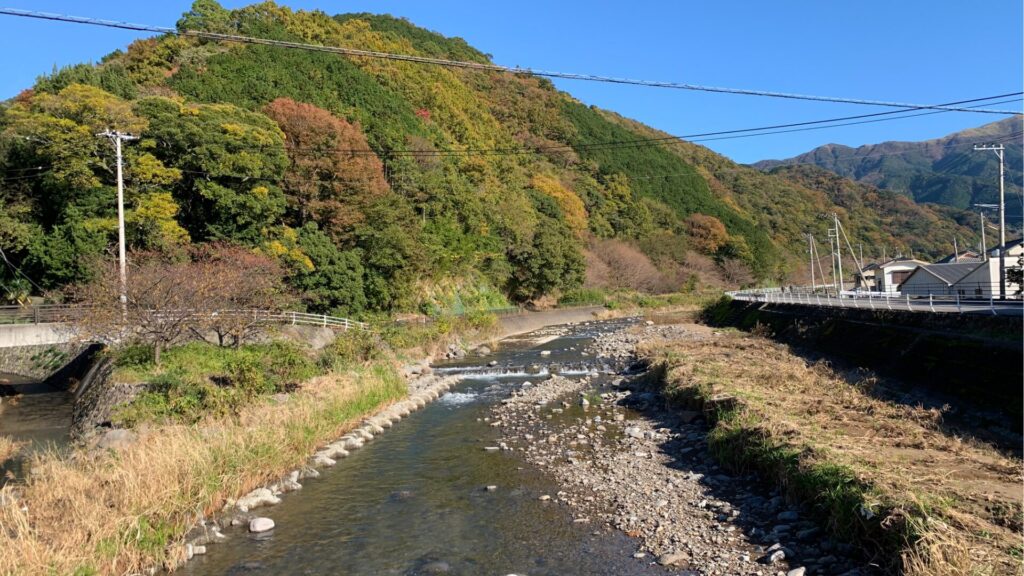
Is Mount Akina Real or Just Anime Fiction?
If you have ever watched Initial D and wondered whether Mount Akina is a real place, the answer is both yes and no. "Mount Akina" as it appears in the manga and anime is a fictional name created by series creator Shuichi Shigeno. However, it is directly and unmistakably based on a real mountain in Japan — Mount Haruna (榛名山) in Gunma Prefecture. Every hairpin corner, every guardrail, and even the tofu shop at the base of the mountain has a real-world counterpart that you can visit today.
This question — "is Mount Akina real?" — is one of the most frequently asked by Initial D fans planning a trip to Japan. The short version: the mountain is absolutely real, but you need to know it by its true name, Mount Haruna, to find it on a map. In this article, we will explore the real-world location in detail, explain the connection between fiction and reality, and show you how to experience this legendary touge road for yourself.
-

-
Mount Akina: The Real Initial D Mountain Pass in Gunma, Japan
What Is Mount Akina? The Fictional Name Behind a Real Japanese Mountain Mount Akina is one of the most iconic locations in anime and automotive history, serving as the home mountain of Takumi Fujiwara in the legendary manga and anime series Initial D. However, Mount Akina does not exist on any official map of Japan. It is a fictional name created by manga artist Shuichi Shigeno to represent a very real place: Mount Haruna (榛名山), located in Gunma Prefecture, approximately 150 kilometers northwest of Tokyo. For fans of JDM culture, touge driving, and the iconic AE86 Sprinter Trueno, Mount Akina ...
続きを見る
Mount Haruna: The Real Mountain Behind Mount Akina
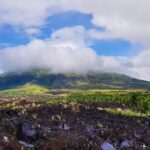
Mount Haruna is a dormant stratovolcano located in the western part of Gunma Prefecture, approximately 150 kilometers northwest of Tokyo. It rises to an elevation of 1,449 meters and is one of the three most famous mountains in Gunma, alongside Mount Akagi and Mount Myogi — both of which also appear in Initial D under their real names.
The mountain features a caldera lake called Lake Haruna near its summit, surrounded by dense forests that turn brilliant shades of red and gold during autumn. More importantly for car enthusiasts, the roads that wind up and down Mount Haruna are the exact routes that Shuichi Shigeno used as the blueprint for Takumi Fujiwara's home course in the anime.
Why Did Shigeno Change the Name?
While Mount Akagi and Mount Myogi kept their real names in Initial D, Shigeno chose to rename Mount Haruna as "Mount Akina." The reason is believed to be partly creative — giving the protagonist's home mountain a unique, fictional identity — and partly practical, as the intense popularity of the series could have caused safety and liability concerns if fans flocked to a specifically named real location to recreate the anime's dangerous downhill races. Ironically, fans figured out the connection almost immediately, and Mount Haruna became a pilgrimage site regardless.
How Closely Does Mount Akina Match Mount Haruna?
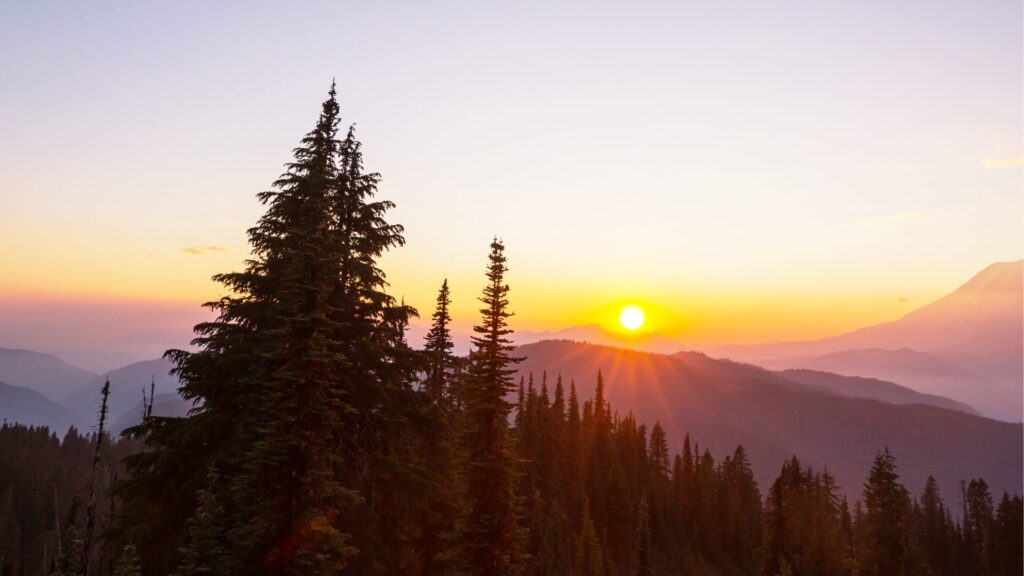
The resemblance between the fictional Mount Akina and the real Mount Haruna is not vague or approximate — it is nearly one-to-one. Shigeno painstakingly recreated the actual road layout, and fans who drive or walk the route today can identify specific corners and landmarks from the anime.
The Five Consecutive Hairpins
One of the most iconic sections in Initial D is the series of five consecutive hairpin turns on the downhill course. These exist in real life on the road descending from Lake Haruna toward the town of Ikaho. If you drive this section — known as Gunma Prefectural Route 33 — you will immediately recognize the tight switchbacks that Takumi navigates in his AE86 Sprinter Trueno.
The Tofu Shop and Starting Point
In the anime, Takumi's father Bunta runs a tofu shop at the base of Mount Akina. The real-world inspiration is generally associated with the town of Shibukawa, which sits at the foot of Mount Haruna. While there is no single "official" tofu shop that claims to be the model, several local businesses in the area embrace the Initial D connection, and the general geography — a small town at the bottom of a winding mountain road — matches perfectly.
The Gas Station
The Esso gas station where Takumi works part-time in the early episodes also has real-world parallels in the Shibukawa and Ikaho area. Although the specific station has changed branding over the years (Esso merged into ENEOS in Japan), fans often visit the general area to photograph locations that resemble scenes from the anime.
-
-
Mount Haruna Japan: The Real Initial D Mountain and Ultimate Touge Driving Guide
What Is Mount Haruna in Japan? Mount Haruna (榛名山, Haruna-san) is a dormant stratovolcano located in the western part of Gunma Prefecture, Japan. Standing at 1,449 meters above sea level, it is one of the three famous mountains of Jōmō (上毛三山), alongside Mount Akagi and Mount Myōgi. While it has long been revered as a sacred peak with a beautiful caldera lake at its summit, Mount Haruna gained global fame for an entirely different reason — it is the real-life inspiration for "Mount Akina" from the legendary anime and manga series Initial D. For automotive enthusiasts visiting Japan, Mount Haruna ...
続きを見る
Visiting the Real Mount Akina: What to Expect
Making a pilgrimage to Mount Haruna is one of the most rewarding experiences for any Initial D fan or JDM car culture enthusiast visiting Japan. Here is what you need to know before you go.
Getting There from Tokyo
Mount Haruna is roughly a two-to-three-hour drive from central Tokyo, depending on traffic and your route. The most common approach is to take the Kan-Etsu Expressway northward to the Shibukawa-Ikaho interchange, then follow local roads up the mountain. If you do not have a car, you can take the Shinkansen to Takasaki Station and then transfer to a local bus, but driving is strongly recommended to fully appreciate the touge experience.
The Driving Experience
Prefectural Route 33, the road that climbs from Ikaho Onsen to Lake Haruna, is the primary "Mount Akina" road. It is a well-maintained two-lane road with clear lane markings, guardrails, and adequate signage. The road features tight hairpin bends, elevation changes, and blind corners — exactly the conditions that make touge driving so thrilling in the anime.
However, it is critical to emphasize that this is a public road with regular traffic, including tourist buses, cyclists, and local residents. Reckless driving or attempting to recreate anime-style drifting is illegal, extremely dangerous, and will result in severe penalties under Japanese law. Enjoy the drive at a safe, legal speed and save the high-speed action for sim racing.
Nearby Attractions
Mount Haruna is not just about the road. The area offers several attractions worth exploring:
- Lake Haruna: A scenic caldera lake at the summit offering boat rentals, fishing, and lakeside walks.
- Haruna Shrine: A historic Shinto shrine nestled in the forest near the lake, known for its impressive stone staircase.
- Ikaho Onsen: One of Gunma's most famous hot spring towns, located on the eastern slope of Mount Haruna. Its stone staircase street lined with ryokan and shops is iconic.
- Mount Akagi: Another Initial D mountain located nearby, perfect for a combined touge road trip.
-
-
Mount Akagi (Mt. Akagi) Travel Guide: Best Views, Access, and Things to Do
Mount Akagi — The Sacred Mountain of JDM Culture and Initial D Mount Akagi (赤城山, Akagi-yama) is one of the most iconic landmarks in Japanese car culture. Rising to 1,828 meters in Gunma Prefecture, this dormant volcano is far more than a scenic hiking destination — it is a place of pilgrimage for JDM enthusiasts, drift fans, and anyone who grew up watching or reading Initial D. The winding touge (mountain pass) roads of Mount Akagi served as the home course of protagonist Takumi Fujiwara, making it arguably the most famous driving road in all of anime and manga history. ...
続きを見る
Mount Akina in Popular Culture Beyond Initial D

The fame of Mount Akina extends well beyond the original manga and anime. The fictional mountain — and by extension, the real Mount Haruna — has become a global icon of Japanese car culture. Here is how it continues to influence popular culture.
Video Games and Sim Racing
Mount Akina is one of the most recreated tracks in racing games and sim racing platforms. Titles like Assetto Corsa, BeamNG.drive, and even Forza Horizon 5 (via modding communities) feature detailed recreations of the downhill course. These digital versions are modeled directly from the real Mount Haruna road layout and have introduced millions of gamers worldwide to the mountain's twists and turns.
Drift Culture
Mount Akina is inseparable from Japanese drift culture. While the anime dramatized and romanticized mountain pass drifting, the real Mount Haruna — along with other Gunma passes — was indeed part of the illegal street racing scene in Japan during the 1980s and 1990s. Today, drifting is confined to professional circuits and controlled events, but the cultural legacy of touge racing on these mountain roads remains a powerful draw for automotive enthusiasts.
-
-
Mount Akina Drifting: The Real Touge Roads Behind Initial D's Legendary Downhill Battles
Why Mount Akina Drifting Became a Global Obsession Mount Akina drifting is arguably the most iconic concept in Japanese car culture. The moment Takumi Fujiwara sent his AE86 Sprinter Trueno sideways through the hairpin corners of Mount Akina in the anime and manga series Initial D, a worldwide obsession with touge drifting was born. Decades later, car enthusiasts from every corner of the globe still dream of driving the same roads where those legendary downhill battles took place. But Mount Akina is not a real mountain — at least not by that name. The fictional Mount Akina is based on ...
続きを見る

Planning a JDM Road Trip to Gunma's Touge Mountains
If the idea of driving the real Mount Akina excites you, consider building an entire road trip around Gunma Prefecture's famous mountain passes. The region offers a concentration of legendary touge roads that no other area in Japan can match.
A Suggested Multi-Day Itinerary
A well-planned Gunma touge road trip might look something like this:
- Day 1: Drive from Tokyo to Shibukawa. Explore the base of Mount Haruna, visit Ikaho Onsen, and stay overnight at a traditional ryokan.
- Day 2: Drive the Mount Haruna (Mount Akina) route in the morning. In the afternoon, head to Mount Akagi to experience another Initial D course. Return to your accommodation.
- Day 3: Drive to Mount Myogi for the final Initial D mountain pass. Return to Tokyo via the expressway, or extend your trip to include Kusatsu Onsen or Minakami Onsen.
-
-
Tokyo to Ikaho Onsen by Car — Complete Self‑Drive Guide (2025)
Ikaho Onsen in Gunma Prefecture is one of the easiest hot spring towns to reach from Tokyo by car. This guide covers the fastest route, realistic drive times, parking, seasonal tips, and a 1–2 day itinerary—everything overseas visitors need for a smooth, scenic self‑drive. Why Drive from Tokyo to Ikaho Onsen? Driving lets you stop at viewpoints around Mt. Haruna and Lake Haruna, bring luggage comfortably, and combine Ikaho with other onsen towns in northern Kanto (e.g., Kusatsu or Kinugawa) without juggling train/bus schedules. It’s a straightforward expressway run with plentiful Service Areas (SA) for breaks. Fastest Route Overview (Kan‑Etsu ...
続きを見る
Renting a Car for the Trip
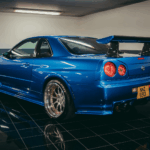
To truly experience Mount Haruna and the surrounding touge roads, you will need a car. Standard rental agencies operate throughout Tokyo and Gunma, but for JDM enthusiasts, renting an iconic Japanese sports car — such as a Nissan GT-R, Mazda RX-7, or Toyota 86 — can transform a simple road trip into an unforgettable automotive pilgrimage. Just remember that an international driving permit (IDP) is required for most foreign visitors driving in Japan.
-
-
JDM Car Rental in Japan: The Complete Guide for Overseas Enthusiasts
Japan is the spiritual home of JDM—where iconic nameplates like Skyline, Supra, RX‑7, and Silvia were born and bred. If you’re visiting and want to experience authentic Japanese roads behind the wheel of a well‑maintained, street‑legal performance car, renting locally is the most practical and legal way to do it. This guide explains how to rent a JDM car in Japan, what to expect on the road, and the best routes and meet‑ups to plan around your trip. Why Rent a JDM Car in Japan? Renting in Japan gives you access to cars in their natural environment—tight city streets, spotless ...
続きを見る
The Verdict: Mount Akina Is Real — You Just Need to Know Where to Look

So, is Mount Akina real? The fictional name is not on any map, but the mountain it represents — Mount Haruna in Gunma Prefecture — is very much real. Every curve, every hairpin, and every stretch of forested mountain road that captivated millions of anime fans exists in the physical world, waiting to be explored. Whether you are a lifelong Initial D devotee or simply someone who appreciates the beauty of Japanese mountain roads, a visit to Mount Haruna is one of the most authentic JDM culture experiences you can have in Japan.
From the five consecutive hairpins to the onsen town at its base, the real Mount Akina delivers on the promise of the anime — and then some. Pair it with visits to Mount Akagi, Daikoku PA, and other iconic JDM spots, and you have the makings of a trip that bridges the gap between anime fantasy and Japanese automotive reality.
If you're going to Daikoku PA, leave it to us

Experience an unforgettable JDM tour — ride in a legendary Japanese sports car and drive from Tokyo to Daikoku Parking Area, cruising Tokyo’s iconic roads along the way. Choose from favorites like the GT-R (R35 / R34 / R32), RX-7, Supra, and more.
We offer one of the highest-quality JDM driving experiences in the industry, at a fair and reasonable price.
Want to know more details or check availability?
Message us on WhatsApp for quick replies and easy booking.
Spots often sell out, so we recommend booking early.
Duration: about 3 hours
Meeting Point: Shibuya Station
Language: Beginner-level English & Japanese
Customer Reviews
Daikoku PA Video: What It’s Really Like
Important Information
- This is a drive tour where you drive your rental car, and our guide navigates from the seat.
- This is a self-drive tour where you drive your rental car, and our guide navigates from the passenger seat.
- The tour begins and ends at the same location (Shibuya).
- If the Daikoku Parking Area is closed, we will instead guide you to another car meet further away.
- The consultant is a cultural expert and navigator, not a taxi service.
