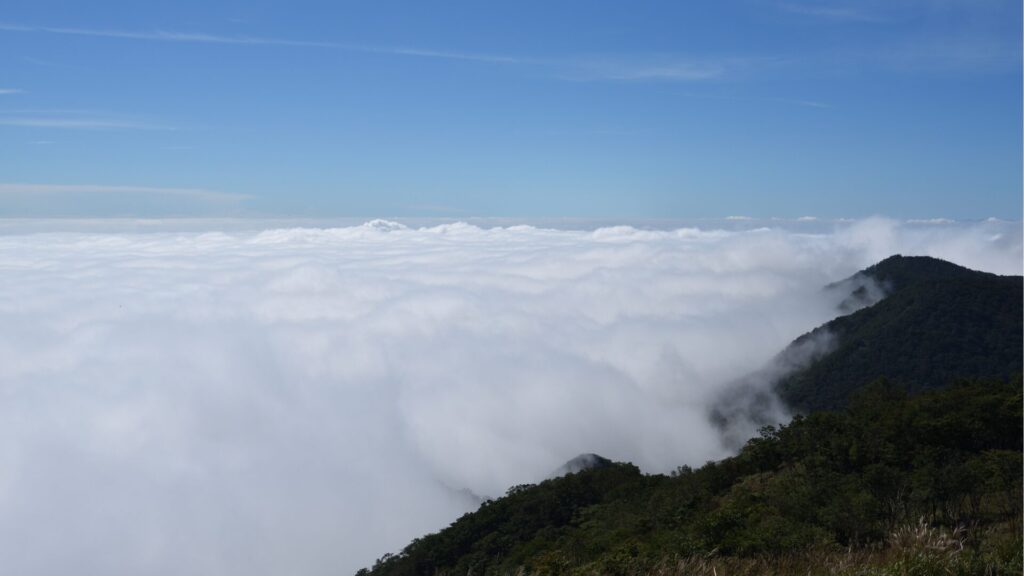
Why Mount Akagi Is One of Gunma's Best Hiking Destinations
Mount Akagi (赤城山, Akagi-san) is one of the "Three Famous Mountains of Jōmō" in Gunma Prefecture, standing at 1,828 meters above sea level at its highest peak, Kurobi. Unlike a single summit, Mount Akagi is actually a volcanic complex made up of multiple peaks surrounding a scenic caldera lake — Lake Ōnuma. This unique topography makes it one of the most rewarding hiking destinations within easy reach of Tokyo, offering routes suitable for beginners and experienced trekkers alike.
For international visitors, Mount Akagi holds a special cultural allure. Anime and car fans recognize it instantly as the home mountain of the Akagi RedSuns from the legendary Initial D series. But beyond its JDM fame, Mount Akagi delivers genuinely spectacular alpine scenery, marshland ecosystems, volcanic geology, and seasonal beauty that rivals far more famous mountains in Japan.
-

-
Mount Akagi (Mt. Akagi) Travel Guide: Best Views, Access, and Things to Do
Mount Akagi — The Sacred Mountain of JDM Culture and Initial D Mount Akagi (赤城山, Akagi-yama) is one of the most iconic landmarks in Japanese car culture. Rising to 1,828 meters in Gunma Prefecture, this dormant volcano is far more than a scenic hiking destination — it is a place of pilgrimage for JDM enthusiasts, drift fans, and anyone who grew up watching or reading Initial D. The winding touge (mountain pass) roads of Mount Akagi served as the home course of protagonist Takumi Fujiwara, making it arguably the most famous driving road in all of anime and manga history. ...
続きを見る
Mount Akagi Hiking Trails: Overview of Main Routes
Mount Akagi's caldera plateau sits at approximately 1,350 meters, meaning many of the hikes begin at a relatively high elevation. This makes summit attempts shorter and more accessible compared to mountains of similar height. Below are the primary hiking routes available on Mount Akagi.
Kurobi Peak (黒檜山) — The Highest Summit
Kurobi is the highest point on Mount Akagi at 1,828 meters. The most popular trail starts from the Kurobi Trailhead on the northern shore of Lake Ōnuma. The ascent is approximately 1.1 kilometers one way, taking roughly 60 to 90 minutes to reach the summit. The trail is steep in sections, with rocky footing and exposed tree roots, so proper hiking shoes are strongly recommended.
From the Kurobi summit, hikers are rewarded with panoramic views stretching across the Kantō Plain. On clear days, you can see Mount Fuji, the Nikkō mountain range, and even the skyscrapers of Tokyo. A short detour of about two minutes from the summit leads to an observation point with unobstructed views — do not skip this.
Komagatake Peak (駒ヶ岳) — The Classic Loop
The most popular day hike on Mount Akagi combines Kurobi and Komagatake in a loop. After summiting Kurobi, hikers descend along a ridge trail to Komagatake (1,685 m), which takes approximately 30 to 40 minutes. From Komagatake, a well-maintained trail with metal stairs leads back down to the lake shore, completing a loop in roughly 3 to 4 hours total.
This Kurobi–Komagatake loop is the signature Mount Akagi hike and the one most guides recommend. It offers the best balance of physical challenge, scenic variety, and manageable time commitment.
Jizōdake Peak (地蔵岳)
Jizōdake (1,674 m) sits on the opposite side of the caldera from Kurobi. Its summit is famous for its distinctive telecommunications towers and offers excellent views of Lake Ōnuma below. The trail begins near the Shin-Saka Parking Area and takes approximately 40 to 60 minutes to ascend. It is a less strenuous option compared to Kurobi, making it ideal for families or those seeking a shorter hike.
Near Jizōdake's summit lies Kono (小沼), a smaller, quieter crater lake surrounded by marshland. This area is particularly beautiful during autumn foliage season.
Lake Ōnuma Lakeside Walk
For visitors who prefer a flat, easy walk rather than a mountain ascent, the Lake Ōnuma circuit is a gentle 1.2-kilometer loop that takes roughly 30 to 45 minutes. The path is mostly paved or boardwalk and is accessible to visitors of most fitness levels. It offers peaceful views of the lake with Mount Kurobi reflected in the still water — an iconic photo opportunity, especially in early morning.
Kakumanbuchi Marshland Trail (覚満淵)
Adjacent to Lake Ōnuma, Kakumanbuchi is a highland marshland often called the "Oze of Akagi." A wooden boardwalk trail circles the marsh in about 20 to 30 minutes. In late spring and summer, the marsh is covered in wildflowers, and in autumn it transforms into a tapestry of golden grasses. This is a perfect add-on to any Mount Akagi hike.
Best Season for Hiking Mount Akagi

Mount Akagi is accessible for hiking from late April through November, though conditions vary considerably by season.
- Late April – May: Snow may still linger at higher elevations. Trails can be muddy and slippery. The caldera area begins to thaw, with wildflowers appearing in Kakumanbuchi.
- June – August: Summer is peak hiking season. Temperatures at the caldera are significantly cooler than in Tokyo, often 10°C lower, making Mount Akagi a popular escape from the brutal Kantō heat. Azaleas bloom spectacularly in June.
- September – October: Autumn foliage season is arguably the most beautiful time to hike Mount Akagi. The peak colors typically arrive from early to mid-October at the caldera level. The mixture of maples, birches, and other deciduous trees creates vibrant reds, oranges, and yellows.
- November – March: Snow covers the mountain from late November. Winter hiking is possible but requires crampons, proper winter gear, and experience. Lake Ōnuma freezes over and becomes a popular ice fishing spot.
For first-time visitors, the ideal window is from early June to mid-October, when trails are snow-free and weather conditions are most favorable.
How to Get to Mount Akagi from Tokyo
Mount Akagi is located in Gunma Prefecture, approximately 150 kilometers north of central Tokyo. There are several ways to reach the mountain.
By Car
Driving is the most convenient option, especially if you want to explore the winding touge roads that made Mount Akagi famous in car culture. From Tokyo, take the Kan-Etsu Expressway to the Akagi IC exit, then follow Route 353 and the Akagi Road (prefectural road) up to the caldera. The total drive takes approximately 2.5 to 3 hours depending on traffic. Parking is available for free at several lots around Lake Ōnuma and the trailheads.
Driving up the Akagi mountain roads is an experience in itself. The tight, winding switchbacks are exactly the roads depicted in Initial D, and the area is a pilgrimage site for JDM enthusiasts worldwide. If you're a car fan visiting Japan, combining a Mount Akagi hike with a drive up these legendary roads is a must-do experience.
-
-
Mount Akagi in Initial D: The Real-Life Akagi Touge Explained
Mount Akagi and Initial D: Why This Mountain Became a Global Icon Mount Akagi — known as Akagi-yama (赤城山) in Japanese — is one of the most famous mountains in the world of JDM car culture. Thanks to the legendary manga and anime series Initial D, created by Shuichi Shigeno, Mount Akagi became synonymous with touge racing, drifting, and the raw thrill of downhill battles. For tens of millions of fans worldwide, Mount Akagi is not merely a geographic landmark in Gunma Prefecture; it is hallowed ground where the art of the touge was immortalized. In Initial D, Mount Akagi ...
続きを見る
By Public Transport
Take the JR Shinkansen or limited express from Tokyo (Ueno Station) to Maebashi Station, approximately 1.5 to 2 hours. From Maebashi Station, Kanto Bus operates a seasonal direct bus to the Mount Akagi caldera area (Lake Ōnuma). The bus ride takes roughly 70 minutes. Note that bus service frequency is limited, especially outside the summer and autumn peak seasons, so check schedules in advance.
Alternatively, from Maebashi Station you can take a local bus to Fujimi Onsen, and then transfer to the Mount Akagi bus. During off-peak periods, a taxi from Maebashi or Chūō-Maebashi Station to the caldera is another option, though it costs approximately ¥8,000–¥10,000 one way.
By Rental Car or Private Tour
For visitors who want maximum flexibility, renting a car from Tokyo is an excellent choice. It allows you to explore Gunma Prefecture at your own pace — stopping at hot springs (onsen), driving the touge roads, and setting your own hiking schedule. If you're interested in JDM culture, a private tour that includes both car-culture experiences and Mount Akagi sightseeing is the ultimate way to experience Gunma.
-
-
Tokyo to Ikaho Onsen by Car — Complete Self‑Drive Guide (2025)
Ikaho Onsen in Gunma Prefecture is one of the easiest hot spring towns to reach from Tokyo by car. This guide covers the fastest route, realistic drive times, parking, seasonal tips, and a 1–2 day itinerary—everything overseas visitors need for a smooth, scenic self‑drive. Why Drive from Tokyo to Ikaho Onsen? Driving lets you stop at viewpoints around Mt. Haruna and Lake Haruna, bring luggage comfortably, and combine Ikaho with other onsen towns in northern Kanto (e.g., Kusatsu or Kinugawa) without juggling train/bus schedules. It’s a straightforward expressway run with plentiful Service Areas (SA) for breaks. Fastest Route Overview (Kan‑Etsu ...
続きを見る
What to Bring for a Mount Akagi Hike
Although Mount Akagi's trails are not technically difficult by Japanese mountain standards, preparation is important for a safe and enjoyable hike.
- Footwear: Sturdy hiking shoes or boots with good grip. The Kurobi trail has loose rocks and steep sections that make sneakers inadequate.
- Clothing: Layer up. Even in summer, temperatures at the summit can drop below 15°C, and weather changes quickly at altitude. A waterproof shell jacket is essential.
- Water and snacks: There are limited vending machines and a small shop near Lake Ōnuma, but nothing on the trails themselves. Bring at least 1 liter of water and energy-dense snacks.
- Sun protection: Sunscreen, sunglasses, and a hat are recommended, especially on the exposed ridgeline between Kurobi and Komagatake.
- Trekking poles: Optional but helpful, particularly on the steep descent from Kurobi.
- Bear bell: Mount Akagi is in bear country. While encounters are rare, a bear bell is a sensible precaution, especially in early morning or late afternoon.
Facilities and Amenities at Mount Akagi

The caldera area around Lake Ōnuma serves as the base for most Mount Akagi hikes and has several facilities for visitors.
- Parking: Multiple free parking lots around the lake. The main lot near the Onuma Visitor Center fills up on autumn weekends, so arrive early.
- Restrooms: Public restrooms are available near the main parking areas and at the Onuma Visitor Center. There are no restrooms on the mountain trails.
- Visitor Center: The Akagi Sanroku Visitor Center provides trail maps, weather updates, and information about current trail conditions. Staff may not speak English, so having a translation app ready is helpful.
- Food: A handful of small restaurants and souvenir shops near Lake Ōnuma serve local dishes. Try the Akagi beef or the fresh mountain soba noodles.
- Onsen: After your hike, several hot spring facilities are located on the lower slopes of Mount Akagi and in nearby Maebashi. Fujimi Onsen and Akagi Onsen Gō are popular choices for post-hike relaxation.
Combining Mount Akagi with a JDM Car Culture Trip
For many international visitors, Mount Akagi is not just a hiking destination — it is a pilgrimage site for Japanese car culture. The mountain's winding roads were immortalized in Shuichi Shigeno's manga and anime series Initial D, where the Akagi RedSuns team battled with their Mazda RX-7s on these very switchbacks. Driving these roads, even at legal speeds, is an unforgettable experience for any automotive enthusiast.
A well-planned Gunma trip can combine a Mount Akagi hike with visits to nearby Ikaho Onsen (another famous hot spring town at the foot of Mount Haruna — the "Mount Akina" of Initial D), the Ikaho Toy, Doll and Car Museum, and scenic drives through the Gunma highlands. For the ultimate experience, consider a multi-day itinerary that includes Mount Akagi, Mount Haruna, and the legendary car meet spots back in the Tokyo-Yokohama area.
-
-
JDM Culture: The Definitive Guide to Experiencing Japan’s Car Scene at Daikoku PA
JDM culture is more than fast cars and late‑night meets—it’s a uniquely Japanese blend of craftsmanship, hospitality, and respect for the road. In this guide, you’ll learn what JDM culture really means, why Daikoku Parking Area (Daikoku PA) is its most iconic gathering spot, and how overseas visitors can experience it smoothly and responsibly. What Is JDM Culture? “JDM” stands for “Japanese Domestic Market,” originally describing vehicles and parts built for sale inside Japan. Over time, the term evolved into a global lifestyle: a shared language of engineering, tuning, and community centered on Japanese cars and the people who love ...
続きを見る

If you are a JDM fan visiting Japan, your trip should also include a visit to Daikoku Parking Area — the most famous car meet spot in the country. Located in Yokohama, Daikoku PA comes alive on weekend nights with hundreds of modified JDM cars, from Skyline GT-Rs and Supras to bosozoku vans and VIP sedans. It is the perfect complement to a Mount Akagi adventure.
-
-
Daikoku Parking Area (Daikoku PA): The Ultimate Visitor Guide to Japan’s Legendary JDM Meet
Daikoku Parking Area—often written as Daikoku PA or Daikokufutō—is the most famous place in Japan to spot tuned cars gathering organically. It’s a real expressway parking/service area in Yokohama, not a ticketed tourist attraction and not an officially organized event. That “unofficial” nature is exactly why Daikoku feels special: the lineup is never the same twice, and the culture is authentic. At the same time, Daikoku is one of the easiest places for first-time visitors to misunderstand. It’s located inside the Shuto Expressway network and cannot be accessed from ordinary roads or on foot, which is why so many travelers ...
続きを見る

Mount Akagi Hike: Safety Tips and Etiquette
Japanese mountains, even relatively accessible ones like Mount Akagi, deserve respect. Here are essential safety tips and cultural etiquette guidelines for your hike.
- Start early: Begin your hike in the morning to avoid afternoon weather changes and ensure you finish well before dark. In summer, aim to start by 8:00 AM.
- Check weather forecasts: Mountain weather can change rapidly. If thunderstorms are forecast, postpone your hike. Lightning on exposed ridges is extremely dangerous.
- Stay on marked trails: The trails on Mount Akagi are well-marked with ribbons and signs. Leaving the trail risks getting lost and damages fragile alpine vegetation.
- Carry out all trash: Japan's "leave no trace" ethic is taken very seriously. Bring a bag for all your garbage and carry it down with you.
- Greet other hikers: It is customary in Japan to say "konnichiwa" (hello) when passing other hikers on the trail. This small gesture is appreciated and is also a safety practice — it helps others remember who they saw on the mountain.
- Register your hike: If attempting a longer route or hiking in early/late season, submit a climbing plan (登山届, tozantodoke) at the trailhead. This helps search and rescue in case of emergencies.
Nearby Attractions to Visit After Your Hike
The area surrounding Mount Akagi is rich with attractions that make a day trip or overnight stay highly worthwhile.
Ikaho Onsen
Located on the slopes of Mount Haruna (the Akina of Initial D fame), Ikaho Onsen is one of Gunma's most historic hot spring towns. Its famous 365-step stone staircase is lined with ryokan (traditional inns), souvenir shops, and foot baths. The iron-rich "golden waters" (kogane no yu) are said to improve circulation and warm the body deeply — perfect after a day of hiking.
Kusatsu Onsen
A bit further north in Gunma, Kusatsu Onsen is consistently ranked as one of Japan's top hot spring resorts. The Yubatake (hot water field) at the center of town is an iconic sight, and the strongly acidic waters are famous for their healing properties.
Akagi Shrine
Located on the shore of Lake Ōnuma, Akagi Shrine is a beautiful and atmospheric Shinto shrine that can easily be visited before or after your hike. The vermillion bridge leading to the shrine across the lake is especially photogenic during autumn.
Recommended Mount Akagi Hike Itinerary for International Visitors

Here is a suggested one-day itinerary for international visitors combining hiking and sightseeing.
- 7:00 AM: Depart Tokyo by car or rental vehicle via the Kan-Etsu Expressway.
- 9:30 AM: Arrive at Mount Akagi caldera. Park at the Onuma main parking lot.
- 10:00 AM: Begin the Kurobi–Komagatake loop hike (approximately 3–4 hours).
- 1:30 PM: Return to Lake Ōnuma. Visit Kakumanbuchi Marshland and Akagi Shrine.
- 2:30 PM: Lunch at a local restaurant near the lake.
- 3:30 PM: Drive the famous Akagi touge road back down the mountain (enjoy the switchbacks safely!).
- 4:30 PM: Optional stop at Ikaho Onsen or Fujimi Onsen for a hot spring bath.
- 6:00 PM: Drive back to Tokyo, arriving approximately 8:30 PM.
For car enthusiasts, consider extending this into a weekend trip: hike Mount Akagi on day one, then visit Daikoku PA for a Saturday night car meet on day two. This combines Japan's mountain beauty with its world-famous JDM car culture in one incredible trip.
-

-
Daikoku Car Meet Time Table: Best Times, Schedule & Access
Searching for “car meet up Tokyo time table”, “Daikoku PA car meet schedule”, or “Daikoku car meet how to get there” usually means you want one practical thing: When should you go, and how do you get in and out of Daikoku PA without problems? This page is a fast, traveler-friendly hub. It gives you the realistic “typical” time windows (because there’s no official timetable), the safest ways to reach Daikoku, what’s considered illegal behavior, and what to do if the parking area is quiet. Daikoku car meet schedule: is there an official timetable? No. Daikoku Parking Area (Daikoku PA ...
続きを見る
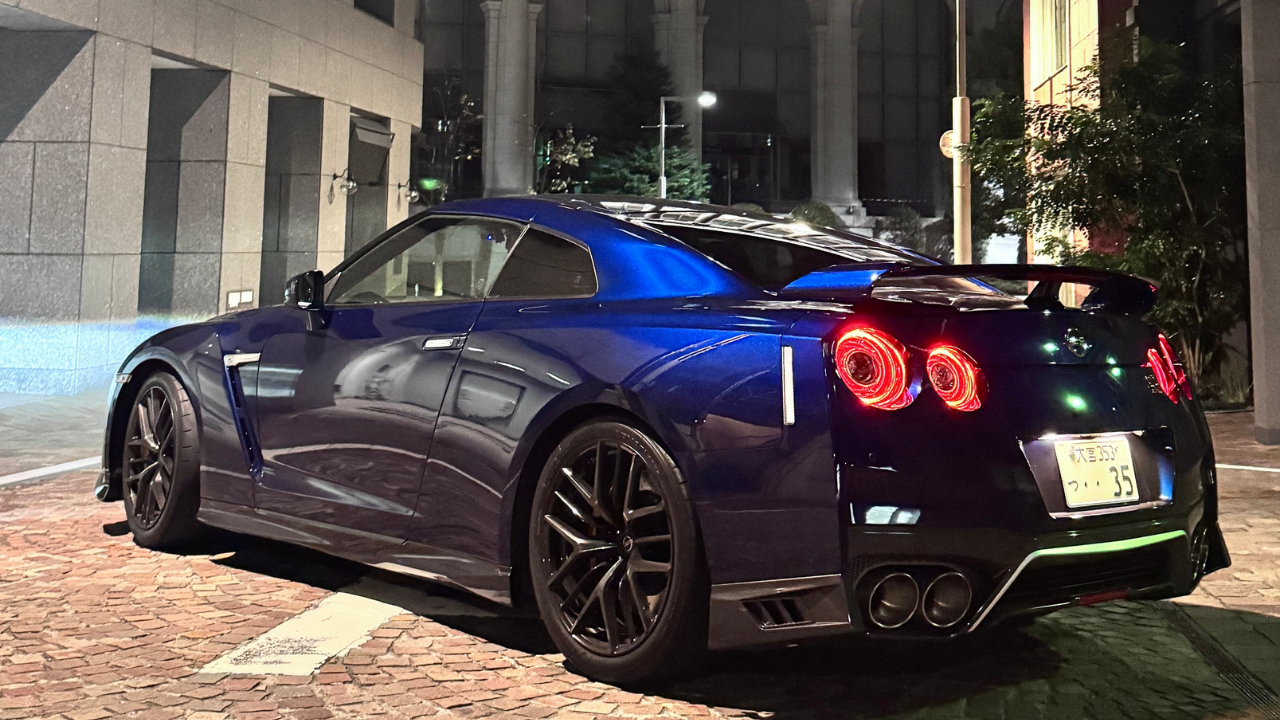
If you're going to Daikoku PA, leave it to us

Experience an unforgettable JDM tour — ride in a legendary Japanese sports car and drive from Tokyo to Daikoku Parking Area, cruising Tokyo’s iconic roads along the way. Choose from favorites like the GT-R (R35 / R34 / R32), RX-7, Supra, and more.
We offer one of the highest-quality JDM driving experiences in the industry, at a fair and reasonable price.
Want to know more details or check availability?
Message us on WhatsApp for quick replies and easy booking.
Spots often sell out, so we recommend booking early.
Duration: about 3 hours
Meeting Point: Shibuya Station
Language: Beginner-level English & Japanese
Customer Reviews
Daikoku PA Video: What It’s Really Like
Important Information
- This is a drive tour where you drive your rental car, and our guide navigates from the seat.
- This is a self-drive tour where you drive your rental car, and our guide navigates from the passenger seat.
- The tour begins and ends at the same location (Shibuya).
- If the Daikoku Parking Area is closed, we will instead guide you to another car meet further away.
- The consultant is a cultural expert and navigator, not a taxi service.
