Mount Akagi — The Sacred Mountain of JDM Culture and Initial D
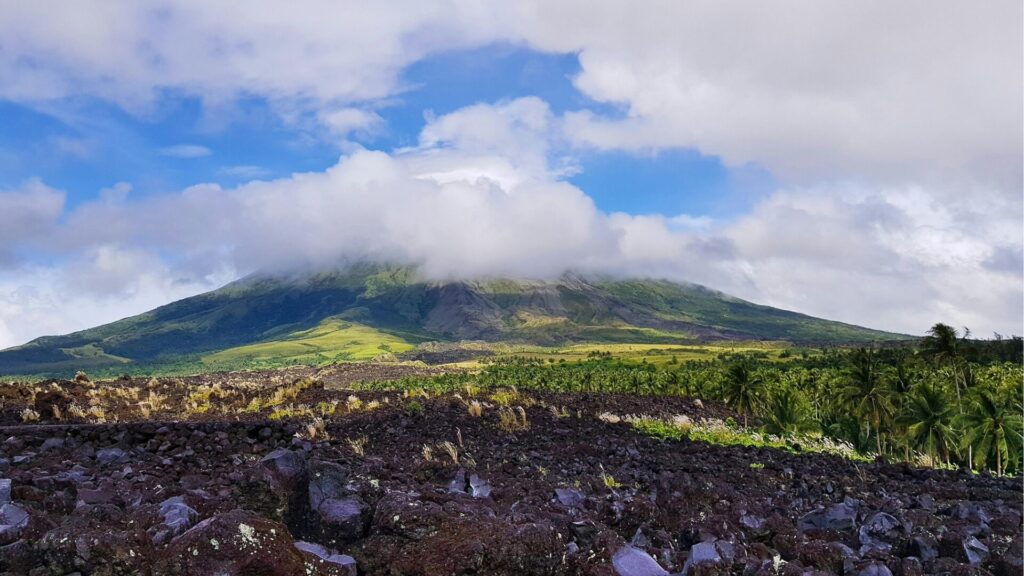
Mount Akagi (赤城山, Akagi-yama) is one of the most iconic landmarks in Japanese car culture. Rising to 1,828 meters in Gunma Prefecture, this dormant volcano is far more than a scenic hiking destination — it is a place of pilgrimage for JDM enthusiasts, drift fans, and anyone who grew up watching or reading Initial D. The winding touge (mountain pass) roads of Mount Akagi served as the home course of protagonist Takumi Fujiwara, making it arguably the most famous driving road in all of anime and manga history.
For international visitors traveling to Japan in search of authentic JDM experiences, Mount Akagi is an essential stop. Whether you want to drive the legendary downhill course, visit the lake at the summit, or simply stand on the roads that inspired millions of car enthusiasts worldwide, this guide covers everything you need to know about planning your Mount Akagi trip in 2025.
Why Mount Akagi Is Famous — The Initial D Connection
If you are a JDM fan, the name "Akagi" immediately conjures images of a white Toyota AE86 Sprinter Trueno sliding through hairpin corners with a cup of water in the cupholder. In Shuichi Shigeno's manga and anime series Initial D, Mount Akagi is the home turf of the Akagi RedSuns, led by the legendary Ryosuke Takahashi and his younger brother Keisuke Takahashi. It is also where Takumi Fujiwara hones his extraordinary downhill driving skills delivering tofu for his father's shop every morning before dawn.
The series, which ran from 1995 to 2013, single-handedly elevated touge racing and drift culture to a global phenomenon. Mount Akagi's real-life roads — specifically the route from the mid-slopes up to Lake Ōnuma at the summit — became the template for the fictional racing depicted in the series. Today, fans from around the world travel to Gunma Prefecture specifically to drive these roads and experience the setting of Initial D firsthand.
-

-
JDM Drift: The Definitive Guide for Visitors (Daikoku PA Edition)
JDM drift is more than smoking tires and counter‑steer angles—it’s a living subculture that blends engineering, aesthetics, and community. If you’re planning a car‑centric trip to Tokyo or Yokohama and want to experience Japan’s drift scene correctly (and legally), use this guide to plan a night that delivers authentic cars, epic photos, and zero hassles—centered around Daikoku Parking Area (Daikoku PA), the capital’s most famous highway car‑meet hub. What Is JDM Drift? JDM (Japan Domestic Market) drift is the Japanese-born driving style that emphasizes controlled oversteer, precision throttle modulation, and smooth transitions through a corner. It grew from mountain‑pass (touge) ...
続きを見る

Key Initial D Locations on Mount Akagi
- The Downhill Course (Prefectural Route 4): This is the iconic touge road that Takumi drives in the series. The route features numerous hairpin turns, elevation changes, and technical sections that made it the perfect setting for dramatic downhill battles.
- Lake Ōnuma (大沼): The caldera lake at the summit serves as the gathering point for the Akagi RedSuns in the series. In real life, it is a beautiful, serene lake surrounded by hiking trails.
- Lake Konuma (小沼): A smaller crater lake nearby, also referenced in the Initial D universe and a popular scenic spot.
- The Five Consecutive Hairpins: A particularly dramatic section of the road that features prominently in several race scenes throughout the anime and manga.
How to Get to Mount Akagi from Tokyo
Mount Akagi is located in the city of Maebashi, Gunma Prefecture, approximately 130 kilometers northwest of central Tokyo. Despite its legendary status in car culture, reaching Mount Akagi requires some planning, especially for international visitors who may not have their own vehicle.
By Car (Recommended for JDM Fans)
Driving is by far the best way to experience Mount Akagi, as the mountain pass roads themselves are the main attraction. From central Tokyo, take the Kan-Etsu Expressway northward to the Maebashi IC (interchange), then follow Prefectural Route 4 up the mountain. The total drive takes approximately 2 to 2.5 hours depending on traffic conditions. Expressway tolls from Tokyo typically cost around ¥3,500 to ¥4,500 one way.
Once you exit the expressway and begin ascending the mountain, you will be driving the very roads that inspired Initial D. The ascent from the base to Lake Ōnuma at the summit covers roughly 20 kilometers of winding mountain road with dozens of corners — the quintessential touge experience.
-
-
JDM Car Rental in Japan: The Complete Guide for Overseas Enthusiasts
Japan is the spiritual home of JDM—where iconic nameplates like Skyline, Supra, RX‑7, and Silvia were born and bred. If you’re visiting and want to experience authentic Japanese roads behind the wheel of a well‑maintained, street‑legal performance car, renting locally is the most practical and legal way to do it. This guide explains how to rent a JDM car in Japan, what to expect on the road, and the best routes and meet‑ups to plan around your trip. Why Rent a JDM Car in Japan? Renting in Japan gives you access to cars in their natural environment—tight city streets, spotless ...
続きを見る
By Public Transport
From Tokyo, take the JR Takasaki Line or the Joetsu Shinkansen to Maebashi Station. From there, Kanto Bus operates a seasonal bus service to Lake Ōnuma at the summit of Mount Akagi, primarily during the spring-to-autumn season (April through November). The bus ride takes approximately 70 minutes from Maebashi Station. During winter, bus services are significantly reduced or suspended due to snow and ice on the mountain roads.
Keep in mind that relying on public transport limits your ability to fully experience the touge roads. If you want to drive the mountain pass, renting a car or joining a guided tour is the way to go.
By Guided Tour
For international visitors who want the full JDM touge experience without the hassle of renting a car, navigating Japanese expressways, and dealing with mountain road conditions, a guided tour is the most convenient option. Our tours can combine a Mount Akagi drive with stops at other iconic JDM locations including Daikoku Parking Area, giving you a comprehensive Japanese car culture experience in a single trip.
Driving the Mount Akagi Touge — What to Expect
The Mount Akagi touge is a public road, and it must be driven responsibly and within legal speed limits at all times. The days of illegal street racing on these mountain passes are long over, and Japanese police actively patrol touge roads, especially those with historical associations with racing culture. That said, even at legal speeds, driving the Mount Akagi pass is a genuinely thrilling experience that every car enthusiast should have on their bucket list.
Road Conditions and Characteristics
Prefectural Route 4, the main road up Mount Akagi, is a well-maintained two-lane road with excellent pavement quality. The road features:
- Dozens of hairpin turns and switchbacks with varying radii
- Significant elevation change — from roughly 400 meters at the base to over 1,300 meters at Lake Ōnuma
- Sections with guardrails and sections with open mountain edges
- Occasional blind corners that demand careful driving
- Beautiful views of the Kanto Plain as you ascend
In spring and summer, the roads are generally dry and in excellent condition. Autumn brings spectacular foliage but also fallen leaves that can reduce grip. Winter driving on Mount Akagi is not recommended for inexperienced drivers — snow and ice can make the mountain roads treacherous, and snow tires or chains are mandatory.
Best Season to Drive Mount Akagi
The ideal time to drive Mount Akagi depends on what you are looking for:
- Spring (April–May): Cherry blossoms at lower elevations, fresh green at higher elevations, and comfortable temperatures make this an excellent time to visit.
- Summer (June–August): The summit area is significantly cooler than Tokyo, making it a refreshing escape. Roads are dry and conditions are optimal for driving.
- Autumn (October–November): The mountain is ablaze with red, orange, and gold foliage. This is the most photogenic time to visit but also the busiest.
- Winter (December–March): Snow covers the summit and upper slopes. Lake Ōnuma freezes over, creating a surreal landscape. However, road conditions are challenging and winter equipment is mandatory.
Things to Do at Mount Akagi

While driving the touge is the primary draw for car enthusiasts, Mount Akagi offers plenty of other activities that make it worth a full-day excursion from Tokyo.
Lake Ōnuma
The largest of Mount Akagi's caldera lakes, Lake Ōnuma sits at the summit and is surrounded by walking trails, picnic areas, and small restaurants. In summer, you can rent rowboats and enjoy the tranquil waters. In winter, the frozen lake is used for wakasagi (smelt) ice fishing, a beloved Japanese winter pastime. For Initial D fans, standing at the lake and imagining the Akagi RedSuns gathered for a pre-race meeting is an unforgettable moment.
Akagi Shrine
Akagi Shrine (赤城神社) is a Shinto shrine located on the shores of Lake Ōnuma. The shrine has a history spanning over 1,000 years and is dedicated to the deity of Mount Akagi. The modern shrine building, redesigned by architect Kengo Kuma, blends traditional spirituality with contemporary aesthetics. It is a beautiful and peaceful place to visit before or after your touge drive.
Hiking Trails
Mount Akagi has several hiking trails ranging from easy lakeside walks to more challenging summit hikes. The trail to the peak of Mount Kurobi (黒檜山), the highest point of the Akagi range at 1,828 meters, takes approximately 1.5 to 2 hours round trip from the Lake Ōnuma trailhead. The panoramic views from the summit encompass the entire Kanto Plain and, on clear days, extend to Mount Fuji.
Ikaho Onsen — A Nearby Hot Spring Town
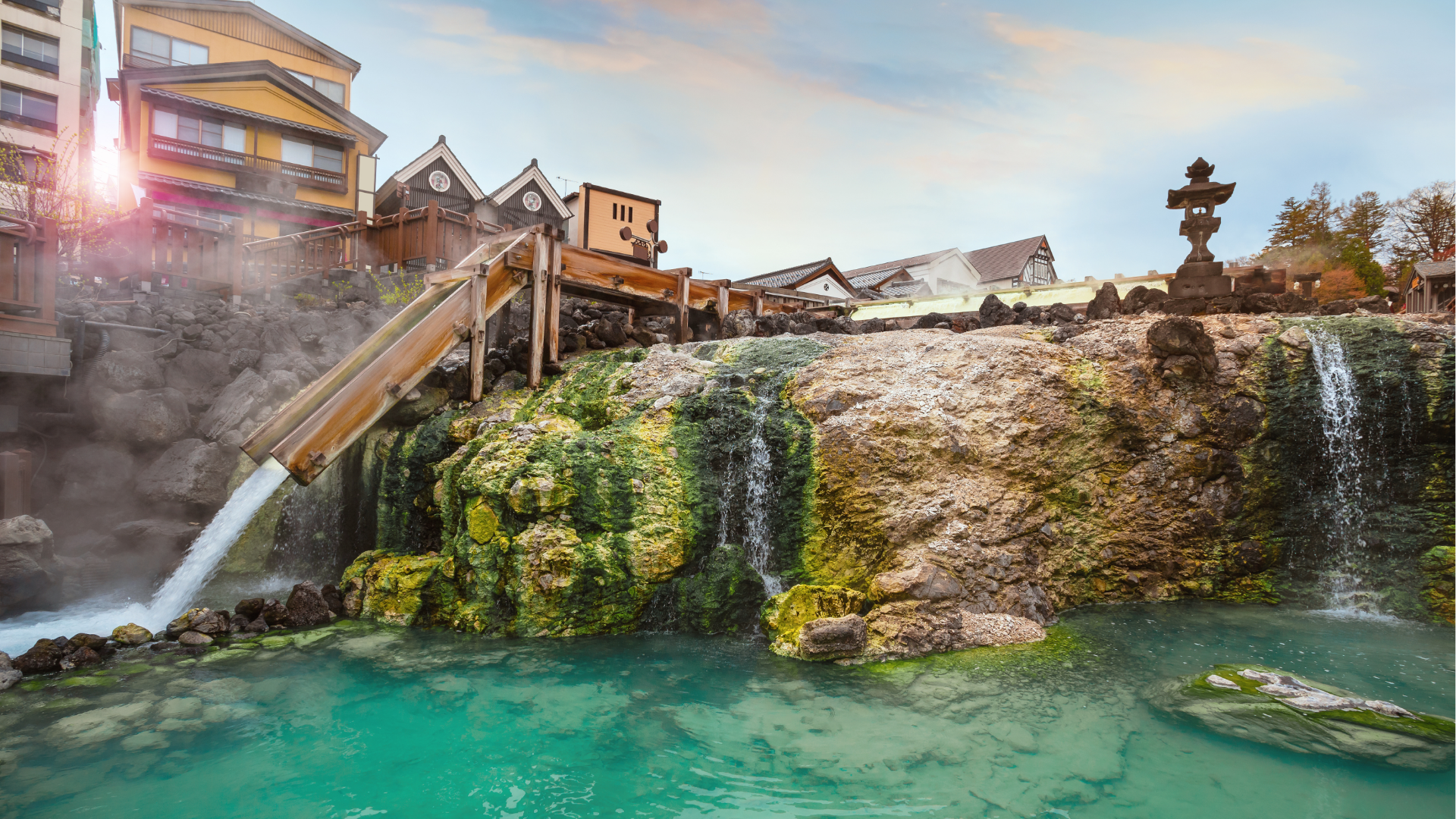
After driving the mountain pass and exploring the summit, a soak in a hot spring is the perfect way to end your day. Ikaho Onsen, one of Gunma Prefecture's most famous hot spring towns, is located on the slopes of neighboring Mount Haruna (another Initial D mountain) and is only about 30 minutes by car from Mount Akagi. The town is known for its iconic stone staircase lined with ryokan (traditional inns), souvenir shops, and public baths.
-
-
Tokyo to Ikaho Onsen by Car — Complete Self‑Drive Guide (2025)
Ikaho Onsen in Gunma Prefecture is one of the easiest hot spring towns to reach from Tokyo by car. This guide covers the fastest route, realistic drive times, parking, seasonal tips, and a 1–2 day itinerary—everything overseas visitors need for a smooth, scenic self‑drive. Why Drive from Tokyo to Ikaho Onsen? Driving lets you stop at viewpoints around Mt. Haruna and Lake Haruna, bring luggage comfortably, and combine Ikaho with other onsen towns in northern Kanto (e.g., Kusatsu or Kinugawa) without juggling train/bus schedules. It’s a straightforward expressway run with plentiful Service Areas (SA) for breaks. Fastest Route Overview (Kan‑Etsu ...
続きを見る
Mount Akagi vs. Mount Haruna vs. Mount Myogi — The Gunma Touge Trinity
Gunma Prefecture is uniquely blessed with three legendary mountain passes, all of which feature prominently in Initial D. Understanding the differences between them helps you plan the ultimate touge road trip.
Mount Akagi (Akagi-yama)
Home course of the Akagi RedSuns and Takumi Fujiwara. The road is characterized by long, sweeping curves and dramatic hairpins. It offers the most varied driving experience of the three, with technical sections interspersed with faster stretches. The summit lake and shrine provide excellent non-driving activities.
Mount Haruna (Haruna-yama)
Known as "Mount Akina" in Initial D, this is technically the mountain that Takumi descends every morning delivering tofu. The road features tight, technical hairpins and is perhaps the most iconic touge in the series. Lake Haruna at the summit is smaller than Lake Ōnuma but equally scenic.
Mount Myogi (Myogi-yama)
Home of the Myogi NightKids racing team in Initial D, Mount Myogi is known for its dramatic rock formations and its particularly dangerous, narrow mountain roads. The surrounding Myogi-Arafune-Saku Kogen area is designated a UNESCO Global Geopark, and the jagged peaks make for some of the most dramatic scenery in the Kanto region.
All three mountains can be visited in a single day by car, though a two-day trip with an overnight stay at Ikaho Onsen or nearby Kusatsu Onsen is highly recommended for a more relaxed experience.
-

-
Tokyo to Kusatsu Onsen by Car: The Complete 2025 Driving Guide
Why drive from Tokyo to Kusatsu Onsen? Kusatsu Onsen in Gunma Prefecture is one of Japan’s most famous hot spring towns, centered on the iconic Yubatake hot water field. Driving from Tokyo gives you schedule freedom, easy access to secluded baths and viewpoints, and the ability to combine nearby sights such as Ikaho, Lake Haruna, Karuizawa, and Mount Asama into one road trip. Route overview from Tokyo to Kusatsu Most travelers take the Kan-Etsu Expressway out of Tokyo and connect to local national routes into Kusatsu. Total distance is roughly 200–220 km depending on your starting point and chosen route. ...
続きを見る
Combining Mount Akagi with a Daikoku PA Visit

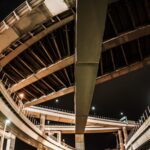
For the ultimate JDM experience in Japan, many of our guests choose to combine a Mount Akagi touge drive with a visit to Daikoku Parking Area — Japan's most famous car meet spot. Daikoku PA is located in Yokohama, along the Daikoku Route of the Shuto Expressway, and it is the place where hundreds of modified JDM cars gather on weekend nights.
A typical combined itinerary might look like this: depart Tokyo in the morning, drive to Mount Akagi via the Kan-Etsu Expressway, spend the afternoon exploring the touge roads and summit area, then drive back toward Yokohama in the evening to arrive at Daikoku PA when the car meet is in full swing. This gives you the best of both worlds — the raw, natural beauty of a Japanese mountain pass during the day and the electric atmosphere of Japan's premier car meet at night.
-
-
Daikoku Parking Area (Daikoku PA): The Ultimate Visitor Guide to Japan’s Legendary JDM Meet
Daikoku Parking Area—often written as Daikoku PA or Daikokufutō—is the most famous place in Japan to spot tuned cars gathering organically. It’s a real expressway parking/service area in Yokohama, not a ticketed tourist attraction and not an officially organized event. That “unofficial” nature is exactly why Daikoku feels special: the lineup is never the same twice, and the culture is authentic. At the same time, Daikoku is one of the easiest places for first-time visitors to misunderstand. It’s located inside the Shuto Expressway network and cannot be accessed from ordinary roads or on foot, which is why so many travelers ...
続きを見る
Our guided tours handle all the logistics — expressway tolls, navigation, timing, and local knowledge — so you can focus entirely on enjoying the experience. Whether you are an Initial D devotee making a once-in-a-lifetime pilgrimage or a general car enthusiast looking for an authentic JDM adventure, the Mount Akagi to Daikoku PA combo is one of the most rewarding experiences available to visitors in Japan.
Practical Tips for Visiting Mount Akagi
- Fuel up before ascending: There are no gas stations on the mountain. Fill your tank in Maebashi or at the base of the mountain.
- Bring warm clothing: Even in summer, the summit can be 10°C cooler than the base. In spring and autumn, temperatures at the top can approach freezing.
- Drive defensively: The touge roads are public roads shared with local traffic, cyclists, and sometimes wildlife. Drive within the speed limit and be prepared for oncoming traffic on narrow sections.
- Avoid weekends in peak autumn: The foliage season (mid-October to early November) brings heavy traffic to the mountain. Weekday visits offer a much more enjoyable driving experience.
- Check road closures in winter: Sections of the mountain road may be closed during heavy snowfall. Check local road condition reports before departing.
- Respect the local community: Mount Akagi is home to residents and businesses. Excessive noise, dangerous driving, and littering are not tolerated and can result in police intervention.
Mount Akagi in the Context of Japan's Broader JDM Scene
Mount Akagi does not exist in isolation — it is one piece of Japan's incredibly rich automotive culture tapestry. From the neon-lit streets of Tokyo's Shibuya and Shinjuku districts, where bosozoku and VIP-style cars cruise at night, to the expressway parking areas where tuned cars gather, to the mountain passes of Gunma, Kanagawa, and beyond, Japan offers an unmatched depth of car culture experiences for international visitors.
The touge culture that Mount Akagi represents is the spiritual ancestor of modern drifting, a motorsport discipline that Japan exported to the entire world. Understanding the roads, the cars, and the culture behind touge driving deepens your appreciation of everything from professional Formula Drift competitions to the modified Silvias and RX-7s you will see at Daikoku PA on a Saturday night.
-
-
JDM Culture: The Definitive Guide to Experiencing Japan’s Car Scene at Daikoku PA
JDM culture is more than fast cars and late‑night meets—it’s a uniquely Japanese blend of craftsmanship, hospitality, and respect for the road. In this guide, you’ll learn what JDM culture really means, why Daikoku Parking Area (Daikoku PA) is its most iconic gathering spot, and how overseas visitors can experience it smoothly and responsibly. What Is JDM Culture? “JDM” stands for “Japanese Domestic Market,” originally describing vehicles and parts built for sale inside Japan. Over time, the term evolved into a global lifestyle: a shared language of engineering, tuning, and community centered on Japanese cars and the people who love ...
続きを見る

If you're going to Daikoku PA, leave it to us

Experience an unforgettable JDM tour — ride in a legendary Japanese sports car and drive from Tokyo to Daikoku Parking Area, cruising Tokyo’s iconic roads along the way. Choose from favorites like the GT-R (R35 / R34 / R32), RX-7, Supra, and more.
We offer one of the highest-quality JDM driving experiences in the industry, at a fair and reasonable price.
Want to know more details or check availability?
Message us on WhatsApp for quick replies and easy booking.
Spots often sell out, so we recommend booking early.
Duration: about 3 hours
Meeting Point: Shibuya Station
Language: Beginner-level English & Japanese
Customer Reviews
Daikoku PA Video: What It’s Really Like
Important Information
- This is a drive tour where you drive your rental car, and our guide navigates from the seat.
- This is a self-drive tour where you drive your rental car, and our guide navigates from the passenger seat.
- The tour begins and ends at the same location (Shibuya).
- If the Daikoku Parking Area is closed, we will instead guide you to another car meet further away.
- The consultant is a cultural expert and navigator, not a taxi service.
