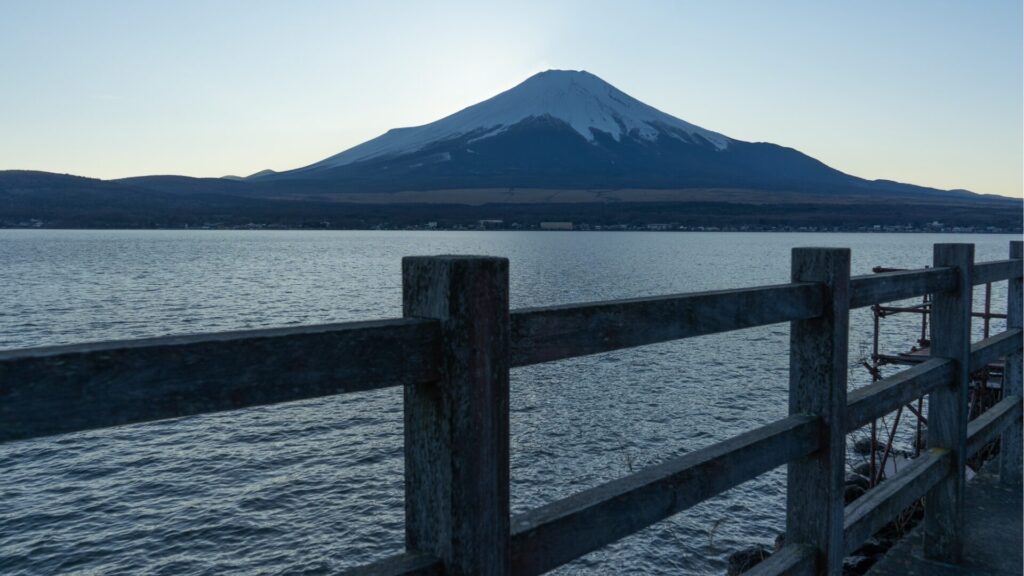
What Is Mount Akina and Why Does Every JDM Fan Know It?
Mount Akina is the fictional name given to one of the most iconic locations in automotive anime history — the legendary home course of Takumi Fujiwara in Initial D. The mountain pass where a tofu delivery boy in an AE86 Sprinter Trueno humiliated every challenger who dared race him downhill has become a pilgrimage site for JDM enthusiasts from around the world. But Mount Akina is more than just anime lore. It is based on a very real mountain in Gunma Prefecture, Japan, and you can drive its winding roads yourself.
For decades, the name "Mount Akina" has been synonymous with touge racing, drift culture, and the spirit of Japanese domestic market car culture. Whether you first encountered it through the manga, the anime, the arcade games, or modern sim racing titles, understanding what Mount Akina actually is — and how to experience it in person — is essential knowledge for any serious JDM enthusiast visiting Japan.
Is Mount Akina a Real Place? The Connection to Mount Haruna
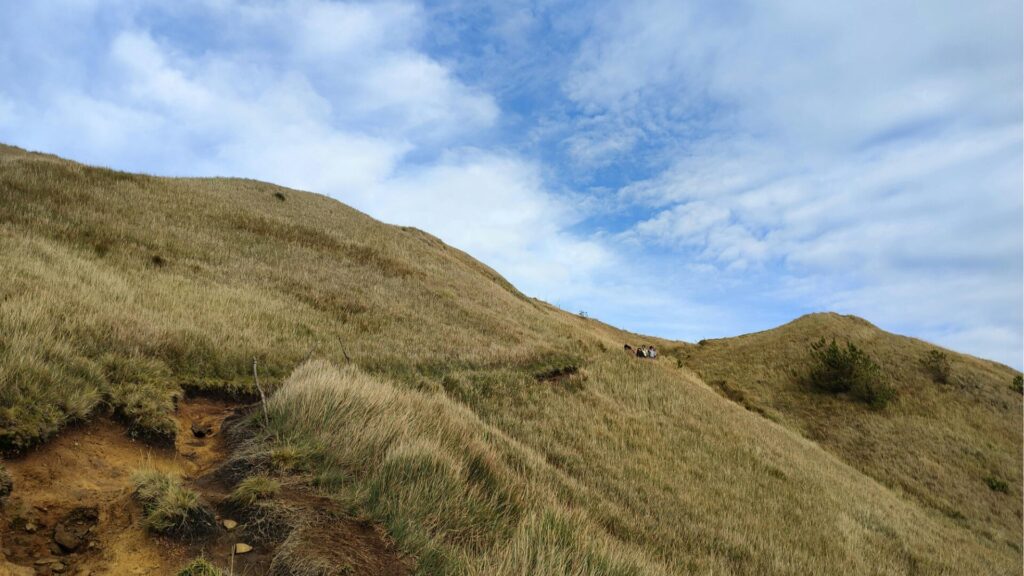
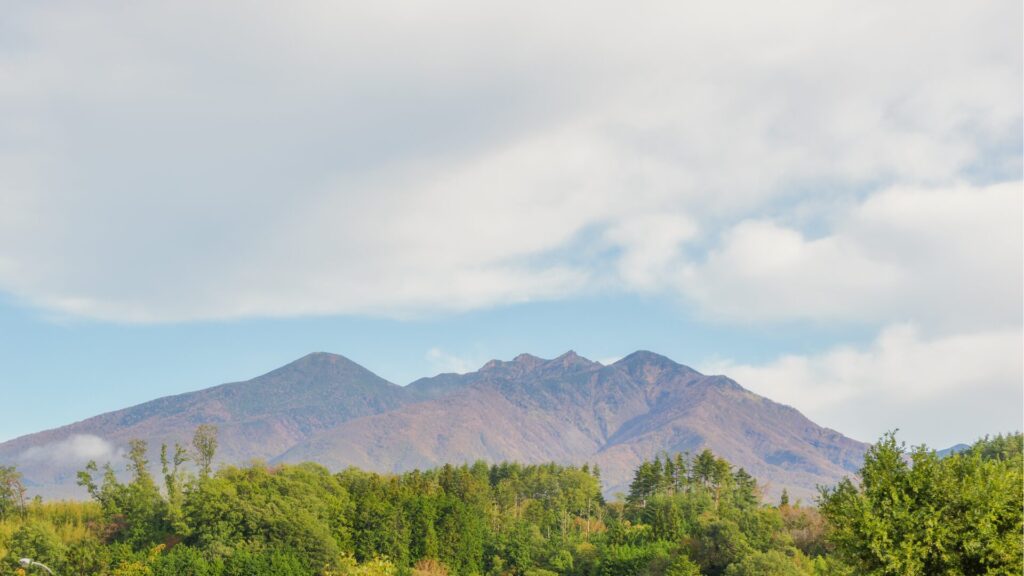
The question "Is Mount Akina real?" is one of the most frequently searched queries among Initial D fans planning a trip to Japan. The short answer is: Mount Akina is fictional, but the mountain it is based on is very real. Mount Akina is the anime counterpart of Mount Haruna (榛名山), a volcanic mountain located in Gunma Prefecture, roughly 150 kilometers northwest of Tokyo.
Shuichi Shigeno, the creator of Initial D, grew up in Gunma Prefecture and drew heavily from the local geography. He renamed the real-life mountains to create the fictional universe of the series. Mount Akina became Mount Haruna. Mount Akagi, home course of the RedSuns racing team, kept a name very close to its real counterpart. Mount Myogi, where Night Kids raced, is also a real Gunma mountain.
-

-
Mount Haruna Japan: The Real Initial D Mountain and Ultimate Touge Driving Guide
What Is Mount Haruna in Japan? Mount Haruna (榛名山, Haruna-san) is a dormant stratovolcano located in the western part of Gunma Prefecture, Japan. Standing at 1,449 meters above sea level, it is one of the three famous mountains of Jōmō (上毛三山), alongside Mount Akagi and Mount Myōgi. While it has long been revered as a sacred peak with a beautiful caldera lake at its summit, Mount Haruna gained global fame for an entirely different reason — it is the real-life inspiration for "Mount Akina" from the legendary anime and manga series Initial D. For automotive enthusiasts visiting Japan, Mount Haruna ...
続きを見る
The roads on Mount Haruna match the anime's depiction remarkably well. The signature features — the tight hairpin turns, the gutter technique corners, and the long sweeping bends through dense forest — are all present on the actual mountain. Driving up from the base toward Lake Haruna at the summit, you will instantly recognize sections that were animated in the show.
Where Is Mount Akina (Mount Haruna) Located?
Mount Haruna is situated in the city of Takasaki, Gunma Prefecture, in the Kanto region of Japan. Its summit reaches approximately 1,449 meters above sea level, and the mountain is crowned by the caldera lake known as Lake Haruna (Haruna-ko). The touge road that inspired the anime runs from the town of Ikaho Onsen at the mountain's eastern base up to the lake at the top.
How to Get There from Tokyo
Mount Haruna is approximately 2 to 2.5 hours from central Tokyo by car, depending on traffic and your starting point. The most common route is to take the Kanetsu Expressway (関越自動車道) northward to the Shibukawa-Ikaho Interchange, then follow local roads up the mountain. If you are staying in the Gunma area, the mountain is easily accessible from Takasaki Station or Maebashi.
By public transport, you can take the Joetsu Shinkansen from Tokyo Station to Takasaki Station in about 50 minutes, then transfer to a local bus heading toward Ikaho Onsen. However, to truly experience the mountain pass the way Takumi did, driving is the only real option.
-
-
Tokyo to Ikaho Onsen by Car — Complete Self‑Drive Guide (2025)
Ikaho Onsen in Gunma Prefecture is one of the easiest hot spring towns to reach from Tokyo by car. This guide covers the fastest route, realistic drive times, parking, seasonal tips, and a 1–2 day itinerary—everything overseas visitors need for a smooth, scenic self‑drive. Why Drive from Tokyo to Ikaho Onsen? Driving lets you stop at viewpoints around Mt. Haruna and Lake Haruna, bring luggage comfortably, and combine Ikaho with other onsen towns in northern Kanto (e.g., Kusatsu or Kinugawa) without juggling train/bus schedules. It’s a straightforward expressway run with plentiful Service Areas (SA) for breaks. Fastest Route Overview (Kan‑Etsu ...
続きを見る
The Mount Akina Touge Road: What to Expect When You Drive It
The road that inspired Mount Akina in Initial D is officially known as Gunma Prefectural Route 33, also referred to as the Haruna Mountain Road. It stretches from the outskirts of Ikaho Onsen up through dense forest to the caldera rim near Lake Haruna. The road is open to the public and free to drive year-round, weather permitting.
Road Characteristics
- Length: Approximately 15 kilometers from the base to the lake
- Elevation gain: Roughly 700 meters
- Number of turns: Dozens of hairpins, S-curves, and sweeping bends
- Road surface: Well-maintained asphalt, though some sections can be rough
- Width: Two lanes for most of the route, narrowing in some areas
- Guardrails: Present on most corners, though some sections have steep drop-offs
Driving the Haruna touge during the day offers stunning views of the Gunma countryside and, on clear days, glimpses of the surrounding mountain ranges. The road winds through a canopy of deciduous trees, making autumn a particularly spectacular time to visit when the foliage turns brilliant shades of red, orange, and gold.
The Famous Five Consecutive Hairpins
Initial D fans will immediately recognize the section of the road featuring five consecutive hairpin turns. In the anime, this is where many dramatic overtakes and drift battles took place. In reality, these hairpins are tight, technical, and demand respect even at legal speeds. The road markings and guardrail placement match the anime almost exactly, creating a surreal feeling of driving through a scene you have watched countless times.
Mount Akina in Initial D: Why It Matters to JDM Culture
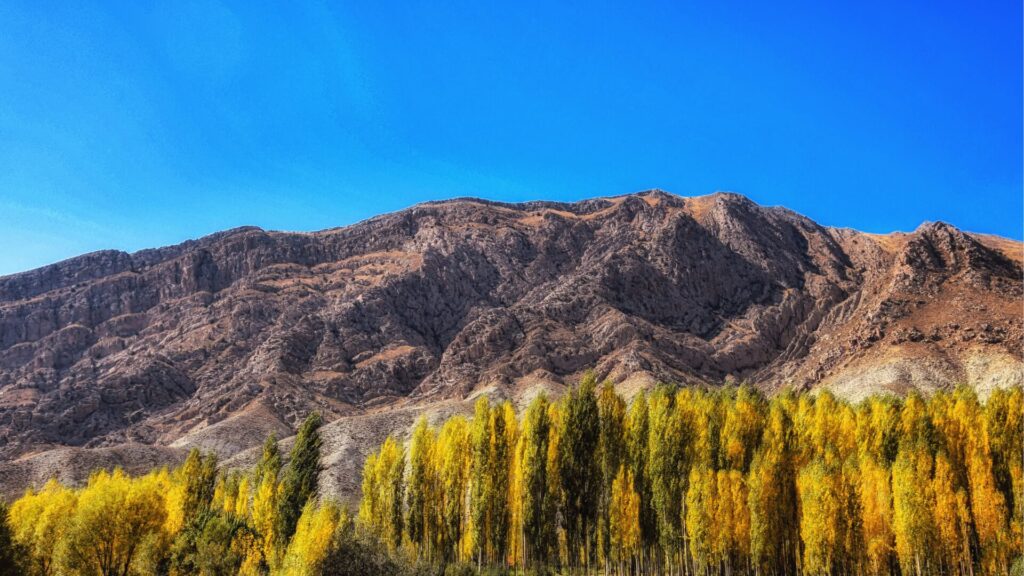
Mount Akina is not just a fictional location — it is the spiritual birthplace of an entire generation's obsession with JDM cars and drifting. In the Initial D storyline, Mount Akina is the home turf of the Akina SpeedStars, a local racing team that patrols the mountain's downhill course. When Takumi Fujiwara — the unassuming son of a tofu shop owner — is revealed to be the fastest downhill racer on the mountain, the legend of Mount Akina begins.
The cultural impact of Initial D on automotive culture cannot be overstated. The series popularized the Toyota AE86, elevated Keiichi Tsuchiya to legendary status as the real-life "Drift King," and introduced millions of people worldwide to the concept of touge racing. Mount Akina became the symbol of grassroots racing — the idea that a skilled driver in a lightweight, naturally aspirated car could defeat much more powerful machines through technique and knowledge of the road.
-
-
JDM Drift: The Definitive Guide for Visitors (Daikoku PA Edition)
JDM drift is more than smoking tires and counter‑steer angles—it’s a living subculture that blends engineering, aesthetics, and community. If you’re planning a car‑centric trip to Tokyo or Yokohama and want to experience Japan’s drift scene correctly (and legally), use this guide to plan a night that delivers authentic cars, epic photos, and zero hassles—centered around Daikoku Parking Area (Daikoku PA), the capital’s most famous highway car‑meet hub. What Is JDM Drift? JDM (Japan Domestic Market) drift is the Japanese-born driving style that emphasizes controlled oversteer, precision throttle modulation, and smooth transitions through a corner. It grew from mountain‑pass (touge) ...
続きを見る

Today, the legacy of Mount Akina extends far beyond the anime. It has inspired countless racing games, sim racing mods, music (the Eurobeat genre owes much of its international fame to Initial D), and a global pilgrimage of fans who travel to Gunma to drive the real roads. The mountain represents the purest expression of JDM culture: the intersection of driving skill, automotive passion, and the unique geography of Japan's mountain roads.
Mount Akina in Racing Games and Simulators
For those who cannot visit Japan immediately, Mount Akina has been faithfully recreated in numerous racing games and driving simulators. The mountain pass is one of the most popular user-created and official tracks across multiple platforms:
- Assetto Corsa: Multiple community-made mods recreate the Mount Akina downhill and uphill courses with impressive accuracy, complete with accurate elevation changes and road textures.
- BeamNG.drive: The physics-heavy simulator features Mount Akina maps that let you experience realistic vehicle dynamics on the tight hairpins.
- Forza Horizon 5: While not officially included, players have created event routes inspired by the Mount Akina touge experience.
- Initial D Arcade Stage: The original arcade series features Mount Akina as a core track, and these machines can still be found in some Japanese arcades.
While these digital recreations offer a taste of the experience, nothing compares to actually being on the mountain in person — feeling the elevation changes through the steering wheel, hearing the echo of your engine off the rock faces, and seeing the hairpins unfold before your eyes exactly as they appeared in the anime.
Planning Your Visit: Practical Tips for Driving Mount Haruna
If you are planning to visit Mount Akina (Mount Haruna) during your trip to Japan, here are essential tips to ensure a safe and memorable experience.
Best Season to Visit
The mountain road is most enjoyable from late April through November. Summer offers lush green scenery and comfortable temperatures at altitude. Autumn (October to mid-November) is arguably the best time, with spectacular fall foliage lining the entire route. Winter brings snow and ice, and the road may be partially or fully closed. Chains or winter tires are mandatory during the colder months if the road is accessible.
Renting a Car
To drive Mount Haruna, you will need a vehicle and a valid International Driving Permit (IDP) along with your home country license. Car rental agencies are available in Takasaki and throughout the Gunma region. For the most authentic Initial D experience, some JDM car rental agencies in Japan offer vehicles like the Toyota AE86, though availability varies.
-
-
JDM Car Rental in Japan: The Complete Guide for Overseas Enthusiasts
Japan is the spiritual home of JDM—where iconic nameplates like Skyline, Supra, RX‑7, and Silvia were born and bred. If you’re visiting and want to experience authentic Japanese roads behind the wheel of a well‑maintained, street‑legal performance car, renting locally is the most practical and legal way to do it. This guide explains how to rent a JDM car in Japan, what to expect on the road, and the best routes and meet‑ups to plan around your trip. Why Rent a JDM Car in Japan? Renting in Japan gives you access to cars in their natural environment—tight city streets, spotless ...
続きを見る
Safety Considerations
It is crucial to emphasize that touge racing on public roads is illegal in Japan. The roads on Mount Haruna are public and shared with oncoming traffic, cyclists, pedestrians, and tour buses. Speed limits must be obeyed at all times. Japanese police actively patrol mountain passes, and penalties for reckless driving are severe, including arrest and deportation for foreign nationals.
That said, driving the route at legal speeds is still an incredible experience. The road itself is technical and engaging even at 30–40 km/h through the tighter sections. Take your time, pull over at designated viewing areas, and soak in the atmosphere.
Things to Do at the Summit
- Lake Haruna: A serene caldera lake at the top of the mountain, perfect for a rest stop with scenic views.
- Haruna Shrine: A historic Shinto shrine near the lake, dating back over 1,400 years.
- Ikaho Onsen: Located at the base of the mountain, this famous hot spring town is the perfect place to relax after your drive.
- Photography: The hairpin turns, forest roads, and mountain vistas offer endless photo opportunities.
Combining Mount Akina with Tokyo's JDM Car Scene
Many JDM enthusiasts visiting Japan want to experience both the mountain touge culture and Tokyo's vibrant car meet scene. The good news is that these experiences complement each other perfectly. A well-planned itinerary can include a daytime drive up Mount Haruna followed by an evening visit to one of Tokyo's famous car meet spots like Daikoku Parking Area.
Daikoku PA, located on the Bayshore Route of the Shuto Expressway in Yokohama, is Japan's most famous car meet location. On weekend nights, hundreds of modified JDM cars gather here — from drift-spec Nissan Silvias to widebody Lamborghinis, from pristine GT-Rs to classic kei trucks. It is the urban counterpart to Mount Akina's mountain spirit, and together they represent the full spectrum of JDM car culture in Japan.
-

-
Daikoku Car Meet Time Table: Best Times, Schedule & Access
Searching for “car meet up Tokyo time table”, “Daikoku PA car meet schedule”, or “Daikoku car meet how to get there” usually means you want one practical thing: When should you go, and how do you get in and out of Daikoku PA without problems? This page is a fast, traveler-friendly hub. It gives you the realistic “typical” time windows (because there’s no official timetable), the safest ways to reach Daikoku, what’s considered illegal behavior, and what to do if the parking area is quiet. Daikoku car meet schedule: is there an official timetable? No. Daikoku Parking Area (Daikoku PA ...
続きを見る
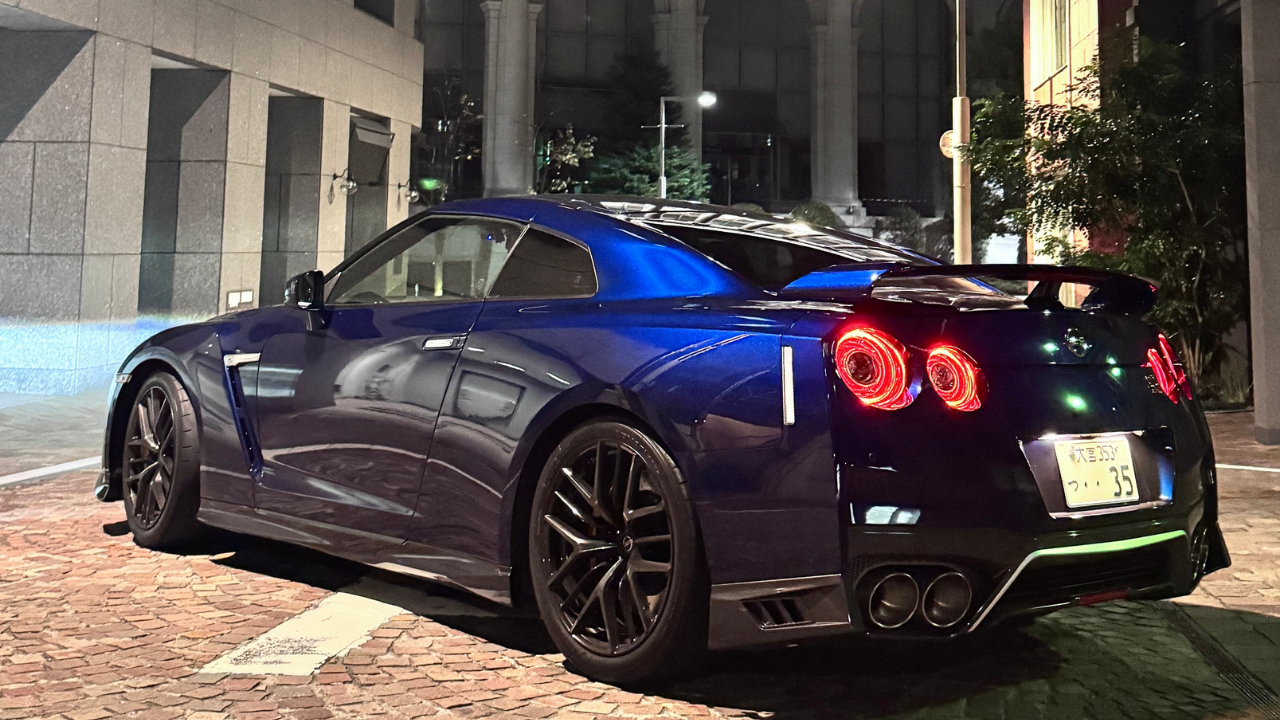
If you are visiting Tokyo and want to experience the Daikoku PA car meet scene but do not have a car or are unfamiliar with the expressway system, guided tours offer the perfect solution. Our JDM tours provide hotel pickup in Tokyo, a ride in a modified JDM car, and a full evening at Daikoku PA surrounded by Japan's most dedicated car enthusiasts. It is the ideal way to complement a Mount Haruna road trip with an authentic urban car culture experience.
Other Famous Initial D Mountain Passes Near Tokyo
Mount Akina is just one of several legendary touge roads in the Gunma and Kanto region. If you are making the trip to drive Mount Haruna, consider adding these nearby passes to your route:
- Mount Akagi (赤城山): Home of the RedSuns in Initial D, featuring a wide, sweeping road that climbs to Lake Onuma at the summit. Located about 30 minutes east of Mount Haruna.
- Mount Myogi (妙義山): Known for its dramatic rock formations and challenging road. Home of the Night Kids team in the anime.
- Irohazaka (いろは坂): A famous series of 48 hairpin turns in Nikko, Tochigi Prefecture. While not featured in Initial D, it is one of Japan's most iconic mountain roads.
- Usui Pass (碓氷峠): Another Gunma touge featured in Initial D, connecting Gunma to Nagano Prefecture.
-
-
Mount Akagi (Mt. Akagi) Travel Guide: Best Views, Access, and Things to Do
Mount Akagi — The Sacred Mountain of JDM Culture and Initial D Mount Akagi (赤城山, Akagi-yama) is one of the most iconic landmarks in Japanese car culture. Rising to 1,828 meters in Gunma Prefecture, this dormant volcano is far more than a scenic hiking destination — it is a place of pilgrimage for JDM enthusiasts, drift fans, and anyone who grew up watching or reading Initial D. The winding touge (mountain pass) roads of Mount Akagi served as the home course of protagonist Takumi Fujiwara, making it arguably the most famous driving road in all of anime and manga history. ...
続きを見る
A multi-day road trip through Gunma Prefecture hitting all three Initial D mountains — Haruna, Akagi, and Myogi — is the ultimate pilgrimage for fans of the series. Combined with a stop at Ikaho Onsen for the hot springs and a night at Daikoku PA for the car meets, it creates an unforgettable JDM-themed Japan experience.
The Enduring Legacy of Mount Akina in Global Car Culture
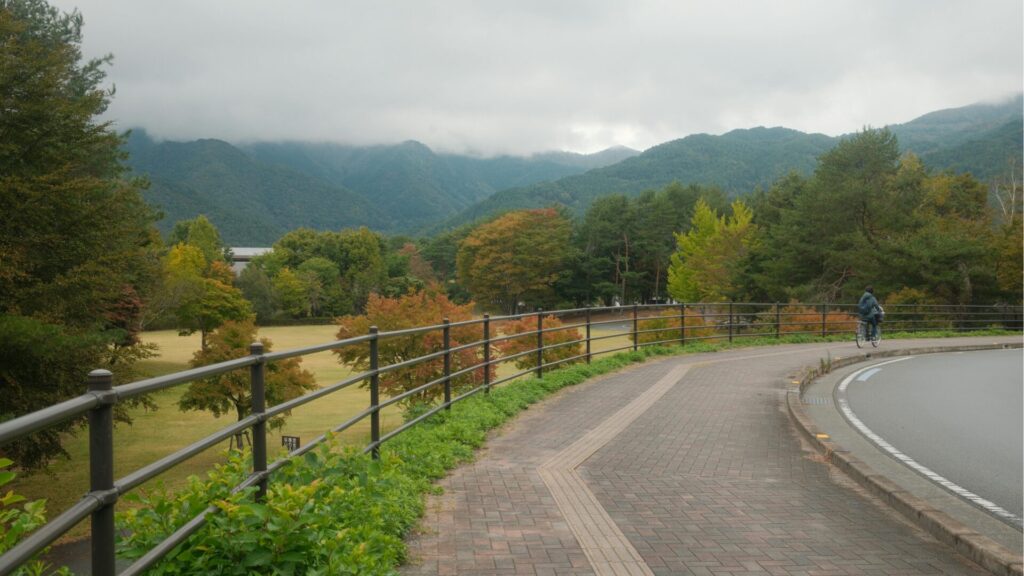
More than two decades after Initial D first aired, Mount Akina continues to captivate new generations of car enthusiasts. The mountain pass has transcended its origins as an anime setting to become a genuine cultural landmark — a place where fiction and reality merge seamlessly. Every year, thousands of international visitors make the journey to Gunma to drive the same hairpins that Takumi conquered in his AE86.
The influence of Mount Akina extends into every corner of automotive culture. It shaped the global perception of Japanese car modification, elevated touge driving to an art form, and proved that the connection between driver and machine matters more than raw horsepower. For anyone with even a passing interest in JDM cars, visiting the real Mount Akina is not just a tourist activity — it is a homecoming to the place where the passion began.
If you're going to Daikoku PA, leave it to us

Experience an unforgettable JDM tour — ride in a legendary Japanese sports car and drive from Tokyo to Daikoku Parking Area, cruising Tokyo’s iconic roads along the way. Choose from favorites like the GT-R (R35 / R34 / R32), RX-7, Supra, and more.
We offer one of the highest-quality JDM driving experiences in the industry, at a fair and reasonable price.
Want to know more details or check availability?
Message us on WhatsApp for quick replies and easy booking.
Spots often sell out, so we recommend booking early.
Duration: about 3 hours
Meeting Point: Shibuya Station
Language: Beginner-level English & Japanese
Customer Reviews
Daikoku PA Video: What It’s Really Like
Important Information
- This is a drive tour where you drive your rental car, and our guide navigates from the seat.
- This is a self-drive tour where you drive your rental car, and our guide navigates from the passenger seat.
- The tour begins and ends at the same location (Shibuya).
- If the Daikoku Parking Area is closed, we will instead guide you to another car meet further away.
- The consultant is a cultural expert and navigator, not a taxi service.
