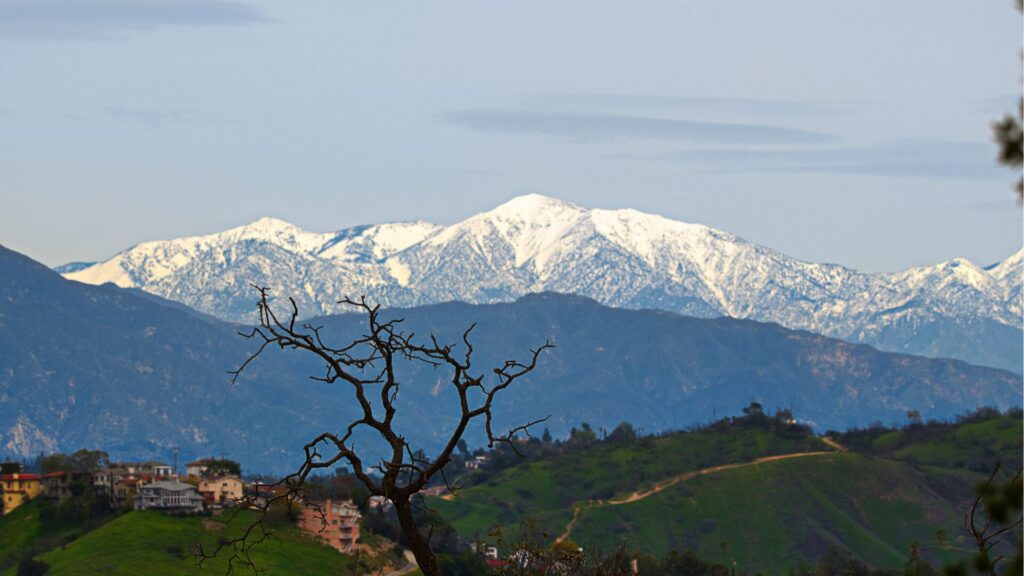
What Is Mount Akina? The Fictional Name Behind a Real Japanese Mountain
Mount Akina is one of the most iconic locations in anime and automotive history, serving as the home mountain of Takumi Fujiwara in the legendary manga and anime series Initial D. However, Mount Akina does not exist on any official map of Japan. It is a fictional name created by manga artist Shuichi Shigeno to represent a very real place: Mount Haruna (榛名山), located in Gunma Prefecture, approximately 150 kilometers northwest of Tokyo.
For fans of JDM culture, touge driving, and the iconic AE86 Sprinter Trueno, Mount Akina is nothing short of a pilgrimage site. The winding mountain roads, the hairpin corners, the downhill course that Takumi mastered while delivering tofu — all of it was inspired by the actual roads that snake up and around Mount Haruna. Understanding the connection between the fictional Mount Akina and the real Mount Haruna is the first step in planning your visit to one of Japan's most revered automotive landmarks.
Mount Akina vs. Mount Haruna: Understanding the Real Location
Mount Haruna stands at an elevation of approximately 1,449 meters and is one of the three major mountains of Gunma Prefecture, alongside Mount Akagi (the basis for the RedSuns' home course in Initial D) and Mount Myogi. The mountain features Lake Haruna at its caldera, a volcanic lake that adds stunning scenery to what is already an exhilarating driving route.
The road that inspired the Mount Akina downhill course in Initial D is prefectural Route 33, which connects the town of Ikaho at the mountain's base to Lake Haruna near the summit. This stretch of road features the same succession of tight hairpin turns, elevation changes, and narrow passages that made Takumi's tofu delivery runs so legendary. The five consecutive hairpins — a defining characteristic of the Akina downhill in the anime — are directly modeled after real corners on this road.
-

-
Mount Akagi (Mt. Akagi) Travel Guide: Best Views, Access, and Things to Do
Mount Akagi — The Sacred Mountain of JDM Culture and Initial D Mount Akagi (赤城山, Akagi-yama) is one of the most iconic landmarks in Japanese car culture. Rising to 1,828 meters in Gunma Prefecture, this dormant volcano is far more than a scenic hiking destination — it is a place of pilgrimage for JDM enthusiasts, drift fans, and anyone who grew up watching or reading Initial D. The winding touge (mountain pass) roads of Mount Akagi served as the home course of protagonist Takumi Fujiwara, making it arguably the most famous driving road in all of anime and manga history. ...
続きを見る
Key Features of the Real Mount Akina (Haruna) Road
- Total distance: Approximately 15 kilometers from the base to Lake Haruna
- Elevation gain: Roughly 700 meters from Ikaho town to the lake
- Number of hairpin turns: Over 15 significant hairpins along the main route
- Road surface: Well-maintained asphalt with occasional patches, suitable for all vehicles
- Speed limits: Strictly enforced, typically 30–40 km/h on the tightest sections
Mount Akina in Initial D: Why It Became a Global Icon
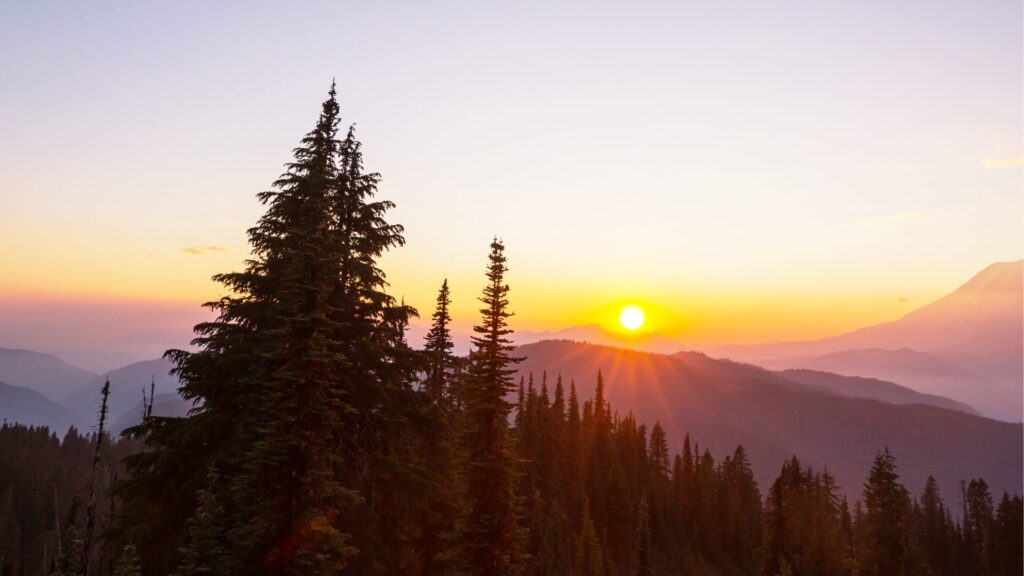
In the world of Initial D, Mount Akina is the home course of the Akina SpeedStars, a local street racing team, and more importantly, the proving ground where Takumi Fujiwara unknowingly became the greatest downhill racer in Gunma. His father, Bunta Fujiwara, owned a tofu shop at the base of the mountain and had Takumi deliver tofu to a hotel at the summit every morning before dawn. This daily routine, combined with the challenge of not spilling water from a cup placed in the car's cup holder, honed Takumi's driving skills to an extraordinary level.
The Mount Akina downhill became the stage for some of the most memorable battles in Initial D history. Takumi's races against Keisuke Takahashi's RX-7 FD3S, Shingo Shoji's EG6 Civic, and Ryosuke Takahashi's FC3S RX-7 all took place on these fictional roads — roads that mirror the real geography of Mount Haruna with remarkable accuracy.
What made Mount Akina so compelling was not just the racing — it was the philosophy. The idea that intimate knowledge of a mountain road could overcome raw horsepower resonated deeply with car enthusiasts worldwide. This concept, rooted in Japan's touge (mountain pass) driving culture, turned Mount Akina into a global symbol of grassroots motorsport.
-
-
Mount Akagi in Initial D: The Real-Life Akagi Touge Explained
Mount Akagi and Initial D: Why This Mountain Became a Global Icon Mount Akagi — known as Akagi-yama (赤城山) in Japanese — is one of the most famous mountains in the world of JDM car culture. Thanks to the legendary manga and anime series Initial D, created by Shuichi Shigeno, Mount Akagi became synonymous with touge racing, drifting, and the raw thrill of downhill battles. For tens of millions of fans worldwide, Mount Akagi is not merely a geographic landmark in Gunma Prefecture; it is hallowed ground where the art of the touge was immortalized. In Initial D, Mount Akagi ...
続きを見る
How to Get to Mount Akina (Mount Haruna) from Tokyo
Reaching the real Mount Akina from Tokyo requires some planning, but it is entirely doable as a day trip or as part of a longer Gunma Prefecture road trip. Here are the primary options:
By Car (Recommended for the Full Experience)
Driving to Mount Haruna is by far the best way to experience the roads that inspired Initial D. From central Tokyo, take the Kanetsu Expressway (関越自動車道) north toward Gunma. Exit at the Shibukawa-Ikaho Interchange, and from there it is approximately 20 minutes to the base of the mountain road. The total drive from Tokyo takes around 2 to 2.5 hours depending on traffic conditions.
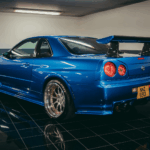
Renting a car gives you the freedom to drive the actual touge at your own pace, stop at viewpoints, and continue onward to nearby attractions like Lake Haruna or Ikaho Onsen. If you want the ultimate JDM experience, consider renting a Japanese sports car for the trip.
-
-
JDM Car Rental in Japan: The Complete Guide for Overseas Enthusiasts
Japan is the spiritual home of JDM—where iconic nameplates like Skyline, Supra, RX‑7, and Silvia were born and bred. If you’re visiting and want to experience authentic Japanese roads behind the wheel of a well‑maintained, street‑legal performance car, renting locally is the most practical and legal way to do it. This guide explains how to rent a JDM car in Japan, what to expect on the road, and the best routes and meet‑ups to plan around your trip. Why Rent a JDM Car in Japan? Renting in Japan gives you access to cars in their natural environment—tight city streets, spotless ...
続きを見る
By Train and Bus
Take the JR Joetsu Shinkansen from Tokyo Station to Takasaki Station (approximately 50 minutes). From Takasaki, transfer to the JR Agatsuma Line and ride to Shibukawa Station (about 25 minutes). From Shibukawa Station, Gunma Bus operates services to Ikaho Onsen and Lake Haruna. However, bus frequency is limited, especially on weekdays, so check schedules in advance.
Driving Tips for the Mount Haruna Touge
- Drive responsibly: Street racing is illegal in Japan. The roads are public and shared with other drivers, cyclists, and pedestrians.
- Respect the speed limits: Japanese police actively patrol mountain roads, and violations carry serious penalties including fines and license suspension.
- Watch for wildlife: Deer and wild boar are common in the mountain areas, especially at dawn and dusk.
- Avoid driving in heavy fog: Mount Haruna is prone to sudden fog, particularly in the mornings and during autumn.
- Winter conditions: From December through March, snow and ice can make the roads treacherous. Winter tires or chains may be legally required.
What to See and Do at Mount Akina (Haruna)
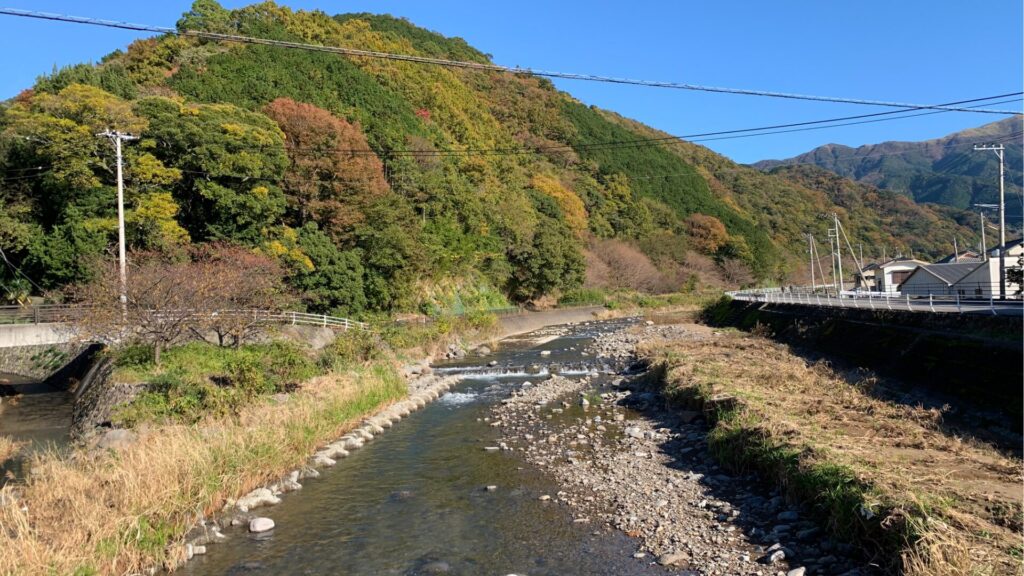
While driving the famous touge is the primary draw for most visitors, Mount Haruna and its surroundings offer much more than just a road experience.
Lake Haruna (Haruna-ko)
This beautiful volcanic caldera lake sits near the summit of Mount Haruna. In Initial D, it is implied that Takumi's tofu delivery destination was near this lake. Today, visitors can enjoy swan boat rides in summer, wakasagi ice fishing in winter, and stunning views of Mount Haruna-Fuji (a cone-shaped peak adjacent to the lake that resembles a miniature Mount Fuji) year-round.
Ikaho Onsen
Located at the base of Mount Haruna, Ikaho Onsen is one of Gunma Prefecture's most famous hot spring towns. Its signature attraction is the Ishidan — a stone staircase of 365 steps lined with shops, restaurants, and ryokan (traditional Japanese inns). The iron-rich "golden water" hot springs here are said to have healing properties, particularly for fatigue and poor circulation. After driving the touge, soaking in an onsen is the perfect way to unwind.
-
-
Tokyo to Ikaho Onsen by Car — Complete Self‑Drive Guide (2025)
Ikaho Onsen in Gunma Prefecture is one of the easiest hot spring towns to reach from Tokyo by car. This guide covers the fastest route, realistic drive times, parking, seasonal tips, and a 1–2 day itinerary—everything overseas visitors need for a smooth, scenic self‑drive. Why Drive from Tokyo to Ikaho Onsen? Driving lets you stop at viewpoints around Mt. Haruna and Lake Haruna, bring luggage comfortably, and combine Ikaho with other onsen towns in northern Kanto (e.g., Kusatsu or Kinugawa) without juggling train/bus schedules. It’s a straightforward expressway run with plentiful Service Areas (SA) for breaks. Fastest Route Overview (Kan‑Etsu ...
続きを見る
The "Five Consecutive Hairpins"
Fans of Initial D will want to identify and photograph the five consecutive hairpin turns that are central to the anime's Mount Akina course. These hairpins are located on the lower-to-middle section of Route 33 and are recognizable by their tight radius and successive left-right-left pattern. While you cannot legally drift through them like Takumi, simply driving through these corners and recognizing them from the anime is a thrilling experience.
Haruna Shrine
Haruna Shrine, located near Lake Haruna, is a historically significant Shinto shrine dating back over 1,400 years. The approach is lined with towering cedar trees, creating an atmospheric walkway that contrasts beautifully with the adrenaline of the mountain roads. It is well worth a short detour.
Mount Akina vs. Mount Akagi: Comparing Initial D's Iconic Mountains

Many Initial D fans visiting Gunma want to experience both Mount Akina (Haruna) and Mount Akagi, the home course of the Akagi RedSuns led by Ryosuke and Keisuke Takahashi. The two mountains are located relatively close to each other — roughly 30 kilometers apart — making it feasible to visit both in a single day by car.
Mount Akagi features a longer, more sweeping touge with broader turns and higher-speed sections compared to the tighter, more technical hairpins of Mount Haruna. Akagi's road is also known for its dramatic autumn foliage and the serene Lake Onuma at its summit. Driving both mountains in sequence gives you a comprehensive understanding of why Gunma Prefecture became the spiritual heartland of touge culture in Japan.
-
-
Mt. Akagi Touge Guide: Best Time to Drive, Etiquette, and Route Overview
What Is Mt. Akagi Touge and Why Is It So Famous? Mt. Akagi touge — the legendary mountain pass that winds its way up and around Mount Akagi in Gunma Prefecture — is one of the most iconic driving roads in all of Japan. For fans of Japanese car culture, anime, and motorsport history, the name "Akagi" carries an almost mythical weight. This is the road that inspired countless downhill battles in the beloved manga and anime series Initial D, and it remains a pilgrimage destination for JDM enthusiasts from around the world. The word "touge" (峠) translates to "mountain ...
続きを見る

Other Initial D Locations Near Mount Akina
- Mount Myogi: The home course of the Myogi NightKids in Initial D. Known for extremely technical, narrow roads.
- Usui Pass: Another famous touge in Gunma, featured in later stages of Initial D. The old road (now partially closed to vehicles) was once one of the most challenging mountain passes in Japan.
- Shibukawa City: The real-world equivalent of the town where Takumi lives. You can find locations that inspired scenes from the manga, including the area where Takumi's tofu shop was depicted.
Best Time to Visit Mount Akina (Haruna)
The ideal time to visit depends on what you want to experience:
- Spring (April–May): Cherry blossoms bloom around the base, and the mountain roads are clear of snow. Pleasant driving conditions with moderate traffic.
- Summer (June–August): The lush green scenery is at its peak. Lake Haruna is popular for outdoor activities. Mornings can be foggy.
- Autumn (October–November): Arguably the best time for photography. The mountain transforms into a tapestry of red, orange, and gold. This is also peak tourist season, so expect more traffic.
- Winter (December–March): Snow covers the upper mountain, and Lake Haruna freezes for ice fishing. Roads can be dangerous without proper winter equipment. The atmosphere is hauntingly beautiful but demands caution.
Combining Mount Akina with a Daikoku PA Car Meet Tour
For the ultimate JDM experience in Japan, many enthusiasts combine a visit to Mount Akina with a trip to Daikoku Parking Area (Daikoku PA) in Yokohama. Daikoku PA is Japan's most famous car meet spot, where hundreds of modified JDM cars gather on weekend nights. From rare Skyline GT-Rs and rotary-powered RX-7s to bosozoku-style vans and VIP sedans, Daikoku PA is the beating heart of Japan's car culture scene.
A typical itinerary might look like this: drive the Mount Haruna touge during the day, relax at Ikaho Onsen in the late afternoon, then head south on the expressway to reach Daikoku PA by evening. The drive from Mount Haruna to Daikoku PA takes approximately 2.5 to 3 hours, making it a long but incredibly rewarding day for any car enthusiast.
-
-
Daikoku Parking Area (Daikoku PA): The Ultimate Visitor Guide to Japan’s Legendary JDM Meet
Daikoku Parking Area—often written as Daikoku PA or Daikokufutō—is the most famous place in Japan to spot tuned cars gathering organically. It’s a real expressway parking/service area in Yokohama, not a ticketed tourist attraction and not an officially organized event. That “unofficial” nature is exactly why Daikoku feels special: the lineup is never the same twice, and the culture is authentic. At the same time, Daikoku is one of the easiest places for first-time visitors to misunderstand. It’s located inside the Shuto Expressway network and cannot be accessed from ordinary roads or on foot, which is why so many travelers ...
続きを見る
However, navigating Japanese expressways, understanding local driving customs, and timing your arrival at Daikoku PA for the best car meet experience can be challenging — especially for first-time visitors. That is exactly why our guided tours exist. We handle all the logistics, provide English-speaking guides who are passionate about JDM culture, and ensure you experience the very best of Japan's car scene without any stress.
Safety and Legal Considerations for Driving Mount Akina
It is absolutely critical to understand that street racing on Japanese public roads is illegal and carries severe consequences. Japan's traffic laws impose heavy fines, immediate license revocation, and even imprisonment for reckless driving or racing on public roads. Police in Gunma Prefecture are well aware of the Initial D pilgrimage phenomenon and actively monitor the mountain passes for dangerous driving behavior.
The correct way to enjoy the Mount Haruna touge is to drive at legal speeds, appreciate the road's engineering and scenery, and save any spirited driving for licensed racing circuits. Japan has numerous track day options and rental kart facilities where you can safely push your limits. On the mountain, the goal should be immersion, not speed.
If you're going to Daikoku PA, leave it to us

Experience an unforgettable JDM tour — ride in a legendary Japanese sports car and drive from Tokyo to Daikoku Parking Area, cruising Tokyo’s iconic roads along the way. Choose from favorites like the GT-R (R35 / R34 / R32), RX-7, Supra, and more.
We offer one of the highest-quality JDM driving experiences in the industry, at a fair and reasonable price.
Want to know more details or check availability?
Message us on WhatsApp for quick replies and easy booking.
Spots often sell out, so we recommend booking early.
Duration: about 3 hours
Meeting Point: Shibuya Station
Language: Beginner-level English & Japanese
Customer Reviews
Daikoku PA Video: What It’s Really Like
Important Information
- This is a drive tour where you drive your rental car, and our guide navigates from the seat.
- This is a self-drive tour where you drive your rental car, and our guide navigates from the passenger seat.
- The tour begins and ends at the same location (Shibuya).
- If the Daikoku Parking Area is closed, we will instead guide you to another car meet further away.
- The consultant is a cultural expert and navigator, not a taxi service.
