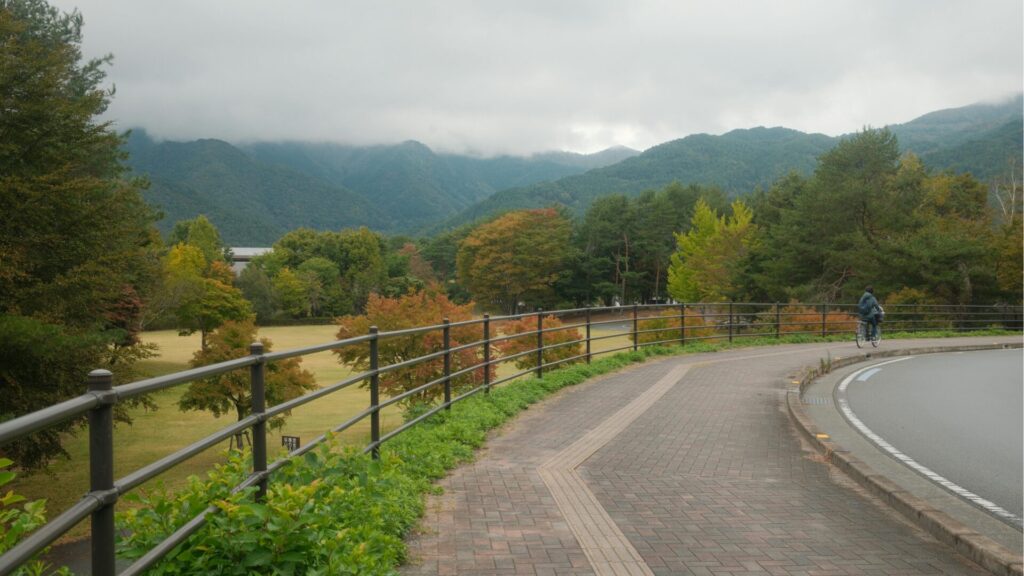
What Is the Mount Akina Road?
The Mount Akina road is arguably the most famous touge (mountain pass) route in Japanese car culture. Immortalized as the home course of protagonist Takumi Fujiwara in the anime and manga series Initial D, this winding mountain road has become a pilgrimage destination for JDM enthusiasts worldwide. But unlike the fictional Mount Akina, the real road exists on Mount Haruna (榛名山) in Gunma Prefecture — and it is every bit as thrilling as the anime suggests.
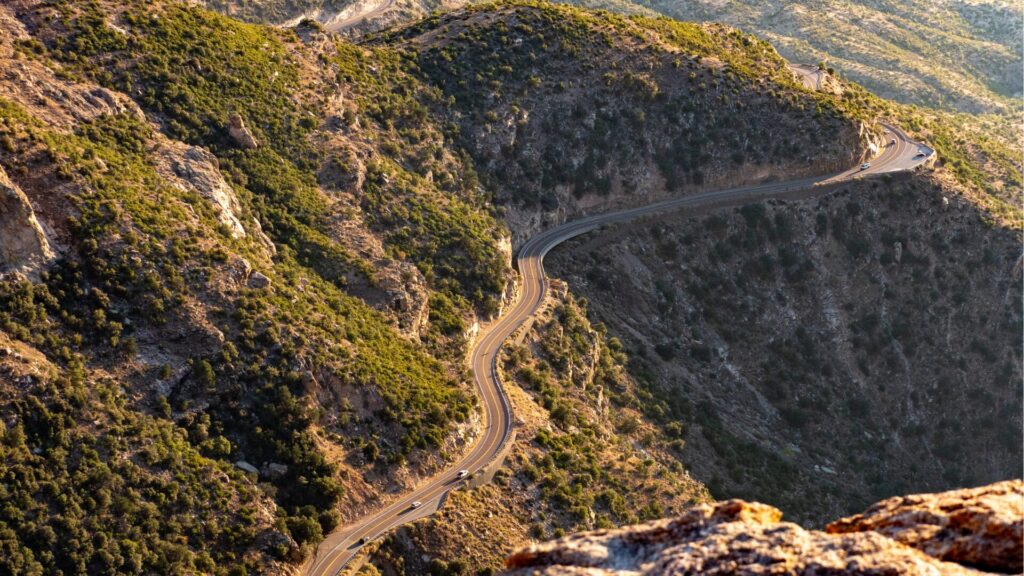
The route that inspired Mount Akina is officially known as Gunma Prefectural Route 33, a stretch of road that winds from the base of Mount Haruna up to the caldera lake at the summit, Lake Haruna. With dozens of tight hairpin bends, elevation changes, and stunning natural scenery, the Mount Akina road offers a driving experience that perfectly blends adrenaline with beauty.
-

-
Mount Akina: The Real Initial D Mountain Pass in Gunma, Japan
What Is Mount Akina? The Fictional Name Behind a Real Japanese Mountain Mount Akina is one of the most iconic locations in anime and automotive history, serving as the home mountain of Takumi Fujiwara in the legendary manga and anime series Initial D. However, Mount Akina does not exist on any official map of Japan. It is a fictional name created by manga artist Shuichi Shigeno to represent a very real place: Mount Haruna (榛名山), located in Gunma Prefecture, approximately 150 kilometers northwest of Tokyo. For fans of JDM culture, touge driving, and the iconic AE86 Sprinter Trueno, Mount Akina ...
続きを見る
Where Exactly Is the Mount Akina Road Located?
The real-world Mount Akina road is located on the slopes of Mount Haruna in the city of Takasaki (formerly the town of Haruna), Gunma Prefecture, Japan. Gunma Prefecture sits northwest of Tokyo in the Kanto region, making it accessible as a day trip or weekend excursion from the capital.
Key Geographic Details
- Mountain: Mount Haruna (榛名山) — elevation 1,449 meters
- Road: Gunma Prefectural Route 33 (県道33号)
- Starting point: The base of Mount Haruna near Haruna town
- Summit destination: Lake Haruna (榛名湖)
- Distance from Tokyo: Approximately 150 km (about 2–2.5 hours by car)
The road begins at a relatively low elevation and climbs steadily through dense forest, passing through a series of switchbacks before reaching the volcanic caldera lake at the top. This is the same route Takumi drove in his father's Toyota AE86 Sprinter Trueno while delivering tofu every morning.
-
-
Where Is Mount Akina? The Real-Life Location Behind Initial D's Legendary Touge
Where Is Mount Akina in Real Life? If you have ever watched Initial D and wondered "where is Mount Akina?" — you are not alone. Mount Akina is the fictional name used in the manga and anime series Initial D, created by Shuichi Shigeno. In reality, Mount Akina is based on Mount Haruna (榛名山, Haruna-san), a real volcanic mountain located in Gunma Prefecture, Japan. The mountain sits in the central-western part of Gunma, roughly 130 kilometers northwest of Tokyo, and is one of the three famous mountains of Jōmō (the historical name for the Gunma region), alongside Mount Akagi and ...
続きを見る
Mount Akina Road Layout and Driving Characteristics
What makes the Mount Akina road so legendary among driving enthusiasts is its technical complexity and variety. The route is not simply a collection of hairpins — it features a dynamic mix of corner types, elevation changes, and blind turns that demand full concentration behind the wheel.
The Downhill Section (Initial D's Signature Run)
In Initial D, Takumi's battles almost always took place on the downhill run from Lake Haruna to the base. This direction is widely considered the more challenging and exciting way to experience the road. The descent features:
- Five consecutive hairpins: The famous C-121 through C-125 corners at the top of the mountain, directly inspired the anime's most dramatic racing sequences
- High-speed sweepers: Mid-mountain sections with gentle, flowing curves that build speed before tighter bends
- Gutter lines: The drainage gutters along the inside of hairpin turns — Takumi's signature "gutter technique" was based on real-world gutters found on this road
- Narrow width: Most of the road is a standard two-lane mountain road, with limited room for error
The Uphill Section
The uphill climb from the base to Lake Haruna rewards drivers with progressively more dramatic scenery. During autumn, the road is flanked by vivid red and orange foliage. In spring, fresh greenery and occasional cherry blossoms line the route. The uphill is generally more forgiving than the downhill, as gravity naturally reduces speed through corners.
Driving the Mount Akina Road: What to Expect
Before you plan your drive, it is important to understand the practical realities of the Mount Akina road. This is a public road used by local residents, tourists, buses, and cyclists — not a closed circuit.
Road Conditions
The surface quality of Prefectural Route 33 is generally good, with well-maintained asphalt throughout most of the route. However, certain sections, particularly near the summit, can be affected by weather. In winter, ice and snow can make the road treacherous or even impassable without winter tires or chains. During rainy seasons, water runoff can reduce grip in the hairpin sections.
Traffic and Safety Considerations
The Mount Akina road is not a racetrack. Japanese authorities actively enforce speed limits and traffic laws on this route. Police patrols are common, especially on weekends when car enthusiasts visit. Driving recklessly endangers yourself, other road users, and damages the reputation of the car community. Always observe the following:
- Respect posted speed limits (typically 30–40 km/h in hairpin sections)
- Stay in your lane at all times — blind corners are frequent
- Watch for oncoming traffic, especially buses and trucks
- Yield to slower vehicles and use turnouts where available
- Never attempt to drift or race on public roads
Best Time of Day to Visit
Early morning offers the lightest traffic and the most atmospheric driving conditions, with mist often hanging in the valleys below. This is fitting, as Takumi's legendary tofu delivery runs happened before dawn. Weekday mornings are ideal for a quieter, more reflective experience. Weekends and holidays, particularly during autumn foliage season, bring significantly more traffic.
-
-
Mount Haruna Japan: The Real Initial D Mountain and Ultimate Touge Driving Guide
What Is Mount Haruna in Japan? Mount Haruna (榛名山, Haruna-san) is a dormant stratovolcano located in the western part of Gunma Prefecture, Japan. Standing at 1,449 meters above sea level, it is one of the three famous mountains of Jōmō (上毛三山), alongside Mount Akagi and Mount Myōgi. While it has long been revered as a sacred peak with a beautiful caldera lake at its summit, Mount Haruna gained global fame for an entirely different reason — it is the real-life inspiration for "Mount Akina" from the legendary anime and manga series Initial D. For automotive enthusiasts visiting Japan, Mount Haruna ...
続きを見る
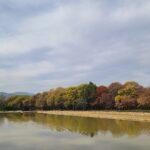
Seasonal Guide to the Mount Akina Road

Each season transforms the Mount Akina road into a different experience entirely, making repeat visits worthwhile for enthusiasts and photographers alike.
Spring (March–May)
Cherry blossoms and fresh green foliage create a picturesque driving environment. Temperatures are mild, and the road surface is generally dry and grippy. This is one of the best seasons for a relaxed drive and photography.
Summer (June–August)
Lush, dense greenery canopies the road, creating a tunnel effect in some sections. Lake Haruna at the summit becomes a popular recreational area. Be aware that summer rain showers are common, and the road can become slippery during sudden downpours.
Autumn (September–November)
Arguably the most spectacular season on the Mount Akina road. The mountainside erupts in brilliant autumn colors, drawing tourists and photographers from across Japan. Expect heavier traffic, but the visual reward is extraordinary. Peak foliage typically occurs in late October to early November.
Winter (December–February)
Snow and ice can make the road dangerous or closed entirely in severe weather. If you plan a winter visit, winter tires are mandatory. The snow-covered landscape is beautiful but demands extreme caution. Lake Haruna may freeze over, and some facilities at the summit close for the season.
What to See at the Top: Lake Haruna and Beyond
The Mount Akina road is not just about the drive — the destination at the summit is equally rewarding. Lake Haruna (榛名湖) is a serene volcanic caldera lake surrounded by mountains, offering numerous activities and attractions.
- Lake Haruna: Pedal boats, fishing, and lakeside walks in warmer months; ice fishing in winter
- Haruna Shrine: A historic Shinto shrine with a striking stone staircase leading to the summit
- Mount Haruna Ropeway: A cable car to the summit of Haruna-Fuji for panoramic views
- Onsen facilities: Several hot spring ryokan and day-use onsen near the lake
For car enthusiasts, simply parking at Lake Haruna and looking back at the road you just conquered is a deeply satisfying experience. The area makes an excellent base for combining a touge drive with a relaxing onsen stay.
Combining the Mount Akina Road with Other Gunma Drives
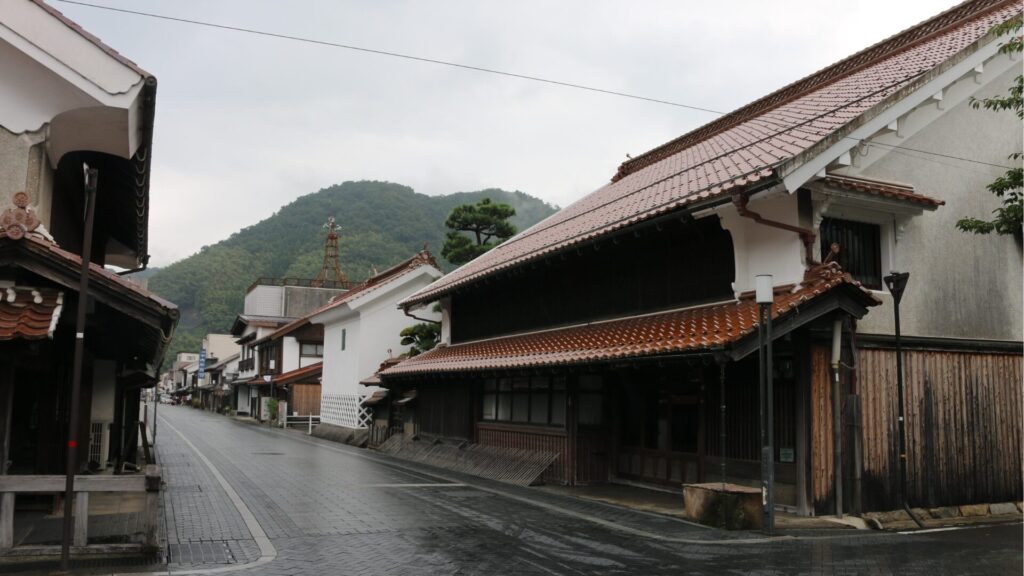
Gunma Prefecture is a paradise for driving enthusiasts, and the Mount Akina road can be combined with other legendary routes for an extended road trip.
Mount Akagi (赤城山)
Mount Akagi — another Initial D location and the home course of the RedSuns team — is located just 30 km east of Mount Haruna. The two mountains are often visited together in a single day trip. Mount Akagi's road features wider, faster sweeping corners that contrast nicely with Haruna's tighter hairpins.
-
-
Mount Akagi (Mt. Akagi) Travel Guide: Best Views, Access, and Things to Do
Mount Akagi — The Sacred Mountain of JDM Culture and Initial D Mount Akagi (赤城山, Akagi-yama) is one of the most iconic landmarks in Japanese car culture. Rising to 1,828 meters in Gunma Prefecture, this dormant volcano is far more than a scenic hiking destination — it is a place of pilgrimage for JDM enthusiasts, drift fans, and anyone who grew up watching or reading Initial D. The winding touge (mountain pass) roads of Mount Akagi served as the home course of protagonist Takumi Fujiwara, making it arguably the most famous driving road in all of anime and manga history. ...
続きを見る
Irohazaka Winding Road
Located in neighboring Tochigi Prefecture near Nikko, the Irohazaka curves are another must-drive touge route. With 48 numbered hairpin turns split between two one-way roads, Irohazaka offers a completely different but equally thrilling mountain driving experience.
-
-
Irohazaka Winding Road: Japan's Most Legendary Touge Drive in Nikko
What Is the Irohazaka Winding Road? The Irohazaka winding road is one of the most iconic mountain passes in all of Japan, located in the Nikko National Park area of Tochigi Prefecture. Consisting of two separate one-way roads — the first Irohazaka (downhill) and the second Irohazaka (uphill) — this legendary route features a combined total of 48 hairpin turns, each named after a character from the classical Japanese Iroha poem. The pass connects the town of Nikko at roughly 600 meters elevation to the shores of Lake Chuzenji at approximately 1,270 meters, climbing over 600 meters in a dramatic ...
続きを見る
Ikaho Onsen
Just a short drive from Mount Haruna, Ikaho Onsen is one of Gunma's most famous hot spring towns. After a morning drive on the Mount Akina road, soaking in the iron-rich "golden waters" of Ikaho is the perfect way to unwind. The stone staircase through the center of town is one of Gunma's most iconic sights.
-
-
Tokyo to Ikaho Onsen by Car — Complete Self‑Drive Guide (2025)
Ikaho Onsen in Gunma Prefecture is one of the easiest hot spring towns to reach from Tokyo by car. This guide covers the fastest route, realistic drive times, parking, seasonal tips, and a 1–2 day itinerary—everything overseas visitors need for a smooth, scenic self‑drive. Why Drive from Tokyo to Ikaho Onsen? Driving lets you stop at viewpoints around Mt. Haruna and Lake Haruna, bring luggage comfortably, and combine Ikaho with other onsen towns in northern Kanto (e.g., Kusatsu or Kinugawa) without juggling train/bus schedules. It’s a straightforward expressway run with plentiful Service Areas (SA) for breaks. Fastest Route Overview (Kan‑Etsu ...
続きを見る
How to Get to the Mount Akina Road from Tokyo
The most rewarding way to reach the Mount Akina road is, naturally, by car. Here are the primary options for getting there from Tokyo.
By Car (Recommended)
From central Tokyo, take the Kanetsu Expressway (関越自動車道) northbound. Exit at Takasaki IC or Shibukawa-Ikaho IC, then follow local roads to the base of Mount Haruna. The drive takes approximately 2 to 2.5 hours depending on traffic conditions. Expressway tolls from Tokyo to Shibukawa-Ikaho IC are approximately ¥4,000–¥5,000 one way.
Renting a JDM Car for the Drive
For international visitors, renting a JDM car in Tokyo and driving to Mount Haruna is arguably the ultimate way to experience the Mount Akina road. Imagine tackling those famous hairpins in a Nissan GT-R, Toyota 86, or even an AE86 — the very car that made this road famous. Several rental companies in Tokyo specialize in JDM vehicles, and an International Driving Permit is required.
By Public Transport
While possible, reaching the Mount Akina road by public transport is inconvenient. You can take the Shinkansen from Tokyo to Takasaki Station (about 50 minutes), then transfer to a local bus bound for Lake Haruna. However, bus services are infrequent, and you will not be able to experience the road the way it was meant to be experienced — behind the wheel.
The Initial D Connection: Why Fans Pilgrimage to This Road
The Mount Akina road's global fame stems almost entirely from Initial D, the manga and anime series created by Shuichi Shigeno that ran from 1995 to 2013. In the series, Mount Akina is the home turf of the protagonist Takumi Fujiwara, who unknowingly becomes a legendary downhill racer through years of delivering tofu for his father's shop.
Shuichi Shigeno based Mount Akina directly on Mount Haruna, recreating many of the road's real features in the manga with remarkable accuracy. Fans who visit the real road often recognize specific corners, guardrails, and landmarks from the series. Key pilgrimage highlights include:
- The five consecutive hairpins: The most recognizable section, where many of Takumi's battles were decided
- The gutter drains: The real gutters that inspired Takumi's famous technique
- The gas station: While the original gas station from the series no longer exists in the same form, the general area where it was located can be identified
- Lake Haruna: The starting line for downhill runs in the anime
For Initial D fans, driving the Mount Akina road is not just a scenic drive — it is a deeply personal experience that connects the fictional world they love with the real Japanese landscape that inspired it.
Planning a JDM Road Trip to Mount Akina
A trip to the Mount Akina road pairs perfectly with a broader JDM-themed tour of Japan. Many international visitors combine a drive on Mount Haruna with visits to Tokyo's famous car meet spots, JDM rental experiences, and other touge routes in the region.
If you are visiting Japan specifically for its car culture, consider building an itinerary that includes a night at Daikoku PA to experience Tokyo's legendary car meet scene, followed by a day trip to Gunma Prefecture to conquer the Mount Akina road and Mount Akagi. This combination delivers the full spectrum of Japanese car culture — from neon-lit parking area gatherings to misty mountain passes.
Whether you are a lifelong Initial D fan, a driving enthusiast seeking world-class touge roads, or simply a traveler who appreciates the intersection of automotive passion and natural beauty, the Mount Akina road delivers an experience that is impossible to replicate anywhere else on earth.
If you're going to Daikoku PA, leave it to us

Experience an unforgettable JDM tour — ride in a legendary Japanese sports car and drive from Tokyo to Daikoku Parking Area, cruising Tokyo’s iconic roads along the way. Choose from favorites like the GT-R (R35 / R34 / R32), RX-7, Supra, and more.
We offer one of the highest-quality JDM driving experiences in the industry, at a fair and reasonable price.
Want to know more details or check availability?
Message us on WhatsApp for quick replies and easy booking.
Spots often sell out, so we recommend booking early.
Duration: about 3 hours
Meeting Point: Shibuya Station
Language: Beginner-level English & Japanese
Customer Reviews
Daikoku PA Video: What It’s Really Like
Important Information
- This is a drive tour where you drive your rental car, and our guide navigates from the seat.
- This is a self-drive tour where you drive your rental car, and our guide navigates from the passenger seat.
- The tour begins and ends at the same location (Shibuya).
- If the Daikoku Parking Area is closed, we will instead guide you to another car meet further away.
- The consultant is a cultural expert and navigator, not a taxi service.
