What Is Mount Haruna in Japan?
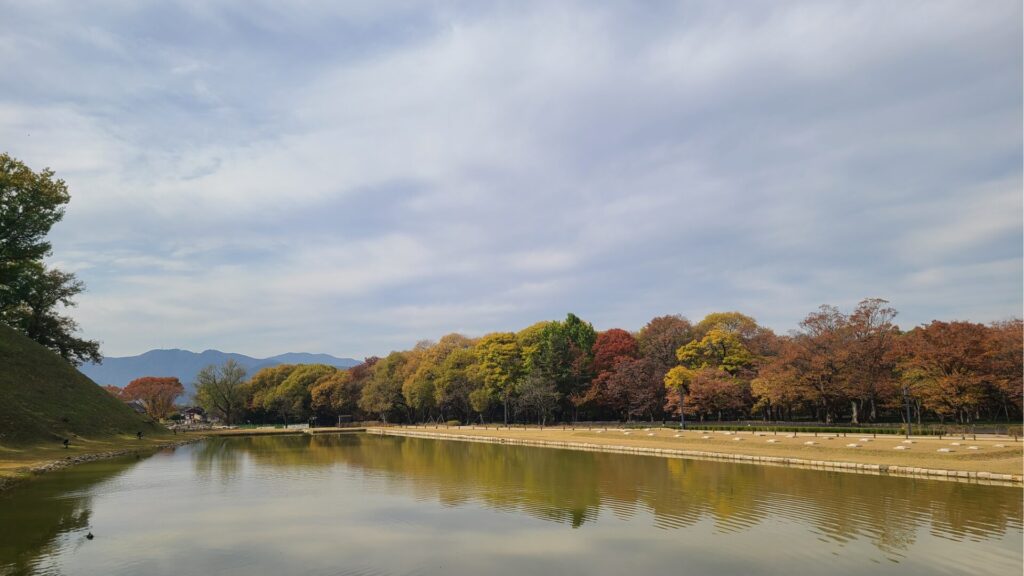
Mount Haruna (榛名山, Haruna-san) is a dormant stratovolcano located in the western part of Gunma Prefecture, Japan. Standing at 1,449 meters above sea level, it is one of the three famous mountains of Jōmō (上毛三山), alongside Mount Akagi and Mount Myōgi. While it has long been revered as a sacred peak with a beautiful caldera lake at its summit, Mount Haruna gained global fame for an entirely different reason — it is the real-life inspiration for "Mount Akina" from the legendary anime and manga series Initial D.
For automotive enthusiasts visiting Japan, Mount Haruna is sacred ground. The winding touge roads that climb its slopes are the very roads where the culture of Japanese mountain pass racing was immortalized in popular culture. Whether you are a hiker, a history buff, or a JDM car fanatic on a pilgrimage, Mount Haruna Japan offers an experience unlike any other.
Mount Haruna and Initial D: The Real Mount Akina
If you have ever watched Initial D, you already know Mount Akina. What many fans do not realize until they research a trip to Japan is that Mount Akina is a fictional name. The actual mountain that creator Shuichi Shigeno based it on is Mount Haruna. The twisting downhill roads, the five consecutive hairpin turns, the gas station at the base — virtually every iconic location in the series maps directly onto the real geography of Mount Haruna.
Takumi Fujiwara's legendary tofu delivery runs in his father's Toyota AE86 Sprinter Trueno were set on these very roads. The hairpin corners that define the early episodes of the series correspond closely to the actual hairpin bends on Gunma Prefectural Route 33, the main road climbing from the town of Shibukawa up to Lake Haruna at the summit.
For Initial D fans, driving or even just riding along this route is an unforgettable experience. You can trace the exact path of the AE86's downhill battles, stop at viewpoints that mirror key scenes from the anime, and fully appreciate why Shigeno chose this particular mountain as the setting for his masterpiece.
-

-
Mount Akina: The Real Initial D Mountain Pass in Gunma, Japan
What Is Mount Akina? The Fictional Name Behind a Real Japanese Mountain Mount Akina is one of the most iconic locations in anime and automotive history, serving as the home mountain of Takumi Fujiwara in the legendary manga and anime series Initial D. However, Mount Akina does not exist on any official map of Japan. It is a fictional name created by manga artist Shuichi Shigeno to represent a very real place: Mount Haruna (榛名山), located in Gunma Prefecture, approximately 150 kilometers northwest of Tokyo. For fans of JDM culture, touge driving, and the iconic AE86 Sprinter Trueno, Mount Akina ...
続きを見る
How to Get to Mount Haruna from Tokyo
By Car (Recommended for JDM Fans)
Driving to Mount Haruna from Tokyo is the most rewarding way to experience the journey, and it is practically mandatory if you want the full touge experience. The drive takes approximately two to two and a half hours depending on traffic conditions.
- Take the Kan-Etsu Expressway (関越自動車道) northbound from Tokyo.
- Exit at the Shibukawa-Ikaho Interchange.
- Follow Gunma Prefectural Route 33 (the "Mount Akina" road) up the mountain toward Lake Haruna.
Toll costs from central Tokyo to the Shibukawa-Ikaho IC are approximately ¥4,000–¥5,000 one way, depending on your vehicle class and whether you use an ETC card. The expressway portion is smooth and fast, but the real magic begins once you exit and start climbing the mountain roads.
If you do not have your own vehicle, renting a JDM car in Japan is an excellent option. Imagine driving up the real Mount Akina in an AE86, an R34 GT-R, or an RX-7 — the same machines that battled on these roads in the anime.
-
-
JDM Car Rental in Japan: The Complete Guide for Overseas Enthusiasts
Japan is the spiritual home of JDM—where iconic nameplates like Skyline, Supra, RX‑7, and Silvia were born and bred. If you’re visiting and want to experience authentic Japanese roads behind the wheel of a well‑maintained, street‑legal performance car, renting locally is the most practical and legal way to do it. This guide explains how to rent a JDM car in Japan, what to expect on the road, and the best routes and meet‑ups to plan around your trip. Why Rent a JDM Car in Japan? Renting in Japan gives you access to cars in their natural environment—tight city streets, spotless ...
続きを見る
By Public Transport
If driving is not an option, you can reach the Mount Haruna area by train and bus:
- Take the JR Joetsu Shinkansen from Tokyo Station to Takasaki Station (approximately 50 minutes).
- Transfer to the JR Agatsuma Line to Shibukawa Station (approximately 25 minutes).
- From Shibukawa Station, take a Gunma Bus bound for Lake Haruna (approximately 80 minutes to the summit).
Note that bus services to Mount Haruna are limited, especially outside peak tourist seasons. Always check schedules in advance. For the most flexibility and the most authentic experience, driving is strongly recommended.
The Touge Road: Driving Gunma Prefectural Route 33
Gunma Prefectural Route 33 is the heart and soul of the Mount Haruna driving experience. This is the road that inspired every downhill battle in Initial D's Mount Akina arc. Starting from the lower slopes near the town of Shibukawa, the road winds upward through dense forest, featuring a series of tight hairpin bends, sweeping corners, and elevation changes that make it one of the most celebrated touge roads in all of Japan.
The road is approximately 15 kilometers long from base to summit. Key features include:
- Five consecutive hairpin turns — These are the famous five hairpins from Initial D. In the anime, this is where Takumi's gutter technique shocked rival teams. In reality, they are tight, well-maintained switchbacks with excellent visibility.
- High-speed sweeping sections — Between the hairpins, there are flowing curves that reward smooth driving technique.
- Forested canopy — Much of the route passes through dense tree cover, creating a tunnel-like atmosphere that is especially atmospheric in autumn when the leaves turn brilliant shades of red, orange, and gold.
- The summit approach — As you near Lake Haruna, the road opens up and the views become spectacular.
Important: Public roads in Japan have strict speed limits, and Mount Haruna's Route 33 is no exception. The speed limit on most sections is 30–40 km/h. Touge racing on public roads is illegal and extremely dangerous. Enjoy the drive at a safe, legal pace and appreciate the engineering of the road itself.
-
-
Mount Akagi (Mt. Akagi) Travel Guide: Best Views, Access, and Things to Do
Mount Akagi — The Sacred Mountain of JDM Culture and Initial D Mount Akagi (赤城山, Akagi-yama) is one of the most iconic landmarks in Japanese car culture. Rising to 1,828 meters in Gunma Prefecture, this dormant volcano is far more than a scenic hiking destination — it is a place of pilgrimage for JDM enthusiasts, drift fans, and anyone who grew up watching or reading Initial D. The winding touge (mountain pass) roads of Mount Akagi served as the home course of protagonist Takumi Fujiwara, making it arguably the most famous driving road in all of anime and manga history. ...
続きを見る
Lake Haruna: The Caldera at the Summit
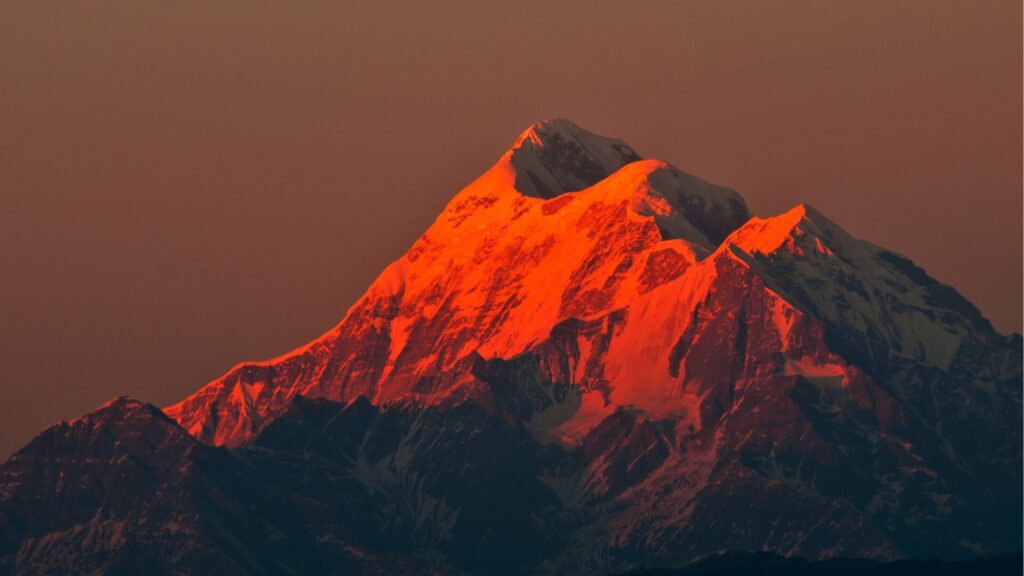
At the top of Mount Haruna sits Lake Haruna (榛名湖), a stunning caldera lake formed in the crater of the volcano. The lake is roughly 1,100 meters above sea level and is surrounded by lush greenery in summer and snow-dusted peaks in winter. It is one of the most scenic highland lakes in the Kantō region.
Activities at Lake Haruna include:
- Boating and pedal boats — Available from spring through autumn, the calm waters of the lake are perfect for a leisurely outing.
- Fishing — The lake is stocked with trout and wakasagi (pond smelt). Ice fishing is a popular winter activity when the lake surface freezes over.
- Horseback riding — Several ranches near the lake offer horseback riding experiences with mountain views.
- Ropeway to Mount Haruna-Fuji — A cable car takes you to the peak of Haruna-Fuji (1,391m), the cone-shaped peak that rises from the edge of the lake and resembles a miniature Mount Fuji. The panoramic views from the top are breathtaking.
Lake Haruna is also the perfect resting point after driving the touge. There are parking areas, cafes, souvenir shops, and restaurants where you can enjoy local Gunma cuisine before heading back down the mountain.
Ikaho Onsen: The Hot Spring Town at Mount Haruna's Base
No visit to Mount Haruna is complete without stopping at Ikaho Onsen (伊香保温泉), one of Japan's oldest and most beloved hot spring towns. Located on the eastern slopes of Mount Haruna, Ikaho has been welcoming visitors for over 400 years.
The town is famous for its Ishidan-Gai (Stone Steps Street), a dramatic 365-step stone staircase lined with traditional ryokan (Japanese inns), souvenir shops, and hot spring bath houses. The mineral-rich "golden waters" (kogane no yu) of Ikaho are said to be excellent for improving blood circulation and relieving fatigue — perfect after a day of mountain driving.
If you are planning a road trip from Tokyo to Mount Haruna, combining the drive with an overnight stay at Ikaho Onsen transforms a day trip into a truly memorable experience. Many visitors drive up Route 33 during the day, enjoy the lake at the summit, then descend to Ikaho for a hot spring bath and a traditional kaiseki dinner.
-
-
Tokyo to Ikaho Onsen by Car — Complete Self‑Drive Guide (2025)
Ikaho Onsen in Gunma Prefecture is one of the easiest hot spring towns to reach from Tokyo by car. This guide covers the fastest route, realistic drive times, parking, seasonal tips, and a 1–2 day itinerary—everything overseas visitors need for a smooth, scenic self‑drive. Why Drive from Tokyo to Ikaho Onsen? Driving lets you stop at viewpoints around Mt. Haruna and Lake Haruna, bring luggage comfortably, and combine Ikaho with other onsen towns in northern Kanto (e.g., Kusatsu or Kinugawa) without juggling train/bus schedules. It’s a straightforward expressway run with plentiful Service Areas (SA) for breaks. Fastest Route Overview (Kan‑Etsu ...
続きを見る
Best Time to Visit Mount Haruna
Mount Haruna is beautiful year-round, but each season offers a different experience:
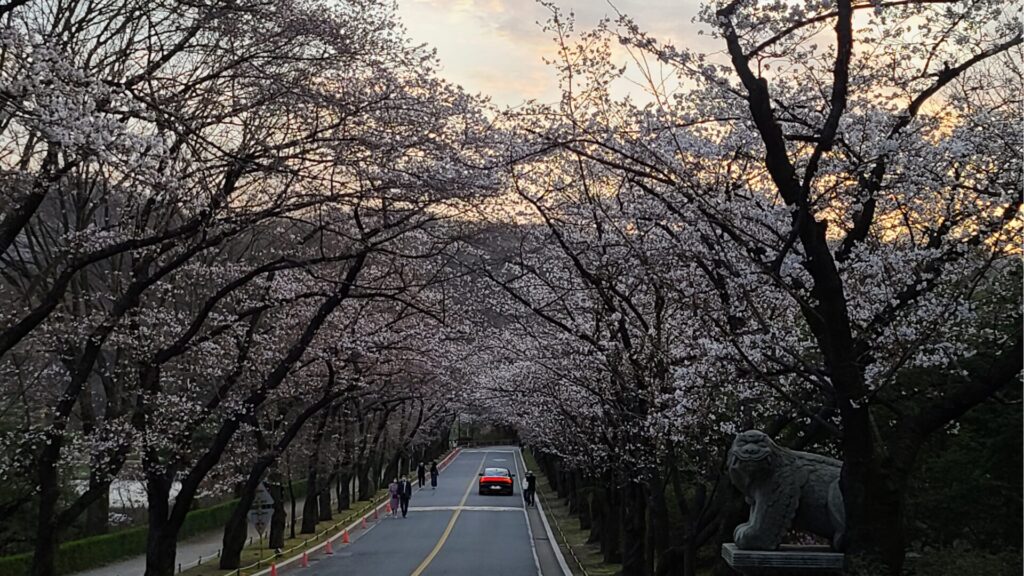
- Spring (April–May): Cherry blossoms and fresh green foliage line the mountain roads. The roads are clear and dry, making for excellent driving conditions. Temperatures are mild at the summit.
- Summer (June–August): The highland area around Lake Haruna stays significantly cooler than Tokyo, making it a popular escape from the city heat. Lush greenery surrounds the road on all sides.
- Autumn (October–November): This is arguably the most spectacular time to visit. The mountain erupts in fall colors — reds, oranges, and golds — creating a driving experience that is as visually stunning as it is thrilling. Peak foliage usually occurs in late October to early November.
- Winter (December–March): Snow covers the upper portions of the mountain, and Lake Haruna can freeze completely. Winter tires or chains are mandatory. Ice fishing on the frozen lake is a unique winter attraction, though the touge roads require extreme caution.
For the best combination of driving conditions and scenery, autumn is the ideal time to visit Mount Haruna Japan.
Mount Haruna vs. Mount Akagi: Which Touge Should You Drive?
Gunma Prefecture is home to two of the most famous touge mountains in Japan — Mount Haruna and Mount Akagi. Both are featured prominently in Initial D, and both offer incredible driving experiences. But which one should you choose if time is limited?
- Mount Haruna (Mount Akina): Tighter hairpins, more technical corners, shorter overall route. The connection to Initial D's main storyline makes it emotionally resonant for fans. Lake Haruna at the summit and Ikaho Onsen at the base add non-driving attractions.
- Mount Akagi: Longer, faster sweeping roads with wider corners. The route is generally more open and suited to higher-speed driving (within legal limits). Mount Akagi also features in Initial D as the home course of the RedSuns team.
The two mountains are only about 30 kilometers apart, so driving both in a single day is entirely feasible. A combined Haruna-Akagi touge road trip from Tokyo makes for one of the greatest JDM driving pilgrimages in the world.
-
-
Mount Akagi in Initial D: The Real-Life Akagi Touge Explained
Mount Akagi and Initial D: Why This Mountain Became a Global Icon Mount Akagi — known as Akagi-yama (赤城山) in Japanese — is one of the most famous mountains in the world of JDM car culture. Thanks to the legendary manga and anime series Initial D, created by Shuichi Shigeno, Mount Akagi became synonymous with touge racing, drifting, and the raw thrill of downhill battles. For tens of millions of fans worldwide, Mount Akagi is not merely a geographic landmark in Gunma Prefecture; it is hallowed ground where the art of the touge was immortalized. In Initial D, Mount Akagi ...
続きを見る
Hiking Mount Haruna
Beyond its automotive fame, Mount Haruna is also an excellent hiking destination. Several trails lead to the various peaks of the volcanic complex:
- Haruna-Fuji Trail: The most popular hike. Starting from Lake Haruna, it takes approximately 40 minutes to reach the summit of Haruna-Fuji (1,391m). The trail is well-maintained and suitable for beginners. Alternatively, you can take the ropeway up and hike down.
- Sōma-dake Trail: A more challenging hike to the highest point of the Mount Haruna complex (1,449m). The trail takes approximately 90 minutes from the lake area and offers panoramic views of the Kantō Plain.
- Suribachi-yama and Tenme-yama: Additional peaks around the caldera that offer quieter trails and excellent birdwatching opportunities.
Hiking on Mount Haruna is best from late April through November. Winter hiking is possible but requires proper equipment due to snow and ice on the trails.
Haruna Shrine: Spiritual Heart of the Mountain
Haruna Shrine (榛名神社) is one of the most atmospheric shrines in the Kantō region. Located on the southwestern slope of Mount Haruna, the shrine dates back approximately 1,400 years and is dedicated to the deity of the mountain. The approach to the main hall takes you along a dramatic mountain path lined with towering cedar trees, past waterfalls, and through rock formations that feel almost otherworldly.
The shrine is known as a powerful "power spot" in Japanese spiritual culture, believed to grant blessings related to purification, success, and good fortune. Even if you are primarily visiting for the driving experience, a stop at Haruna Shrine adds a deeply cultural dimension to your trip.
Combining Mount Haruna with a Daikoku PA Tour
For JDM enthusiasts visiting Japan, the ultimate itinerary combines a Mount Haruna touge pilgrimage with a visit to Daikoku Parking Area — Japan's most famous car meet spot. Our guided tours from Tokyo can include a nighttime Daikoku PA experience where you will see hundreds of modified JDM cars, from GT-Rs and RX-7s to bosozoku vans and VIP sedans.
Imagine spending the day driving the real Mount Akina roads from Initial D, then heading to Daikoku PA at night to experience the beating heart of Japanese car culture. This is the kind of experience that JDM fans travel halfway around the world for, and our tours are designed to make it seamless and unforgettable.
Our Daikoku PA tours include hotel pickup in Tokyo, a bilingual guide, and transportation in a JDM vehicle. Whether you want a private tour or a group experience, we can help you create the perfect JDM pilgrimage that includes both the mountain pass legends of Gunma and the electric atmosphere of Japan's greatest car meet.
-

-
Daikoku PA Hotel Pickup Tour: The Easiest, Legal Way to See Tokyo’s Iconic Car Meet
Discover the most convenient, stress‑free way to experience Japan’s legendary car culture. Our Daikoku PA hotel pickup tour delivers door‑to‑door transport, expert guidance, and a fully legal route to one of the world’s most photogenic car meets—no rental car or highway navigation required. What is Daikoku PA? Daikoku Parking Area (PA) is a major expressway service area in Yokohama where Japan’s JDM scene gathers—especially on weekend nights and public‑holiday eves. Expect a rolling showcase of GT‑Rs, Supras, RX‑7s, NSXs, Silvias, VIP sedans, and tastefully modified kei cars. When the venue is open and conditions are favorable, enthusiasts cruise in, park, ...
続きを見る
If you're going to Daikoku PA, leave it to us

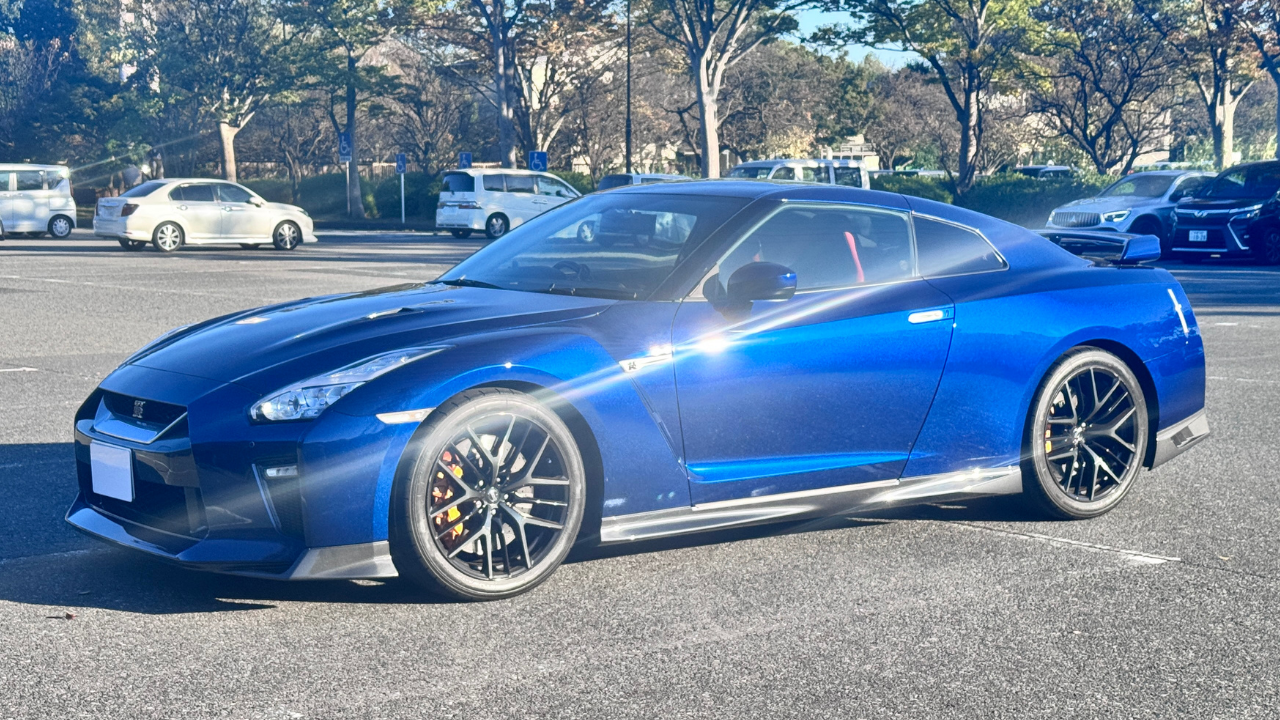
Experience an unforgettable JDM tour — ride in a legendary Japanese sports car and drive from Tokyo to Daikoku Parking Area, cruising Tokyo’s iconic roads along the way. Choose from favorites like the GT-R (R35 / R34 / R32), RX-7, Supra, and more.
We offer one of the highest-quality JDM driving experiences in the industry, at a fair and reasonable price.
Want to know more details or check availability?
Message us on WhatsApp for quick replies and easy booking.
Spots often sell out, so we recommend booking early.
Duration: about 3 hours
Meeting Point: Shibuya Station
Language: Beginner-level English & Japanese
Customer Reviews
Daikoku PA Video: What It’s Really Like
Important Information
- This is a drive tour where you drive your rental car, and our guide navigates from the seat.
- This is a self-drive tour where you drive your rental car, and our guide navigates from the passenger seat.
- The tour begins and ends at the same location (Shibuya).
- If the Daikoku Parking Area is closed, we will instead guide you to another car meet further away.
- The consultant is a cultural expert and navigator, not a taxi service.
