What Is Mount Haruna Pass and Why Does It Matter?
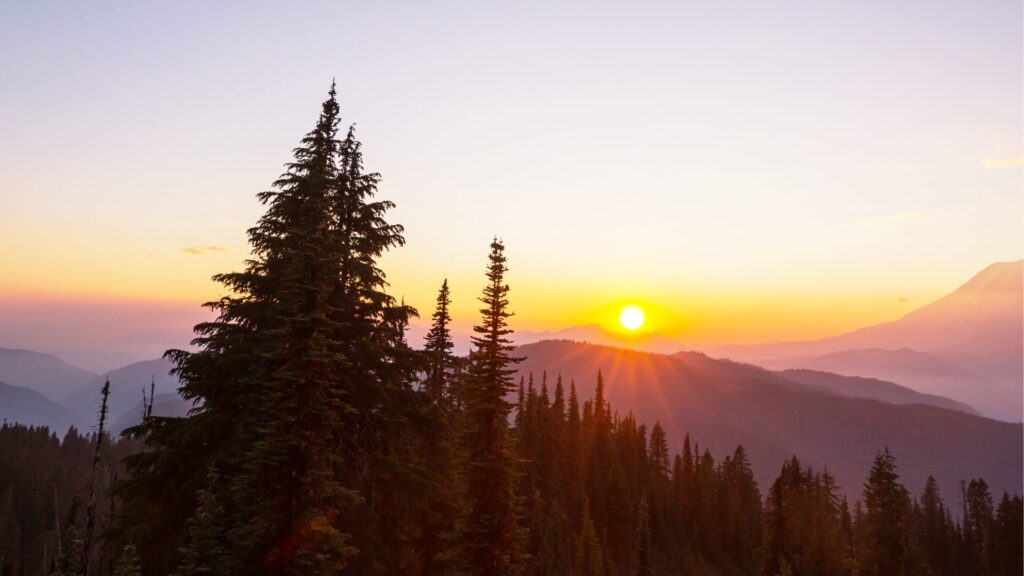
Mount Haruna Pass is one of Japan's most celebrated mountain roads, winding through the volcanic slopes of Mount Haruna (榛名山) in Gunma Prefecture. For casual tourists, it is a breathtaking scenic drive through the heart of rural Japan. For automotive enthusiasts, however, it is something far more significant—the real-life inspiration for "Mount Akina" in the legendary manga and anime series Initial D, the birthplace of touge culture as the world knows it.
The pass itself refers to the network of roads that climb from the lowlands near Shibukawa City to the caldera lake at Mount Haruna's summit. The most famous section is Prefectural Route 33, a stretch of tarmac filled with tight hairpin turns, elevation changes, and blind corners that has captivated driving enthusiasts for decades. Whether you are a JDM fan making a pilgrimage or a traveler seeking one of Japan's finest driving roads, Mount Haruna Pass delivers an experience you simply cannot replicate anywhere else.
-

-
Mount Haruna Japan: The Real Initial D Mountain and Ultimate Touge Driving Guide
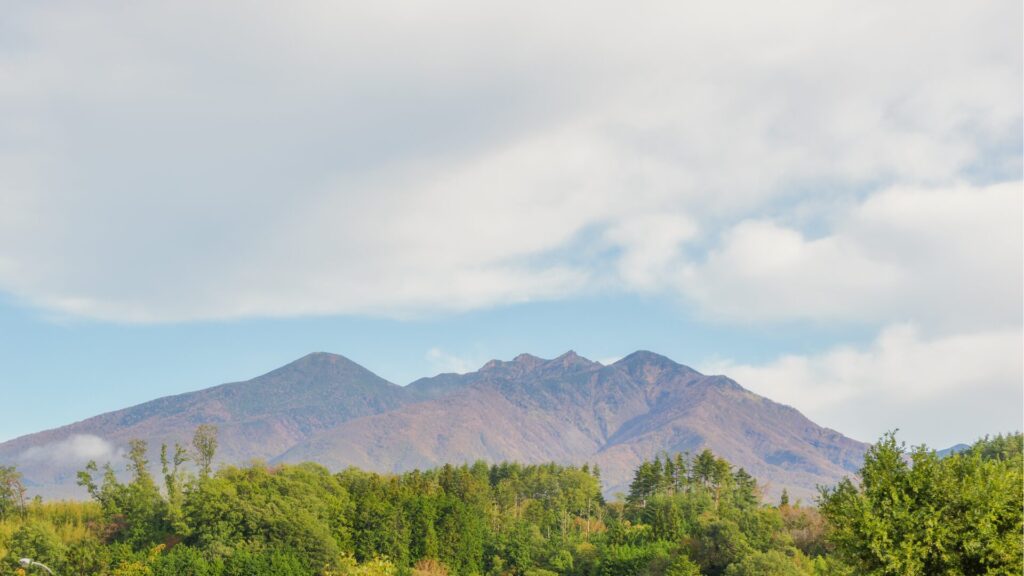
What Is Mount Haruna in Japan? Mount Haruna (榛名山, Haruna-san) is a dormant stratovolcano located in the western part of Gunma Prefecture, Japan. Standing at 1,449 meters above sea level, it is one of the three famous mountains of Jōmō (上毛三山), alongside Mount Akagi and Mount Myōgi. While it has long been revered as a sacred peak with a beautiful caldera lake at its summit, Mount Haruna gained global fame for an entirely different reason — it is the real-life inspiration for "Mount Akina" from the legendary anime and manga series Initial D. For automotive enthusiasts visiting Japan, Mount Haruna ...
続きを見る
The Route: Understanding Mount Haruna Pass Road Layout
Mount Haruna Pass is not a single, straightforward road but rather a network of interconnected routes that ascend and descend the mountain from various directions. Understanding the layout is essential for planning your drive.
Prefectural Route 33 — The Main Touge
This is the iconic stretch. Running from the town of Ikaho on the eastern slope up to Lake Haruna at the summit, Route 33 features approximately 15 kilometers of continuous switchbacks and hairpin turns. The road climbs from roughly 500 meters to over 1,100 meters in elevation, passing through dense forests of cedar and deciduous trees. This is the section that Initial D fans recognize as the "downhill" course where Takumi Fujiwara honed his legendary driving skills.
Western Approach via Route 126
Coming from the western side offers an entirely different character. The western approach is generally wider with longer, sweeping curves and slightly less dramatic elevation change. It connects through agricultural valleys and offers stunning views of the surrounding Gunma countryside.
The Summit Area — Lake Haruna
At the top, the road opens up around Lake Haruna (榛名湖), a serene caldera lake surrounded by Mount Haruna's peaks. The area provides parking, rest facilities, and the iconic view of Mount Haruna-Fuji, the symmetrical volcanic cone that rises above the lake. This is where most drivers stop to rest before beginning the descent.
Driving Conditions and What to Expect on the Pass
Mount Haruna Pass is a public road, open to all traffic year-round (weather permitting). That said, driving it requires attention and respect for the conditions. Here is what you need to know before getting behind the wheel.
Road Surface and Width
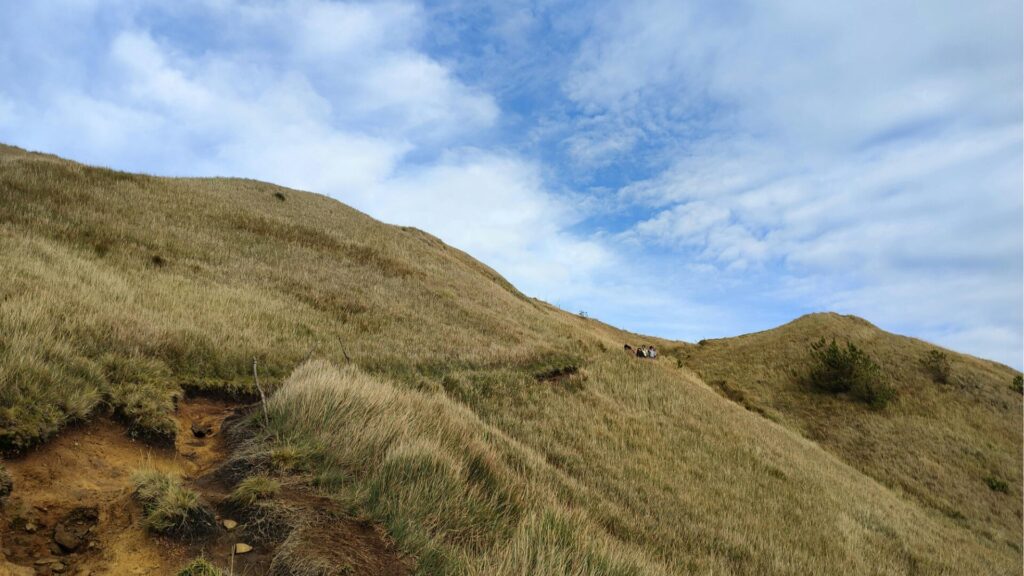
The road surface on Route 33 is well-maintained asphalt, though you may encounter patches, minor cracks, or debris—particularly in spring after snowmelt. The road is two lanes throughout but quite narrow in many sections, with limited or no shoulder. Passing oncoming vehicles on the tightest hairpins requires careful positioning and low speed.
Traffic Volume
On weekdays, traffic is relatively light, consisting mainly of local vehicles and the occasional tour bus heading to Lake Haruna. Weekends and Japanese holidays bring significantly more traffic, including motorcyclists, cycling groups, and fellow automotive tourists. Early morning drives (before 8:00 AM) offer the quietest conditions and the most atmospheric experience, with mist often clinging to the mountain slopes.
Seasonal Considerations
Each season transforms the pass into a different experience:
- Spring (April–May): Cherry blossoms at lower elevations give way to fresh green foliage higher up. Roads may still have gravel or debris from winter.
- Summer (June–August): Lush greenery and cooler mountain temperatures make this the most popular season. Expect fog and sudden rain showers.
- Autumn (October–November): Arguably the most spectacular time to drive. The mountain erupts in red, orange, and gold foliage, creating a stunning backdrop for every corner.
- Winter (December–March): Snow and ice are common. Winter tires or chains are mandatory. The pass may be partially closed during heavy snowfall.
-
-
Tokyo to Ikaho Onsen by Car — Complete Self‑Drive Guide (2025)
Ikaho Onsen in Gunma Prefecture is one of the easiest hot spring towns to reach from Tokyo by car. This guide covers the fastest route, realistic drive times, parking, seasonal tips, and a 1–2 day itinerary—everything overseas visitors need for a smooth, scenic self‑drive. Why Drive from Tokyo to Ikaho Onsen? Driving lets you stop at viewpoints around Mt. Haruna and Lake Haruna, bring luggage comfortably, and combine Ikaho with other onsen towns in northern Kanto (e.g., Kusatsu or Kinugawa) without juggling train/bus schedules. It’s a straightforward expressway run with plentiful Service Areas (SA) for breaks. Fastest Route Overview (Kan‑Etsu ...
続きを見る
Mount Haruna Pass and Initial D: The Real Mount Akina
No article about Mount Haruna Pass is complete without addressing its role as the real-world Mount Akina. Manga creator Shuichi Shigeno chose this mountain as the primary setting for Initial D, and virtually every corner of the fictional story maps to a real location on the pass.
The famous "five consecutive hairpins" from the series correspond to an actual series of tight switchbacks on Route 33. The tofu shop where Takumi's father ran his business is inspired by real shops in the Shibukawa area at the base of the mountain. The lake at the summit—where characters gathered before races—is Lake Haruna itself.
For fans visiting the pass, driving down Route 33 from the lake is a surreal experience. You will recognize corners from the anime, feel the rhythm of the consecutive turns, and understand why Shigeno chose this particular mountain. The road rewards smooth, technical driving with its constant changes in radius, camber, and gradient.
-
-
Mount Akina: The Real Initial D Mountain Pass in Gunma, Japan
What Is Mount Akina? The Fictional Name Behind a Real Japanese Mountain Mount Akina is one of the most iconic locations in anime and automotive history, serving as the home mountain of Takumi Fujiwara in the legendary manga and anime series Initial D. However, Mount Akina does not exist on any official map of Japan. It is a fictional name created by manga artist Shuichi Shigeno to represent a very real place: Mount Haruna (榛名山), located in Gunma Prefecture, approximately 150 kilometers northwest of Tokyo. For fans of JDM culture, touge driving, and the iconic AE86 Sprinter Trueno, Mount Akina ...
続きを見る
How to Get to Mount Haruna Pass from Tokyo
Mount Haruna is located in Gunma Prefecture, approximately 150 kilometers northwest of central Tokyo. The drive takes roughly two to two and a half hours depending on traffic and your route choice.
By Car from Tokyo
The most straightforward route is via the Kan-Etsu Expressway (関越自動車道). Take the expressway north from Nerima IC in Tokyo to the Shibukawa-Ikaho IC exit in Gunma. From the interchange, follow Route 33 west toward Ikaho Onsen and continue climbing to Mount Haruna. Expressway tolls from Tokyo are approximately ¥4,000–¥5,000 each way using an ETC card.
Combining with Ikaho Onsen
One of the great advantages of Mount Haruna Pass is its proximity to Ikaho Onsen, one of Gunma's most famous hot spring towns. Ikaho sits at the eastern foot of the mountain, making it the perfect base for your driving adventure. You can soak in the iron-rich brown waters of Ikaho after your mountain drive—an ideal combination of JDM culture and traditional Japanese relaxation.
-

-
Tokyo to Kusatsu Onsen by Car: The Complete 2025 Driving Guide
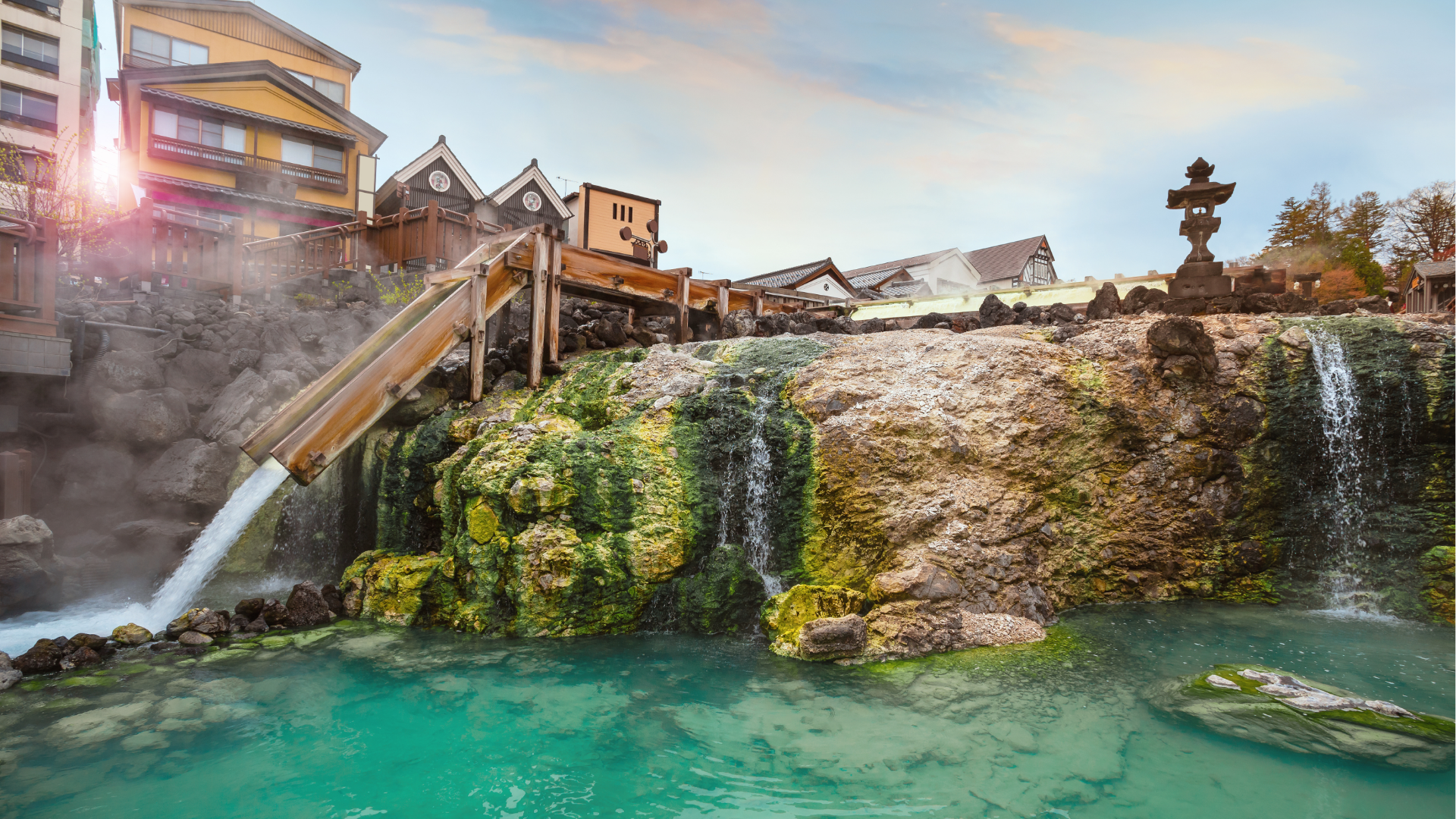
Why drive from Tokyo to Kusatsu Onsen? Kusatsu Onsen in Gunma Prefecture is one of Japan’s most famous hot spring towns, centered on the iconic Yubatake hot water field. Driving from Tokyo gives you schedule freedom, easy access to secluded baths and viewpoints, and the ability to combine nearby sights such as Ikaho, Lake Haruna, Karuizawa, and Mount Asama into one road trip. Route overview from Tokyo to Kusatsu Most travelers take the Kan-Etsu Expressway out of Tokyo and connect to local national routes into Kusatsu. Total distance is roughly 200–220 km depending on your starting point and chosen route. ...
続きを見る
Renting a Car for Mount Haruna Pass
To truly experience Mount Haruna Pass, you need to be behind the wheel. Public transportation can get you to the area, but the pass itself is a driving road—its magic is in the act of navigating each curve.
Standard rental cars are available in Shibukawa and at major stations like Takasaki. However, if you want the authentic JDM experience, consider renting a proper Japanese sports car. Driving an AE86, an S2000, or an RX-7 up the same roads that inspired Initial D elevates the experience from a scenic drive to a genuine automotive pilgrimage.
Our company offers JDM car rental packages and guided tours that include Mount Haruna Pass as a destination. With a knowledgeable local guide, you will learn the history of each section of the pass, stop at key Initial D locations, and experience the mountain the way it was meant to be driven—safely and with full cultural context.
-
-
Mount Haruna Car Rental: How to Drive the Initial D Touge Roads Yourself
Why Rent a Car to Drive Mount Haruna? Mount Haruna — known worldwide as the real-life inspiration for Mount Akina in the legendary anime Initial D — is one of the most iconic touge roads in Japan. While visiting the mountain by bus or taxi is possible, renting a car is the only way to truly experience the hairpin-laden roads that made Takumi Fujiwara a household name among automotive enthusiasts. A Mount Haruna car rental lets you drive the exact same switchbacks at your own pace, stopping wherever you want for photos, scenic overlooks, and Initial D pilgrimage spots. Located ...
続きを見る
Safety and Etiquette on Mount Haruna Pass
Mount Haruna Pass is a public road used by local residents, buses, cyclists, and tourists. While the touge heritage of this road is celebrated, reckless driving is illegal, dangerous, and disrespectful to the community. Japanese police actively patrol the area, and speed enforcement is taken seriously.
- Obey speed limits: The posted limit is typically 30–40 km/h on the tightest sections. These limits exist for good reason.
- Stay in your lane: The narrow road and blind corners make crossing the center line extremely dangerous.
- Use your horn on blind turns: Japanese drivers often give a short honk before entering blind hairpins to alert oncoming traffic.
- Pull over for faster traffic: If a vehicle behind you is moving faster, use a wide section or turnout to let them pass safely.
- Never race on public roads: The touge spirit is about skill and appreciation, not speed. Organized drift and racing events take place on closed circuits, not public passes.
Nearby Touge Roads and Related Passes in Gunma
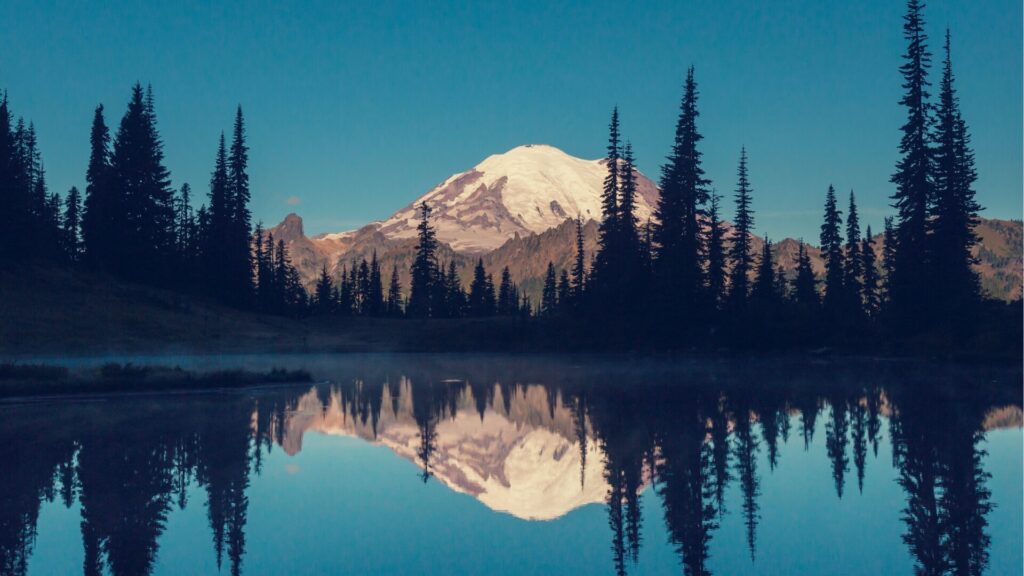
Gunma Prefecture is a paradise for touge enthusiasts, and Mount Haruna Pass is just one of several legendary mountain roads in the region. If you are making the trip from Tokyo, consider extending your itinerary to include these nearby passes.
Mount Akagi
Located just 30 kilometers east of Mount Haruna, Mount Akagi is another iconic Initial D location and offers its own spectacular pass with wide, sweeping turns. The two mountains can easily be driven in a single day.
-
-
Mount Akagi (Mt. Akagi) Travel Guide: Best Views, Access, and Things to Do
Mount Akagi — The Sacred Mountain of JDM Culture and Initial D Mount Akagi (赤城山, Akagi-yama) is one of the most iconic landmarks in Japanese car culture. Rising to 1,828 meters in Gunma Prefecture, this dormant volcano is far more than a scenic hiking destination — it is a place of pilgrimage for JDM enthusiasts, drift fans, and anyone who grew up watching or reading Initial D. The winding touge (mountain pass) roads of Mount Akagi served as the home course of protagonist Takumi Fujiwara, making it arguably the most famous driving road in all of anime and manga history. ...
続きを見る
Irohazaka
Further north in Tochigi Prefecture, the Irohazaka winding road near Nikko features 48 consecutive curves and is another must-drive for touge fans visiting the Kanto region.
Usui Pass
West of Mount Haruna, the historic Usui Pass connects Gunma to Nagano Prefecture. Though less famous in anime, it has deep historical significance as a critical route during Japan's feudal era.
Planning Your Mount Haruna Pass Trip: Practical Tips
To make the most of your Mount Haruna Pass experience, keep these practical tips in mind:
- Fuel up before you climb: There are no gas stations on the pass itself. Fill your tank in Shibukawa or Ikaho before ascending.
- Bring cash: Facilities at Lake Haruna and smaller shops along the route may not accept credit cards.
- Check weather forecasts: Mountain weather changes rapidly. Fog can reduce visibility to near zero, and sudden rain makes the road slippery.
- Allow at least half a day: While the drive itself takes under an hour, you will want time to stop at viewpoints, explore Lake Haruna, and soak in Ikaho Onsen.
- Bring a dashcam: Many rental cars in Japan come equipped with dashcams, but bring your own GoPro or action camera if you want to capture your run for posterity.
Why Mount Haruna Pass Belongs on Every JDM Fan's Bucket List
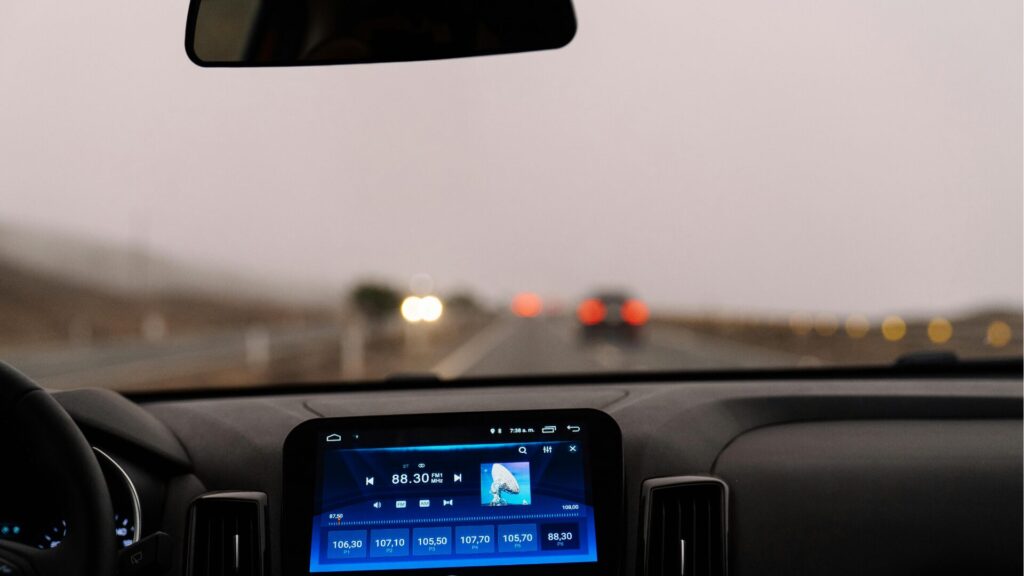
There are countless beautiful mountain roads in Japan, but Mount Haruna Pass occupies a unique place in automotive culture. It is where touge driving became legend, where a manga about a tofu delivery driver turned into a global phenomenon, and where the spirit of Japanese car culture is woven into every hairpin turn. The pass rewards those who visit with stunning natural beauty, a tangible connection to JDM history, and the pure, undiluted joy of driving a great road.
Whether you drive it in a rented kei car or a proper JDM sports machine, Mount Haruna Pass will leave an impression that lasts far longer than the drive itself. Combine it with a visit to Ikaho Onsen, a run down neighboring Mount Akagi, and a Daikoku PA car meet back in Yokohama, and you have the ultimate Japanese automotive road trip.
If you're going to Daikoku PA, leave it to us

Experience an unforgettable JDM tour — ride in a legendary Japanese sports car and drive from Tokyo to Daikoku Parking Area, cruising Tokyo’s iconic roads along the way. Choose from favorites like the GT-R (R35 / R34 / R32), RX-7, Supra, and more.
We offer one of the highest-quality JDM driving experiences in the industry, at a fair and reasonable price.
Want to know more details or check availability?
Message us on WhatsApp for quick replies and easy booking.
Spots often sell out, so we recommend booking early.
Duration: about 3 hours
Meeting Point: Shibuya Station
Language: Beginner-level English & Japanese
Customer Reviews
Daikoku PA Video: What It’s Really Like
Important Information
- This is a drive tour where you drive your rental car, and our guide navigates from the seat.
- This is a self-drive tour where you drive your rental car, and our guide navigates from the passenger seat.
- The tour begins and ends at the same location (Shibuya).
- If the Daikoku Parking Area is closed, we will instead guide you to another car meet further away.
- The consultant is a cultural expert and navigator, not a taxi service.
