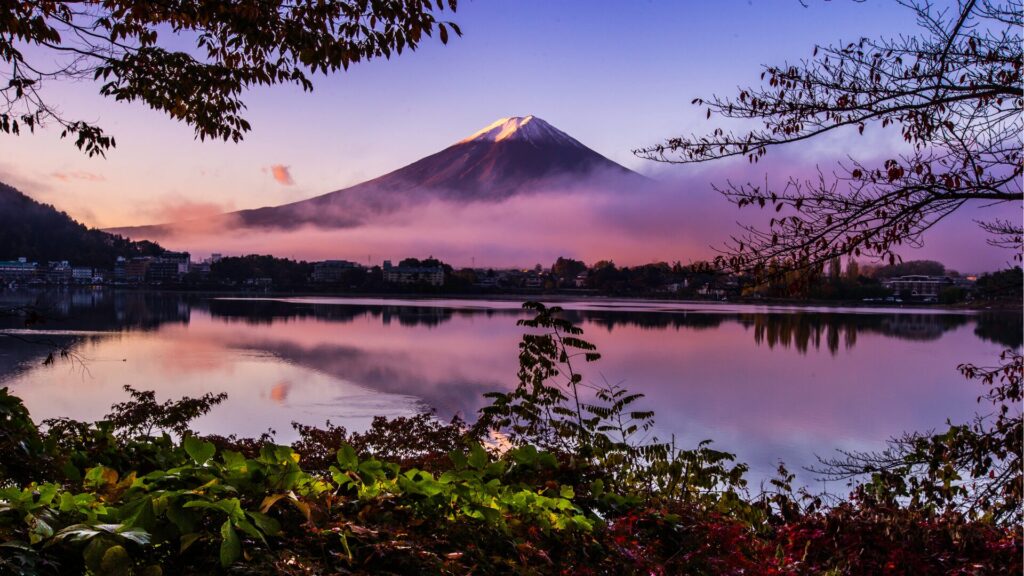
Why Mount Haruna Weather Matters for Every Visitor
Mount Haruna (榛名山) rises to 1,449 meters above sea level in Gunma Prefecture, making it one of the most weather-sensitive destinations in the Kanto region. Whether you are planning a scenic touge drive along the famous hairpin roads immortalized by Initial D, a hike to the volcanic caldera lake, or a soak in Ikaho Onsen at the mountain's base, understanding Mount Haruna weather is essential for a safe and enjoyable trip.
Because of its high elevation and inland position, temperatures on Mount Haruna can be dramatically different from what you experience in Tokyo—often 8–12°C cooler. Fog, ice, and sudden snowfall can appear with little warning during certain months. This guide breaks down Mount Haruna weather by season, explains road conditions month by month, and helps you choose the ideal time to visit.
-

-
Mount Haruna Japan: The Real Initial D Mountain and Ultimate Touge Driving Guide
続きを見る
Monthly Weather Breakdown for Mount Haruna
January and February: Deep Winter
January and February are the coldest months on Mount Haruna. Average temperatures at the summit hover between −8°C and −2°C, and the mountain frequently receives heavy snowfall. Lake Haruna freezes over, creating a surreal winter landscape popular with ice-fishing enthusiasts. Snowfall accumulation can reach 50–100 cm in severe winters.
- Average high: −1°C to 2°C
- Average low: −10°C to −6°C
- Precipitation: Moderate snowfall, occasional blizzards
- Road conditions: Snow chains or winter tires mandatory on the mountain pass roads. Some sections may close temporarily.
March and April: Transition to Spring
March remains cold at elevation, with lingering snow on north-facing slopes and occasional icy road surfaces well into the month. By mid-April, temperatures begin to climb and snow starts melting, though nighttime frost is still common. Cherry blossoms appear at the base near Ikaho Onsen in mid-to-late April, roughly two weeks behind Tokyo.
- Average high: 3°C (March) to 12°C (April)
- Average low: −5°C (March) to 2°C (April)
- Precipitation: Mix of rain and late-season snow in March; mostly rain in April
- Road conditions: Black ice possible in early March mornings. Roads generally clear by late April.
May and June: Late Spring to Early Summer
May is one of the most pleasant months on Mount Haruna. Temperatures are mild, skies are frequently clear, and fresh greenery blankets the mountainside. June brings the start of the tsuyu (rainy season), with persistent fog and drizzle that can reduce visibility on the pass roads significantly.
- Average high: 16°C (May) to 20°C (June)
- Average low: 6°C (May) to 12°C (June)
- Precipitation: Low in May; heavy rainfall likely in June
- Road conditions: Excellent in May. Reduced visibility and wet surfaces in June—drive cautiously.
July and August: Peak Summer
Summer on Mount Haruna is significantly cooler than the sweltering lowlands of Gunma and Tokyo. While temperatures in central Tokyo routinely exceed 35°C, the summit area enjoys highs of 22–25°C, making it a popular escape. Afternoon thunderstorms are common, especially in August, and can develop rapidly.
- Average high: 23°C to 25°C
- Average low: 15°C to 17°C
- Precipitation: Frequent afternoon thunderstorms
- Road conditions: Generally good, but sudden downpours can cause flash flooding on narrow mountain roads.
September and October: Autumn
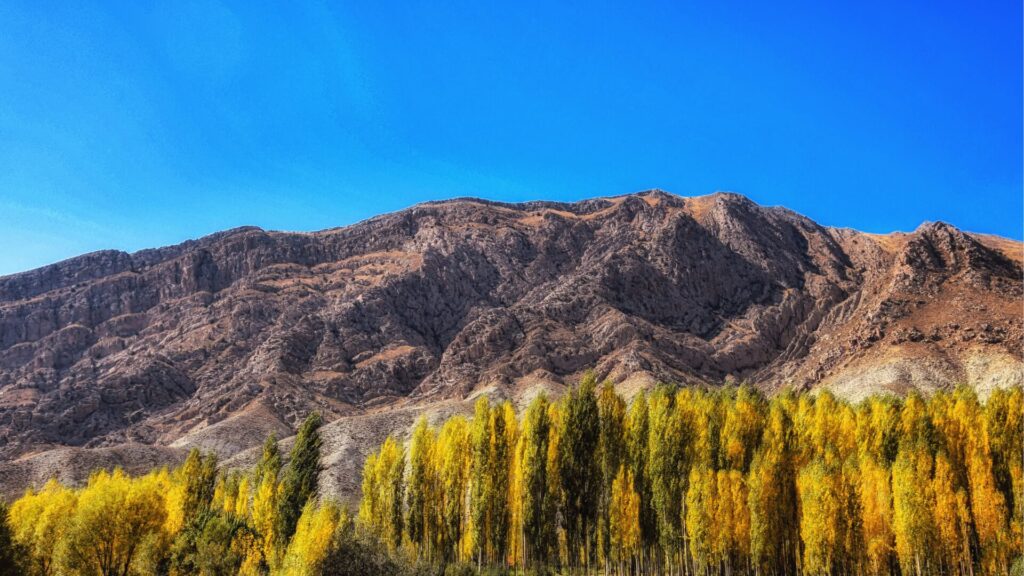
Early September retains summer warmth, but by mid-October the mountain explodes into autumn color. Peak koyo (autumn foliage) typically occurs between late October and early November, drawing photographers and road-trip enthusiasts from across Japan. Temperatures drop quickly after sunset.
- Average high: 20°C (September) to 13°C (October)
- Average low: 13°C (September) to 5°C (October)
- Precipitation: Typhoon season can bring heavy rain in September; October is generally dry and clear
- Road conditions: Good to excellent. Watch for wet leaves on hairpin bends in late October.
November and December: Early Winter
The first snow on Mount Haruna can arrive as early as mid-November. By December, the mountain is in full winter mode with sub-zero temperatures and regular snowfall. Lake Haruna begins its freeze, and driving on the upper roads becomes hazardous without proper preparation.
- Average high: 8°C (November) to 2°C (December)
- Average low: 0°C (November) to −6°C (December)
- Precipitation: Mix of rain and snow in November; snow dominant in December
- Road conditions: Winter tires recommended from mid-November; chains required by December.
How Mount Haruna Weather Affects the Famous Touge Roads

Mount Haruna is the real-world inspiration for Mount Akina in Initial D, and its winding pass roads attract driving enthusiasts year-round. However, Mount Haruna weather has a direct and sometimes dangerous impact on road conditions. The primary route—Gunma Prefectural Route 33—features sharp hairpin turns, steep gradients, and limited guardrails in certain sections.
During winter months (December through March), road surfaces can be coated with compacted snow or black ice, particularly on the north-facing descent. Even experienced drivers should avoid the mountain pass after dark in winter unless fully equipped. In summer and autumn, the road is generally in excellent condition, though sudden fog can roll in at any time of year—especially during the rainy season in June and July.
-
-
Driving Mount Haruna Pass: The Ultimate Touge Experience on Japan's Most Iconic Road
続きを見る
For JDM fans planning to drive the Initial D touge route, the optimal weather windows are May and October, when you get clear skies, dry pavement, comfortable temperatures, and stunning scenery.
-
-
Mount Haruna Initial D: The Real Mount Akina Touge Pilgrimage Guide
続きを見る

Best Time to Visit Mount Haruna Based on Weather
Choosing when to visit depends on what you want to do:
- Touge driving: May or October — dry roads, mild temperatures, excellent visibility
- Hiking: Late May through September — snow-free trails, warm but not oppressive
- Autumn foliage: Late October to early November — peak koyo season
- Onsen road trips: Any season, but winter creates the most atmospheric onsen experience (combine with Ikaho Onsen at the base of the mountain)
- Photography: October for foliage, January for frozen Lake Haruna
-
-
Tokyo to Ikaho Onsen by Car — Complete Self‑Drive Guide (2025)
続きを見る
Real-Time Weather Resources for Mount Haruna
Before heading out, always check up-to-date Mount Haruna weather conditions using reliable sources:
- Japan Meteorological Agency (JMA): The official source for temperature, precipitation, and weather warnings in Gunma Prefecture. Search for Takasaki or Shibukawa forecast for the nearest lowland reference, then subtract approximately 8–10°C for summit estimates.
- tenki.jp: A popular Japanese weather service that provides hourly mountain-area forecasts, including wind speed and fog probability.
- Gunma Prefecture road information: Check for winter road closures or chain requirements on Prefectural Route 33 via the Gunma Prefectural government website.
- Webcams: Some local tourism websites offer live webcam feeds of Lake Haruna and the surrounding roads, useful for gauging current snow coverage or visibility.
Always prepare for conditions 10°C colder than Tokyo, and carry an extra layer even in summer.
Driving to Mount Haruna from Tokyo: Weather-Related Tips
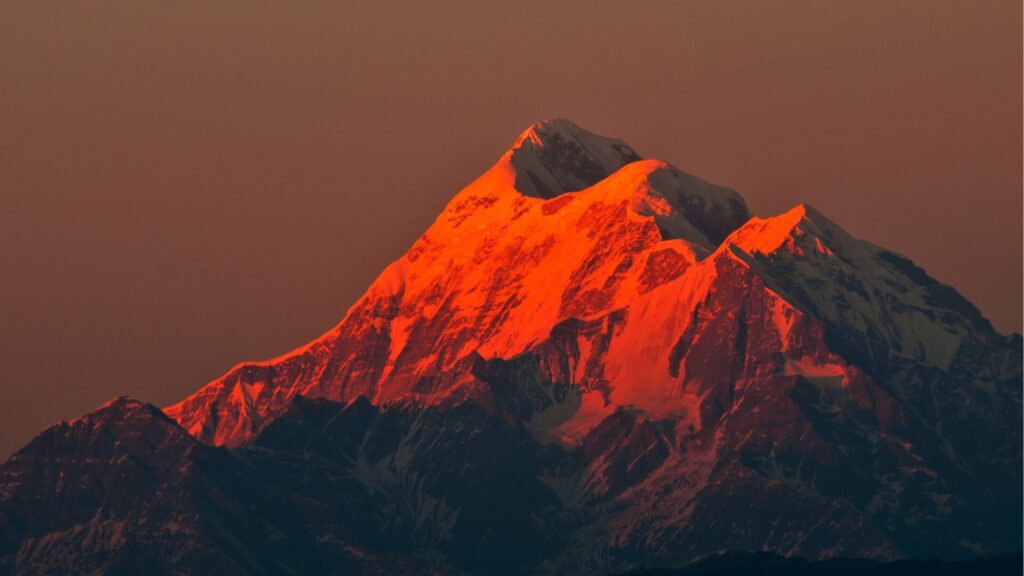
The drive from central Tokyo to Mount Haruna takes approximately 2.5 to 3 hours via the Kanetsu Expressway. Weather conditions can change dramatically as you gain elevation after exiting the expressway at the Shibukawa-Ikaho interchange.
- Winter (December–March): Rent a vehicle with studless winter tires. Keep snow chains in the trunk as backup. Check road closure information before departing. Start early to avoid driving the mountain pass after dark.
- Rainy season (June–July): Carry fog lights or ensure your vehicle has adequate lighting. Reduce speed on wet hairpins. Pull over if visibility drops below 30 meters.
- Typhoon season (August–September): Do not attempt the mountain roads during or immediately after a typhoon. Landslides and fallen debris are real risks on narrow mountain routes.
- Autumn (October–November): Roads can be slippery from fallen wet leaves. Drive at moderate speeds, especially on shaded corners.
If you plan to rent a JDM car for the experience, make sure you understand the seasonal requirements and select a vehicle appropriate for the conditions.
-
-
Mount Haruna Car Rental: How to Drive the Initial D Touge Roads Yourself
続きを見る
Mount Haruna Weather Compared to Nearby Destinations
Understanding how Mount Haruna weather compares to other popular Gunma destinations helps with trip planning:
- Ikaho Onsen (700m elevation): Roughly 4–6°C warmer than the Mount Haruna summit. Less snowfall, but still cold in winter.
- Kusatsu Onsen (1,200m elevation): Similar winter severity to Mount Haruna. Both receive heavy snowfall from December to March.
- Mount Akagi (1,828m summit): Even colder than Mount Haruna due to higher elevation. More prone to wind chill and icing on the road.
If your itinerary includes multiple mountain destinations in Gunma, always plan for the highest elevation on your route when preparing for weather conditions.
-
-
Mount Akagi (Mt. Akagi) Travel Guide: Best Views, Access, and Things to Do
続きを見る
What to Pack for a Mount Haruna Trip in Any Season
Being prepared for Mount Haruna weather means packing smart regardless of the season:
- Spring (March–May): Layered clothing, a light rain jacket, and sturdy walking shoes. Mornings can be cold, afternoons pleasantly warm.
- Summer (June–August): Light layers for daytime, a sweater or fleece for evenings. Rain gear is essential during the rainy season and thunderstorm-prone August.
- Autumn (September–November): Medium-weight jacket, gloves for late October onward. A warm hat if visiting in November.
- Winter (December–February): Full winter gear—insulated jacket, thermal layers, waterproof boots, gloves, and a hat. If driving, pack an ice scraper, de-icer, and emergency blanket in the car.
Combining Mount Haruna with an Onsen Road Trip
One of the best ways to enjoy Mount Haruna regardless of weather is to pair it with an onsen visit. Ikaho Onsen sits at the eastern foot of the mountain and offers two types of hot spring water—iron-rich kogane no yu (golden water) and clear shirogane no yu (silver water). After a chilly drive through fog or snow on the mountain pass, soaking in an open-air onsen is the perfect way to warm up and unwind.
This combination makes Mount Haruna an outstanding year-round destination. Even in the harshest winter weather, the journey becomes part of the experience when you know a steaming onsen awaits at the bottom of the descent.
If you're going to Daikoku PA, leave it to us

Experience an unforgettable JDM tour — ride in a legendary Japanese sports car and drive from Tokyo to Daikoku Parking Area, cruising Tokyo’s iconic roads along the way. Choose from favorites like the GT-R (R35 / R34 / R32), RX-7, Supra, and more.
We offer one of the highest-quality JDM driving experiences in the industry, at a fair and reasonable price.
Want to know more details or check availability?
Message us on WhatsApp for quick replies and easy booking.
Spots often sell out, so we recommend booking early.
Duration: about 3 hours
Meeting Point: Shibuya Station
Language: Beginner-level English & Japanese
Customer Reviews
Daikoku PA Video: What It’s Really Like
Important Information
- This is a drive tour where you drive your rental car, and our guide navigates from the seat.
- This is a self-drive tour where you drive your rental car, and our guide navigates from the passenger seat.
- The tour begins and ends at the same location (Shibuya).
- If the Daikoku Parking Area is closed, we will instead guide you to another car meet further away.
- The consultant is a cultural expert and navigator, not a taxi service.
