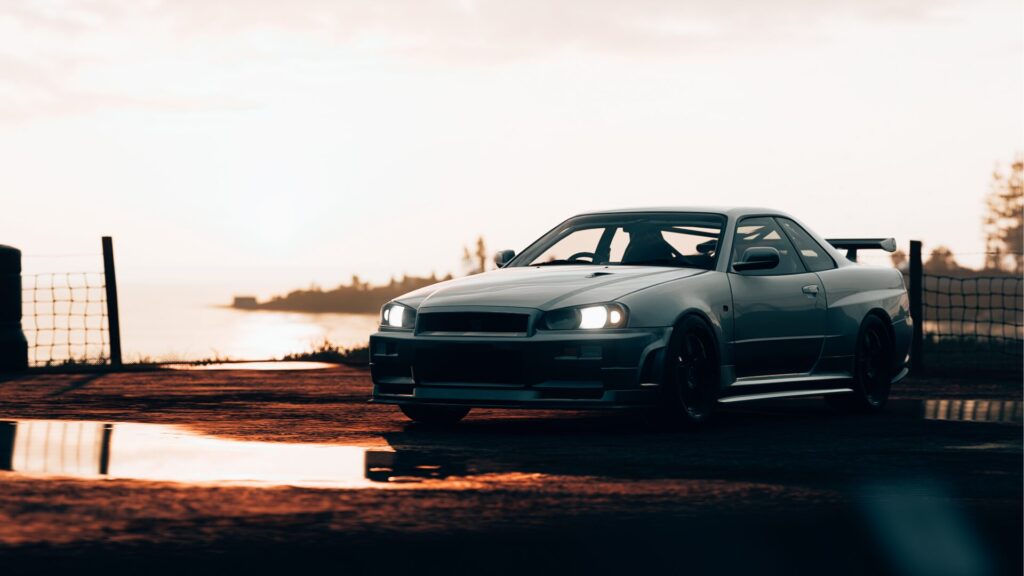
What Is Mt. Akagi Touge and Why Is It So Famous?
Mt. Akagi touge — the legendary mountain pass that winds its way up and around Mount Akagi in Gunma Prefecture — is one of the most iconic driving roads in all of Japan. For fans of Japanese car culture, anime, and motorsport history, the name "Akagi" carries an almost mythical weight. This is the road that inspired countless downhill battles in the beloved manga and anime series Initial D, and it remains a pilgrimage destination for JDM enthusiasts from around the world.
The word "touge" (峠) translates to "mountain pass" in Japanese, but it has taken on a much deeper meaning within automotive culture. Touge driving refers to the art — and adrenaline — of navigating tight, technical switchbacks at speed, demanding precision, car control, and courage. Mt. Akagi touge embodies everything that makes this style of driving so captivating: steep elevation changes, blind corners, hairpin turns, and breathtaking scenery that shifts from dense forest to panoramic volcanic caldera views.
Located approximately 130 kilometers northwest of Tokyo, Mt. Akagi is one of the three famous mountains of the Jōmō region (alongside Mt. Haruna and Mt. Myōgi — both equally legendary in touge culture). The mountain rises to about 1,828 meters at its highest peak, Kurobi, and the touge road that climbs its slopes has been a proving ground for drivers since the early days of Japanese street racing culture in the 1980s and 1990s.
-

-
Mount Akagi (Mt. Akagi) Travel Guide: Best Views, Access, and Things to Do
Mount Akagi — The Sacred Mountain of JDM Culture and Initial D Mount Akagi (赤城山, Akagi-yama) is one of the most iconic landmarks in Japanese car culture. Rising to 1,828 meters in Gunma Prefecture, this dormant volcano is far more than a scenic hiking destination — it is a place of pilgrimage for JDM enthusiasts, drift fans, and anyone who grew up watching or reading Initial D. The winding touge (mountain pass) roads of Mount Akagi served as the home course of protagonist Takumi Fujiwara, making it arguably the most famous driving road in all of anime and manga history. ...
続きを見る
Mt. Akagi Touge and Initial D: The Connection That Changed Car Culture Forever
It is impossible to discuss Mt. Akagi touge without addressing its deep connection to Initial D, the manga series created by Shuichi Shigeno that ran from 1995 to 2013. In the series, the fictional "Akagi RedSuns" — led by the brilliant Ryosuke Takahashi and his brother Keisuke — use Mt. Akagi as their home course. The mountain pass serves as the backdrop for some of the most iconic racing scenes in anime history, including the pivotal early battles that established the protagonist Takumi Fujiwara as a touge legend.
While Initial D takes creative liberties with the exact layout of the roads, the inspiration is unmistakable. The real Mt. Akagi touge features many of the same characteristics depicted in the series: long, sweeping downhill sections punctuated by tight hairpins, guardrail-lined corners with minimal room for error, and a rhythm that rewards drivers who know every centimeter of the road. The series popularized the concept of the "home course advantage" — the idea that a driver who has memorized every bump, camber change, and apex of their local touge holds an enormous advantage over outsiders.
For international visitors, driving the actual roads that inspired Initial D is a bucket-list experience. Standing at the starting line of the downhill, looking out over the forested slopes of Mt. Akagi, you can almost hear the eurobeat soundtrack and the squeal of tires from a fictional AE86 Trueno.
-
-
Mount Akagi in Initial D: The Real-Life Akagi Touge Explained
Mount Akagi and Initial D: Why This Mountain Became a Global Icon Mount Akagi — known as Akagi-yama (赤城山) in Japanese — is one of the most famous mountains in the world of JDM car culture. Thanks to the legendary manga and anime series Initial D, created by Shuichi Shigeno, Mount Akagi became synonymous with touge racing, drifting, and the raw thrill of downhill battles. For tens of millions of fans worldwide, Mount Akagi is not merely a geographic landmark in Gunma Prefecture; it is hallowed ground where the art of the touge was immortalized. In Initial D, Mount Akagi ...
続きを見る
The Driving Experience: What Mt. Akagi Touge Is Actually Like
The Road Layout
Mt. Akagi touge consists of several distinct routes that ascend the mountain, but the most famous section is the road that climbs from the southern base up to Lake Ōnuma, the crater lake situated within the volcanic caldera near the summit. This route — formally part of Gunma Prefectural Route 4 and its surrounding network — features approximately 20 kilometers of continuous mountain driving with over 50 distinct corners.
The lower sections of the pass are characterized by wider, more flowing curves through dense cedar and deciduous forests. As you climb higher, the road narrows and the corners become tighter and more technical. Several hairpin sections feature consecutive switchbacks that demand constant braking, turn-in, and acceleration — the fundamental rhythm of touge driving.
The road surface is generally well-maintained asphalt, though certain sections show wear and occasional patches. Guardrails line most of the more dangerous corners, but there are stretches where the road drops away steeply with minimal protection. Drainage grates and manhole covers can reduce grip, particularly in wet conditions.
Elevation and Gradient
The climb from the base to the caldera area covers roughly 1,000 meters of elevation gain. The gradient varies significantly — some sections are relatively gentle, allowing higher speeds, while others are steep enough to challenge even powerful vehicles. On the descent, gravity becomes both an ally and an adversary, making brake management and weight transfer critical skills.
Traffic and Conditions
Unlike some of the more remote touge passes in Japan, Mt. Akagi sees regular traffic from tourists, hikers, and local residents. During peak seasons — particularly autumn foliage season (October to November) and summer weekends — the road can be surprisingly busy. Early mornings and weekday visits offer the best opportunity to experience the road with minimal traffic. It is important to note that racing or reckless driving on public roads in Japan is illegal and strictly enforced. The touge is best appreciated at a pace that allows you to savor both the driving experience and the scenery safely.
How to Get to Mt. Akagi Touge from Tokyo

By Car
The most rewarding way to reach Mt. Akagi touge is, naturally, by car. From central Tokyo, the drive takes approximately 2 to 2.5 hours depending on traffic conditions. The most common route follows the Kan-etsu Expressway (関越自動車道) northward from Tokyo, exiting at the Maebashi IC or Akagi IC. From there, local roads lead to the base of the mountain and the beginning of the touge climb.
Toll costs for the expressway portion typically range from ¥3,000 to ¥4,500 each way, depending on your exact starting point and whether you have an ETC (Electronic Toll Collection) card, which offers discounts. Fuel costs for a round trip in a standard vehicle will add another ¥3,000 to ¥5,000.
By Public Transportation
While it is possible to reach the Mt. Akagi area by train and bus, the experience is significantly less convenient than driving. The JR Takasaki Line or Jōetsu Shinkansen will take you to Maebashi or Takasaki Station, from which seasonal buses run to Lake Ōnuma. However, bus schedules are limited, especially outside of peak tourism periods, and you will not be able to explore the touge road itself without a vehicle.
By Guided Tour
For international visitors who want the full Mt. Akagi touge experience without the hassle of renting a car, navigating Japanese toll roads, or worrying about local driving regulations, a guided tour is the ideal option. Professional guides who know the roads intimately can take you to the best viewpoints, explain the history and cultural significance of each section, and ensure a safe, memorable experience.
-
-
JDM Car Rental in Japan: The Complete Guide for Overseas Enthusiasts
Japan is the spiritual home of JDM—where iconic nameplates like Skyline, Supra, RX‑7, and Silvia were born and bred. If you’re visiting and want to experience authentic Japanese roads behind the wheel of a well‑maintained, street‑legal performance car, renting locally is the most practical and legal way to do it. This guide explains how to rent a JDM car in Japan, what to expect on the road, and the best routes and meet‑ups to plan around your trip. Why Rent a JDM Car in Japan? Renting in Japan gives you access to cars in their natural environment—tight city streets, spotless ...
続きを見る
Mt. Akagi Touge in the Context of Gunma's Touge Culture
Gunma Prefecture is the undisputed heartland of Japanese touge culture. The three famous mountains — Akagi, Haruna (赤城, 榛名), and Myōgi (妙義) — form a triangle of legendary driving roads, each with its own distinct character and associated Initial D lore.
- Mt. Akagi: Home of the RedSuns. Technical and varied, with a mix of fast sweepers and tight hairpins. The most well-rounded touge experience of the three.
- Mt. Haruna: The real-world inspiration for "Mt. Akina" in Initial D — Takumi Fujiwara's home course. Narrower and more intimate than Akagi, with iconic five consecutive hairpins.
- Mt. Myōgi: The most dangerous and technical of the three. Steep, narrow, and featuring dramatic rock formations. In Initial D, it is the home turf of the Myōgi NightKids.
Many JDM enthusiasts plan a multi-day trip to drive all three mountains, creating a "Gunma touge pilgrimage" that combines world-class driving roads with stunning natural scenery and rich automotive history. The nearby Ikaho Onsen — a famous hot spring town located on the slopes between Akagi and Haruna — makes an excellent base for such a trip.
-
-
Tokyo to Ikaho Onsen by Car — Complete Self‑Drive Guide (2025)
Ikaho Onsen in Gunma Prefecture is one of the easiest hot spring towns to reach from Tokyo by car. This guide covers the fastest route, realistic drive times, parking, seasonal tips, and a 1–2 day itinerary—everything overseas visitors need for a smooth, scenic self‑drive. Why Drive from Tokyo to Ikaho Onsen? Driving lets you stop at viewpoints around Mt. Haruna and Lake Haruna, bring luggage comfortably, and combine Ikaho with other onsen towns in northern Kanto (e.g., Kusatsu or Kinugawa) without juggling train/bus schedules. It’s a straightforward expressway run with plentiful Service Areas (SA) for breaks. Fastest Route Overview (Kan‑Etsu ...
続きを見る
Best Time to Drive Mt. Akagi Touge

Spring (April–May)
Spring is an excellent time to visit Mt. Akagi. The lower slopes burst into life with cherry blossoms and fresh greenery, while the higher elevations may still carry a lingering chill. Road conditions are generally good, though occasional rain showers can make the surface slippery. Traffic is moderate.
Summer (June–August)
Summer brings warm temperatures to the base of the mountain, but the higher elevations remain pleasantly cool — Lake Ōnuma and the caldera area are popular escape destinations for locals seeking relief from the lowland heat. Visibility can be affected by fog and low clouds, particularly in the early morning and late afternoon. The rainy season (tsuyu) in June can make driving conditions challenging.
Autumn (September–November)
Autumn is arguably the most spectacular time to drive Mt. Akagi touge. The mountain transforms into a tapestry of red, orange, and gold as the deciduous forests change color. Peak foliage typically occurs from mid-October to early November, depending on elevation. This is also the busiest time for tourist traffic, so plan accordingly.
Winter (December–March)
Winter driving on Mt. Akagi requires serious preparation. Snow and ice are common at higher elevations, and winter tires or chains are mandatory. The prefectural road to Lake Ōnuma may be closed or restricted during heavy snowfall. However, for those properly equipped, winter offers a unique and dramatic touge experience — the snow-draped forests and frozen lake create an atmosphere unlike any other season.
-
-
Mount Akagi Winter: Driving Guide, Snow Conditions & Initial D Pilgrimage in Gunma
Why Mount Akagi in Winter Is a Must-Visit for Car Enthusiasts Mount Akagi (赤城山) in Gunma Prefecture transforms into a breathtaking winter wonderland from December through March, drawing car enthusiasts, hikers, and anime pilgrims alike. For fans of Initial D, this is the legendary home turf of Takumi Fujiwara and his AE86 — and experiencing the mountain's snow-covered touge roads in winter adds an entirely new dimension to the pilgrimage. But visiting Mount Akagi in winter is not without its challenges. Icy roads, heavy snowfall, and limited public transport options mean that proper planning is essential. This comprehensive guide covers ...
続きを見る
What to See and Do at the Summit of Mt. Akagi
Lake Ōnuma (大沼)
The crown jewel of the Mt. Akagi caldera, Lake Ōnuma is a serene volcanic crater lake surrounded by forested peaks. In summer, you can rent rowboats and explore the lake's calm waters. In winter, the lake freezes solid and becomes a popular spot for wakasagi (smelt) ice fishing — a uniquely Japanese winter activity.
Lake Konuma (小沼)
Smaller and quieter than Ōnuma, Lake Konuma sits at a slightly higher elevation and offers more secluded hiking and nature observation. The trail connecting the two lakes is a pleasant 30- to 45-minute walk through mixed forest.
Akagi Shrine
Akagi Shrine, located on the shores of Lake Ōnuma, is a beautiful and historically significant Shinto shrine. Its vermillion torii gate, which appears to float on the lake's surface, is one of the most photographed spots on the mountain. The shrine is dedicated to the deity of Mt. Akagi and has been a place of worship for over 1,300 years.
Hiking Trails
For those who want to stretch their legs after the drive, Mt. Akagi offers several hiking trails ranging from easy lakeside walks to more challenging summit climbs. The trail to Kurobi Peak (黒檜山), the highest point on the mountain at 1,828 meters, takes approximately 1.5 to 2 hours round trip and rewards hikers with panoramic views of the Kantō Plain, and on clear days, even distant views of Mt. Fuji.
Touge Driving Tips for International Visitors
Driving a touge road in Japan is a once-in-a-lifetime experience, but it comes with responsibilities and considerations that international visitors should understand before setting out.
- Drive on the left: Japan drives on the left side of the road. This is especially important on narrow mountain roads where oncoming traffic can appear suddenly around blind corners.
- Respect speed limits: Speed limits on mountain roads in Japan are typically 30–40 km/h. Police enforcement exists, and fines for speeding can be severe, including the possibility of license suspension for foreign drivers.
- Yield to uphill traffic: On narrow sections, downhill drivers are generally expected to yield to uphill traffic, as it is easier to stop and maneuver when traveling downhill.
- Watch for wildlife: Deer, monkeys, and wild boar are common in the forests around Mt. Akagi. Be especially vigilant during dawn and dusk.
- Carry an International Driving Permit (IDP): Foreign visitors need a valid IDP to drive in Japan, in addition to their home country's driving license.
- No street racing: Touge street racing, while romanticized in media, is illegal in Japan. Penalties are severe and can include criminal charges, vehicle impoundment, and deportation.
Combining Mt. Akagi Touge with Daikoku PA: The Ultimate JDM Road Trip
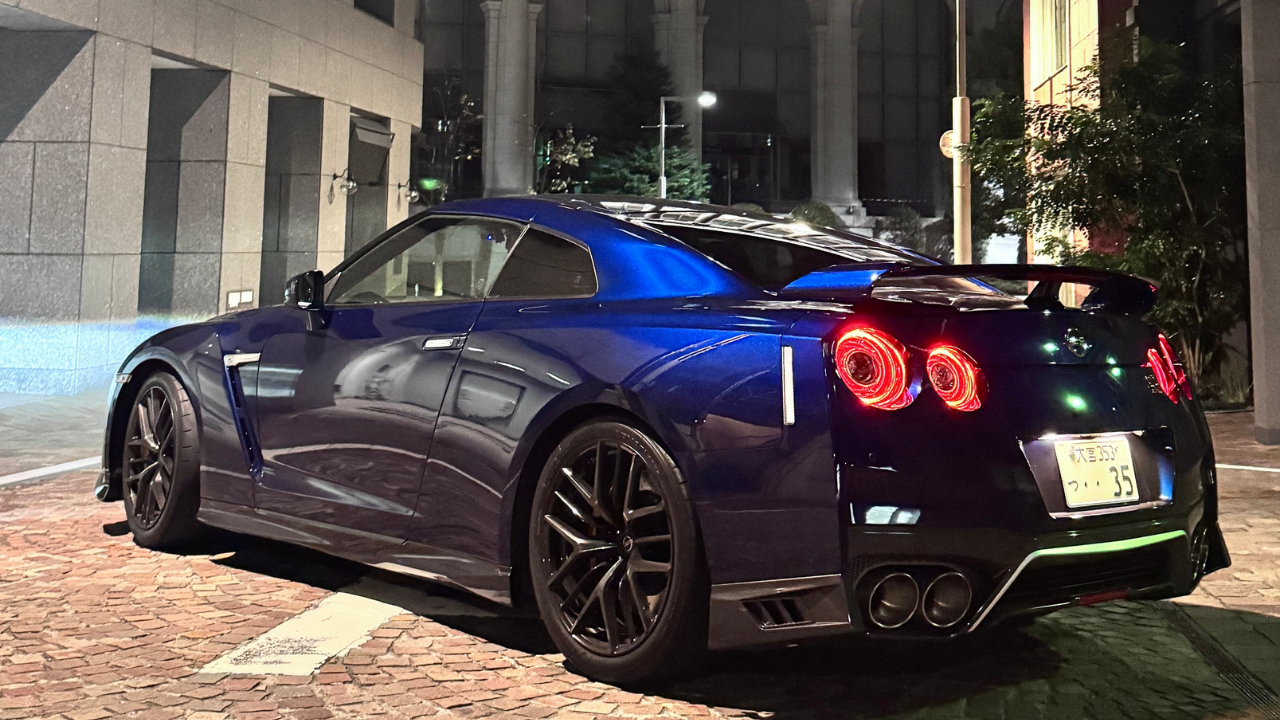
For the ultimate Japanese car culture experience, consider combining a Mt. Akagi touge drive with a visit to Daikoku Parking Area (PA) in Yokohama. Daikoku PA is Japan's most famous car meet spot, where hundreds of modified JDM vehicles gather on weekend nights — from immaculate Nissan GT-Rs and Mazda RX-7s to wild VIP sedans, itasha (anime-wrapped) cars, and bosozoku-style vans.
A typical itinerary might look like this: depart Tokyo in the morning, drive north to Gunma Prefecture, spend the day exploring Mt. Akagi touge (and perhaps Mt. Haruna as well), then return to the Tokyo/Yokohama area in the evening to catch the Saturday night Daikoku PA car meet. This combination gives you the best of both worlds — the raw, natural beauty and driving excitement of Japan's mountain passes, followed by the electric atmosphere of its most vibrant car culture gathering.
Our guided JDM tours can make this entire experience seamless. We handle the driving, the route planning, the cultural commentary, and — most importantly — we know exactly when and where to be for the best car meet action at Daikoku PA.
-

-
Daikoku Car Meet Time Table: Best Times, Schedule & Access
Searching for “car meet up Tokyo time table”, “Daikoku PA car meet schedule”, or “Daikoku car meet how to get there” usually means you want one practical thing: When should you go, and how do you get in and out of Daikoku PA without problems? This page is a fast, traveler-friendly hub. It gives you the realistic “typical” time windows (because there’s no official timetable), the safest ways to reach Daikoku, what’s considered illegal behavior, and what to do if the parking area is quiet. Daikoku car meet schedule: is there an official timetable? No. Daikoku Parking Area (Daikoku PA ...
続きを見る
Mt. Akagi Touge in Sim Racing: Assetto Corsa and Beyond

For those who cannot make it to Japan just yet, Mt. Akagi touge has been meticulously recreated in several sim racing platforms, most notably Assetto Corsa. Community-created mods have replicated the road's elevation changes, corner profiles, and even roadside details with remarkable accuracy, allowing virtual drivers around the world to experience the thrill of an Akagi downhill battle from their home setups.
These digital recreations have played a significant role in keeping Mt. Akagi touge in the global automotive consciousness, introducing new generations of car enthusiasts to the mountain and inspiring many to plan real-world pilgrimages. If you have driven the virtual version and want to experience the real thing, our tours can make that dream a reality.
Planning Your Mt. Akagi Touge Trip: Practical Information
Accommodation
There are limited accommodation options directly on Mt. Akagi, with a handful of lakeside lodges and minshuku (Japanese guesthouses) near Lake Ōnuma. For more variety, the cities of Maebashi and Takasaki at the base of the mountain offer hotels at various price points. Ikaho Onsen, located between Mt. Akagi and Mt. Haruna, is the most atmospheric option — traditional ryokan (Japanese inns) with natural hot spring baths provide the perfect way to relax after a day of touge driving.
Food and Supplies
Facilities on the mountain itself are limited, especially outside of peak tourism season. There are a few restaurants and souvenir shops near Lake Ōnuma, but it is wise to bring water, snacks, and a full tank of fuel before beginning the climb. The last convenience stores and gas stations are in the towns at the base of the mountain.
Budget Estimate
A self-drive day trip to Mt. Akagi touge from Tokyo typically costs:
- Expressway tolls: ¥6,000–¥9,000 round trip
- Fuel: ¥3,000–¥5,000 round trip
- Car rental (if applicable): ¥8,000–¥15,000 per day for a standard vehicle
- Food and incidentals: ¥2,000–¥5,000
Total estimated cost for a self-drive day trip: approximately ¥19,000–¥34,000 per person (depending on car rental and group size). A guided tour eliminates the uncertainty and often provides better value when factoring in the expertise, convenience, and access to JDM car meet events like those at Daikoku PA.
If you're going to Daikoku PA, leave it to us

Experience an unforgettable JDM tour — ride in a legendary Japanese sports car and drive from Tokyo to Daikoku Parking Area, cruising Tokyo’s iconic roads along the way. Choose from favorites like the GT-R (R35 / R34 / R32), RX-7, Supra, and more.
We offer one of the highest-quality JDM driving experiences in the industry, at a fair and reasonable price.
Want to know more details or check availability?
Message us on WhatsApp for quick replies and easy booking.
Spots often sell out, so we recommend booking early.
Duration: about 3 hours
Meeting Point: Shibuya Station
Language: Beginner-level English & Japanese
Customer Reviews
Daikoku PA Video: What It’s Really Like
Important Information
- This is a drive tour where you drive your rental car, and our guide navigates from the seat.
- This is a self-drive tour where you drive your rental car, and our guide navigates from the passenger seat.
- The tour begins and ends at the same location (Shibuya).
- If the Daikoku Parking Area is closed, we will instead guide you to another car meet further away.
- The consultant is a cultural expert and navigator, not a taxi service.
