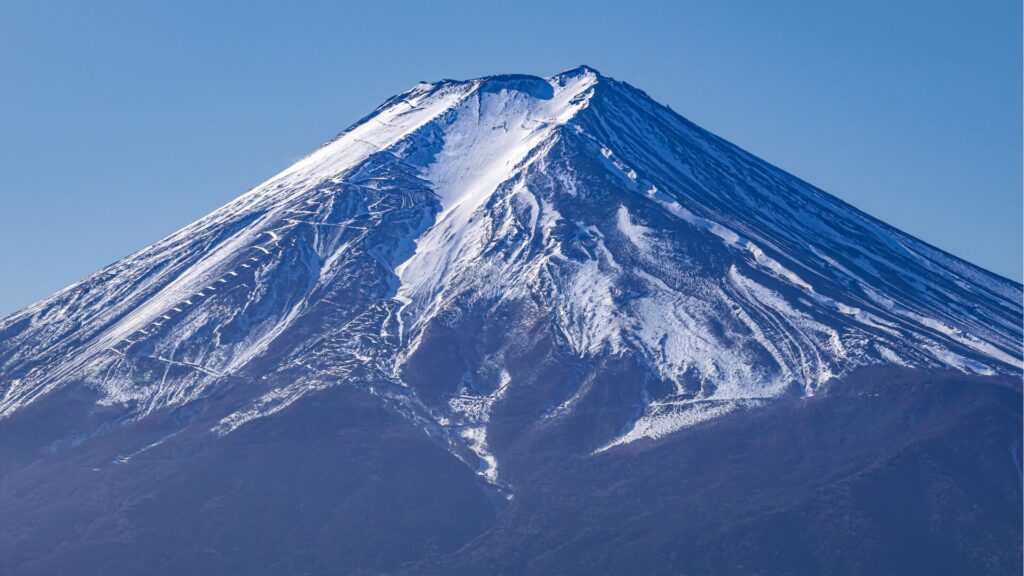
What Is the Mt Fuji 5th Station?
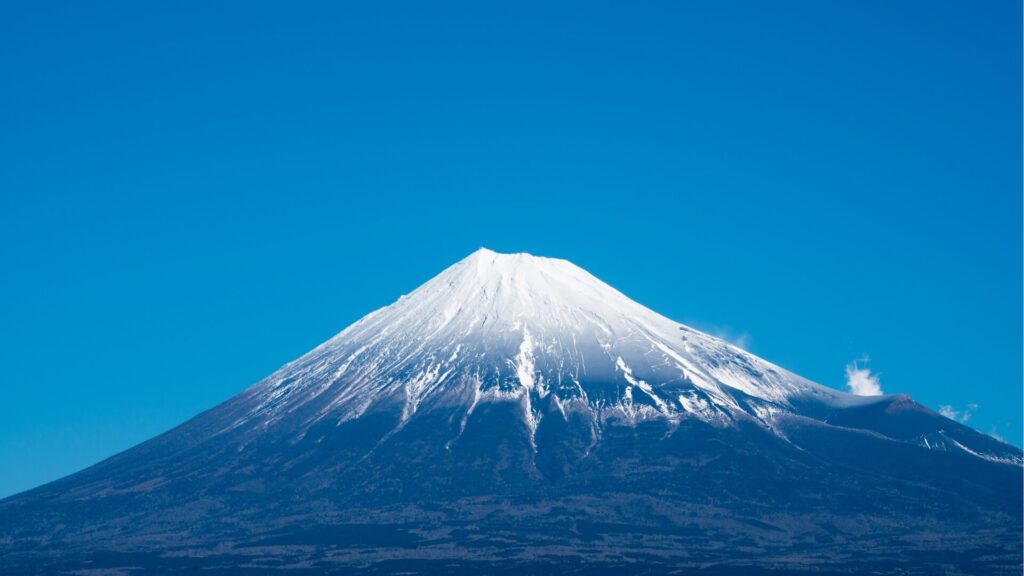
The Mt Fuji 5th Station is the most popular gateway to Japan's iconic peak, sitting at approximately 2,305 meters (7,562 feet) above sea level on the Yoshida Trail — the mountain's most frequently used climbing route. Located on the Yamanashi Prefecture side (Subaru Line 5th Station), it serves as both the starting point for summit climbers and a world-class sightseeing destination in its own right. Every year, millions of visitors — many with no intention of climbing — travel here simply to experience the dramatic alpine landscape, shop for souvenirs, and peer above the clouds.
It is important to note that Mt Fuji actually has multiple 5th stations, one on each of the four major trails (Yoshida, Subashiri, Gotemba, and Fujinomiya). However, when most travelers say "Mt Fuji 5th Station," they are referring to the Subaru Line 5th Station on the Yoshida route, and this guide focuses primarily on that location.
-

-
Mt Fuji: The Ultimate 2026 Guide to Japan's Iconic Mountain
Why Mt Fuji Captivates Millions of Visitors Every Year Mt Fuji — or Fujisan (富士山) as it is known in Japanese — stands at 3,776 meters (12,389 feet), making it the tallest peak in Japan. Its near-perfect symmetrical cone, capped with snow for much of the year, has been a symbol of Japan for centuries. In 2013, UNESCO designated Mt Fuji as a World Cultural Heritage Site, recognizing not just its geological significance but its deep influence on Japanese art, literature, and spirituality. Whether you want to climb to the summit, photograph the mountain from a picturesque lake, soak in ...
続きを見る
How to Get to the Mt Fuji 5th Station in 2026
By Bus from Kawaguchiko Station
The most common public-transit route begins at Kawaguchiko Station, where regular shuttle buses depart for the Subaru Line 5th Station. The ride takes roughly 50 to 60 minutes and costs around ¥2,100 one way (subject to change). During the official climbing season — typically early July through early September — buses run frequently, with departures as often as every 20 minutes during peak hours.
By Bus from Shinjuku (Tokyo)
Direct highway buses operate between Shinjuku Expressway Bus Terminal (Busta Shinjuku) and the 5th Station during climbing season. The journey takes approximately 2.5 hours with no transfers. This is a convenient option for travelers based in central Tokyo who prefer a single-seat ride without the need to change at Kawaguchiko.
By Car via the Fuji Subaru Line
Driving to the 5th Station is possible outside the climbing season via the Fuji Subaru Line, a 29.5 km toll road that winds up the mountain's northern slope. The toll is approximately ¥2,100 for a standard car (round trip). However, during the official climbing season in 2026, private vehicles are banned from the Subaru Line due to congestion and environmental regulations. During this period, all visitors must use the shuttle bus from the Fuji-Hokuroku Parking Area near Fujiyoshida. Be sure to check the latest My Car Regulation dates before planning a drive.
-
-
Tokyo to Mt Fuji: Every Way to Get There in 2026 (Train, Bus, Car & Tours)
How Far Is Mt Fuji from Tokyo? Mt Fuji sits roughly 100 km (62 miles) southwest of central Tokyo. Despite the modest distance on a map, actual travel time varies considerably depending on your transport mode, departure point, and destination on the Fuji side. Whether you are heading to the Fuji Five Lakes area (Kawaguchiko), the Subashiri 5th Station for climbing, or simply a scenic viewpoint, the journey from Tokyo to Mt Fuji typically takes between 1.5 and 3 hours one way. Understanding the geography is helpful: the Chuo Expressway and Route 138 cut through the mountains west of Tokyo, ...
続きを見る
By Car via Other Routes (Fujinomiya, Subashiri, Gotemba)
Each of the other three 5th stations has its own access road. The Fujinomiya 5th Station (2,380 m) on the Shizuoka side is the highest starting point and the closest to the summit in terms of vertical distance. The Subashiri 5th Station (approximately 2,000 m) and Gotemba 5th Station (approximately 1,440 m) see far fewer crowds but offer a more rugged, secluded experience. These routes also have My Car Regulations during climbing season.
What You Will Find at the Subaru Line 5th Station
Shops, Restaurants, and Facilities
The Subaru Line 5th Station functions as a small alpine village. You will find multiple souvenir shops selling Mt Fuji-themed goods — wooden walking sticks (for branding at each station on the way up), postcards, snacks, and climbing gear. Several restaurants serve hot meals such as curry rice, udon, and ramen, all welcome comforts at high altitude. There is also a post office where you can mail postcards stamped with a special Mt Fuji postmark, making it one of the most unique postal experiences in Japan.
Komitake Shrine
Located just a short walk from the bus terminal, Komitake Shrine is a small Shinto shrine dedicated to the deity of the mountain. Climbers traditionally stop here to pray for a safe ascent and successful summit. Even if you are only visiting the 5th Station as a sightseeing stop, the shrine provides a serene moment of reflection before the sweeping mountain views.
Observation Points and Photo Spots
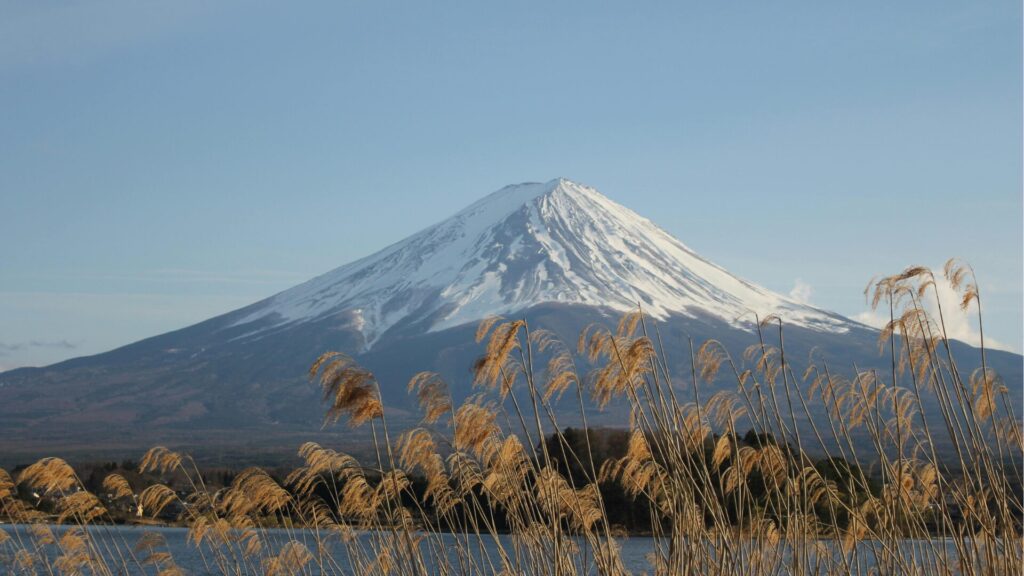
On clear days, the 5th Station offers extraordinary panoramic views. Looking down, you can see the Fuji Five Lakes region, the Aokigahara forest, and, on especially transparent days, the skyline of Tokyo far in the distance. Looking up, the barren volcanic slopes stretch toward the summit cone. During summer, clouds often settle below the station, creating the surreal experience of standing above a sea of white. The observation deck near the parking area is the best spot for unobstructed photographs.
Best Time to Visit the Mt Fuji 5th Station
The 5th Station is accessible year-round by bus or car (outside the restricted period), but conditions and accessibility vary dramatically by season.
- July – Early September (Climbing Season): This is peak season. The weather is warmest, all facilities are open, and the trail to the summit is officially accessible. Expect large crowds, especially on weekends and during Obon (mid-August). Private cars are banned; shuttle buses are mandatory.
- Late September – November (Autumn): Crowds thin considerably, and the surrounding foothills display autumn foliage. Temperatures at the 5th Station drop to near freezing at night. Most climbing facilities close, but the station's shops and restaurants remain partially operational.
- December – March (Winter): The Subaru Line may close due to snow and ice. Conditions are harsh, with temperatures plunging well below freezing and strong winds. Only experienced mountaineers with full winter gear should consider ascending beyond the 5th Station during this period.
- April – June (Spring): Snow gradually recedes, and the road typically reopens in stages. Late spring offers a quieter experience with occasional clear views. Cherry blossoms in the lower Kawaguchiko area may still be visible in mid-to-late April while snow blankets the upper mountain.
What to Wear and Bring
Even in midsummer, temperatures at the 5th Station hover around 10–15°C (50–59°F) — significantly cooler than Tokyo, which may be experiencing 35°C or more. The temperature drops roughly 0.6°C for every 100 meters gained in elevation, so the difference from sea level can be dramatic. Here is what to pack:
- Layered clothing: A fleece or light down jacket is recommended even in July and August.
- Rain gear: Mountain weather changes rapidly. A waterproof jacket is essential.
- Comfortable footwear: If you plan to walk the short trails around the station, sturdy shoes are advisable. Full hiking boots are necessary only if you intend to climb further.
- Sun protection: UV intensity is much higher at altitude. Sunscreen, sunglasses, and a hat are important.
- Cash: While some shops accept cards, many vendors and vending machines at altitude are cash-only.
Altitude Sickness Awareness
At 2,305 meters, the Subaru Line 5th Station is high enough that some visitors may experience mild symptoms of altitude sickness, especially if they arrive quickly by bus from sea level. Symptoms can include headache, dizziness, nausea, and shortness of breath. To minimize risk:
- Spend at least 30 to 60 minutes at the 5th Station before attempting any further ascent. This acclimatization period is crucial.
- Stay hydrated — drink water regularly.
- Avoid alcohol and heavy meals immediately before and after arrival.
- If symptoms worsen, descend to a lower elevation immediately.
Most casual sightseers who remain at the station level will be fine, but climbers heading toward the summit should take acclimatization seriously.
-
-
Climbing Mt Fuji in 2026: The Complete Guide to Routes, Seasons, and What to Expect
Why Climbing Mt Fuji Should Be on Your Japan Bucket List Standing at 3,776 meters (12,389 feet), Mt Fuji is Japan's tallest peak and one of the most iconic mountains on Earth. Every summer, hundreds of thousands of hikers from around the world converge on its slopes to experience the once-in-a-lifetime thrill of climbing Mt Fuji. Whether you are drawn by the spiritual significance, the legendary sunrise from the summit, or simply the challenge of conquering an active stratovolcano, this guide covers everything you need to know about climbing Mt Fuji in 2026. The 2026 Climbing Season: When Is Mt ...
続きを見る
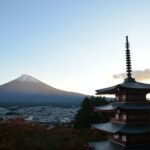
Comparing the Four 5th Stations
While the Subaru Line (Yoshida) 5th Station dominates visitor traffic, each of the four starting points offers a distinct experience:
- Yoshida 5th Station (Subaru Line) — 2,305 m: Most facilities, most accessible, most crowded. Best for first-time visitors and casual sightseers.
- Fujinomiya 5th Station — 2,380 m: Highest start, shortest route to the summit. Popular with climbers who want to minimize hiking distance. Fewer tourist facilities than Yoshida.
- Subashiri 5th Station — ~2,000 m: Begins in a forested zone, offering a unique nature experience. Far fewer crowds. Merges with the Yoshida trail above the 8th Station.
- Gotemba 5th Station — ~1,440 m: The lowest and longest route. Favored by experienced hikers and those who enjoy the great sand run ("sunabashiri") on the descent. Very few facilities.
Nearby Attractions Worth Combining
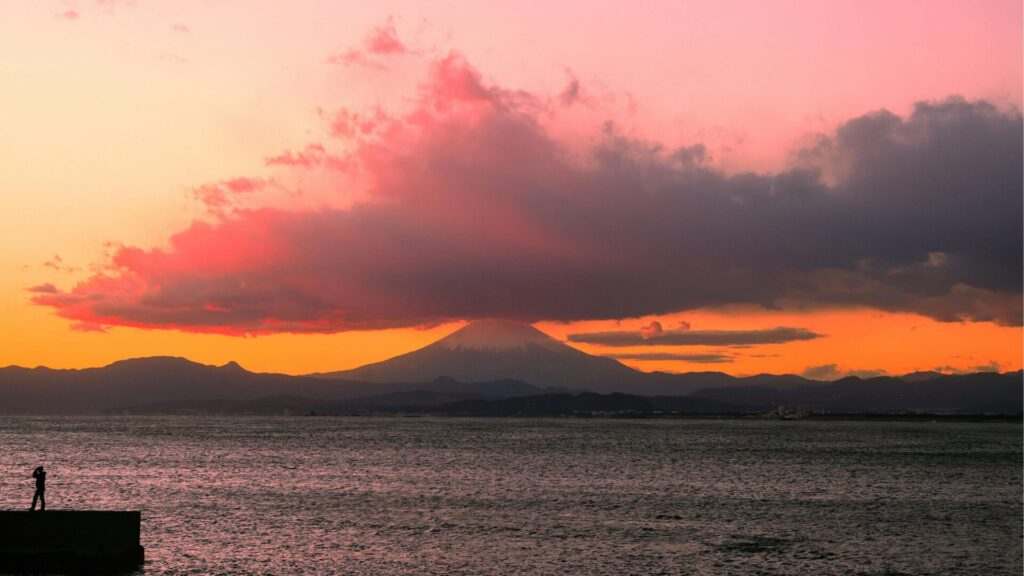
A visit to the 5th Station pairs naturally with other Mt Fuji-area destinations. The Fuji Five Lakes — Kawaguchiko, Saiko, Shojiko, Motosuko, and Yamanakako — are all within easy reach and offer lakeside walks, hot spring resorts, and some of the most famous Mt Fuji photo spots in existence. Kawaguchiko in particular has a well-developed tourist infrastructure with museums, ropeway rides, and seasonal flower gardens.
-
-
Fuji Five Lakes: The Complete 2026 Guide to the 5 Lakes of Mt Fuji
What Are the 5 Lakes of Mt Fuji? The Fuji Five Lakes — known as Fujigoko (富士五湖) in Japanese — are a group of five lakes situated at the northern base of Mt Fuji in Yamanashi Prefecture. Formed by ancient lava flows from Mt Fuji's eruptions that dammed natural river valleys, these lakes have been a cornerstone of Japanese landscape appreciation for centuries. Together, they form one of the most scenic regions in all of Japan and serve as the primary vantage point for iconic views of the mountain. The five lakes are Lake Kawaguchiko, Lake Yamanakako, Lake Saiko, Lake ...
続きを見る
For those traveling by car, the drive from Tokyo to the 5th Station through the Kawaguchiko area is a scenic journey in itself. The winding Subaru Line ascent, when open to private vehicles, ranks among the most memorable driving roads in the Kanto region. Combining the 5th Station visit with a lakeside onsen stay in Kawaguchiko makes for an excellent overnight itinerary.
-
-
Drive from Tokyo to Kawaguchiko Onsen: The Ultimate Self-Drive Guide for Overseas Visitors
Planning to drive from Tokyo to Kawaguchiko onsen? This in‑depth guide covers routes, permits, parking, tolls, itineraries, and seasonal tips—everything you need to enjoy Lake Kawaguchiko and Mt. Fuji hot springs by rental car. Why Drive from Tokyo to Kawaguchiko Onsen? Driving gives you freedom to stop at scenic viewpoints, lesser‑known onsen ryokan, and cafés around the Fuji Five Lakes. Compared with trains and buses, a car lets you combine multiple sights in one day, travel early or late to avoid crowds, and carry luggage with ease. Quick Facts Distance & time: ~110–140 km from central Tokyo; 2–2.5 hours in ...
続きを見る
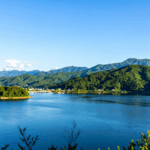
Practical Tips for a Smooth Visit in 2026
- Check road and bus schedules ahead of time. The Subaru Line toll road and bus timetables change seasonally. Official Yamanashi Prefecture and Fujikyu Bus websites publish updated schedules each year.
- Arrive early. During climbing season, parking lots and buses fill quickly. An early morning arrival (before 9:00 AM) avoids the worst congestion.
- Bring a portable Wi-Fi device or download offline maps. Cell signal can be inconsistent at altitude, though it has improved in recent years.
- Respect the environment. Mt Fuji was designated a UNESCO World Heritage Site in 2013. Carry out all trash, stay on marked paths, and follow posted guidelines.
- Budget for entrance fees. Since 2024, climbing fees and reservation systems have been enforced for the Yoshida Trail during peak season to manage overcrowding. Confirm the 2026 regulations and make any required reservations before your trip.
Frequently Asked Questions About the Mt Fuji 5th Station
Can I visit the 5th Station without climbing Mt Fuji?
Absolutely. The majority of visitors to the Subaru Line 5th Station never climb beyond it. The station area itself has shops, restaurants, a shrine, and panoramic viewpoints that make it a fulfilling destination on its own.
Is the 5th Station wheelchair accessible?
The main plaza and some shops are accessible on paved surfaces. However, the surrounding trails and certain older buildings have uneven terrain and steps. Visitors with mobility concerns should plan accordingly.
How long should I spend at the 5th Station?
For sightseeing only, one to two hours is sufficient to explore the shops, visit Komitake Shrine, and enjoy the views. Climbers should add at least 30–60 minutes for acclimatization before heading upward.
Is the 5th Station open at night?
During climbing season, the area remains accessible at night because many climbers begin overnight ascents to reach the summit for sunrise. However, most shops close by early evening, and conditions after dark are cold and dark. A headlamp is essential for any nighttime activity.
Experience Japan’s Finest JDM Adventures
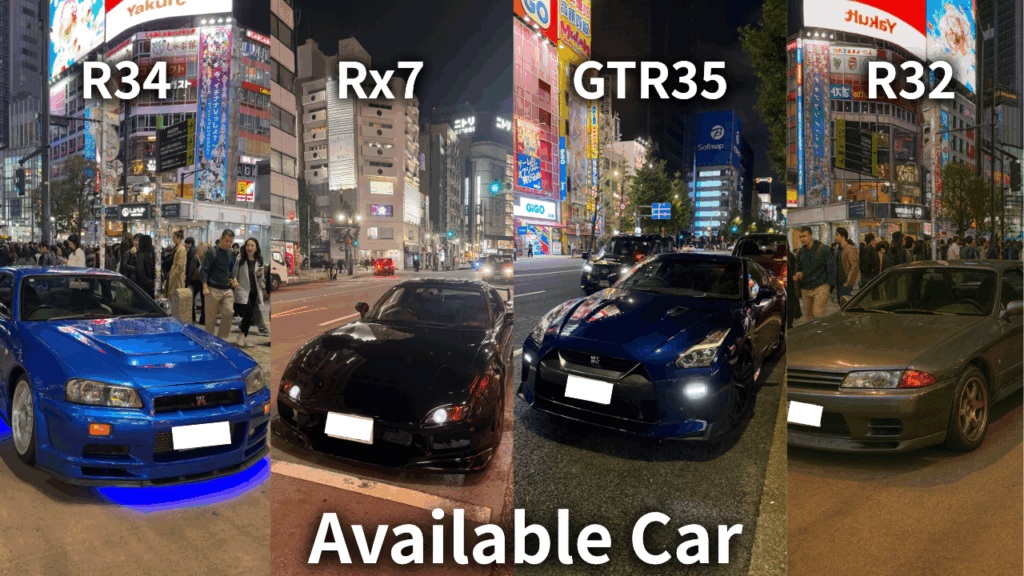
From Daikoku PA tours to JDM sports car rentals and drift experiences, we offer premium driving adventures for visitors who want more than ordinary sightseeing.
Get behind the wheel of iconic machines such as the GT-R, RX-7, and Supra, and experience Japan’s legendary car culture in the most unforgettable way. Whether you want a scenic Tokyo car experience or something more thrilling and immersive, we can guide you to the right plan.
Not sure which experience suits you best? No problem. Message us on WhatsApp and we’ll help you choose the ideal option based on your travel plans, interests, and driving experience.
Popular dates sell out quickly, so we recommend contacting us early.
Customer Reviews
Important Information
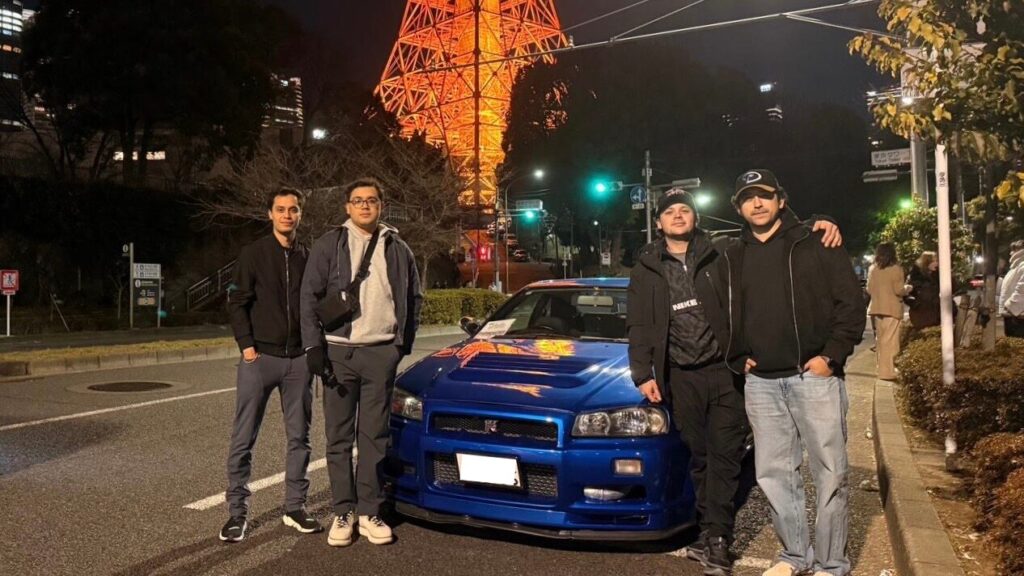
- This is a drive tour where you drive your rental car, and our guide navigates from the seat.
- This is a self-drive tour where you drive your rental car, and our guide navigates from the passenger seat.
- The tour begins and ends at the same location (Shibuya).
- If the Daikoku Parking Area is closed, we will instead guide you to another car meet further away.
- The consultant is a cultural expert and navigator, not a taxi service.
