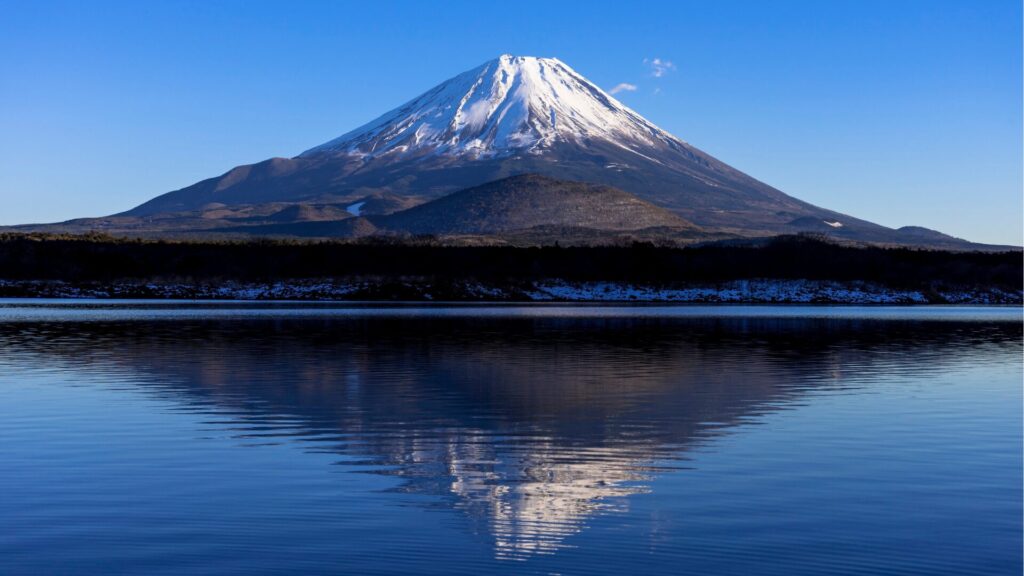
Why Mt Fuji and Cherry Blossoms Together Create Japan's Most Iconic View
Few scenes in the world rival the visual impact of pink cherry blossoms framing the snow-capped peak of Mt Fuji. This pairing has defined Japanese aesthetics for centuries — appearing on currency, in ukiyo-e woodblock prints, and across countless photographs shared around the globe. For travelers visiting Japan in spring 2026, witnessing Mt Fuji cherry blossom season in person is often the single most sought-after experience of the entire trip.
The combination works because of a striking contrast: the ephemeral softness of sakura petals against the enduring, monumental presence of Japan's tallest mountain. The viewing window is short — often just seven to ten days of full bloom — which makes timing and location critical. This guide covers every detail you need to plan the perfect Mt Fuji cherry blossom experience in 2026.
-

-
Mt Fuji: The Ultimate 2026 Guide to Japan's Iconic Mountain
Why Mt Fuji Captivates Millions of Visitors Every Year Mt Fuji — or Fujisan (富士山) as it is known in Japanese — stands at 3,776 meters (12,389 feet), making it the tallest peak in Japan. Its near-perfect symmetrical cone, capped with snow for much of the year, has been a symbol of Japan for centuries. In 2013, UNESCO designated Mt Fuji as a World Cultural Heritage Site, recognizing not just its geological significance but its deep influence on Japanese art, literature, and spirituality. Whether you want to climb to the summit, photograph the mountain from a picturesque lake, soak in ...
続きを見る
When Do Cherry Blossoms Bloom Around Mt Fuji in 2026?
Cherry blossom timing around the Mt Fuji area differs significantly from Tokyo. Because of the higher elevation and cooler temperatures in the Fuji Five Lakes region and surrounding foothills, sakura season typically arrives one to three weeks later than in central Tokyo.
Expected 2026 Bloom Timeline
- Early bloom (kaika): Around April 5–12 in lower-elevation areas such as Fuji City and Fujinomiya
- Full bloom (mankai): April 10–20 around Lake Kawaguchiko and the northern shoreline
- Late bloom / petal fall: April 18–25 at higher-altitude spots like Arakurayama Sengen Park and Lake Shojiko
These dates are approximate and shift each year depending on winter and early spring temperatures. The Japan Meteorological Corporation (JMC) and Japan Weather Association release updated sakura forecasts from late January onward. Check these forecasts frequently as your travel dates approach — even a few days' difference can mean catching full bloom versus bare branches.
How Elevation Affects Bloom Timing
The Fuji Five Lakes area sits at roughly 800–1,000 meters above sea level. For every 100 meters of elevation gain, cherry blossom bloom is delayed by approximately two to three days. This means that while blossoms along the southern base of Mt Fuji near Fujinomiya (elevation ~200 m) may peak in early April, spots around Kawaguchiko (elevation ~830 m) often peak in mid-to-late April. This staggered bloom actually works in your favor — it widens the total window during which you can find sakura somewhere in the Mt Fuji region.
Best Spots to See Cherry Blossoms with Mt Fuji
Arakurayama Sengen Park (Chureito Pagoda)
This is arguably the most famous cherry blossom and Mt Fuji viewing point in all of Japan. The Chureito Pagoda, a five-story vermillion pagoda, sits partway up a hillside in Fujiyoshida City. From the viewing platform above the pagoda, you can capture cherry blossoms, the pagoda, and Mt Fuji in a single frame — the quintessential postcard shot.
- Peak bloom: Typically mid-April (around April 10–18)
- Access: A 10-minute walk from Shimoyoshida Station on the Fujikyu Railway, followed by roughly 400 steps uphill
- Tips: Arrive before sunrise to secure a spot at the main platform. By mid-morning during peak bloom, crowds can be enormous. Weekdays are significantly less crowded than weekends. A reservation or timed-entry system may be implemented for 2026 peak season — check local announcements.
Lake Kawaguchiko North Shore
The northern shoreline of Lake Kawaguchiko is lined with hundreds of Somei Yoshino cherry trees. During full bloom, the combination of lakeside sakura, the calm water reflecting the blossoms, and Mt Fuji rising directly to the south creates a breathtaking panorama. The annual Fuji Kawaguchiko Cherry Blossom Festival typically runs from mid-April through late April, featuring food stalls, evening illumination of the cherry trees, and extended park hours.
- Peak bloom: Around April 12–20
- Best stretch: Between the Kawaguchiko Music Forest and the lakeside walking path heading east
- Tips: Evening illuminations (usually 18:00–21:00) offer a completely different atmosphere. The lit-up sakura reflected in the lake with Fuji's silhouette behind is unforgettable.
-
-
Drive from Tokyo to Kawaguchiko Onsen: The Ultimate Self-Drive Guide for Overseas Visitors
Planning to drive from Tokyo to Kawaguchiko onsen? This in‑depth guide covers routes, permits, parking, tolls, itineraries, and seasonal tips—everything you need to enjoy Lake Kawaguchiko and Mt. Fuji hot springs by rental car. Why Drive from Tokyo to Kawaguchiko Onsen? Driving gives you freedom to stop at scenic viewpoints, lesser‑known onsen ryokan, and cafés around the Fuji Five Lakes. Compared with trains and buses, a car lets you combine multiple sights in one day, travel early or late to avoid crowds, and carry luggage with ease. Quick Facts Distance & time: ~110–140 km from central Tokyo; 2–2.5 hours in ...
続きを見る
Tanuki Lake (Lake Tanuki)
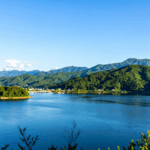
Located on the western side of Mt Fuji in Shizuoka Prefecture, Lake Tanuki is a lesser-known gem. The lake is famous for its "Double Diamond Fuji" phenomenon (when the sun aligns with Fuji's peak and reflects in the lake), but during cherry blossom season, the shoreline sakura with Mt Fuji creates an exceptionally photogenic scene with far fewer tourists than Kawaguchiko.
- Peak bloom: Around April 8–15
- Access: Best reached by car; limited public transit options
- Tips: Ideal for photographers seeking a quieter alternative. Early mornings often produce mirror-like reflections on the lake surface.
Oshino Hakkai
This charming village of eight crystal-clear spring ponds fed by Mt Fuji's snowmelt features cherry trees planted around the ponds and along the pathways. The combination of pristine spring water, traditional thatched-roof buildings, sakura, and Mt Fuji in the background provides a distinctly rural Japanese atmosphere.
- Peak bloom: Around April 12–20
- Tips: The village is compact and can be explored in one to two hours. Combine it with a visit to Lake Kawaguchiko or Arakurayama Sengen Park on the same day.
Fujinomiya and the Southern Foothills
The city of Fujinomiya, located on the southwestern base of Mt Fuji, offers several excellent cherry blossom spots including Omiya Fuji Sengen Taisha Shrine and the surrounding parks. Because of the lower elevation, blossoms here peak earlier — sometimes overlapping with Tokyo's season — making it a good option if you are visiting in early April.
- Peak bloom: Around April 3–12
- Tips: Omiya Fuji Sengen Taisha is the head shrine of over 1,300 Sengen shrines across Japan. The sacred atmosphere combined with sakura makes for a deeply cultural experience.
Shiraito Falls Area
Just a short drive from Fujinomiya, the UNESCO-listed Shiraito Falls are surrounded by forest that includes cherry trees. While not a classic "Fuji + sakura" composition, the falls with spring blossoms are stunning in their own right and make an excellent addition to a southern Mt Fuji cherry blossom itinerary.
Photography Tips for Mt Fuji Cherry Blossom Shots
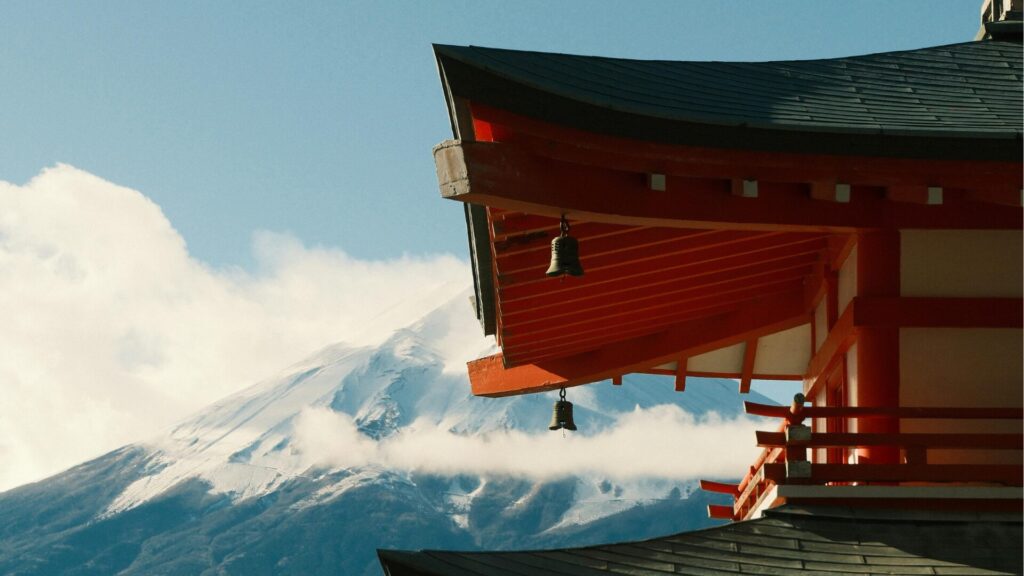
Capturing the perfect Mt Fuji cherry blossom photograph requires more than just showing up at the right place. Here are tips from experienced landscape photographers who shoot this subject every year:
- Shoot at dawn: Early morning light casts a warm glow on Mt Fuji's snowcap, and the air tends to be clearest before 8:00 AM. Cloud buildup often obscures the peak by midday.
- Check visibility forecasts: Mt Fuji is not always visible, even on clear days. Haze, clouds, and humidity can hide the mountain entirely. Websites and apps that track Mt Fuji visibility in real-time are essential tools.
- Use a telephoto lens: A 70–200mm lens compresses the distance between cherry trees and Mt Fuji, making both subjects appear larger and closer together. Wide-angle lenses are great for context but can make Fuji look distant and small.
- Include foreground interest: Fallen petals on water surfaces, traditional architecture, or winding paths lined with sakura add depth and narrative to your composition.
- Plan for multiple attempts: Weather around Mt Fuji is unpredictable. If possible, allocate two or three days in the area to maximize your chances of clear skies coinciding with peak bloom.
How to Get to the Mt Fuji Cherry Blossom Area from Tokyo
The Mt Fuji and Kawaguchiko area is surprisingly accessible from Tokyo, with several transportation options available depending on your preferences and budget.
By Train
Take the JR Chuo Line limited express from Shinjuku Station to Otsuki Station (approximately 60 minutes), then transfer to the Fujikyu Railway to Kawaguchiko Station (approximately 50 minutes). The total journey takes around two hours. The Fuji Excursion limited express train runs directly from Shinjuku to Kawaguchiko without requiring a transfer — this is the most convenient rail option.
By Highway Bus
Direct highway buses operate from Shinjuku Expressway Bus Terminal (Busta Shinjuku) to Kawaguchiko Station. The journey takes approximately 1 hour 45 minutes to 2 hours 15 minutes depending on traffic. Buses run frequently throughout the day. During cherry blossom season weekends, book in advance as seats fill quickly.
By Car
Driving from central Tokyo to the Kawaguchiko area takes approximately 1.5 to 2 hours via the Chuo Expressway and Route 138. Having a car is particularly advantageous during cherry blossom season because it allows you to visit multiple viewing spots in a single day — including harder-to-reach locations like Lake Tanuki and Oshino Hakkai — without being constrained by bus schedules. Exploring the Mt Fuji region by car also means you can chase the best weather conditions in real time, moving to whichever side of the mountain has clearer skies.
-
-
Tokyo to Mt Fuji: Every Way to Get There in 2026 (Train, Bus, Car & Tours)
How Far Is Mt Fuji from Tokyo? Mt Fuji sits roughly 100 km (62 miles) southwest of central Tokyo. Despite the modest distance on a map, actual travel time varies considerably depending on your transport mode, departure point, and destination on the Fuji side. Whether you are heading to the Fuji Five Lakes area (Kawaguchiko), the Subashiri 5th Station for climbing, or simply a scenic viewpoint, the journey from Tokyo to Mt Fuji typically takes between 1.5 and 3 hours one way. Understanding the geography is helpful: the Chuo Expressway and Route 138 cut through the mountains west of Tokyo, ...
続きを見る
Suggested 2-Day Mt Fuji Cherry Blossom Itinerary
Day 1: Kawaguchiko and Arakurayama Sengen Park
- Early morning: Arrive at Arakurayama Sengen Park before sunrise. Climb to the Chureito Pagoda viewing platform for the iconic shot in golden morning light.
- Mid-morning: Descend and explore Fujiyoshida Sengen Shrine at the base of the park, where additional cherry trees bloom.
- Afternoon: Drive or take a bus to Lake Kawaguchiko's north shore. Walk the sakura-lined promenade and enjoy lunch at a lakeside restaurant.
- Evening: Return to the north shore for the cherry blossom illumination during the Kawaguchiko Cherry Blossom Festival. Stay overnight at a ryokan or hotel in the Kawaguchiko area.
Day 2: Oshino Hakkai and the Southern Foothills
- Morning: Visit Oshino Hakkai village. Explore the spring ponds and photograph cherry blossoms with rural Mt Fuji backdrops.
- Midday: Drive south toward Fujinomiya. Stop at Omiya Fuji Sengen Taisha Shrine for sakura in a historical setting.
- Afternoon: Visit Shiraito Falls if time permits. Begin return journey to Tokyo.
Combining Cherry Blossoms with Other Mt Fuji Experiences
Spring is one of the best seasons to explore the broader Mt Fuji region beyond just cherry blossoms. Consider combining your sakura viewing with these experiences:
- Onsen (hot springs): The Kawaguchiko area has numerous onsen facilities, many with outdoor baths offering Mt Fuji views. Soaking in a hot spring after a day of cherry blossom viewing is a deeply relaxing way to end the day.
- Fuji Five Lakes sightseeing: Beyond Kawaguchiko, the lakes Yamanakako, Saiko, Shojiko, and Motosuko each offer distinct scenery and fewer crowds.
- Aokigahara Forest walks: The lava-formed forest at the base of Mt Fuji features well-maintained nature trails that are particularly atmospheric in spring.
- Local cuisine: Try Yoshida udon, Fujinomiya yakisoba, and seasonal sakura-themed sweets available at cafes and restaurants throughout the region during bloom season.
-
-
Mt Fuji Onsen: The Best Hot Springs With Views of Japan's Iconic Mountain in 2026
Why Mt Fuji Onsen Is the Ultimate Japanese Experience Few experiences in Japan rival the serene luxury of soaking in a steaming outdoor hot spring while gazing at the snow-capped peak of Mt Fuji. The Fuji Five Lakes region, Hakone, and the broader foothills of Japan's tallest mountain are home to dozens of exceptional onsen facilities — from centuries-old ryokan with private rotenburo (open-air baths) to modern day-trip spas with panoramic picture windows framing the volcano. Whether you are planning a day trip from Tokyo or a multi-night stay, this guide covers the best Mt Fuji onsen destinations in 2026, ...
続きを見る
Cherry Blossom Varieties Around Mt Fuji
While the iconic Somei Yoshino variety dominates most sakura spots around Mt Fuji, you will also encounter several other species that extend the total viewing season:
- Somei Yoshino: The classic pale pink cherry blossom. Blooms mid-April around Kawaguchiko. This is the variety at Arakurayama Sengen Park and along the north shore.
- Kawazu-zakura: An early-blooming variety with deeper pink flowers. Some specimens bloom in late March around the southern foothills.
- Yamazakura: Wild mountain cherry with slightly smaller flowers and bronze-tinted leaves. Found at higher elevations and blooms slightly later than Somei Yoshino.
- Shidarezakura (weeping cherry): Dramatic drooping branches covered in blossoms. Found at several shrines and parks in the area, often peaking a few days after Somei Yoshino.
If you visit slightly before or after the main Somei Yoshino season, you may still find beautiful blossoms from these alternate varieties.
-
-
Cherry Blossom Tokyo: The Best Sakura Spots, Night Views, and a Perfect Finish at Daikoku PA
Tokyo’s cherry blossom season (sakura) is one of the most iconic travel moments in the world—parks turning pastel pink, rivers lined with blossoms, and nighttime illuminations that feel unreal. If you’re planning cherry blossom Tokyo as the centerpiece of your trip, you can make it even more memorable by pairing classic hanami (flower viewing) with a side of Tokyo’s world-famous car culture. This guide covers the best places to see cherry blossoms in Tokyo, how to time your visit, where to enjoy yozakura (night blossoms), and how to plan a smooth itinerary that ends with an unforgettable night at Daikoku ...
続きを見る
Practical Tips for Visiting During Peak Season
- Book accommodation early: Hotels and ryokans in the Kawaguchiko area sell out weeks in advance during cherry blossom season. Book as soon as your travel dates are confirmed.
- Expect crowds: Arakurayama Sengen Park and the Kawaguchiko north shore are extremely popular. Early morning and weekday visits significantly reduce congestion.
- Dress in layers: April temperatures around Kawaguchiko can range from 2°C at dawn to 18°C in the afternoon. Wind off the lake can feel cold, especially in the early morning.
- Carry cash: Some smaller food stalls, parking lots, and rural establishments in the Mt Fuji area are cash-only.
- Check road conditions: If driving, be aware that higher-altitude roads near Mt Fuji may still have occasional closures or restrictions in early April due to lingering winter conditions.
- Be respectful: Do not climb cherry trees, break branches, or trample flower beds for photographs. Follow all posted rules at viewing spots.
Mt Fuji Cherry Blossom at Night: Illumination Events
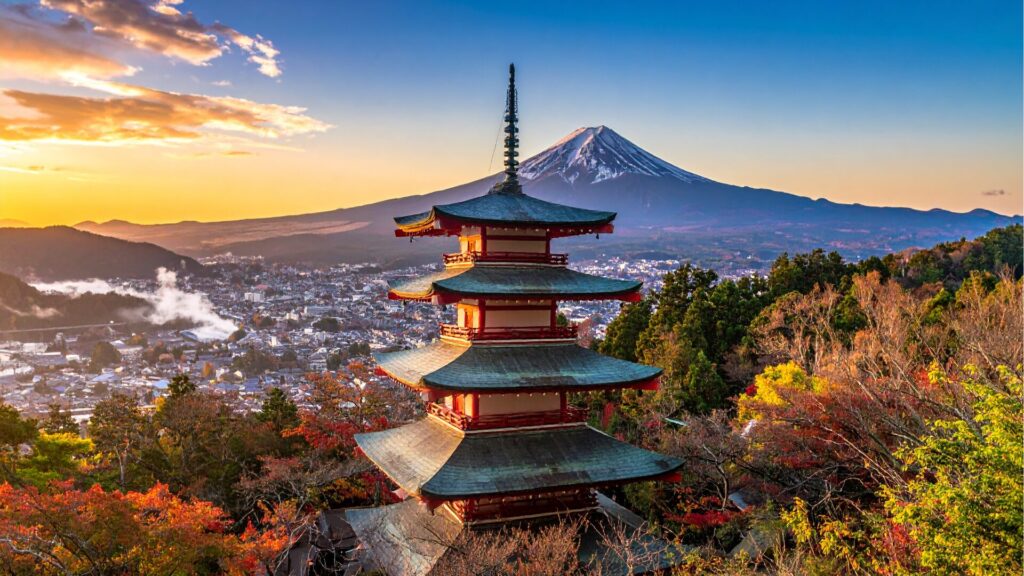
Several locations around Mt Fuji offer evening cherry blossom illuminations (yozakura) during peak bloom. The Kawaguchiko Cherry Blossom Festival features the most prominent illumination along the north shore, where rows of cherry trees are lit up in soft white and pink light. The reflection of illuminated sakura on the lake surface is one of the most magical scenes in all of Japan's spring calendar. Free admission typically applies, though parking can be limited — arrive before dark to secure a spot.
Arakurayama Sengen Park has occasionally offered limited evening illumination as well, though this varies by year. Check the Fujiyoshida City tourism website for 2026 event details as they are announced.
What If You Miss Peak Bloom?
If your travel dates do not align perfectly with full bloom, do not despair. The scattering phase (hanafubuki) — when petals fall like snow — is considered by many Japanese to be even more beautiful than full bloom. Pink petals carpeting the ground and floating on lake surfaces create an ethereal atmosphere. Additionally, the staggered bloom across different elevations means that even if lower areas have finished, higher-elevation spots may just be reaching their peak. The Mt Fuji region's varied topography gives you a wider window than most sakura destinations in Japan.
Experience Japan’s Finest JDM Adventures
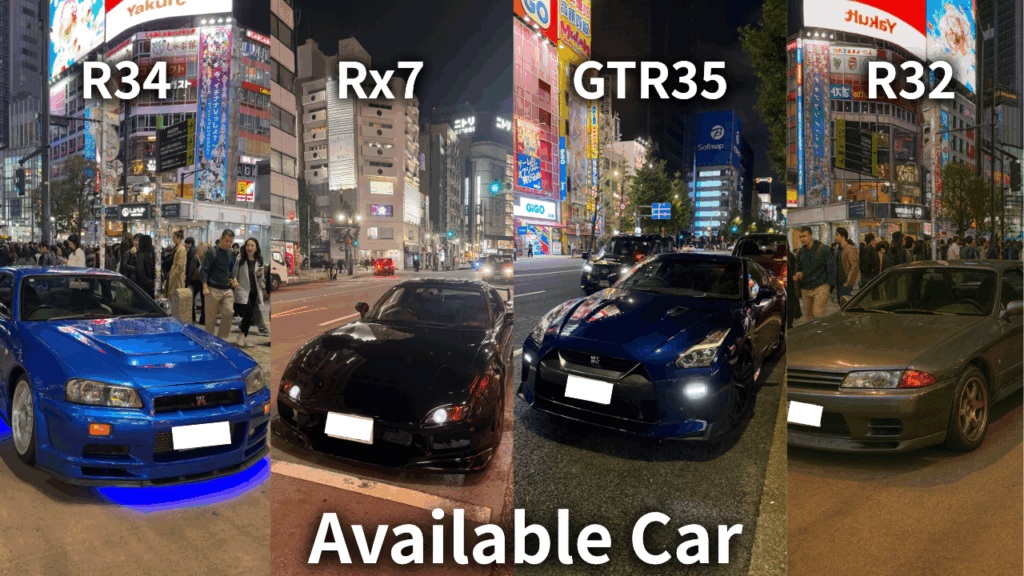
From Daikoku PA tours to JDM sports car rentals and drift experiences, we offer premium driving adventures for visitors who want more than ordinary sightseeing.
Get behind the wheel of iconic machines such as the GT-R, RX-7, and Supra, and experience Japan’s legendary car culture in the most unforgettable way. Whether you want a scenic Tokyo car experience or something more thrilling and immersive, we can guide you to the right plan.
Not sure which experience suits you best? No problem. Message us on WhatsApp and we’ll help you choose the ideal option based on your travel plans, interests, and driving experience.
Popular dates sell out quickly, so we recommend contacting us early.
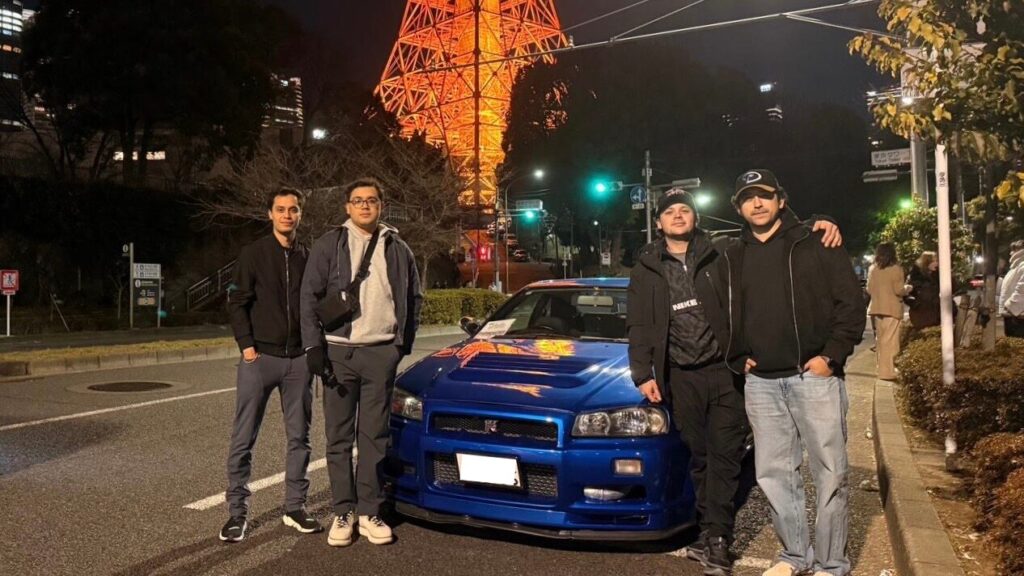
Customer Reviews
Important Information
- This is a drive tour where you drive your rental car, and our guide navigates from the seat.
- This is a self-drive tour where you drive your rental car, and our guide navigates from the passenger seat.
- The tour begins and ends at the same location (Shibuya).
- If the Daikoku Parking Area is closed, we will instead guide you to another car meet further away.
- The consultant is a cultural expert and navigator, not a taxi service.
