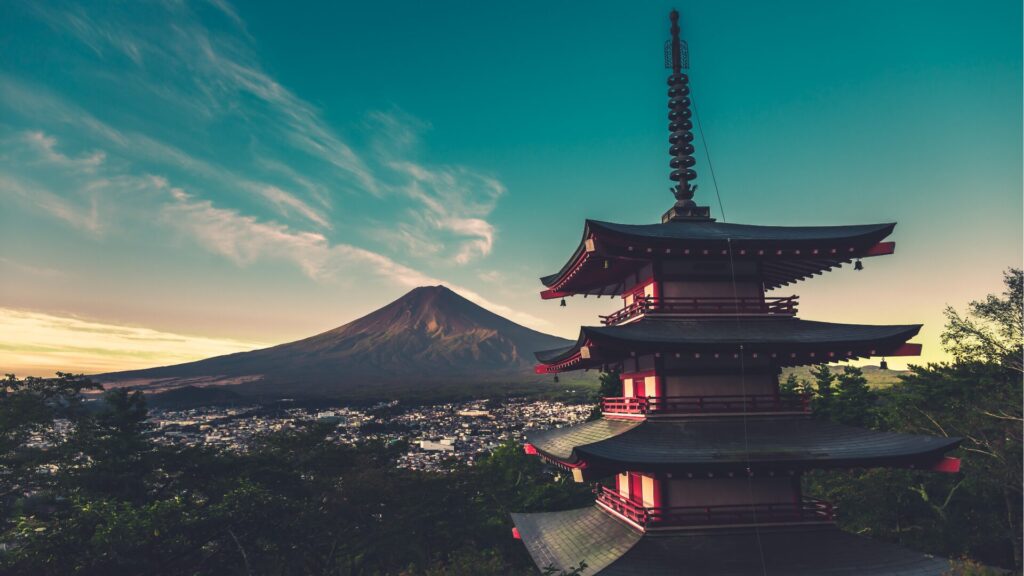
Why Mt Fuji Captivates Millions of Visitors Every Year
Mt Fuji — or Fujisan (富士山) as it is known in Japanese — stands at 3,776 meters (12,389 feet), making it the tallest peak in Japan. Its near-perfect symmetrical cone, capped with snow for much of the year, has been a symbol of Japan for centuries. In 2013, UNESCO designated Mt Fuji as a World Cultural Heritage Site, recognizing not just its geological significance but its deep influence on Japanese art, literature, and spirituality.
Whether you want to climb to the summit, photograph the mountain from a picturesque lake, soak in a hot spring with Fuji views, or simply drive through the surrounding Fuji Five Lakes region, this guide covers everything you need to plan your visit in 2026.
Where Is Mt Fuji and How Far Is It from Tokyo?
Mt Fuji sits on the border of Shizuoka and Yamanashi Prefectures, roughly 100 kilometers southwest of central Tokyo. Its proximity to the capital makes it one of the most accessible natural landmarks in the country. On a clear day — particularly during autumn and winter months — you can even see Mt Fuji from certain vantage points within Tokyo, such as the observation decks at Tokyo Skytree and Roppongi Hills.
Getting to Mt Fuji from Tokyo
- By car: Driving from central Tokyo to the Fuji Five Lakes area takes approximately 1.5 to 2 hours via the Chuo Expressway. Driving offers the greatest flexibility, especially if you want to explore multiple viewpoints, onsens, and scenic roads in the region.
- By train: Take the JR Chuo Line from Shinjuku to Otsuki Station, then transfer to the Fujikyu Railway to Kawaguchiko Station. The total journey is about 2 to 2.5 hours.
- By highway bus: Direct buses run from Shinjuku Bus Terminal to Kawaguchiko Station in roughly 2 hours, making this one of the most cost-effective options.
If you are driving from Tokyo and want to combine the trip with a lakeside onsen experience, the route to Kawaguchiko is one of the most scenic and rewarding road trips in the Kanto region.
-

-
Drive from Tokyo to Kawaguchiko Onsen: The Ultimate Self-Drive Guide for Overseas Visitors
Planning to drive from Tokyo to Kawaguchiko onsen? This in‑depth guide covers routes, permits, parking, tolls, itineraries, and seasonal tips—everything you need to enjoy Lake Kawaguchiko and Mt. Fuji hot springs by rental car. Why Drive from Tokyo to Kawaguchiko Onsen? Driving gives you freedom to stop at scenic viewpoints, lesser‑known onsen ryokan, and cafés around the Fuji Five Lakes. Compared with trains and buses, a car lets you combine multiple sights in one day, travel early or late to avoid crowds, and carry luggage with ease. Quick Facts Distance & time: ~110–140 km from central Tokyo; 2–2.5 hours in ...
続きを見る
The Best Viewing Spots for Mt Fuji
While climbing Mt Fuji is the most immersive experience, many visitors come primarily to admire the mountain from a distance. The surrounding area offers a remarkable variety of viewpoints, each providing a different perspective on Japan's most iconic peak.
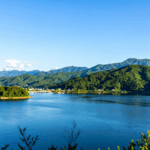
Kawaguchiko (Lake Kawaguchi)
Lake Kawaguchi is the most popular of the Fuji Five Lakes and offers some of the most photographed views of Mt Fuji. The northern shore features an unobstructed panorama of the mountain reflected in the lake's surface. The Kawaguchiko Music Forest and Oishi Park are particularly rewarding viewpoints, especially during cherry blossom season in spring and the autumn foliage season.
Chureito Pagoda
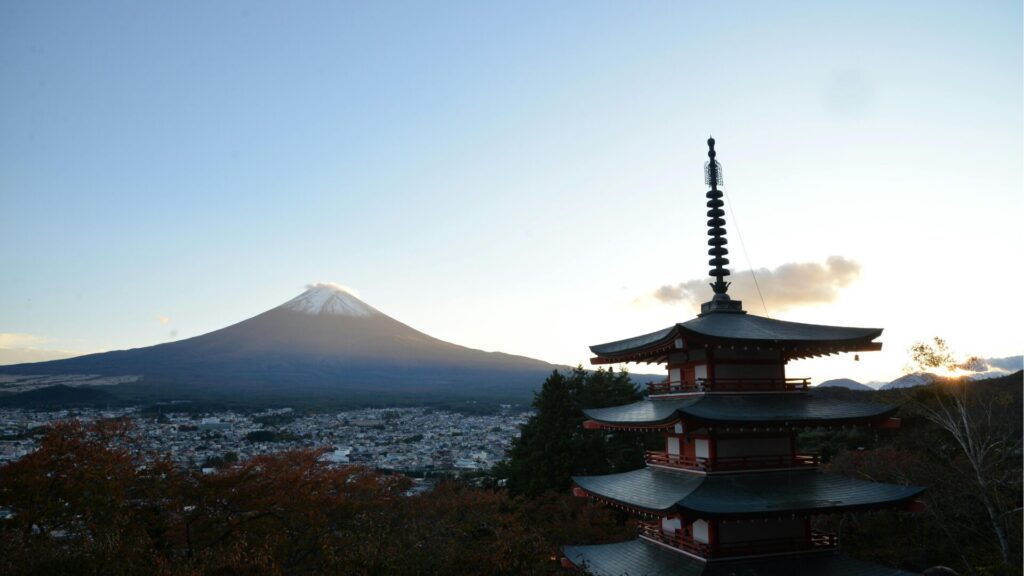
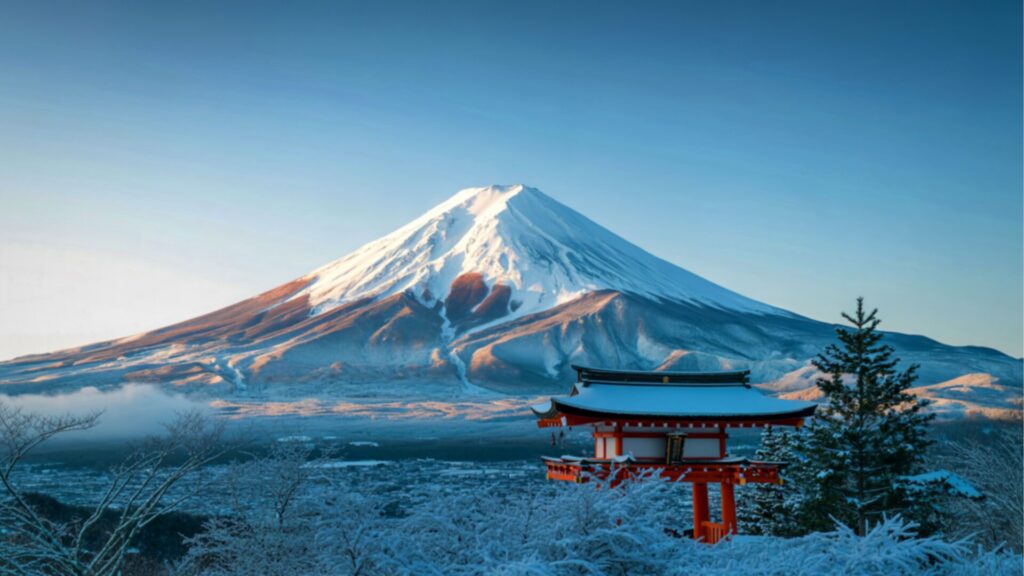
Perhaps the single most iconic Mt Fuji photograph in the world is taken from Chureito Pagoda in Fujiyoshida. The five-story red pagoda framed against the snow-capped mountain is the quintessential image of Japan. Reaching the pagoda requires climbing 398 steps from Shimoyoshida Station, but the view is absolutely worth the effort. Arrive early in the morning for the best light and fewest crowds.
Lake Saiko, Lake Yamanaka, and Lake Motosu
The remaining Fuji Five Lakes each offer their own unique vantage points. Lake Motosu is particularly notable — the view of Mt Fuji from its northwestern shore is the same image featured on the Japanese 1,000-yen banknote. Lake Yamanaka is the largest of the five and sits at the highest elevation, providing clear views from its eastern shoreline.
Hakone
Located southeast of Mt Fuji, Hakone is a renowned hot spring resort town that offers stunning Fuji views from spots like Owakudani and the Hakone Ropeway. On clear days, the combination of Mt Fuji, Lake Ashi, and the surrounding volcanic landscape creates an unforgettable panorama.
-

-
Rent a Car Tokyo to Hakone Onsen: Complete Driving Guide for Visitors
Why Drive from Tokyo to Hakone Onsen? Renting a car gives you door‑to‑door access to hot spring towns, ryokan with private baths, and scenic viewpoints that are difficult to reach by train or bus. A car also lets you time onsen visits to avoid crowds, bring luggage without transfers, and combine Hakone with outlets, wineries, or Mt. Fuji photo spots in a single loop. When Is the Best Time to Drive to Hakone? Hakone is a year‑round destination. Weekdays outside national holidays are best for smooth traffic. Peak congestion times include Saturday mornings outbound from Tokyo and Sunday evenings inbound. ...
続きを見る
Shizuoka Side: Miho no Matsubara and Nihondaira
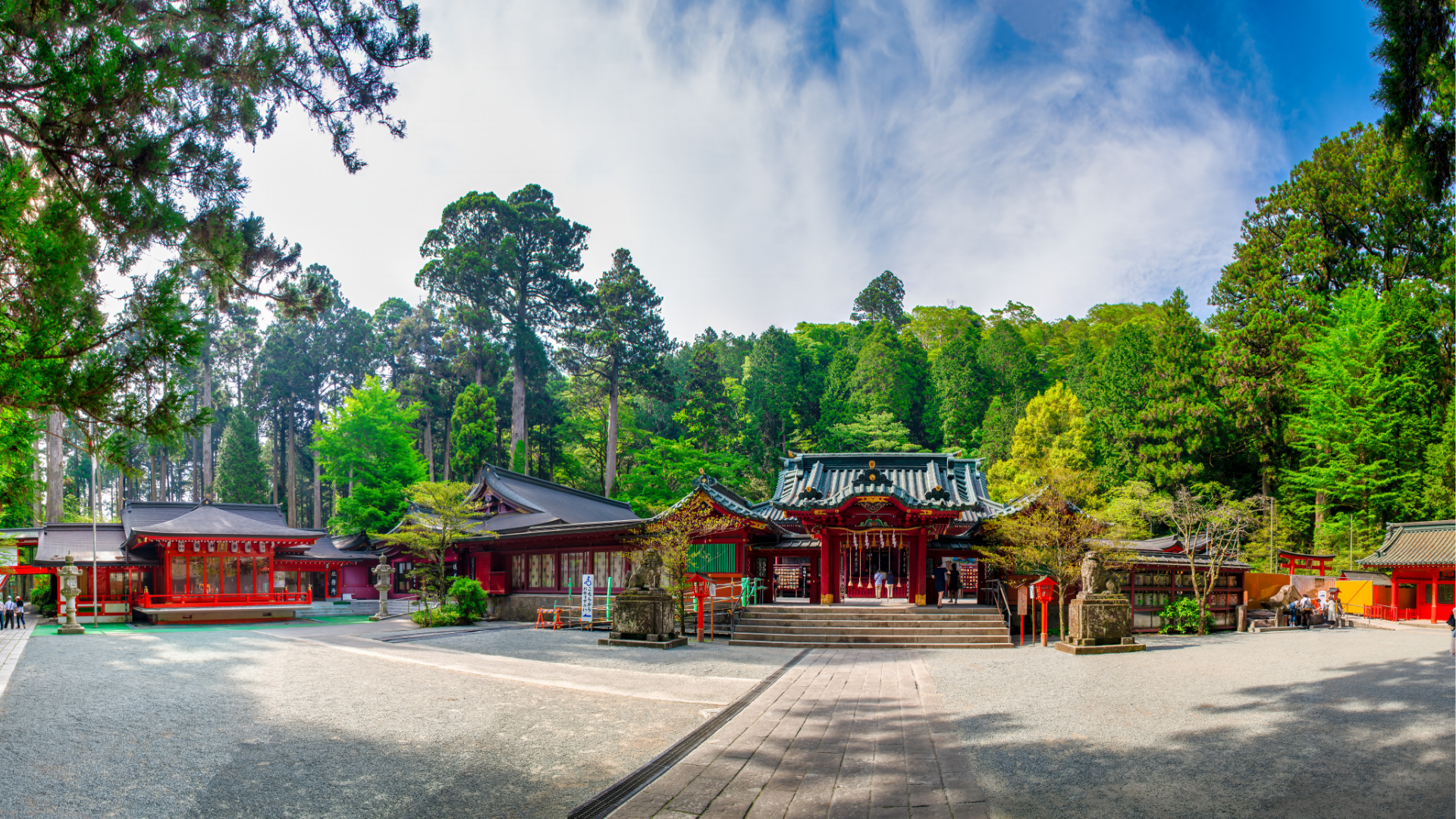
The Shizuoka side of Mt Fuji is less crowded but equally beautiful. Miho no Matsubara is a UNESCO-listed pine grove beach offering views of Fuji across Suruga Bay. Nihondaira is a plateau with a modern observation terrace that provides sweeping views of the mountain, the city of Shizuoka, and the Pacific Ocean.
Climbing Mt Fuji in 2026: Everything You Need to Know
Climbing Mt Fuji is a bucket-list experience for many travelers. While it is not a technically difficult climb, it demands solid preparation and respect for the mountain's altitude and weather conditions.
Climbing Season
The official climbing season for Mt Fuji typically runs from early July to early September. Outside this window, trails are closed, mountain huts are shut, and conditions can be extremely dangerous. In 2026, expect the season to open around July 1 for the Yoshida Trail and around July 10 for the other three trails. Always check official Shizuoka and Yamanashi Prefecture announcements for exact dates.
The Four Climbing Routes
- Yoshida Trail (Yamanashi side): The most popular route, used by approximately 60% of climbers. Starts at the Fuji Subaru Line 5th Station. Well-served by mountain huts and facilities.
- Subashiri Trail: A quieter alternative that merges with the Yoshida Trail above the 8th Station. Features beautiful forest sections on the lower portion.
- Gotemba Trail: The longest and most challenging route with the greatest elevation gain. Offers dramatic volcanic sand runs on the descent.
- Fujinomiya Trail: The shortest route to the summit but also the steepest. Starts at the highest 5th Station on the Shizuoka side.
Reservation System and Entry Fee
Since 2024, Yamanashi Prefecture has implemented a reservation and entry fee system for the Yoshida Trail to manage overcrowding. In 2026, climbers using this route must pre-register online and pay a climbing fee (approximately 2,000 yen) plus a voluntary conservation donation. There is a daily climber cap, so booking in advance is essential, especially for weekend climbs and the peak Obon holiday period in mid-August.
What to Bring
- Layered clothing (summit temperatures can drop below 0°C even in summer)
- Rain gear (weather changes rapidly at high altitude)
- Headlamp with spare batteries (essential for overnight climbs)
- Sturdy hiking boots with ankle support
- Sufficient water and high-energy snacks
- Cash for mountain hut fees and restroom usage
- Sunscreen and sunglasses
The Sunrise Experience (Goraiko)
The most sought-after experience on Mt Fuji is watching the sunrise — known as goraiko (御来光) — from or near the summit. Most climbers aiming for goraiko begin their ascent in the late afternoon, stay overnight at a mountain hut around the 7th or 8th Station, and resume climbing in the early morning hours to reach the top before dawn. The sight of the sun rising above the clouds is genuinely awe-inspiring.
Best Time to See Mt Fuji
One of the biggest challenges visitors face is cloud cover. Mt Fuji is frequently shrouded in clouds, especially during the warmer months. Knowing when visibility is highest can make or break your trip.
Seasonal Visibility
- November to February: The best months for clear views. Cold, dry air minimizes cloud cover, and the snow-capped peak is at its most photogenic.
- March to April: Good visibility, with the added bonus of cherry blossoms at lower elevations framing the mountain.
- May to June: Increasing humidity and rain (especially during the June tsuyu rainy season) reduce visibility significantly.
- July to August: Climbing season, but paradoxically the worst time for distant views due to summer haze and clouds.
- September to October: Visibility improves as humidity drops, and autumn foliage adds spectacular color to the foreground.
Time of Day
Early morning offers the clearest conditions. Clouds tend to build up around the mountain as the day progresses, so plan to arrive at your chosen viewpoint by sunrise for the best chance of an unobstructed view.
Onsen and Hot Springs with Mt Fuji Views
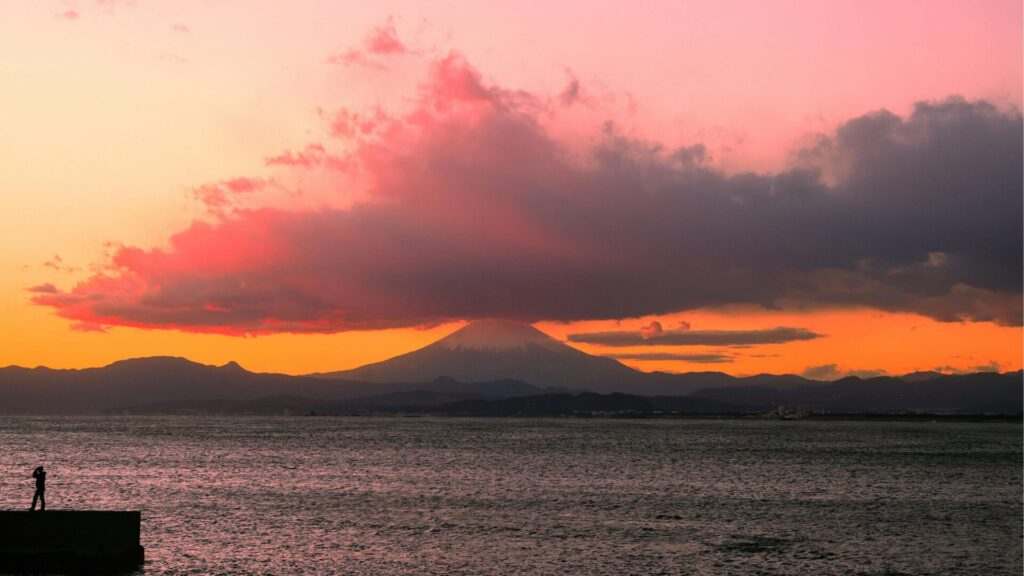
The Mt Fuji region is blessed with numerous onsen (hot spring) facilities, many of which offer views of the mountain while you soak. Soaking in a steaming outdoor rotenburo with Mt Fuji towering in the background is one of the most quintessentially Japanese experiences imaginable.
Top Onsen Near Mt Fuji
- Hottarakashi Onsen (Yamanashi): An open-air bath perched on a hillside with panoramic views of Mt Fuji and the Kofu Basin. Opens before dawn so visitors can watch the sunrise from the water.
- Fuji Yurari (Narusawa): A day-use facility right in the Fuji Five Lakes area with multiple baths facing the mountain.
- Fujisan Onsen in Fujiyoshida: A convenient option near Kawaguchiko with indoor and outdoor baths.
Driving Around Mt Fuji: Scenic Roads and Routes
Exploring the Mt Fuji region by car opens up a world of possibilities that public transport simply cannot match. The network of scenic roads encircling the mountain allows you to visit multiple viewpoints, lakes, waterfalls, and onsens in a single day at your own pace.
Key Driving Routes
- Fuji Subaru Line: A toll road ascending from the base to the Yoshida Trail 5th Station at 2,305 meters. Offers increasingly dramatic views as you climb. Note that private vehicles are restricted during the climbing season (July–September); a shuttle bus system operates instead.
- Fuji Skyline: A free road on the Shizuoka side leading to the Fujinomiya 5th Station. Less crowded than the Subaru Line.
- Route 139 along the Fuji Five Lakes: Connects all five lakes and passes through charming towns with constant mountain views.
- Hakone Turnpike and Ashinoko Skyline: Scenic toll roads connecting the Hakone area with views of both Mt Fuji and the Pacific coast.
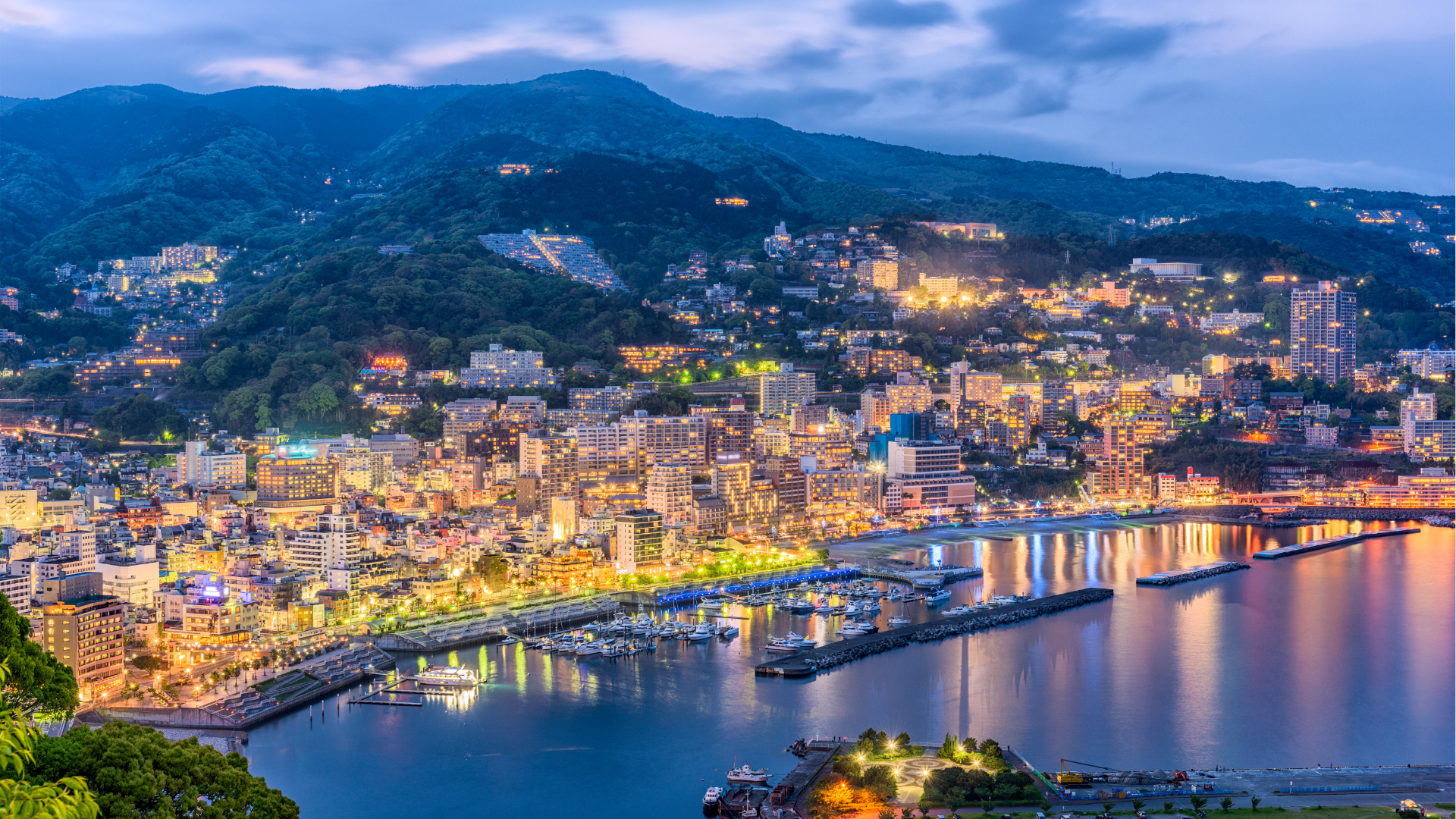
For visitors who love driving, renting a car in Tokyo and heading out toward Fuji and the surrounding highlands makes for an unforgettable road trip, especially when combined with stops at onsen towns like Hakone, Atami, or the Izu Peninsula.
-
-
Tokyo to Atami: The Definitive Guide for a Seamless Onsen Escape and Coastal Getaway
Why Atami Is the Perfect Tokyo Getaway Atami blends classic hot‑spring culture with a compact seaside city you can tour in a day. It offers easy access from central Tokyo, ocean‑view ryokan with private baths, a walkable center around Atami Station, and year‑round fireworks over Sun Beach. For travelers who want an authentic onsen experience without a long transfer, Atami is one of the most convenient options on the Izu Peninsula. How Far Is Atami from Tokyo? Travel Time at a Glance • By Shinkansen (Tokaido Line): about 40–50 minutes from Tokyo Station, slightly longer from Shinagawa or Shin‑Yokohama depending ...
続きを見る
Mt Fuji Activities Beyond Climbing
Even if you have no plans to climb, the Mt Fuji area offers a rich variety of activities that make it a rewarding destination year-round.
Fuji Q Highland
One of Japan's most famous amusement parks, Fuji Q Highland sits at the base of Mt Fuji and is known for its extreme roller coasters, including Fujiyama, Do-Dodonpa, and Eejanaika. The park's setting — with Fuji looming directly behind the rides — is surreal.
Aokigahara Forest
Also known as the Sea of Trees, Aokigahara is a dense forest that grew over a lava flow from Mt Fuji's eruption in 864 AD. Guided nature walks through the forest reveal lava caves, unique flora, and an eerie silence created by the porous volcanic rock absorbing sound.
Oshino Hakkai
A set of eight crystal-clear spring water ponds fed by snowmelt from Mt Fuji, filtered through lava for over 80 years. The small village setting with traditional thatched-roof buildings and Fuji in the background makes it one of the most photogenic spots in the region.
Cycling and Hiking
The Fuji Five Lakes area offers excellent cycling routes, particularly around Lake Kawaguchi and Lake Yamanaka. For hikers who do not want to tackle the Fuji summit, trails around Mitsutoge and the nearby Tenshi Mountains provide stunning elevated views of the mountain.
Where to Stay Near Mt Fuji
The accommodation options around Mt Fuji range from luxury ryokan (traditional Japanese inns) to budget hostels, with many offering direct views of the mountain.
- Kawaguchiko area: The widest selection of hotels, ryokan, and guesthouses. Many lakeside properties feature rooms with floor-to-ceiling windows facing Fuji.
- Fujiyoshida: A more local, lived-in town with affordable accommodations and easy access to the Chureito Pagoda and Yoshida Trail.
- Hakone: Premium ryokan and resorts with onsen facilities, ideal for travelers seeking a luxury hot spring experience with Fuji views.
- Gotemba: Convenient for accessing the Gotemba Trail, Gotemba Premium Outlets, and the Shizuoka side of the mountain.
For the best views from your accommodation, request a "Fuji-view room" (富士山が見える部屋) when booking, and check weather forecasts — a clear morning from your room window can be the highlight of your trip.
Mt Fuji Travel Tips for 2026
- Check the weather obsessively. Use apps like Windy or the Japan Meteorological Agency website to monitor cloud cover forecasts for the Fuji area.
- Book climbing reservations early. The Yoshida Trail reservation system fills up fast, especially for weekends and holidays.
- Avoid Golden Week (late April to early May) and Obon (mid-August) if you want to avoid the heaviest domestic tourism crowds.
- Carry cash. Many smaller facilities, mountain huts, and parking areas around Mt Fuji do not accept credit cards or IC cards.
- Respect the mountain. Mt Fuji is a sacred site. Follow all trail markers, carry out all trash, and observe quiet hours at mountain huts.
- Consider weekdays. Viewpoints like Chureito Pagoda and areas around Kawaguchiko are significantly less crowded on weekdays compared to weekends.
Mt Fuji Through the Seasons: A Year-Round Destination
While Mt Fuji is often associated with summer climbing, the mountain and its surrounding region offer compelling reasons to visit in every season.
- Spring (March–May): Cherry blossoms at Chureito Pagoda, Shiba-zakura (pink moss phlox) at Fuji Shibazakura Festival, and increasingly clear skies.
- Summer (June–August): Official climbing season. Lush greenery around the lakes. Fireworks festivals on Lake Kawaguchi and Lake Yamanaka.
- Autumn (September–November): Stunning koyo (autumn foliage) around the Five Lakes, with red and gold maples framing the snow-dusted peak. The Kawaguchiko Autumn Leaves Festival is a highlight.
- Winter (December–February): The most consistently clear views of a fully snow-covered Fuji. Diamond Fuji — where the rising or setting sun aligns perfectly with the summit — can be witnessed from Lake Yamanaka in late February.
No matter when you visit, Mt Fuji rewards those who plan ahead and remain flexible with their schedule. It is a mountain that embodies the beauty, power, and cultural depth of Japan — and seeing it in person, whether from a distant viewpoint or the summit itself, is an experience that stays with you long after you leave.
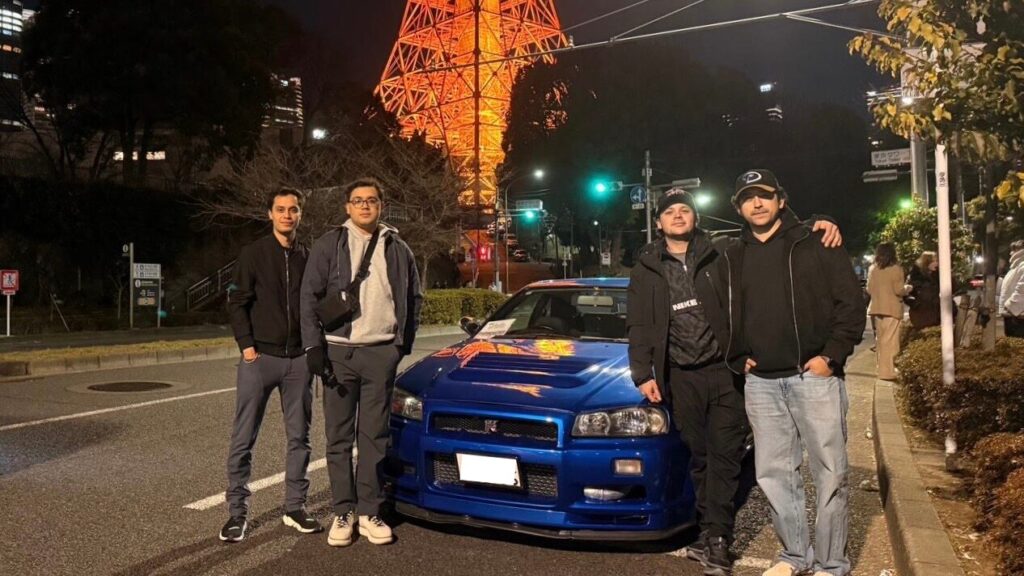
Experience Japan’s Finest JDM Adventures
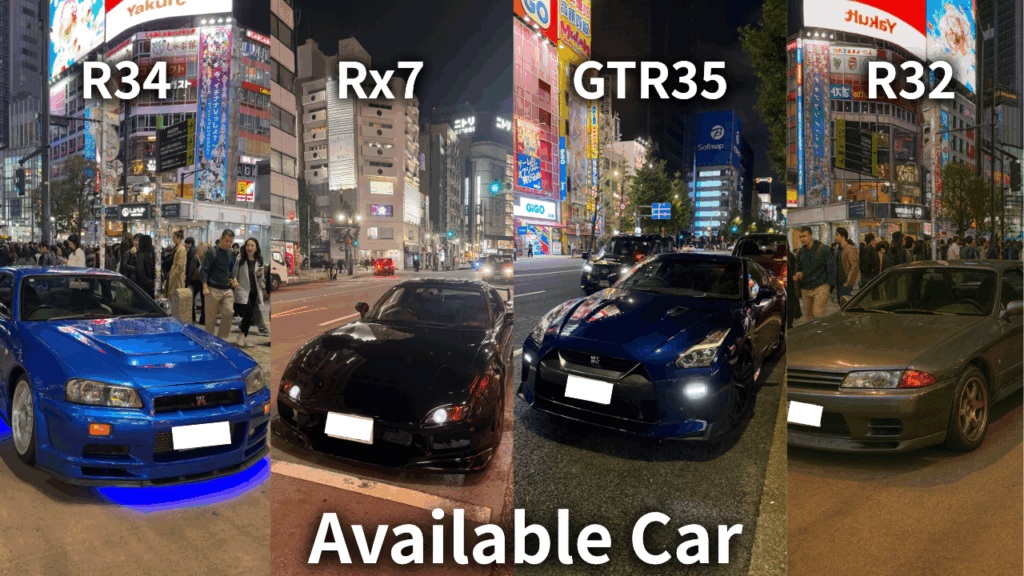
From Daikoku PA tours to JDM sports car rentals and drift experiences, we offer premium driving adventures for visitors who want more than ordinary sightseeing.
Get behind the wheel of iconic machines such as the GT-R, RX-7, and Supra, and experience Japan’s legendary car culture in the most unforgettable way. Whether you want a scenic Tokyo car experience or something more thrilling and immersive, we can guide you to the right plan.
Not sure which experience suits you best? No problem. Message us on WhatsApp and we’ll help you choose the ideal option based on your travel plans, interests, and driving experience.
Popular dates sell out quickly, so we recommend contacting us early.
Customer Reviews
Important Information
- This is a drive tour where you drive your rental car, and our guide navigates from the seat.
- This is a self-drive tour where you drive your rental car, and our guide navigates from the passenger seat.
- The tour begins and ends at the same location (Shibuya).
- If the Daikoku Parking Area is closed, we will instead guide you to another car meet further away.
- The consultant is a cultural expert and navigator, not a taxi service.
