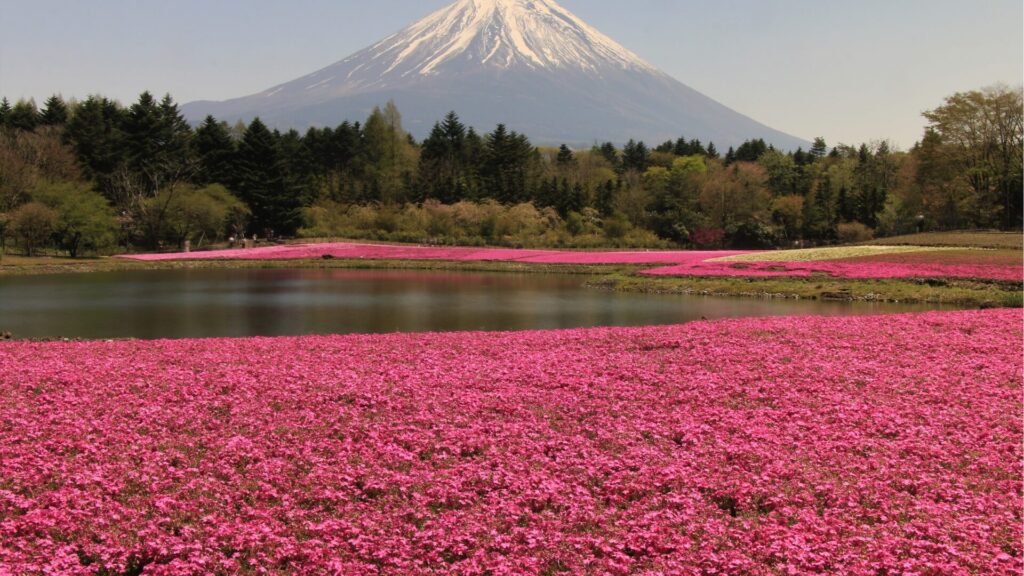
Why Staying Near Mt Fuji Is Worth It
A day trip from Tokyo to Mt Fuji can feel rushed. Between the two-hour-plus journey each way and the limited time at popular viewpoints, many travelers wish they had planned an overnight stay. Booking a hotel near Mt Fuji transforms the experience entirely. You wake up to sunrise over the iconic peak, soak in volcanic hot spring baths with mountain panoramas, and explore the Fuji Five Lakes region at a relaxed pace.
The Mt Fuji area offers accommodation for every budget and style — from world-class ryokan with private onsen to modern lakeside hotels and budget-friendly hostels. This guide breaks down the best areas, specific hotel recommendations, and practical tips for planning your stay in 2026.
-

-
Mt Fuji: The Ultimate 2026 Guide to Japan's Iconic Mountain
続きを見る
Best Areas to Stay Near Mt Fuji
Lake Kawaguchiko (Kawaguchi-ko)
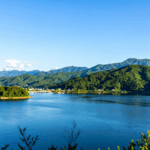
Lake Kawaguchiko is the most popular base for Mt Fuji visitors, and for good reason. The northern shore offers unobstructed views of the mountain reflected in the lake's still waters. The area has excellent transport connections — Kawaguchiko Station is reachable by direct bus from Shinjuku in about two hours — and the surrounding town has restaurants, convenience stores, museums, and rental shops. Hotels here range from luxury ryokan to mid-range chains, and many properties feature rooftop terraces or lake-facing rooms specifically designed for Fuji viewing.
Lake Yamanaka (Yamanaka-ko)
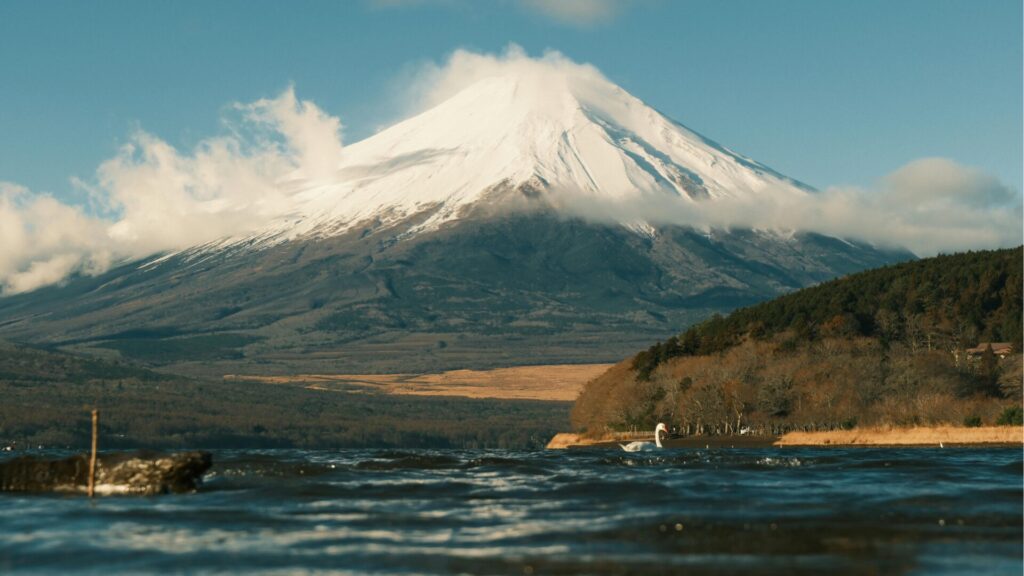
The largest of the Fuji Five Lakes, Lake Yamanaka sits at a slightly higher elevation and tends to be quieter than Kawaguchiko. It is especially popular among outdoor enthusiasts for cycling, kayaking, and fishing. Hotels and pensions here are generally more affordable, and the southern shore provides excellent Mt Fuji views. The trade-off is fewer dining options and slightly less convenient public transport access.
Lake Motosu (Motosu-ko)
Lake Motosu is famous for the view of Mt Fuji that appears on the ¥1,000 bill. It is the westernmost and deepest of the five lakes, and the surrounding area remains relatively undeveloped. Accommodation options are limited — mostly campgrounds, a few pensions, and one or two small hotels — but the serenity and photographic opportunities are unmatched.
Fujiyoshida
The city of Fujiyoshida sits at the foot of Mt Fuji's northern slope and serves as the gateway to the Yoshida Trail, the most popular climbing route. Staying here makes sense if you plan to climb the mountain during the official season (July–early September). The Fuji Sengen Shrine area has traditional inns and guesthouses, and the city is known for its local specialty, Yoshida udon noodles.
Gotemba and Susono (South Side)
On the Shizuoka Prefecture side of Mt Fuji, the towns of Gotemba and Susono offer a different perspective of the mountain. Gotemba Premium Outlets — one of Japan's largest outlet malls — draws shoppers, and nearby attractions include the Fuji Safari Park and several excellent onsen resorts. Hotels on this side tend to be slightly cheaper, and access by car from Tokyo via the Tomei Expressway is straightforward.
Hakone
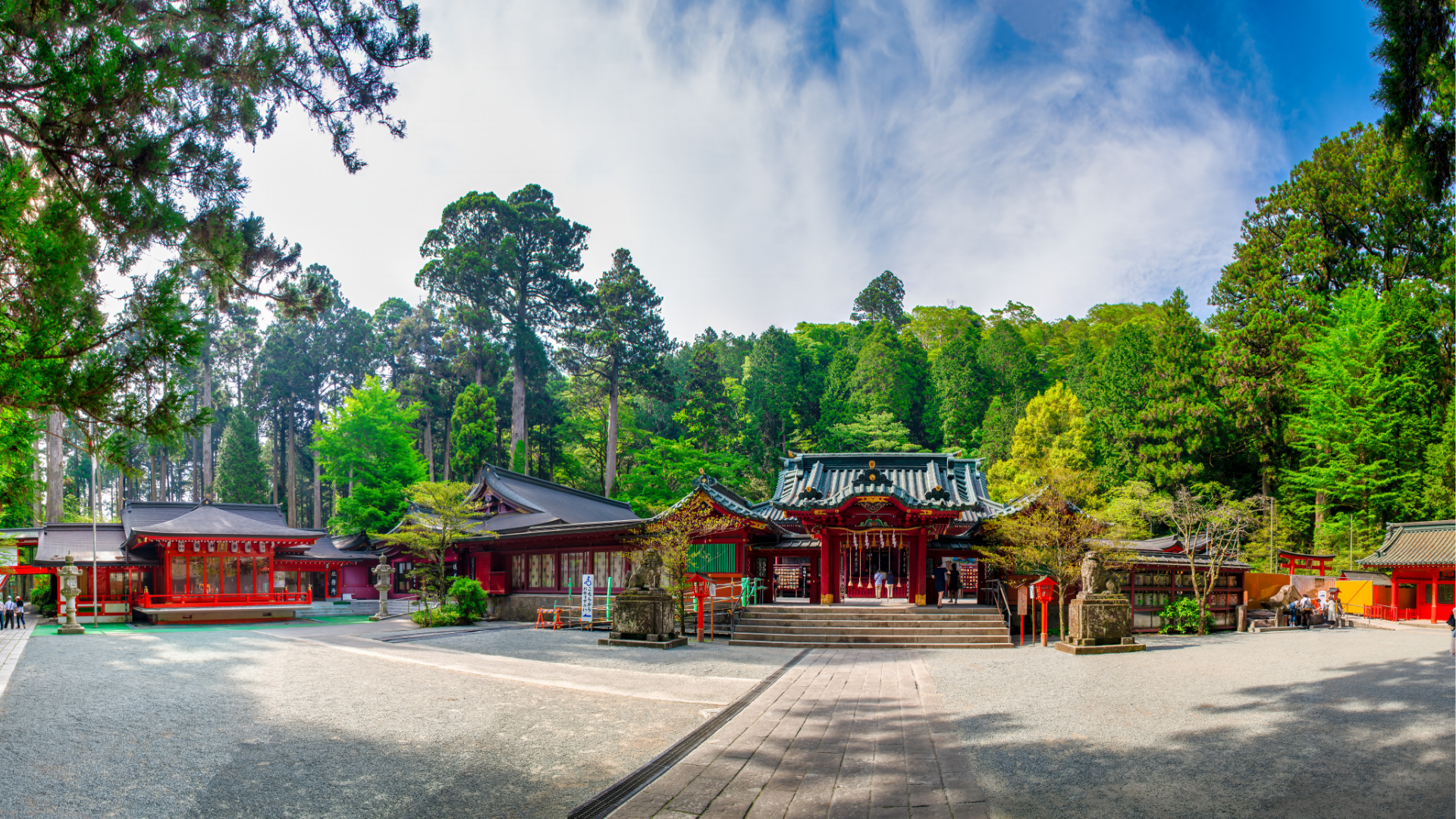
While technically a separate destination, Hakone is close enough to Mt Fuji that many hotels there offer Fuji views, particularly from higher-elevation properties. Hakone is renowned for its hot springs and art museums, making it a compelling option for travelers who want to combine Fuji sightseeing with a broader onsen experience.
-
-
Drive from Tokyo to Kawaguchiko Onsen: The Ultimate Self-Drive Guide for Overseas Visitors
続きを見る
Top Mt Fuji Hotels for Every Budget in 2026
Luxury: Hoshinoya Fuji
Perched on a forested hillside overlooking Lake Kawaguchiko, Hoshinoya Fuji is Japan's first glamping-style luxury resort. Each cabin-style room features a large terrace with a Mt Fuji view, and the property offers curated experiences such as lakeside breakfast, forest meditation, and stargazing sessions. Rates typically start around ¥80,000 per night for two guests. Reservations fill months in advance, especially during autumn foliage season (late October to mid-November).
Luxury: Fuji Lake Hotel
This long-established hotel sits directly on the shore of Lake Kawaguchiko. The Fuji View rooms on the upper floors provide some of the most iconic Mt Fuji panoramas available from any hotel in the region. Facilities include a natural hot spring bath, multiple restaurants serving Japanese and Western cuisine, and a private lakeside garden. Expect rates from ¥35,000 to ¥60,000 per night depending on the room type and season.
Mid-Range: Shuhokaku Kogetsu
A traditional ryokan on the northern shore of Lake Kawaguchiko, Shuhokaku Kogetsu is celebrated for its open-air onsen baths that face Mt Fuji directly. The Japanese-style rooms with tatami floors and futon bedding offer an authentic experience, and the kaiseki dinner courses feature seasonal Yamanashi ingredients. Room rates generally range from ¥25,000 to ¥45,000 per person including dinner and breakfast.
Mid-Range: Hotel Mystays Fuji Onsen Resort
Located in Fujiyoshida, this hotel combines modern amenities with natural hot spring facilities. It is a reliable option for travelers seeking comfort without the premium price tag of lakefront properties. Mt Fuji is visible from select rooms and the rooftop bath. Rates start around ¥12,000 to ¥20,000 per night.
Budget: K's House Mt. Fuji
A well-regarded hostel in Kawaguchiko, K's House offers both dormitory beds and private rooms. The common lounge area has a large window facing Mt Fuji, and the staff are knowledgeable about local hiking trails and transport. Dorm beds start from around ¥3,500 per night, while private rooms range from ¥8,000 to ¥12,000.
Budget: Fujisan Station Hotel
Steps from Fujisan Station (formerly Mt. Fuji Station), this simple hotel is ideal for climbers starting the Yoshida Trail and travelers relying on public transport. Rooms are compact but clean, and the location provides easy access to the local bus network. Rates hover around ¥6,000 to ¥10,000 per night.
Best Mt Fuji Hotels with Onsen
One of the defining experiences of staying near Mt Fuji is soaking in a natural hot spring while gazing at the mountain. The Fuji Five Lakes area sits atop volcanic geology that feeds numerous onsen sources. Here are hotels particularly known for their baths:
- Konansou (Lake Kawaguchiko) — Lakefront ryokan with an outdoor rotenburo bath offering an unobstructed Fuji reflection view at dawn.
- Hotel Kaneyamaen (Lake Kawaguchiko) — Features both indoor and outdoor baths using natural Kawaguchiko hot spring water, plus private bath options for couples.
- Fujisan Onsen Hotel Kanpo-no-Yado — A government-run lodge with surprisingly high-quality onsen facilities and Mt Fuji views, at very reasonable rates.
- Benifuji no Yu Dormy Inn (Fujiyoshida) — Part of the popular Dormy Inn chain, this property features an excellent rooftop onsen with a direct view of the summit.
When to Book Mt Fuji Hotels
Timing significantly affects both availability and pricing. Understanding the seasonal patterns helps you secure the best deal and the best views.
Peak Seasons (Book 3–6 Months Ahead)
- Cherry blossom season (early to mid-April) — The Chureito Pagoda viewpoint in Fujiyoshida draws massive crowds. Hotels sell out quickly.
- Mt Fuji climbing season (July 1 – September 10) — Fujiyoshida-area hotels and mountain huts fill fast.
- Autumn foliage (late October – mid-November) — The Maple Corridor along Lake Kawaguchiko is a major draw. Premium rates apply.
- New Year's (December 31 – January 2) — Viewing hatsuhinode (the first sunrise of the year) over Mt Fuji is a Japanese tradition. Rooms with east-facing views are highly sought after.
Shoulder and Off-Peak Seasons
Late January through March and June (the rainy season) offer the lowest rates and most availability. Keep in mind that Mt Fuji is frequently obscured by clouds during rainy season, so visibility is not guaranteed. Winter months (December through February) can be excellent for clear skies, but temperatures drop well below freezing at night, and some hotels reduce operations.
Clear Fuji Views: Best Time of Day
Regardless of the season, early morning offers the highest probability of a clear Mt Fuji view. Clouds typically build throughout the day, especially in warmer months. Booking a hotel with a Fuji-facing room lets you simply open the curtains at dawn — far easier than racing to a viewpoint.
Practical Tips for Choosing a Mt Fuji Hotel
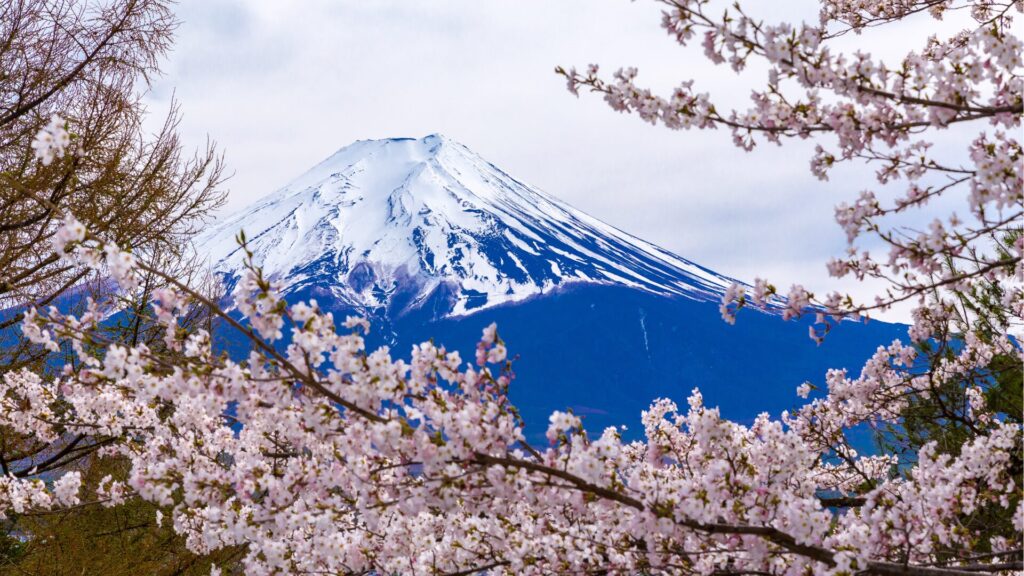
- Confirm the view: Not all rooms in a "Mt Fuji view hotel" actually face the mountain. When booking, specifically request a Fuji-view room (富士山側 in Japanese). Some properties charge a premium of ¥3,000–¥10,000 per night for this room type, but it is well worth it.
- Meal plans: Many ryokan include dinner and breakfast (1泊2食). This is often the best way to experience local cuisine, and it saves time since restaurants in the area close early.
- Transport: If you are relying on public transport, prioritize hotels near Kawaguchiko Station. The Fuji Kyuko bus network covers most lakeside hotels, but frequencies decrease after 6 PM.
- Parking: For those driving to the area, most hotels offer free or inexpensive parking. Having a car provides the flexibility to explore lesser-visited viewpoints and lakes like Motosu and Shoji at your own pace.
- Altitude and weather: The Fuji Five Lakes region sits at around 800–1,000 meters above sea level. Temperatures are 5–7°C cooler than Tokyo year-round. Pack layers, especially for evening onsen sessions on outdoor terraces.
-
-
Tokyo to Mt Fuji: Every Way to Get There in 2026 (Train, Bus, Car & Tours)
続きを見る
Getting to Mt Fuji Hotels from Tokyo
Most travelers reach the Fuji Five Lakes area from Tokyo using one of the following methods:
- Highway bus from Shinjuku: The most popular option, with frequent departures by Fujikyu and Keio Bus. The ride takes approximately 1 hour 45 minutes to Kawaguchiko Station. One-way fares are around ¥2,200.
- JR Chuo Line + Fuji Kyuko Line: Take the JR limited express Kaiji or Azusa to Otsuki Station, then transfer to the Fuji Kyuko Line to Kawaguchiko. Total travel time is about 2 hours 15 minutes. Covered partially by the Japan Rail Pass.
- By car: Driving from central Tokyo takes approximately 1.5 to 2 hours via the Chuo Expressway. Highway tolls run around ¥3,000–¥4,000 one way. This is the most flexible option, especially for visiting multiple lakes or reaching hotels in more remote locations.
Many higher-end hotels offer shuttle services from Kawaguchiko Station. Confirm with your hotel before arrival, as some require advance reservations for the pickup service.
Combining Mt Fuji Hotels with Nearby Experiences
An overnight stay near Mt Fuji opens up a range of experiences that day-trippers typically miss:
- Chureito Pagoda at sunrise: Arrive before the crowds for the classic five-story pagoda framing Mt Fuji. The 398-step climb is easier in the cool morning air.
- Oshino Hakkai: A set of eight crystal-clear ponds fed by snowmelt from Mt Fuji, located between Lakes Kawaguchiko and Yamanaka. Best visited early morning.
- Fuji-Q Highland: One of Japan's most thrilling amusement parks, featuring roller coasters with Mt Fuji backdrops. Located next to Fujikyu-Highland Station.
- Wine tasting in Katsunuma: The Koshu wine region is a 45-minute drive from Kawaguchiko and offers tastings at dozens of boutique wineries.
- Aokigahara Forest: The dense forest at the base of Mt Fuji has marked hiking trails leading to lava caves and scenic viewpoints.
-

-
Rent a Car Tokyo to Hakone Onsen: Complete Driving Guide for Visitors
続きを見る
Final Thoughts on Choosing the Right Mt Fuji Hotel
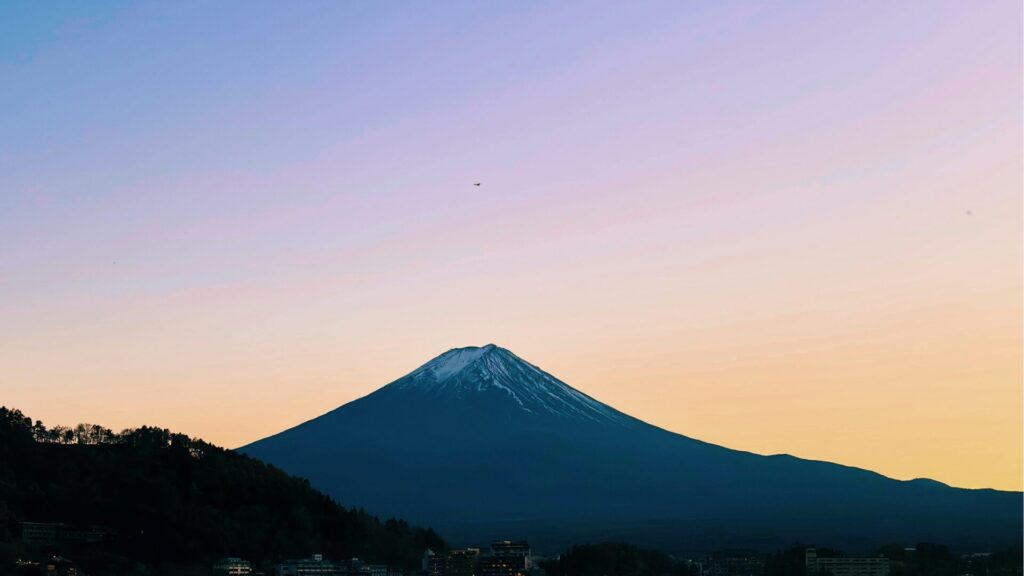
The best Mt Fuji hotel depends on your priorities. If views are paramount, the northern shore of Lake Kawaguchiko delivers the most consistent and dramatic perspectives. If you crave tranquility, Lake Motosu or Lake Yamanaka will reward you with peace and solitude. For climbers, Fujiyoshida puts you at the trailhead doorstep. And for travelers who want luxury onsen combined with Fuji views, the ryokan options around Kawaguchiko are among the finest in all of Japan.
Whatever your style, spending at least one night in the Mt Fuji area is one of the most memorable decisions you can make when visiting Japan. The mountain reveals different faces throughout the day — rose-gold at sunrise, silhouetted against a star-filled sky at night — and only an overnight stay lets you witness the full performance.
Experience Japan’s Finest JDM Adventures
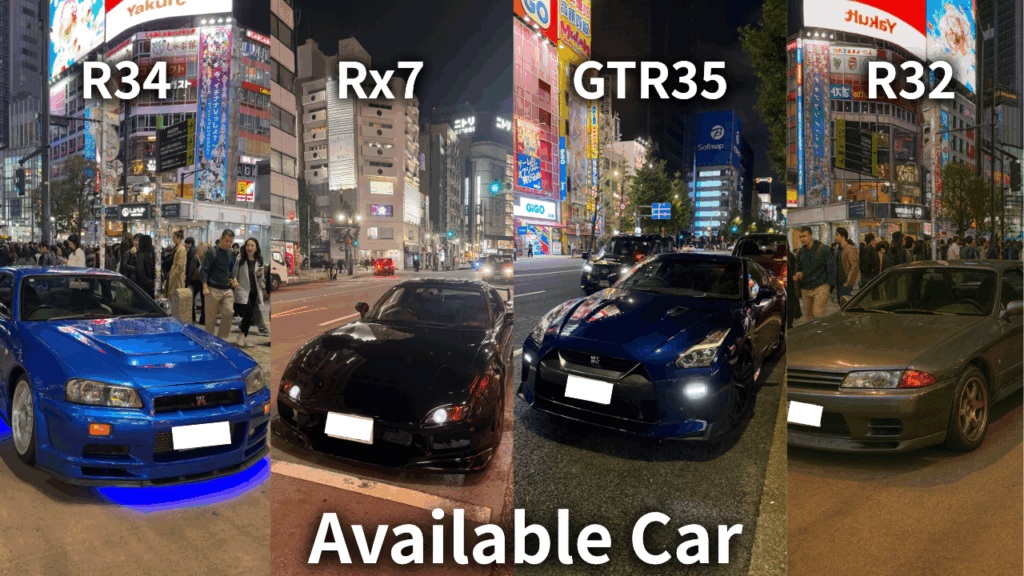
From Daikoku PA tours to JDM sports car rentals and drift experiences, we offer premium driving adventures for visitors who want more than ordinary sightseeing.
Get behind the wheel of iconic machines such as the GT-R, RX-7, and Supra, and experience Japan’s legendary car culture in the most unforgettable way. Whether you want a scenic Tokyo car experience or something more thrilling and immersive, we can guide you to the right plan.
Not sure which experience suits you best? No problem. Message us on WhatsApp and we’ll help you choose the ideal option based on your travel plans, interests, and driving experience.
Popular dates sell out quickly, so we recommend contacting us early.
Customer Reviews
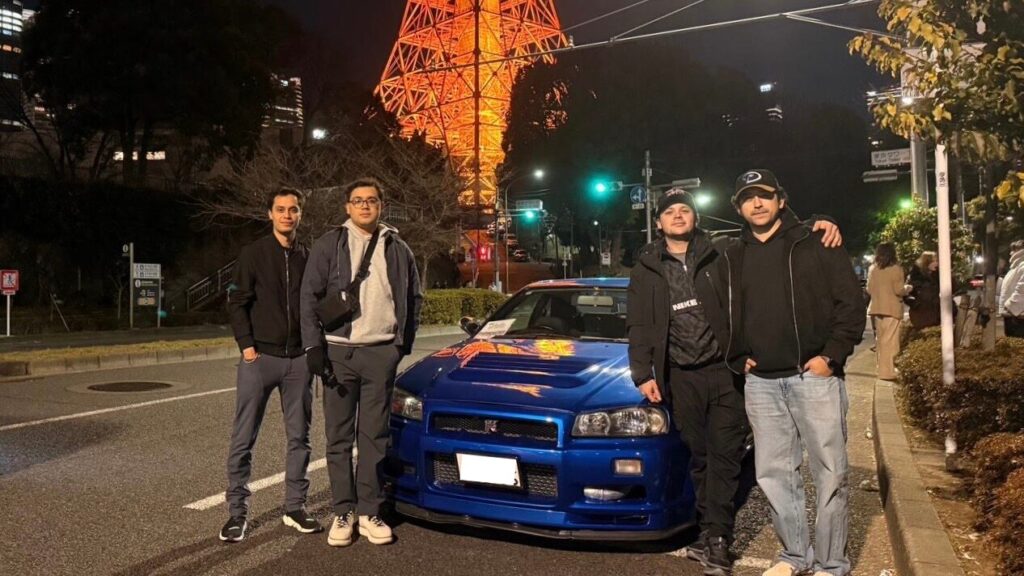
Important Information
- This is a drive tour where you drive your rental car, and our guide navigates from the seat.
- This is a self-drive tour where you drive your rental car, and our guide navigates from the passenger seat.
- The tour begins and ends at the same location (Shibuya).
- If the Daikoku Parking Area is closed, we will instead guide you to another car meet further away.
- The consultant is a cultural expert and navigator, not a taxi service.
