
Why Winter Is the Best Season to See Mt Fuji
Mt Fuji in winter is arguably the most spectacular version of Japan's iconic volcano. From late November through February, consistently cold and dry air produces crystal-clear skies that make the snow-capped peak visible from extraordinary distances — including central Tokyo on favorable days. The mountain's symmetrical cone, draped in pristine white snow against a vivid blue sky, is the image most people picture when they think of Japan. If you want to see Mt Fuji at its photogenic best, winter is the season to plan your visit.
During the warmer months, summer haze, typhoon moisture, and persistent cloud cover can obscure the mountain for days on end. In contrast, winter atmospheric conditions dramatically improve visibility. December and January typically offer the highest number of clear-sky days around the Fuji Five Lakes region, making this period ideal for photography, sightseeing, and simply soaking in the view.
-

-
Mt Fuji: The Ultimate 2026 Guide to Japan's Iconic Mountain
Why Mt Fuji Captivates Millions of Visitors Every Year Mt Fuji — or Fujisan (富士山) as it is known in Japanese — stands at 3,776 meters (12,389 feet), making it the tallest peak in Japan. Its near-perfect symmetrical cone, capped with snow for much of the year, has been a symbol of Japan for centuries. In 2013, UNESCO designated Mt Fuji as a World Cultural Heritage Site, recognizing not just its geological significance but its deep influence on Japanese art, literature, and spirituality. Whether you want to climb to the summit, photograph the mountain from a picturesque lake, soak in ...
続きを見る
When to Visit Mt Fuji in Winter
December: Early Winter Magic
December brings reliable snowfall to the upper slopes and consistently cold temperatures at the lake region. Average daytime temperatures around Kawaguchiko hover between 2°C and 8°C (36–46°F), dropping well below freezing at night. The holiday illumination events around the lakes begin in early December, adding festive charm to the already stunning landscape.
January: Peak Winter Conditions
January is the coldest month and often the clearest. Expect daytime highs of 0–5°C (32–41°F) near the lakes, with nighttime lows reaching -8°C (18°F) or colder. The mountain is at its most dramatic during this period, with heavy snowpack extending far down the slopes. Fewer tourists visit in January compared to autumn, meaning popular viewpoints are less crowded.
February: Late Winter Brilliance
February maintains excellent visibility while gradually warming toward month's end. The famous Diamond Fuji phenomenon — where the setting sun aligns perfectly with the summit — occurs at Lake Yamanaka around mid-February, attracting photographers from across Japan. By late February, plum blossoms begin appearing in the lower elevations, creating early spring contrasts against the snowy mountain.
Best Viewpoints for Mt Fuji in Winter
Lake Kawaguchiko (Fuji Five Lakes)
Lake Kawaguchiko remains the most accessible and popular viewpoint for winter Mt Fuji photography. The northern shore offers unobstructed reflections of the snow-covered peak on calm mornings. The Kawaguchiko Ohashi Bridge and the nearby Music Forest Museum provide excellent foreground elements. Winter mornings here can be bitterly cold, but the reward — a mirror-perfect reflection of the white mountain — is unmatched.
-
-
Fuji Five Lakes: The Complete 2026 Guide to the 5 Lakes of Mt Fuji
What Are the 5 Lakes of Mt Fuji? The Fuji Five Lakes — known as Fujigoko (富士五湖) in Japanese — are a group of five lakes situated at the northern base of Mt Fuji in Yamanashi Prefecture. Formed by ancient lava flows from Mt Fuji's eruptions that dammed natural river valleys, these lakes have been a cornerstone of Japanese landscape appreciation for centuries. Together, they form one of the most scenic regions in all of Japan and serve as the primary vantage point for iconic views of the mountain. The five lakes are Lake Kawaguchiko, Lake Yamanakako, Lake Saiko, Lake ...
続きを見る
Chureito Pagoda
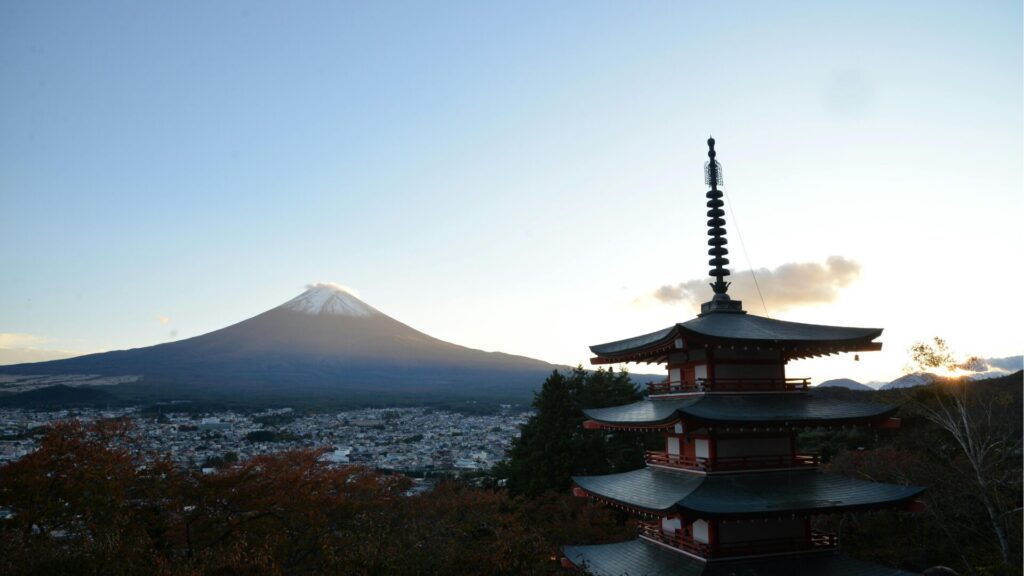
The Chureito Pagoda near Fujiyoshida is one of the most photographed spots in all of Japan, and winter elevates this scene to another level. The red pagoda framed against the snow-laden mountain, possibly with a dusting of snow on the pagoda roof and surrounding trees, creates a quintessentially Japanese composition. Arrive before sunrise to secure a spot, as even in winter this location attracts dedicated photographers.
Lake Yamanaka
Lake Yamanaka, the largest of the Fuji Five Lakes, provides a wider perspective of the mountain with more open sky. Its eastern location makes it ideal for capturing morning light on Fuji's face. The Diamond Fuji event in February is best observed from the Panorama Dai viewpoint on Yamanaka's northern shore.
Oshino Hakkai
This traditional village with its eight crystal-clear spring ponds offers a uniquely serene winter scene. The old thatched-roof houses, possibly dusted with snow, frame Mt Fuji beautifully in the background. The ponds remain an ethereal turquoise year-round because they are fed by snowmelt filtered through volcanic rock over decades.
Nihondaira and Miho no Matsubara (Shizuoka Side)
For a different perspective, the southern side of Mt Fuji viewed from Shizuoka Prefecture offers stunning winter panoramas. Nihondaira plateau provides sweeping views of the mountain with Suruga Bay in the foreground. Miho no Matsubara, a pine-lined beach, is a UNESCO World Heritage site component where you can photograph Fuji across the water — an iconic composition made even more dramatic with winter snow.
-
-
Best View of Mt Fuji in 2026: 15 Stunning Viewpoints You Cannot Miss
Why Finding the Best View of Mt Fuji Matters Mount Fuji is Japan's most iconic natural landmark, yet seeing it clearly is never guaranteed. Cloud cover, haze, and seasonal conditions can obscure the mountain for days at a time. Choosing the right viewpoint — and visiting at the right time — dramatically increases your chances of witnessing that perfect, symmetrical silhouette. This guide covers the 15 best viewpoints around Mt Fuji in 2026, organized by region, so you can plan the most rewarding itinerary possible. Best Time of Year and Day to See Mt Fuji Clearly Before choosing a viewpoint, ...
続きを見る
Things to Do Around Mt Fuji in Winter
Kawaguchiko Winter Fireworks Festival
Every Saturday and Sunday evening from mid-January through mid-February, fireworks are launched over Lake Kawaguchiko. The 20-minute displays illuminate the winter sky with Mt Fuji as a backdrop. The combination of fireworks, the frozen lake shore, and the snow-covered mountain makes this one of Japan's most atmospheric winter events. Entry is free, and viewing areas along the lakefront fill up quickly.
Hot Springs (Onsen) with Mt Fuji Views
Winter is the ideal season to enjoy an outdoor onsen with a view of Mt Fuji. Several ryokan and day-use facilities around the Fuji Five Lakes offer rotenburo (open-air baths) facing the mountain. Soaking in steaming mineral water while gazing at the snow-covered peak against a clear winter sky is one of Japan's most luxurious experiences. Popular options include facilities at Lake Kawaguchiko and the Fuji Yurari hot spring complex.
-
-
Mt Fuji Onsen: The Best Hot Springs With Views of Japan's Iconic Mountain in 2026
Why Mt Fuji Onsen Is the Ultimate Japanese Experience Few experiences in Japan rival the serene luxury of soaking in a steaming outdoor hot spring while gazing at the snow-capped peak of Mt Fuji. The Fuji Five Lakes region, Hakone, and the broader foothills of Japan's tallest mountain are home to dozens of exceptional onsen facilities — from centuries-old ryokan with private rotenburo (open-air baths) to modern day-trip spas with panoramic picture windows framing the volcano. Whether you are planning a day trip from Tokyo or a multi-night stay, this guide covers the best Mt Fuji onsen destinations in 2026, ...
続きを見る
Fujiten Snow Resort
Located on the northern slopes of Mt Fuji itself, Fujiten Snow Resort is a family-friendly ski area that operates from December through early April. While it is not a major ski destination by Japanese standards, the novelty of skiing on the flanks of Mt Fuji with panoramic views of the surrounding highlands is a unique winter experience. The resort offers beginner to intermediate runs and a dedicated snow play area for children.
Fuji-Q Highland
Japan's famous amusement park at the base of Mt Fuji operates year-round. In winter, shorter lines and a snow-dusted Mt Fuji looming directly behind the roller coasters create memorable experiences. The park's ice skating rink operates during the winter months, and the Thomas Land area is popular with families.
Icicle Festival at Saiko Iyashi no Sato
The reconstructed traditional village at Lake Saiko hosts an icicle illumination event in winter. Natural icicles forming on the nearby cliffs are lit up in colorful lights, creating an otherworldly frozen landscape. The event typically runs from late January through mid-February.
Getting to Mt Fuji in Winter
By Train and Bus from Tokyo
The most common route is the direct bus from Shinjuku Bus Terminal to Kawaguchiko Station, taking approximately two hours. JR runs limited express trains on the Fuji Excursion service directly from Shinjuku to Kawaguchiko. In winter, these services operate on regular schedules and are not typically affected by weather at the lake elevation.
By Car from Tokyo
Driving to the Mt Fuji area in winter takes approximately 90 minutes to two hours via the Chuo Expressway from central Tokyo. A car provides maximum flexibility for reaching multiple viewpoints in a single day — essential when chasing clear-sky windows in winter. However, winter tires or chains are strongly recommended, as roads around the Fuji Five Lakes can be icy, especially in January and February. Some routes to higher elevations, such as the road to the 5th Station, are completely closed during winter.
-
-
Drive from Tokyo to Kawaguchiko Onsen: The Ultimate Self-Drive Guide for Overseas Visitors
Planning to drive from Tokyo to Kawaguchiko onsen? This in‑depth guide covers routes, permits, parking, tolls, itineraries, and seasonal tips—everything you need to enjoy Lake Kawaguchiko and Mt. Fuji hot springs by rental car. Why Drive from Tokyo to Kawaguchiko Onsen? Driving gives you freedom to stop at scenic viewpoints, lesser‑known onsen ryokan, and cafés around the Fuji Five Lakes. Compared with trains and buses, a car lets you combine multiple sights in one day, travel early or late to avoid crowds, and carry luggage with ease. Quick Facts Distance & time: ~110–140 km from central Tokyo; 2–2.5 hours in ...
続きを見る
Important Winter Road Closures
The Subaru Line (Fuji Subashiri Road) leading to the Yoshida 5th Station is closed to private vehicles during winter, typically from late November through late April. The Fujisan Skyline on the southern side follows a similar closure schedule. Plan your itinerary around lake-level viewpoints and towns rather than attempting to drive up the mountain itself.
What to Wear and Bring
Temperatures around the Fuji Five Lakes can feel significantly colder than Tokyo due to the higher elevation (approximately 800 meters above sea level) and exposure to wind. Essential items include:
- Insulated jacket: A windproof down or synthetic insulated coat is essential, especially for early morning photography sessions.
- Thermal layers: Merino wool or synthetic base layers help regulate body temperature during long outdoor stays.
- Warm accessories: Gloves (touchscreen-compatible for camera operation), a warm hat, and a neck gaiter or scarf are critical when wind chill drops temperatures below -10°C.
- Waterproof boots: Snow and ice are common on paths around the lakes and at viewpoints like Chureito Pagoda.
- Hand warmers: Disposable kairo (Japanese hand warmers) are sold at every convenience store and are invaluable during pre-dawn waits at viewpoints.
Winter Photography Tips for Mt Fuji
Capturing Mt Fuji in winter requires some planning beyond simply showing up on a clear day. Here are key tips for getting the best shots:
- Arrive before sunrise: The best light on Mt Fuji occurs during the golden hour just after sunrise, when warm light illuminates the snow on the eastern face. Pre-dawn blue-hour shots are equally compelling.
- Check weather forecasts carefully: Use the Tenki.jp website or the Windy app to monitor cloud cover specifically at the Fuji Five Lakes region. A clear sky in Tokyo does not guarantee visibility at Kawaguchiko.
- Bring extra batteries: Cold temperatures drain camera and phone batteries rapidly. Keep spares in an inside pocket close to your body.
- Use a tripod: Low winter light and long-exposure reflection shots on the lakes require stable support.
- Look for unique foreground: Frozen grasses along the lakeshore, ice formations, and snow-covered boats all add depth and seasonal context to your compositions.
Can You Climb Mt Fuji in Winter?
The official Mt Fuji climbing season runs from early July to mid-September. Outside this period, the mountain is considered closed for climbing, and all mountain huts are shuttered. Winter conditions on Mt Fuji are extremely dangerous — the upper slopes feature sustained winds exceeding 100 km/h, temperatures below -30°C, and a surface of hard-packed ice that has caused fatal slides. The mountain has claimed the lives of experienced mountaineers attempting winter ascents.
Local authorities and the Japan Meteorological Agency strongly advise against winter climbing. Unlike summer, there are no rescue services stationed on the mountain, and helicopter rescue is often impossible due to high winds. If you are drawn to Mt Fuji for its mountaineering challenge, plan your climb during the official season and enjoy the mountain's visual splendor from the base during winter.
Combining a Winter Mt Fuji Trip with Other Destinations
A winter visit to Mt Fuji pairs naturally with several nearby destinations. Hakone, located approximately 40 minutes south of Kawaguchiko by car, offers world-class hot springs, the Hakone Open-Air Museum, and additional Mt Fuji viewpoints from Owakudani. The Izu Peninsula, about 90 minutes further south, provides milder coastal temperatures and early-blooming kawazu cherry blossoms in late February. For those with more time, the Shizuoka side of Mt Fuji opens up access to green tea plantations and the historic Tokaido road.
Winter road trips through the greater Mt Fuji region allow you to experience multiple facets of Japan's landscape in a single journey — from frozen highland lakes to steaming volcanic valleys and the temperate Pacific coast — all within a few hours of Tokyo.
Experience Japan’s Finest JDM Adventures
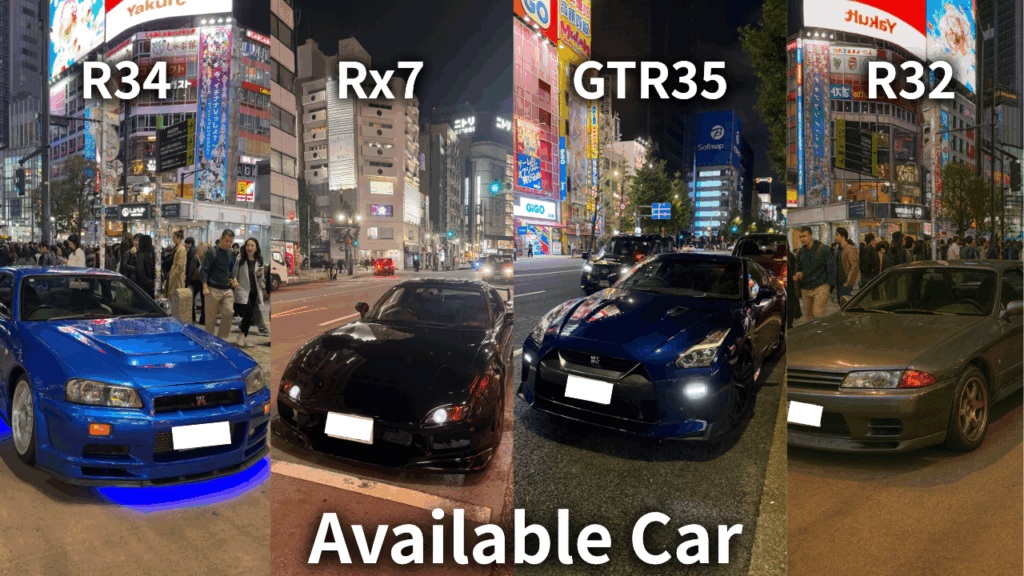
From Daikoku PA tours to JDM sports car rentals and drift experiences, we offer premium driving adventures for visitors who want more than ordinary sightseeing.
Get behind the wheel of iconic machines such as the GT-R, RX-7, and Supra, and experience Japan’s legendary car culture in the most unforgettable way. Whether you want a scenic Tokyo car experience or something more thrilling and immersive, we can guide you to the right plan.
Not sure which experience suits you best? No problem. Message us on WhatsApp and we’ll help you choose the ideal option based on your travel plans, interests, and driving experience.
Popular dates sell out quickly, so we recommend contacting us early.
Customer Reviews
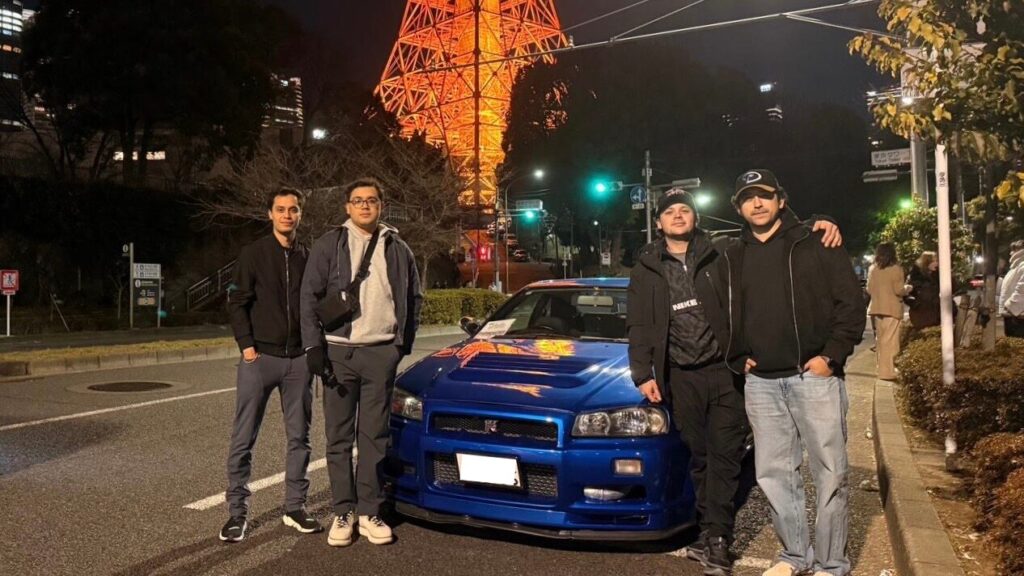
Important Information
- This is a drive tour where you drive your rental car, and our guide navigates from the seat.
- This is a self-drive tour where you drive your rental car, and our guide navigates from the passenger seat.
- The tour begins and ends at the same location (Shibuya).
- If the Daikoku Parking Area is closed, we will instead guide you to another car meet further away.
- The consultant is a cultural expert and navigator, not a taxi service.
